Photo credit: Marisa Subannarat/Shutterstock.com
Suppressors can make a good gun better—quieter, smoother, even softer-shooting. But they can also bring out the worst in a gun that wasn’t built to run suppressed. You start seeing overgassing, faster fouling, cracked parts, worn springs, feeding issues, and premature wear in places you wouldn’t normally check. Some guns can be tuned with the right buffer or adjustable gas block, but others just aren’t cut out for it. These are the firearms that tend to start acting up quicker with a suppressor screwed on, whether it’s from design limitations, cheap parts, or flat-out incompatibility. They’ll run fine bare, but once you add backpressure and heat, you start finding their breaking points.
Kel-Tec Sub 2000
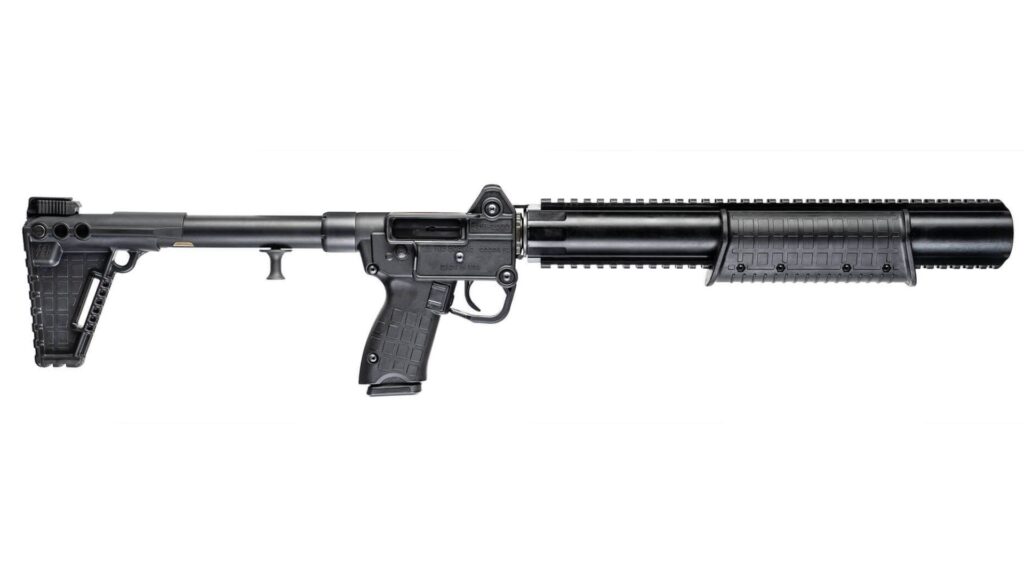
The Sub 2000 is a handy little folding PCC that works well for what it is. But once you add a suppressor, things get weird fast. The blowback design already slams parts harder than it should, and the added backpressure from a can only makes it worse. Expect more fouling, snappier recoil, and a lot more wear on the bolt and recoil spring.
It’s also got that narrow charging handle that becomes uncomfortable after a few suppressed mags. The heat buildup around the receiver is noticeable, and while it’ll still run, you’ll start seeing cycling issues sooner than you’d like. There’s no way to tune the action or adjust gas. And since it wasn’t designed with suppression in mind, you’re forcing a compromise. Fun when it works, but it’s not a platform that holds up well long-term once you start sending rounds through it suppressed.
PSA KS-47
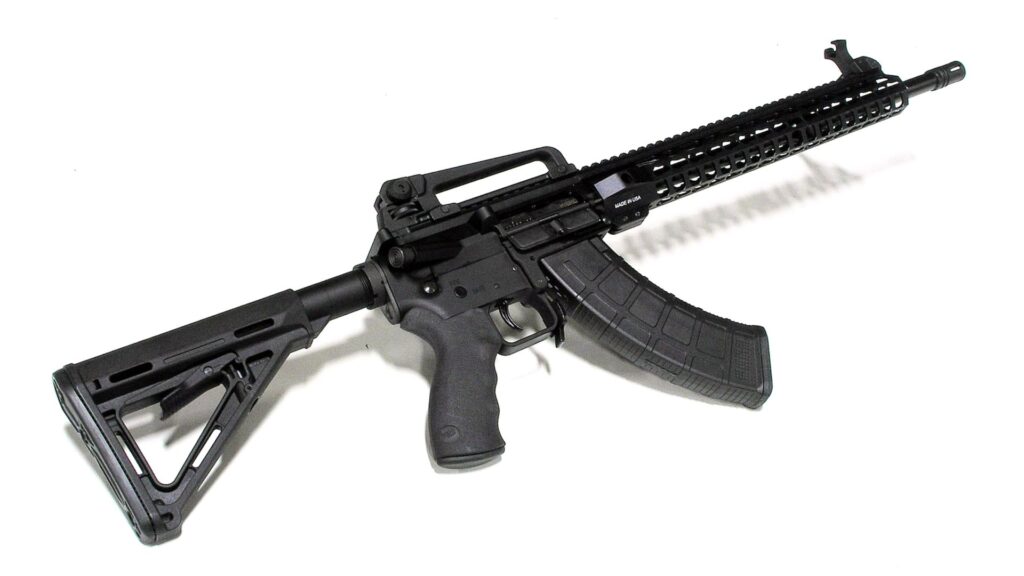
The KS-47 blends AR controls with AK mags, which sounds great on paper. But suppressed, this thing can get frustrating fast. The lack of a properly tuned gas system is the biggest issue. You’re stuck with whatever the factory setting is, and once you add a can, it dumps too much gas back into the action.
You start getting premature wear on bolt lugs and extractor tension, and the recoil impulse goes from firm to downright uncomfortable. Plus, fouling builds up faster in the chamber and around the magwell, where AK mags already introduce more debris. The upper heats up quickly, and because there’s no real way to dial it back, your suppressor ends up accelerating every point of failure. It can be made to run, but it requires more tweaking than most folks want to deal with. Out of the box, it’s a short-lived setup if you’re running suppressed regularly.
CZ Scorpion EVO 3
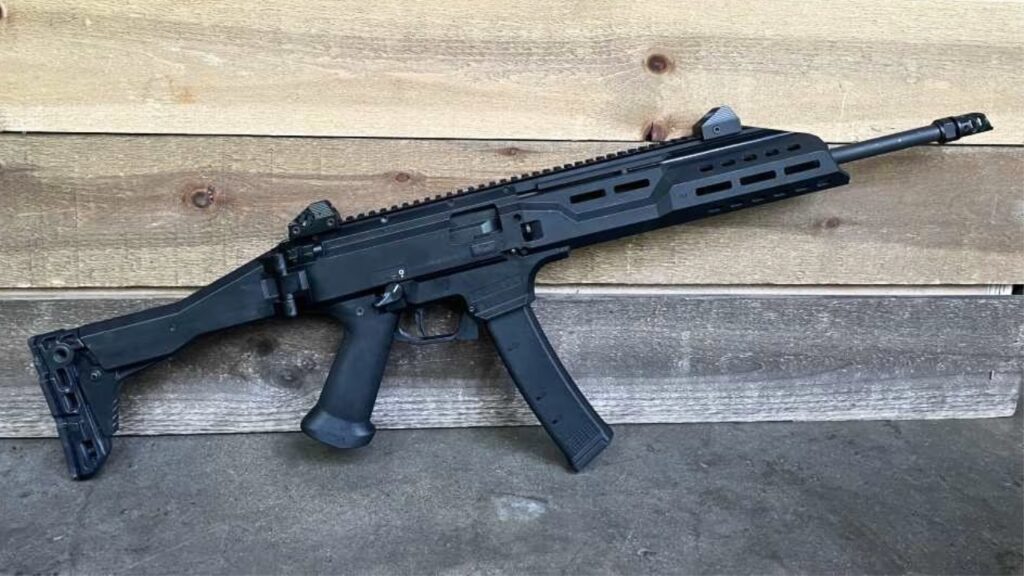
The Scorpion EVO 3 takes well to a suppressor in terms of noise, but not so much in long-term durability. The direct blowback design was never meant for heavy suppressed use. Once you start stacking up rounds, you see heavy bolt wear, increased fouling, and a faster breakdown of internal springs.
The overtravel gets rougher, the recoil gets snappier, and the ejection pattern turns inconsistent. Most folks end up swapping to heavier springs or buffer mods to slow things down, but even then, the parts wear faster than they should. Suppressors also throw a lot of crud back into the receiver, which isn’t a quick cleanup on the Scorpion platform. It runs suppressed, sure. But it wears out faster, and unless you’re staying on top of maintenance, it won’t stay reliable for long.
IWI Galil ACE Gen 1
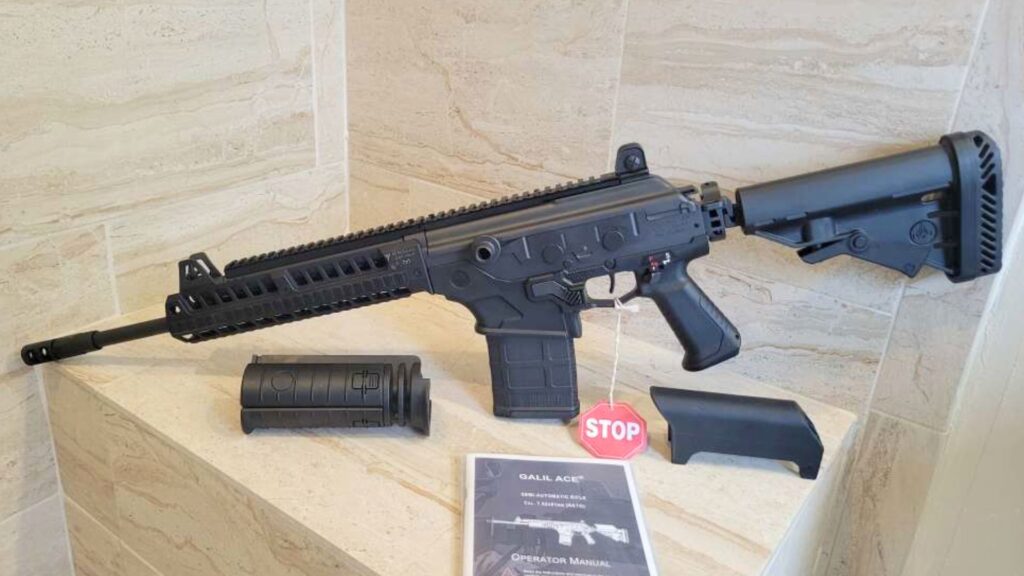
The Galil ACE is built tough, but the Gen 1 models didn’t come with any kind of adjustable gas system. Once you add a suppressor, that extra pressure starts beating up the internals pretty quick. The recoil gets harsher, bolt velocity increases, and you see faster wear on the carrier rails and buffer.
It gets dirty fast, too. The long-stroke piston system wasn’t designed with suppression in mind, and it shows after a few mags. Heat builds up quickly in the handguard, and you’ll start getting carbon fouling in places you didn’t expect. The Gen 2 addressed some of this with an adjustable gas block, but if you’re running a Gen 1 suppressed, expect to replace springs and scrub carbon more often than you’d like.
Sig Sauer MPX (Gen 1)
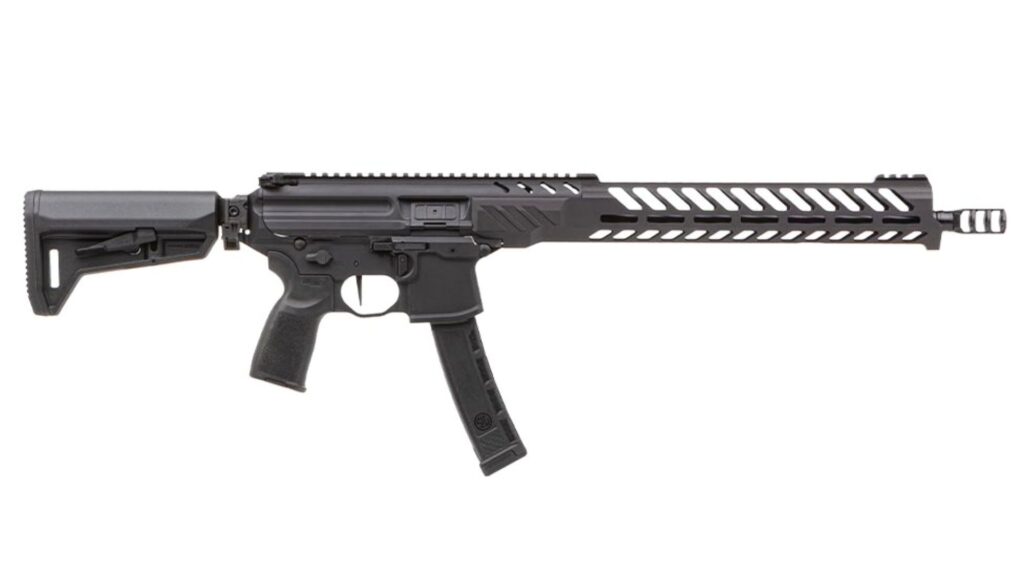
The Gen 1 MPX had a lot of promise, and it shoots soft out of the box. But when suppressed, early models ran into timing and pressure issues that accelerated wear. The recoil system wasn’t quite ready for the added backpressure, and folks started reporting broken springs and premature bolt wear after extended use.
Magazines also had a tendency to wobble more once carbon fouling built up around the magwell. Later generations improved the design, especially with the gas system and recoil spring layout. But if you’re running an early MPX suppressed, the parts wear faster, and you’ll need to stay ahead of maintenance or you’ll start seeing failures sooner than you’d expect.
CMMG Banshee 300 (Radial Delayed Blowback)
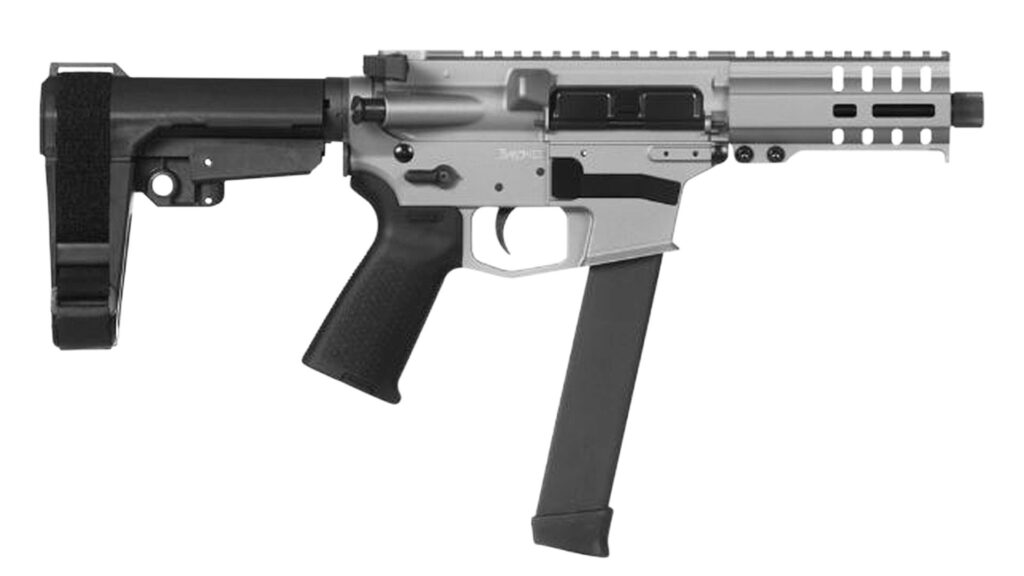
CMMG’s radial delayed system works well unsuppressed, but when you throw a can on the end, the backpressure messes with timing and bolt speed. Recoil increases, the bolt unlocks faster, and you start getting more wear on the cam pin and locking lugs.
It runs—don’t get me wrong. But long-term suppressed use without tuning can lead to a noticeable drop in reliability. Blowback fouling kicks up into the upper receiver and trigger group fast, and you’ll feel it in the action after a few mags. You can swap to a heavier buffer and get it closer to stable, but it’s not a drop-in fix. If you’re shooting suppressed a lot, you’re going to be replacing springs and cleaning more than you’d planned.
AR-15 with Carbine-Length Gas (Non-Adj Block)

A basic AR with a carbine-length gas system and no adjustable block gets punished fast when you add a suppressor. That short dwell time mixed with backpressure slams the bolt hard and fast, which translates to more felt recoil and a quicker parts replacement schedule.
You start seeing extractor and bolt wear earlier than normal, especially if you’re running steel-cased ammo. The gun gets filthy quick, too. Gas rings wear out. Trigger components start to get gummed up from blowback. Sure, it’ll run for a while, but you’re shaving life off the rifle every time you run it suppressed with no tuning. You can fix it with an adjustable block or heavier buffer—but out of the box, this setup won’t last long under suppressed fire.
AK-47 Variants (Non-Adjustable)
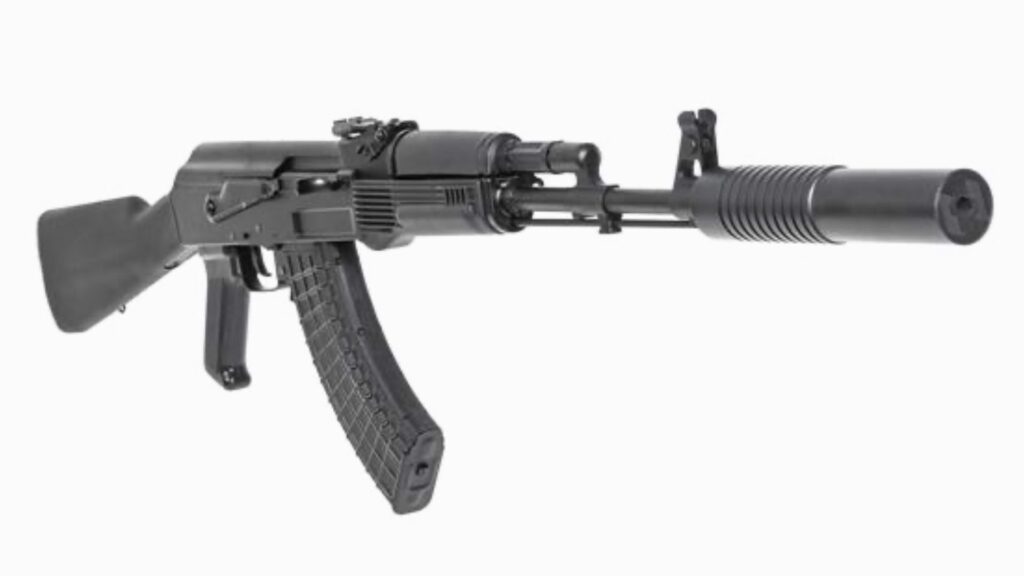
Suppressing an AK sounds great until you realize how hard the gun starts beating itself up. Most AKs aren’t designed with suppressors in mind and don’t have any way to tune gas. That means the piston slams harder, the carrier cycles faster, and the internal wear adds up fast.
You’ll also get heavy blowback through the charging handle and dust cover. The suppressor throws more pressure back toward the shooter, and fouling piles up quicker than normal. Some AKs will run suppressed just fine—for a while. But they wear out quicker, especially the extractor, bolt face, and recoil spring. It’s doable, but if you’re shooting suppressed often, you’ll notice things start breaking down faster than you’d expect.
HK USC
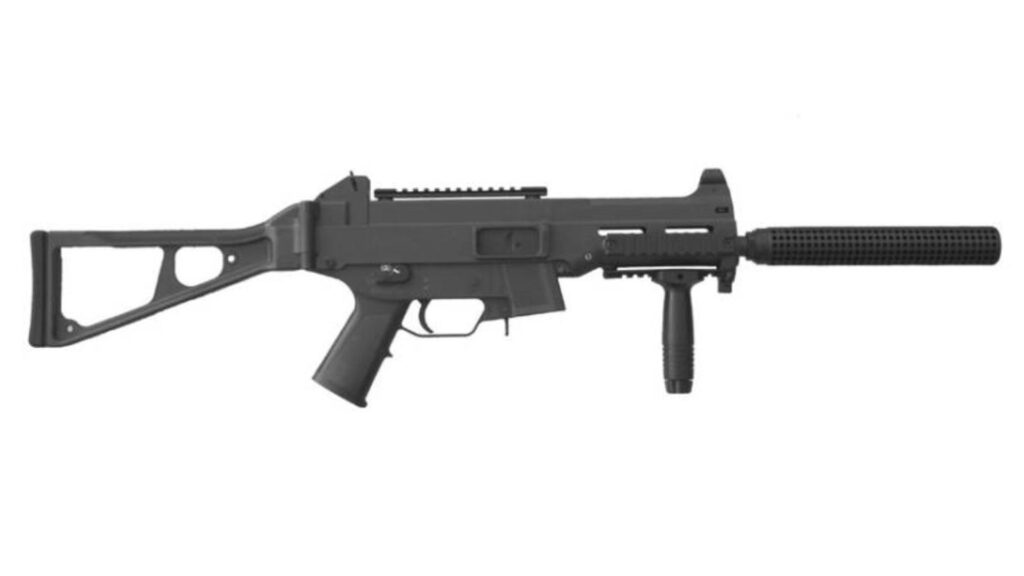
The USC is a civilian-legal carbine in .45 ACP, but it doesn’t love being suppressed. The action gets slammed with backpressure, and it tends to feed inconsistently once it gets dirty. The plastic receiver and tight tolerances don’t play well with fouling, and that carbon builds up fast with a suppressor.
You’ll also get some blowback through the ejection port, and the gun heats up quickly. It’s not that it won’t run suppressed—it can. But it starts showing signs of stress faster than other options in the same caliber. The USC isn’t exactly modular either, so you don’t have much room to tune or adjust anything. You get what you get, and suppressed, it doesn’t hold up well under regular use.
Springfield Saint Edge PDW
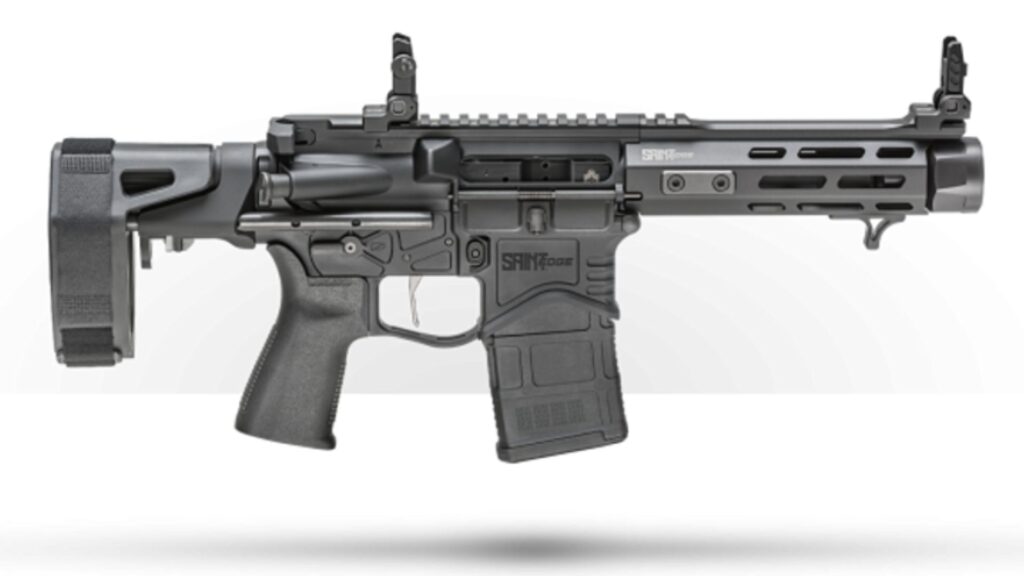
This little .223 PDW looks sharp and feels great to shoot unsuppressed. But once you add a suppressor, the issues stack up fast. It’s an overgassed system by design, and the suppressor compounds that. You get more felt recoil, faster bolt velocity, and a much dirtier action.
It runs fast—too fast, in some cases. Magazines have trouble keeping up, and double feeds start to appear once the gun heats up. The buffer system isn’t tuned for suppressed fire out of the box, and without an adjustable gas block, there’s no way to fix it easily. The bolt carrier starts showing wear quickly, and cleaning turns into a constant chore. For what you pay, it should run better suppressed, but the design puts aesthetics and compactness over long-term durability with a can.
Steyr AUG A3
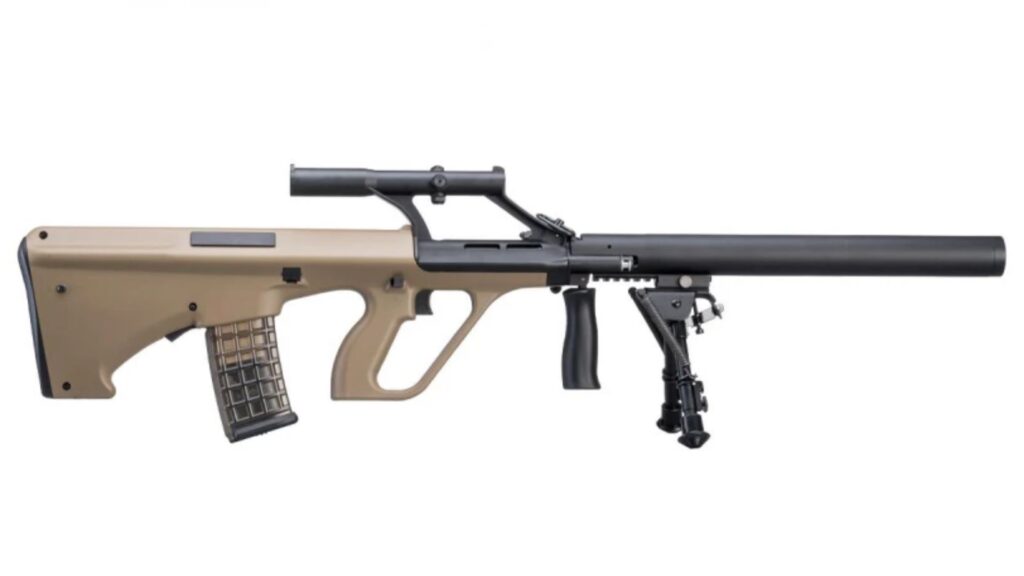
The AUG is reliable and well-built, but suppressed, it doesn’t behave quite the way you’d hope. The gas system isn’t adjustable in a fine-tuned way, and the extra pressure from a can makes the action slap harder and dirtier than most expect.
You start getting early wear on the bolt carrier and recoil spring, and fouling gets everywhere fast. Carbon piles up in the trigger pack and around the ejection port. It still runs, but it feels rougher with every mag. The bullpup layout also means that blowback and gas get directed closer to your face, making long suppressed sessions unpleasant. You can still suppress an AUG, sure—but it wears out quicker, runs hotter, and makes cleaning an even bigger job than usual.
*This article was developed with AI-powered tools and has been carefully reviewed by our editors.