Photo credit: ESOlex/Shutterstock.com
You can get away with a lot when the air’s dead still. But start pushing bullets through crosswinds or gusty valleys, and some cartridges show their weaknesses real fast. Low ballistic coefficients, light bullets, slow speeds—any one of those can throw a shot wide. Combine them, and you’ve got yourself a cartridge that folds under pressure. These aren’t necessarily bad rounds for short-range or controlled conditions, but if the wind’s blowing and the distances stretch out, don’t expect them to hang in there. Here are twelve cartridges that really struggle once the weather turns against them.
.30-30 Winchester
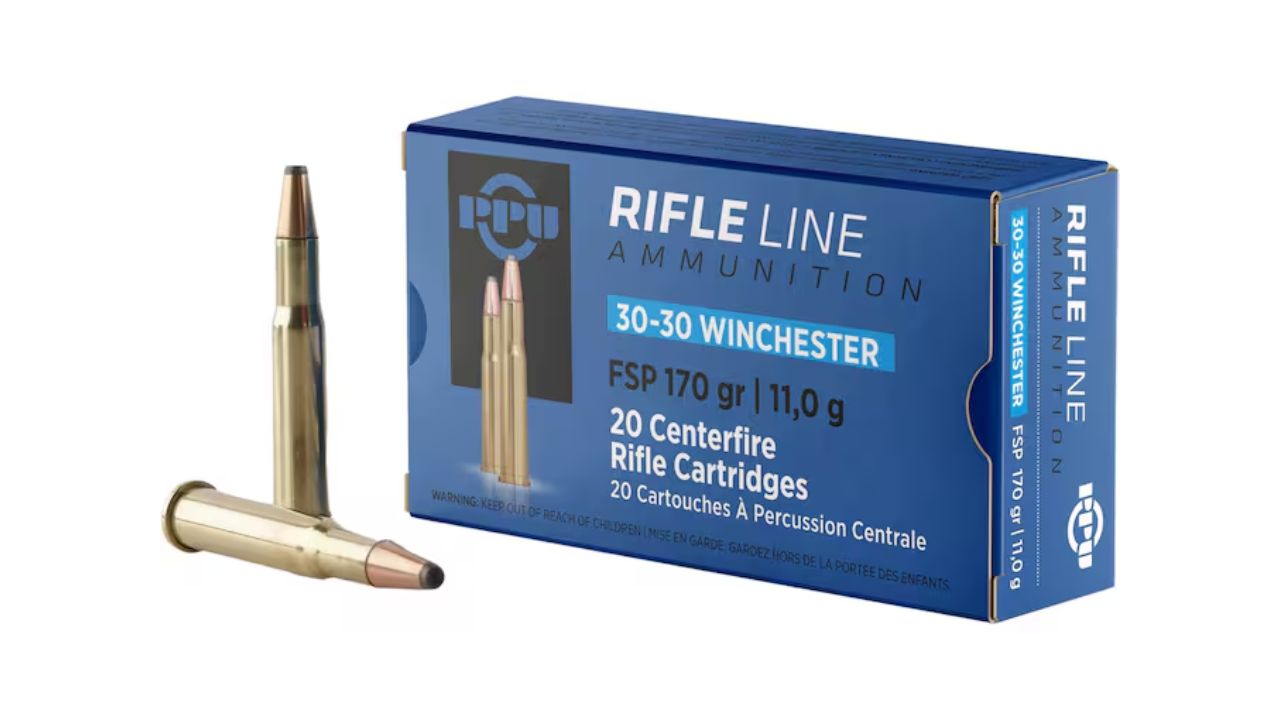
The .30-30 is a classic deer round, no doubt. But it’s about as aerodynamic as a brick. Most factory loads throw a flat-nose 150 or 170-grain bullet, and neither one cuts through wind worth a damn past 150 yards. Even with good glass, wind drift turns into guesswork fast. You’ll notice impact shifts with crosswinds that other cartridges shrug off. Inside 100 yards it’s fine. Beyond that in gusty weather? Plan for Kentucky windage or bring something else.
.45-70 Government

There’s a reason old buffalo hunters got real close. The .45-70’s heavy, slow bullets don’t play nice with crosswinds. Even with modern loads, most projectiles are big, flat, and moving under 1,800 fps. That makes them easy to push off course once the wind picks up. It hits hard when it connects, sure—but getting that hit in swirling air past 100–150 yards gets dicey. If you’re using open sights, the challenge gets even bigger. This is a close-range bruiser, not a precision round.
.350 Legend
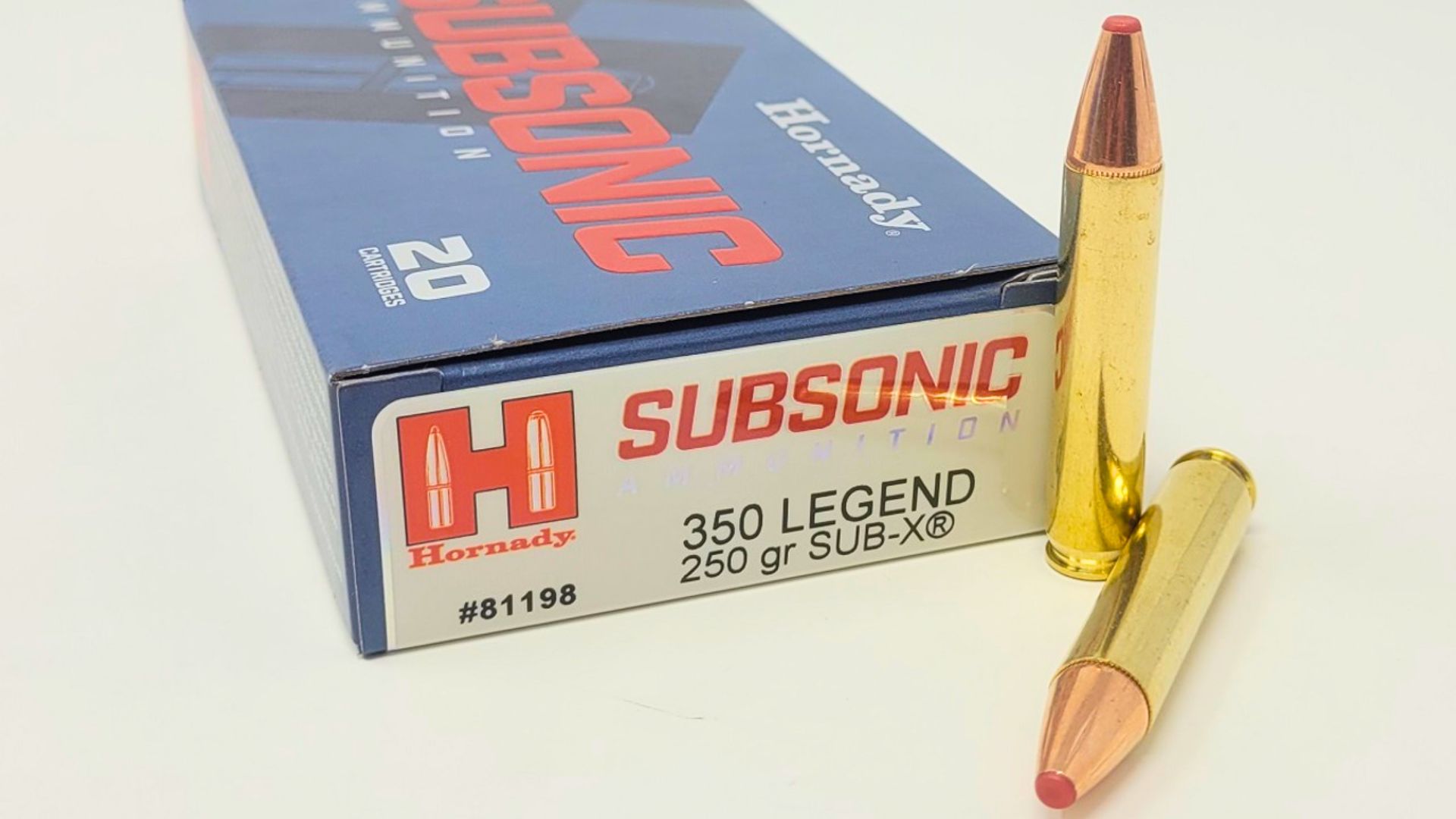
Plenty of folks picked up the .350 Legend for straight-wall hunting laws, but it’s got a tough time in wind. It fires fat, slow bullets—usually 150 to 180 grains—that bleed energy fast and don’t hold course well. It works fine inside 100 yards with a good zero. But try stretching it across a bean field with even a mild crosswind, and your point of impact can drift more than you’d think. It’s designed for simplicity, not long-range steadiness.
.223 Remington (with lightweight bullets)

With heavier bullets and the right twist, .223 can hold its own. But if you’re running 55-grain FMJs or lighter, wind becomes a serious problem. Those bullets shed velocity fast and have low ballistic coefficients. Out past 200 yards, crosswinds push them all over the place. They’re cheap and easy to shoot, sure, but predictable they’re not. For anything beyond plinking or varmints in calm conditions, the light .223 loads don’t inspire much confidence once the breeze picks up.
.300 Blackout (supersonic)
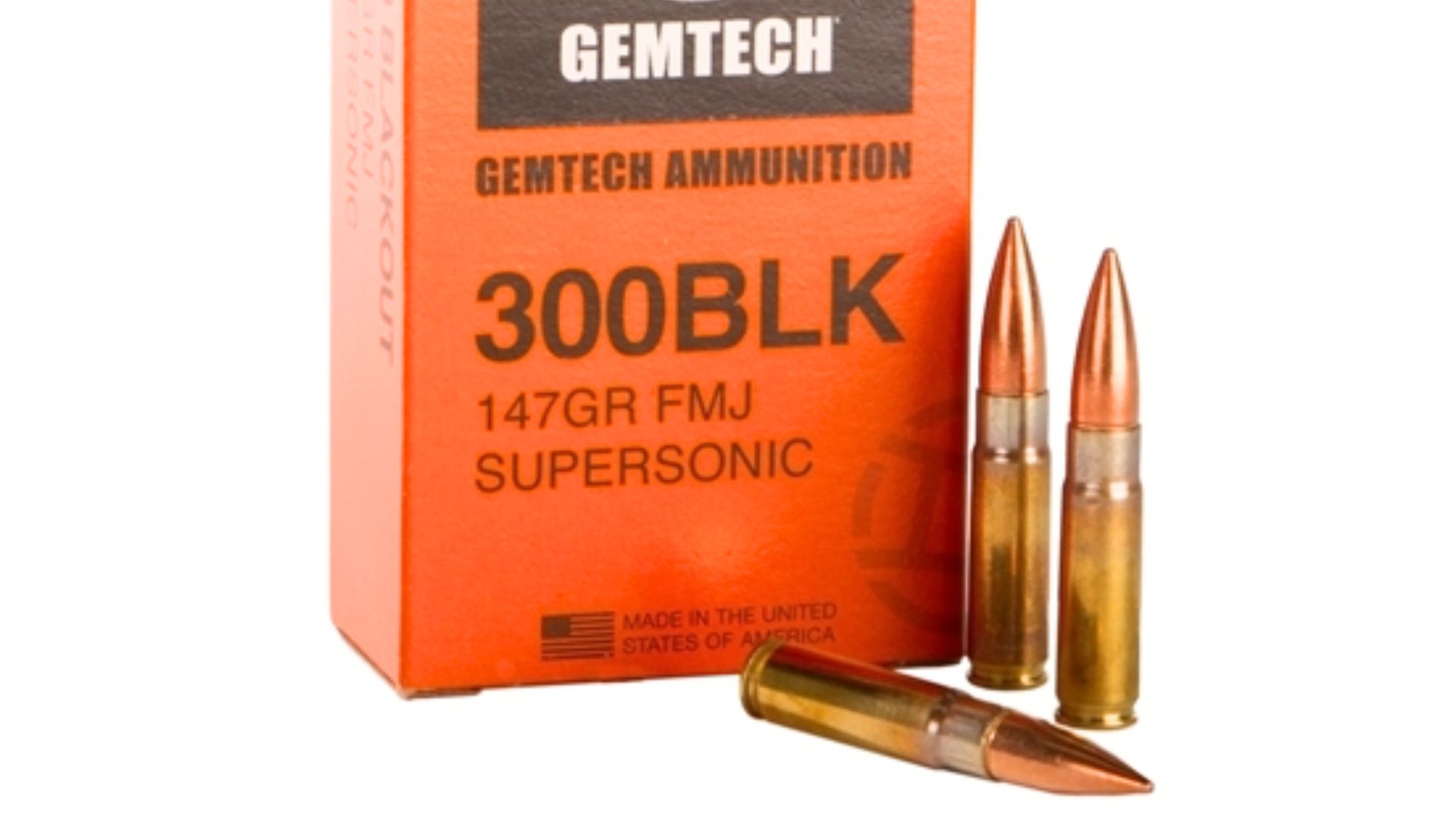
The .300 Blackout does a lot of things decently, but long-range wind stability isn’t one of them. Supersonic loads are still relatively slow and launch heavy, blunt bullets that don’t cut through wind efficiently. You’ll notice real drop and drift even at moderate distances. A 125-grain projectile at 2,200 fps won’t stay flat or stable in shifting conditions. Great in short barrels, suppressed setups, or tight woods—but open terrain and crosswinds will expose its limits fast.
7.62x39mm
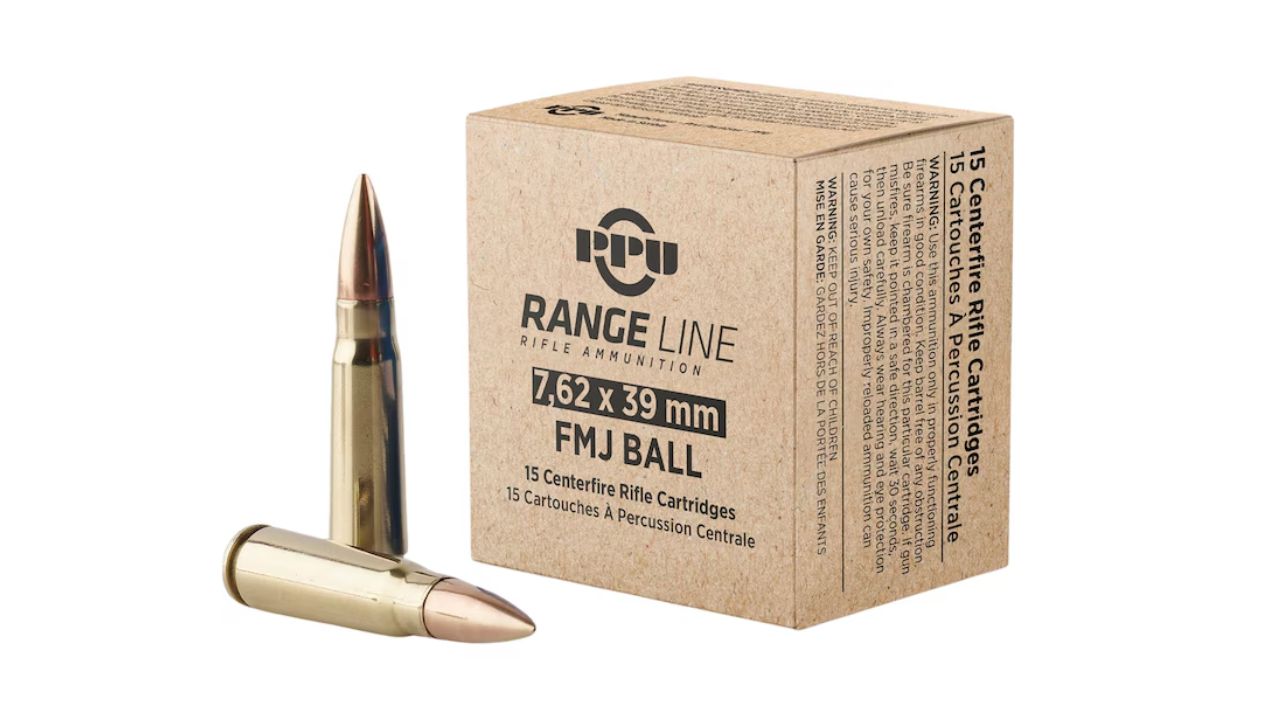
Plenty of folks love this round for its reliability and affordability, but wind drift? It’s not doing you any favors there. The 7.62x39mm typically throws a 123-grain bullet at moderate speed—around 2,300 fps—and that combo doesn’t stay on course past 200 yards. Gusty conditions can knock shots inches off target. It’s an effective brush or defense round, not something you want for precision hits when wind becomes a factor. Keep it close, and you’ll be fine.
.22 Long Rifle
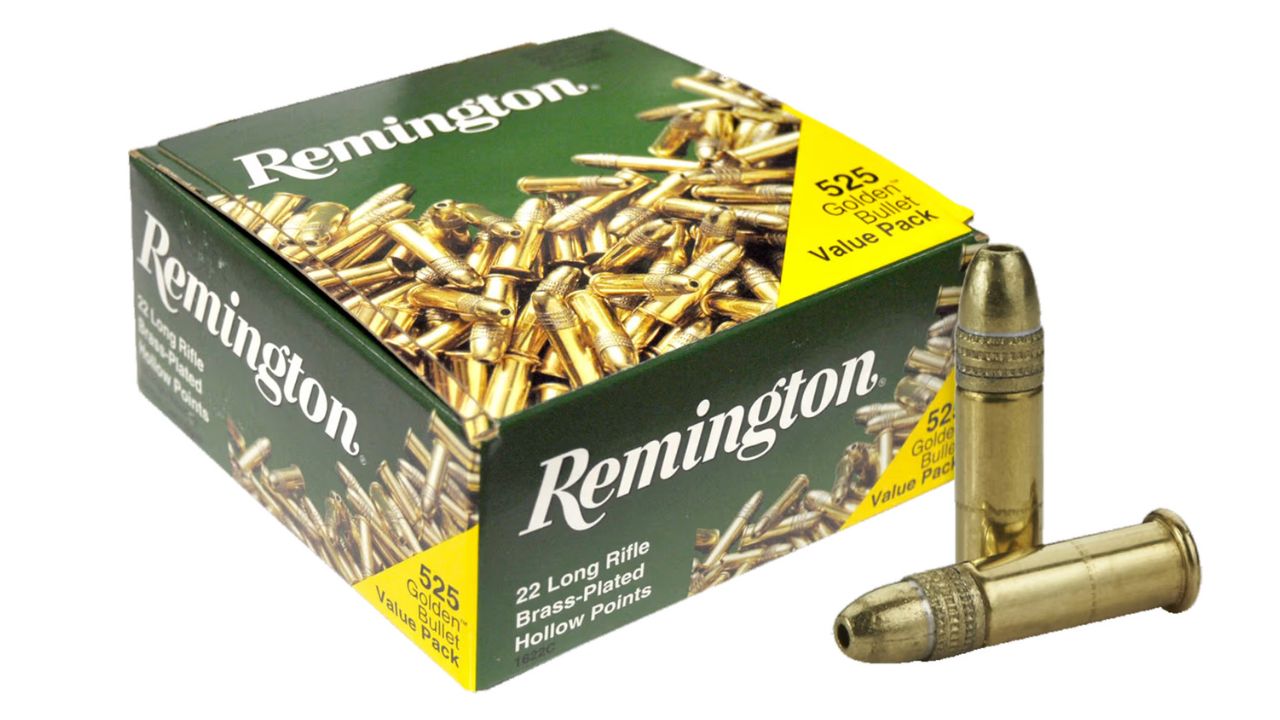
This one’s no surprise. The .22 LR is notorious for being thrown off by the slightest breeze. A 40-grain bullet traveling around 1,200 fps has very little momentum to resist lateral forces. Even a 10 mph crosswind can shift a shot inches off target at 50 yards. That’s why competition shooters using .22s indoors or on dead calm days still miss more than they should. Wind turns it into a guessing game. Fun to shoot, but don’t trust it when the weather stirs.
.30 Carbine

The .30 Carbine round was never built for long-range accuracy, and wind only makes it worse. It fires a lightweight 110-grain bullet at modest speeds—about 1,900 fps. The ballistic coefficient is poor, and the bullet shape doesn’t help it stay on track. You’ll see noticeable drift even at 100 yards in a light crosswind. It’s fine for plinking or close work, but once you need consistency in unpredictable conditions, the .30 Carbine falls apart fast.
.410 Bore Slugs
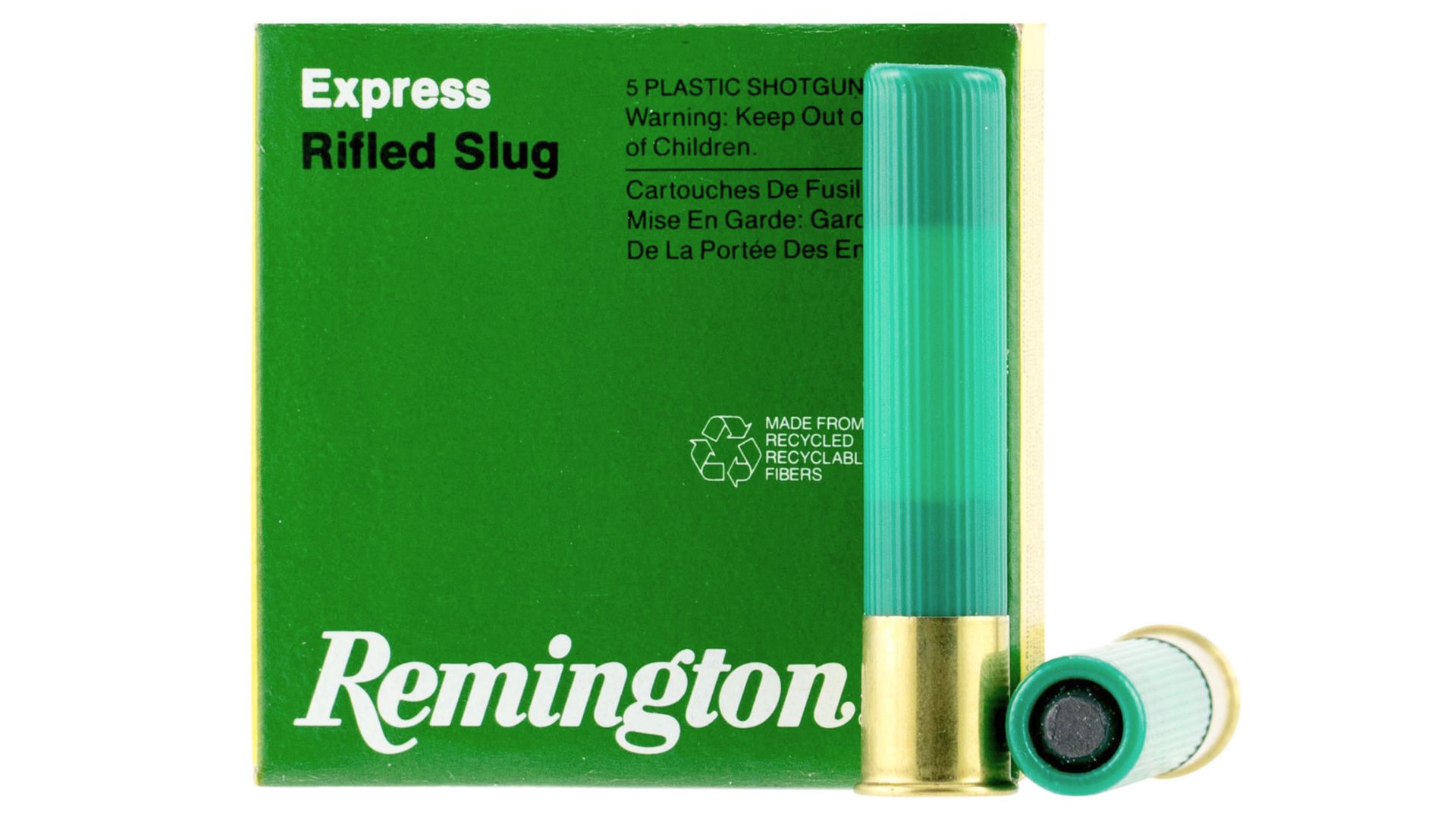
Yes, .410 slugs can be used for deer in some places—but they’re practically helpless in wind. They’re light, slow, and their shape does nothing to aid stability. A gust can push a slug off target by several inches even inside 75 yards. The margin for error is thin to begin with, and wind makes it thinner. If you’re in a tight brush scenario with zero breeze, maybe. But don’t expect repeatable hits in the open.
5.7x28mm

The 5.7x28mm was built for speed, but not for stability in wind. It throws light bullets—27 to 40 grains—at high velocity, but those pills bleed momentum quickly. Once they slow down, crosswinds start taking control. At short distances, it’s flat and accurate. At 100 yards or more in the wind? You’re going to see impact shift and some unpredictable flight paths. It’s more of a niche defense or plinking round than anything you’d want to rely on in blustery weather.
.32 ACP

The .32 ACP is already a marginal performer in calm conditions, and the wind doesn’t do it any favors. Lightweight bullets around 71 grains moving at low speed have almost no resistance to drift. Even out of a carbine-length barrel, there’s not much improvement. It’s a pocket pistol round through and through—not something you’d want to test in a crosswind. If you’re shooting it beyond 25 yards, every breeze becomes a wildcard.
9mm Luger (from a carbine)

While 9mm is great inside 50 yards, it struggles to hold a steady path past that, especially in wind. Even in carbines, where you might push a 124-grain bullet a bit faster, the round’s still flying slow compared to rifle cartridges. And most 9mm projectiles have poor aerodynamics. Crosswinds push them around quickly, and the longer the shot, the worse it gets. It’s solid in calm conditions for short-range work, but it’s not built for battling weather.
Like The Avid Outdoorsman’s content? Be sure to follow us.
Here’s more from us:
The worst deer rifles money can buy
Sidearms That Belong in the Safe — Not Your Belt
*This article was developed with AI-powered tools and has been carefully reviewed by our editors.