Photo credit: 1ShotTV/YouTube
A lot of Glock “regret stories” start the same way: you buy one because you’re told it’s the safe pick, the reliable pick, the grown-up pick. You run a few mags, it goes bang, and you expect the relationship to settle into boring confidence. Then real life shows up—cold hands, sweaty hands, cheap range ammo, a rushed draw, a weird grip angle under stress, a new carry holster that doesn’t ride the way you thought it would, or a training day where you finally shoot it next to other pistols back-to-back. That’s when people discover something important: a Glock can be reliable and still not be the right tool for the way you actually shoot, carry, and maintain a handgun.
The other truth is that “trading it back in” doesn’t always mean the gun failed. Most of the time it means the owner’s expectations collided with reality. Some folks expect match accuracy out of a compact duty pistol at 25 yards with a hurried trigger press. Some expect zero malfunctions while feeding it bargain ammo out of questionable mags after 1,000 rounds without cleaning. Some expect the same comfort as a slim single-stack while stuffing a thicker double-stack into a waistband with the wrong belt and a cheap holster. When you hear regret stories, the pattern isn’t that Glocks are bad. The pattern is that a simple, consistent pistol exposes your setup, your maintenance habits, and your technique faster than you think, and a lot of people would rather swap the gun than address the variables.
The expectation trap: “it’s perfect” turns into “it feels like a brick”
The first driver of Glock regret is the expectation that the pistol will feel great to everyone, because it’s popular and it works. In real use, plenty of shooters pick one up and immediately notice the grip shape and angle don’t naturally point where their eyes want the sights to land. That doesn’t mean the pistol is wrong; it means your wrist mechanics and hand shape don’t line up with the frame the way they do on other designs. At seven yards on a calm day you can muscle through it. Under speed, with a fast presentation from concealment, that small mismatch shows up as hunting for the front sight or constantly correcting your muzzle up or down before the shot breaks, and it makes people feel like they’re fighting the gun instead of driving it.
Comfort is the second half of that trap. A lot of buyers go in thinking “polymer means light,” then realize the thickness of a double-stack and the shape of the slide still matter when you’re carrying all day. You can have a pistol that’s not heavy, but still prints or pokes in the wrong spot if your belt is soft, your holster has the wrong cant, or the ride height forces the grip into your ribs every time you sit. The regret story becomes “I hated carrying it,” but the mechanism is usually basic geometry: where the grip sits, how thick it is, and how your body shape interacts with that setup during movement, driving, bending, and long hours.
Trigger reality: a consistent system that punishes a sloppy press
The Glock trigger is consistent, and that’s why serious shooters can run it extremely well, but consistency also means it doesn’t hide your mistakes. New owners often describe it as mushy, heavy, or vague, and then they compare it to a clean single-action or a tuned striker trigger and decide the Glock is “inaccurate.” Most of the time the gun isn’t inaccurate; the shooter is moving it. The wall and break are workable, but if you slap through the press, overgrip with the firing hand, or let the trigger finger drive sideways, you’ll drag shots low-left or low-right depending on your dominant hand. At five to ten yards you might not care. At 15 to 25 yards, especially shooting quickly, you’ll see it on paper and it will frustrate you.
This is where regret turns into trade-in when the owner tries to “fix” the feeling instead of learning the press. They swap connectors, polish parts, install lighter springs, or chase a short reset, and sometimes they end up with a gun that feels better dry but runs worse live. Lightened striker springs can flirt with inconsistent ignition on hard primers. Overly reduced trigger return spring setups can change reset feel when the gun is dirty or cold. Parts stacking tolerances can introduce odd engagement feel. Then the owner blames the platform when the real issue is the pistol was fine and the modifications created the reliability problem they were trying to avoid.
“It jammed on me” stories that are usually magazines, ammo, or lubrication mistakes
When someone says they traded in a Glock because it malfunctioned, I always want to know three things: which magazines, which ammo, and what the gun looked like inside at the moment it started acting up. Glocks will run dirty, but “dirty” isn’t the same as “neglected.” Carbon in the extractor area, crud behind the breech face, and a dry slide in dusty conditions can change extraction and ejection behavior. Weak magazine springs and worn feed lips can cause nose-dives, bolt-over-base style feed failures, or last-round weirdness that people interpret as the gun “not liking” a certain ammo brand. Range ammo with inconsistent case dimensions or weak loads can also contribute to sluggish cycling, and if you add thick oil in cold weather you can slow slide velocity enough to make borderline ammo and borderline mags show their teeth.
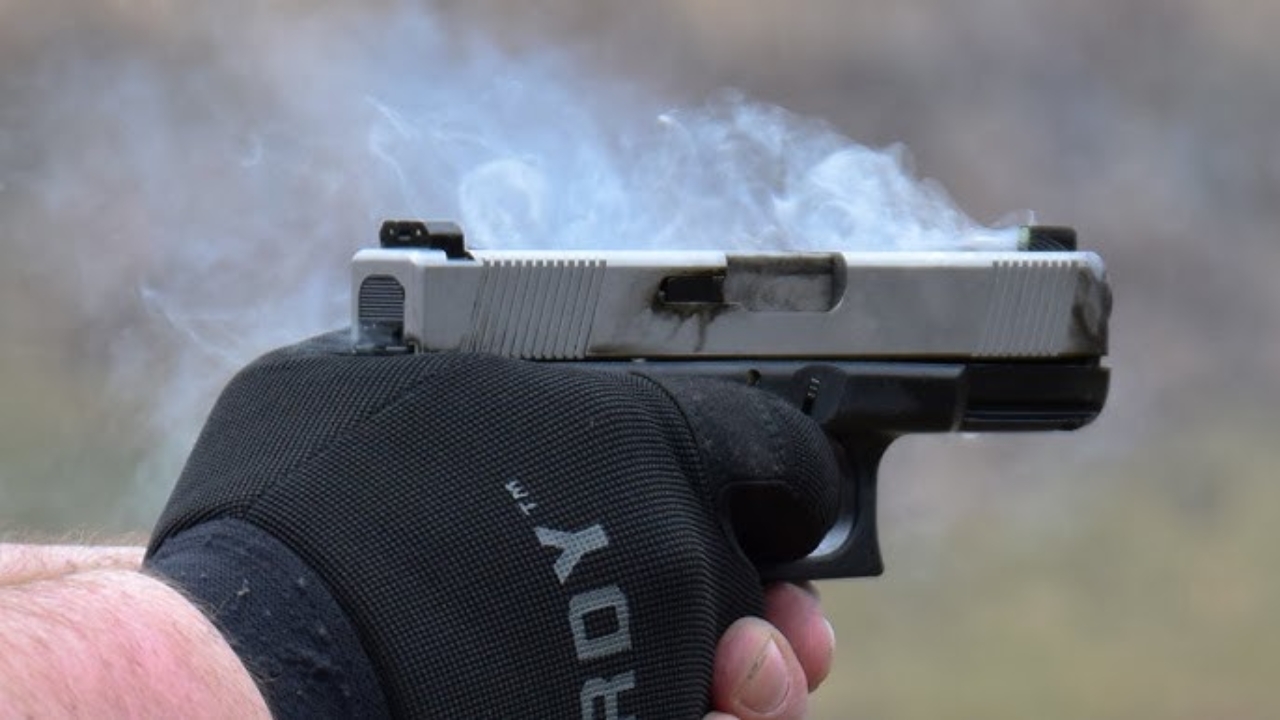
Ejection complaints are another big one, and they get exaggerated online because they’re easy to dramatize. Brass to the face, brass straight up, brass dribbling—those things can happen, and they’re annoying, but the mechanism is usually straightforward. Ejection is a relationship between extractor tension, the condition of the ejector, slide velocity, and how the case is being held and kicked out. If the extractor claw is packed with carbon or the extractor tension is altered by aftermarket parts, the case can rotate unpredictably. If slide velocity is low because of weak ammo, excessive friction, or heavy fouling, the case doesn’t get kicked with authority and you see inconsistent patterns. A shooter can also induce issues by limp-wristing—especially with small guns—because the frame moves too much under recoil and steals energy from the cycle. None of that means the platform is doomed, but it absolutely feeds regret when the owner expected “zero drama forever.”
The small-gun surprise: subcompacts that feel snappy and hard to shoot well
A lot of Glock regret starts with the wrong size choice. People buy the smallest one they think they can tolerate because concealment sounds like the priority, then they discover small pistols are harder to shoot well and easier to run poorly. A short grip gives you less surface area and less leverage, so recoil feels sharper and follow-up shots slow down. A shorter sight radius punishes small alignment errors. A lighter slide and shorter cycling mass can be more sensitive to grip and ammo. If you’re trying to shoot a micro or subcompact fast at 10 to 15 yards and keep everything tight, you’re doing harder work than you think, and it’s common for people to blame the gun when the real issue is they bought a size that demands better technique than they currently have.
In real use, the regret shows up in training. You run drills where you’re drawing from concealment and shooting pairs at seven yards, then stepping back to 15 yards for controlled strings, and you realize the gun that felt “fine” at the counter is unpleasant at pace. You start anticipating recoil, you start pinching the grip, and your trigger press gets ugly because your hands are trying to manage snap. Then you shoot a slightly larger pistol next to it and everything calms down. That’s when the trade-in happens, because the shooter isn’t wrong for wanting a gun they can run well. They’re wrong for thinking the smallest option would be the easiest option.
The optic and accessory rabbit hole: when “upgrades” create new headaches
Modern Glock owners love to build, and I get it. Optics, lights, extended controls, aftermarket barrels—there’s a whole ecosystem. But a lot of trade-in stories are really “I built a pistol I don’t understand anymore.” Milling and mounting optics can introduce issues if the screws are too long, if the mounting surface isn’t right, or if thread locker and torque aren’t handled correctly. A screw that lightly contacts the extractor plunger channel or creates drag in the slide can turn a reliable gun into a weird gun that fails at the worst moments. People don’t always notice it until the gun heats up, gets dirty, or gets run hard for a few hundred rounds in a class.
Lights and recoil dynamics are another sneaky one. Adding mass to the dust cover can change how the gun cycles and how the shooter grips it, especially on smaller frames. Combine that with a marginal ammo choice and a spring setup that’s been altered, and you can end up in a zone where the pistol runs “most of the time,” which is the worst kind of reliability because it makes you chase ghosts. Then the owner decides the whole thing is cursed and trades it off, when the more honest answer is that the base gun was fine and the build introduced tolerance stacking and friction points the shooter didn’t diagnose.
Fit, finish, and “feel”: the gun runs, but it never earns affection
Some people trade in Glocks because they simply don’t like them, and that’s a valid reason if you’re being honest about it. The platform is utilitarian. It’s not trying to charm you with refined triggers, ergonomic swoops, or a soft recoil impulse. If you want a pistol that feels smooth, that points naturally for your hands, or that gives you a more defined break without modification, a stock Glock may never win you over. A lot of regret stories come from buyers who forced themselves into the “responsible choice” instead of buying what they shoot best, and eventually they get tired of feeling like every range session is a compromise.
This also ties into accuracy perception in a big way. A Glock can be plenty accurate for defensive distances, and many are accurate well past that in capable hands, but the shooter’s interface matters. If the grip shape makes you constantly adjust presentation, if the trigger press makes you snatch shots under speed, and if the sights don’t suit your eyes, you’ll feel like you’re working harder than you should. That doesn’t mean you can’t overcome it. It means you’re deciding whether you want to. Plenty of people reach a point where they’d rather own a pistol that fits them better than keep training around friction they don’t enjoy.
What you can learn from the regret stories before you spend the money twice
If you want to avoid being the person trading a Glock back in, you don’t start by arguing about the brand. You start by diagnosing your use case and being honest about your habits. If you’re going to carry daily, your belt and holster matter as much as the gun, because comfort and concealment are geometry problems, not brand problems. If you’re going to train hard, you should plan to keep magazines and springs healthy, because those are consumables whether people admit it or not. If you want to run cheap ammo, understand that borderline loads plus heavy fouling plus thick oil in cold weather can create short-stroking and weak ejection patterns that look like “the gun is unreliable” until you control the variables.
The best way to think about it is this: a Glock is a dependable baseline, not a guarantee that you’ll love the experience. If you buy one and it’s not working for you, slow down before you blame the platform. Confirm you’re using known-good magazines, run a few hundred rounds of consistent ammo, keep the gun properly lubricated for the temperature you’re in, and resist the urge to throw a pile of aftermarket parts at a problem you haven’t identified. If, after that, you still don’t shoot it well or don’t carry it comfortably, trading it in isn’t a moral failure. It’s you making a practical choice. The only mistake is pretending the gun is the issue when the real issue is the mismatch between what you needed and what you bought.
Like The Avid Outdoorsman’s content? Subscribe to our newsletter so you never miss an article.
Here’s more from us: