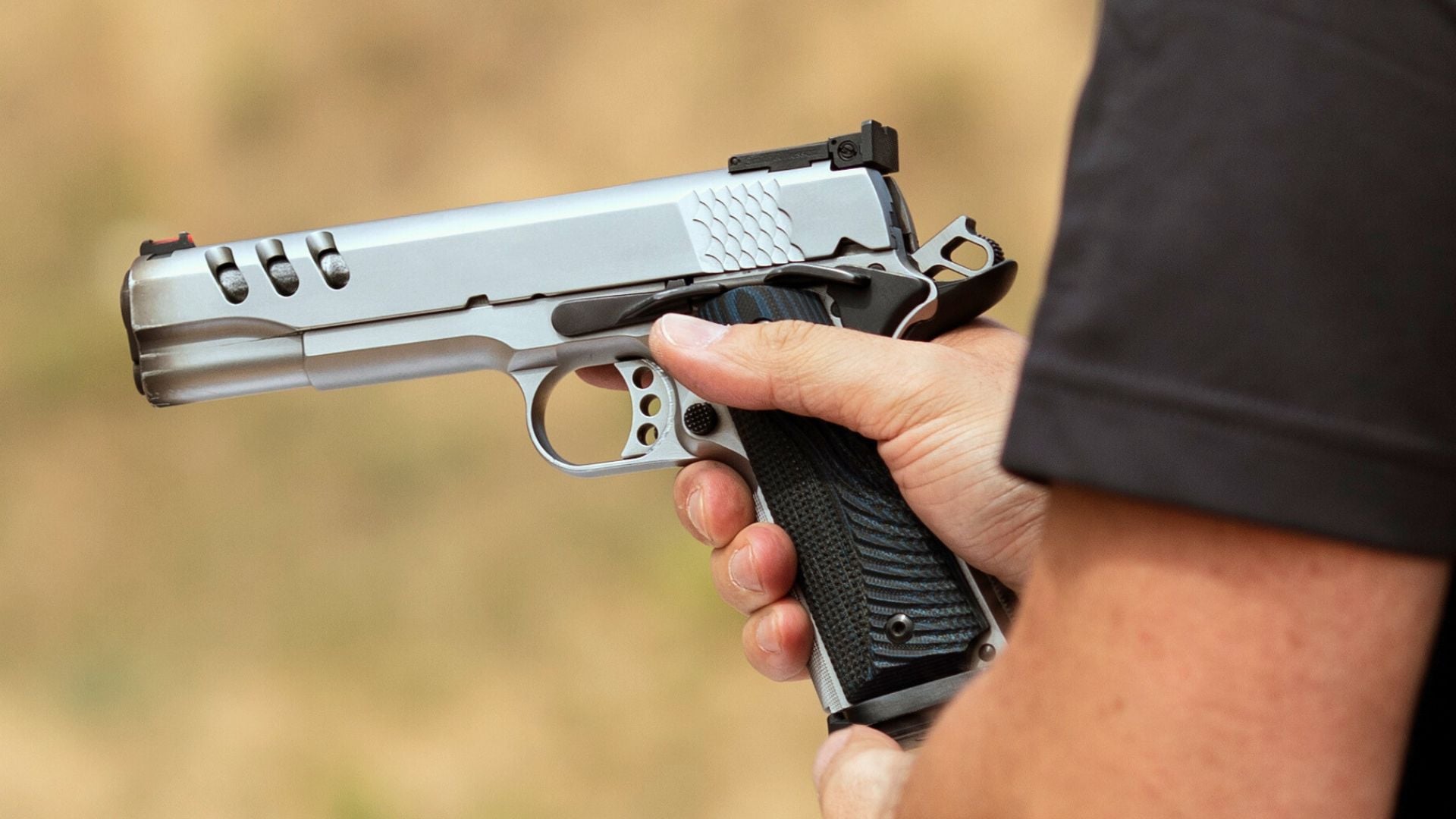
Photo credit: Jevgenija ZUK/Shutterstock.com
Some pistols behave like they were built in a lab for FMJ and nothing else. You feed them hollow points, and they turn into a different gun—one that stovepipes, nose-dives, or flat-out refuses to go into battery. If you’re carrying for defense, that’s not a gamble you want to take. You might think modern ammo and modern guns would’ve worked this out by now, but some pistols still choke when things aren’t shaped like a ball. Here are several that have built reputations—fair or not—for being picky when you load them with hollow points.
KelTec P11

The KelTec P11 made waves for being small, cheap, and chambered in 9mm back when that combo wasn’t easy to find. But its reliability with hollow points has always been hit or miss. Some feed them without issue, while others need a polishing session or two just to survive a full mag of defensive ammo.
The gun uses a heavy double-action trigger and an internal hammer system that already slows things down. When you add the wrong profile of hollow point, feeding issues come out fast. Plenty of owners found themselves experimenting with multiple brands before finding something that worked. Even then, the feeding was never quite confidence-inspiring. It’ll eat FMJs all day, but for defensive work, you’d better test every box first.
Taurus PT145 Millennium Pro
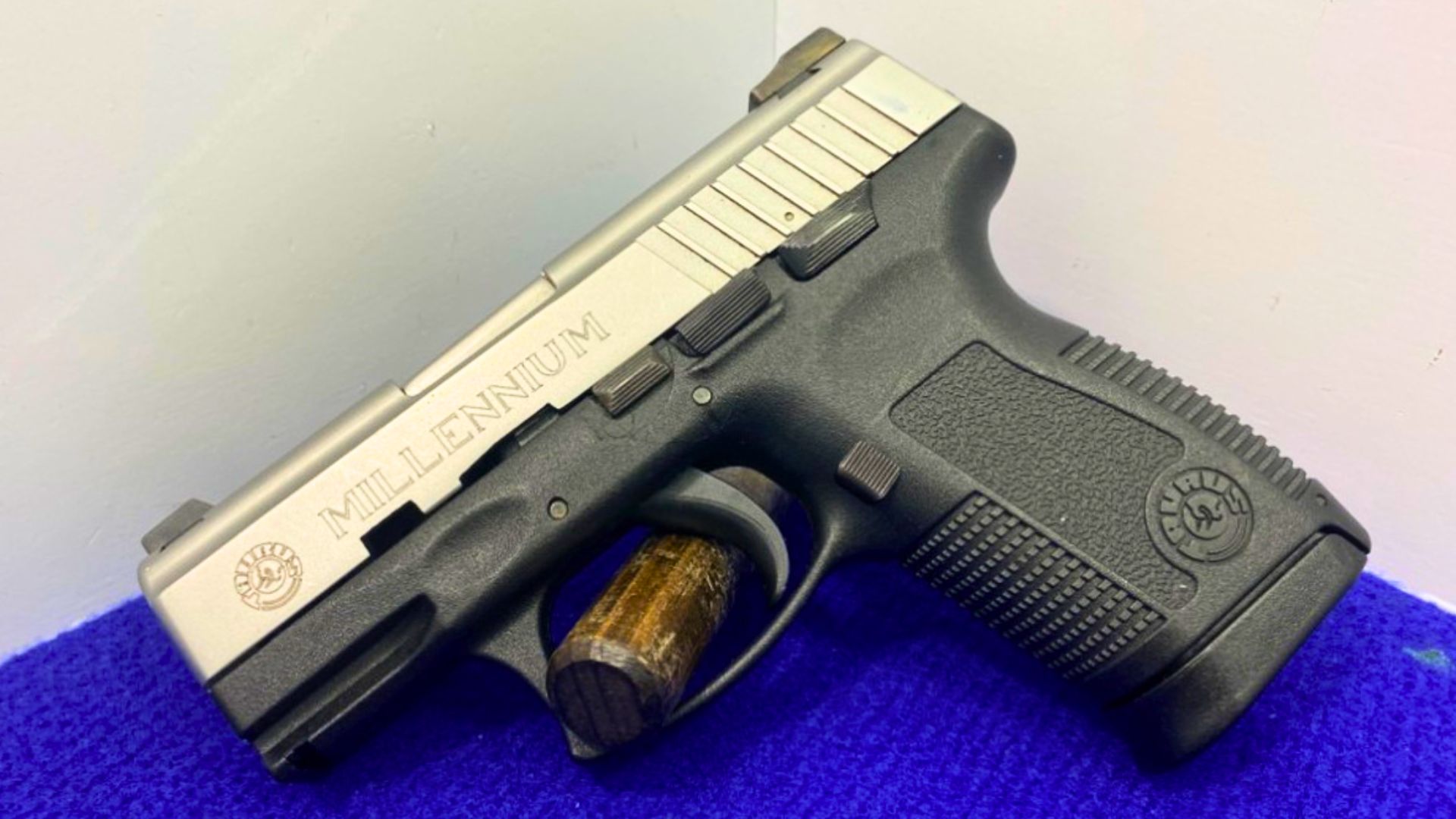
Taurus gave budget-minded shooters a compact .45 ACP with the PT145, and it found a decent following. But reliable feeding wasn’t always guaranteed—especially with hollow points. The feed ramp could be rough from the factory, and nose-heavy bullets often hung up on the way in.
Plenty of folks had success with specific ammo like Speer Gold Dot or Hornady XTP, but it took trial and error. Some had to hand-polish ramps or replace springs to get through a mag clean. That’s not ideal if you’re hoping to use it as a carry piece out of the box. When it worked, it was great. But many gave up trying to tune it and moved on to something with a smoother appetite.
AMT Backup (.380 ACP)

The AMT Backup has always had a reputation as a tough little chunk of stainless steel, but it’s not exactly famous for flawless function. Chambered in .380 ACP, it was one of the early deep concealment options. But if you loaded it with hollow points, you were often asking for trouble.
The magazine geometry, ramp angle, and slide mass all work against you once you stray from ball ammo. Some users got lucky with certain loads, but many found that even high-end hollow points failed to feed smoothly. It’s a hard-recoiling gun for its size, and that snap can throw off timing when the ammo shape changes. If yours runs hollow points, great—hang on to it. But many Backup owners gave up and carried FMJs instead.
Sig P238

The Sig P238 is well-liked for its quality and 1911-inspired controls in a tiny package. But its compact design leaves little room for error, and hollow points can sometimes bring out its finicky side. Most issues come from the feed ramp not loving wide-nosed or aggressively shaped bullets.
You’ll hear great reports from folks running Federal HST or Hornady Critical Defense. But switch to something with a different ogive or jacket style, and the pistol might start nose-diving or refusing to go fully into battery. It’s not a bad gun—far from it—but it’s one that really needs to be matched with the right load. When you find that pairing, it runs great. Until then, don’t trust it with whatever’s on sale.
Kimber Solo Carry

The Kimber Solo was marketed as a sleek, premium micro 9mm for defensive carry. But it quickly gained a reputation for being one of the pickiest pistols out there. Kimber themselves even recommended only using specific 124- or 147-grain premium hollow points. That’s not a great look when it comes to confidence.
The feed angle, tight tolerances, and short slide stroke all worked against wide-mouth rounds or lighter bullets. Some owners had great luck with Gold Dots or Ranger-T, while others couldn’t get through a full mag without a failure. When a gun comes with a list of “approved” ammo and still struggles, it’s hard to recommend it for serious use. The Solo may be good-looking, but it’s not known for forgiving your ammo choices.
Remington R51 (Gen 1)

The original R51 rollout was a mess. While the gun had interesting lineage and some clever engineering, the first generation was plagued with issues—and hollow point feeding was high on the list. Many users couldn’t get through a mag without a jam, especially with defensive ammo.
The hesitation came from the Pedersen-style action and how it interacted with cartridge shape and slide timing. Nose profiles that were too blunt or too short often failed to chamber cleanly. Remington eventually reworked the design in Gen 2, but the reputation stuck. If you’re shooting FMJs at the range, it might behave. But with hollow points, you’ll want to bring a backup gun—and a few curse words.
SCCY CPX-2

SCCY pistols are often praised for being affordable carry guns, but they come with trade-offs. The CPX-2, in particular, can be picky with hollow point ammo. Its double-stack mag and polymer frame keep costs low, but some users report inconsistent feeding depending on the bullet shape.
Wide-nose rounds or heavy defensive loads can sometimes catch on the feed ramp or jam halfway into the chamber. Some polishing and spring tuning helps, but that’s asking a lot for a carry pistol straight out of the box. If you find a round it likes—like Hornady FTX or standard Gold Dots—it might run just fine. But plenty of folks have given up on using hollow points with it altogether.
Bersa Thunder 380
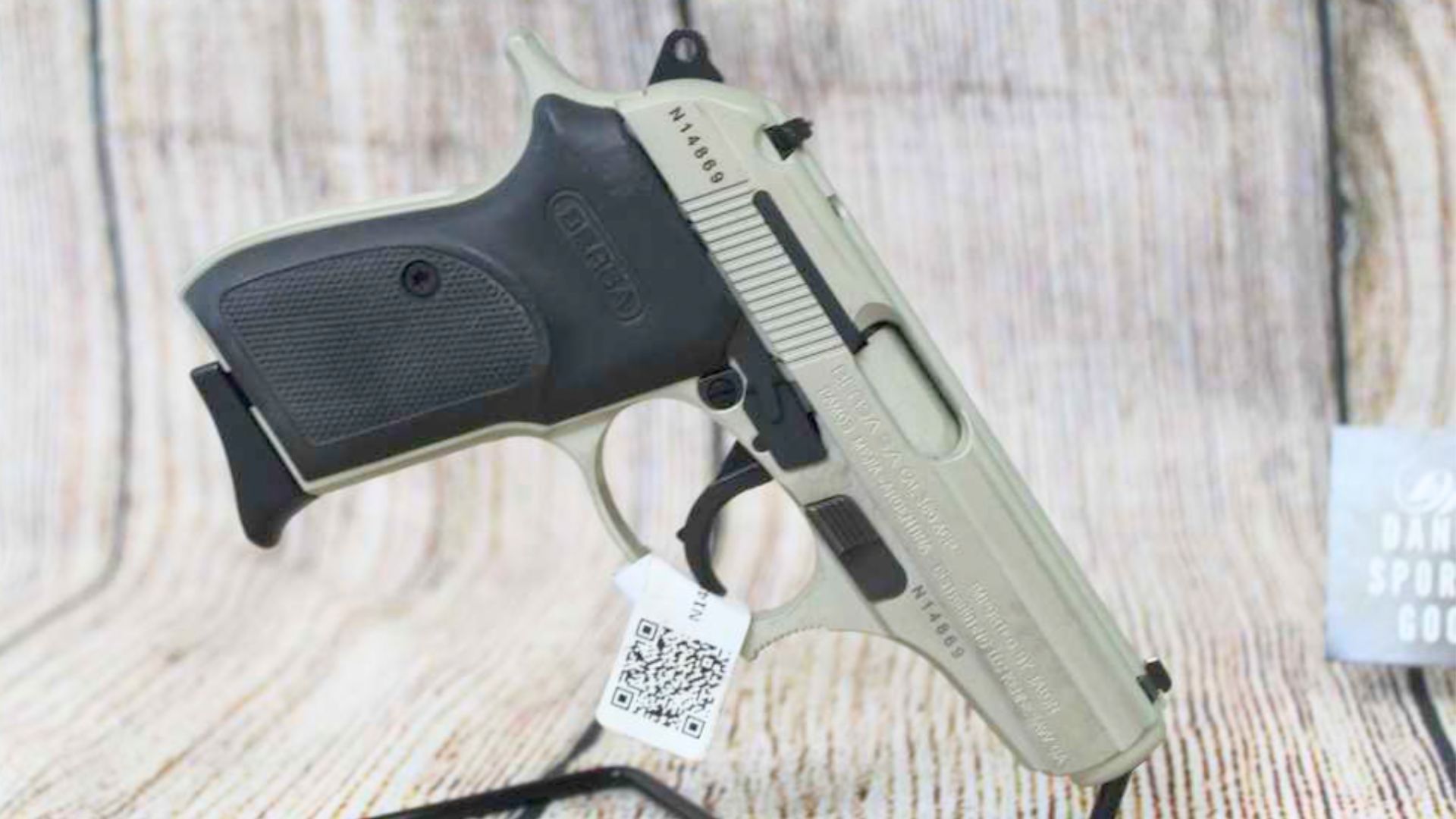
The Bersa Thunder 380 is well-regarded for being a solid budget option in the .380 world. It’s surprisingly accurate and has decent ergonomics, but it can be hit or miss when it comes to feeding hollow points. The fixed barrel and feed ramp angle don’t always play nice with wide-nosed defensive ammo.
Many owners report flawless function with FMJs and a few select hollow point loads like Hornady Critical Defense. But go outside those options, and you might see failures to feed or jams during cycling. It’s not impossible to find a round that works—it just takes testing. If you plan to carry one, don’t assume every defensive round will run clean.
Kahr CM40
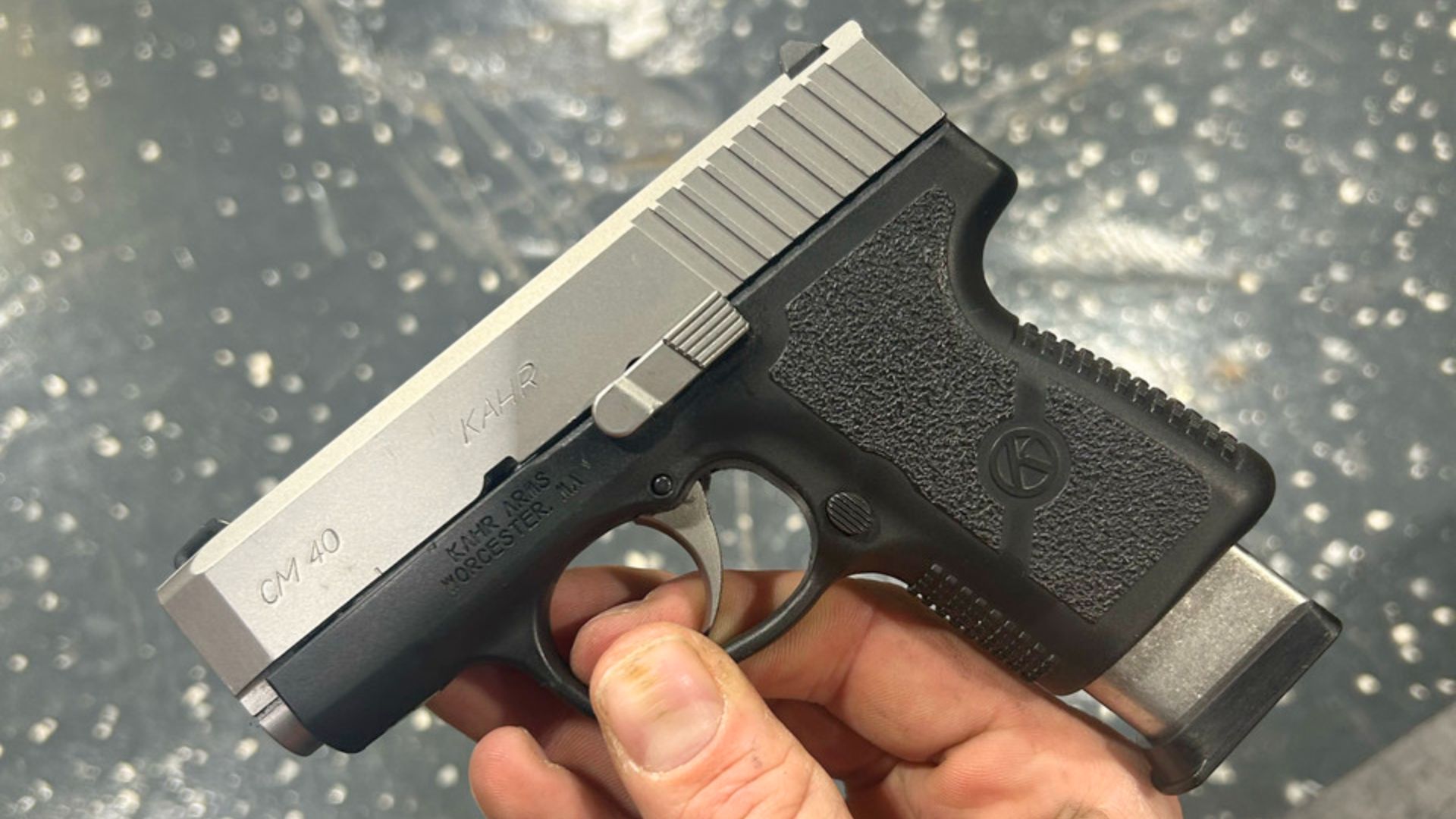
The Kahr CM40 packs a lot of power in a tiny frame, but it doesn’t always handle that power smoothly—especially with hollow points. The steep feed ramp and tight slide-to-frame fit can make the gun finicky, especially during break-in. Some loads nose-dive, while others hang up partway into the chamber.
Kahr recommends a 200-round break-in, but even after that, not every hollow point will cycle reliably. Federal HST and Speer Gold Dot are common go-to choices, but lighter or flat-tipped loads can give it trouble. The CM40 is accurate and easy to conceal, but you really have to test your ammo before carrying it.
Colt Mustang Pocketlite

The Mustang Pocketlite brought Colt into the micro .380 market with some class, but it wasn’t without quirks. Its 1911-style design in a blowback .380 platform means you’re dealing with a finicky balance of slide speed and bullet profile. And hollow points can throw that off in a hurry.
Some loads feed just fine, but plenty of users ran into nose-dives, especially with blunt-tipped or aggressively expanded bullets. The magazines also play a role—older mags sometimes cause feeding issues even with otherwise reliable ammo. It’s a fun gun to shoot and easy to carry, but if you’re going to load it with hollow points, you’d better do your testing first.
Walther PPK/S (.380 ACP)
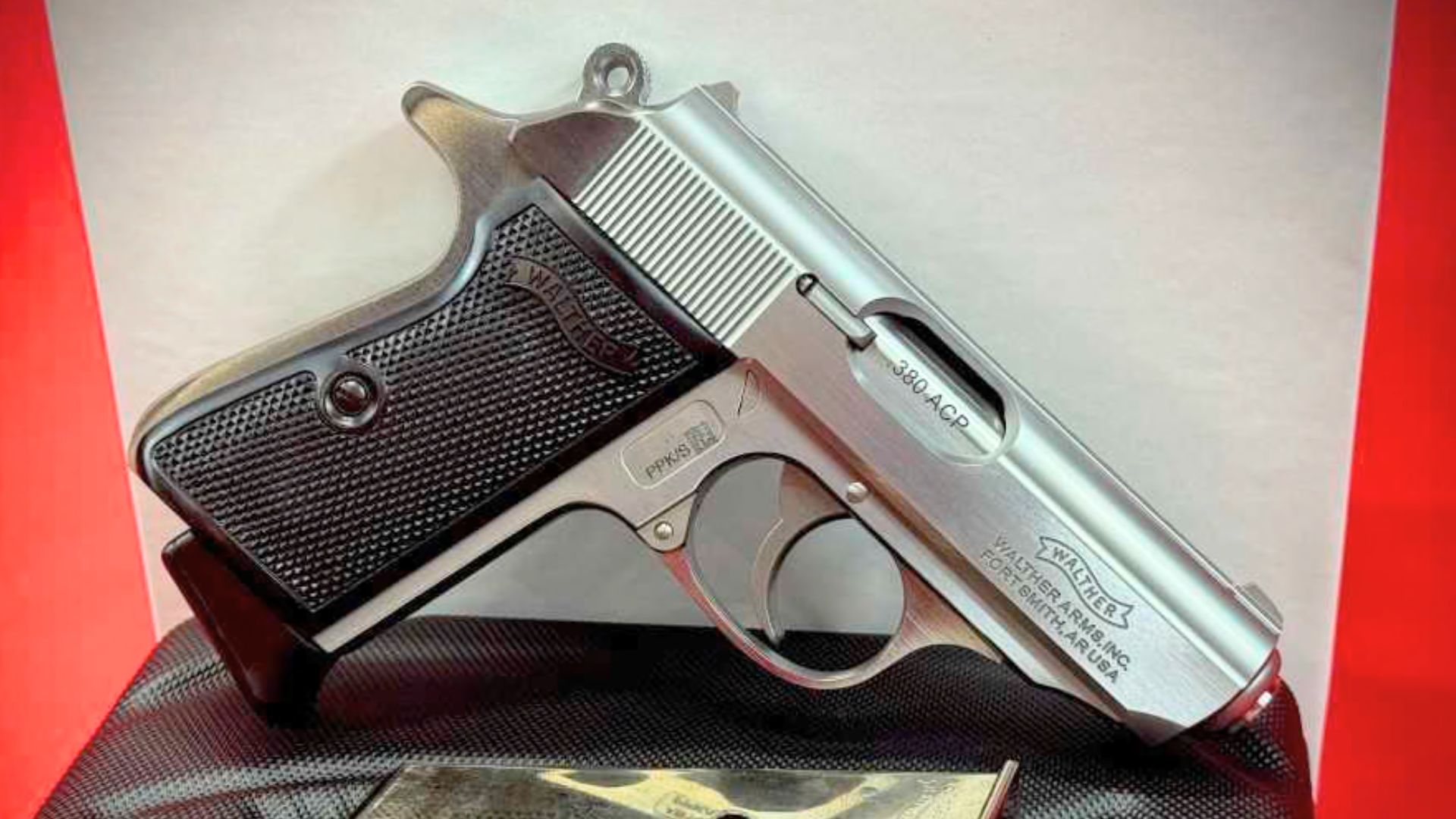
James Bond’s favorite gun doesn’t always behave like a secret agent’s tool when you start feeding it hollow points. The Walther PPK/S has been around forever, but its design was built with FMJ ball ammo in mind. Hollow points—especially modern, wide-mouth designs—can create feeding issues thanks to the straight feed ramp and tight throat.
It’s not that it won’t run hollow points—it’s that it won’t run all of them. Some loads, especially those with rounded ogives, feed decently well. But others will hang or misfeed, especially in older pistols. The PPK/S is classy, sure, but if you’re betting on it for defense, test your ammo like your life depends on it.
Ruger LCP (Gen 1)
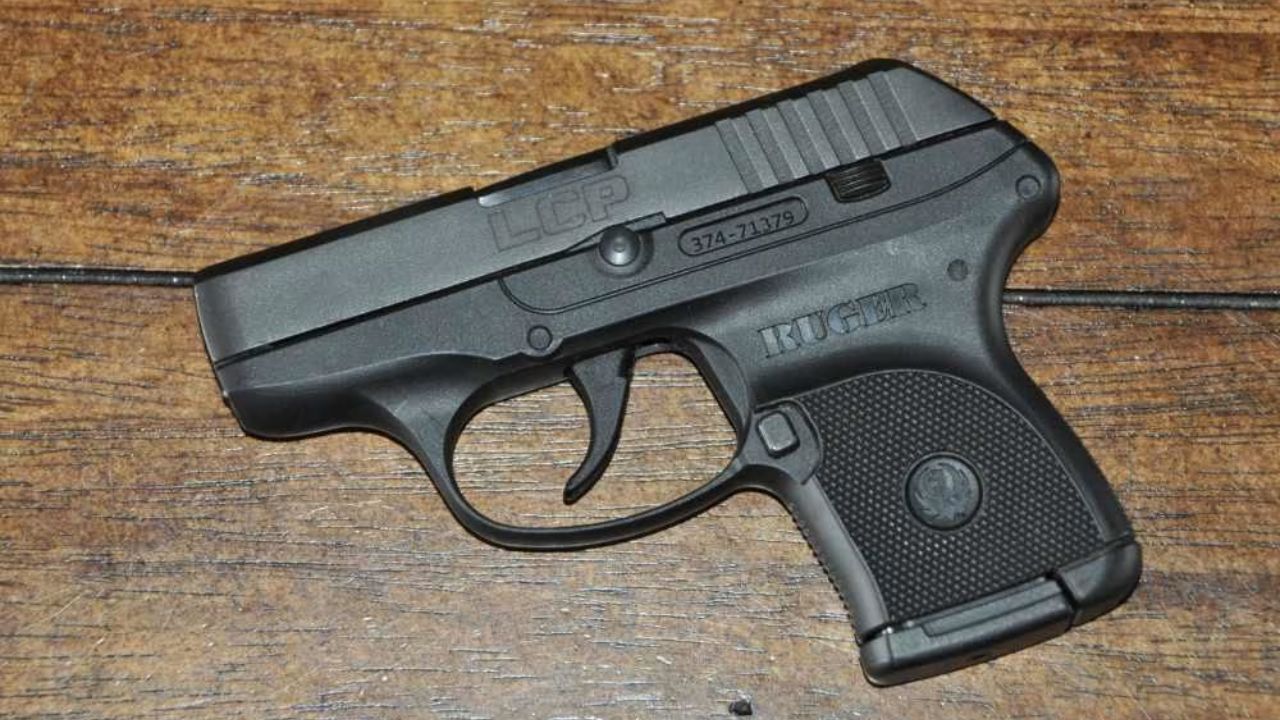
The original Ruger LCP was a game-changer for deep concealment, but it didn’t have the cleanest track record with hollow points. The ultra-light slide and steep feed ramp meant some loads wouldn’t feed consistently, especially if they had a wide cavity or flat nose.
It’ll run hardball ammo all day, but early LCPs could choke on popular defensive rounds like Golden Sabers or Hydra-Shoks. Some owners polished the feed ramp to improve function, while others found that Critical Defense was one of the only hollow points it liked. Ruger addressed a lot of this in the LCP II, but Gen 1 still needs careful ammo selection.
Like The Avid Outdoorsman’s content? Be sure to follow us.
Here’s more from us:
The worst deer rifles money can buy
Sidearms That Belong in the Safe — Not Your Belt
*This article was developed with AI-powered tools and has been carefully reviewed by our editors.