Photo credit: 22plinkster/YouTube
Every few years, a new cartridge shows up that looks like it’s going to take over the hunting world. The numbers sound perfect — faster, flatter, harder-hitting — and you see them all over forums and YouTube thumbnails. Then, by the time the next season rolls around, those same “revolutionary” rounds are collecting dust on store shelves. Hunters learn quickly that marketing doesn’t kill deer, and fancy ballistics don’t make up for poor barrel life, ammo scarcity, or unpredictable performance in the field. Some cartridges start strong but fade fast once real hunters get their hands on them. These are the rounds that shined bright for a minute, then quietly disappeared before the season was even over.
6.5 PRC

The 6.5 PRC started with a roar — long-range power, flat shooting, and “better than Creedmoor” headlines everywhere. But hunters soon realized that ammo was scarce, recoil was sharper, and barrel life wasn’t exactly generous. It hit hard but burned barrels fast, especially for high-volume shooters.
Add in limited factory ammo and rising costs, and many hunters shelved their PRC rifles before the next fall. It’s accurate, yes, but it’s not as forgiving as the hype made it sound. Unless you handload and don’t mind hunting for ammo, the 6.5 PRC becomes more hassle than help once the novelty wears off.
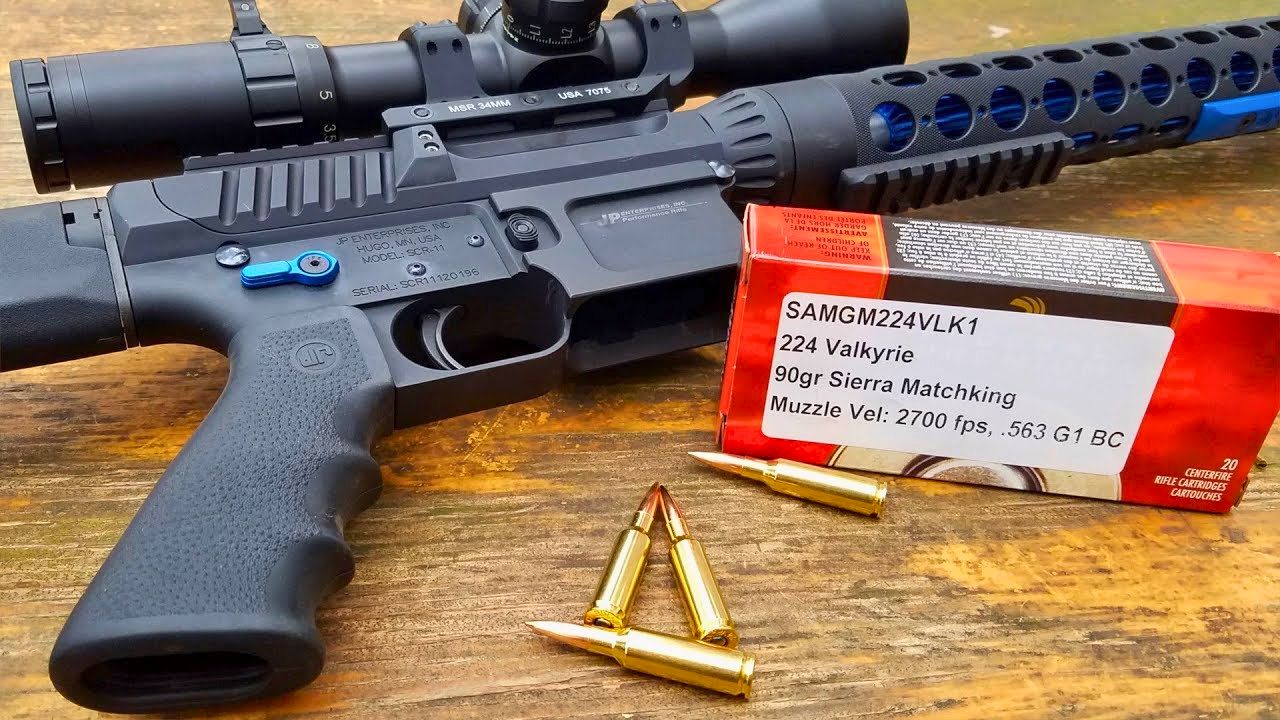
.224 Valkyrie

The .224 Valkyrie was supposed to be the next great AR-15 long-range cartridge. For a while, it had everyone convinced — sleek bullets, extended range, and manageable recoil. The reality, though, was messy. Early factory ammo had huge inconsistencies, and twist rates didn’t stabilize the heavier bullets well.
Hunters who jumped in early found they were constantly chasing accuracy issues and swapping barrels. It’s still a cool idea, but it never lived up to its press. Once people realized their .223 or 6.5 Grendel did nearly the same job with less hassle, the Valkyrie quietly vanished from most range bags.
.300 PRC

The .300 PRC is a powerhouse, no question. It delivers incredible downrange energy and precision potential, but it’s overkill for most hunters. The rifles are heavy, recoil is punishing, and barrel wear can be brutal if you shoot much.
It became a favorite online because of long-range influencers and flashy elk videos. But when hunters started lugging them up steep hills, they found the downsides fast. It’s a niche round with impressive specs that most people don’t actually need. By the next season, plenty of those “dream rifles” were sitting in gun safes collecting dust.
6.8 Western

The 6.8 Western looked like a perfect bridge between magnum power and manageable recoil. For a while, reviews praised its ballistics and energy retention. But as months passed, hunters realized the rifles were limited, ammo was hard to find, and prices were high.
Even with good bullets, it didn’t do much the .270 WSM couldn’t already handle. Many hunters who jumped on the bandwagon found themselves switching back to more available, proven cartridges. The 6.8 Western works well on paper but hasn’t earned much real-world staying power — another cartridge that burned bright and faded fast.
.350 Legend

The .350 Legend came out swinging as the answer for straight-wall states. It’s affordable, low-recoil, and perfect for short-range deer hunting. But after a few seasons, a lot of hunters realized it’s not quite the “legend” the name promised.
Its ballistic limits are real — drop and energy loss beyond 150 yards are significant. For some, it performs fine in heavy timber; for others, it feels underwhelming. Add in cheap factory ammo with inconsistent accuracy, and interest fizzled. It’s not a bad cartridge, but it’s far more limited than the early fanfare led new hunters to believe.
.300 HAM’R

The .300 HAM’R promised .30-30 power in an AR platform, and for a brief moment, it had shooters excited. But ammo availability quickly sank it. It was never widely adopted, and handloaders were practically the only ones keeping it alive.
Performance-wise, it’s fine for hogs and deer at short range, but it doesn’t do anything the 7.62×39 or .300 Blackout can’t handle with less hassle. Once reality set in that stores weren’t stocking it and brass was tough to find, the excitement vanished. The .300 HAM’R ended up being a lesson in how limited distribution can kill even a good idea.
.26 Nosler

The .26 Nosler was marketed as a lightning-fast, flat-shooting cartridge with amazing downrange performance. And it delivered — at least for a few shots. Then barrels started burning out faster than anyone expected. The cartridge’s sheer speed came at the cost of longevity and practicality.
It’s accurate, powerful, and ballistically impressive, but it eats throats like candy. Once hunters realized they’d have to replace barrels far too often, enthusiasm faded fast. It’s a stunning performer on paper, but in the real world, it’s a high-maintenance diva that few want to deal with twice.
.280 Ackley Improved

The .280 Ackley Improved was supposed to be the “thinking man’s .30-06,” and for a while, it lived up to the hype. Ballistically efficient and smooth shooting, it seemed like the perfect deer and elk cartridge. But then came the reality check: limited factory ammo, expensive brass, and inconsistent availability.
Most hunters ended up going back to the .30-06 or 7mm Rem Mag simply because they could find ammo anywhere. The .280 AI remains an excellent round, but it’s one of those that fades from conversation every few seasons when practicality wins over novelty.
.300 WSM

The .300 WSM hit the market promising magnum performance in a shorter action. For a while, it worked — accurate, efficient, and hard-hitting. But then ammo shortages hit, and differences between it and the .300 Win Mag proved minimal.
Hunters realized they weren’t gaining much except finicky feeding and limited rifle options. The .300 WSM isn’t gone, but it’s far less common than it once was. It’s a great round that never found its niche beyond the first wave of excitement. By the next fall, many moved back to what they trusted.
.25 WSSM

The .25 Winchester Super Short Magnum was a clever idea that never caught on. It offered impressive velocity in a compact action, but feeding problems, barrel wear, and limited rifle options doomed it fast. Ammo was scarce almost immediately after launch.
Hunters liked the numbers, but real-world accuracy varied, and manufacturers didn’t keep producing rifles long enough to sustain interest. Today, finding a box of .25 WSSM ammo feels like spotting a relic. It’s a cartridge that looked good for one season — and quietly disappeared the next.
.22 Nosler

The .22 Nosler came out swinging as a hot-rod AR-15 cartridge with “25% more energy than .223.” It delivered the speed, sure — but not the longevity. Barrel wear, feeding quirks, and inconsistent ammo quality hurt its reputation fast.
It’s still capable, but it never gained enough support from rifle makers or hunters to survive long-term. Most shooters went back to .223 or stepped up to 6.5 Grendel. By the next hunting season, you could already tell the .22 Nosler was becoming another footnote in cartridge history — another round that couldn’t live up to its own headline.
*This article was developed with AI-powered tools and has been carefully reviewed by our editors.