Photo credit: Buffalo's Outdoors/YouTube
Some rifles sound like a good idea until you actually have to live with them. Maybe they promise fast follow-up shots, oddball cool factor, lightweight carry, budget accuracy, or a bargain way into a famous rifle pattern. Then the little problems start stacking up.
A rifle can be accurate enough and still be annoying. It can be powerful and still be miserable. It can look rugged and still need more attention than it deserves. These are the rifles that can leave owners wondering why they bought a project instead of a tool.
Remington 742 Woodsmaster

The Remington 742 Woodsmaster has killed plenty of deer, but buying one used can be a headache. The rifle was popular, so many examples have lived rough lives in trucks, closets, and damp deer camps.
When wear shows up, the trouble starts. Feeding issues, extraction problems, worn receiver rails, and magazine quirks can turn a handy semi-auto deer rifle into a problem child. A clean, well-kept one may still work, but too many buyers learn the hard way that an old 742 can cost more patience than it is worth.
Remington 710

The Remington 710 was meant to be an affordable bolt-action hunting package, and that sounded useful for new hunters. A rifle with a mounted scope and a low price can be tempting when deer season is close.
The problem is that the 710 often felt cheap in all the wrong places. The bolt could feel rough, the stock felt hollow, and the rifle never had the confidence that made the Model 700 famous. Some shot well enough, but the ownership experience rarely felt satisfying. It was the kind of rifle that made people wish they had saved a little longer.
Remington 770

The Remington 770 tried to improve on the affordable package idea, but it still carried many of the same complaints. It was easy to buy, easy to scope, and easy to understand on the shelf.
Living with it was another story. The action could feel clumsy, the stock lacked stiffness, and the overall rifle often felt more disposable than dependable. A deer rifle does not need to be fancy, but it should make you confident. The 770 too often left hunters feeling like they bought the cheapest route into a rifle instead of a gun they actually wanted to keep.
Mossberg ATR 100

The Mossberg ATR 100 came along when budget bolt guns were fighting hard for attention. It offered common chamberings, a simple layout, and a price that looked friendly to hunters trying not to overspend.
The trouble is that it never built the same trust as the better budget rifles. Some examples shot fine, but others felt rough, inconsistent, or plain forgettable. The action and stock did not always inspire much confidence, and the rifle never developed a strong reason to choose it over competitors. When a budget rifle still feels like a compromise every time you handle it, that is trouble.
Savage Axis First Generation

The first-generation Savage Axis deserves credit because many of them shot better than people expected. Accuracy alone, though, does not make a rifle pleasant to own.
Early Axis rifles could feel crude. The stock was flexible, the pre-AccuTrigger versions had heavy triggers, and the overall feel was more appliance than hunting companion. If all you wanted was a cheap deer rifle, it could work. But plenty of owners eventually realized they should have bought the Axis II or stepped up to a better rifle. The first version saved money up front and gave some of it back in frustration.
Winchester Model 100
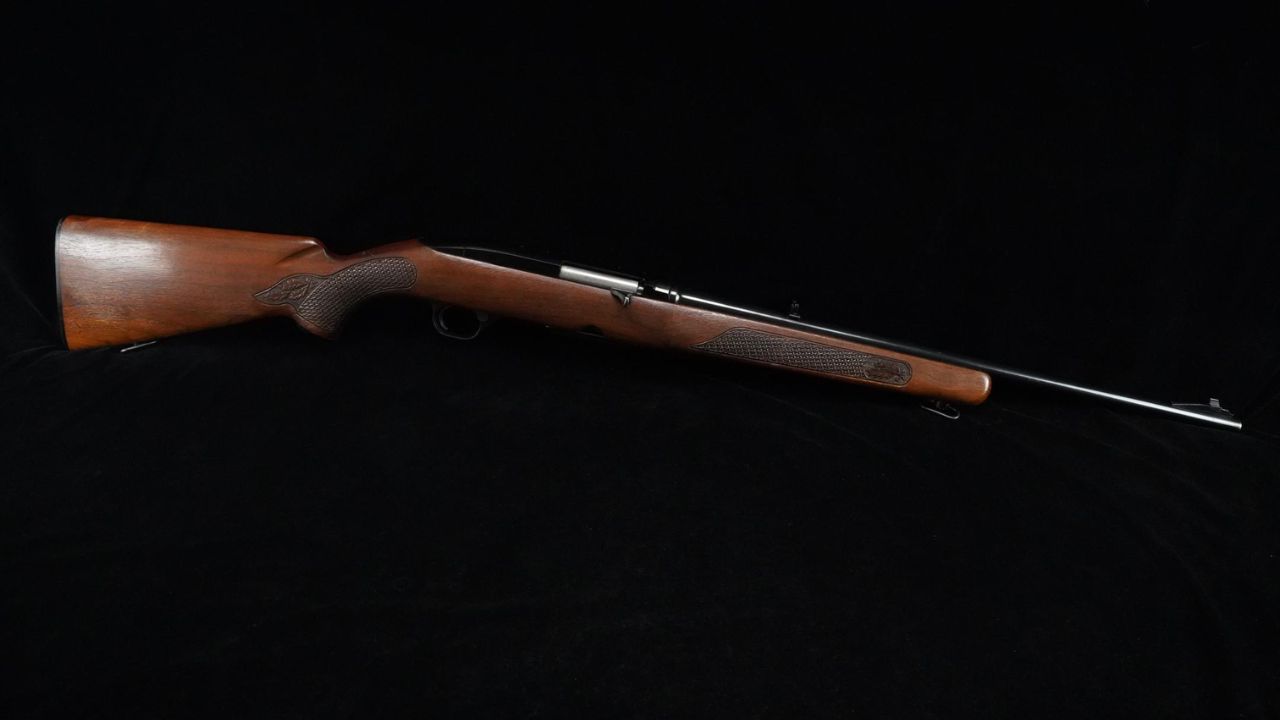
The Winchester Model 100 has collector appeal now, but as a field rifle, it can be more trouble than many buyers expect. It looks sleek, carries the Winchester name, and seems like a classy semi-auto deer rifle.
Older semi-autos need care, and the Model 100 is no exception. Accuracy is often ordinary, triggers are not usually great, and parts or service concerns can make ownership less relaxing. The firing pin recall history also makes it something buyers need to check carefully. It may be interesting, but interesting is not always the same as easy to live with.
Remington 597
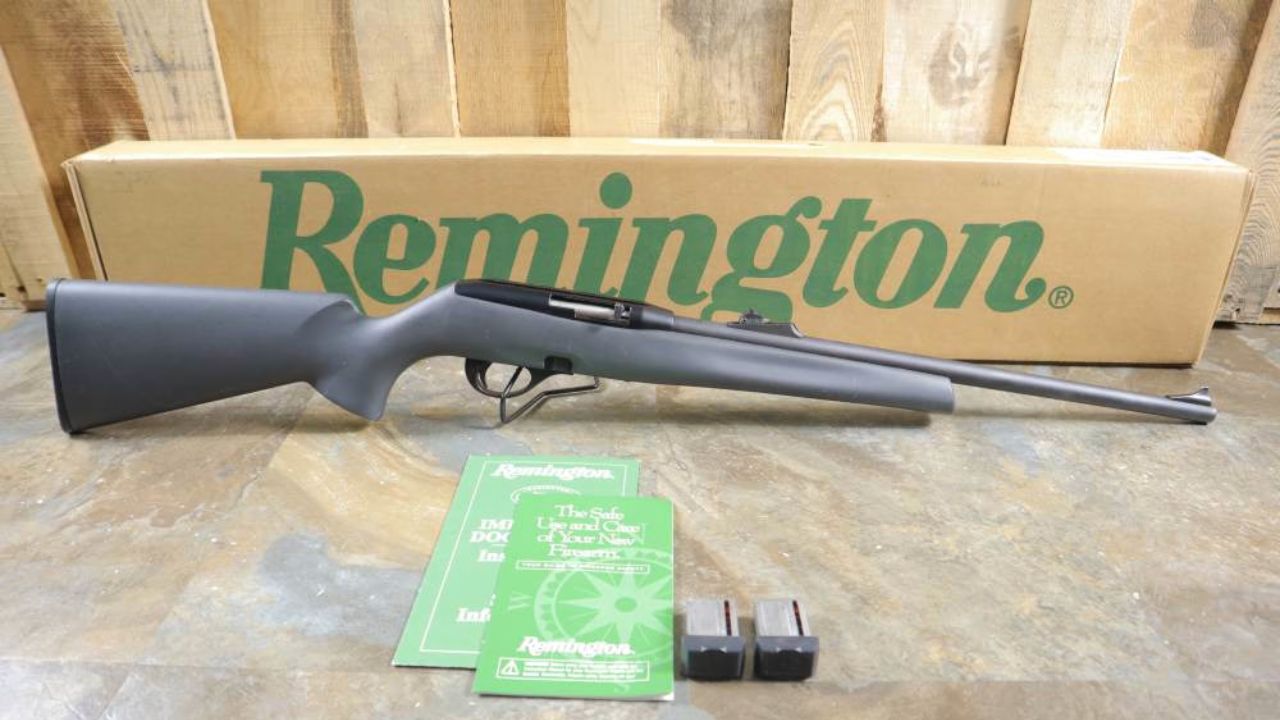
The Remington 597 looked like it could challenge the Ruger 10/22. It had decent ergonomics, solid accuracy potential, and the Remington name behind it.
Then the magazine problems damaged the whole story. Early feeding issues gave the rifle a reputation it never fully escaped, even after later magazines improved. A rimfire semi-auto should be fun and easy. When you spend range time fighting feeding problems instead of shooting, the rifle loses its purpose. Some 597s run fine, but the risk of annoyance makes many buyers pass.
KelTec SU-16

The KelTec SU-16 is clever on paper. It is light, uses AR-style magazines, and offers folding or compact storage features depending on the version. For a pack rifle or utility gun, that sounds useful.
The problem is that clever can feel flimsy. The SU-16 does not give many shooters the same confidence as a conventional AR, and the lightweight build can make it feel less steady than expected. Once affordable ARs became everywhere, the SU-16 became harder to justify. It still has niche appeal, but for most people it feels like a solution that brings its own problems.
Century Arms C308
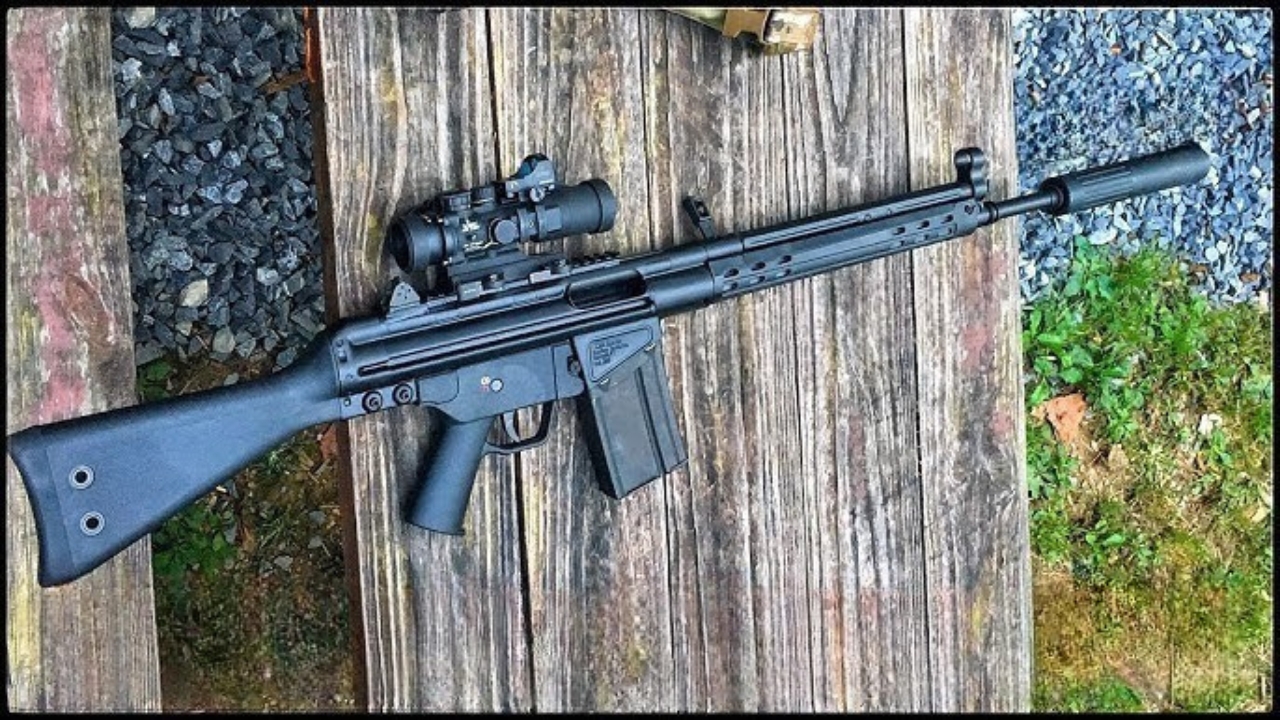
The Century Arms C308 attracted buyers who wanted a .308 battle-rifle feel without paying premium money. The roller-delayed look and surplus-style personality made it hard to ignore.
The trouble is inconsistency. Some examples run well and make owners happy. Others bring rough function, heavy triggers, harsh recoil, extraction issues, or parts-fit headaches. That turns ownership into a gamble. A .308 semi-auto already costs more to feed and train with. If the rifle also needs tinkering before it earns trust, the bargain starts looking less like a bargain.
IO Inc. AK Rifles

IO Inc. AK rifles are a reminder that not every AK-pattern gun deserves the AK reputation. Buyers saw the shape, the controls, and the promise of rugged simplicity, then assumed the rifle would run like a proper Kalashnikov.
Too many found out otherwise. Quality-control complaints, soft parts concerns, and reliability issues followed IO rifles for years. That is a serious problem because the whole appeal of an AK is confidence under rough use. When an AK makes you worry about headspace, wear, or basic function, it stops being a rugged tool and starts being a liability.
Mossberg 464
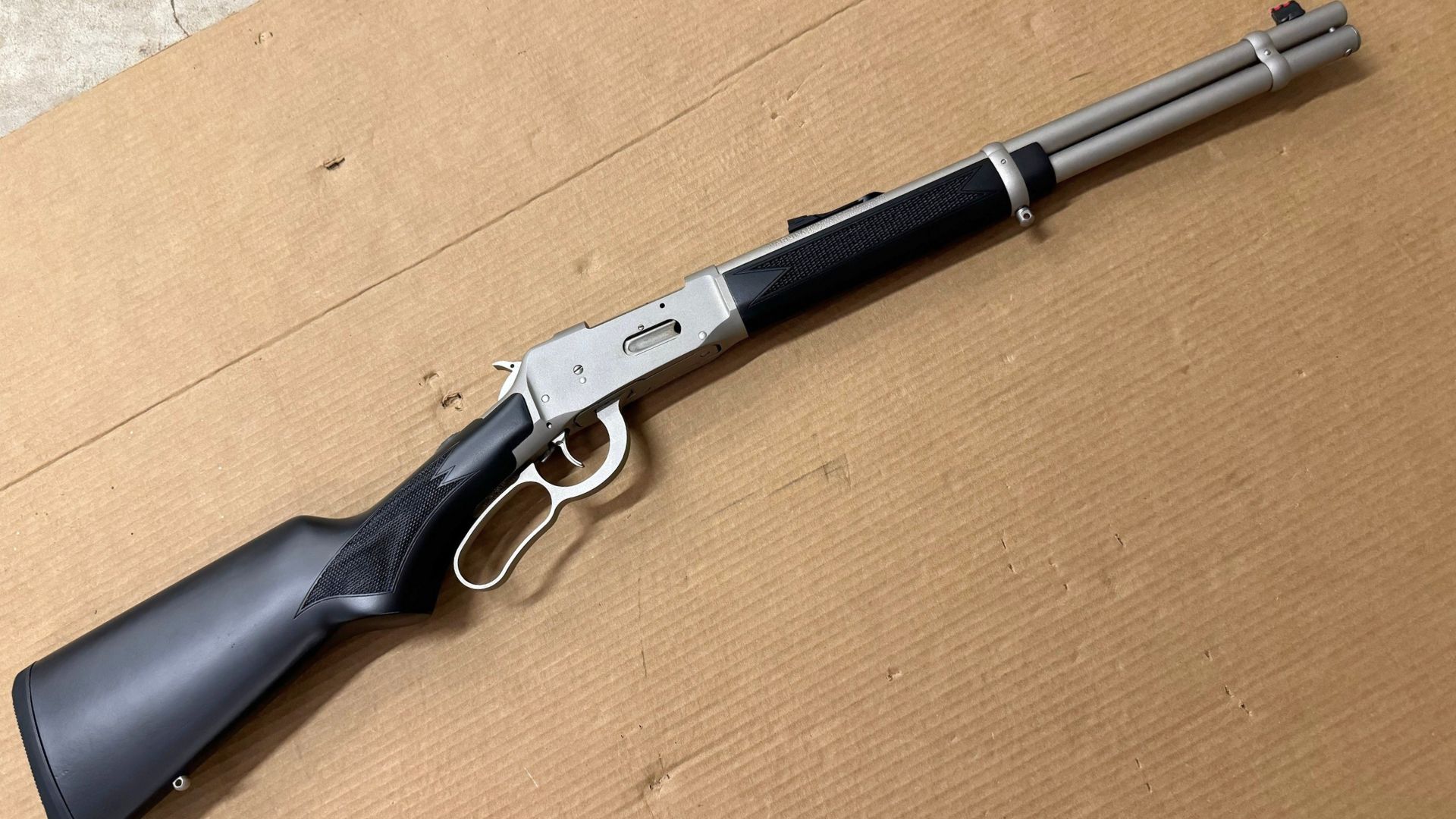
The Mossberg 464 seemed like a smart modern answer for people who wanted a new-production .30-30 lever gun. That should have been an easy sell with hunters who liked traditional woods rifles.
The problem is that lever guns live or die by feel. Compared with older Marlins and Winchesters, many 464s felt rougher and less charming. Some owners reported stiff cycling, mediocre triggers, or fit that did not quite scratch the classic-lever itch. It may work fine as a hunting rifle, but if every trip to the range reminds you it is not the lever gun you really wanted, regret follows.
Ruger Mini-14 Older Pencil-Barrel Models

Older pencil-barrel Ruger Mini-14 rifles can be fun, handy, and reliable enough for casual use. That is why they kept a following for so long.
The trouble starts when buyers expect more precision than the old design usually gives. Those thin barrels can heat up and open groups, which frustrates shooters trying to stretch the rifle beyond ranch-gun distances. Add the cost of magazines and the fact that ARs became cheaper, more accurate, and easier to customize, and the older Mini starts feeling expensive for what it delivers. It still has charm, but charm can cost a lot.
Marlin Model 60 Rough Used Examples
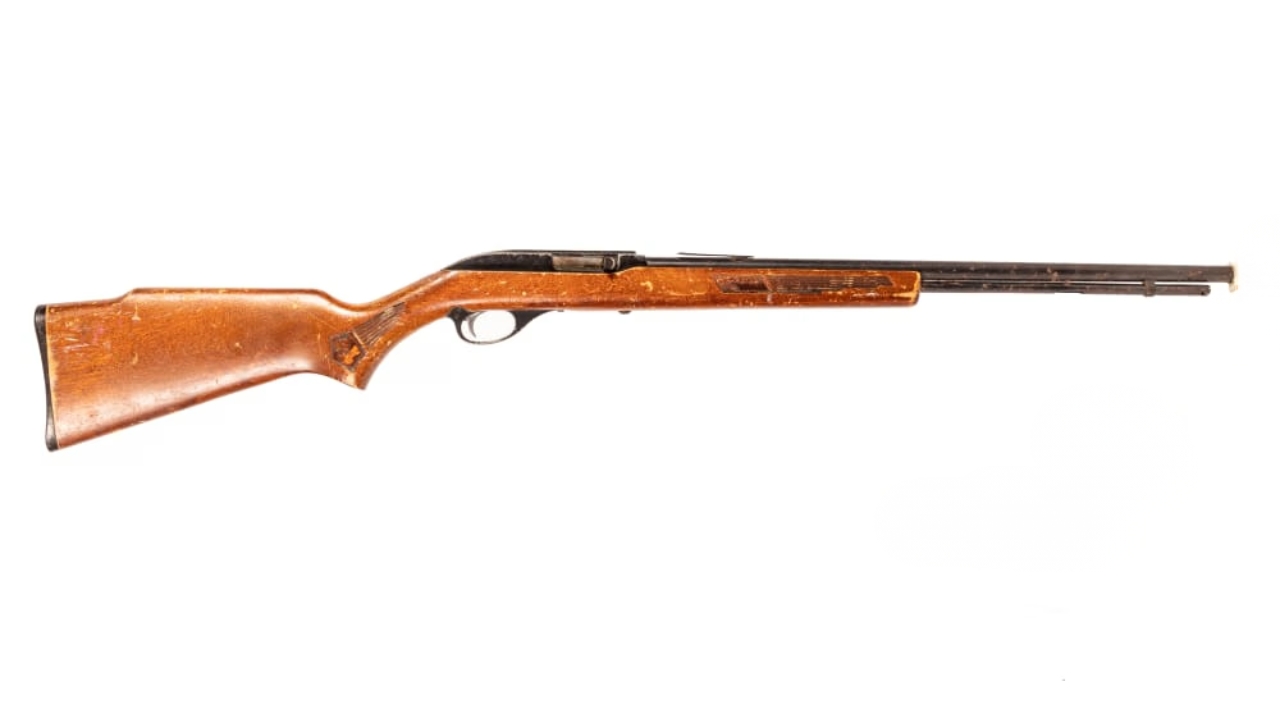
The Marlin Model 60 is a classic rimfire, and good ones deserve respect. The issue comes with rough used examples that have been shot hard, cleaned poorly, or stored badly.
A neglected Model 60 can become more trouble than a cheap .22 should ever be. Tube-magazine quirks, dirty actions, worn small parts, and feeding issues can turn casual plinking into constant fiddling. Because the rifle is so common, buyers sometimes grab one without looking closely. A clean one is worth owning. A tired one can make you wish you had bought a 10/22 and moved on.
Thompson/Center Compass First Generation
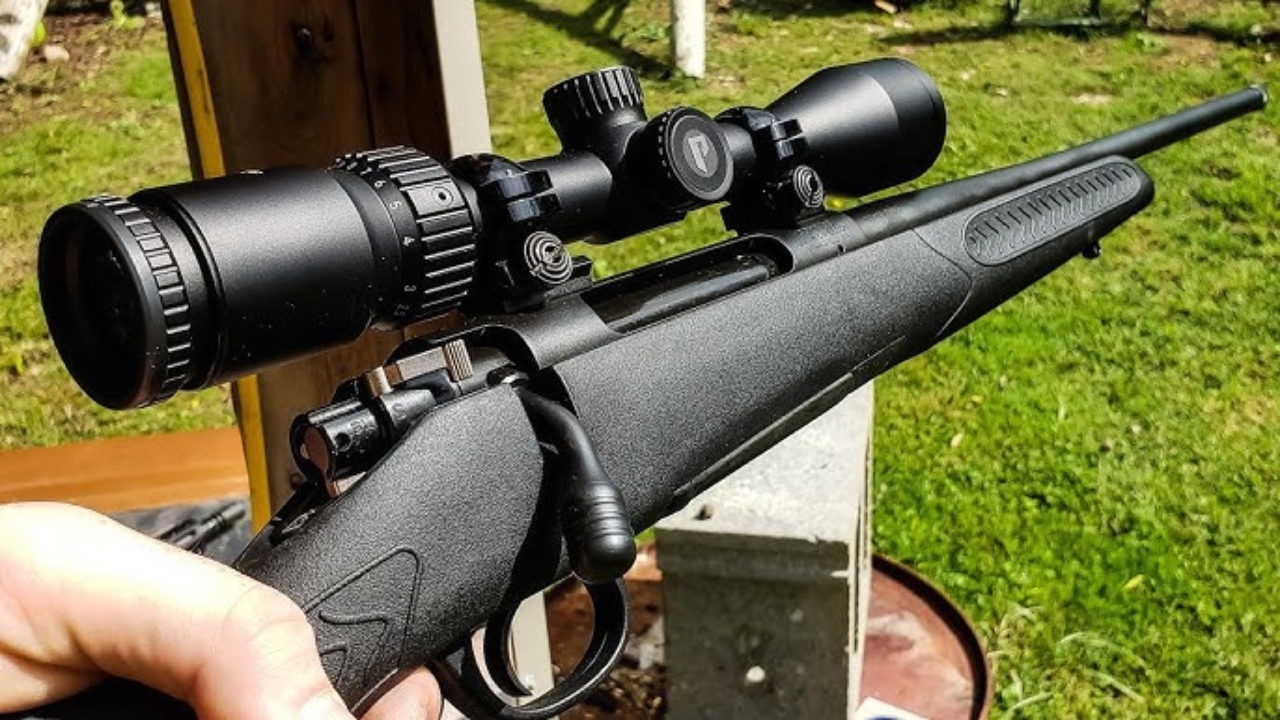
The first-generation Thompson/Center Compass offered a lot for the money, and some rifles shot very well. That is why the disappointment can sneak up on people.
The trouble was not always accuracy. It was the feel. The bolt could be rough, the stock felt budget-grade, and the magazine system was not everyone’s favorite. Some hunters looked past those things because the rifle grouped well. Others eventually realized they wanted a hunting rifle that felt better every time they picked it up. A rifle can be accurate and still not be one you enjoy owning.
AR-15s Built From the Cheapest Parts Kits

A bargain AR-15 can look like a smart buy when the price is low enough. The platform is familiar, parts are everywhere, and the rifle may seem easy to fix later if anything goes wrong.
That thinking can backfire. Cheap barrels, weak gas system tuning, poor staking, rough triggers, bad magazines, and questionable small parts can turn an AR into a constant troubleshooting project. One issue leads to another, and soon the “cheap” rifle has eaten money in replacement parts. A budget AR from a good maker can be fine. A parts-bin special can become more work than it is worth.
Like The Avid Outdoorsman’s content? Subscribe to our newsletter so you never miss an article.
Here’s more from us: