Photo credit: Juniper MTN/YouTube
A long range day doesn’t hurt because you’re “weak.” It hurts because the gun’s recoil impulse, grip shape, and trigger reach don’t match your hands, and you spend a few hundred reps fighting it. The smart move is picking a pistol that spreads recoil out, tracks flat, and doesn’t force you into a death grip to keep the sights from bouncing.
Weight helps. A longer slide and barrel can help. So can a grip that fills your hand without sharp edges, plus controls that don’t chew your thumb knuckle. Caliber matters too—nobody wins a high-round-count day with a tiny, snappy pistol. These handguns are the ones you can run for hours without feeling like you punched a fence post all afternoon.
Ruger Mark IV 22/45

If you want a range day that feels like practice instead of punishment, a Mark IV 22/45 is hard to beat. .22 LR lets you drill fundamentals without fatigue, and the grip angle feels familiar if you shoot centerfire pistols too. The gun stays flat, the sights settle fast, and you can run long strings without your hands getting tender.
What keeps it comfortable is the whole package: light recoil, predictable cycling, and a frame that doesn’t bite. You’ll also appreciate the Mark IV’s takedown when the gun gets dirty after a brick of ammo. Bring a few magazines and you can run real training pace—draws, transitions, cadence work—without the ache that shows up when a centerfire pistol starts slapping you around.
Browning Buck Mark Standard URX

The Buck Mark has earned its range reputation because it feels steady and shoots like it wants to help you. The grip fills your hand, the trigger is often clean out of the box, and the weight balance keeps the sights from wagging around. On a long day, that matters more than bragging rights.
Comfort shows up in the small details. The Buck Mark’s recoil is a mild nudge, so you’re not clamping down harder and harder as the session goes on. The grip panels don’t feel like they were shaped by a cheese grater, and the gun sits low enough to point naturally. If you’re building skill or bringing a new shooter along, it’s the kind of pistol that keeps everyone smiling after the first hundred rounds.
Smith & Wesson SW22 Victory

The SW22 Victory is another .22 that’s built for high-round-count afternoons. It has enough weight to feel planted, and the straight-back recoil makes it easy to keep the gun tracking the same way shot after shot. When your hands are tired, a pistol that stays consistent is a big deal.
You’ll also notice the ergonomics are friendly for a wide range of shooters. The grip angle doesn’t force your wrist into an awkward position, and the controls aren’t trying to draw blood. The Victory tends to be forgiving with decent ammo, and it’s easy to keep running with basic cleaning. If your goal is to leave the range feeling like you improved instead of feeling beat up, this one gets you there without any drama.
CZ 75 SP-01

The SP-01 is what you pick when you want a 9mm that feels calm even when you’re shooting fast. The all-steel weight and full-length dust cover keep the gun settled, and the grip shape fits a lot of hands without hot spots. You can run drills all day and still have enough hand strength left to load mags without cussing.
The other comfort factor is how the gun returns to the target. The recoil impulse is more of a push than a snap, and the sights tend to come right back where you expect. If you’re doing long strings—Bill drills, transition work, steel runs—the SP-01 doesn’t punish sloppy technique, but it also doesn’t punish you for practicing hard. It’s a range workhorse that stays pleasant when the round count climbs.
CZ Shadow 2

The Shadow 2 is built to make long sessions feel controlled. It’s heavy, it’s stable, and it tracks in a way that keeps you from gripping the life out of it. The grip angle and contour help spread recoil across your palm instead of concentrating it into one sore spot.
On a long day, the Shadow 2’s comfort shows up in how little it asks from your hands. You can focus on sight picture and trigger work instead of fighting muzzle rise. The weight isn’t fun on your belt, but at the range it’s your friend. If you’re doing hundreds of rounds of 9mm, that extra mass and the gun’s balance reduce fatigue in a way you feel by mid-afternoon. It’s a pistol that lets you train harder without paying for it later.
Beretta 92FS
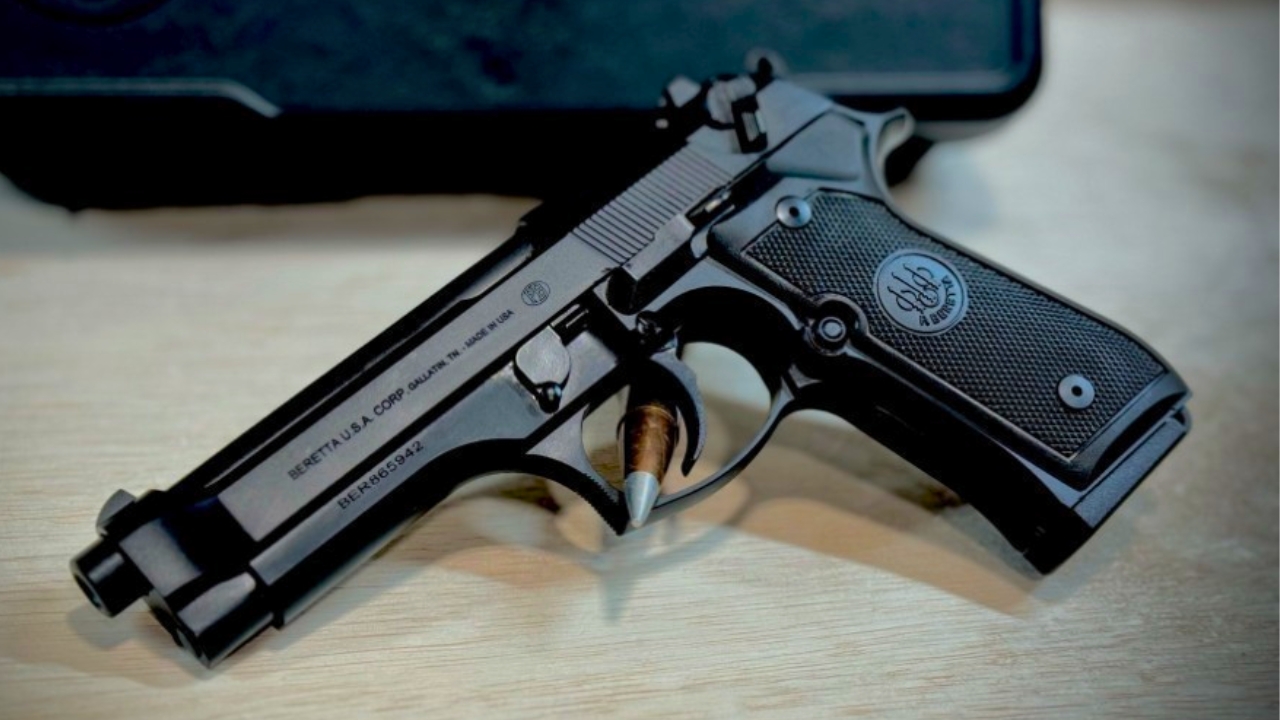
The Beretta 92FS has been a duty gun for a reason, and comfort is part of it. The weight and slide design give you a recoil impulse that feels smooth instead of sharp. When you’re shooting a lot, that smoothness keeps your hands fresher and your grip more consistent.
The 92FS also tends to be kind to your knuckles and web of the hand. The grip is broad, but it distributes pressure well, and the gun doesn’t have a reputation for chewing people up. You can run it in a steady cadence without feeling like the gun is slapping down into your palm. Add a good set of grips that match your hand size and the Beretta becomes one of those pistols you can shoot for hours, put away, and still feel ready to do it again tomorrow.
SIG Sauer P226 (9mm)
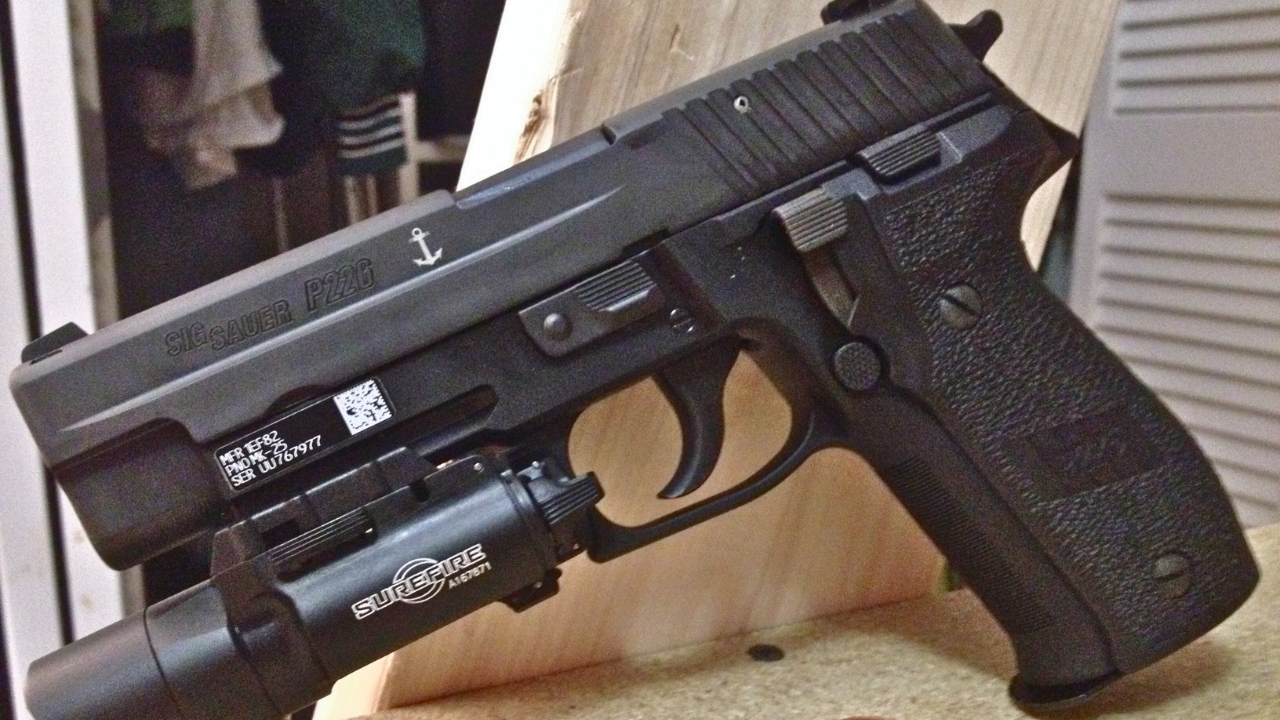
A P226 in 9mm is one of those pistols that feels “grown up” on long range days. It has enough mass to soak up recoil, and the grip-to-frame geometry keeps the gun from feeling whippy. You can shoot it fast, slow, one-handed, offhand—none of it feels like punishment.
Comfort isn’t only recoil. It’s also how the gun fits when your hands start getting tired. The P226’s controls are easy to reach for many shooters, and the gun’s shape doesn’t create sharp pressure points as you clamp down. It also tends to run cleanly through mixed ammo without making you chase malfunctions all afternoon. If you’re planning a long practice day and want a pistol that stays predictable from round 1 to round 500, a 9mm P226 is a solid pick.
HK VP9

The VP9 is a polymer pistol that doesn’t feel harsh when the round count climbs. A lot of that comes down to the grip. The interchangeable panels let you set it up so it fills your hand without forcing your fingers into cramped angles, and that keeps your grip pressure more even through the day.
Recoil on the VP9 is manageable and consistent, especially with standard-pressure 9mm. The gun tends to track flat enough that you’re not muscling it back on target after every shot. That matters when you’re doing drills that build speed over time, because fatigue shows up as sloppy grip and low hits. The VP9 helps you stay honest without beating you up. If you like striker-fired pistols but hate the “snappy” feel some compacts deliver, this one keeps range sessions comfortable.
Walther PDP Match Steel Frame

A steel-frame PDP Match is a range-day friendly setup because the weight takes the edge off the recoil impulse that lighter striker pistols can have. The longer slide and match-oriented balance help the gun settle quickly, so you don’t end up strangling the grip to keep the dot or front sight from bouncing.
The other reason it’s easier on your hands is that it encourages a relaxed, repeatable grip. When the gun tracks well, you aren’t over-correcting between shots, and that saves your wrists and forearms over hundreds of reps. The PDP Match format also gives you a longer sight radius if you’re on irons, which reduces the urge to “hunt” the sights under stress. If you’re the type who puts in long training days, a heavier 9mm that behaves well is exactly what keeps you shooting longer.
Glock 34 Gen5 MOS

The Glock 34 has always been a practical answer for high-round-count days. The longer slide and barrel, plus the extra sight radius, make the gun feel steadier than a compact Glock. In 9mm, the recoil impulse is easy to manage, and you can run drills without your hands feeling hammered by the end.
What makes it comfortable is predictability. The 34 cycles the same way every time, the grip shape is familiar, and the gun doesn’t demand a perfect grip to stay controllable. Add decent grip tape or a texture solution that matches your skin tolerance, and you can keep your hold consistent without slipping into a painful clamp. If you’re running an optic, the MOS setup makes sense for a range gun, and the 34’s longer top end helps the dot track in a calmer arc.
Smith & Wesson M&P 9 M2.0 5″

The 5-inch M&P 9 M2.0 is a good option when you want polymer weight savings without polymer harshness. The longer slide gives you a little more stability, and the grip angle and beavertail area tend to help you keep your hand high without getting pinched.
On a long day, the M&P’s comfort comes from how it sits in your palm. The recoil impulse is controllable, and the gun doesn’t force your wrist into a fight. The texture can be aggressive, which is great for control but can rub you raw after hours—so it’s worth paying attention to gloves or grip setup if your hands are sensitive. With that dialed, it’s the kind of 9mm you can shoot a lot, learn a lot, and still have your hands feel normal when you’re driving home.
Staccato P

A Staccato P is expensive, but there’s a reason people who shoot a lot tend to like 2011-style guns for long sessions. The weight, the trigger, and the way the gun cycles all work together to reduce the “snap” that wears you down. The pistol tends to track flat, and that saves your hands because you aren’t correcting as much between shots.
The grip design also helps spread recoil across your hand instead of concentrating it into one sore spot. When you’re shooting fast—especially if you’re running a dot—the gun’s behavior encourages a firm, steady grip instead of a crushing one. That’s the difference between a fun range day and a day where your knuckles feel tender. If you’re a high-round-count shooter, the Staccato P is built around that reality.
Springfield Armory 1911 Ronin 9mm

A 9mm 1911 is one of the easiest ways to shoot a lot without feeling beat up, and the Ronin 9mm fits that lane well. The 1911 grip angle and slim frame tend to point naturally, and the straight-back trigger helps you avoid the “extra grip pressure” problem that shows up with heavier triggers on long days.
The comfort comes from the cartridge and the platform working together. 9mm out of a full-size 1911 has a soft recoil impulse, and the gun’s weight keeps it from feeling jumpy. You can run drills, work the trigger hard, and still keep clean hits without your hands taking a pounding. You still need good magazines and decent ammo for reliability, but as a shooter’s pistol, a 9mm Ronin-style 1911 is an easy gun to spend a whole afternoon with.
Ruger GP100 (4.2″) with .38 Special

A GP100 is a revolver that can turn a long day into something your hands actually enjoy—if you feed it .38 Special. The weight of the gun absorbs recoil, and the impulse is more of a roll than a slap. That means you can shoot steady strings without the sharp impact that small revolvers deliver.
The nice part is flexibility. You can run mild .38 loads for training, step up to heavier .38 +P if you want, and still keep the gun comfortable. The GP100’s grip options are also a big deal. A grip that fits your palm prevents that “hot spot” at the base of the thumb that ruins range days. If you want to work trigger control and sight alignment without getting punished, a GP100 with .38 is a classic way to do it.
Smith & Wesson 686 Plus (4″) with .38 Special
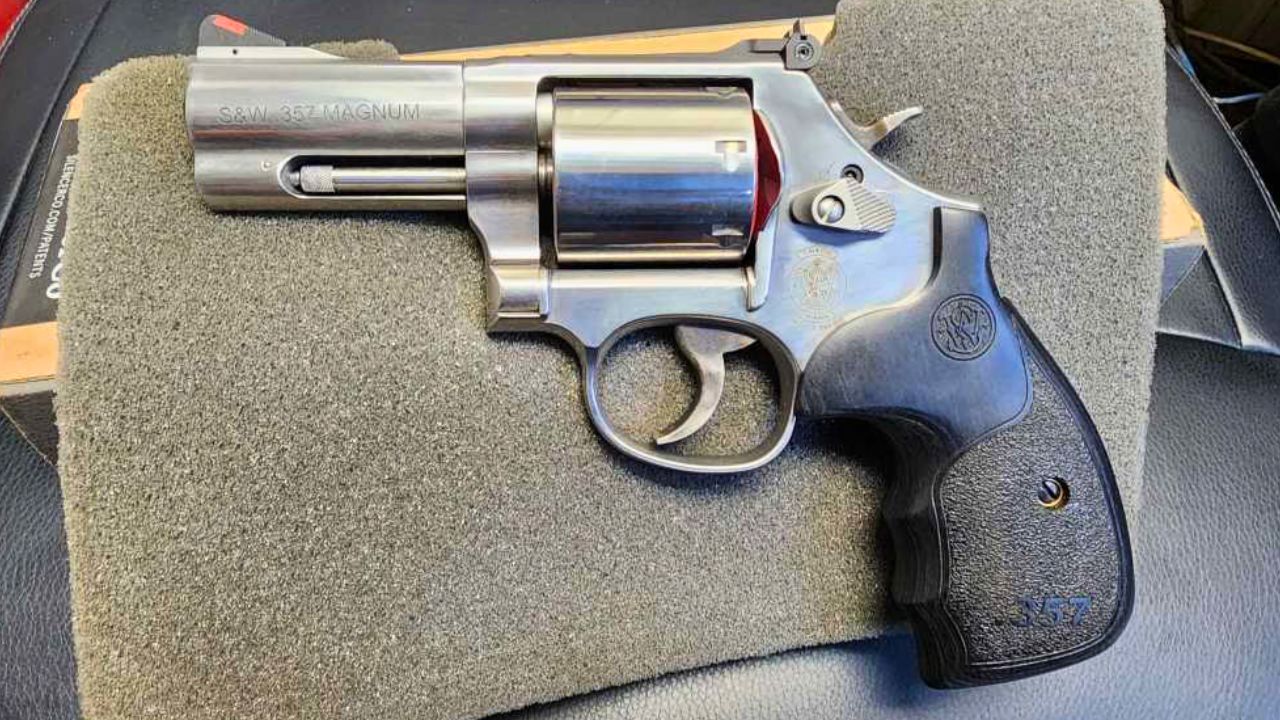
The 686 Plus gives you the same advantage as the GP100: a heavy, stable revolver that turns .38 Special into easy practice. The extra weight and the full-size grip frame help keep recoil from concentrating into one painful point, which is what beats up hands over time.
What makes it especially good for long sessions is how it encourages clean shooting. A good double-action trigger stroke forces discipline, but it doesn’t have to hurt. With .38s, you can run a lot of reps—draw to first shot, reload practice, cadence work—without your palm getting tender. You also aren’t chasing brass, which sounds minor until you’ve done it for three hours. If you want a handgun you can shoot all day while still improving as a shooter, a 686 Plus on .38 is a very comfortable way to get there.
Canik SFx Rival-S

The Rival-S is a steel-frame 9mm that’s built around shooting a lot, fast. The extra mass compared to polymer rivals helps keep recoil from feeling sharp, and the gun tends to track in a controlled way that doesn’t force you into a white-knuckle grip. That’s the difference between “I’m done” at 200 rounds and “let’s run that drill again” at 500.
Comfort also shows up in how the gun sits in your hand. The grip shape and beavertail area help you get a high hold without getting pinched, and that reduces fatigue during long strings. It’s also set up to be a practical range tool: good sight setup, good control layout, and a balance that rewards consistent technique. If your goal is to shoot a lot in one session without your hands feeling abused, a heavier 9mm like the Rival-S makes the day easier.
Like The Avid Outdoorsman’s content? Be sure to follow us.
Here’s more from us: