Photo credit: Bogdan Denysyuk/Shutterstock.com
Hunting solo is a whole different ballgame. There’s no one there to spot movement, help drag game, or double-check that you’re glassing the right ridge. It forces you to be more self-reliant, more aware, and a whole lot more deliberate. You quickly figure out which gear you can actually carry, how quiet you really are, and just how fast weather can turn on you. It’s a crash course in both hunting and self-management, and by the end of that first season, you’re not the same hunter you were when it started.
You have to plan every step before daylight
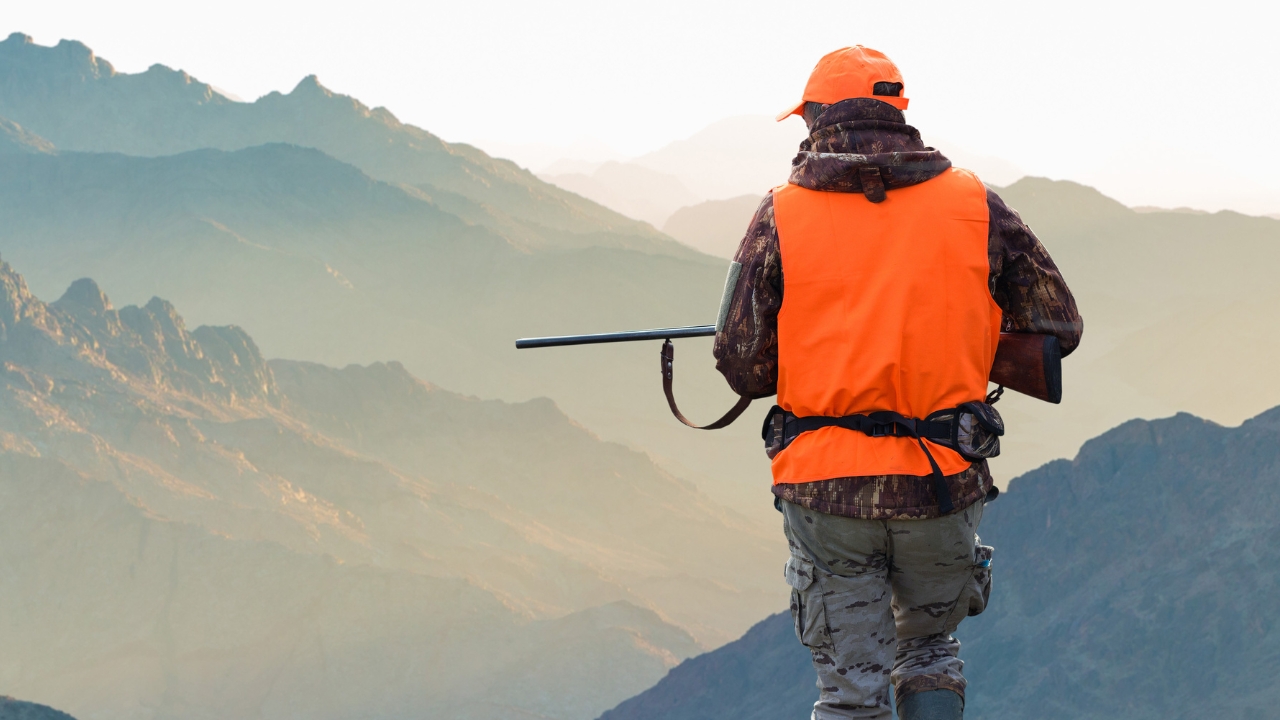
When you hunt with buddies, there’s a natural backup if something slips your mind. Alone, you have to map out your route, stand location, and game recovery plan ahead of time. There’s no passing the GPS to someone else or asking if they brought the gutting gloves. That pre-dawn prep matters because once you’re in the woods, it’s all on you. The first season solo teaches you to pack like you’re not coming back to the truck until the day’s over.
Game recovery is a whole lot more work

Dropping an animal alone feels great—until you remember you’re the one dragging it out. You learn quickly that shot placement isn’t just about the kill—it’s also about where the animal falls. A deer taken down in thick brush or at the bottom of a ridge means hours of hard work. The first season solo teaches you to think about recovery before you pull the trigger. That might mean adjusting your shot angle or letting one walk if the haul-out would be a nightmare.
Your awareness has to be sharper than ever

When you’re with others, someone’s usually watching a different direction or listening while you’re glassing. Alone, you’re the only set of eyes and ears. It makes you more tuned in to small sounds, movement, and wind shifts. You’ll start noticing things you might’ve missed before, like distant hoofbeats or the faint snap of a twig. That sharper awareness is both a skill and a survival tool, and by the end of the season, it’ll feel like second nature.
Weather can shut you down fast
The first time a cold front rolls in quicker than you expected, you understand why solo hunters obsess over weather reports. Without a partner to share gear or keep morale up, you have to be prepared for anything. That means packing an extra layer, rain gear, and a fire starter even on “perfect” mornings. Weather doesn’t care how far you’ve hiked or how much daylight’s left—when it turns, it turns. Hunting alone makes you respect those changes real quick.
You start carrying gear you swore you’d never need

When you’re new to solo hunting, you might think half your pack is “extra.” That changes the first time you break a strap, twist an ankle, or realize your knife isn’t sharp enough. A backup headlamp, small first aid kit, and extra water stop feeling optional. Solo hunts teach you the difference between overpacking and carrying the stuff that’ll get you home safe. By the end of the season, your pack will be heavier, but your mind will be lighter.
Confidence in your own decisions matters more than speed

With no one there to confirm your gut feeling, you have to trust your read on the situation—whether it’s deciding to take a shot, change locations, or call it for the day. That means slowing down and thinking things through, even if it costs you an opportunity. The first season solo shows you that patience and confidence keep you safer and more successful than rushing. Over time, those solo calls become one of the most valuable skills you’ll carry forward.
You’re more capable than you thought
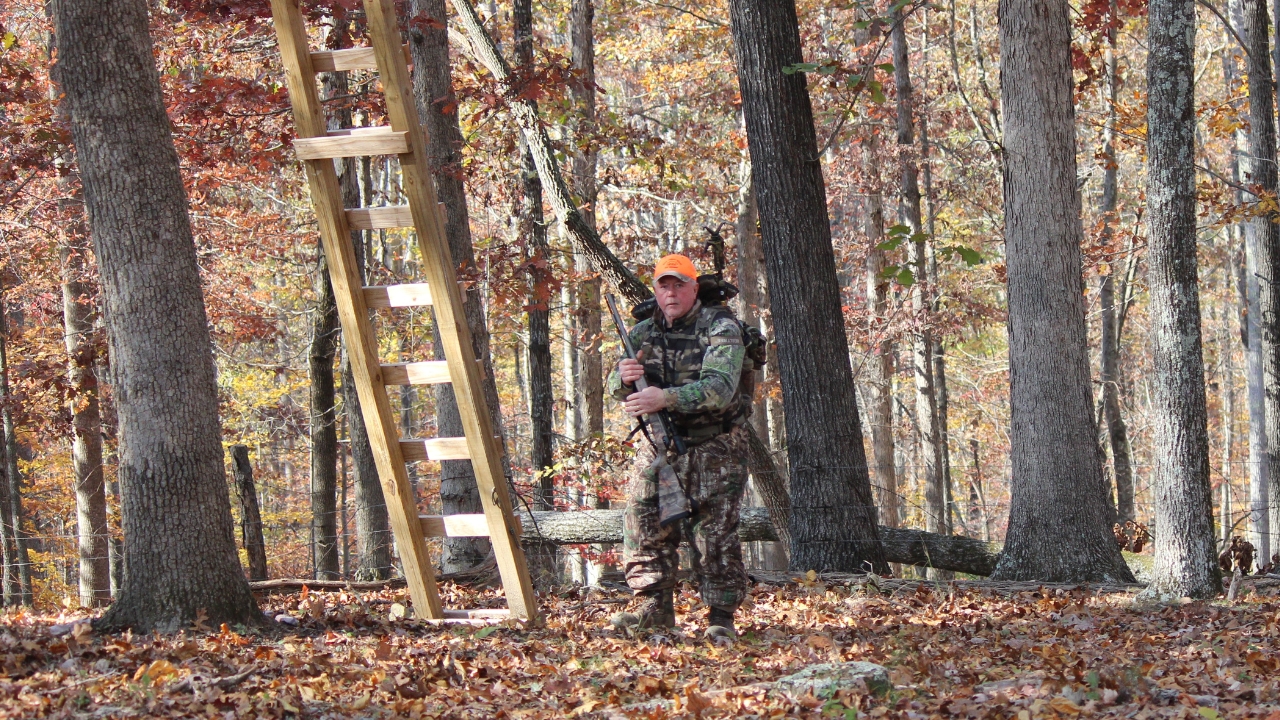
The first time you set out alone, there’s a nagging question of whether you can really handle it all—navigating, spotting, shooting, and recovering without help. By the end of the season, you’ll have proved to yourself that you can. That confidence carries into every hunt after that, even if you go back to hunting with others. You’ll move quieter, think ahead more, and be ready for whatever the day throws at you. Hunting alone changes you in ways that stick.
*This article was developed with AI-powered tools and has been carefully reviewed by our editors.