Photo credit: Reloading Weatherby/YouTube
A followable blood trail isn’t a magic trick a cartridge performs for you. It’s what happens when your bullet penetrates deep enough, damages big plumbing, and—ideally—leaves you two holes so blood gets out instead of staying in. Bullet construction matters as much as caliber, and angle matters more than either. But some cartridges earn a reputation because they deliver consistent penetration, useful wound diameter, and enough momentum to keep performing when the shot isn’t a perfect broadside.
You still do your part: pick a bullet that fits the animal, avoid blowing up on the shoulder, and don’t expect a spray-painted trail if you hit high lung only. With that said, these are cartridges that tend to put down real-world trails you can follow when the hit is where it needs to be.
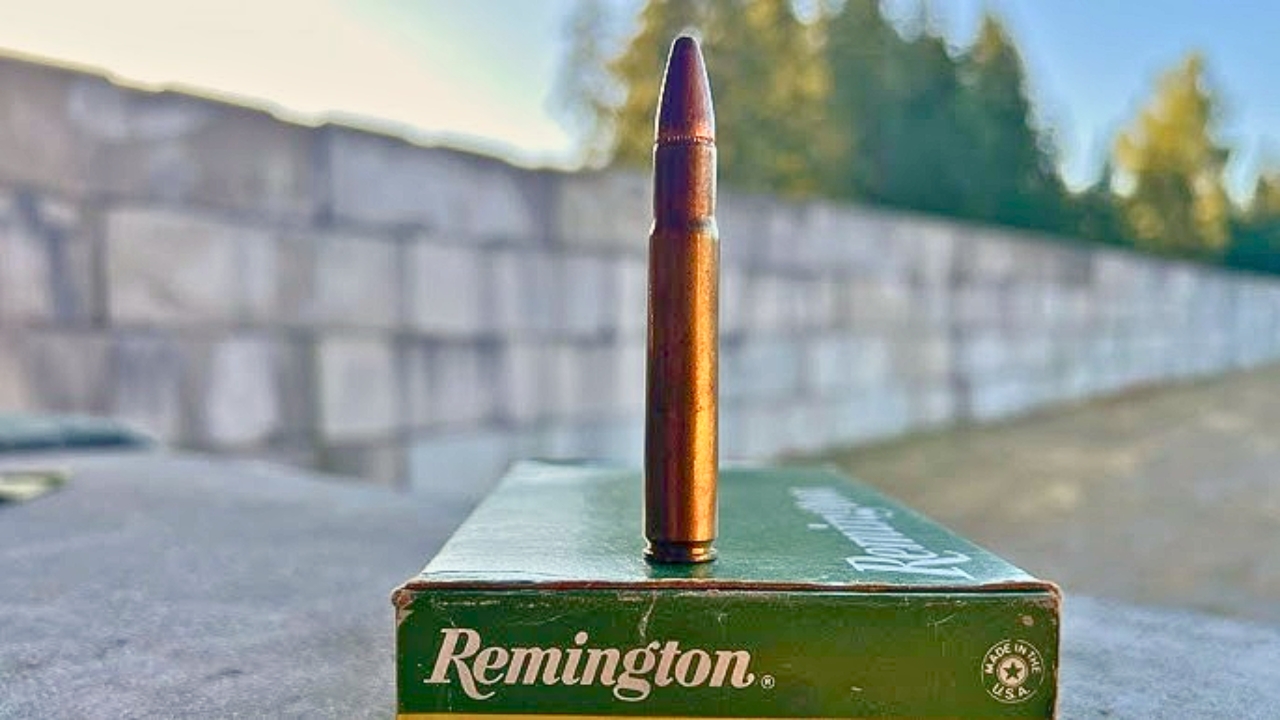
.30-06 Springfield

The .30-06 stays in the conversation because it does a lot of things well, including making exits on deer-sized game with the right bullet. A good 165- or 180-grain controlled-expansion load has enough sectional density and momentum to keep driving when it hits ribs, shoulder, and the mess in between. When you get an exit, you usually get a trail that starts sooner and stays more consistent.
You don’t need to run it hot or fancy. You need a bullet that holds together and keeps cutting. If you choose a soft, fast deer bullet and push it too hard, you can get a big internal wreck with a smaller exit than you expected. But load it smart, keep shots reasonable, and the .30-06 is the boring answer that keeps paying off in the tracking job.
.308 Winchester

The .308 isn’t flashy, but it’s hard to argue with how often it punches through and leaves two holes on deer, black bear, and hogs. It gives you a wide selection of hunting bullets, and it tends to be efficient enough that you don’t see the same “bullet grenade” behavior you can get with some overbore cartridges at close range.
Blood trails are about exits, and the .308 is good at producing them with 150- to 180-grain controlled-expansion bullets. You’re not relying on speed alone—you’re relying on penetration and a wound channel that doesn’t quit the moment bone shows up. If you hunt thick cover and want a cartridge that doesn’t punish you, the .308 is a practical choice that can make recovery simpler when the hit is right.
7mm-08 Remington

The 7mm-08 is a quiet killer that often performs above its paper reputation because it drives sleek, tough bullets straight. With 140- to 150-grain controlled-expansion bullets, it tends to slip through ribs, break a shoulder when you ask it to, and still keep moving enough to exit. That exit is what turns a “dead deer” into a “dead deer you can actually find fast.”
Where people go wrong is treating it like a light varmint round and choosing bullets that open too fast. Pick a bullet built for deer and bigger, and it’s surprisingly consistent. It also helps that many shooters place shots better with it because recoil is manageable. Better hits plus good penetration equals more followable trails, and that’s the whole game.
.270 Winchester

The .270 has been stacking deer for generations, and when you feed it the right bullets it can leave excellent trails. It doesn’t rely on huge diameter; it relies on penetration and a bullet that expands and keeps cutting. A 130- or 140-grain controlled-expansion load will often exit on broadside deer, and those exits make the difference when you’re tracking in leaves or tall grass.
The downside is that the .270 has enough speed that cheap, soft bullets can open violently up close. That can mean a dramatic internal wound with a less impressive exit than you expected. Use a tougher hunting bullet when you might hit shoulder, and you’ll see why the .270 keeps a loyal following. It’s a clean, straight-working cartridge that often gives you something to follow.
6.5 Creedmoor

The 6.5 Creedmoor can leave very trackable trails when you don’t treat it like a long-range target round with a hunting tag attached. With a proper 130- to 143-grain hunting bullet, it tends to penetrate well for its size and it often exits on deer, especially on broadside shots. That’s the key—two holes beat one.
The Creedmoor’s biggest mistake is bullet choice. Some match-style projectiles don’t behave like hunting bullets, and some thin-jacket deer bullets can come apart when velocity is high and bone is involved. Pick a controlled-expansion bullet and keep your angles honest, and it does the job. It also helps that many hunters shoot it accurately under pressure. A centered hit with an exit is how you get a blood trail you can trust.
.243 Winchester

Yes, the .243 can leave a followable trail—when you use it within its lane and choose a real deer bullet. With 95- to 105-grain controlled-expansion loads, you can get full penetration on deer and smaller hogs on clean angles. When it exits, it can paint a surprisingly steady line, because the bullet is still cutting instead of exploding early.
Where the .243 burns people is asking it to do too much with the wrong bullet. Light varmint bullets can turn a chest shot into a messy internal wound without the exit you want. And on steep quartering shots, you can run out of penetration. If you keep it to broadside or slight quartering and you run a stout hunting bullet, the .243 can be a clean killer that’s easier to track than its critics admit.
.30-30 Winchester

The .30-30 has built more tracking stories than most cartridges because it lives where tracking happens—close, brushy woods. With modern bullets, it can hit harder than people expect at normal deer distances, and it often produces exits because velocity is moderate and bullets tend to hold together. That steady, through-and-through performance is what makes blood show up on the ground instead of staying trapped in the chest.
You still have to respect the range and the angles. The .30-30 isn’t a “send it anywhere” round, and it’s not meant for long quartering shots on big-bodied animals. But inside its comfort zone, it’s consistent. A good hit with a .30-30 often gives you a short, readable trail, and that’s why it’s still a deer camp staple when the woods get thick.
.35 Remington
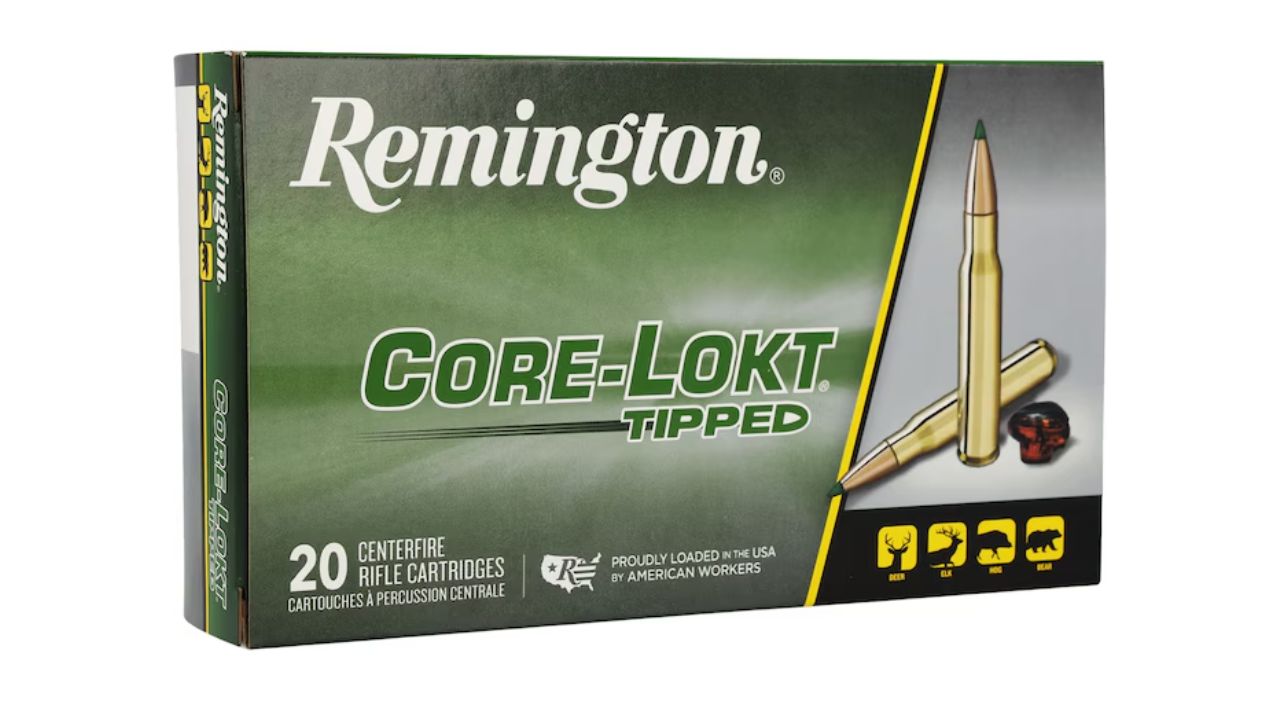
The .35 Remington is one of those cartridges that doesn’t get talked about until somebody sees what it does in the timber. Bigger bullet diameter and moderate speed can be a great combo for exits on deer and black bear. When you get an exit with a .35, you often get a wound that leaks well, especially if you’re clipping ribs and taking out lung tissue along the way.
The beauty is that it tends to be forgiving. You’re not depending on high velocity to make expansion happen, and you’re not punishing bullets so hard that they blow up early. It’s a cartridge that likes tough, medium-speed performance, and that performance can translate to trails you can follow without crawling on hands and knees. If you hunt in thick cover, the .35 Rem earns its reputation honestly.
.45-70 Government
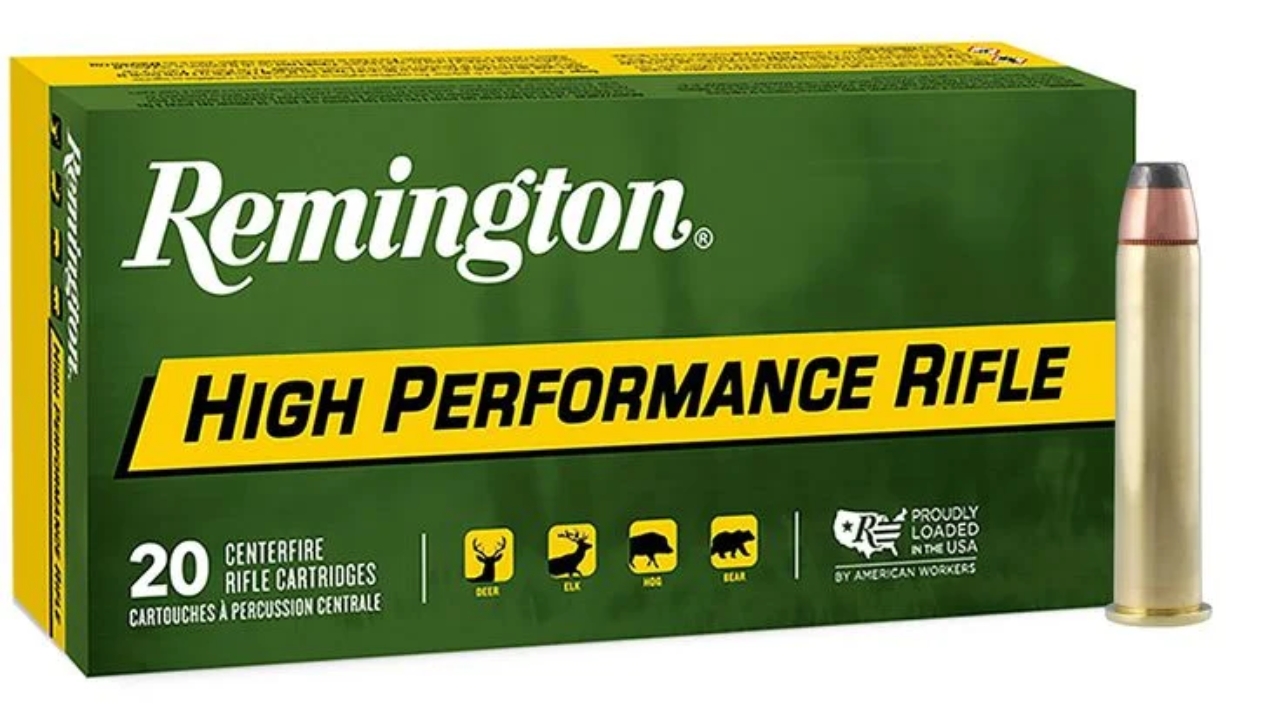
The .45-70 is famous because it hits like a hammer, but the blood trail story usually comes from how often it exits with a big hole when used on deer, hogs, and bear. With a solid or controlled-expansion bullet, it can punch through heavy bone and still leave you an exit you could stick two fingers in. That’s not exaggeration. Big diameter plus deep penetration is a recipe for external bleeding.
You do need to match the load to the job. Some high-velocity loads and some fragile bullets can create messy internal damage without giving you the same reliable pass-through. But with a good hunting bullet, the .45-70 is one of the more consistent “two holes” cartridges in the woods. When you’re tracking in thick stuff, that matters.
.44 Magnum (rifle)

Out of a rifle, .44 Magnum becomes a different animal. You gain velocity, you gain penetration, and you still have a wide, heavy bullet doing the cutting. On deer and hogs inside sensible ranges, it often exits, and those exits tend to leave clear sign. You’re not counting on shock. You’re counting on a bullet that keeps going and makes a hole that bleeds.
The limitation is range and trajectory. If you stretch it too far, you can get reduced expansion and less drama on impact. But keep it in its wheelhouse—woods hunting, feeders, thick cover—and it performs in a very trackable way. A tough 240- to 300-grain hunting bullet is the difference between a clean pass-through and a hit that doesn’t give you much to work with.
.357 Magnum (rifle)

A .357 Magnum lever gun can leave surprisingly readable trails on deer-sized game when you feed it the right ammo and keep shots tight. From a rifle, .357 gets enough velocity to make proper hunting bullets expand and still penetrate. With 158- to 180-grain hunting loads, broadside deer often give you an exit, and that’s where the track becomes straightforward.
The warning is simple: you can’t cheat angles. Quartering-to shots or heavy shoulder hits can eat up penetration fast, especially if the bullet is built for handguns and not for deeper rifle-level performance. Pick a real hunting load, aim for the chest the way you should, and the .357 can do honest work in thick woods. It’s not glamorous, but a clean exit makes a strong argument.
.280 Remington

The .280 Remington sits in that sweet zone where you get excellent bullet options and enough speed to expand reliably without being so fast that things get unpredictable at close range. With 140- to 160-grain controlled-expansion bullets, it tends to drive deep, break bones when needed, and still give you the exit that makes tracking less stressful.
It’s also a cartridge that rewards good shooting. Recoil is manageable for most hunters, and that helps you put shots where they belong. The .280 isn’t a “blood trail guarantee,” but it’s the kind of round that often gives you steady penetration and clean wound channels. If you’ve ever followed a thin, intermittent trail in dry leaves, you learn fast to appreciate anything that gives you a consistent leak to follow.
.338 Federal

The .338 Federal is a practical “bigger hole” answer without going to magnum recoil. It throws a wider bullet with enough weight to keep moving, and on deer, bear, and hogs it often exits with controlled-expansion bullets. When it exits, you usually get the kind of sign you can see without stepping on top of it.
The reason it works is straightforward: bullet diameter, decent weight, and moderate speed that helps the bullet hold together. You’re not turning the bullet into confetti on impact, and you’re not asking it to perform at the edge of its expansion window. If you want a short-action cartridge that makes tracking easier when you do your part, the .338 Federal is one of those sleeper picks that earns respect fast.
9.3×62mm Mauser
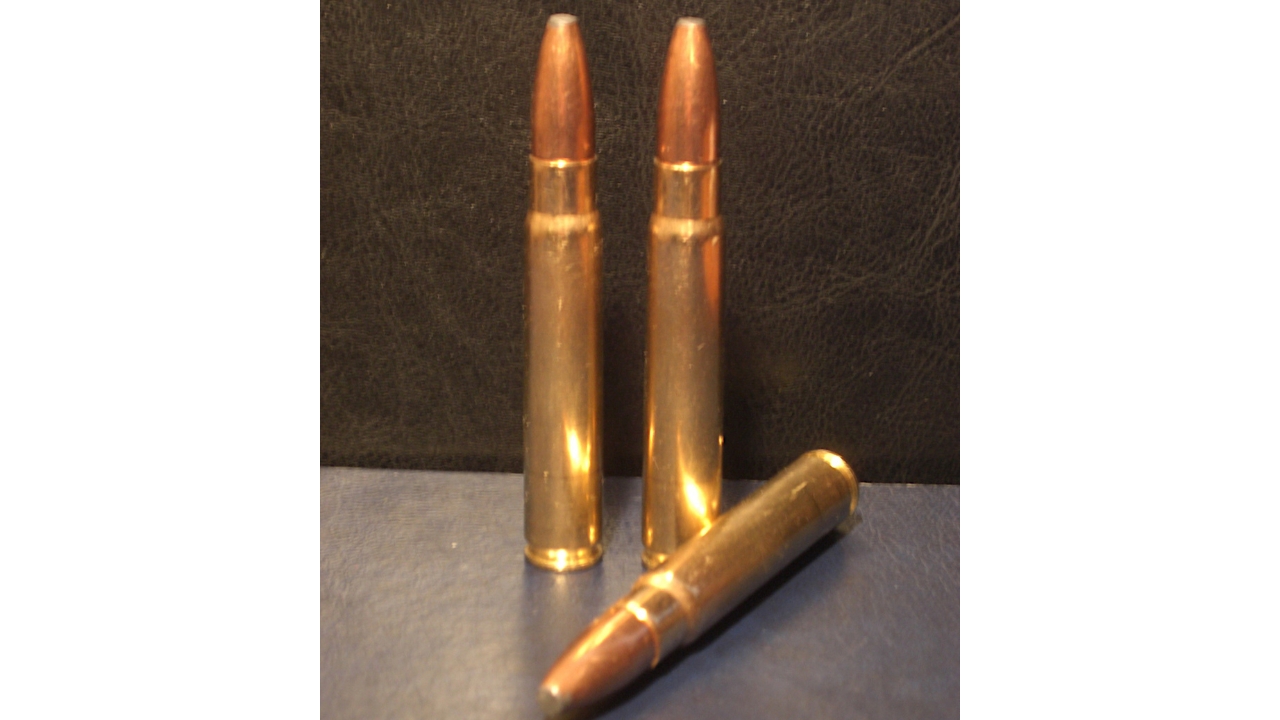
The 9.3×62 has a reputation for deep, reliable penetration, and that’s exactly what helps produce exits and followable trails. On big-bodied game, including tough hogs and large deer, it tends to keep driving even when bone and bad angles show up. With a proper hunting bullet, it’s a “keep going” cartridge, and keep-going is what makes two holes more common.
It’s also a cartridge that doesn’t rely on extreme velocity. That means bullets often behave predictably, expanding and holding together instead of blowing up. The tradeoff is recoil and rifle availability, but if you’re the kind of hunter who values recovery above bragging rights, the 9.3×62 makes sense. When the woods are thick and the light is fading, a cartridge that exits more often is worth a lot.
.35 Whelen

The .35 Whelen is a blunt instrument in the best way. It pushes a larger-diameter bullet with enough weight to break things and keep moving, and that combination tends to give you exits on deer, bear, and elk-sized animals when you choose a controlled-expansion bullet. Exits mean blood on the ground. Blood on the ground means you’re not guessing.
It’s also a cartridge that can save you from marginal shot angles without turning into a magnum. You still need to hit the right place, but the Whelen carries enough authority that it doesn’t fold the moment you clip heavier bone. The downside is recoil in lighter rifles, but most hunters shoot it well enough because it’s a steady push, not a sharp slap. When you’re following a trail, you start appreciating cartridges that don’t quit halfway through the animal.
.375 H&H Magnum

The .375 H&H is often thought of as dangerous-game territory, but its blood trail reputation comes from something simple: it tends to exit. Big bullet, deep penetration, and enough mass to keep driving means two holes are common, and those holes can leave heavy sign when the hit is in the chest. On big-bodied animals, that’s a tracking advantage you can’t fake.
You don’t pick .375 H&H for casual deer hunting, and you don’t need it for most situations. But if you hunt places where animals are tough, cover is thick, and recovery matters more than comfort, it’s hard to ignore what a big, penetrating cartridge can do. The key is bullet choice—controlled-expansion bullets that hold together. Do that, and the .375 H&H tends to leave a trail you can follow without needing a flashlight and a prayer.
Like The Avid Outdoorsman’s content? Be sure to follow us.
Here’s more from us: