Photo credit: Lincoln Rogers/Shutterstock.com
Single-action revolvers are fun to shoot and full of history, but they also come with a few quirks that can trip people up. A lot of folks pick one up thinking it’s simple, but there are definitely some easy mistakes to make if you aren’t used to the old-school setup. Whether you’re new to single-actions or just want a quick refresher, these tips will save you headaches. Here are ten common mistakes folks make with single-actions—and how to steer clear of them.
Forgetting the Loading Gate Drill
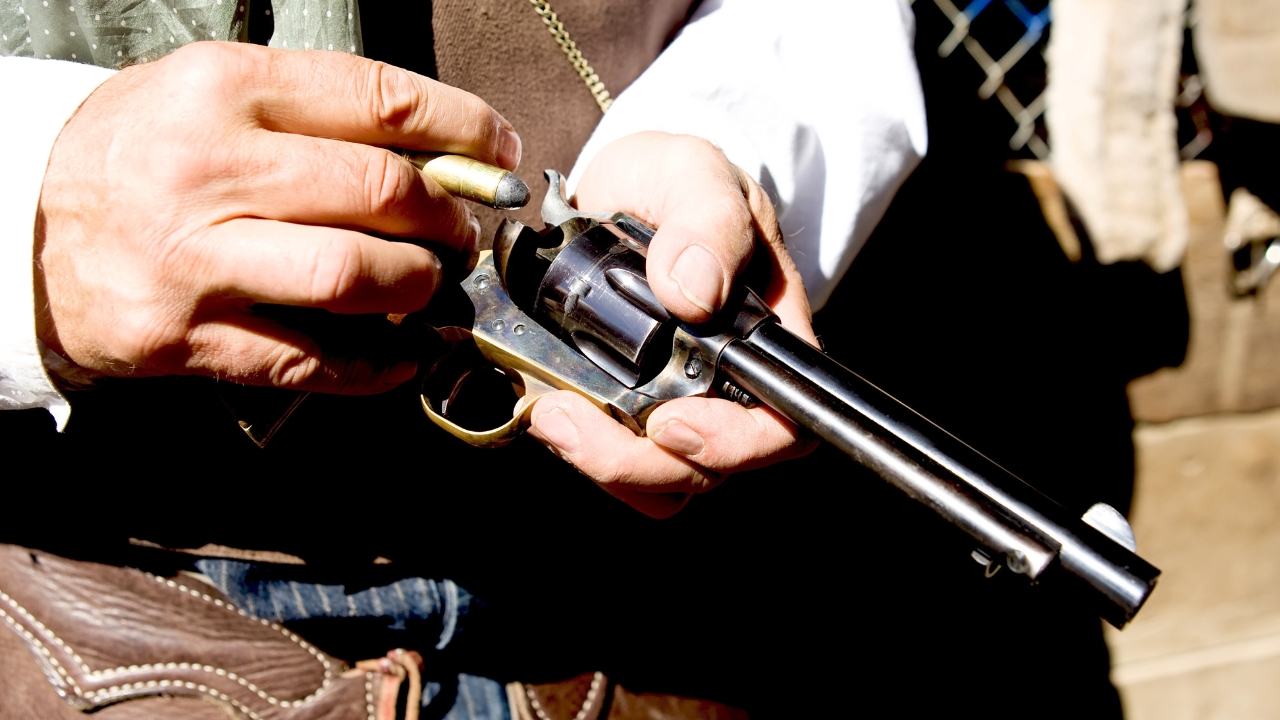
One of the most common slip-ups is forgetting how to properly use the loading gate. Unlike double-actions, you can’t just swing the cylinder out. People often fumble with the loading process or leave rounds half-loaded. You need to rotate each chamber in front of the gate to load or unload properly. Taking your time and making sure each chamber cycles smoothly is key. Rushing this step can cause headaches or missed rounds when you need to be ready.
Carrying with All Chambers Loaded

Old-school single-actions weren’t designed to be carried with six rounds. Some folks forget this and load up every chamber, not realizing the hammer often rests directly on a live round. That’s a recipe for a negligent discharge if the hammer gets bumped. The safe method is to load five rounds and leave the hammer resting on the empty sixth chamber. Modern models sometimes have safety features, but it’s still smart to follow the five-round habit.
Slamming the Hammer Down

It’s easy to get careless and just let the hammer fall after cocking it. Slamming it down without properly controlling it can damage internal parts, especially on older or budget models. Riding the hammer down slowly or properly decocking it keeps the gun in good shape. Single-actions are built to be tough, but bad habits like letting the hammer slam down will eventually wear them out or break parts you’d rather not replace.
Short Stroking the Hammer

Single-actions require a full pull of the hammer to function properly. New shooters sometimes short-stroke the hammer, bringing it back partway and letting it go. This can lead to misfires, out-of-time cylinders, or even mechanical damage. You need a clean, deliberate pull every time. When you get into a rhythm, it feels natural. If you rush and half-cock it, you’ll end up wasting rounds or worse—breaking something you didn’t intend to.
Rushing the Ejector Rod

Trying to speed through unloading can cause problems. People often jab or slam the ejector rod, which risks bending it or damaging the ejector housing. Single-actions are built for steady, deliberate operation. Slow down and make sure you fully eject each round without forcing anything. A bent ejector rod turns a fun range day into a frustrating mess. Taking a few extra seconds while unloading keeps your revolver working smoothly longer.
Over-Oiling the Action

It’s tempting to drown a single-action revolver in oil, especially after a good cleaning. But too much oil attracts dust, unburned powder, and grime—especially outdoors. These guns operate best with a light oiling and regular wipe-downs. Over-lubing can lead to sluggish triggers and gunked-up internal parts, especially if you carry it in a leather holster. A simple rule of thumb: just enough oil to keep things moving freely, no more.
Ignoring Timing Issues

Single-actions can go out of time after enough use, especially with heavy loads. People often ignore signs of poor timing—like the cylinder not locking up cleanly or feeling a hitch when cocking. Pushing through these problems risks more damage. If something feels off, it’s time for a gunsmith check. Addressing timing issues early prevents bigger, more expensive repairs later. Single-actions are tough, but they need a little attention to stay in good shape.
Using the Wrong Loads

Not all single-actions can handle modern +P or heavy hunting loads. Some shooters grab hot rounds without checking what their revolver is rated for. Older models, especially antiques, can be damaged or even fail catastrophically with the wrong ammunition. Always check your revolver’s markings and stick with loads it was designed to handle. When in doubt, stick with standard pressure loads. A cracked frame or ruined cylinder isn’t worth squeezing out a little extra velocity.
Neglecting Grip Technique
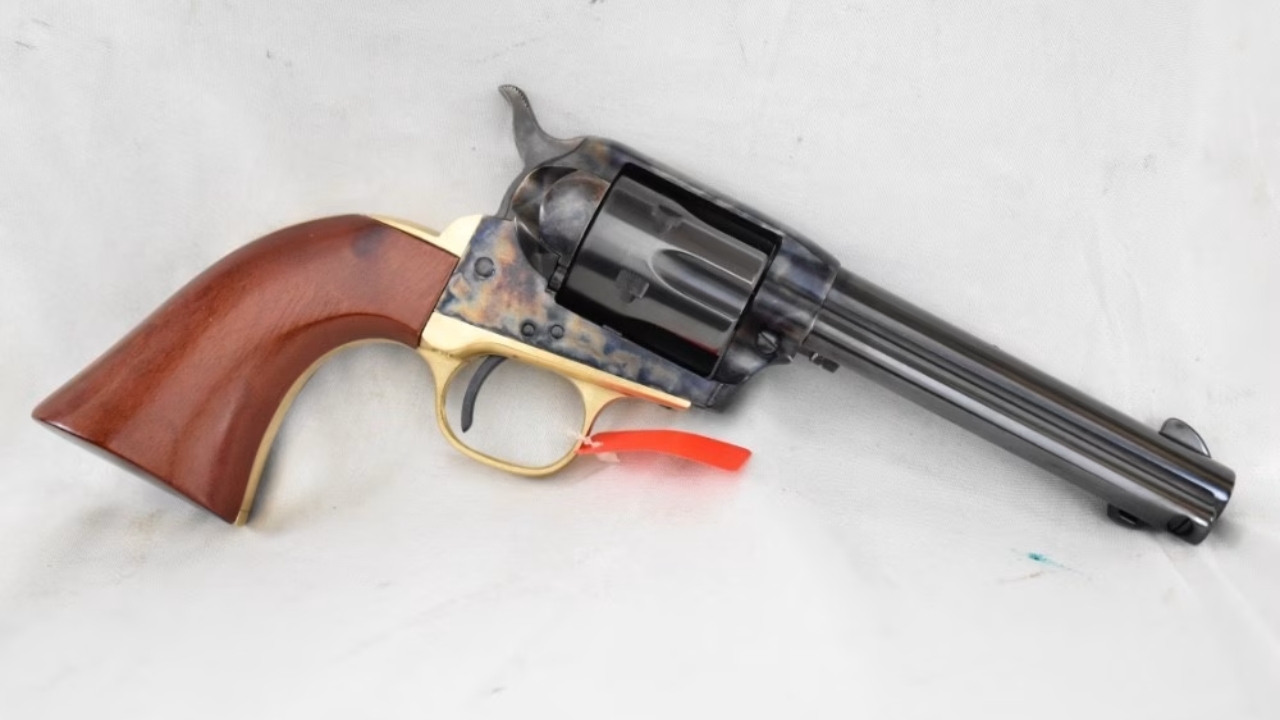
Single-actions shoot differently than modern semi-autos, and grip matters more than people think. Folks new to these guns often hold them too high or too loose, leading to poor accuracy and uncomfortable recoil. A good grip involves a firm but not tight hold, usually a little lower on the grip frame than you’d use on a semi-auto. A solid, consistent grip makes follow-up shots faster and keeps you from getting slapped by the revolver’s natural roll during recoil.
Skipping Practice Altogether

It’s easy to buy a single-action, shoot it once, and leave it in the safe. But these revolvers handle differently, and they reward regular practice. Loading, unloading, and working the hammer are all skills that fade fast without use. People often think single-actions are just slow plinkers, but with practice, you can get surprisingly quick and accurate. Hitting the range regularly keeps those old-school skills sharp and helps you get the most out of your revolver.
*This article was developed with AI-powered tools and has been carefully reviewed by our editors.