Photo credit: NRApubs/YouTube
Some guns sell themselves in the store. They feel good for thirty seconds, have a familiar name on the slide, come with the right kind of sales pitch, and seem like the smart answer before you have even fired a magazine or worked the action more than twice. That is why certain models keep flying out of display cases. They win the counter test.
The problem is that the counter test is not real ownership. Real ownership means range time, carry time, cleaning, malfunctions, recoil, controls, accuracy, and all the little irritations that never show up while a salesman is smiling at you. That is where some gun-shop favorites start losing their shine fast. Here are 15 that tend to sound better in the store than they feel after a few months of actual use.
Glock 43
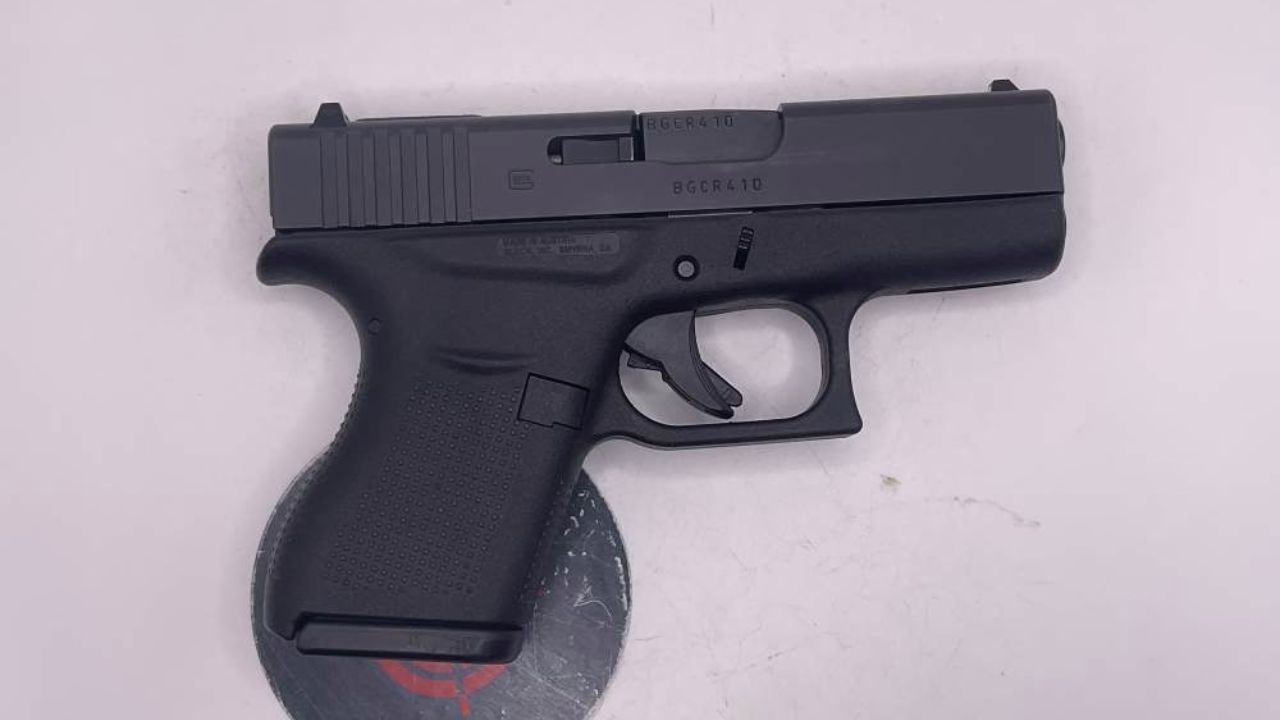
The Glock 43 sells fast because it feels like the safe answer. It says Glock, it is slim, it is easy to understand, and buyers walk out thinking they chose the smart carry gun without overcomplicating things. At the counter, that makes a lot of sense. It feels like the dependable option nobody can criticize.
The disappointment usually shows up later. Owners start living with six-round capacity, a snappier shooting experience than they expected, and the reality that smaller does not always mean better if the gun stops being enjoyable to practice with. It is not a bad pistol. It just often stops feeling special once the owner realizes how much the category moved around it.
Springfield Hellcat

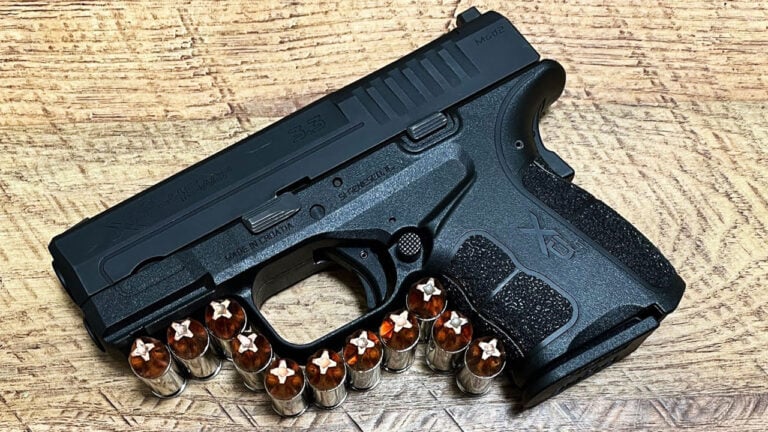
The Hellcat is a classic gun-shop winner because the specs do so much talking. High capacity for the size, aggressive styling, a recognizable brand, and the whole “serious little carry gun” pitch make it very easy to sell in person. Buyers often feel like they are getting a lot of gun in a very compact package.
That same package can wear on people later. A lot of owners eventually realize that tiny, sharp-edged, high-capacity pistols are still tiny pistols, and tiny pistols are not always fun to shoot or easy to master. The Hellcat still appeals on paper, but paper excitement and long-term satisfaction are not always the same thing.
SIG Sauer P365 SAS

The P365 SAS is exactly the kind of gun that dazzles in the case. It looks sleek, different, and stripped down in a way that feels very clever when the buyer first sees it. The flush controls and snag-free concept sound like the sort of refinement a smart concealed carrier should appreciate immediately.
Real ownership can be much colder. Once people start actually shooting it, the compromises stop feeling smart and start feeling like compromises. The idea sells. The execution does not always keep that same magic once live fire and real carry use take over.
Smith & Wesson Bodyguard 2.0
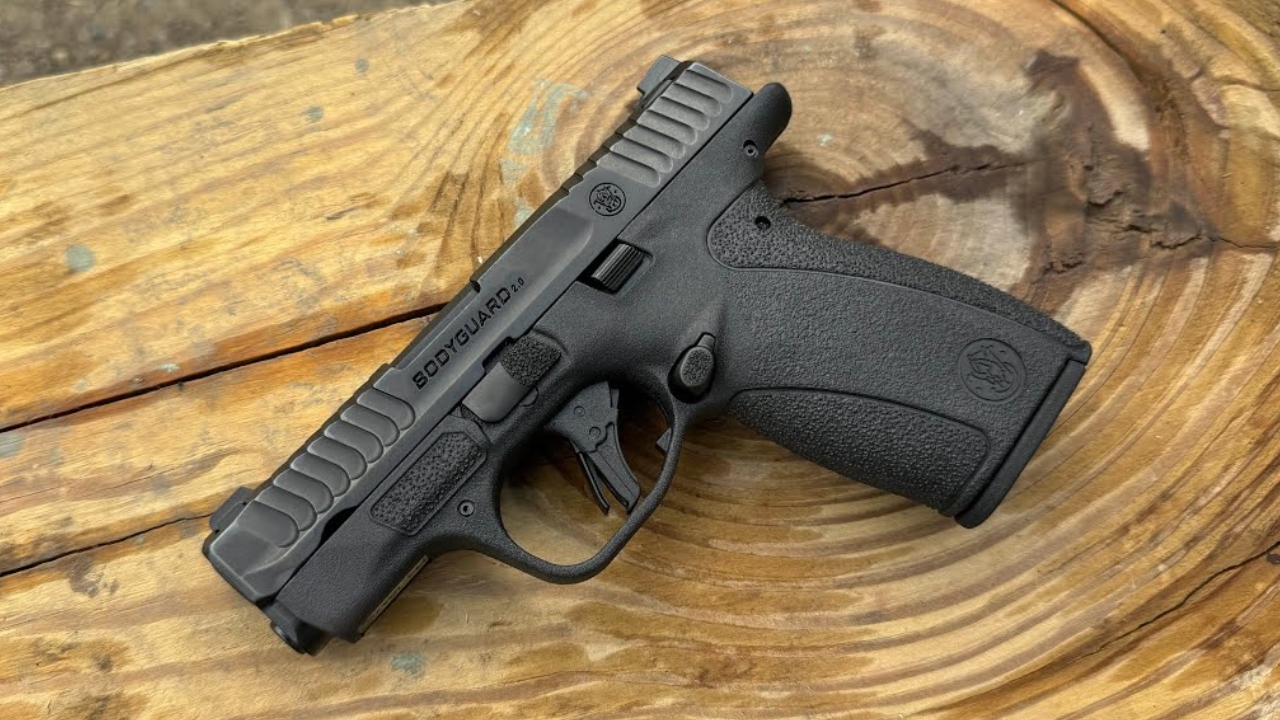
This one draws buyers in because it feels like a very modern answer to a very old carry problem. It is tiny, easy to hide, and wears a trusted name. At the counter, that combination is incredibly persuasive. It feels like the perfect deep-concealment handgun for somebody who wants something discreet and current.
The letdown usually comes from expectations. Buyers often expect a tiny gun to shoot like a bigger one because the branding and features make it feel more advanced than it really is. Once range time stacks up, they often realize it is still a tiny pistol with tiny-pistol limitations, and the store excitement starts cooling off.
Taurus Judge Public Defender
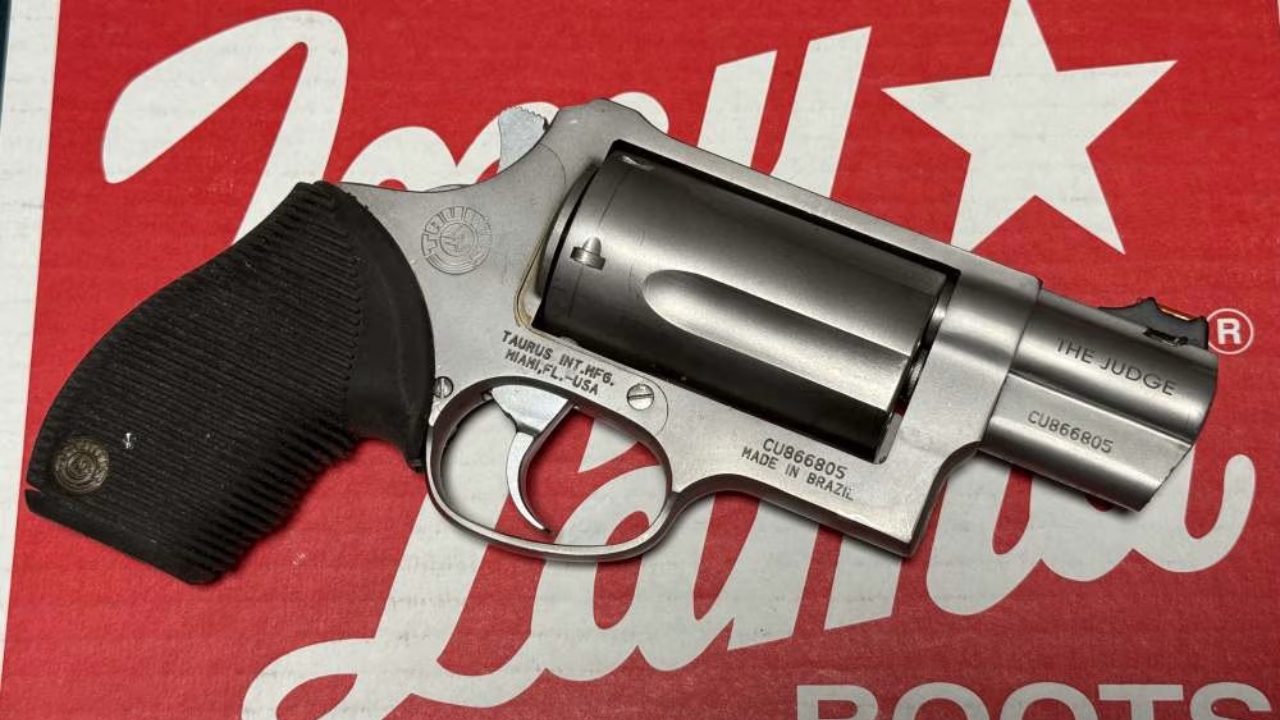
The Public Defender sells itself because it sounds wild enough to feel smart. Buyers hear .410 and .45 Colt, see the size, and convince themselves they found the more practical version of a gun they already thought was interesting. It feels like something different from the usual carry or bedside handgun, and that alone helps close the sale.
Owning one usually changes the tone. It is bulky, awkward for what it offers, and more novelty-driven than many buyers want to admit later. The concept is still fun to talk about. The actual long-term ownership experience often turns into a lot more shrugging than bragging.
Smith & Wesson Governor
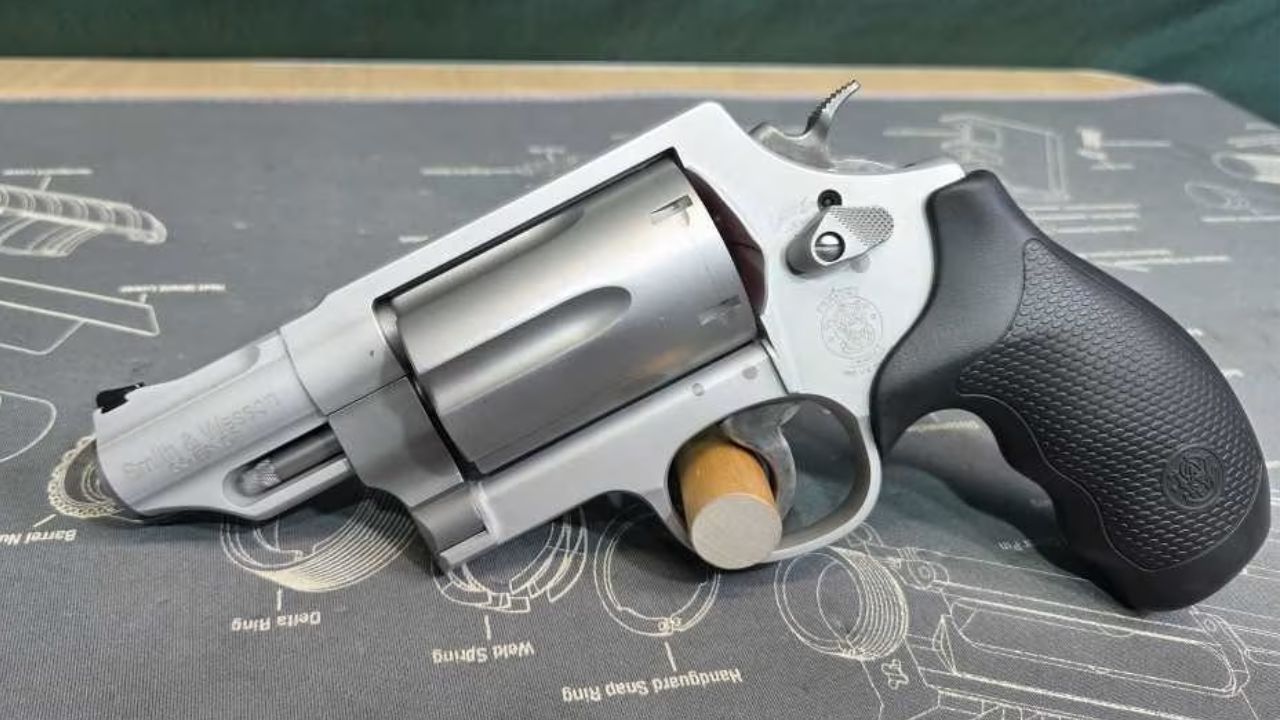
The Governor works the same side of the gun-shop brain. It feels like the “serious” version of the weird revolver concept because it has the Smith & Wesson name on it. Buyers feel like they are getting something versatile and authoritative, not gimmicky, and that badge does a lot of the persuading.
Then the real-world experience steps in. Big, heavy, and compromise-driven handguns rarely get more impressive with time, and the Governor is no exception. For a lot of owners, the idea stays more enjoyable than the gun itself.
Kimber Ultra Carry II

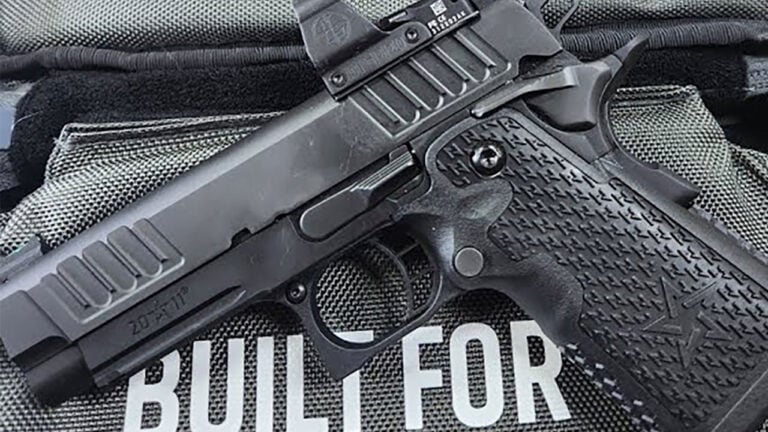
The Ultra Carry II wins people over at the counter because it feels like a premium compact 1911. It has the Kimber name, the 1911 mystique, and enough polish to make buyers think they are getting something more refined than the ordinary carry options next to it. It feels like a carry gun with taste.
That feeling can fade once the owner has real rounds through it. Small 1911s often ask more from the owner than the store experience suggests, and plenty of buyers eventually realize they bought into an image that did not fully match the long-term ownership. The attraction is real. So is the letdown.
SIG Sauer P238

The P238 is easy to buy because it feels classy. It is small, metal-framed, and different from the sea of polymer pocket guns. People handle one in the store and immediately think it is the “better” answer because it feels more substantial and more polished than a lot of tiny .380s.
Once they own it for a while, some start noticing that elegant and easy are not always the same thing. The appeal of the little metal gun remains, but the everyday practicality can feel less convincing after enough carry time, enough cleaning, and enough comparison to simpler pistols that just ask less from the owner.
Ruger Max-9

The Max-9 is a great counter gun because it sounds like value. Buyers see modern features, decent capacity, and the Ruger name, and it feels like a very safe way to get into the micro-compact market without paying more than they want to. That is an easy sale in a busy shop.
The problem is that “good value” and “still impresses six months later” are different categories. A lot of owners come away feeling it was fine, workable, decent, and all the other words people use when they are no longer excited. That is usually a sign the store appeal did more work than the long-term ownership ever did.
SCCY DVG-1

The DVG-1 gets bought because it looks like an affordable answer that should not exist at the price. It is modern enough, compact enough, and feature-rich enough that buyers feel like they are cheating the market a little. That is exactly the kind of feeling that sells guns under bright lights.
Later comes the reality check. A lot of owners stop sounding impressed once they have enough experience to know what better pistols feel like. Cheap can feel exciting right up until it starts feeling cheap. That is where the recommendation energy usually dies.
Canik Mete MC9

The Mete MC9 gets people quickly because it offers a lot of spec-sheet appeal in a very saleable size. It feels current, comes with a strong feature story, and rides on the wider Canik reputation for giving buyers a lot for the money. At the store, it can seem like one of the smartest little carry guns on the shelf.
The problem is that very small pistols still have a way of exposing the difference between first impressions and real use. Once people start carrying and shooting them regularly, the romance can fade. For some owners, it stays strong. For plenty of others, the “wow, this is a lot of gun” reaction gets replaced by a much flatter “yeah, it’s okay.”
Ruger LCP Max

The LCP Max is a perfect gun-shop favorite because it answers the customer’s first question immediately: can I carry this anywhere? The answer feels like yes, and then the capacity numbers make the whole thing seem even smarter. That is a very strong in-store combination.
Range time is where it gets less magical. Ultra-small pistols always ask for tolerance, and once buyers start dealing with recoil, grip, and actual shooting comfort, a lot of them become less impressed. It still carries great. It just often stops feeling like the little genius buy it did on day one.
Rock Island Armory TAC Ultra FS
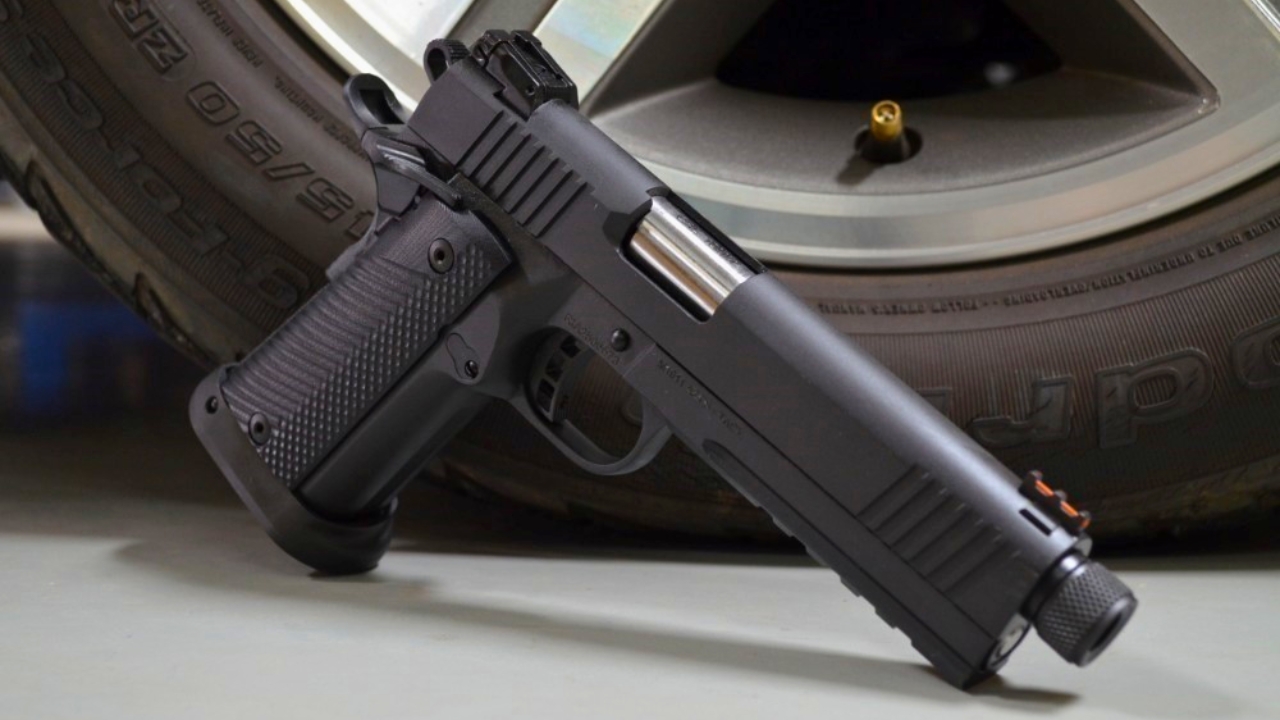
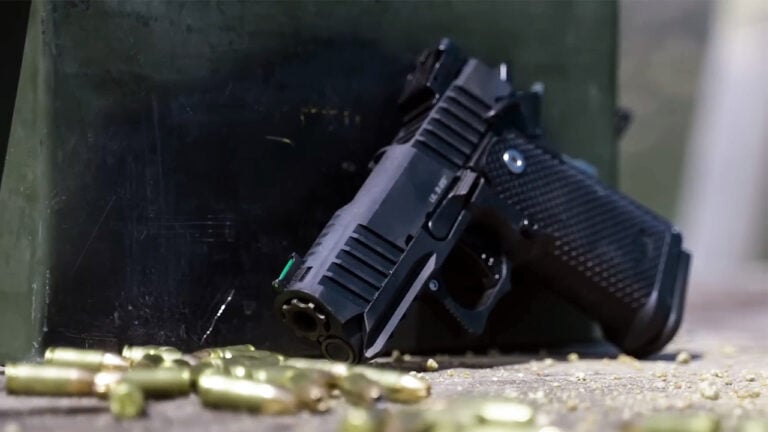
This sort of pistol sells because it looks like a lot of gun for the money. Full-size 1911, extra features, lots of visual appeal, and a familiar format make buyers feel like they are getting a premium-style handgun without premium pricing. That is exactly the kind of thing people love in a shop.
What happens later is often more complicated. The owner starts living with the full-size weight, the maintenance, the expectations, and the reality that “1911 value buy” is not always the same thing as “still impressed a year later.” It can feel like a lot of gun at the counter and a lot to deal with later.
FN Reflex
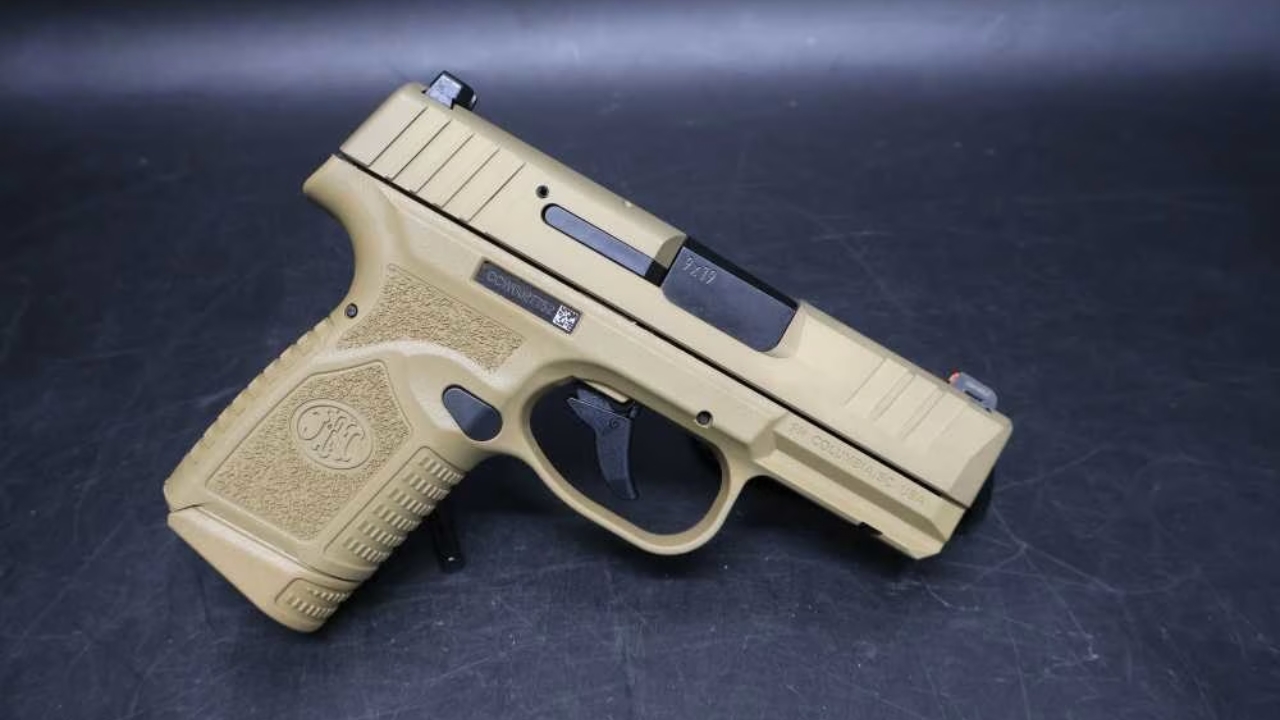
The Reflex sells very well because it feels like a cleaner, more premium little carry gun than some of the chunkier competition. FN adds instant seriousness to the purchase, and buyers often feel like they are stepping above the usual micro-compact crowd. That brand pull is strong in person.
The disappointment comes when real use makes the category feel a lot more normal again. Small carry guns are still small carry guns, and some owners eventually realize they were more impressed by the logo and the case appeal than by the actual long-term ownership. The excitement often softens faster than they expected.
Mossberg MC2sc

The MC2sc is a gun-shop favorite because it surprises people in-hand. It feels better than they expected, the brand is familiar enough to lower hesitation, and the whole package gives off “hidden gem” energy. Those are exactly the kinds of guns buyers feel proud of discovering.
Long-term ownership does not always preserve that feeling. Once the initial “this is better than I thought” reaction fades, some owners realize they are left with a pistol that is merely fine instead of truly memorable. That is a very common path for gun-shop favorites.
Walther PDP F-Series

The PDP F-Series is a great store seller because it feels thoughtfully designed and very easy to appreciate right away. Buyers handle it, like the ergonomics, like the brand, and feel like they are getting something more modern and more intentional than other pistols nearby. It makes a very strong first impression.
The long-term ownership question is whether that first impression keeps holding up. For some owners it does. For others, the pistol settles into “good, but not life-changing,” which is a huge drop from how impressive it can feel under glass. That is the whole point of this category. Great in the store does not always mean great six months later.
Like The Avid Outdoorsman’s content? Subscribe to our newsletter so you never miss an article.
Here’s more from us: