Photo credit: 22plinkster/YouTube
A carry pistol can seem easy to figure out when you first handle it. If it feels light, compact, and comfortable in the store, a lot of people assume it will also be easy to shoot well under pressure. That is where many shooters get surprised. The traits that make a pistol easy to carry do not always make it easy to control, and some of the most popular concealed-carry guns demand more skill than they get credit for.
That does not make them bad pistols. It means they ask more from the shooter than their size or reputation suggests. Smaller grips, shorter sight radius, snappier recoil, heavier triggers, and tighter margins for error can all turn a “simple” carry gun into something that takes real work to run well. Experienced shooters learn this pretty quickly. Newer carriers often learn it after the honeymoon phase, when live fire, faster strings, and imperfect practice conditions start exposing what looked easy at first.
SIG Sauer P365

The SIG P365 looks easy to master because it is small, slim, and far more shootable than older pocket-sized 9mms. That first impression is not wrong, but it can be incomplete. The gun is still very compact, which means the grip gives you less room to work with and the sight radius leaves less forgiveness when your fundamentals get sloppy. For a lot of shooters, it feels great until the pace picks up and the groups start opening.
That is where the real learning curve shows up. The P365 rewards good technique, but it does not hide poor grip or inconsistent trigger control very well. A shooter with solid fundamentals can do excellent work with one. A shooter without them may spend months thinking the pistol is easier than it really is. It carries with very little effort, but mastering it still takes more discipline than its size suggests.
Springfield Hellcat

The Hellcat makes a strong first impression because it offers serious capacity in a very compact footprint. That combination makes people assume they are getting the best of both worlds: easy concealment and easy performance. The truth is a little more demanding. A small pistol that holds a lot of rounds is still a small pistol, and compact dimensions still bring compact-gun behavior once you start running drills instead of slow-fire strings.
A lot of shooters discover that the Hellcat’s short grip and lively recoil take more attention than expected. The gun can absolutely be shot well, but it asks for a consistent grip and real follow-through. It is not one of those pistols that automatically makes a mediocre shooter feel competent. That is why it can seem beginner-friendly at first and then slowly reveal how much work it takes to become truly confident with it.
Glock 43

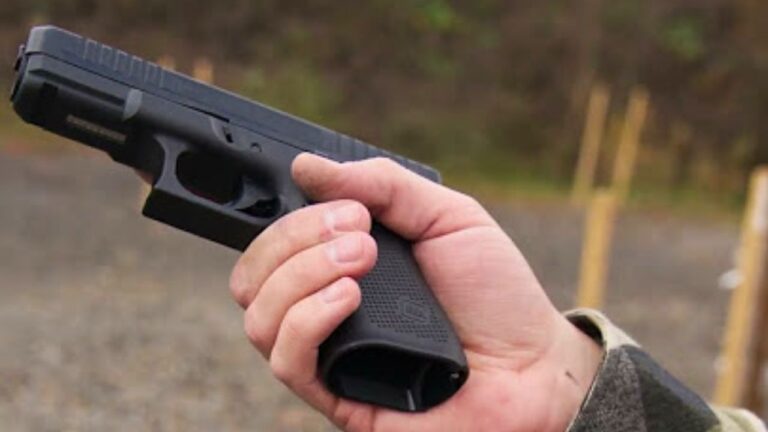
The Glock 43 often looks straightforward because it is a Glock. The controls are simple, the layout is familiar, and the gun feels like it should be easy to learn. What surprises some owners is how much the smaller frame changes the experience. It is thin, compact, and easy to conceal, but those same qualities make it less forgiving than larger Glock models people may already know well.
That matters because a lot of buyers assume the learning curve will be almost identical to a Glock 19 or 17. It is not. The smaller grip can expose poor hand placement fast, and the lighter, slimmer gun does not soak up recoil in the same relaxed way. The Glock 43 remains a smart carry choice for many people, but it often takes more range time than expected before it feels fully under control.
Smith & Wesson J-Frame Model 642

The Model 642 looks simple because revolvers have a reputation for being uncomplicated. Load it, close the cylinder, and pull the trigger. That basic simplicity is real, but mastering a lightweight J-frame is another matter entirely. Small sights, a long double-action trigger, limited grip area, and brisk recoil make this one of the easiest guns to carry and one of the harder ones to shoot really well.
That gap catches a lot of people off guard. The 642 seems approachable because there is not much to learn mechanically, yet it demands a lot from the shooter in terms of trigger control and recoil management. Fast, accurate shooting with a small revolver is very much a learned skill. Plenty of people buy one assuming it will be effortless because it is simple. Then they get to the range and find out simple is not the same as easy.
Ruger LCP Max

The LCP Max looks like the perfect answer for concealed carry because it is tiny, light, and disappears where larger pistols start feeling burdensome. It is the sort of gun people buy when they want a carry piece that will not get left behind. That strength is real. The problem is that a pistol this small is always going to ask more from the shooter than its convenience suggests.
Once regular practice begins, owners usually notice how little room there is for sloppy technique. Grip consistency matters, sight tracking matters, and recoil feels sharper than many people expect from a pistol this easy to pocket. It can absolutely serve well in its role, but it is not a shortcut to skill. In many ways, the LCP Max is a pistol that makes carrying easier and mastering harder, which is a trade many buyers do not fully expect up front.
SIG Sauer P938

The P938 is easy to admire because it gives shooters a very small pistol with familiar single-action controls and a metal-gun feel that stands apart from the polymer crowd. In the hand, it often feels refined and confidence-inspiring. That first impression can make people assume it will be easier to master than many other tiny carry guns. Sometimes the opposite turns out to be true.
A very small single-action pistol still demands careful handling, good practice habits, and comfort with a manual of arms that some shooters never fully internalize under stress. On top of that, the short grip and compact dimensions still impose the usual tiny-pistol penalties once real shooting begins. The P938 is not hard to appreciate. It is simply harder to run truly well than buyers often realize when the attraction is still fresh.
Taurus GX4

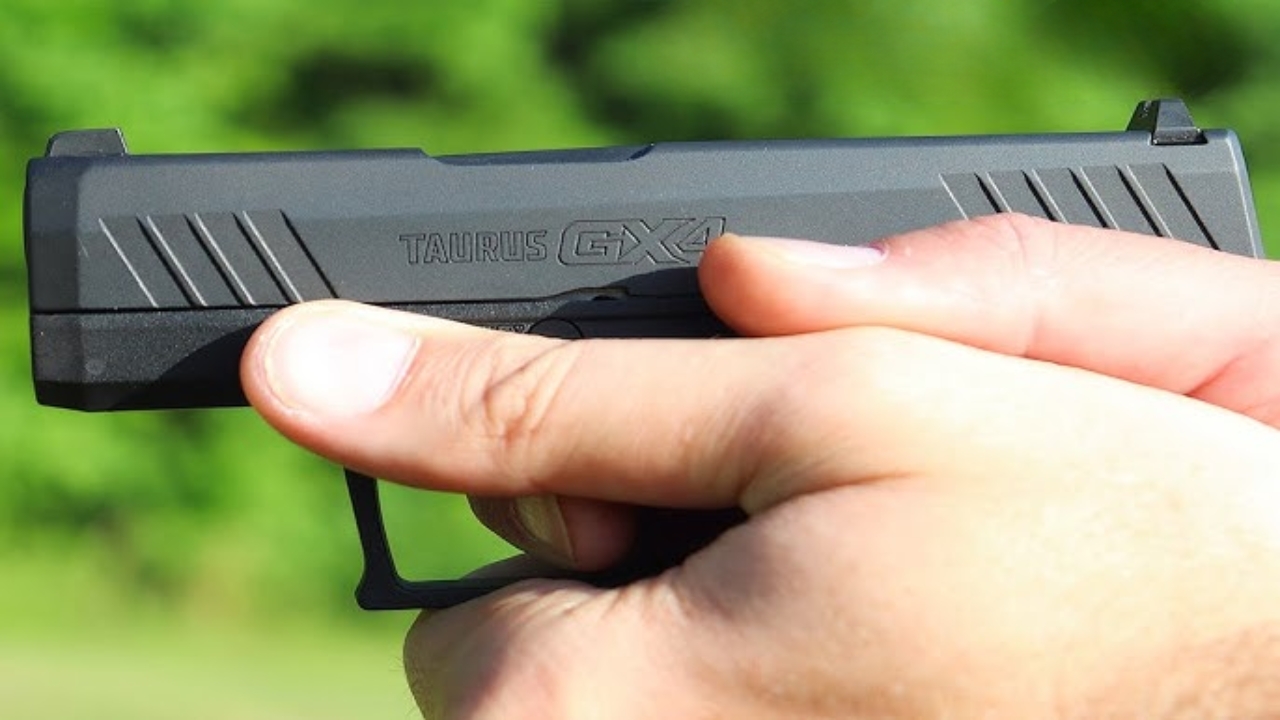
The Taurus GX4 looks easy to master because it fits neatly into the current formula people expect from a micro-compact carry gun. It is small, modern, and designed to compete in a category where many buyers assume one gun will feel much like the next. That assumption can create problems. Pistols in this size range tend to exaggerate every small weakness in technique, and the GX4 is no exception.
What makes it trickier than expected is how quickly the little details start mattering. Grip pressure, trigger control, and recovery between shots all become more demanding in a compact gun with limited real estate. A lot of shooters think they are choosing something easy because it is small and current. In reality, they are choosing a platform that often requires more repetition and cleaner fundamentals than a larger compact pistol would.
Glock 26

The Glock 26 has long had a reputation for being one of the more shootable small carry pistols, and that reputation is fair. The issue is that many people take that to mean it is easy for anyone to master. It is still a short-gripped subcompact, and subcompacts always carry some degree of compromise. The gun may be softer shooting than thinner micro-compacts, but it still asks the shooter to manage less grip area and faster gun movement than a full-size pistol.
That can be deceptive because the Glock 26 often feels “good enough” almost immediately. The deeper skill gap shows up later, especially when shooters start working on speed, one-handed shooting, or harder defensive drills. It is a capable pistol, but mastery still requires more effort than people expect from something that feels so familiar. In that sense, its reputation for being approachable can actually hide its learning curve.
Smith & Wesson Shield Plus

The Shield Plus makes a strong case for itself because it feels slim, practical, and more comfortable to carry than many thicker compacts. It also tends to feel friendlier in the hand than some other small carry pistols, which can make new owners think the difficult part is already solved. But there is a difference between a pistol feeling comfortable in the hand and being truly easy to master once the timer starts.
Like many slim carry guns, the Shield Plus has less margin for sloppy shooting than people first assume. It is very manageable for its class, but it still reacts more quickly than a larger pistol and still punishes poor grip technique faster than a range-counter impression suggests. Shooters often do well with it, but they usually do well because they put in the work. The gun helps, but it does not remove the need for skill.
Kimber Micro 9

The Kimber Micro 9 is one of those pistols that makes people think they are getting refinement and concealability without much downside. It looks good, feels solid, and has a familiar style that attracts shooters who want something more polished than the average polymer carry gun. That charm can make it seem more approachable than it really is, especially for people who assume a nice-feeling pistol must also be an easy one to master.
In practice, very small 9mm pistols built around this style still demand patience. Recoil is lively, the grip is abbreviated, and the single-action manual of arms is not something every shooter handles equally well under stress. The result is a carry gun that can be very appealing at first while still taking more commitment to truly learn. A pistol can feel premium and still ask plenty from the person holding it.
Walther PPS M2
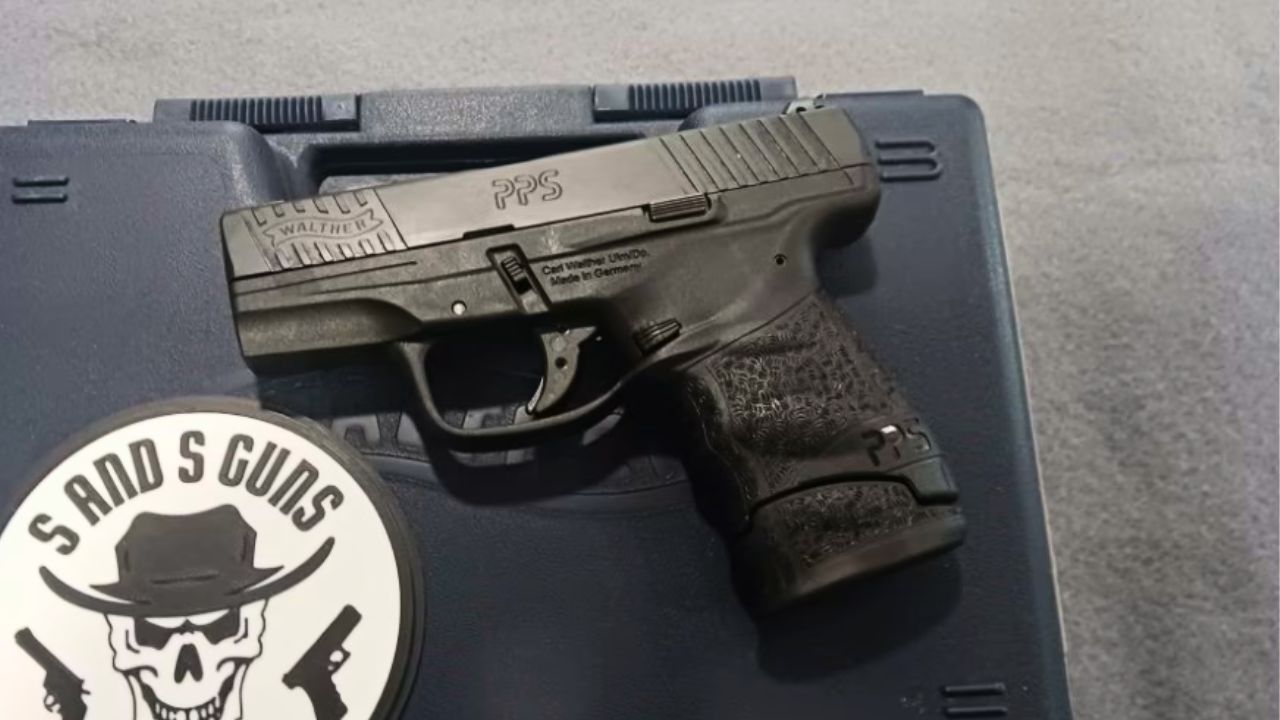
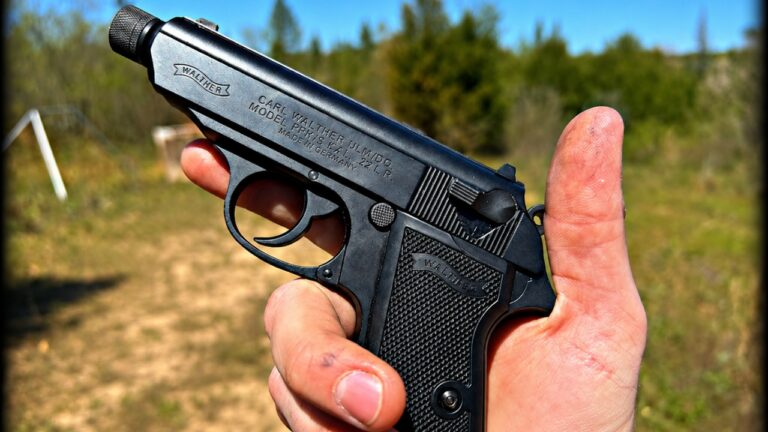
The PPS M2 tends to look easy to master because it is slim, cleanly designed, and often feels more comfortable in the hand than some competitors in the single-stack category. It gives off a calm, sensible impression, which can lead buyers to assume the shooting experience will be equally effortless. In some ways it is easier than harsher small pistols, but that does not mean it is as forgiving as a larger compact.
That is the part shooters learn over time. A thin carry pistol with a shorter grip still demands more deliberate technique than many people expect after dry handling one in the store. The PPS M2 can absolutely be shot well, but it is not immune to the same compact-gun realities that shape the whole category. Its smooth design makes it look simple. Its actual mastery still depends on the shooter doing serious work.
Like The Avid Outdoorsman’s content? Subscribe to our newsletter so you never miss an article.
Here’s more from us: