Photo credit: The Turkey's Opinion/YouTube
Every so often, a cartridge hits the shelves with big talk and lofty promises. Maybe it’s faster, flatter, quieter, or marketed as a one-gun-for-everything solution. But cartridges don’t survive on hype—they stick around because shooters keep buying them. And if a round can’t earn that kind of loyalty, it fades. Sometimes it’s slow and quiet, other times it’s like someone flipped a switch. One day you’re seeing ads in every hunting magazine, and the next, nobody’s chambering rifles for it.
Plenty of these rounds weren’t total failures—they might’ve done a few things well. But they never offered enough of a real-world edge to convince people to leave behind their .270s, .30-06s, or .223s. Ammo companies stop producing what doesn’t sell, and gun makers don’t keep building rifles in cartridges that gather dust. Before long, the cartridge disappears, with only a few boxes turning up at gun shows or in dusty reloading bins.
You’ve probably seen some of these on old ammo shelves or online forums. A few are still hanging on by a thread. But they all share the same problem: not enough shooters wanted to keep feeding them. Here are the ones that couldn’t hold on.
.17 Remington Fireball
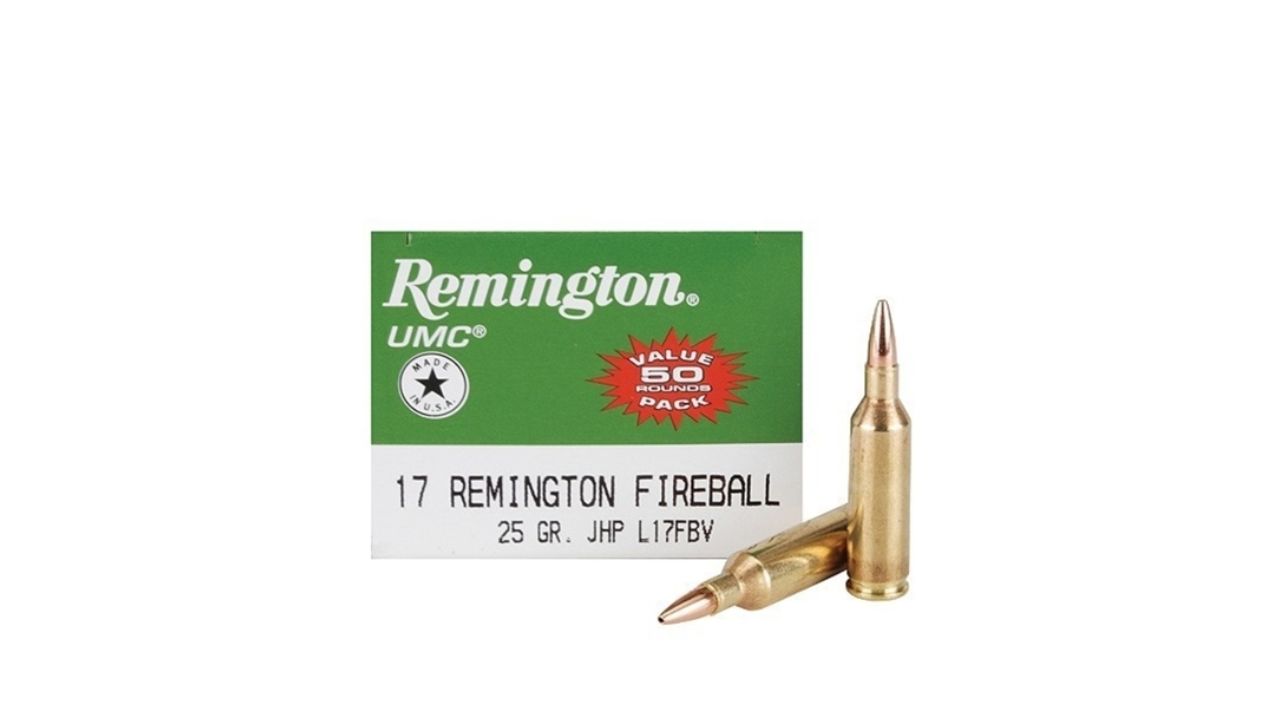
The .17 Remington Fireball had a loyal following among varmint hunters for a short while, but it never broke into the mainstream. Built to push tiny 20-grain bullets at blistering speeds with very little powder, it delivered flat trajectories and impressive accuracy—on paper. In practice, it came with quirks.
The tiny case made it finicky to reload. The velocity was high, but those light bullets shed energy fast and didn’t always perform well past 200 yards, especially in wind. And while it was quieter than a .17 Remington, it still wasn’t “quiet” enough to matter much unless you were hunting on the edge of town.
The bigger issue was availability. You were never going to walk into a rural hardware store and find a box of .17 Fireball. Factory rifles weren’t common, and even when Remington was still making ammo, it was sporadic. For most folks, it was easier to stick with the .204 Ruger or drop down to the more forgiving .22 Hornet. The Fireball flared up, then faded out.
.25 WSSM

The .25 Winchester Super Short Magnum was part of a brief push to build high-speed magnums in tiny, stubby cases. On paper, it made sense—magnum performance in a short-action rifle. The .25 WSSM delivered flat-shooting ballistics similar to the .25-06 in a much shorter package. But real-world performance didn’t match the promise.
Barrel life was questionable. Recoil wasn’t terrible, but it wasn’t exactly pleasant either. And the cartridge burned powder aggressively, especially for what you got in return. Most shooters comparing it to the .25-06 or even the .243 Winchester didn’t see enough of a difference to bother with it.
The rifles chambered for it were limited, and ammo supply was even worse. Winchester gave up on the WSSM line before most shooters even knew it existed. These days, you’ll be hard-pressed to find a new rifle in .25 WSSM, and even harder pressed to find ammo that doesn’t cost a fortune. It’s one of those rounds that got left behind when the marketing stopped.
.30 Remington AR

The .30 Remington AR was supposed to bring .30-caliber performance to the AR-15 platform. It didn’t. Instead, it ended up being one of those rounds that confused more people than it impressed. It required a special bolt, a unique magazine, and offered ballistics that didn’t beat the .308 Win in any meaningful way.
Sure, it was faster than the .300 Blackout and hit harder out to about 200 yards. But it also kicked more, cost more, and never had the same level of factory support. Remington made a few rifles in it and Hornady loaded a few boxes, but the cartridge never had a solid purpose. It wasn’t good enough for hunting past moderate ranges, and it didn’t offer any major advantage in tactical setups.
AR shooters mostly stuck with .223 or .300 Blackout, and hunters stuck with .308 or .30-06. The .30 RAR landed in a weird middle ground where nobody wanted to live. Once Remington stopped pushing it, the round all but vanished from shelves.
.264 Winchester Magnum

The .264 Win Mag came out swinging in the late ’50s with big promises—flat shooting, long range, minimal drop. For a while, it found some love among Western hunters and long-range varmint guys. But it burned barrels fast and kicked hard enough to make folks flinch after a few shots.
Compared to the .270 Win or the 7mm Rem Mag, the .264 didn’t offer anything most hunters were asking for. It needed a long barrel to really shine, and the muzzle blast was unpleasant, especially in mountain rifles. Accuracy could be solid, but it came at the cost of fast throat erosion.
Reloaders could keep it going longer, but factory support dropped off fast. Fewer rifles were chambered for it, and ammo started to dry up. With newer, more efficient 6.5mm cartridges on the market today, like the 6.5 Creedmoor and 6.5 PRC, there’s little reason to bring the .264 back into regular rotation. It had its day, and that day is done.
.35 Remington

There was a time when you could find .35 Remington on every shelf and in every deer camp east of the Mississippi. It was the go-to round for Marlin 336s and Remington pumps. But over time, the world moved on to flatter-shooting rounds and more modern rifles.
The .35 Rem is slow and heavy, which isn’t a bad thing in thick woods, but it drops fast past 150 yards. It’s great for bear and big-bodied whitetails in brush country, but most new hunters want something more versatile. Plus, lever guns in .35 are getting harder to find—and pricey.
Ammo production has slowed way down, and with fewer rifles being made, there’s not much reason for manufacturers to bring it back in force. Some folks still keep a box around for nostalgia’s sake, but it’s slowly fading into the background while more popular rounds like .30-30 and .308 keep holding on.
.17 Remington

You might’ve seen it sparkle on paper, but that didn’t translate to staying power. The .17 Remington pushed tiny 20-grain bullets screaming past 4,000 feet per second, but in the real world, it struggled to impress. Wind plays havoc with anything that light, and fur hunters chasing coyotes found it more finicky than reliable.
It also had a tendency to foul barrels quickly, and even handloaders found the upkeep exhausting. Ammo never caught on widely, and factory offerings started to dry up. There’s still a niche group keeping it alive, but most shooters have moved on to .204 Ruger or even stepped back to .22-250. When shops stop stocking it and your rifle becomes a safe queen, it’s a matter of time.
.45 GAP (Glock Auto Pistol)

Glock tried to rework the wheel here, but most folks didn’t bite. The .45 GAP was designed to offer .45 ACP performance in a smaller-framed pistol. The problem was, it never really offered the same punch or the same flexibility. And .45 ACP wasn’t exactly lacking in compact pistol options to begin with.
Police departments briefly gave it a try, but even they backed away. Ammo was never widely available, and it didn’t help that prices were higher than the more common .45 ACP. Shooters who adopted it early found themselves stuck searching for expensive boxes online. These days, it’s mostly faded into the rearview.
.222 Remington Magnum
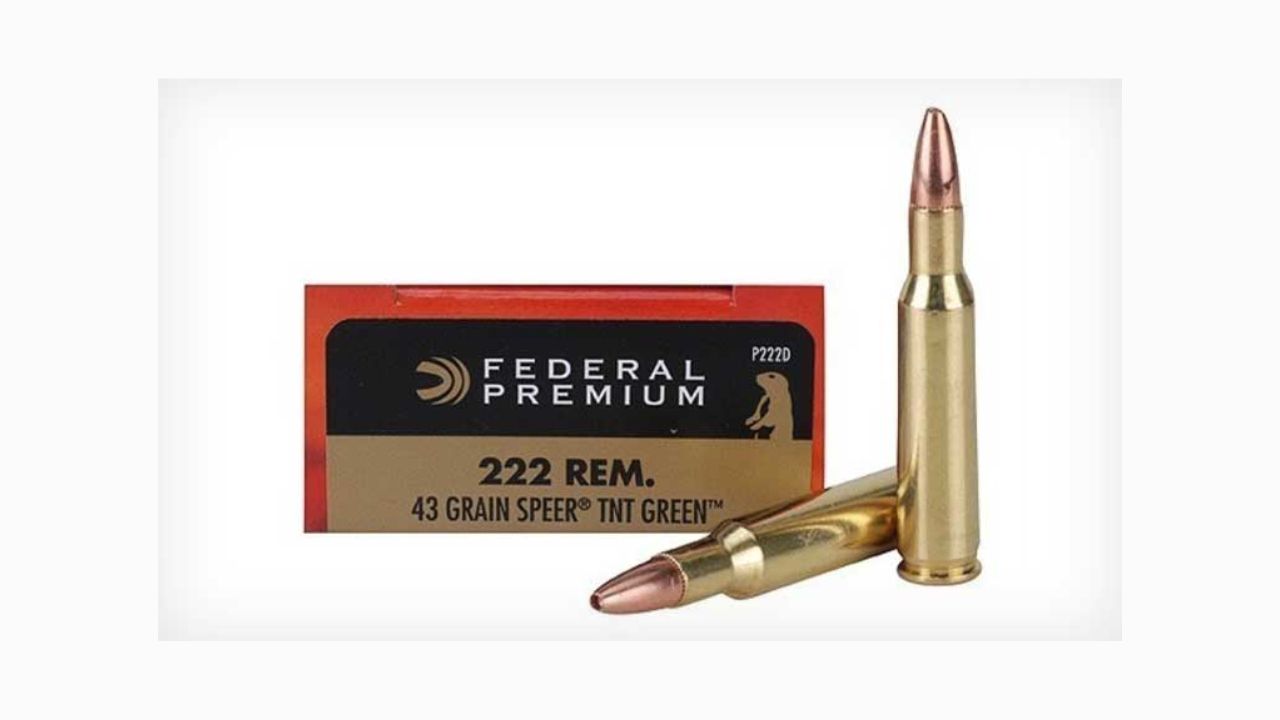
The .222 Remington Magnum had a short window of relevance between the .222 Remington and the .223 Remington. It was supposed to be a hotter version of the .222, but then .223 came along and pushed it out of the spotlight. Military adoption of the .223 ensured its survival. The .222 Mag, though, got left behind.
If you’re reloading, it’s still a usable round—but nobody’s building new rifles for it, and factory ammo is close to extinct. It’s one of those cartridges that got skipped over by time. You don’t see it on shelves anymore, and unless you’re digging through your grandfather’s stash, you probably never will again.
.280 Remington
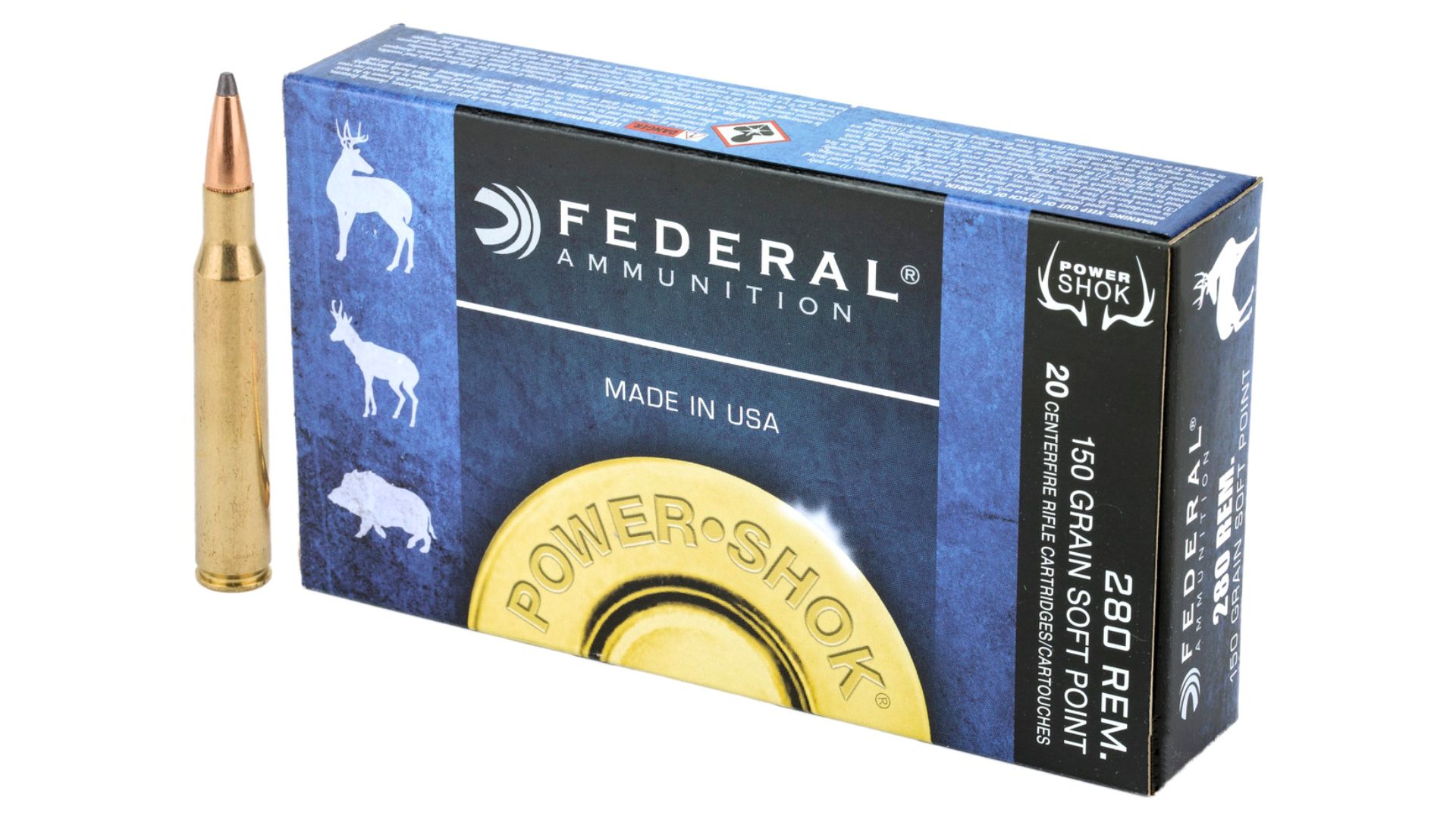
The .280 Remington never really got a fair shake. It sat awkwardly between the .270 Winchester and the .30-06—both of which had huge followings and factory support. The .280 had ballistics that could compete, especially with handloads, but it never broke into the mainstream.
Rifle makers didn’t chamber for it consistently, and ammo companies didn’t want to pump out boxes that sat untouched. Even though it’s a fine all-around hunting round, it faded fast. You still hear it praised in hushed tones by those who used it in the ’70s and ‘80s, but newer hunters don’t even recognize it. That’s how cartridges disappear.
.17 Remington Fireball
There was a time when folks thought the .17 Remington Fireball was going to catch on for varmint and predator hunters. It promised high velocity, flat trajectory, and very little recoil—on paper, all the things you’d want in a small-bore round. But that .17 caliber comes with baggage: fast barrel fouling, high wind sensitivity, and limited bullet selection.
Remington released it in 2007 and by 2010, most shooters had already moved on. Even dedicated handloaders started to shrug at it. Most gun shops don’t bother keeping a box in stock anymore, and you’re better off with .204 Ruger or the classic .22-250.
.338 Federal

The .338 Federal is one of those cartridges that made perfect sense to a small group of hunters but failed to catch on with the masses. It was built to give you big-game power from a .308-length action, pushing heavier bullets with plenty of punch for elk and bear. On paper, it seemed like a smart compromise between recoil and power.
But in the real world, it sat awkwardly between the .308 and .338 Win Mag. Most shooters didn’t want to deal with limited ammo availability and niche performance. It still has fans, but fewer rifles are being chambered for it each year, and fewer stores are stocking it.
.25 WSSM
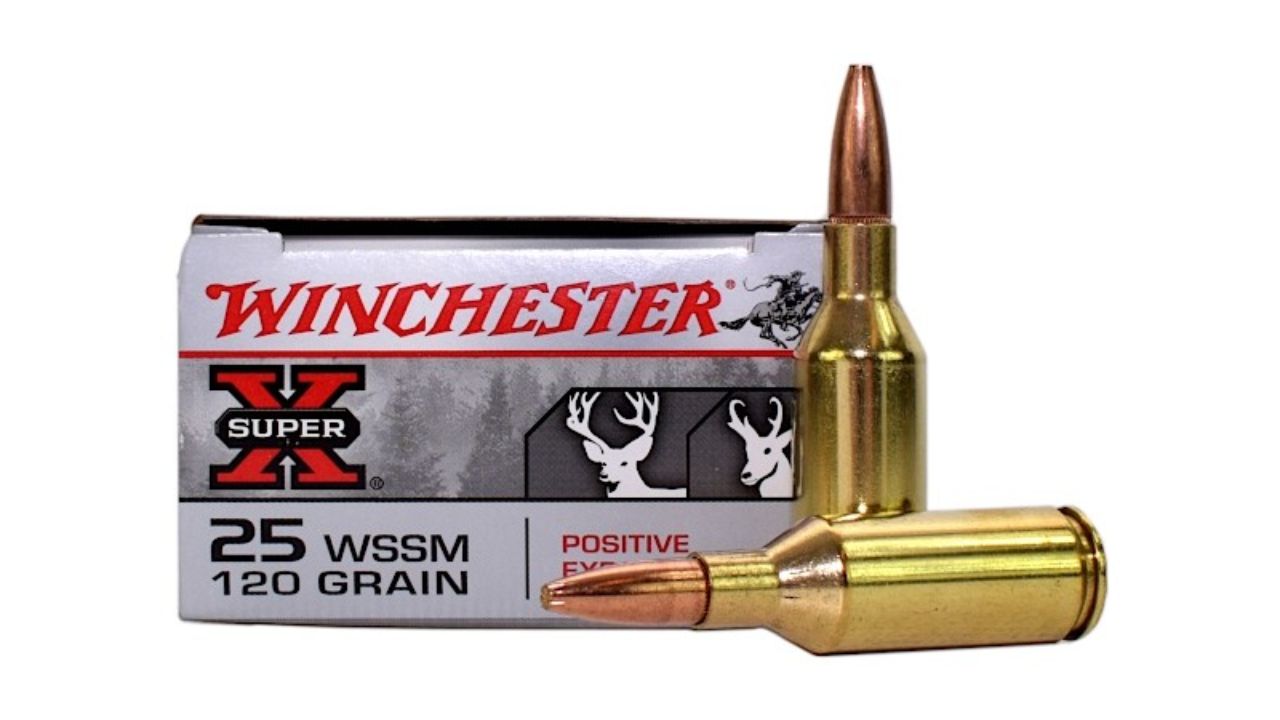
The .25 Winchester Super Short Magnum was supposed to give hunters a faster, flatter-shooting .25 caliber option in a compact action. Winchester hyped it hard in the early 2000s, releasing it alongside the .223 and .243 WSSM. It definitely delivered on velocity, but with it came overbore wear, finicky feeding, and expensive ammo.
The cartridge never really took off. Most hunters stuck with their trusty .25-06 or .257 Roberts. These days, ammo production has slowed to a trickle, and rifles chambered for .25 WSSM are rare. It’s a cartridge that burned hot and fast—and then disappeared.
.256 Winchester Magnum
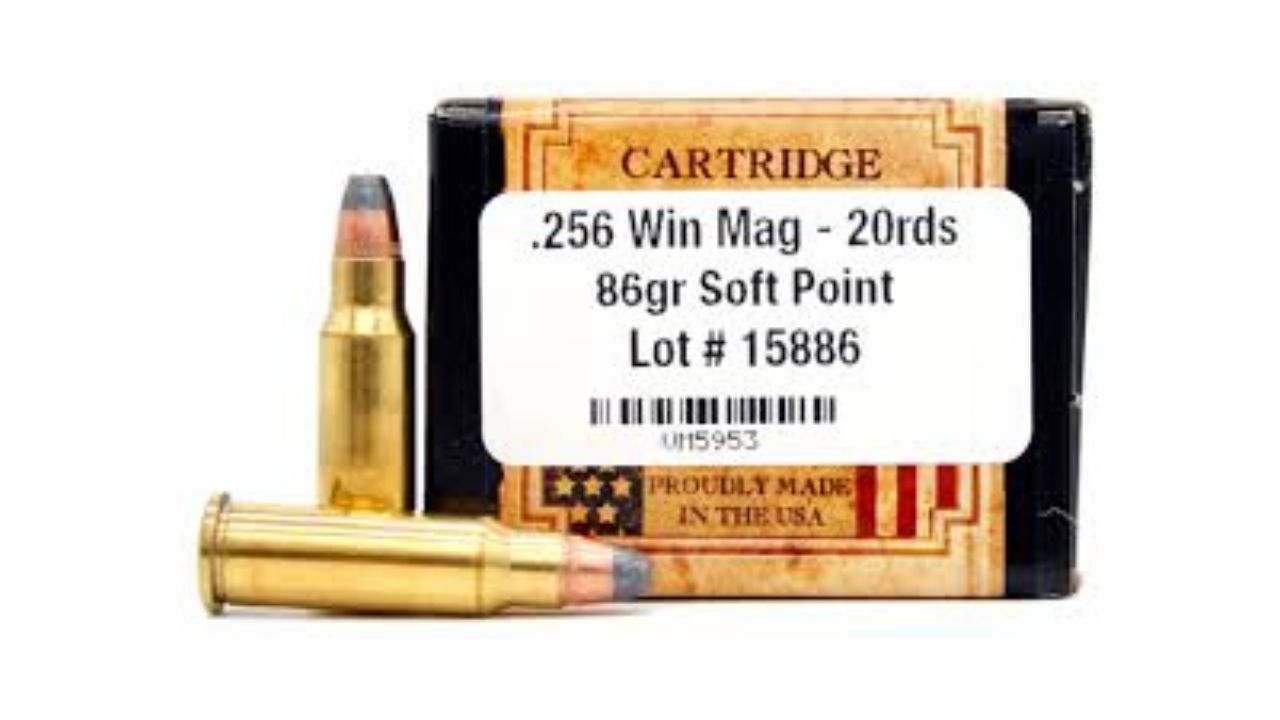
The .256 Winchester Magnum looked promising when it showed up in the early 1960s. It was a necked-down .357 Magnum designed to fire small-caliber bullets fast and flat. Winchester chambered it in their Model 62 lever-action and Ruger offered it in the single-shot Hawkeye pistol, hoping to bridge the gap between varmint work and medium game. Trouble was, it never really found a purpose.
The cartridge was too much for most handguns and too little for most rifles. It could kill varmints, sure, but so could a dozen other rounds that were cheaper, easier to find, and offered more bullet choices. Accuracy wasn’t bad, but the slow twist rates on early barrels didn’t stabilize heavier bullets well. Ammo availability quickly fell off once the Hawkeye and lever guns faded from shelves.
You’ll still find brass if you dig hard enough, but the rifles and pistols chambered for it are few and far between. The .256 Win Mag didn’t do anything particularly wrong — it just didn’t do anything better than cartridges already on the market. That’s why it quietly disappeared, and it’s unlikely to come back around.
Like The Avid Outdoorsman’s content? Be sure to follow us.
Here’s more from us: