Photo credit: WHO_TEE_WHO/YouTube
Some pistols make you nervous the second you chamber a round. It’s not always catastrophic—maybe it’s a soft strike, a feed hiccup, or the nagging feeling that the next mag might be the last clean run. These aren’t guns that blow up. They’re guns that wear out, misbehave, and make you second-guess bringing them to anything more serious than the plinking bench.
You’ve probably owned one. Or maybe you’ve seen a buddy show up to the range proud of his latest score, only to spend the whole afternoon clearing jams. These are the pistols that can shoot fine for a mag or two… but never feel truly dependable. Some were rushed to market. Others are old designs that don’t play well with modern ammo. And some suffer from poor QC no matter what generation they’re on.
Taurus PT140 Millennium
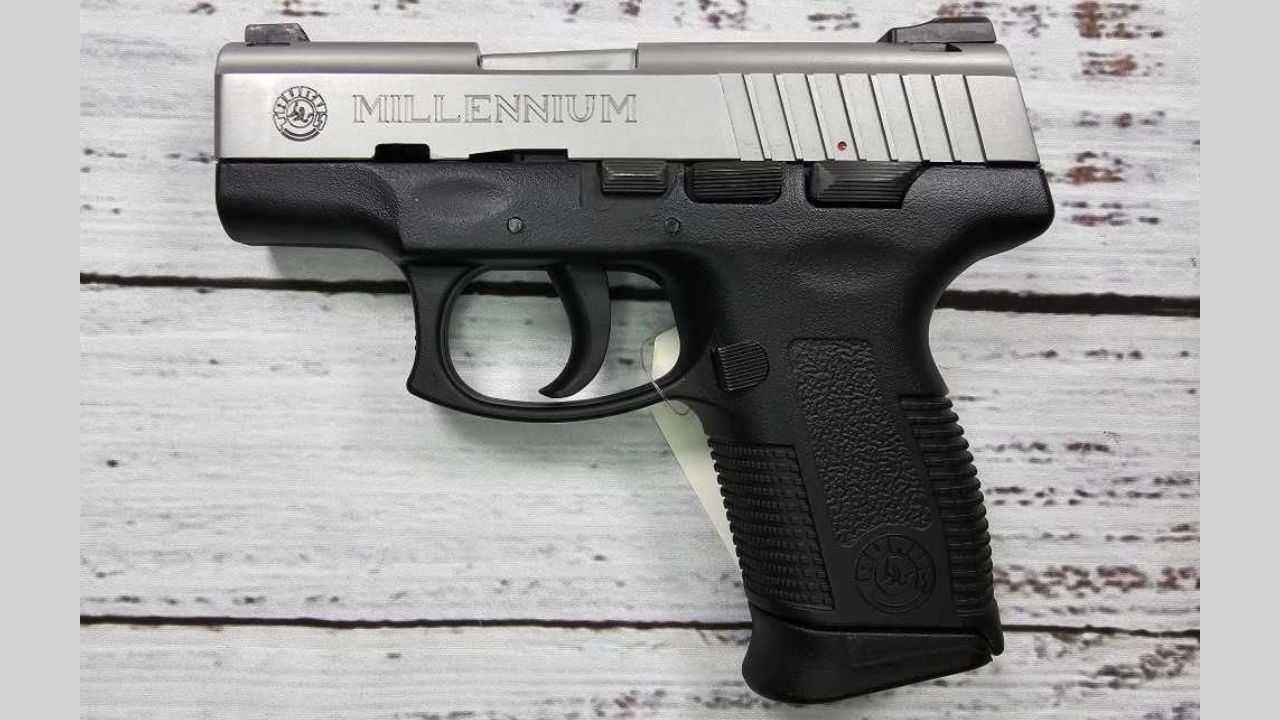
This .40 S&W compact came during the height of the polymer carry boom. It looked the part and came in at a low price point, but reliability was always hit-or-miss. You might get a clean mag or two, but by the third, you’d be clearing a stovepipe or dealing with light primer strikes.
The PT140 never felt consistent. Some folks claimed theirs ran flawlessly, but others couldn’t get through a single range session without issues. The trigger pull wasn’t confidence-inspiring, and the recoil impulse made fast follow-ups tricky. It didn’t help that early Taurus models had a mixed reputation for quality control, and the PT140 didn’t do much to turn that around.
Kahr CW380
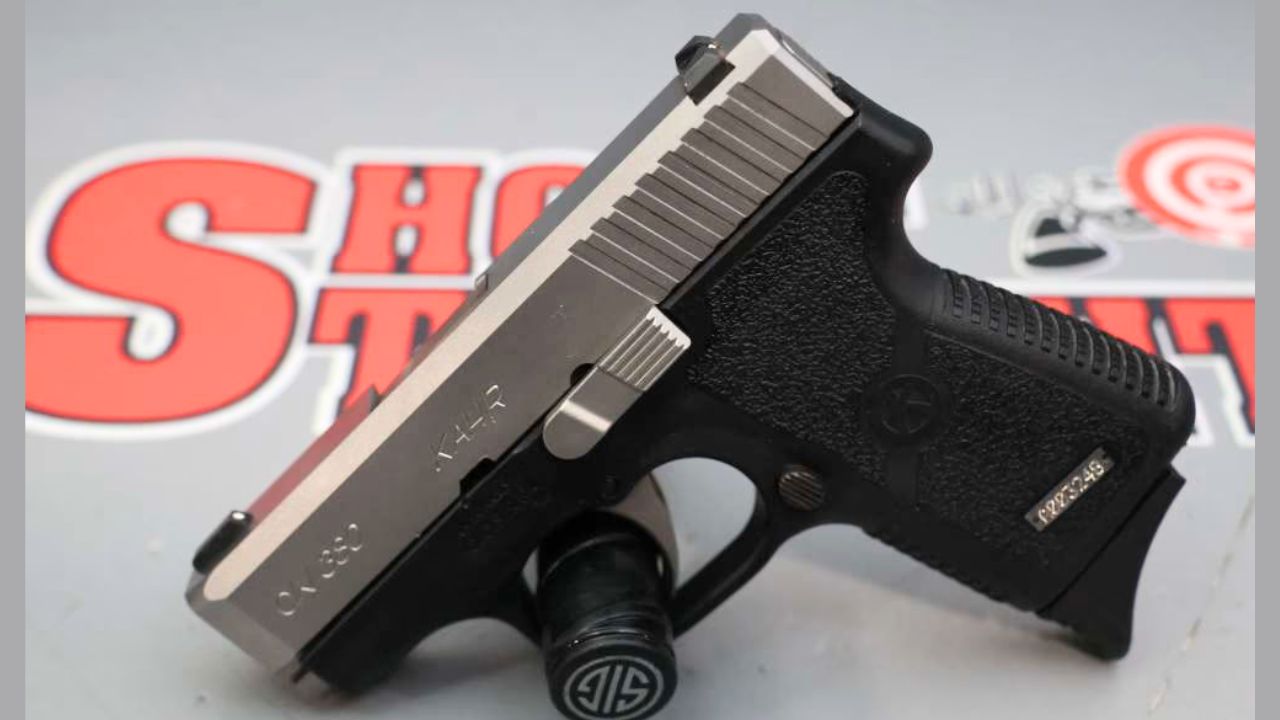
It’s small, slim, and theoretically a great pocket gun. But the Kahr CW380 demands a break-in period that most folks don’t want to suffer through. Straight out of the box, you’ll likely run into failures to feed, failures to eject, and slide lock issues. That first magazine almost never runs clean.
Even after the break-in, reliability can feel fragile. Some ammo types work, others don’t. Kahr recommends using quality brass-cased ammo, but when a carry gun gets that picky, it loses practicality. You shouldn’t have to hand-select cartridges to make sure a pistol cycles. With so many other pocket .380s running smoother from the start, the CW380 tends to sit in the back of the safe.
KelTec PF-9

KelTec designed the PF-9 to be one of the thinnest and lightest 9mm pistols on the market. And it is. But that design comes at the cost of shootability and reliability. The pistol is snappy, uncomfortable, and often fails to cycle properly, especially with lower-powered ammo.
The feed ramp tends to get gummed up fast, and the extractor isn’t known for being forgiving. If you’re not maintaining it obsessively, you’re asking for trouble. Even with care, it’s not uncommon for the PF-9 to experience failures every couple mags. And when you do get a jam, the slide can feel gritty or tough to rack, which doesn’t help confidence.
Kimber Micro 9

Kimber’s Micro 9 has the looks and feel of a premium pistol. But reliability-wise, it often doesn’t live up to the name stamped on the slide. It’s sensitive to ammo, prone to failure to feed, and doesn’t always cycle properly with hollow points. For a carry gun, that’s a real concern.
Some shooters report solid performance after several hundred rounds, but that’s a big ask for a pistol in this price range. The tiny controls and stiff slide don’t help with malfunctions, especially under stress. It’s a pistol that looks great in a display case but often underwhelms when it’s time to run drills or test defensive loads.
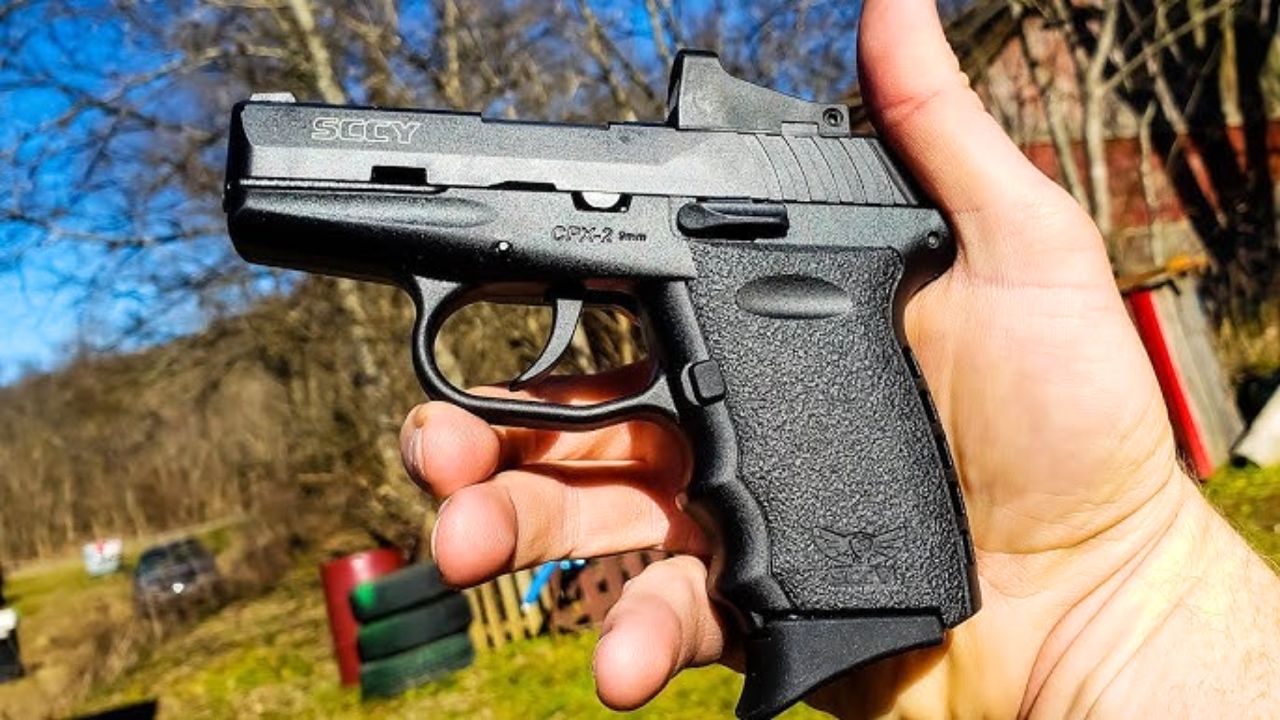
SCCY CPX-2

The SCCY CPX-2 promises a budget-friendly concealed carry option. But in practice, it’s a bit of a gamble. Some of them run well enough, but many have nagging reliability issues from the get-go. Failure to feed, failure to eject, and light primer strikes aren’t rare.
The long double-action trigger makes follow-up shots slower, and that alone isn’t a dealbreaker. But when paired with erratic cycling and magazine-related failures, it becomes a platform you don’t really trust. The company has good customer service, but the fact that it’s needed so often speaks volumes. You might get a good one—but you might also get a lemon that’s always one mag away from locking up.
Beretta Pico

The Pico was Beretta’s attempt at a sleek, snag-free .380 carry gun. And it looks sharp. But getting it to run reliably takes effort. It’s one of the most ammo-sensitive pistols in its class. Use the wrong grain weight or case type, and you’re asking for feeding trouble.
The magazine seating can feel mushy, and misfeeds are common if the mag isn’t fully locked in. Add in a stiff slide and sluggish trigger reset, and you’re dealing with a gun that feels more like a range experiment than a true carry piece. A lot of folks end up replacing it with something easier to shoot and more dependable right out of the box.
Hi-Point C9

You know the drill with the Hi-Point C9—it’s cheap, heavy, and built like a brick. Some owners love them and report good results. But they’re also known for feeding problems, particularly with hollow points and certain magazine batches. That first magazine might run fine, and the second might be a train wreck.
The C9 runs on a simple blowback action, which means it needs to be clean and well-lubed to cycle properly. When it’s not, malfunctions start stacking up fast. And even when it is, the magazines are hit-or-miss. Some feed fine, others cause double-feeds or nosedives. It’s a gun that can work, but it never quite earns your trust.
Ruger SR40c
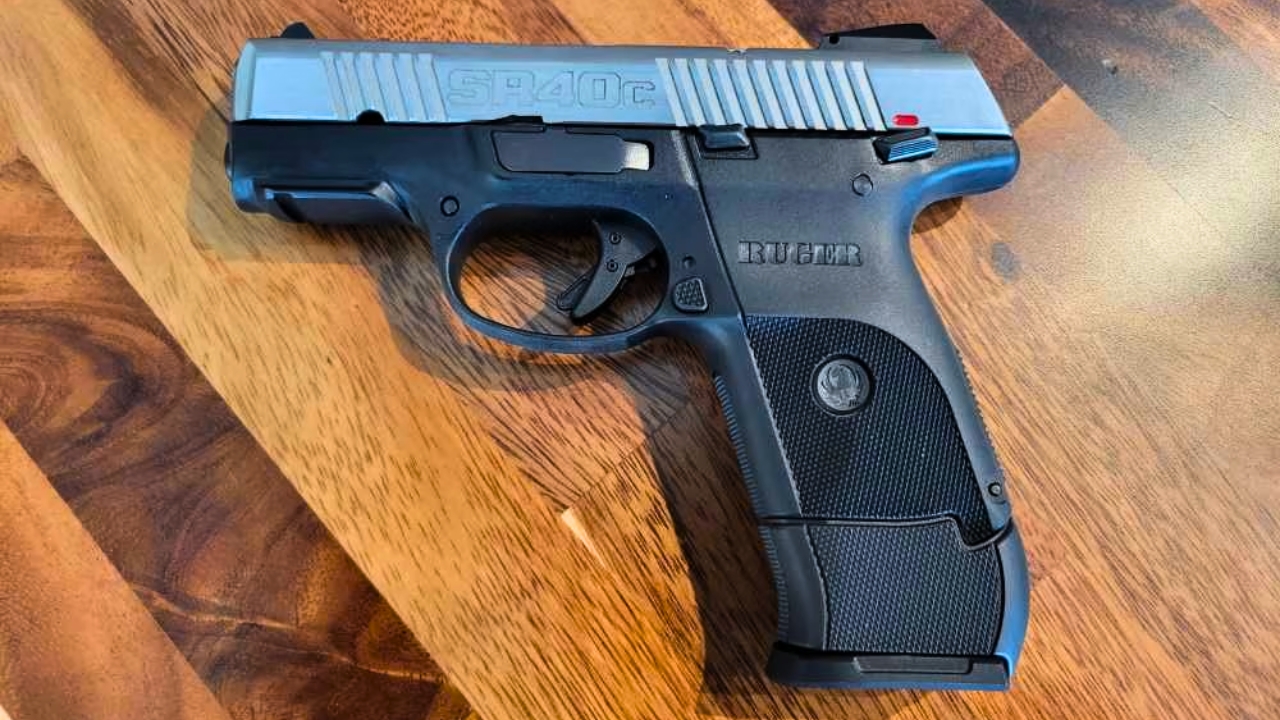
Ruger’s SR40c was meant to compete in the compact .40 S&W space. And while it had a solid feel and decent ergonomics, it was never known for flawless performance. Light primer strikes and stovepipes were frequent complaints. The striker system seemed picky about certain ammo brands.
It’s not an inherently bad design, but when a carry pistol needs specific ammo and clean mags to run consistently, that’s a problem. Add in the snappy recoil and some early finish issues, and it’s easy to see why the SR40c didn’t earn long-term loyalty. Even fans of the SR9c found the .40 variant a little too finicky for serious carry.
Walther CCP (original version)

The original CCP came with a unique gas-delayed blowback system that sounded great in theory. In reality, it was clunky and hard to clean. Carbon build-up caused early failures, and the takedown process was so frustrating that many owners simply stopped cleaning them—which only made reliability worse.
Early models had safety issues and were part of a recall. Even the “fixed” versions never earned wide praise. The trigger felt mushy, and the cycling always seemed sluggish. You could get a few mags through it cleanly, but you were always waiting for the next malfunction. Later versions improved a bit, but the original CCP left a mark.
Diamondback DB9

The DB9 was marketed as one of the smallest 9mm pistols available, but small doesn’t mean dependable. The DB9 is extremely light, with brutal recoil and a tendency to nose-dive rounds during feeding. Hollow points are especially problematic, and it doesn’t like being limp-wristed—which is hard to avoid with such a tiny grip.
Magazines can be finicky, and parts tend to wear out faster than you’d expect. For pocket carry, a pistol needs to run clean every time. But with the DB9, it always feels like you’re playing the odds. It’s small enough to carry all day, but you’ll never be fully confident pulling the trigger.
KelTec P11

The KelTec P11 was one of those early budget compacts that made folks excited about concealed carry options. Lightweight, affordable, and small enough for pocket or IWB carry, it looked good on paper. But in the real world, it quickly earned a reputation for being finicky with magazines, prone to light strikes, and occasionally refusing to lock back on an empty mag.
The trigger pull feels like you’re dragging a cinder block through gravel, and the reset is anyone’s guess. Magazine tolerances were so spotty that even factory mags weren’t a guarantee. You’d get through a mag or two, then suddenly deal with failures to feed or extract. It might survive a range trip, but trust it in a fight? That’s a gamble most won’t take.
Jimenez JA-9
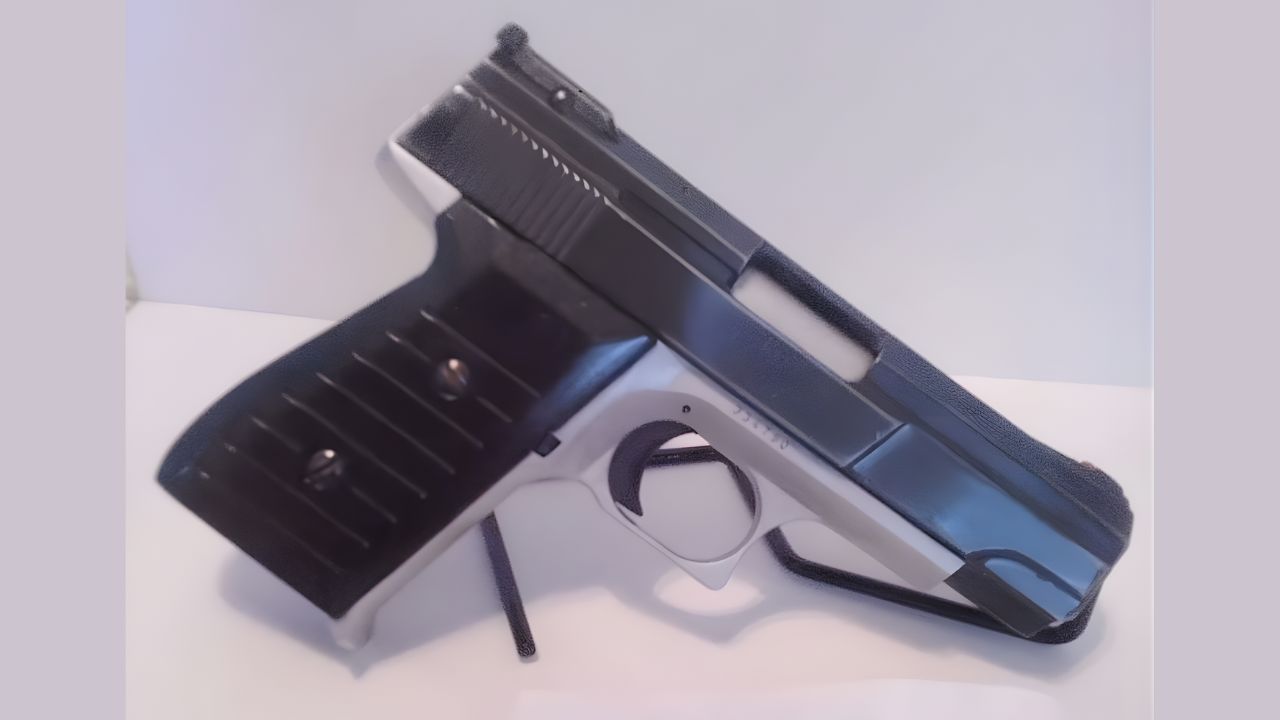
The Jimenez JA-9 is one of those pistols that gives budget guns a bad name. Chambered in 9mm, it’s heavy for its size, clunky to manipulate, and struggles to make it through a full magazine without some sort of hiccup. Reliability issues stem from poor materials, inconsistent assembly, and magazines that feed like they’re being forced at gunpoint.
You’re more likely to experience a stovepipe or failure to extract with this thing than a smooth shooting session. Even when cleaned and oiled, it still acts like it wants to fall apart. This is the kind of pistol that makes you wish you spent that extra hundred bucks on something you could actually trust.
Springfield XD-S Mod.2 9mm

Springfield’s XD-S Mod.2 9mm has its fans, but if you’ve spent much time around them, you’ve probably seen one get picky. They’ll shoot fine until they get dry or dirty, and then the issues creep in—light primer strikes, failures to go into battery, and weird slide lock behavior mid-mag.
The grip safety doesn’t bother everyone, but it adds one more point of failure under stress. You want a carry pistol to be as dead-simple as possible, and the XD-S can overcomplicate things. The trigger feels decent, but you’ll start to feel the hesitation when you’ve seen too many of them stumble after 300–400 rounds.
Kahr CW380
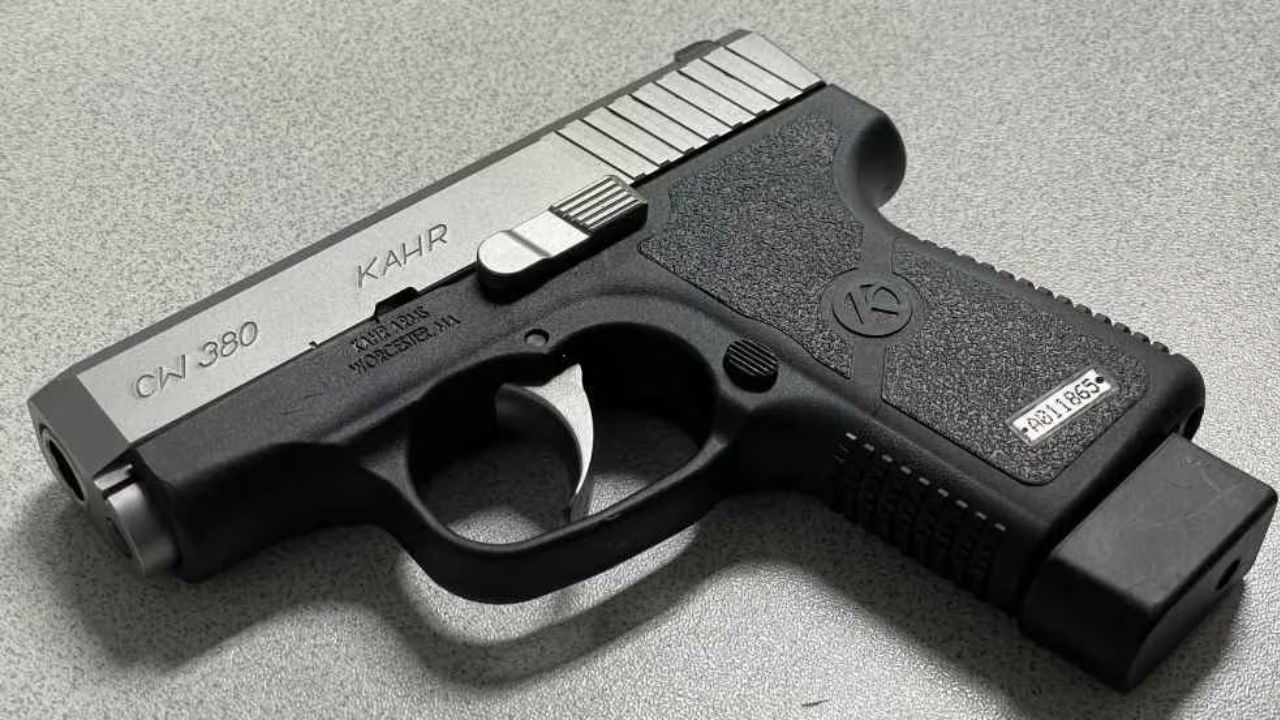
The Kahr CW380 is tiny, affordable, and theoretically a great pocket pistol. The issue? It’s a delicate eater. Hollow points give it trouble. Weak wrists give it trouble. Even the act of manually racking the slide can cause failures to chamber, especially if you’re not forceful enough.
It’s got a surprisingly decent trigger for a gun this size, but that’s not worth much when you’re clearing jams half the time you practice. If everything’s perfect, it’ll behave—but how often is everything perfect in real life? It’s the kind of gun that makes you feel like you’ve got to baby it just to get through a box of ammo.
Bersa Thunder 380 Plus

The Bersa Thunder 380 Plus ups the capacity over the standard model, but it also adds a little unpredictability. More moving parts, a heavier slide, and tighter spring tensions seem to magnify the platform’s weaknesses. Feed ramp angles and magazine springs don’t always get along, especially once the gun’s seen some use.
You’ll get a few clean mags and then run into failure to feed, slide not locking back, or light strikes. It feels like it’s always on the edge of acting up, particularly with defensive loads. It’s not a terrible range gun, but if it’s going in your waistband, you might want to think twice.
Honor Defense Honor Guard
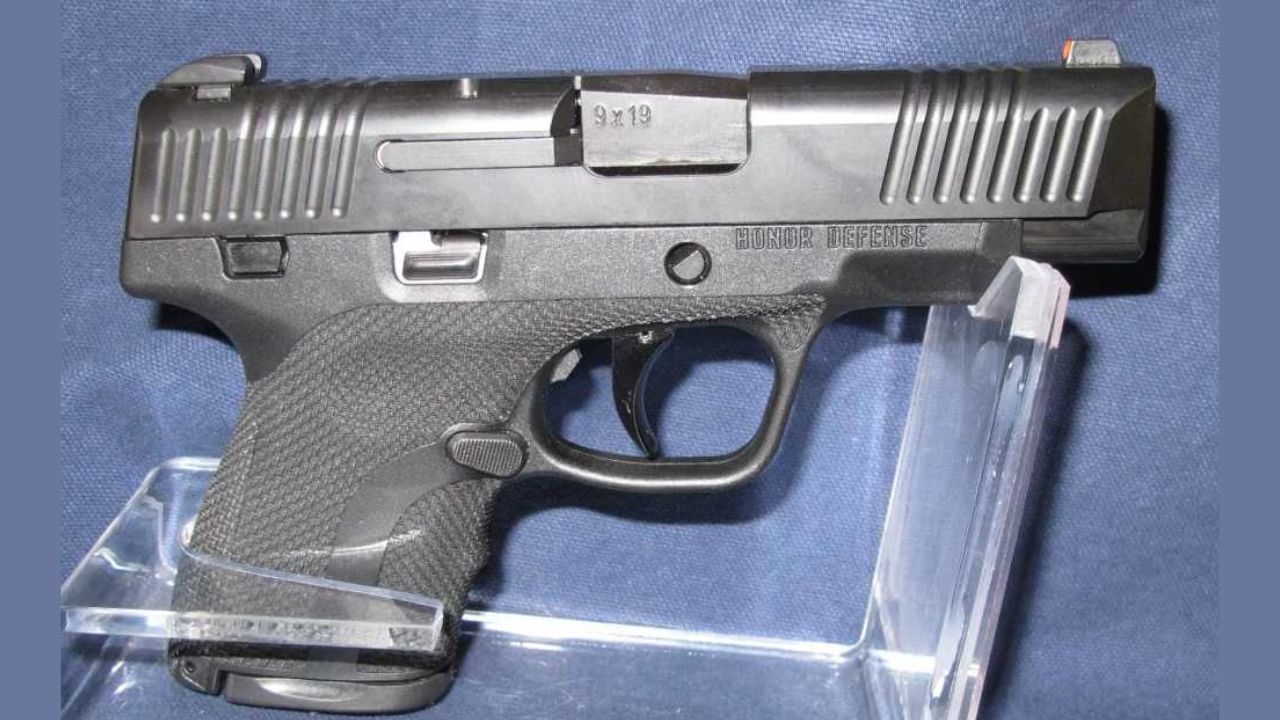
The Honor Guard was a promising American-made single-stack 9mm that never caught on—and for good reason. It suffered from inconsistent quality control and struggled with feeding and extraction. Even factory ammo wasn’t a guarantee, and the recoil impulse felt off for its size.
Add in questionable durability and a gritty trigger, and it became hard to recommend over more proven competitors. Some shooters had luck with them, but enough didn’t that the brand faded fast. There are better budget options out there now, and if you’ve still got one, it’s worth asking yourself if you really trust it.
Like The Avid Outdoorsman’s content? Be sure to follow us.
Here’s more from us: