Photo credit: Alexey Spehalski/Shutterstock.com
Every hunter has had that one rifle that felt like a good idea at the time. Maybe it was cheap. Maybe it looked cool. Maybe the guy behind the counter talked it up. But then you carried it through one season—hauled it up stands, hiked it into the woods, tried to make it shoot straight under pressure—and realized it wasn’t working for you.
That doesn’t always mean the rifle is junk. Sometimes it’s good on paper but bad in practice. Maybe the recoil wore you down. Maybe it wasn’t accurate when it counted. Or maybe you just grew out of it because your skills or expectations changed.
Remington 770

The 770 was meant to be a budget-friendly big-game rifle, and it hit the price point. But once you put it through a hunting season, the downsides pile up fast. The bolt is rough. The accuracy is hit or miss. And the plastic stock feels cheap when the weather turns.
You might squeeze a deer tag out of it, sure. But odds are you’ll start looking at better options before next season. It doesn’t inspire confidence, especially when you’re trying to make shots past 100 yards. Many hunters end up replacing it with a used 700 or a more modern bolt gun.
It’s not that it can’t kill a deer. It’s that you don’t want to keep carrying something that fights you every time you chamber a round. One season of frustration is usually enough.
Ruger American Predator in 6.5 Creedmoor

On the surface, it seems like a no-brainer. Affordable, threaded barrel, lightweight. And in 6.5 Creedmoor, right? What’s not to like? But after a season, many hunters start seeing the limits. It’s not quite as consistent as they hoped. The stock flexes. The trigger’s not bad, but not great either.
In mild weather and ideal range conditions, it’ll punch paper and ring steel. But when you’re in a treestand in late November with gloves on, you start wishing for something with more heft and control. And while 6.5 Creedmoor is accurate, it’s not magic—it still needs a solid platform.
Hunters often outgrow it because they move toward rifles that feel better in hand and hold tighter groups under stress. It’s a good entry point, but not the last stop.
Mossberg Patriot Synthetic
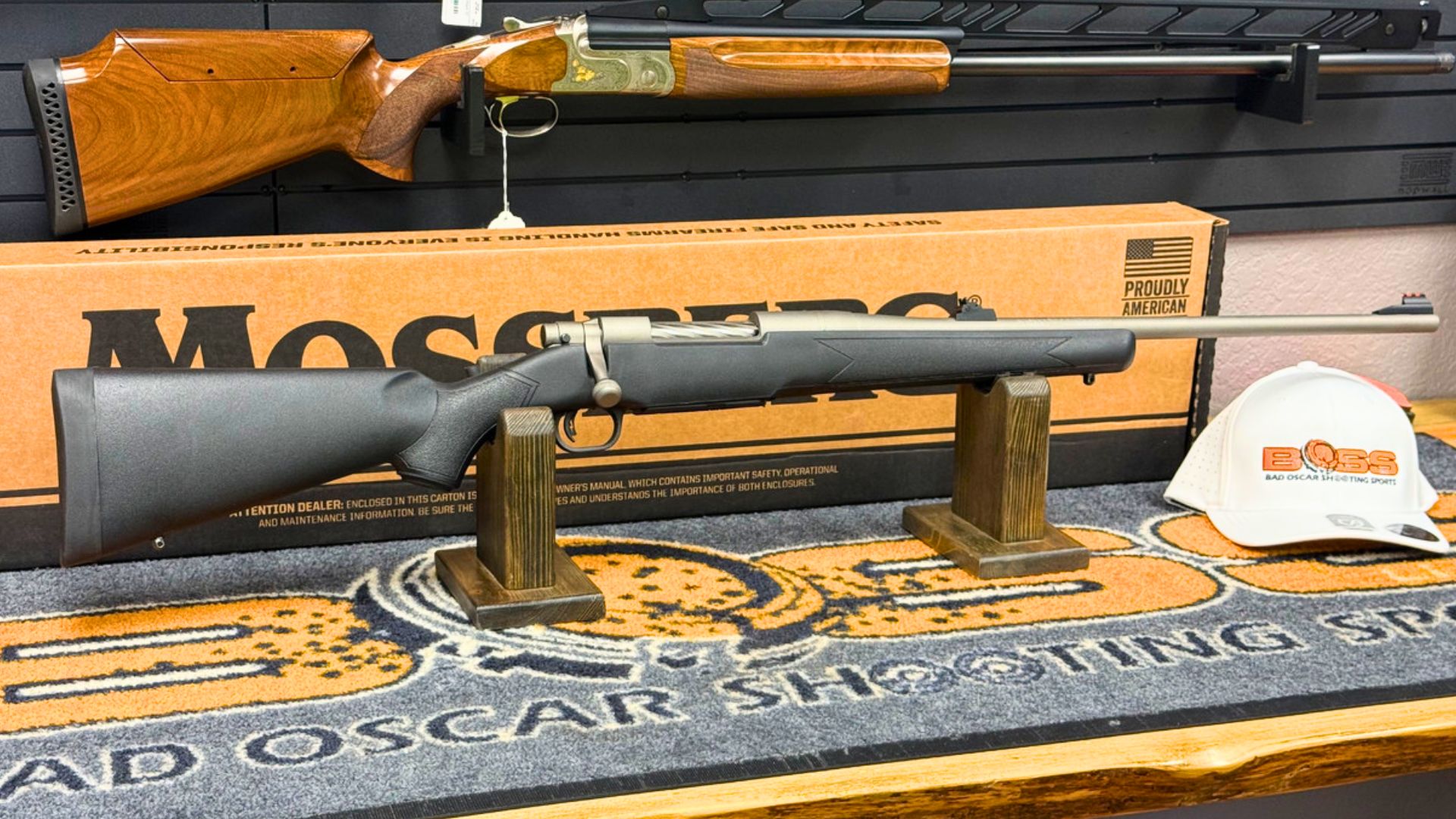
The Mossberg Patriot has its fans, and it’ll get the job done. But that synthetic stock isn’t doing it any favors. It flexes more than it should, especially with sling tension, and it’s prone to shifting zero if it gets knocked around.
One season of hauling it through the woods or bouncing it around in a truck bed tends to show its weaknesses. The action isn’t exactly smooth, and the accuracy is decent—until it’s not. Groups open up, and confidence starts to drop.
You can make it work, but if you’re serious about hunting year after year, most folks start looking for something more solid, with a better fit and finish. It’s the kind of rifle you buy on sale and upgrade from later.
Savage Axis XP Package

This one’s everywhere for a reason. It’s cheap, comes with a scope, and promises minute-of-deer accuracy. But that package scope is one of the first things hunters complain about—it fogs, loses zero, and isn’t suited for serious use.
The Axis itself is lightweight, which sounds good until you feel every bit of recoil in your shoulder. The stock isn’t stiff, the trigger takes getting used to, and the action feels gritty. You might notch a tag with it your first season, but it won’t leave you impressed.
Most hunters end up ditching the scope, upgrading the trigger, or trading it in altogether. It’s a stepping stone, not a destination.
Winchester XPR
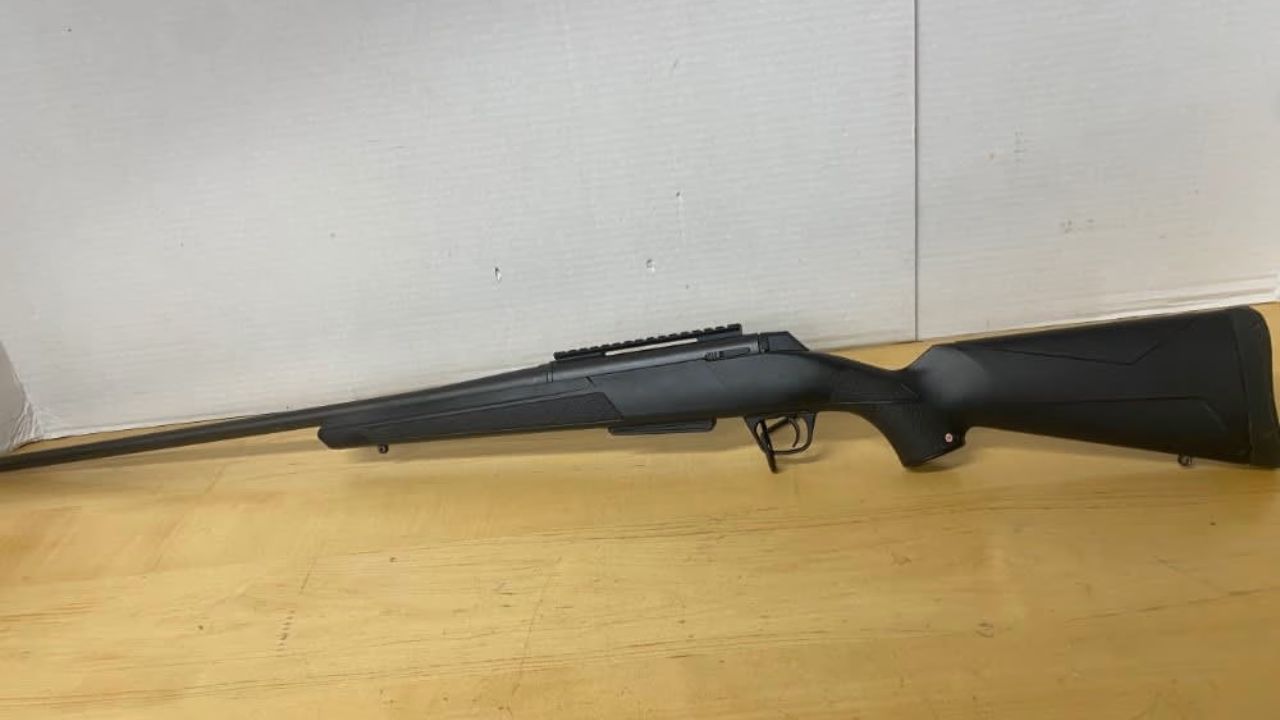
The XPR was Winchester’s attempt to keep up with the budget rifle trend. It looks decent and carries Winchester’s name, but that doesn’t mean it holds up in the field. The action is sticky, and the trigger—though adjustable—still feels mushy to a lot of shooters.
The stock feels hollow, and the recoil pad doesn’t soak up much. Accuracy is good enough for short shots, but if you’re stretching past 150 yards or dealing with wind, you’ll notice some inconsistency. The rifle doesn’t inspire long-term loyalty.
It’s a good gun for a new hunter looking to get started cheap, but experienced hunters tend to move on quickly once they know what they’re missing.
Thompson Center Compass

The Compass seemed promising for budget-minded hunters. It came with an adjustable trigger, threaded barrel, and a free-floated stock. But once you get it off the bench and into the brush, issues start popping up.
The bolt throw is awkward. The stock feels slippery in cold or wet weather. And the feeding can be unreliable with certain ammo. You might get a few tight groups early on, but after a few hunts, most folks start wishing for something smoother and sturdier.
It doesn’t help that T/C isn’t as active in the market anymore, which makes parts and support a gamble. That alone is enough for many hunters to move on after one season.
CVA Cascade

CVA nailed the single-shot market, but the Cascade bolt gun has had a harder time finding loyal fans. On paper, it looks good: solid barrel, nice trigger, scope-ready. But in real-world hunting, it feels a little off.
The stock is bulky without feeling sturdy. The action has a weird lag to it. And while accuracy can be good with match ammo, it doesn’t always hold up under backcountry conditions. It’s not a bad rifle—it’s just not the kind you grow with.
A lot of hunters give it a shot their first season, then trade it for something that balances better or cycles smoother. It’s a rifle you tolerate more than trust.
Remington 783

Another budget Remington that filled shelves for a while. The 783 is meant to give hunters an affordable bolt-action that shoots straight. And it does—sometimes. But the stock is flimsy, the action feels stiff, and the included scope is usually a letdown.
Once you start hunting in tougher terrain or weather, the little annoyances become real problems. Sling studs pull out. The bolt binds. Groups get wider after a few boxes of ammo.
Hunters often outgrow the 783 because it doesn’t reward skill progression. You can shoot well with it, but it doesn’t make you better. One season in, and you’ll probably be looking at an upgrade.
Weatherby Vanguard Synthetic

The Vanguard line has some great options, but the base synthetic model doesn’t always live up to expectations. It’s heavy for a budget rifle, which turns off a lot of hunters hiking long distances. And while the action is smooth, the cold-weather performance of the trigger and stock leaves something to be desired.
If you’re hunting from a blind or in mild conditions, it’s fine. But for active, mobile hunting, the weight and balance start to feel like a chore. It’s also not as modular or easy to upgrade as some competitors.
Many hunters give it a shot because of the Weatherby name, but move on to lighter or more customizable options after a season in the field.
Howa 1500 Hogue

Howa makes accurate rifles, and the Hogue-stocked version feels solid at first. But the rubbery overmolded stock gets slick in wet weather and doesn’t always fit the hand well when you’re wearing gloves. It’s also heavier than it looks, which adds up over a long hunt.
Accuracy is good, but the stock-to-barrel fit sometimes varies, especially in hot or humid climates. And the aftermarket support for Howa rifles isn’t as deep as others, which makes upgrading harder.
A lot of hunters start with it because it feels better than many budget rifles. But after a season, they want something lighter and easier to carry.
Like The Avid Outdoorsman’s content? Be sure to follow us.
Here’s more from us: