Photo credit: Feldmütze/YouTube
Some military guns are respected because they worked. Others are remembered because they changed history. The really special ones do both while still looking good enough to stop people at a gun show table. They have the kind of profile, wood, steel, machining, or mechanical weirdness that makes even casual shooters look twice.
A lot of these guns are not practical by modern standards. Some are heavy, expensive, outdated, or too collectible to beat up. But they still have presence. Whether they came from world wars, Cold War arsenals, or old service pistol trials, these classic military guns still turn heads for a reason.
M1 Garand
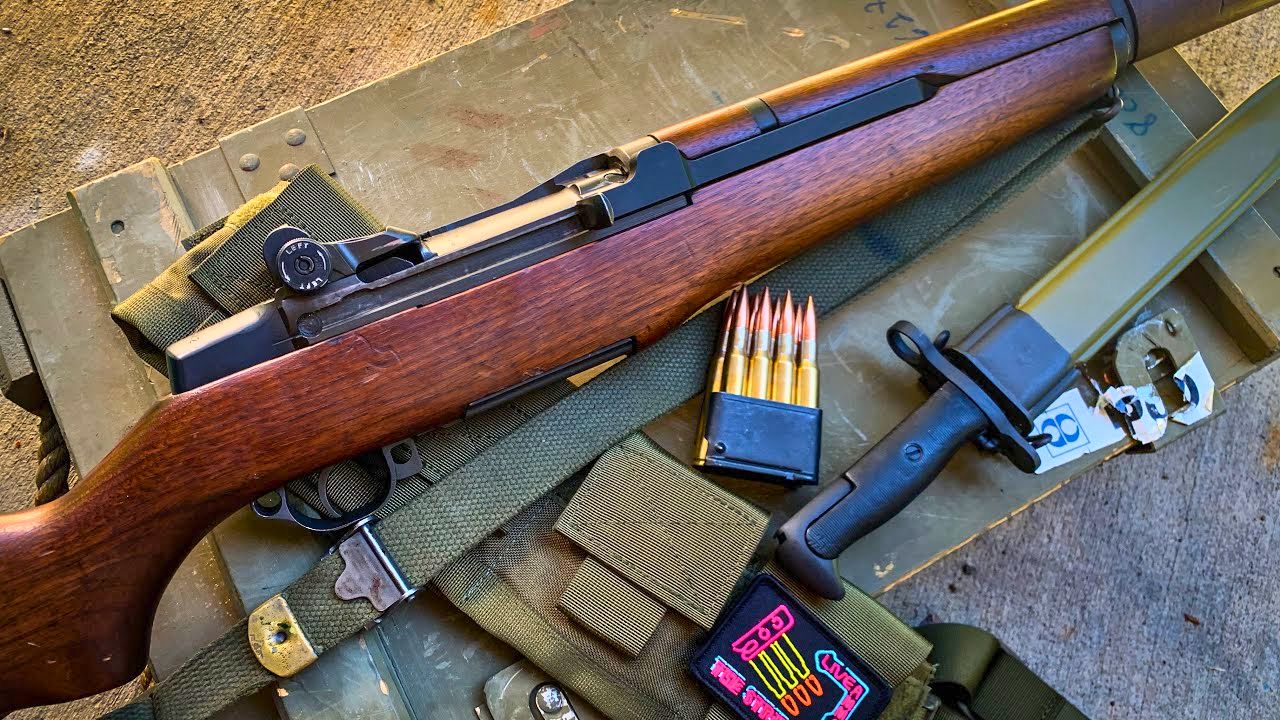
The M1 Garand still has one of the strongest personalities of any military rifle ever made. The long walnut stock, exposed operating rod, strong receiver, and eight-round en bloc clip system give it a look and feel that modern rifles cannot copy. It looks like a rifle built for history because it was.
What keeps it turning heads is that it still shoots with real authority. The .30-06 chambering, excellent sights, and solid weight make it feel serious every time it comes to the shoulder. It is not light, and nobody is carrying one because it is convenient. People love it because it feels like a piece of American history that still works.
M1 Carbine
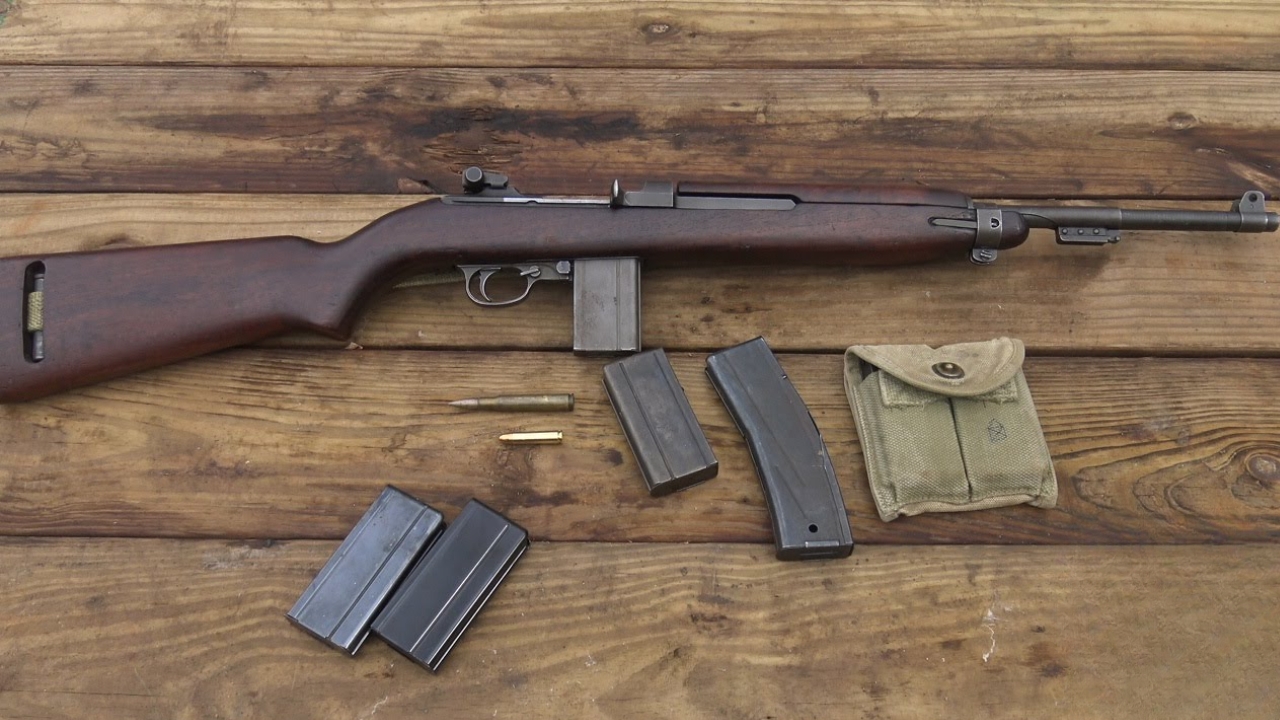
The M1 Carbine has a completely different kind of appeal than the Garand. It is light, handy, fast-pointing, and easy to shoot. Its compact size makes people understand immediately why soldiers liked carrying it compared with larger full-power rifles.
It still turns heads because it feels useful even now. The .30 Carbine round is not a modern powerhouse, but the rifle itself is easy to handle and fun at the range. It has war history, simple controls, and a friendly shooting feel. A clean M1 Carbine always draws attention because almost everyone wants to shoulder it.
Lee-Enfield No. 4 Mk I
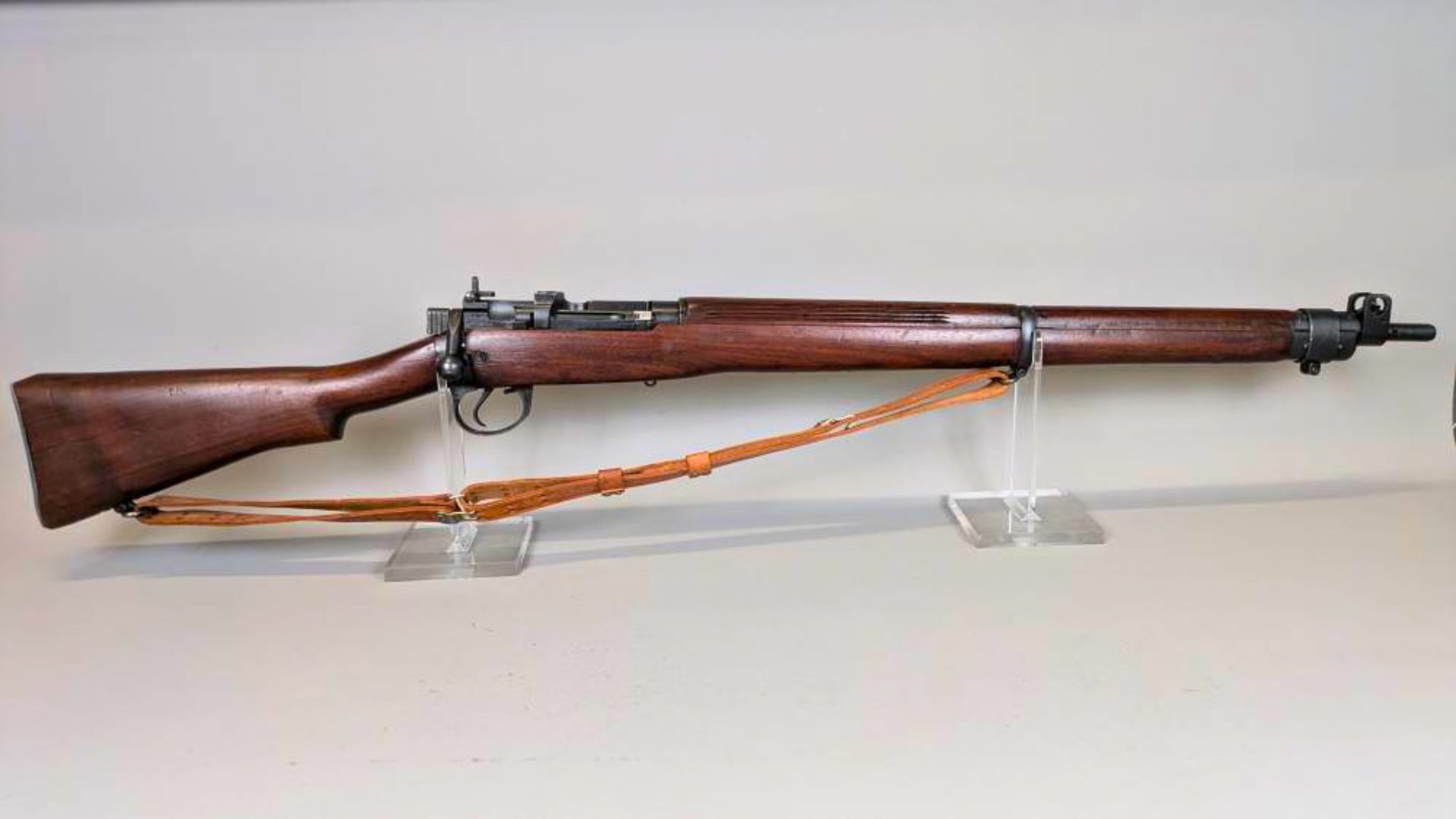
The Lee-Enfield No. 4 Mk I has an old-world military look that still stands out. The full wood stock, rear aperture sight, detachable box magazine, and fast cock-on-closing action give it a personality all its own. It is not as sleek as some Mausers, but it has a rugged charm.
Shooters still respect it because the Lee-Enfield action can be run fast by someone who knows it. The .303 British cartridge has plenty of history, and the rifle’s 10-round magazine was impressive for its era. It is a classic military bolt gun that feels more alive in the hands than its age suggests.
Mauser Kar98k

The Mauser Kar98k is one of the most recognizable bolt-action military rifles ever built. Its short rifle profile, turned-down bolt, hooded front sight, and 8mm Mauser chambering give it a serious, purposeful look. Even people who do not know rifles often recognize the shape.
It still turns heads because the Mauser 98 action became one of the most influential bolt-action designs in history. The Kar98k is not just collectible because of where it served. It is collectible because the design itself feels strong, simple, and deeply important. A matching, clean example will always get attention.
Springfield M1903A3

The Springfield M1903A3 has the kind of classic American military rifle profile that still feels elegant. It blends Mauser-style strength with American service-rifle history, and the later A3 sights made it more practical than earlier versions for many shooters. It looks refined without looking delicate.
The .30-06 chambering gives it real range authority, and the action still feels smooth when the rifle is in good shape. It turns heads because it represents the bridge between old bolt-action military doctrine and the semi-auto era that followed. A nice 1903A3 is never just another surplus rifle.
Swiss K31
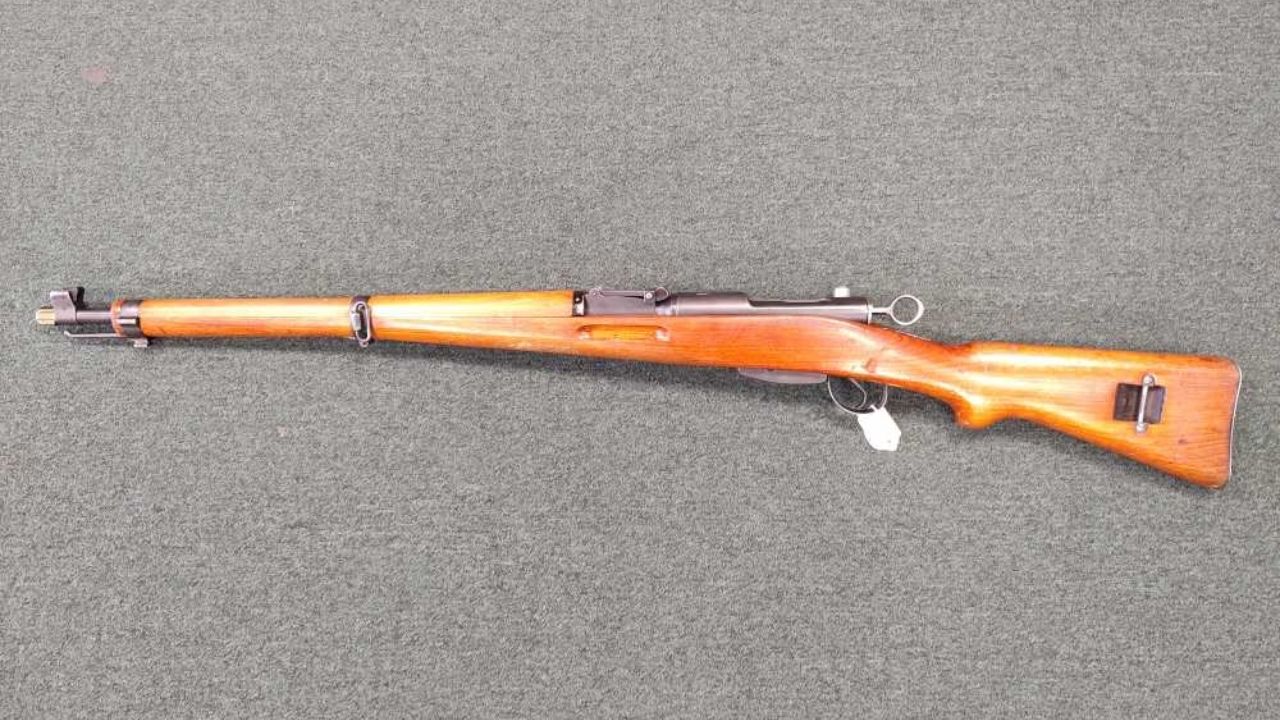
The Swiss K31 turns heads because it looks precise before you ever fire it. The straight-pull action, short overall length, excellent machining, and unique magazine system make it stand apart from almost every other military bolt gun. It has a clean, mechanical look that feels very Swiss.
What surprises people is how well these rifles often shoot. The 7.5×55 Swiss cartridge is capable, the triggers are usually excellent for military rifles, and the actions run with a slickness that feels special. The K31 is not famous because it fought everywhere. It is famous because it feels exceptionally well made.
SKS
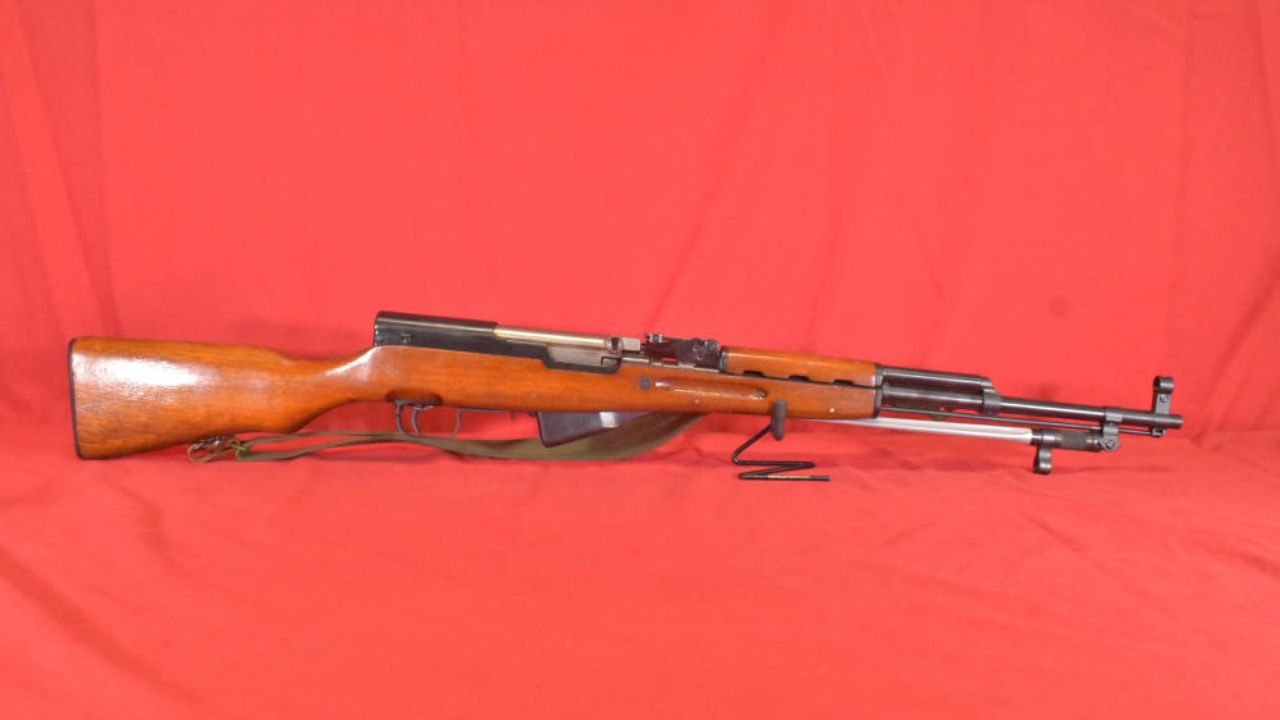
The SKS still gets attention because it sits in that sweet spot between old military rifle and practical semi-auto. It has wood, steel, a folding bayonet on many versions, and a 7.62x39mm chambering that keeps it useful. It looks old-school without feeling completely obsolete.
Its popularity comes from being simple, rugged, and fun to shoot. Prices are not what they used to be, but the rifle still has strong appeal. Compared with an AK, it feels more traditional. Compared with a bolt gun, it feels faster and more modern. That in-between identity is exactly why people still notice it.
FN FAL

The FN FAL has presence in a way few rifles do. It is long, heavy, angular, and chambered in 7.62 NATO. The profile alone makes it look like a serious Cold War battle rifle. There is nothing dainty about it.
It still turns heads because it represents an era when service rifles were built around full-power cartridges and global military use. The FAL has history across several continents and enough mechanical character to stand apart from modern AR-style rifles. It is not the lightest or most efficient choice now, but it still looks like a fighting rifle.
M14

The M14 carries a reputation that is bigger than its actual service life. It blends Garand lineage with detachable magazines and 7.62 NATO power, giving it a classic American battle-rifle feel. Whether in original military form or civilian M1A form, it still draws attention fast.
The appeal is part history, part aesthetics, and part shooting feel. The sights are excellent, the rifle has real authority, and the wood-stocked versions look like they belong in a serious rifle rack. It is not as modern or modular as an AR-10, but it has a presence newer rifles rarely match.
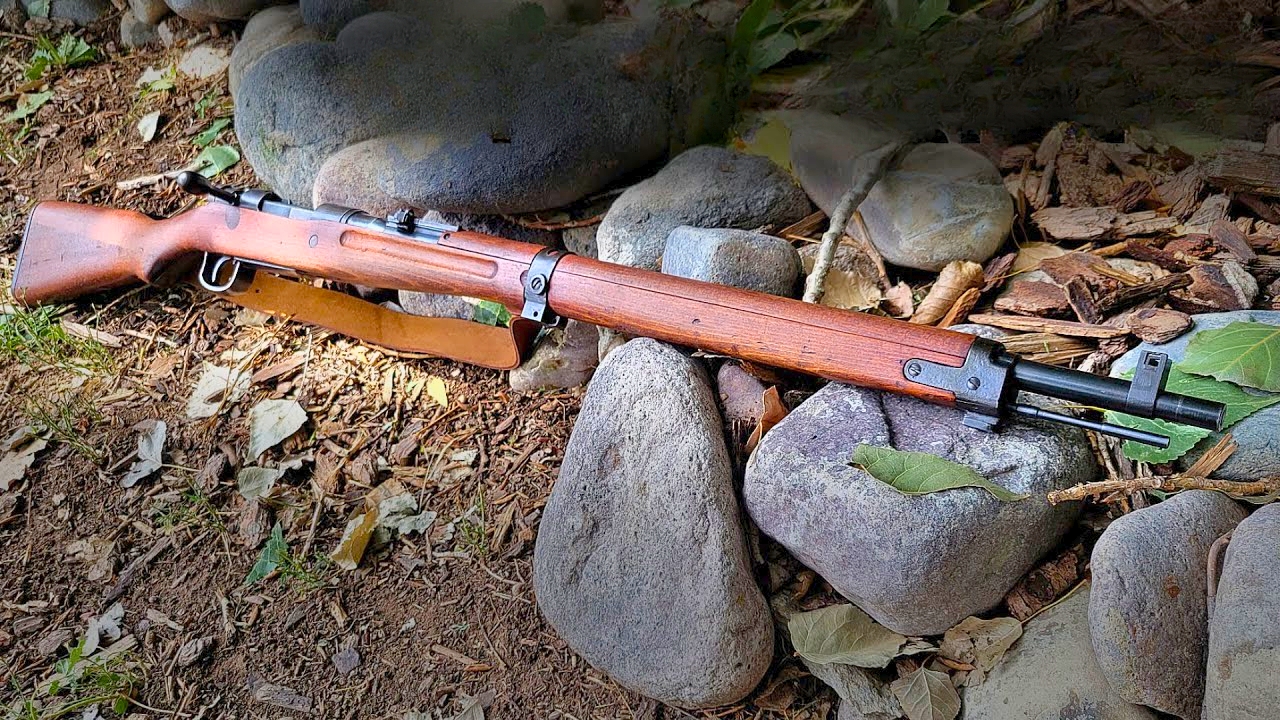
Arisaka Type 99
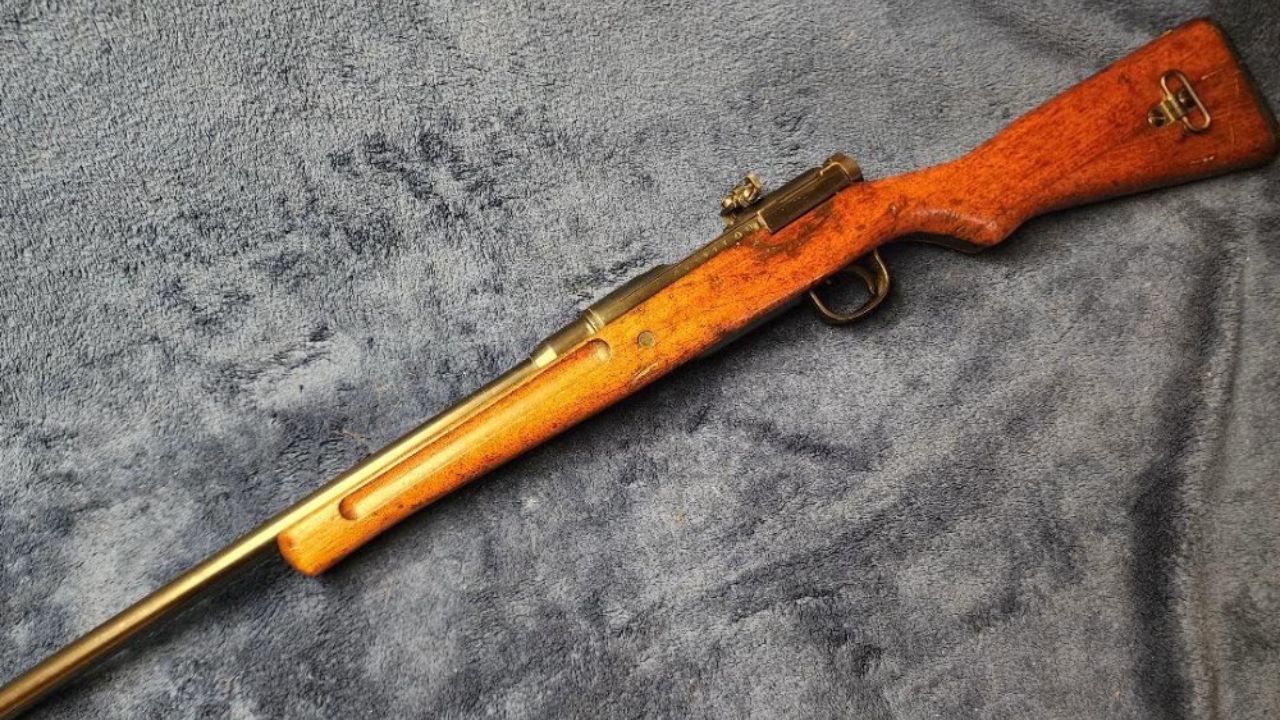
The Arisaka Type 99 is one of the most interesting World War II bolt guns because it looks and feels different from the European designs most shooters know. The action is strong, the safety is unusual, and intact rifles with the chrysanthemum marking still draw collector interest.
It turns heads because it carries so much history and variation. Some examples are beautifully made, while late-war rifles can be rough and crude. That contrast makes the Type 99 fascinating. It is not always pretty, but it is one of those military rifles people stop to inspect closely.
MAS-36

The MAS-36 has a strange, chunky look that makes people either love it or immediately ask what it is. The forward-swept bolt handle, short profile, and French military styling are unlike most other bolt-action rifles. It looks odd, but not accidental.
That oddness is exactly why it still gets attention. The MAS-36 is simple, rugged, and built around a practical military purpose. It may not have the graceful lines of a Mauser or Springfield, but it has character. In a rack full of common surplus rifles, the MAS-36 stands out immediately.
Steyr M95
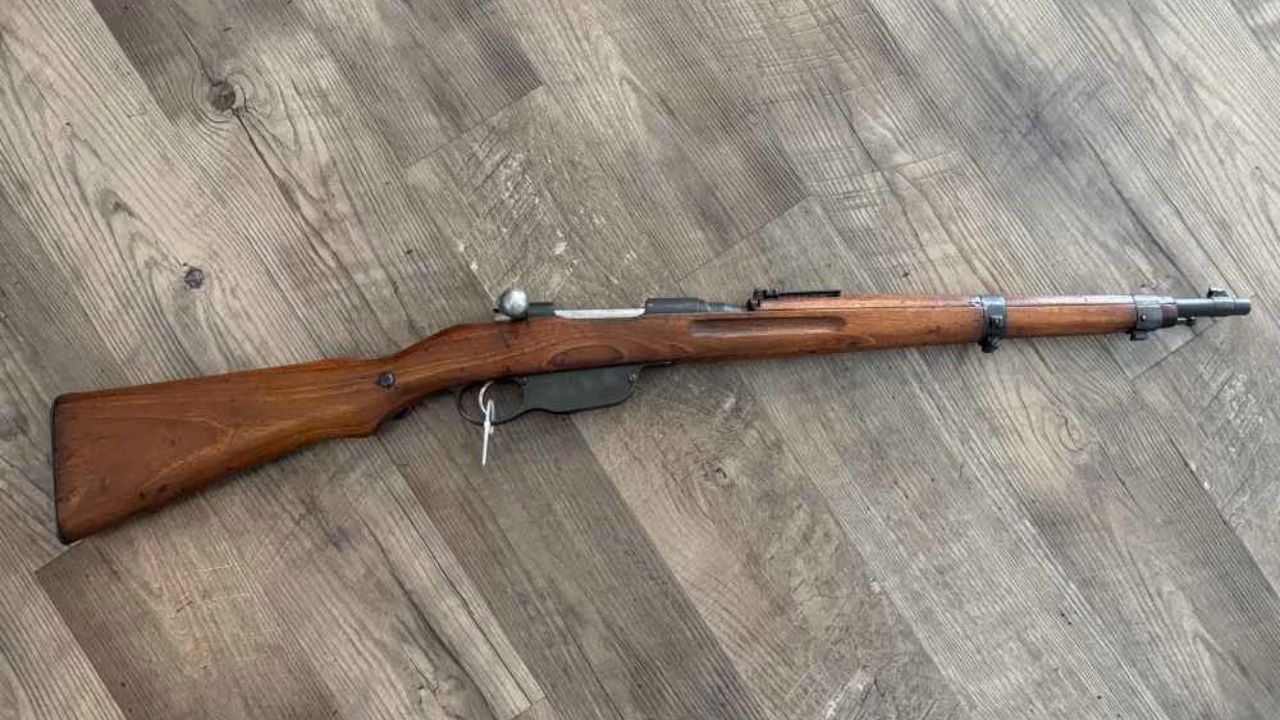
The Steyr M95 turns heads because of its straight-pull action and old Austro-Hungarian military look. It is slim, quick, and mechanically interesting in a way that makes people want to cycle the bolt just to feel how it works. The action alone gives it collector appeal.
It is not always the easiest rifle to feed or shoot casually, especially depending on chambering and ammunition availability. But as a classic military rifle, it has huge personality. The M95 feels like a rifle from a very different age, and that is exactly why people keep noticing it.
Hakim Rifle
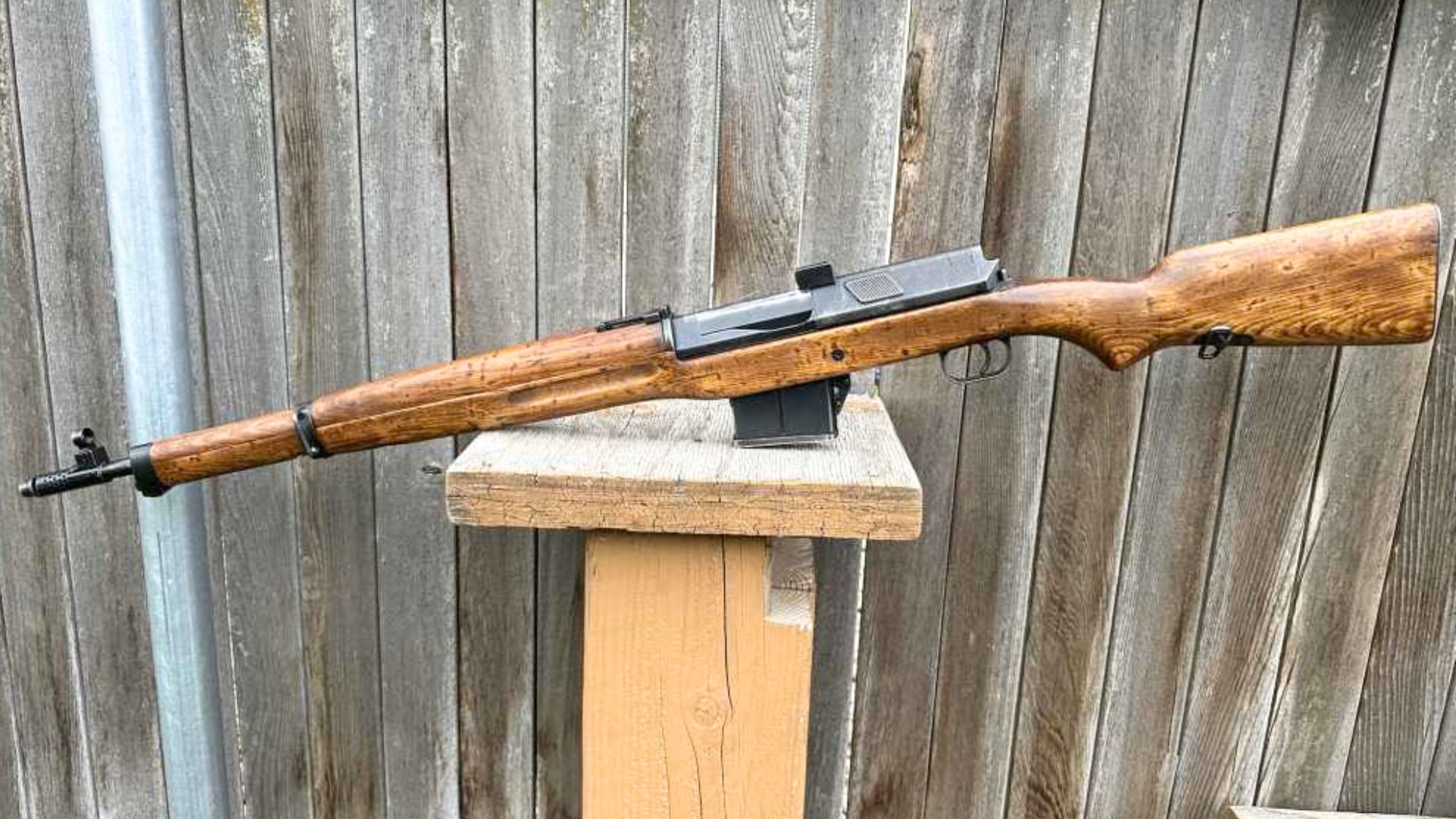
The Hakim Rifle is one of those military surplus guns that gets attention because it is big, unusual, and loud in every possible way. Based on the Swedish Ljungman system and chambered in 8mm Mauser, it has a long, heavy profile and a gas system that looks unlike most rifles on the table.
It turns heads because it feels like a mechanical experiment that actually made it into service. The rifle is large, distinctive, and not especially common compared with more famous surplus guns. When someone brings a Hakim to the range, people notice. It is not subtle, but it is memorable.
Ljungman AG-42B
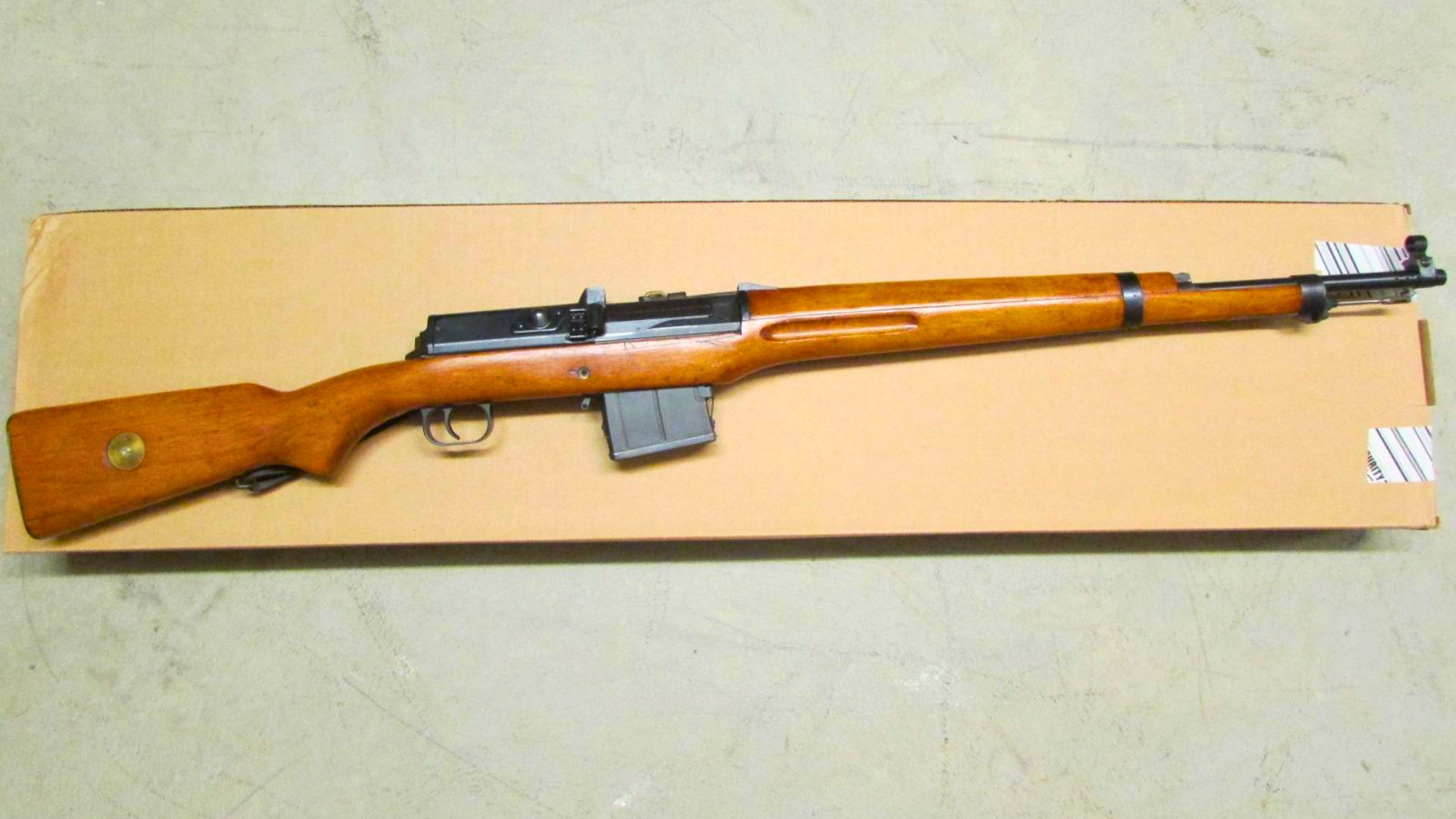
The Ljungman AG-42B is one of the most elegant semi-auto military rifles from its era. The Swedish design, direct-gas system, long sight radius, and 6.5×55 Swedish chambering give it a refined identity. It looks different from American, German, and Soviet rifles in a very good way.
What makes it turn heads is that it feels advanced and old at the same time. The action system is unusual, the cartridge is excellent, and the rifle has a clean Scandinavian look. It is not the most common surplus semi-auto, which only adds to the attention when one appears.
SVT-40
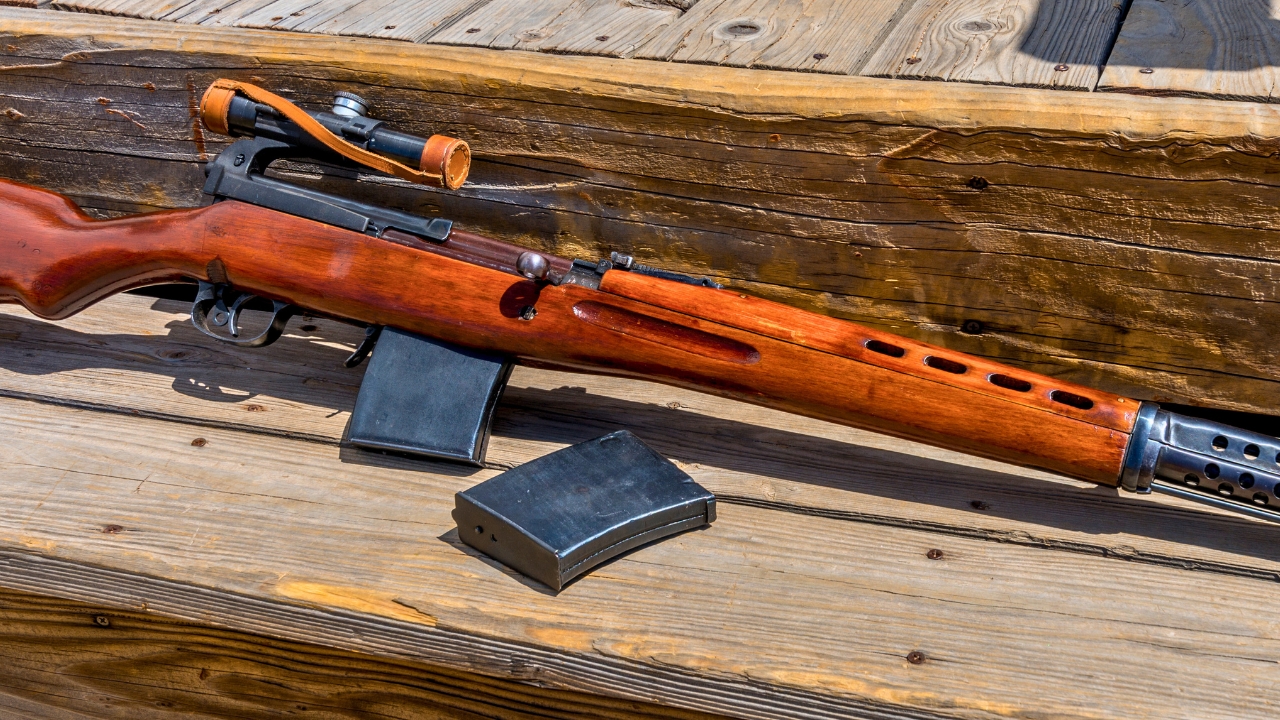
The SVT-40 is a World War II semi-auto rifle that still looks aggressive and advanced for its time. The long receiver, muzzle brake, detachable magazine, and Soviet styling make it instantly stand apart from bolt-action rifles of the same era. It has a lean, battle-worn kind of beauty.
Collectors and shooters notice it because it represents a fascinating attempt to modernize Soviet infantry rifles before the AK era. It is not as simple as a Mosin-Nagant, and that complexity is part of the appeal. A clean SVT-40 will always draw a crowd because it looks like history took a sharp turn.
Gewehr 43

The Gewehr 43 has a similar head-turning effect because it combines German World War II history with semi-auto capability. It is more complex and less common than the Kar98k, which makes it especially interesting to collectors. The detachable magazine and military profile give it a serious look.
It is not a rifle most owners shoot casually now because values are high and parts concerns matter. But as a classic military firearm, it has undeniable presence. The G43 is one of those guns people recognize as special the second they see it, even before they know the details.
Walther P38

The Walther P38 is one of the classic military pistols that still looks modern in some ways. Its open-top slide, DA/SA trigger system, and 9mm chambering helped influence later service pistols. It does not look like a 1911 or a Luger, and that difference still works in its favor.
It turns heads because it represents a major step in service pistol design. The P38 feels slim, mechanical, and historically important. It may not be the best shooter by modern standards, but it has the kind of profile that makes people pick it up for a closer look.
Luger P08

The Luger P08 may be the most recognizable military pistol ever made. The toggle action, grip angle, tapered barrel, and old-world machining make it look like nothing else. It has become one of the defining handguns of the early 20th century.
It still turns heads because it is both beautiful and mechanically strange. The Luger is not practical today, and most owners treat them carefully because values are high. But nobody ignores one in a display case. It is a firearm people notice immediately because the design is so unmistakable.
Mauser C96

The Mauser C96 Broomhandle is another pistol that looks like it came from a different universe. The box magazine ahead of the trigger, long barrel, slab-sided receiver, and broomhandle grip make it instantly recognizable. It is one of the strangest successful military pistols ever made.
The C96 still draws attention because it feels like a bridge between revolvers, carbines, and early semi-autos. Add the shoulder-stock history and military use, and it becomes even more fascinating. It is awkward by modern standards, but visually, it is one of the most interesting handguns ever built.
Beretta M1951
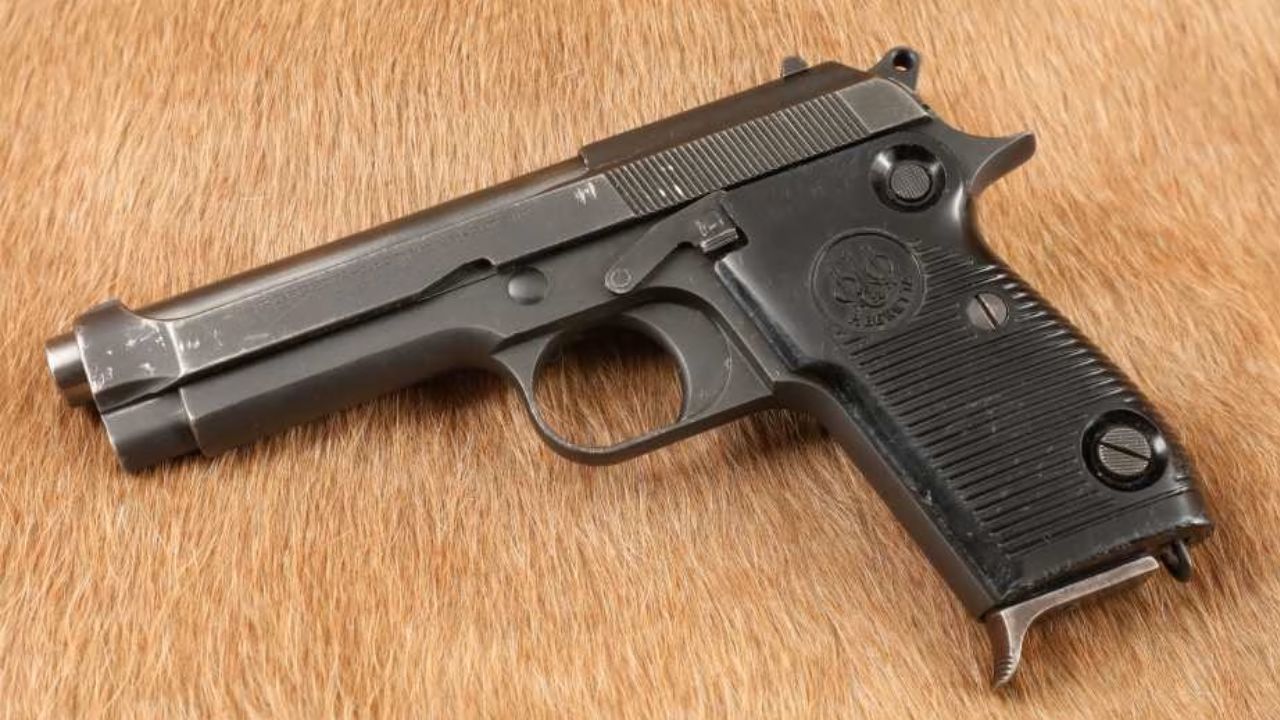
The Beretta M1951 does not get as much attention as the 92 series, but it still turns heads for people who appreciate classic service pistols. It has clean Italian lines, a single-stack 9mm layout, and an open-slide look that clearly points toward later Beretta designs.
What makes it interesting is that it feels like the missing link between older military pistols and modern 9mm service guns. It is slim, all-metal, and stylish in a way many postwar pistols were. It may not be the most practical pistol now, but as a classic military sidearm, it has real charm.
Like The Avid Outdoorsman’s content? Be sure to follow us.
Here’s more from us: