Photo credit: Doğan Alpaslan Demir/Pexels
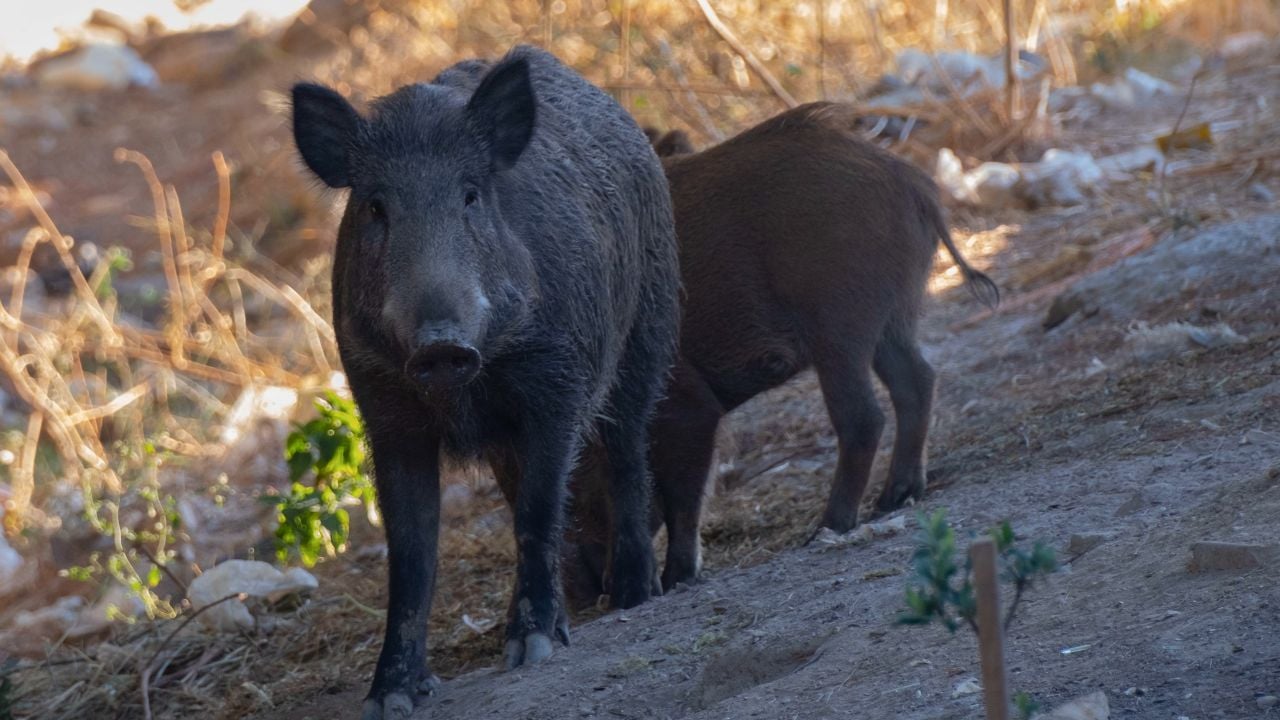
Hogs are tougher than their size often suggests. A mature boar can have thick shoulder tissue, heavy bones, and a protective layer of scar tissue that makes poor shot placement far less forgiving. Hunters also encounter them in very different conditions, ranging from close shots in heavy East Texas brush to longer opportunities across open fields.
The best hog cartridge needs enough penetration to reach the vitals from imperfect angles while still allowing the hunter to shoot accurately and make quick follow-up shots. Bullet construction matters just as much as caliber. Controlled-expansion hunting bullets, bonded soft points, and copper projectiles generally perform better than thin-jacketed varmint ammunition. These 20 cartridges cover everything from low-recoil youth rifles to hard-hitting options for the largest boars.
.308 Winchester

The .308 Winchester is one of the most dependable all-around cartridges for hog hunting. It delivers enough energy and penetration for large boars without producing the punishing recoil associated with many magnum cartridges. Ammunition is widely available, and nearly every major rifle manufacturer offers at least one dependable .308.
Bullets weighing between 150 and 180 grains work well for hogs. A quality 150- or 165-grain controlled-expansion bullet is usually enough for broadside and quartering shots, while heavier 180-grain loads provide additional penetration through the shoulder. The .308 also performs well in bolt-action, lever-action, and semiautomatic rifles, making it useful in almost any hunting setup.
.30-06 Springfield
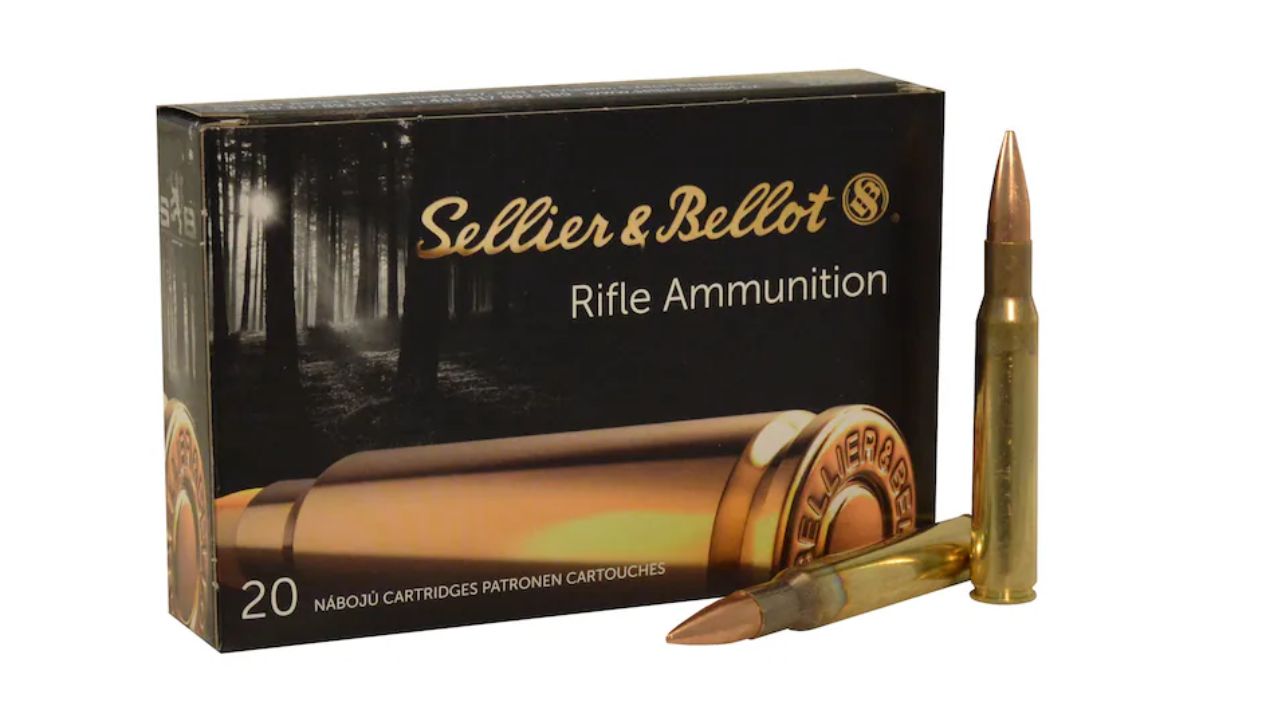
The .30-06 Springfield gives hog hunters more velocity and bullet-weight flexibility than the .308 Winchester. It can fire lighter 150-grain loads for open-country hunting or heavy 180- and 200-grain bullets when deep penetration matters most. That versatility makes it capable of handling everything from small meat hogs to exceptionally large boars.
Recoil is more noticeable than it is with the .308, especially in a lightweight rifle. Most hunters do not need the full power of the heaviest .30-06 loads for ordinary hog hunting. A well-constructed 165- or 180-grain bullet provides an excellent balance of expansion and penetration. The cartridge is particularly useful for hunters who already own a traditional deer rifle and do not want to buy a dedicated hog gun.
6.5 Creedmoor
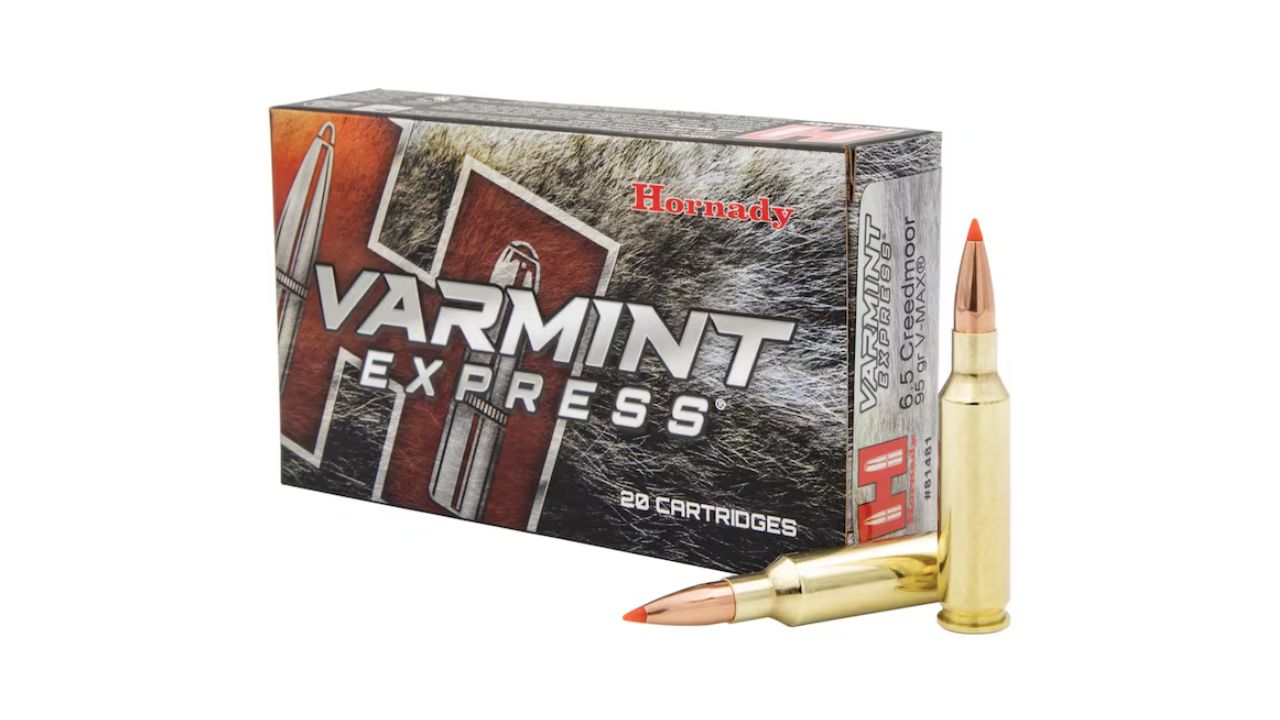
The 6.5 Creedmoor is sometimes dismissed as too light for hogs, but that criticism usually comes from poor bullet selection rather than a lack of capability. Its high-sectional-density bullets penetrate well, and its mild recoil makes accurate shot placement easier. That matters when several hogs appear and the hunter needs to recover quickly for another shot.
Hunters should avoid thin-skinned match or varmint bullets. A bonded, copper, or heavy hunting bullet in the 120- to 143-grain range can penetrate deeply through the lungs and shoulders. The cartridge works best when shots are deliberate and angles are reasonable. It is not as forgiving as a .30-caliber cartridge on a poorly placed hit, but it is more than adequate in capable hands.
6.5 Grendel

The 6.5 Grendel is one of the better hog cartridges available in the AR-15 platform. It provides considerably more retained energy and penetration than 5.56 NATO while allowing the hunter to keep a relatively light and compact rifle. Recoil remains mild, which makes fast follow-up shots much easier.
The Grendel works especially well with 120- to 129-grain hunting bullets. Its best performance is generally found inside 300 yards, although the cartridge is capable of reaching farther under the right conditions. Magazine selection and rifle setup matter because the cartridge uses a different bolt and magazine than standard 5.56. Once properly configured, it offers an excellent combination of power, accuracy, and controllability.
6mm ARC

The 6mm ARC provides better downrange performance than many hunters expect from an AR-15-size cartridge. It fires streamlined bullets with relatively mild recoil, making it easy to stay on target during rapid shooting. That can be valuable when hunting groups of hogs over fields or feeders.
Bullet construction is critical because many 6mm projectiles were designed for target shooting or varmints. Hunters should choose controlled-expansion bullets built for deer-sized game rather than fragile varmint loads. The 6mm ARC does not provide the same frontal area or close-range authority as the 6.5 Grendel, but it can be highly effective with careful shot placement.
.270 Winchester

The .270 Winchester has been taking deer-sized game for generations, and it works equally well on hogs. Its flat trajectory makes it particularly useful when animals appear across large fields or crop ground. Recoil is manageable in a properly fitted rifle, and ammunition remains widely available.
A 130-grain bullet can work well on smaller hogs, but 140- and 150-grain controlled-expansion loads are often better for mature boars. These heavier bullets provide more reliable penetration through shoulder tissue and bone. The .270 can damage a considerable amount of meat at close range with rapidly expanding bullets, so hunters should match the load to the expected distance and shot angle.
.280 Ackley Improved

The .280 Ackley Improved offers near-magnum performance without the recoil and ammunition consumption of the largest 7mm cartridges. It pushes high-quality 140- to 175-grain bullets fast enough for long-range work while maintaining excellent penetration on heavy hogs.
Its greatest disadvantage is ammunition availability. Factory loads are more expensive and less common than .308, .30-06, or .270 Winchester. Hunters who already own one, however, have an outstanding hog cartridge. A bonded 160-grain bullet can handle difficult angles and retain enough energy for longer shots across open country.
7mm-08 Remington
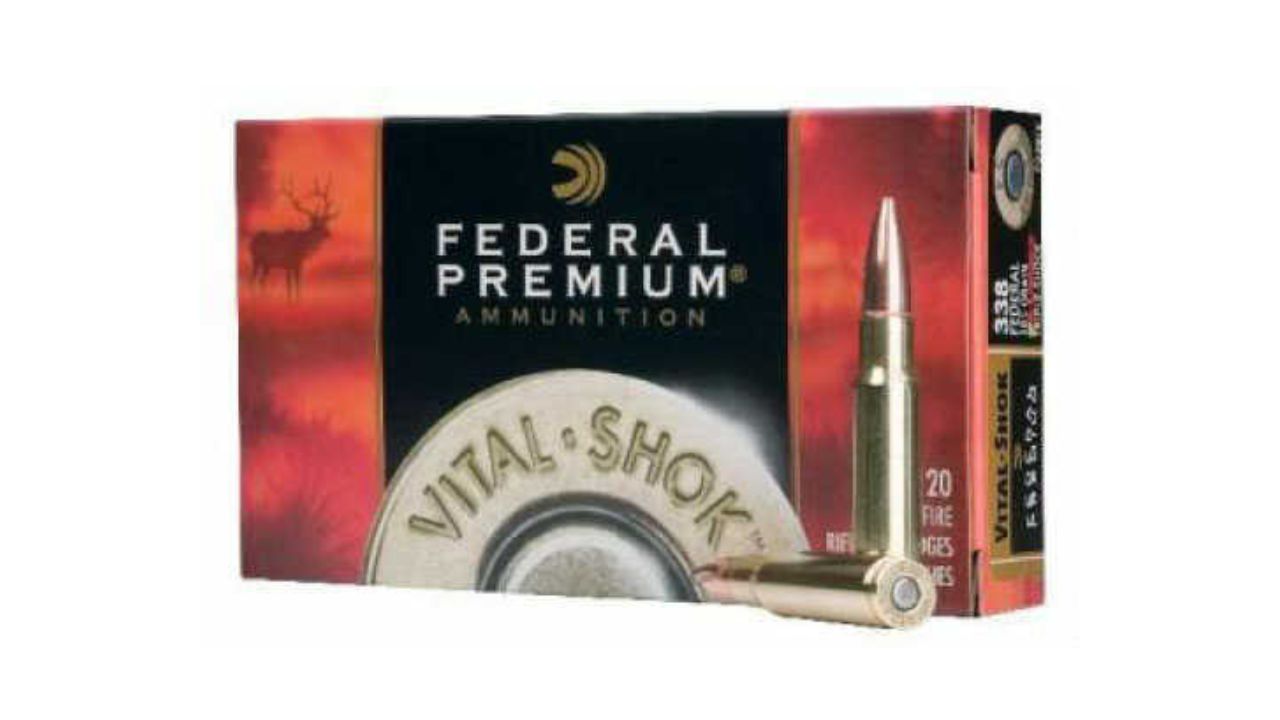
The 7mm-08 Remington provides much of the hunting performance of larger cartridges with noticeably less recoil. It is an excellent choice for younger hunters, smaller-framed adults, or anyone who shoots a lighter rifle. The cartridge fires bullets with good sectional density, allowing them to penetrate deeply without requiring extreme velocity.
Loads using 140- to 150-grain controlled-expansion bullets are ideal for most hog hunting. Heavier 160-grain bullets can provide additional penetration when hunting large boars. The 7mm-08 is easy to shoot accurately and performs well from compact rifles. Its only meaningful drawback is that ammunition can be harder to find than the most common .30-caliber options.
7mm PRC

The 7mm PRC is more cartridge than most hog hunters need, but it becomes useful when long shots and large animals are both expected. It launches heavy, aerodynamic bullets at high velocity while maintaining excellent downrange energy. Hunters working expansive ranches or agricultural fields may appreciate that performance.
The cost is greater recoil, muzzle blast, and ammunition expense. A lightweight 7mm PRC rifle can be unpleasant during extended practice, which may reduce practical accuracy. It makes the most sense for hunters who also pursue elk, mule deer, or other large game and want one rifle for multiple jobs. With a tough 160- to 175-grain bullet, it leaves little doubt on a mature boar.
7.62x39mm
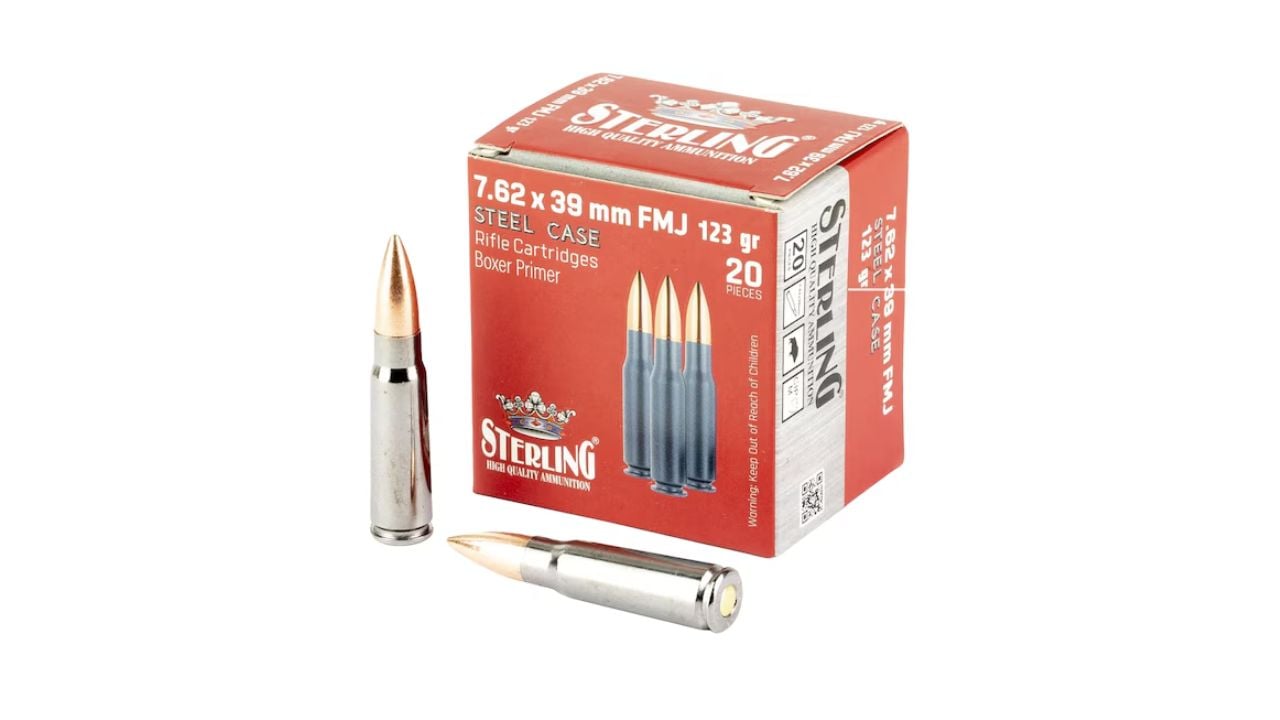
The 7.62x39mm is a practical close-range hog cartridge when loaded with real hunting ammunition. It is commonly found in AK-pattern rifles, the Ruger Mini Thirty, and several compact bolt actions. Recoil is mild, rifles are usually short, and follow-up shots are fast.
Performance is strongest inside roughly 150 yards. The cartridge has enough power to penetrate a hog’s shoulder, but cheap full-metal-jacket ammunition is a poor hunting choice. Hunters should use controlled-expansion soft points or copper bullets and confirm that the load feeds reliably in their rifle. The 7.62×39 is especially effective in thick woods where shots are close and fast.
.300 Blackout
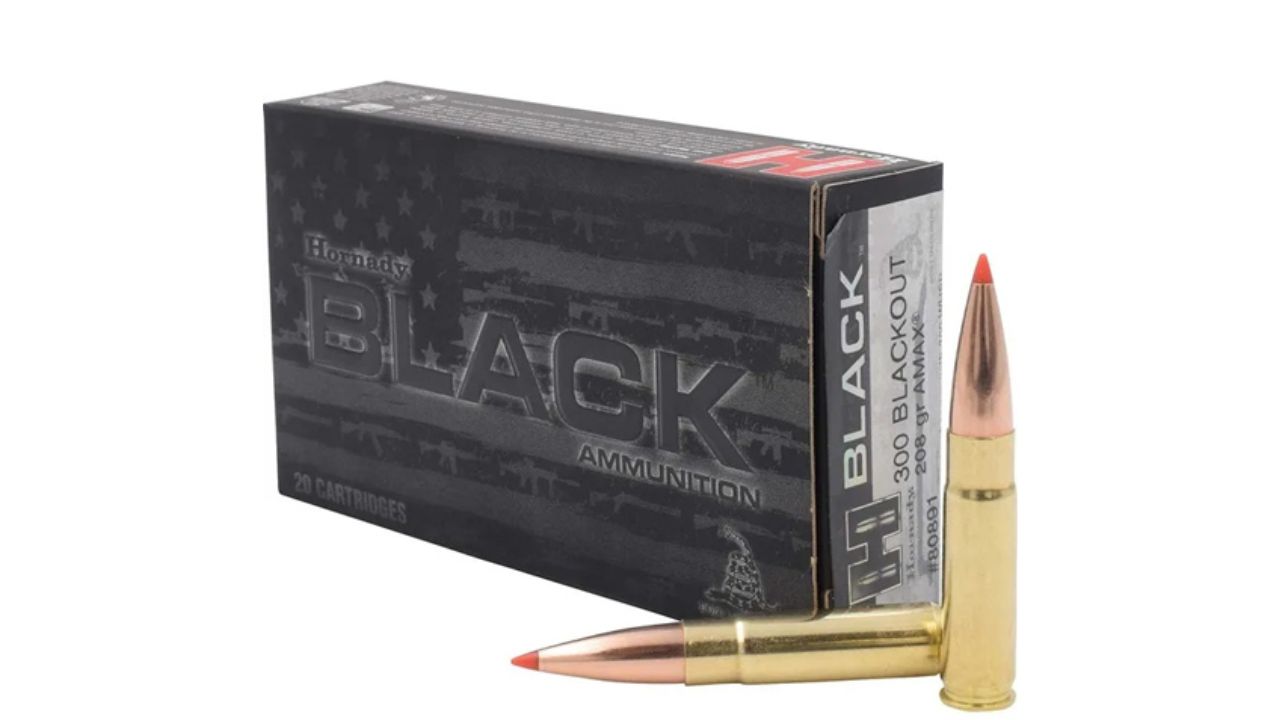
The .300 Blackout is one of the most useful short-range hog cartridges for hunters using compact AR-15s or suppressed rifles. Supersonic hunting loads can deliver performance similar to the 7.62x39mm while using standard AR-15 bolts and magazines. The cartridge also burns efficiently in short barrels.
Supersonic ammunition is usually the better choice for hunting. Subsonic loads are quiet through a suppressor, but they offer far less energy and can produce limited expansion unless the bullet was specifically designed for low velocity. A 110- to 125-grain copper or bonded bullet works well on hogs inside moderate distances. The cartridge loses velocity quickly, so hunters must understand its trajectory and range limits.
.350 Legend
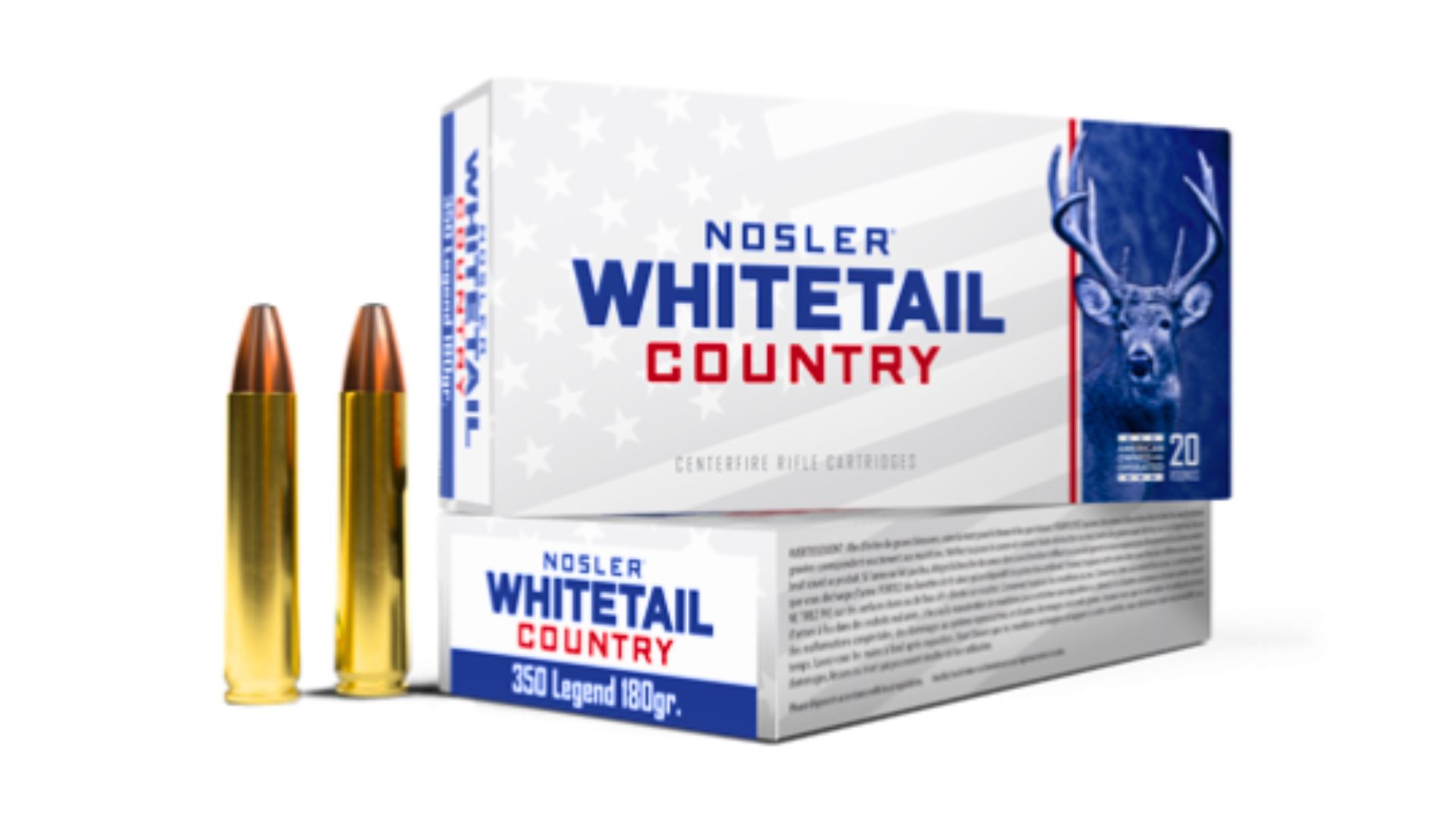
The .350 Legend combines mild recoil with a larger bullet diameter than most common AR-15 cartridges. It was developed partly for hunters in states with straight-wall cartridge restrictions, but it also works well in areas without those laws. The cartridge is available in compact bolt-action rifles and AR-style platforms.
Most effective shots fall inside 200 yards. Bullets weighing between 150 and 180 grains offer enough penetration for ordinary hogs, while heavier loads may be preferable for large boars. The .350 Legend does not shoot as flat as a traditional bottleneck cartridge, but it produces manageable recoil and a useful wound channel. It is an excellent option for young or recoil-sensitive hunters.
.400 Legend
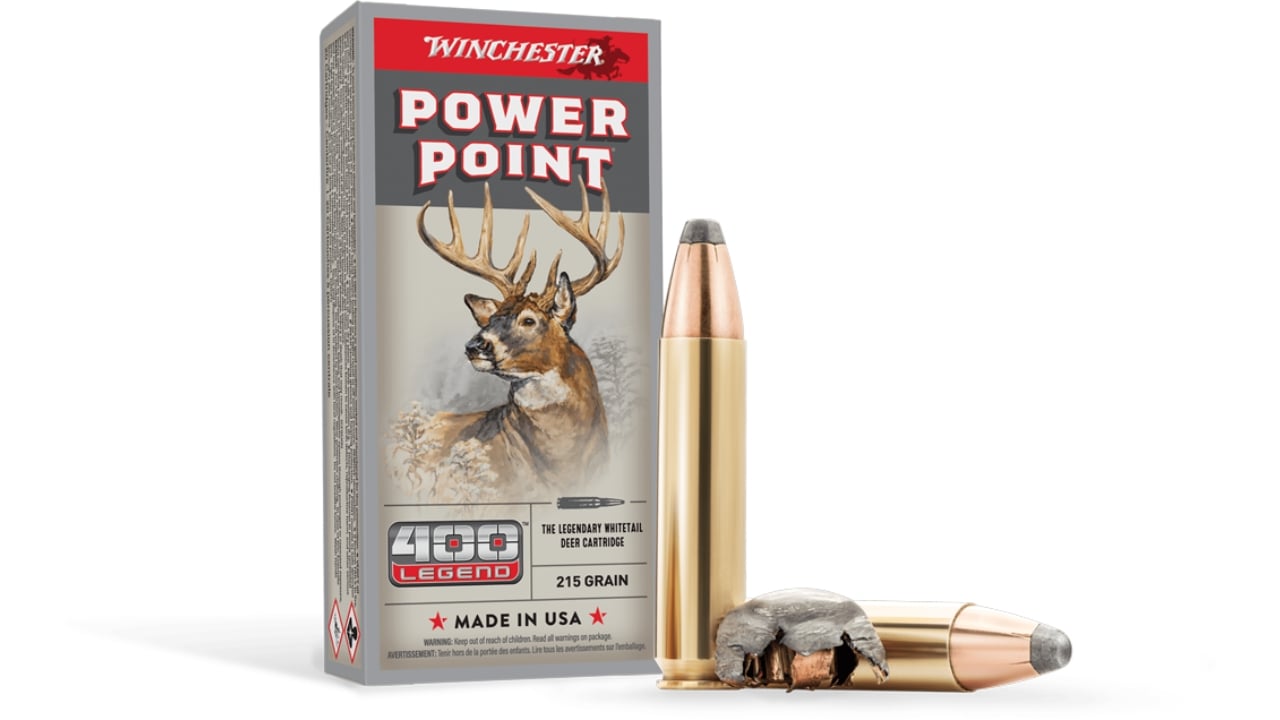
The .400 Legend gives hunters a larger bullet and more energy than the .350 Legend without reaching the recoil level of the .450 Bushmaster. It is designed to provide strong short- and medium-range performance in compact rifles. That makes it well suited for thick cover, feeders, and agricultural areas where shots rarely extend beyond 200 yards.
Ammunition selection is not as broad as it is for older cartridges because the .400 Legend is still relatively new. Hunters who can find suitable rifles and loads get a hard-hitting cartridge with manageable recoil. It fills the gap between the mild .350 Legend and the much more forceful .450 Bushmaster.
.450 Bushmaster

The .450 Bushmaster is built for hunters who want a large, heavy bullet from an AR-style rifle. It hits hogs with considerable authority at close and moderate distances and can break heavy shoulder bones with the right ammunition. The cartridge is especially popular where straight-wall hunting rules apply.
Recoil and muzzle blast are significant, particularly from lightweight rifles. Its trajectory also drops quickly once distances extend much beyond 200 yards. The .450 Bushmaster is not necessary for average-sized hogs, but it provides a large margin for error on close-range shots at heavy boars. Hunters should practice enough to ensure the recoil does not cause flinching.
.45-70 Government
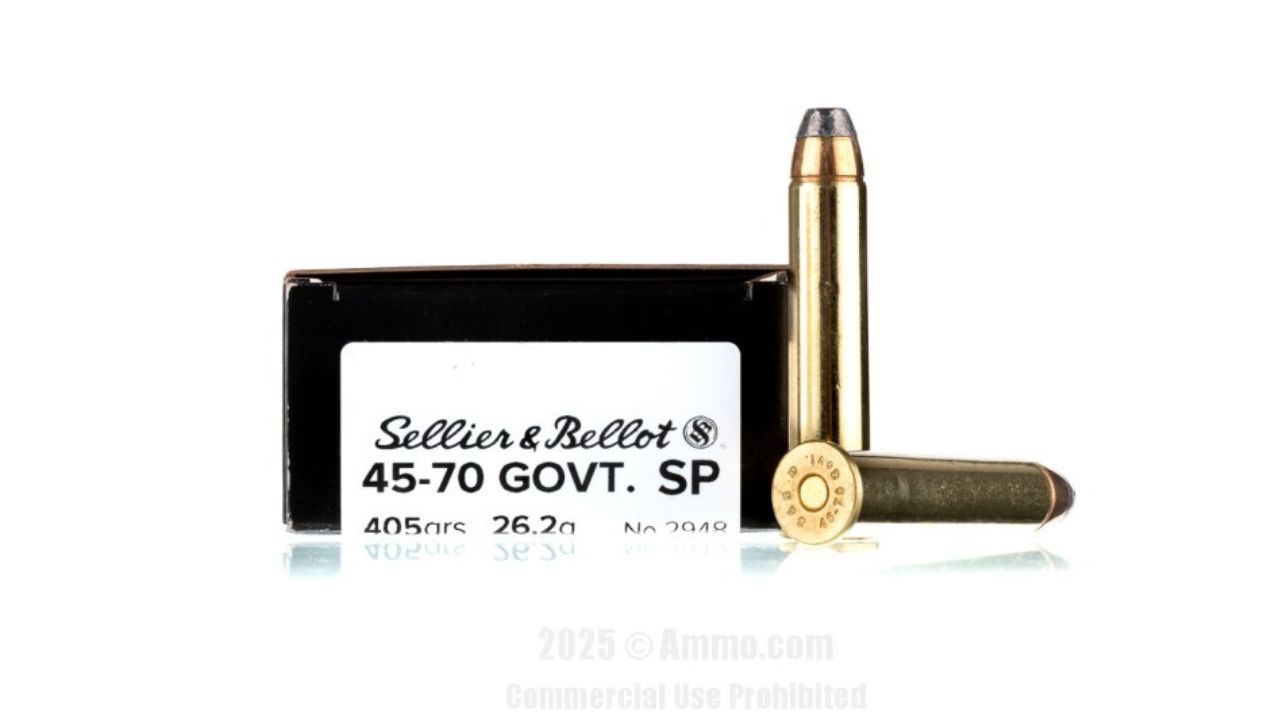
The .45-70 Government is one of the most decisive close-range cartridges for large hogs. Fired from a lever-action rifle, it launches heavy bullets that penetrate deeply and create a large wound channel. It is particularly effective in thick timber where a wounded boar may disappear quickly into heavy cover.
The cartridge offers a wide range of power levels. Mild loads are comfortable enough for most hunters, while heavy loads intended for strong modern rifles can produce substantial recoil. The .45-70 has a curved trajectory and limited practical range compared with modern bottleneck cartridges. Inside 150 yards, however, few reasonable hog cartridges deliver more authority.
.44 Magnum

The .44 Magnum becomes far more capable when fired from a rifle-length barrel. A lever-action or compact bolt-action rifle can push hunting bullets fast enough to handle hogs cleanly at close range. Recoil is generally manageable because the rifle’s weight and stock distribute it better than a revolver does.
The cartridge works best inside 100 to 125 yards. Heavy hard-cast bullets provide deep penetration, while controlled-expansion jacketed bullets create a wider wound channel. Hunters should avoid light defensive handgun ammunition that may expand too quickly. The .44 Magnum is an excellent choice for woods hunting, especially for someone who already owns a revolver chambered for the same cartridge.
.357 Magnum

The .357 Magnum is suitable for smaller and average-sized hogs when fired from a rifle and paired with a strong hunting bullet. A carbine-length barrel can produce a major velocity increase over a handgun, making the cartridge far more effective than its revolver performance might suggest.
Range and shot angle need to be respected. The .357 is best kept inside roughly 75 to 100 yards, and broadside lung shots are preferable to attempts at breaking the shoulder of a large boar. Heavy 158- to 180-grain bullets generally provide the best penetration. Its mild recoil and compatibility with .38 Special make it inexpensive and enjoyable to practice with.
.223 Remington

The .223 Remington can kill hogs effectively, but it leaves less room for poor bullets or careless shot placement than larger cartridges. Its greatest advantages are low recoil, inexpensive practice ammunition, and availability in lightweight AR-15 rifles. Those qualities make it easy to shoot rapidly and accurately.
Hunters should avoid lightweight varmint bullets that may fragment before reaching the vitals. Bonded soft points, copper bullets, and heavier controlled-expansion projectiles are much better choices. The .223 is most appropriate for smaller hogs, close shots, and hunters who can place bullets precisely. It works, but it should not be treated as the equal of the .308 on large boars or difficult angles.
5.56 NATO

The 5.56 NATO offers nearly the same practical hunting considerations as the .223 Remington, but rifles chambered for 5.56 can safely use both cartridge types. That gives hunters access to a large supply of ammunition and numerous AR-15 configurations.
A tough 62- to 77-grain hunting bullet can penetrate well enough for broadside shots on average hogs. Military full-metal-jacket ammunition should not be chosen simply because it is inexpensive or available. Hunters also need to verify that heavier bullets stabilize properly in their barrel. The 5.56 works best when its low recoil is used to place accurate shots rather than to excuse marginal ones.
.25-06 Remington

The .25-06 Remington is a flat-shooting cartridge that works exceptionally well on hogs across open fields. It produces less recoil than many .30-caliber cartridges while still delivering enough velocity and energy for clean kills at extended distances.
Bullet choice determines whether the cartridge acts like a serious hog round or an oversized varmint load. Hunters should select 110- to 120-grain bonded, copper, or controlled-expansion bullets. Lighter varmint bullets may create dramatic surface damage without adequate penetration on large animals. With a strong bullet, the .25-06 is fast, accurate, and far more capable than its quarter-inch diameter suggests.
.300 Winchester Magnum

The .300 Winchester Magnum delivers tremendous energy and deep penetration, making it capable of handling any hog at almost any reasonable hunting distance. It is most useful when hunting large properties where long shots are common or when the same rifle is also used for elk and other heavy game.
For ordinary feeder hunting, it is unnecessary. Recoil, blast, ammunition cost, and meat damage are all greater than they are with the .308 Winchester. Hunters who already shoot the cartridge well have no reason to avoid using it, but buying one specifically for 75-yard hog shots makes little sense. Its power is valuable only when the shooter can control it and use the extra range.
Like The Avid Outdoorsman’s content? Be sure to follow us.
Here’s more from us: