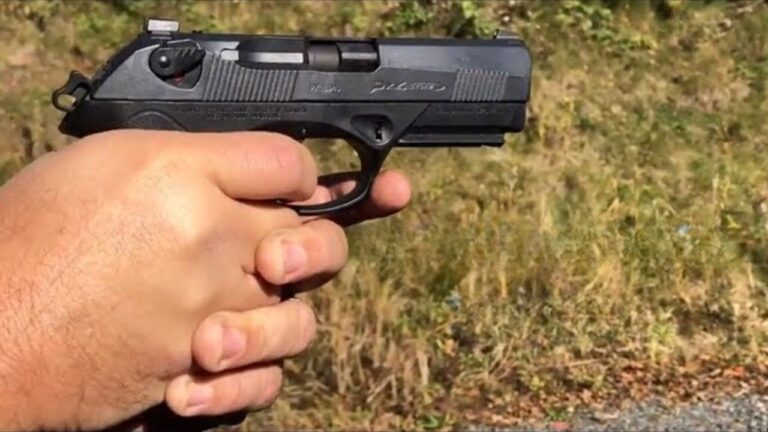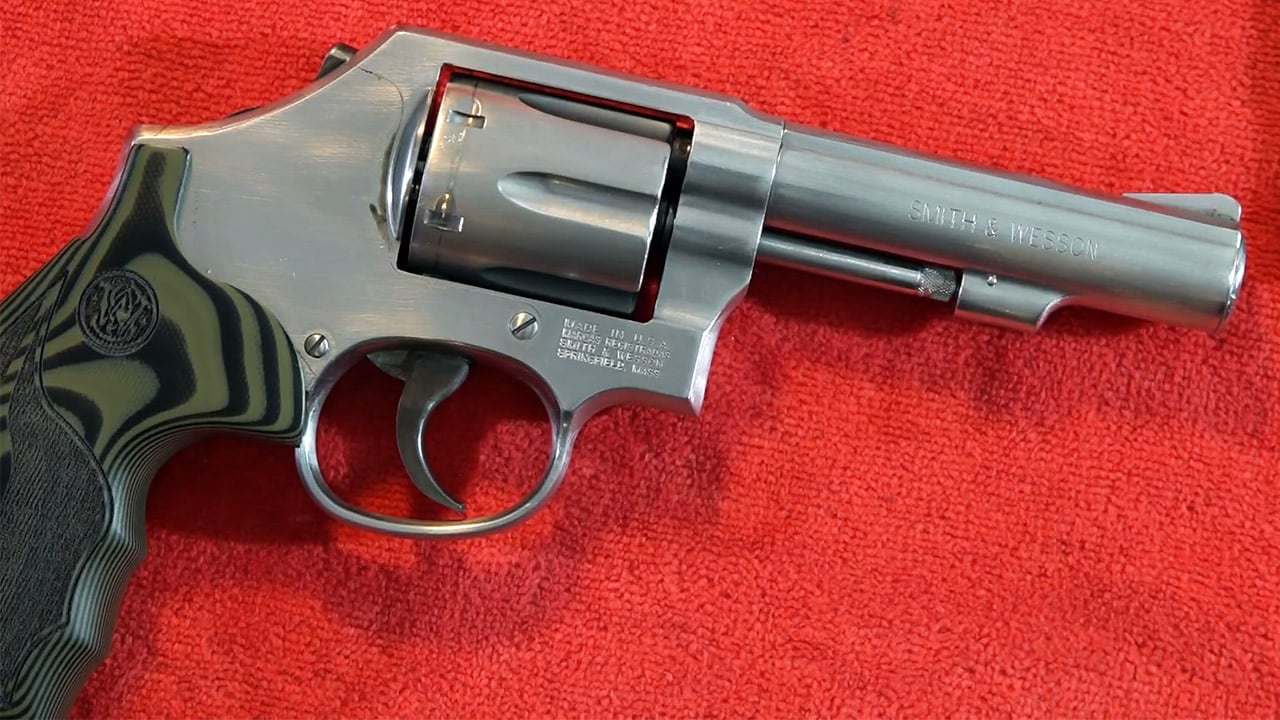
Photo credit: BERETTA9mmUSA/Youtube
I have owned enough Smith & Wesson revolvers to learn one hard lesson: the ones that seem “boring” on the gun counter are often the exact ones you end up trusting in a coat pocket, a tackle bag, or the glove box on a rough two-track. Then you look up a few years later and realize the model you should have bought a second time is gone, replaced by something shinier, lighter, or “updated” in a way that doesn’t actually help you on the range or in the woods.
Not every discontinued wheelgun is a tragedy. Some were slow sellers, some were too niche, and some just got squeezed out by the next marketing cycle. But there are a bunch of Smiths that did real work for real people, and they’re getting harder to find without paying collector prices. Here are 20 that I think should’ve stayed in the lineup.
1. Smith & Wesson Model 19 (K-frame .357 Magnum)

The Model 19 is one of those revolvers that points like it was built for your hand, not for a spec sheet. It carries flatter than a lot of larger .357s, and the balance is right where you want it when you’re shooting double-action at speed.
Yes, heavy diets of hot 125-grain magnums could beat them up over time. But for a woods gun with mostly .38s and occasional .357s, it’s tough to beat. Discontinuing it created a weird gap between “classic carry .357” and “big heavy magnum” that never really got fixed.
2. Smith & Wesson Model 66 (stainless K-frame .357 Magnum)
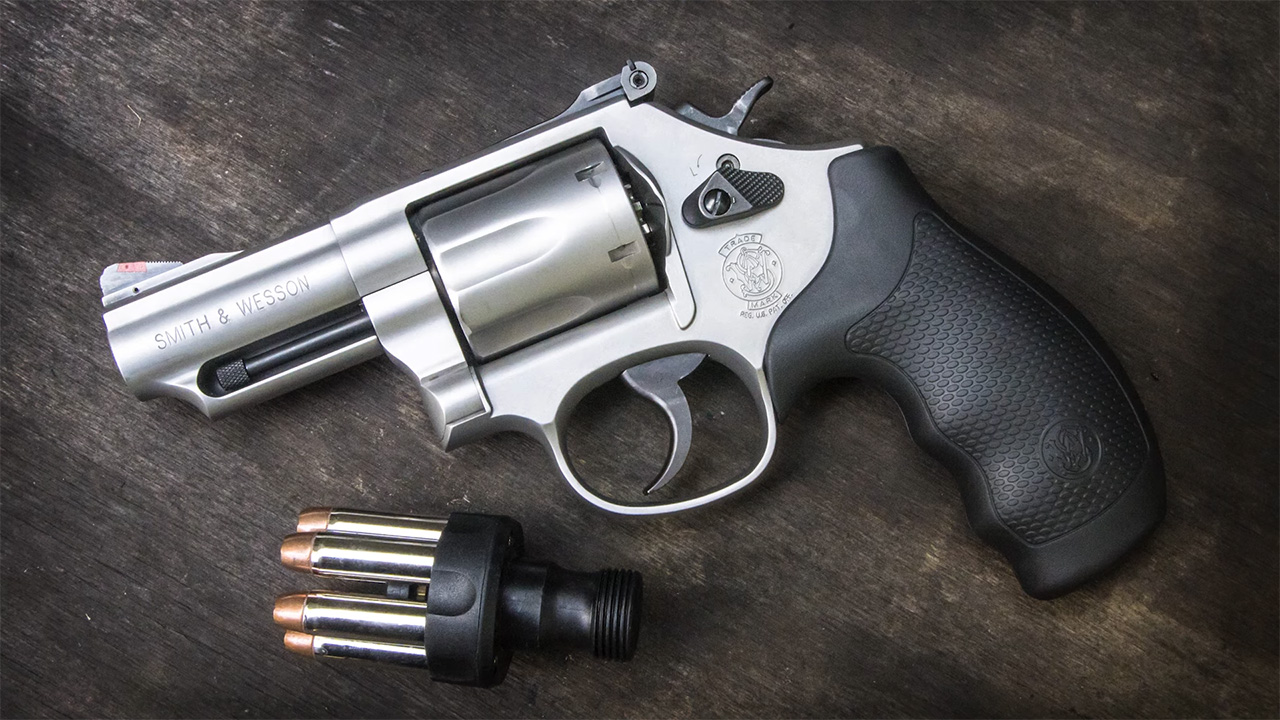
Take everything good about the Model 19 and make it stainless. That’s the Model 66. For folks who actually sweat on guns, get caught in rain, or run a revolver in a fishing vest, stainless matters more than internet arguments do.
The 66 had the look, the handling, and the real-world durability that makes sense outside a climate-controlled safe. It’s a working gun, and it got treated like a nostalgia piece.
3. Smith & Wesson Model 13 (fixed-sight K-frame .357 Magnum)
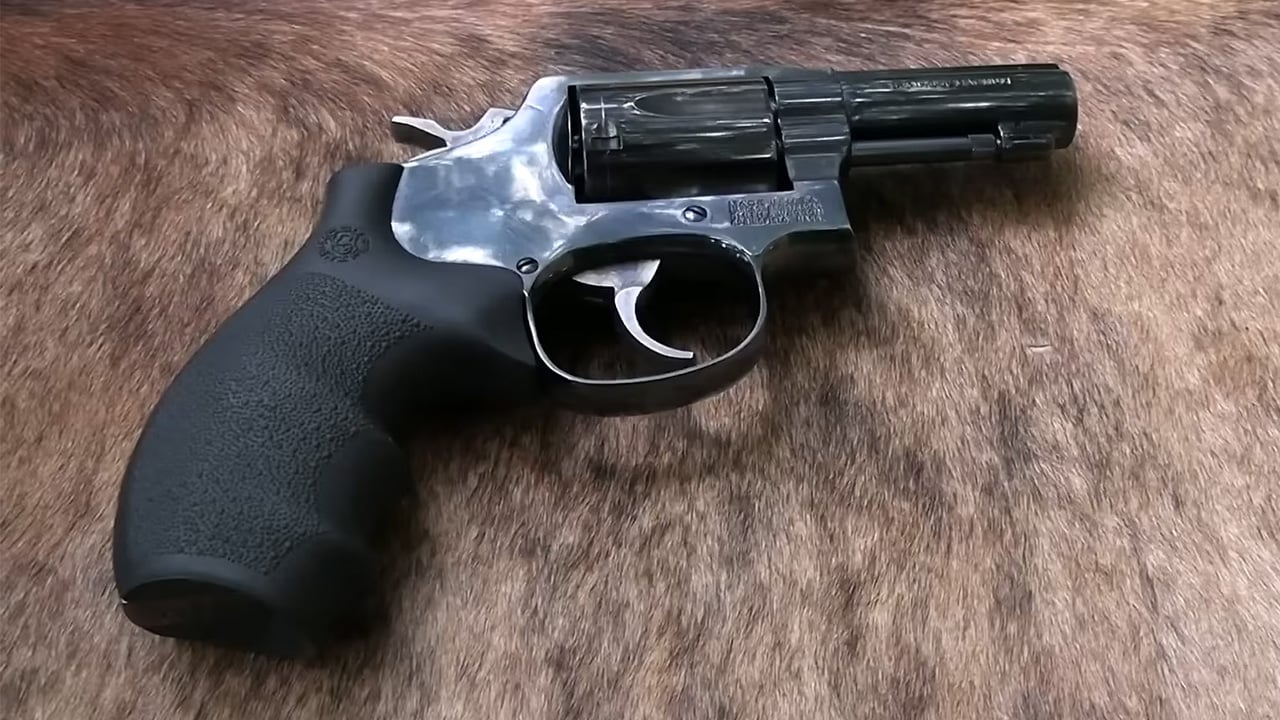
Fixed sights on a .357 sound like a compromise until you snag an adjustable rear sight on a jacket lining or smack it on a truck door frame. The Model 13 kept things clean and sturdy, and it still shot like a K-frame should.
It was the kind of revolver you could actually carry a lot without babying. There’s nothing fancy about it, and that is kind of the point.
4. Smith & Wesson Model 65 (stainless fixed-sight K-frame .357 Magnum)
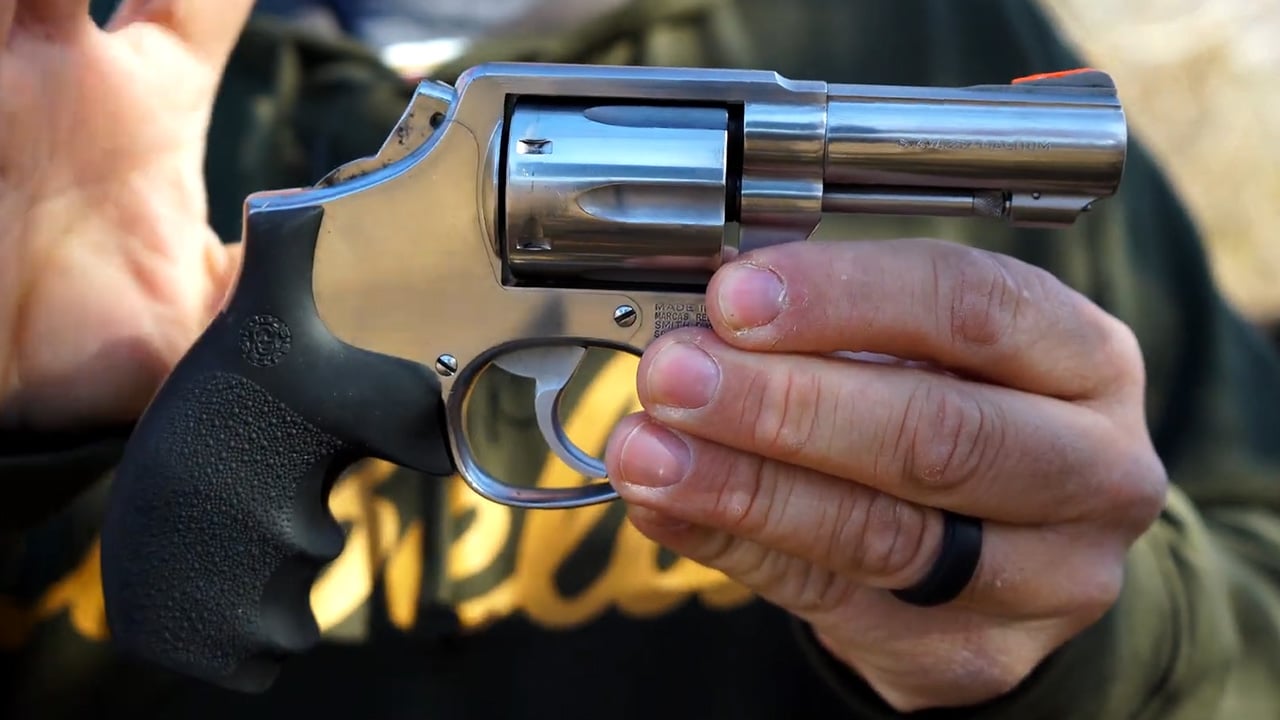
The Model 65 is the “quit worrying and go outside” version of a .357. Stainless, fixed sights, and a profile that doesn’t feel like it’s trying to impress anybody.
If you’ve ever wanted one revolver to live through wet seasons, dusty roads, and the occasional bump against a tree stand ladder, this is that gun. It’s also one of those models you don’t see for a fair price very often anymore.
5. Smith & Wesson Model 10 (Military & Police, .38 Special)
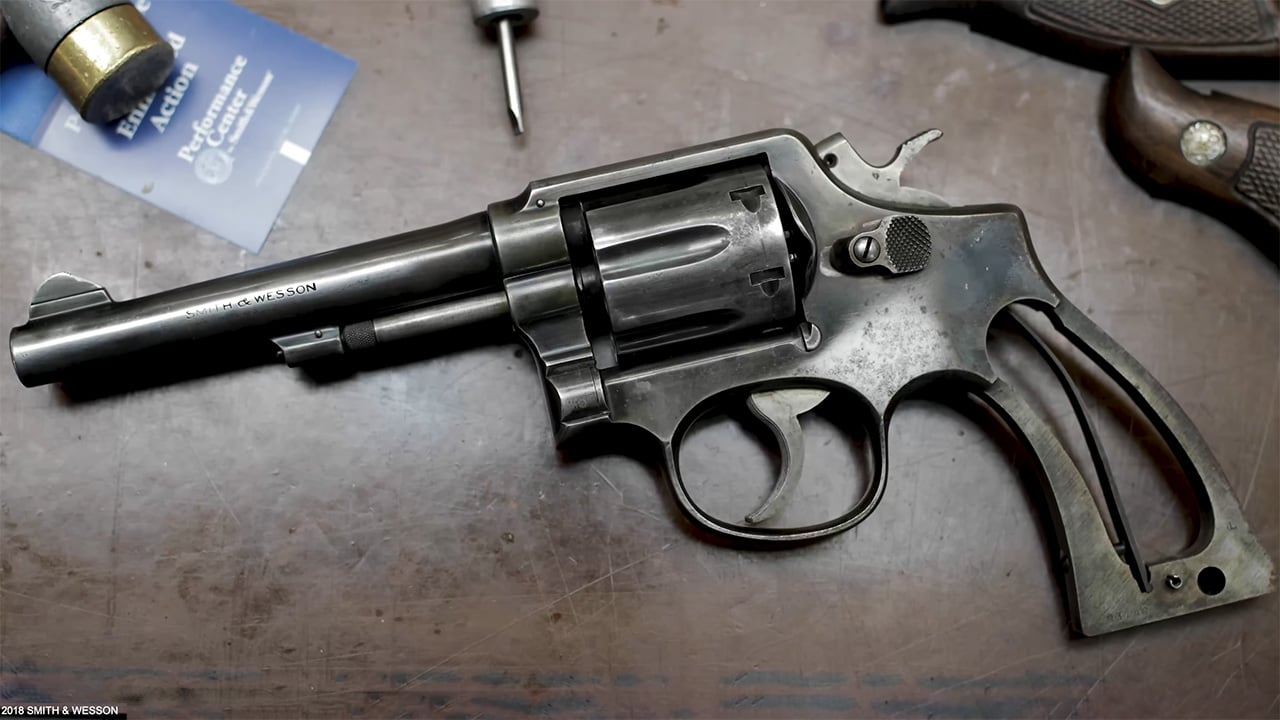
A good Model 10 is what I think of when someone says “revolver” with no other qualifiers. It’s not a boutique piece. It’s a tool that shoots where you look and keeps shooting even when it’s been ridden hard.
For new shooters, it’s one of the best double-action triggers to learn on, and for experienced hands it’s just honest. Discontinuing a baseline like that felt like quitting on the basics.
6. Smith & Wesson Model 64 (stainless Model 10, .38 Special)
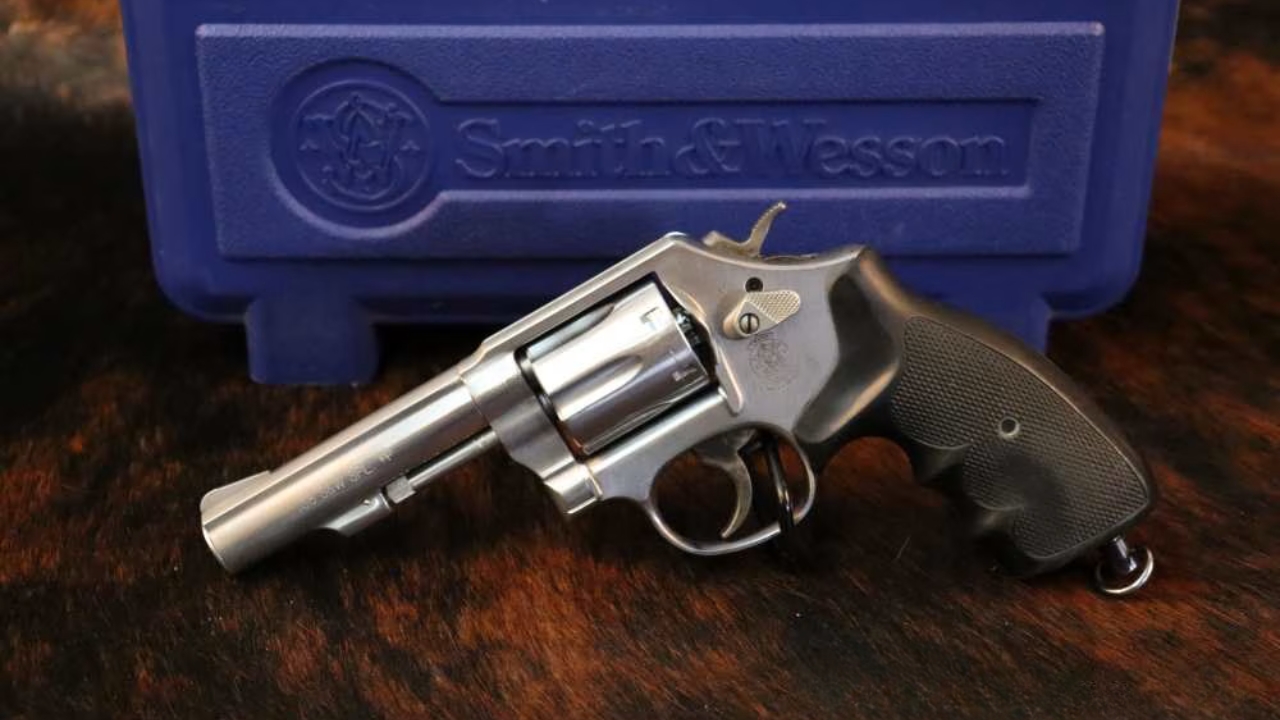
The Model 64 is a Model 10 that doesn’t care about humidity. If you spend time around water—farm ponds, duck blinds, river banks—you understand the appeal immediately.
As a simple home gun or a “leave it be” truck revolver (stored legally and safely, obviously), it makes a lot of sense. I get why it isn’t glamorous, but it’s the kind of revolver that quietly earns its keep.
7. Smith & Wesson Model 15 (K-frame .38 Special, adjustable sights)
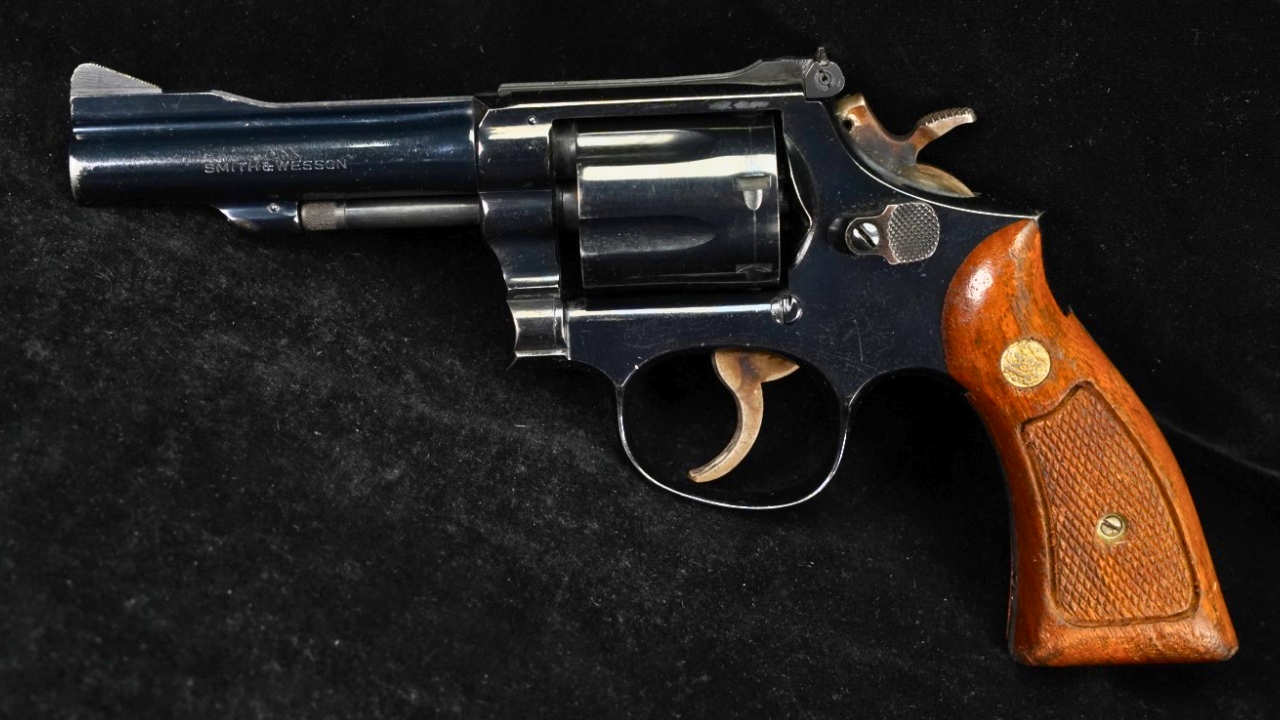
This is one of the sweetest-shooting .38s S&W ever made. The adjustable sights make it a real range revolver, and the K-frame size is about perfect for most hands.
If you’ve ever introduced a new shooter to double-action work, a Model 15 does the job without drama. When these went away, the “nice .38 that isn’t a snub” lane got thinner than it should’ve.
8. Smith & Wesson Model 18 (K-22, .22 LR)
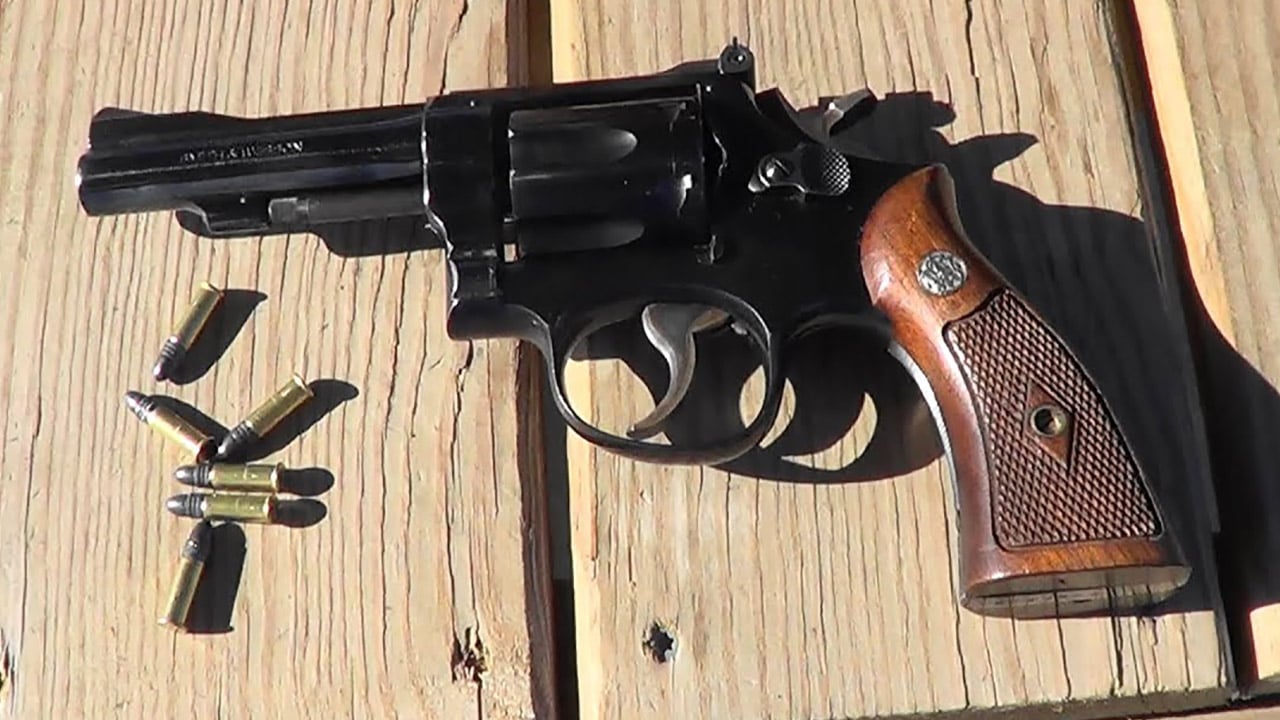
The Model 18 is a .22 that feels like a centerfire revolver, not a toy. That matters when you’re practicing trigger work, sight tracking, and follow-through without burning through expensive ammo.
It’s the kind of revolver that makes you better, and you can hand it to a kid or a buddy without worrying that it’ll be finicky. A good .22 revolver should always be in the catalog.
9. Smith & Wesson Model 17 (K-22 Masterpiece, .22 LR)
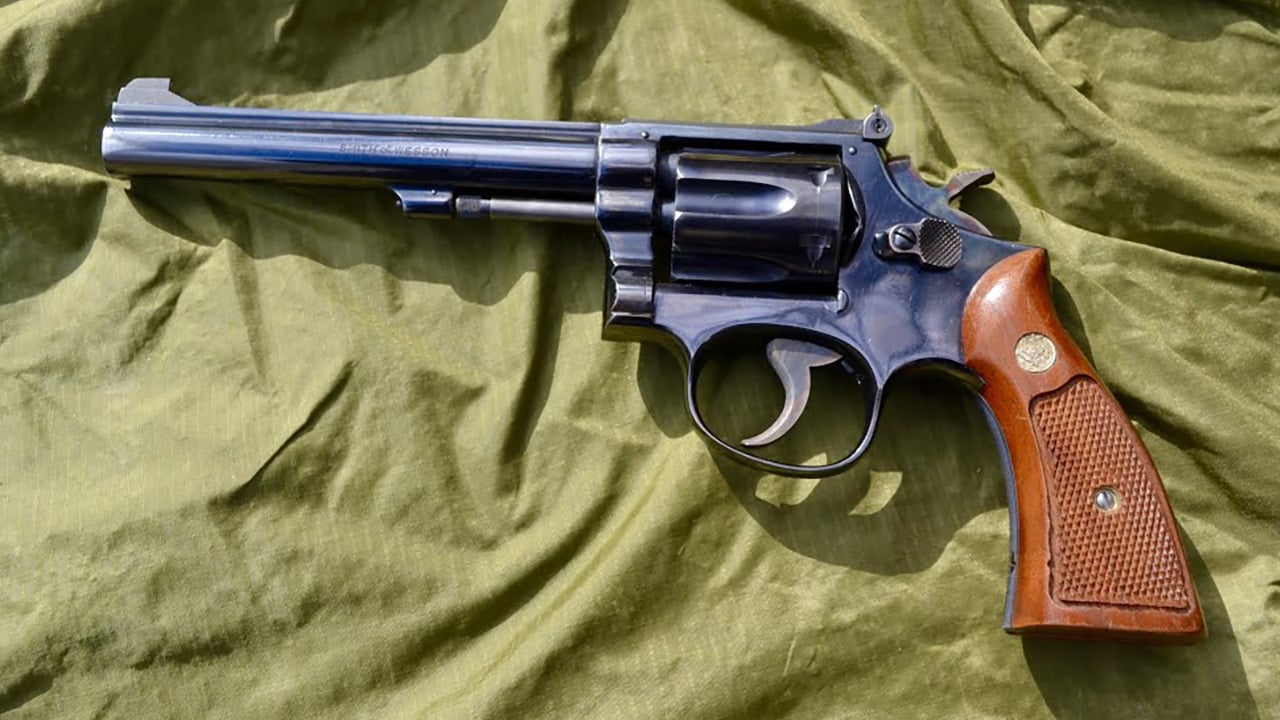
Longer barrel, target sights, and that classic S&W smoothness. The Model 17 is a serious rimfire that will make you admit whether your fundamentals are real or just luck.
When a .22 revolver is this accurate, it becomes a small-game gun, a training gun, and a “let’s shoot after chores” gun all at once. Discontinuing it pushed folks toward polymer .22s that don’t teach the same lessons.
10. Smith & Wesson Model 48 (.22 Magnum)
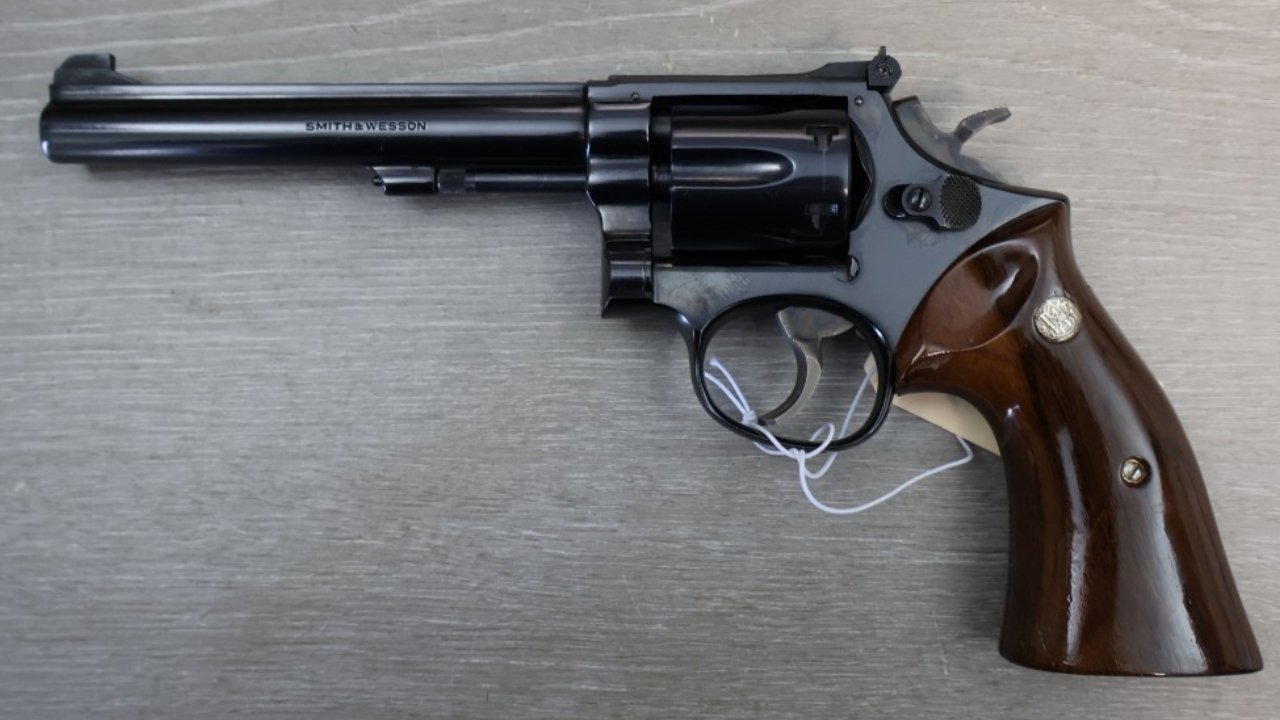
.22 Mag isn’t cheap anymore, but it still has a place for pests and small predators around outbuildings where you want more reach than .22 LR. The Model 48 made that cartridge feel classy and useful, not gimmicky.
It’s also just plain fun, and fun counts. A rimfire revolver that isn’t temperamental is worth keeping around, especially one that can handle field use without acting delicate.
11. Smith & Wesson Model 24 (N-frame .44 Special)
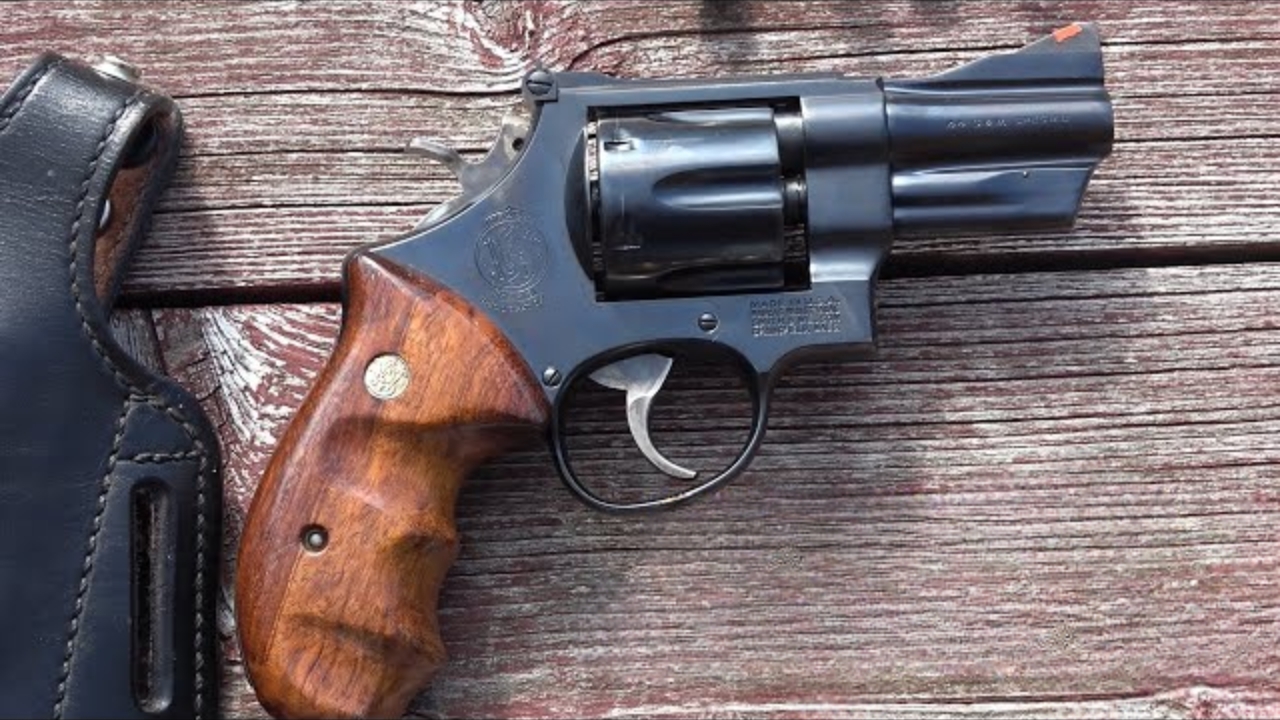
The .44 Special crowd is loyal for a reason. It hits hard without the blast and punishment of magnum loads, and it does it in a way that’s surprisingly shootable.
The Model 24, when you find one, tends to have that smooth, rolling recoil that makes you want to shoot “one more cylinder.” It’s not for everybody, but it didn’t deserve to be treated like a limited-time curiosity.
12. Smith & Wesson Model 696 (L-frame, 5-shot .44 Special)
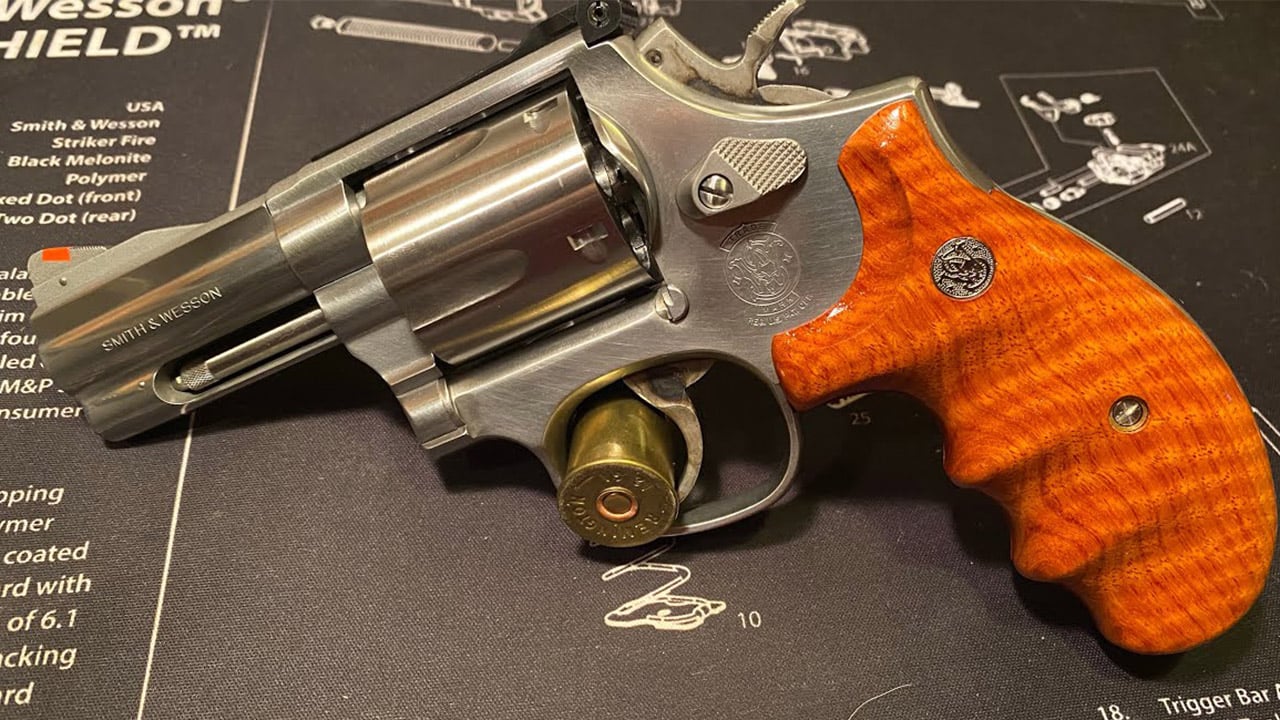
This one hurts. A compact, five-shot .44 Special on an L-frame is a near-perfect woods carry idea for guys who want bigger than .357 but don’t want a boat anchor.
They’re not light, but they carry well in a good holster and shoot well with sensible loads. The 696 is one of those revolvers people sell during a money pinch and regret for years.
13. Smith & Wesson Model 610 (N-frame 10mm Auto)
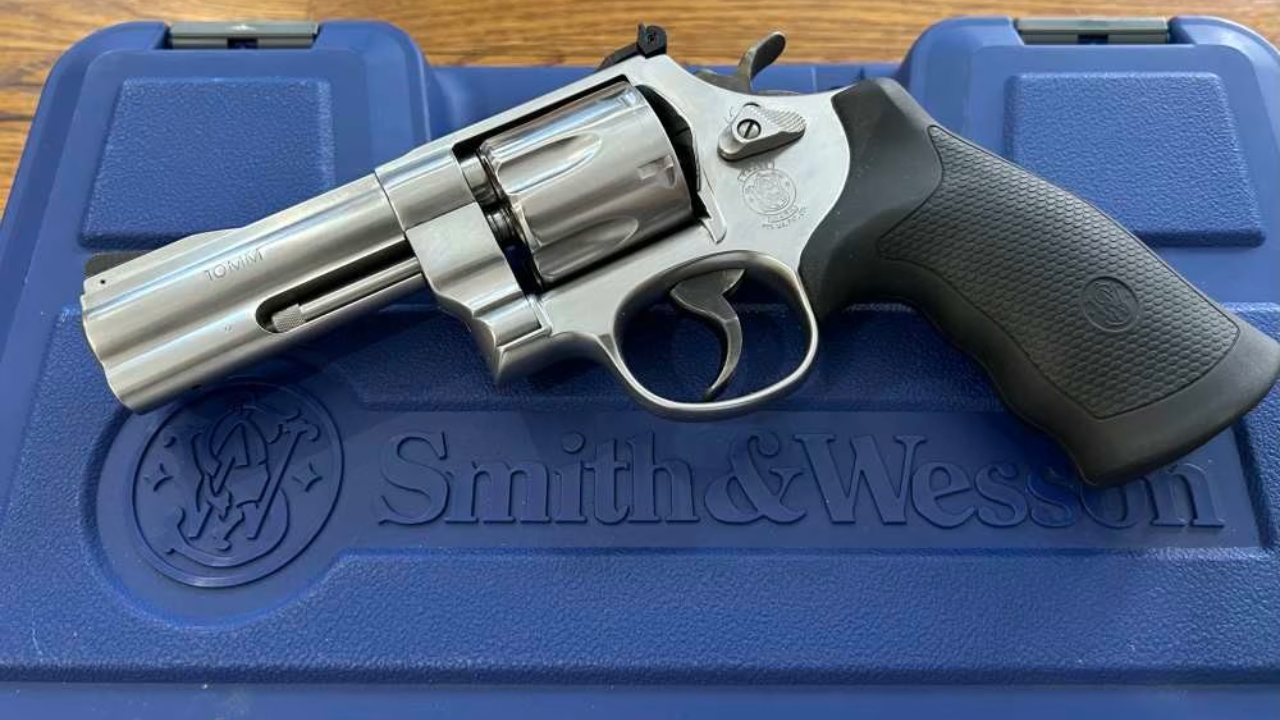
A moon-clip 10mm revolver is the kind of thing you don’t appreciate until you run one. Fast reloads, strong brass, and the ability to shoot stout loads without a semi-auto’s feeding quirks.
It’s a niche gun, sure, but it’s a practical niche—especially for folks who already stock 10mm. When 610s dry up, they get expensive in a hurry.
14. Smith & Wesson Model 625 (N-frame .45 ACP)

The 625 is what happens when a “competition idea” turns into a revolver you can actually use. Moon clips make it fast, and .45 ACP is easy to find and easy to shoot.
It’s not a mountain-carry gun, but for the range and home use it’s a hammer with a smooth trigger. The good ones feel like they’re on ball bearings.
15. Smith & Wesson Model 629 Mountain Gun (lightened .44 Magnum)
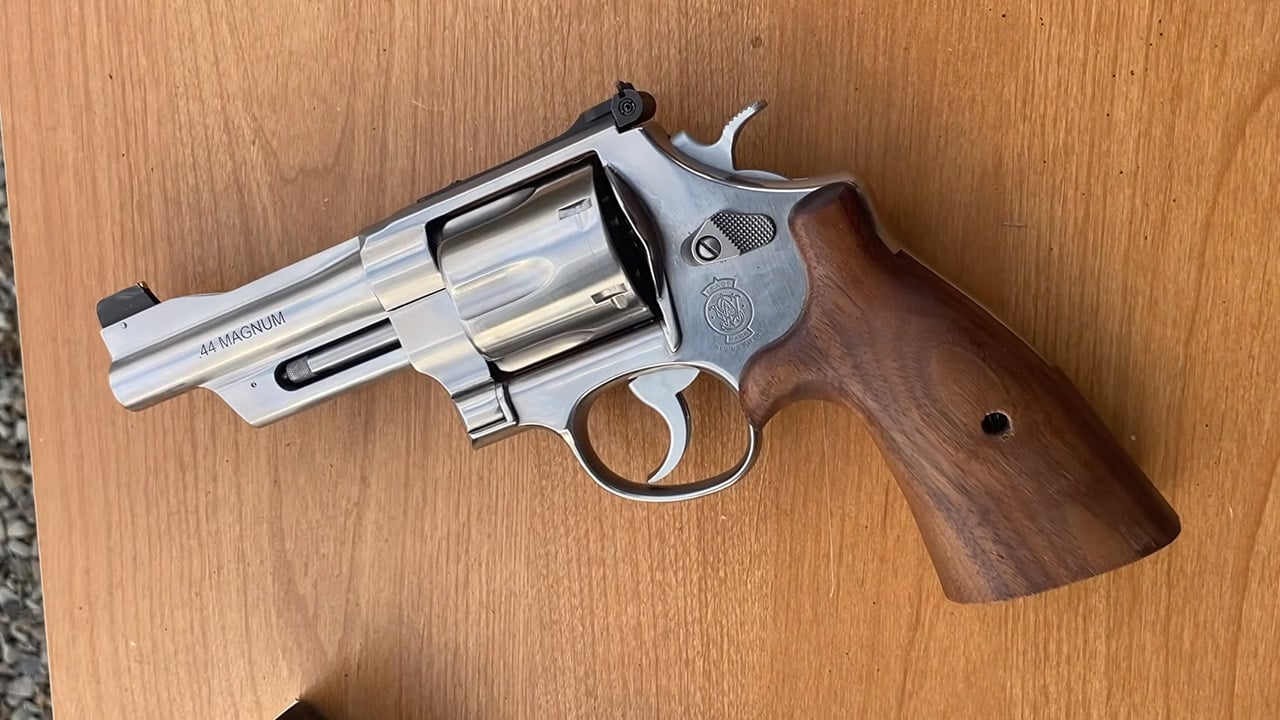
A full-size .44 Magnum on your hip all day will teach you humility. The Mountain Gun concept—trim it down, carry it more, shoot it enough—made sense for hunters and hikers who actually move.
Load it with sensible .44 Specials for most work and keep a few heavy magnums around if you live where teeth and claws are a real concern. Discontinuing versions of this left folks choosing between too-heavy and too-light, with not much middle ground.
16. Smith & Wesson Model 586 (blued L-frame .357 Magnum)
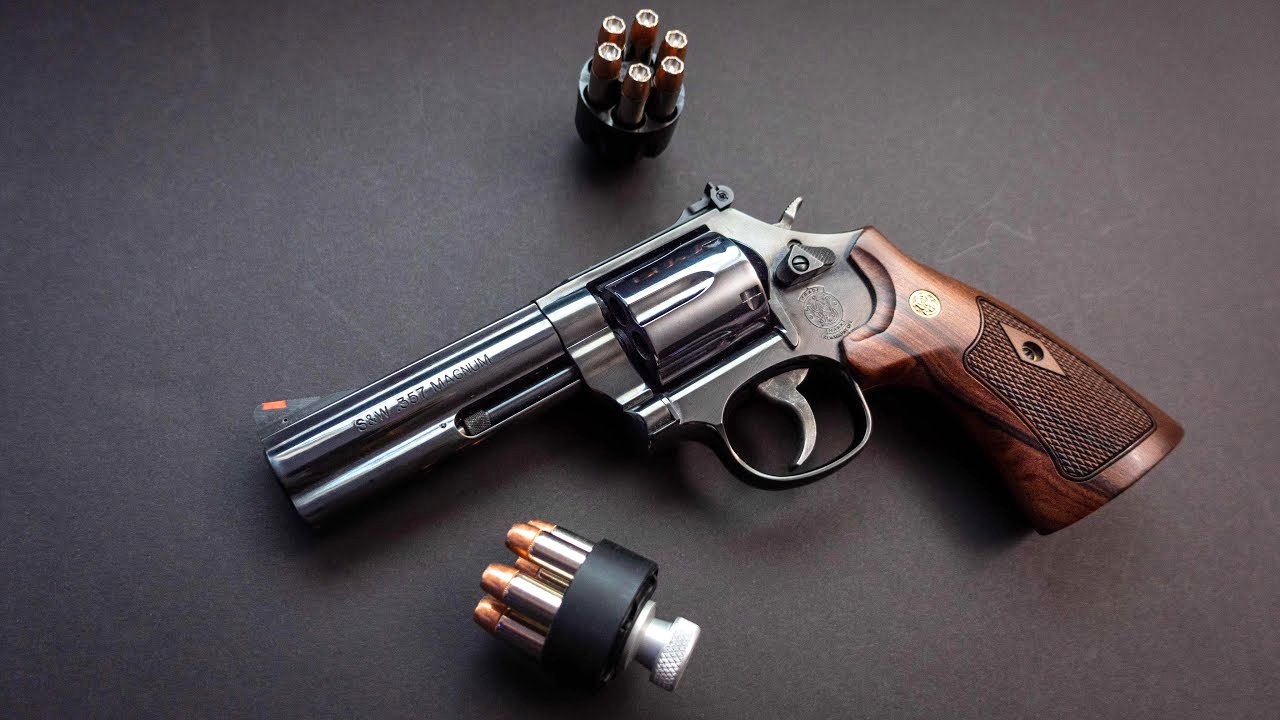
The 586 is an all-day shooter. L-frames soak up recoil better than K-frames, and they stand up well to steady magnum use. The blued finish also just looks right on a classic .357.
It’s not a pocket gun, and it’s not trying to be. It’s the revolver you take to the range and realize you’re smiling after the first box of ammo.
17. Smith & Wesson Model 681 (fixed-sight L-frame .357 Magnum)
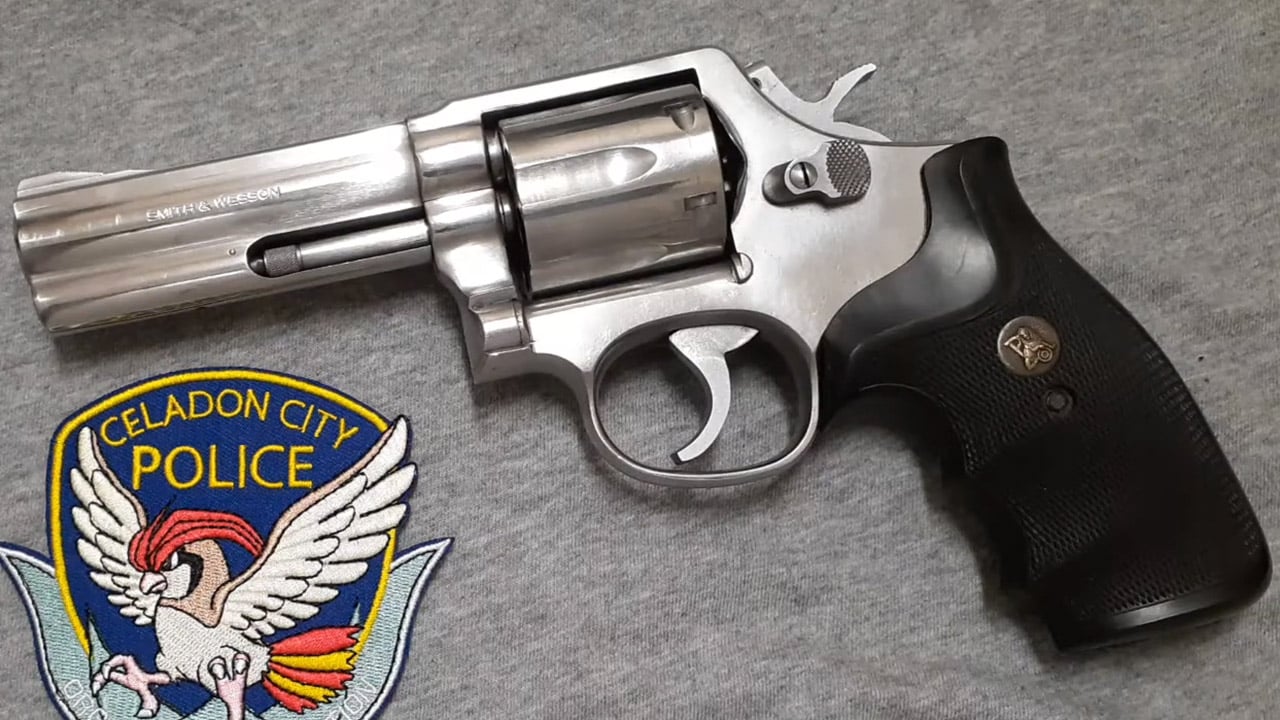
Think of it as the no-nonsense L-frame. Fixed sights, heavy enough to run hard, and built like it expects to be carried in bad weather and bumped around.
If you’ve ever wished your adjustable-sight revolver was just a little more rugged, this model answered that question years ago. It’s a working man’s .357 in a world that keeps trying to reinvent the wheel.
18. Smith & Wesson Model 3913 (9mm compact semi-auto)
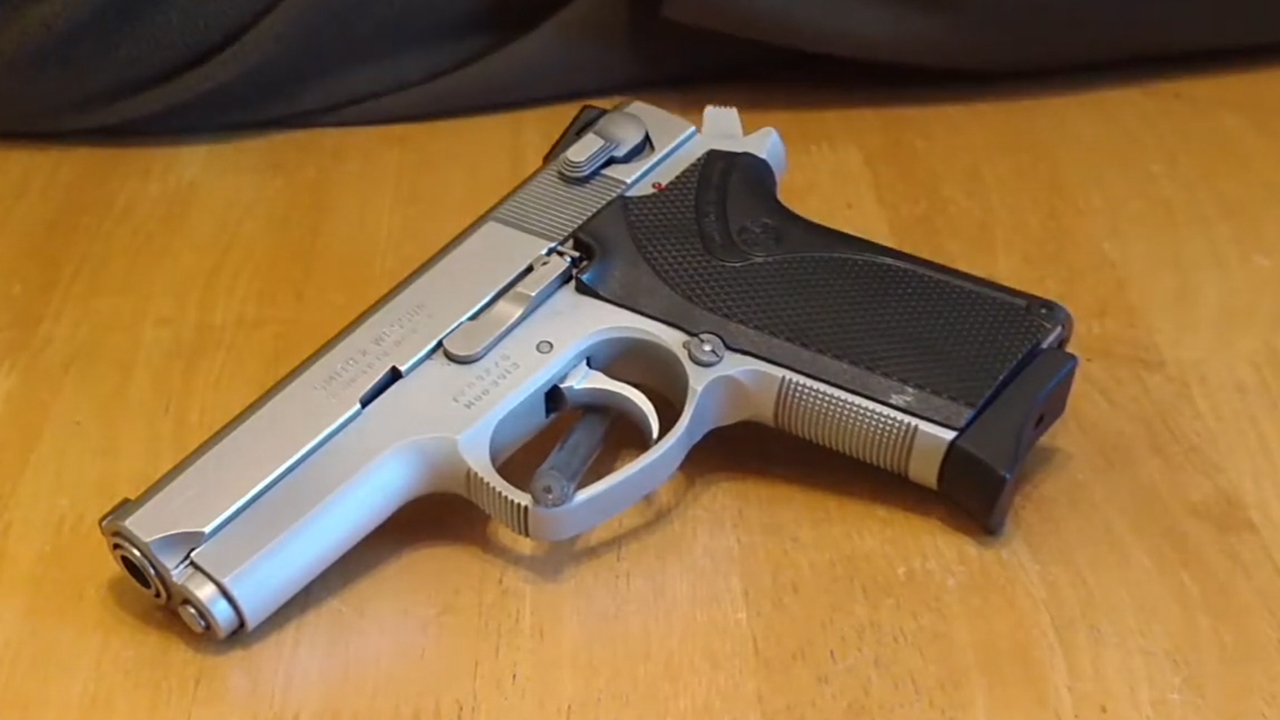
Yes, it’s not a revolver, but I’m putting it here because S&W’s discontinuations didn’t just sting wheelgun fans. The 3913 was one of the best “real carry pistols” ever built—thin, reliable, and easy to live with.
A lot of revolver guys carried them because they had the same straightforward feel: load it, carry it, shoot it, clean it. When they disappeared, the market filled up with thicker guns that don’t carry as nicely for some body types.
19. Smith & Wesson Model 442/642 no-lock runs (J-frame .38 Special)

This one is more about a version than a model name. The lightweight J-frames are still around, but many shooters specifically chase earlier “no-lock” examples because they prefer the simpler setup.
A 642 in a pocket holster has ended more “I’ll just run to town real quick” debates than any tactical internet argument ever will. I’m not here to start a fight about locks, but I will say this: the older runs are what a lot of folks want, and the demand proves it.
20. Smith & Wesson Model 317 Kit Gun (airweight .22 LR)
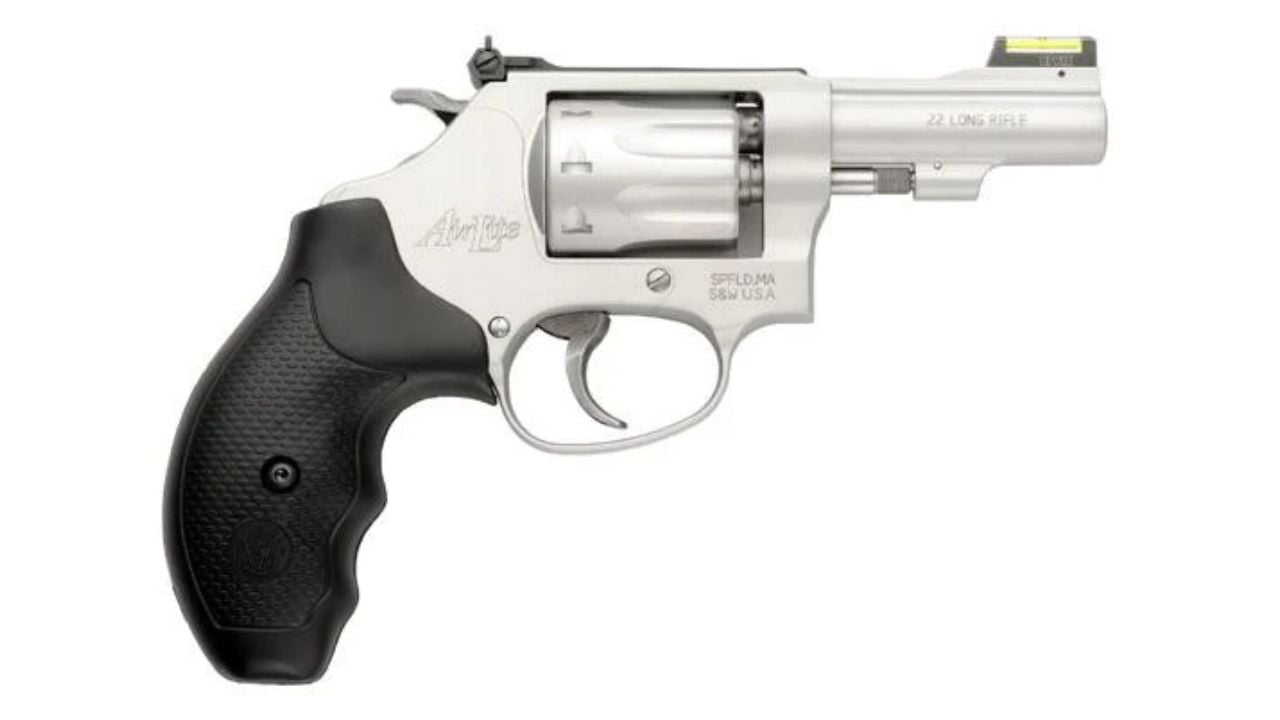
A .22 revolver that weighs next to nothing sounds like a gimmick until you’re actually out walking fence, checking traps, or poking around a barn. Then you realize you’ll carry it because you forget it’s there.
The 317 isn’t a target gun, and it’s not built to impress your buddies at the bench. It’s built for the real world, where a lightweight rimfire that always goes bang is useful more days than not.
Discontinuations happen, and companies chase trends. I get it. But a good revolver isn’t “content,” and it isn’t a seasonal flavor either. The ones listed here earned their reputations the old way—by riding along, getting used, and still working when the weather turned and the plan changed. If you’ve got one of these sitting in the back of the safe, I wouldn’t be quick to let it go. Ask me how I know.
Like The Avid Outdoorsman’s content? Be sure to follow us.
Here’s more from us: