Photo credit: 1957Shep/Youtube
Walk the used-gun counter long enough and you start noticing patterns. Certain .44 Mag revolvers don’t sit. They get asked about, handled, put on layaway, and they’re gone before the next weekend. Part of it is nostalgia, sure. But a bigger part is that the good ones are getting harder to replace in the exact configuration you want—barrel length, finish, dash number, and whether somebody “improved” it with kitchen-table gunsmithing.
The .44 Magnum is still one of the most useful big-bore revolver cartridges ever made for the outdoors. It can be a hunting handgun, a backcountry sidearm, a farm gun, or just a range-day grin machine. And when collector demand meets “they don’t make them like that anymore,” prices tend to move one direction.
1. Smith & Wesson Model 29 (pinned-and-recessed guns)
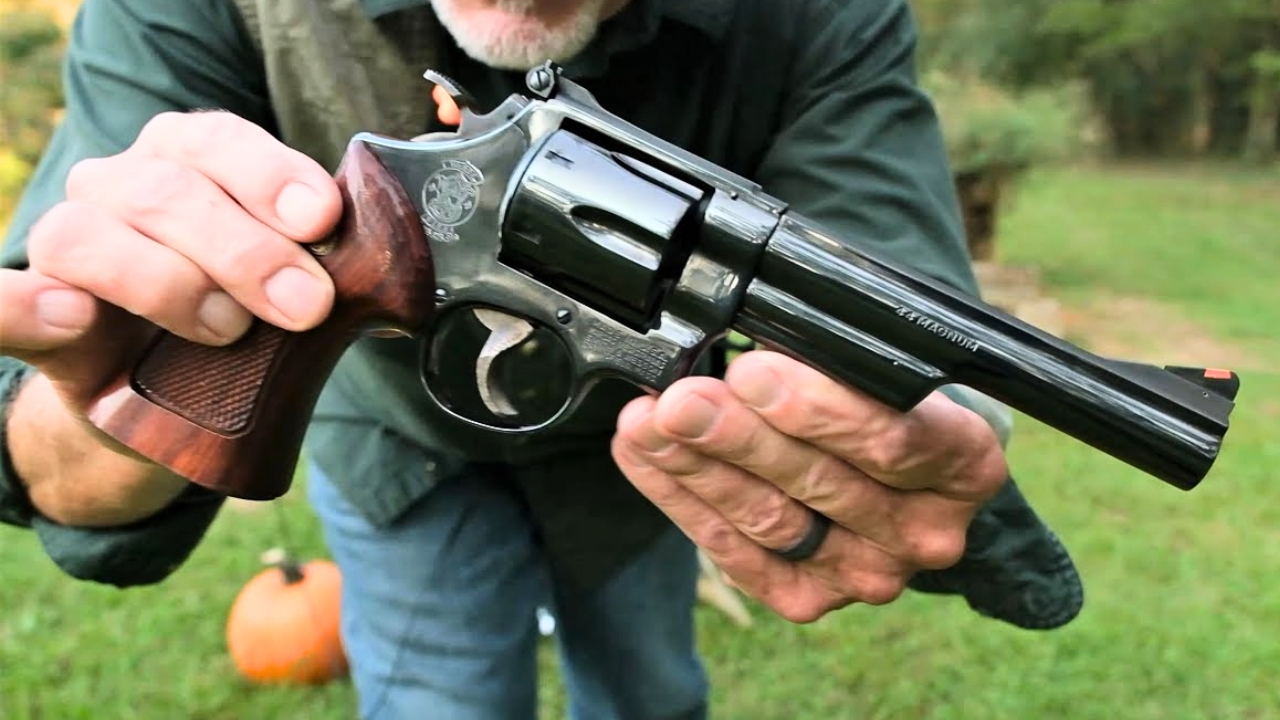
This is the one everybody knows, and for good reason. Older Model 29s with the pinned barrel and recessed chambers have that classic S&W feel—smooth action, clean lines, and a balance that makes you want to keep aiming even when your hands know what’s coming. They’re not indestructible, but they were built in a way you can feel.
The collector chase here is condition and correctness. Original stocks, no drill-and-tap surprises, no “action job” that turned it into a light-strike machine. If you find a clean one that hasn’t been messed with, don’t stand there arguing with yourself for an hour. Ask me how I know.
2. Smith & Wesson Model 29-2 (6.5-inch era)
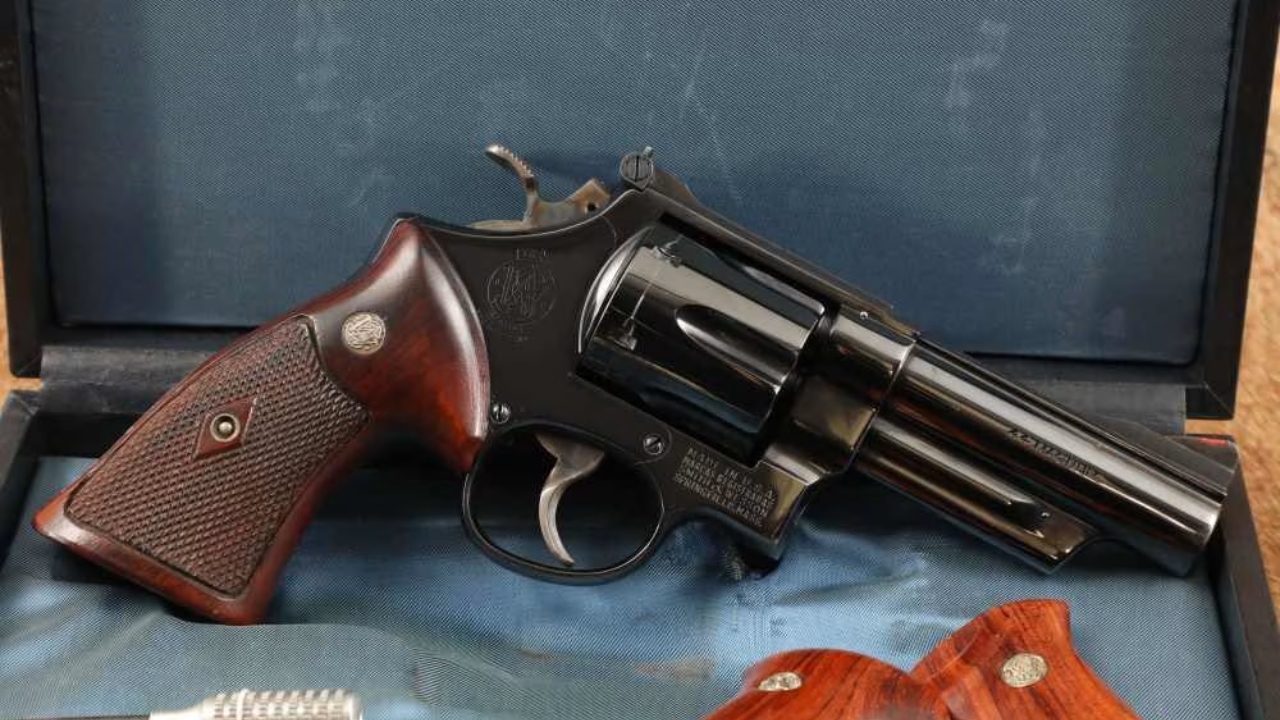
If you’ve spent any time around .44 Mag guys, you’ve heard “29-2” said like it’s a secret handshake. It’s a sweet spot for a lot of shooters: classic look, great triggers, and the long barrel version points like it’s on rails. It’s also the dash number that keeps getting name-dropped when folks talk about “the good ones.”
They’re not all safe queens, and I don’t think they need to be. But I do think the clean examples are the ones that keep creeping upward, especially if the cylinder locks up tight and the timing is right. A sloppy 29-2 is just an expensive project.
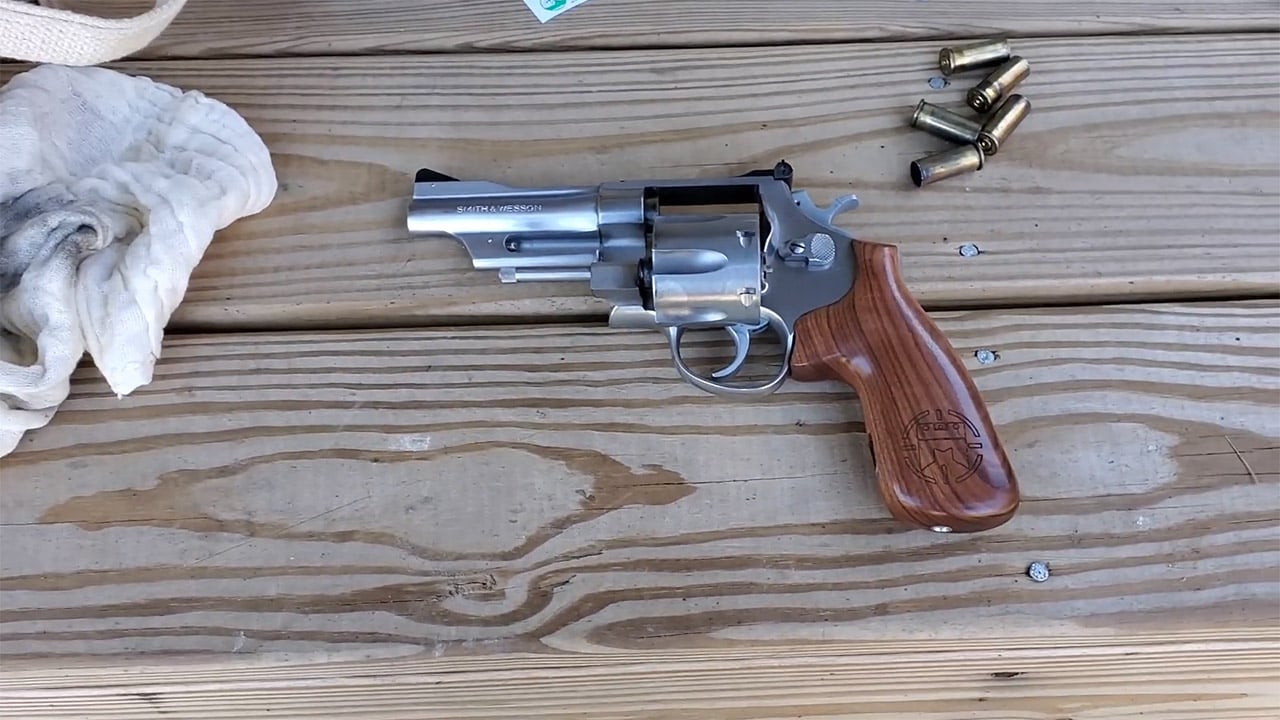
3. Smith & Wesson Model 629 (early no-lock stainless)
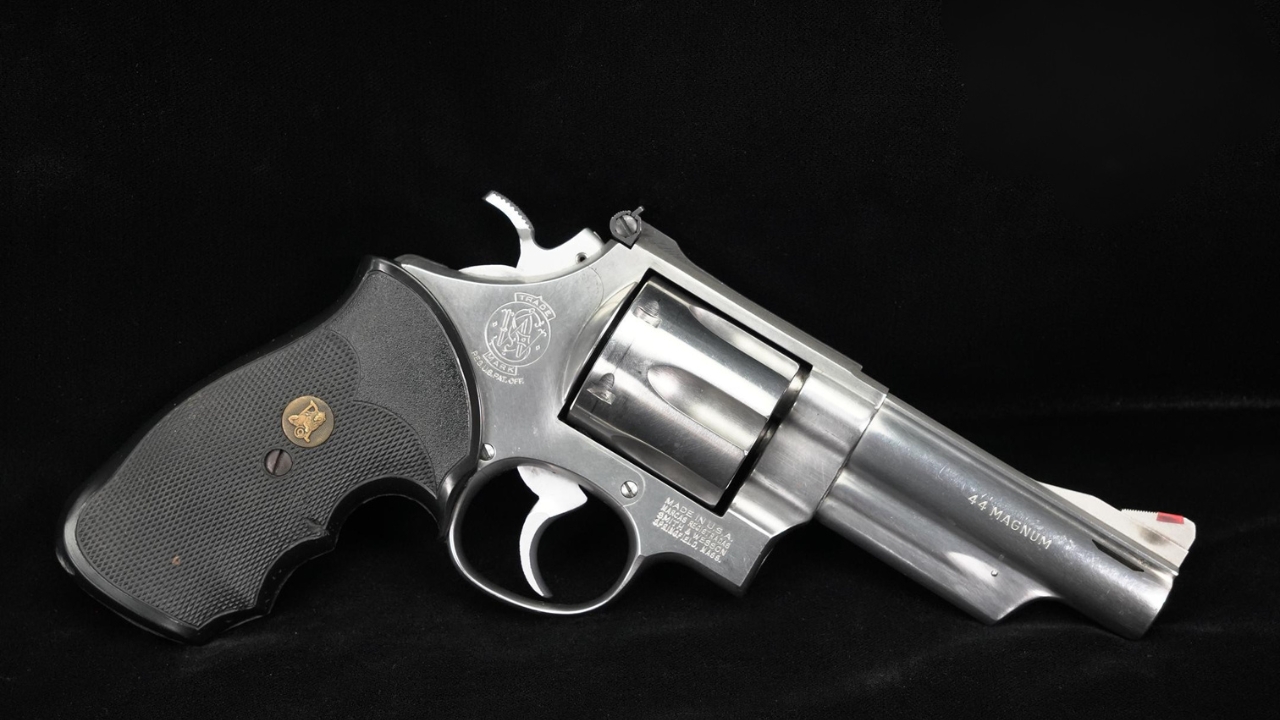
Stainless makes sense for an outdoors revolver. Sweat, rain, and a holster on an ATV seat don’t care about your bluing. The early 629s hit that practical note while still feeling like a traditional S&W—before the later changes that turned off a chunk of buyers.
These are popular with hunters who actually carry them, not just admire them. The trick is finding one that wasn’t shot loose with a steady diet of nuclear handloads. A little honest wear is fine. Loose lockup isn’t.
4. Smith & Wesson Model 629 Mountain Gun
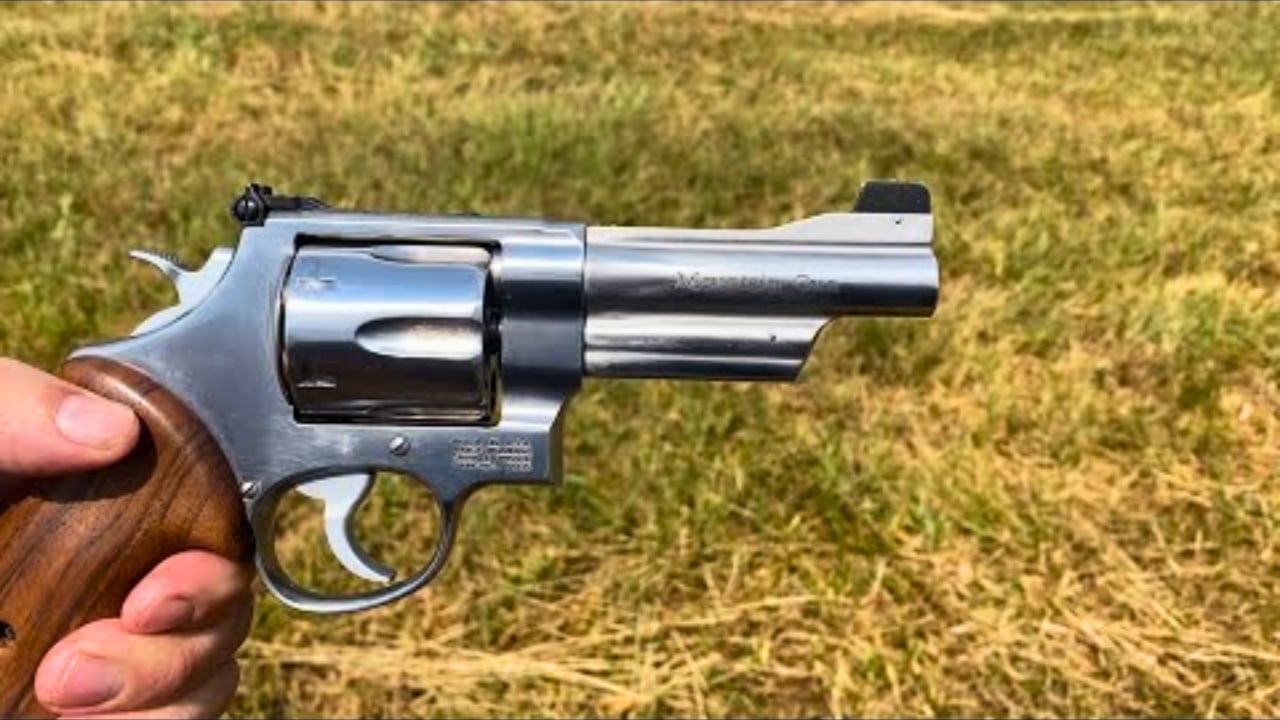
The Mountain Gun is what happens when somebody admits a full-size .44 can be a chore to tote all day. Lighter profile barrel, handier feel, and it rides on your hip without trying to pull your pants down. It’s still a .44 Magnum, so “light” is relative, but it’s a smart setup.
Collectors like them because they were made for use, and plenty got used hard. Finding one with a clean crown and no mystery dings on the forcing cone area is getting tougher. If you want a field .44 that doesn’t feel like an anchor, this one makes sense.
5. Smith & Wesson Model 624 (.44 Special, but part of the same chase)
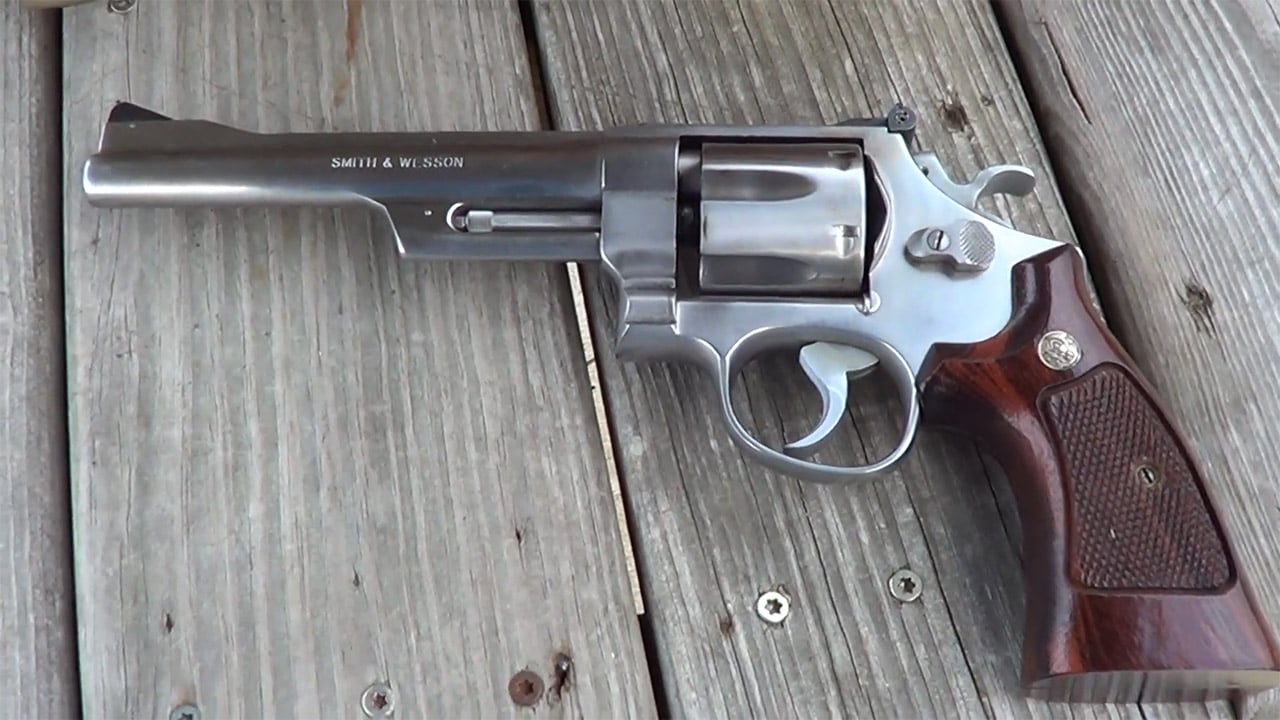
Yes, it’s .44 Special, not .44 Magnum, but it lives in the same neighborhood and collectors lump it into the “big-bore N-frame” hunt. The 624 is one of those revolvers that makes you realize not everybody needs full-tilt magnum recoil to enjoy a big hole in the target.
The reason it matters here is simple: it’s tied to the same S&W era and the same kind of buyer. When .44 Mag prices climb, the adjacent guns often follow. And a clean 624 doesn’t hang around long.
6. Ruger Super Blackhawk (old-model three-screw)
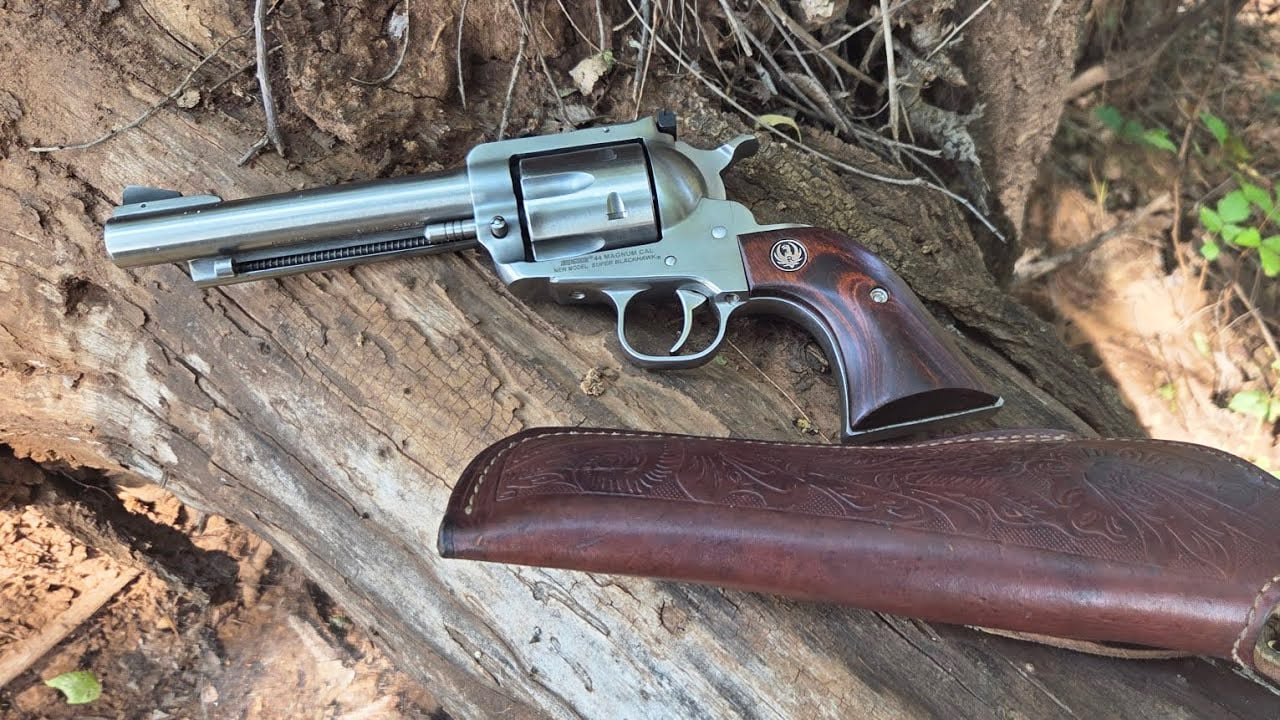
The three-screw Ruger single-actions have a following for a reason. They’ve got that old-school feel, a crisp look, and the kind of rugged simplicity you appreciate after you’ve cleaned mud out of a double-action. They’re not dainty, and they’re not meant to be.
Collectors chase originality: unmodified lockwork, correct parts, and no homebrew polishing that rounded off edges. If you want one as a shooter, that’s fine. If you want one as a collectible, “all original” is the whole game.
7. Ruger Super Blackhawk (Hunter model)
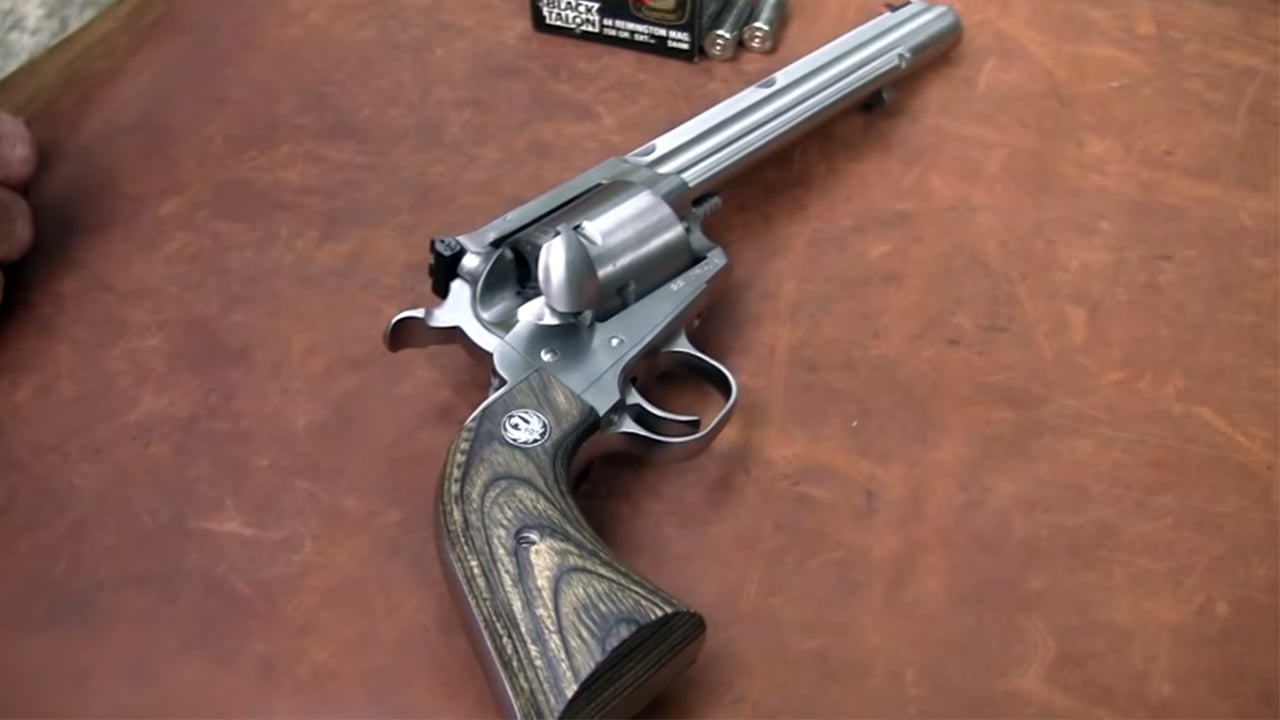
The Hunter model is one of the most practical hunting revolvers Ruger ever turned out. The integral scope ring cuts make it easy to set up without turning the gun into a science project, and the heavy barrel helps you settle in when you’re trying to make a real shot from sticks.
It’s not for everybody, because it’s a chunk of steel. But when you see what folks will pay for clean Hunter models now, it’s obvious the market figured out they aren’t getting more common.
8. Ruger Redhawk (early production)
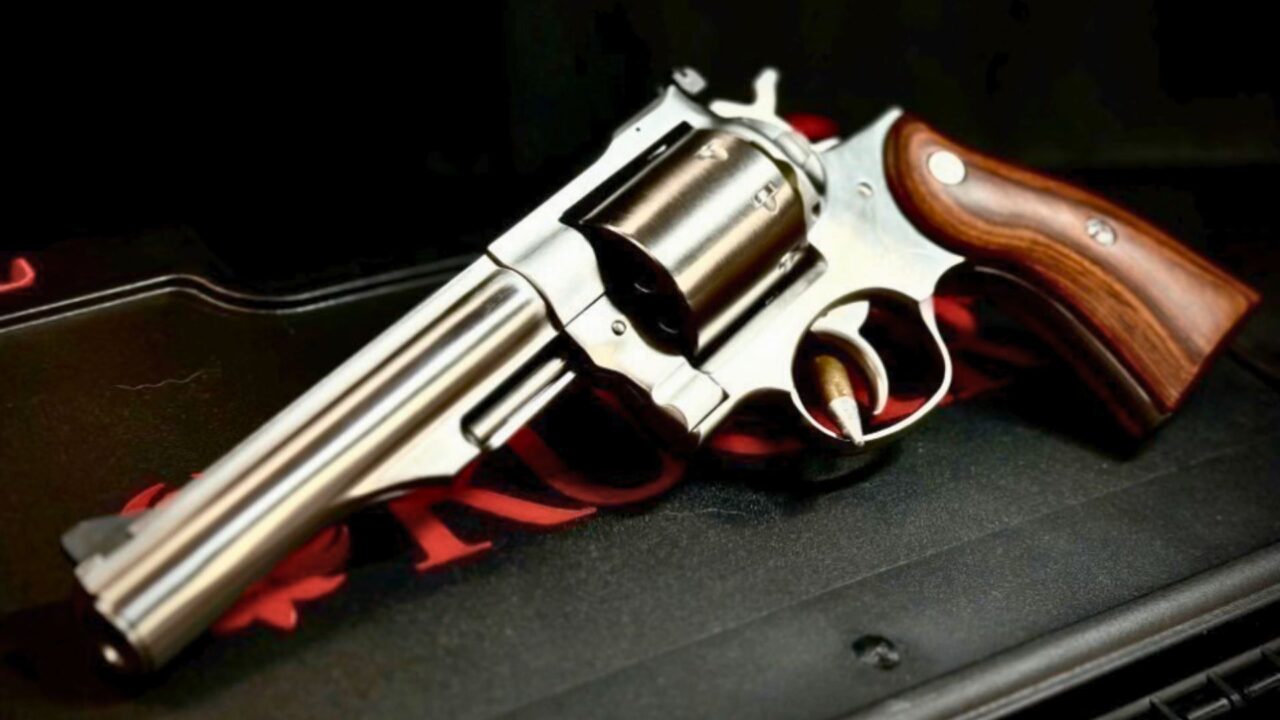
There’s nothing fancy about a Redhawk, and that is kind of the point. Big frame, solid lockup, and it soaks up heavy loads better than a lot of revolvers that feel prettier in the hand. If you’re the type who actually shoots .44 Mag like it’s meant to be shot, the Redhawk has always been a safe bet.
Early production guns tend to get attention because Ruger fans are Ruger fans. The big thing is condition and whether the action is still smooth without being “slicked up” into unreliability. A gritty Redhawk can be fixed. A butchered one is a headache.
9. Ruger Super Redhawk Alaskan (.44 Magnum)

This one is unapologetically specialized. Short barrel, heavy frame, and it’s built for bad-breath distances. It’s the kind of revolver you buy when you want a lot of horsepower in a package that will actually ride in a chest rig without poking you all day.
Collectors aren’t always chasing “practical,” but the Alaskan has a cult following. And every year, more guys decide they want one for the backcountry, which keeps demand up even when ammo prices make range time sting.
10. Colt Anaconda (original production)
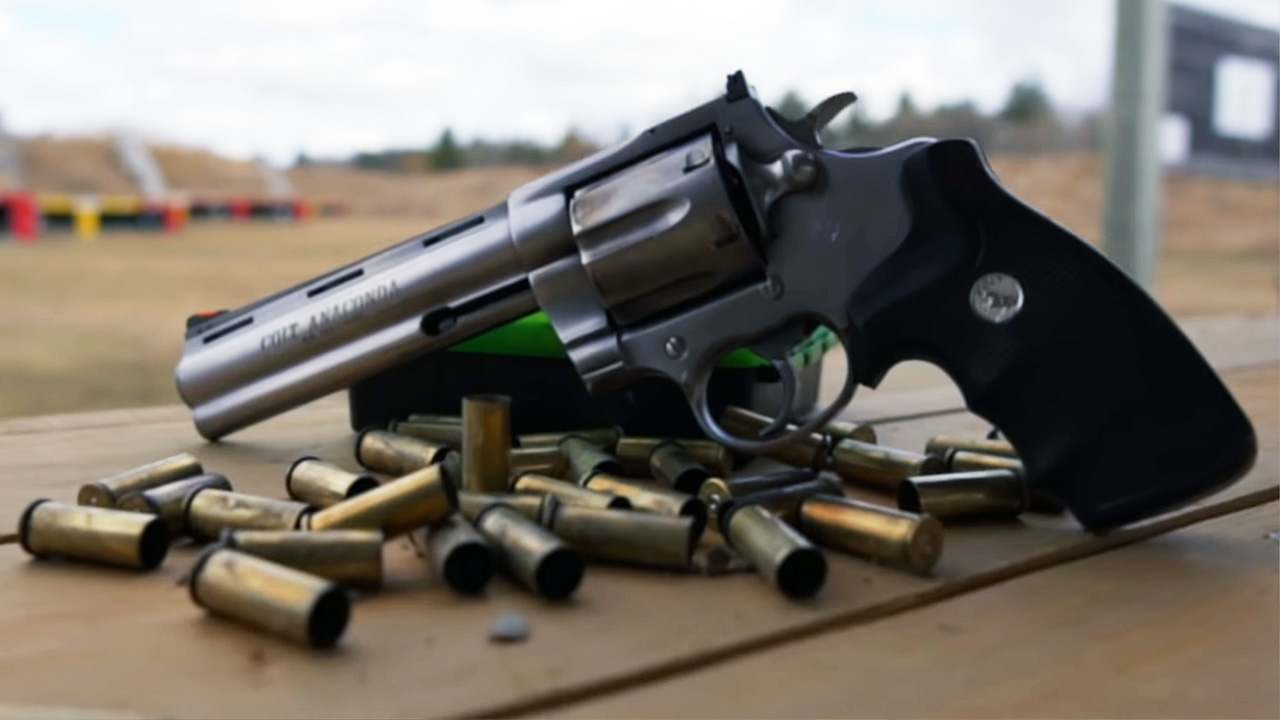
Original Anacondas have become a status symbol, whether we like it or not. Big Colt double-action, strong looks, and that Colt mystique that makes people open their wallets faster than their common sense. They’re good revolvers, but they’re also a “because I want it” gun for a lot of folks.
The collector pressure is real here. If you’ve got one with the box and papers, you already know. If you’re shopping for one, inspect it like you mean it—timing, lockup, and overall condition matter more than the story attached to it.
11. Colt Anaconda (new production)
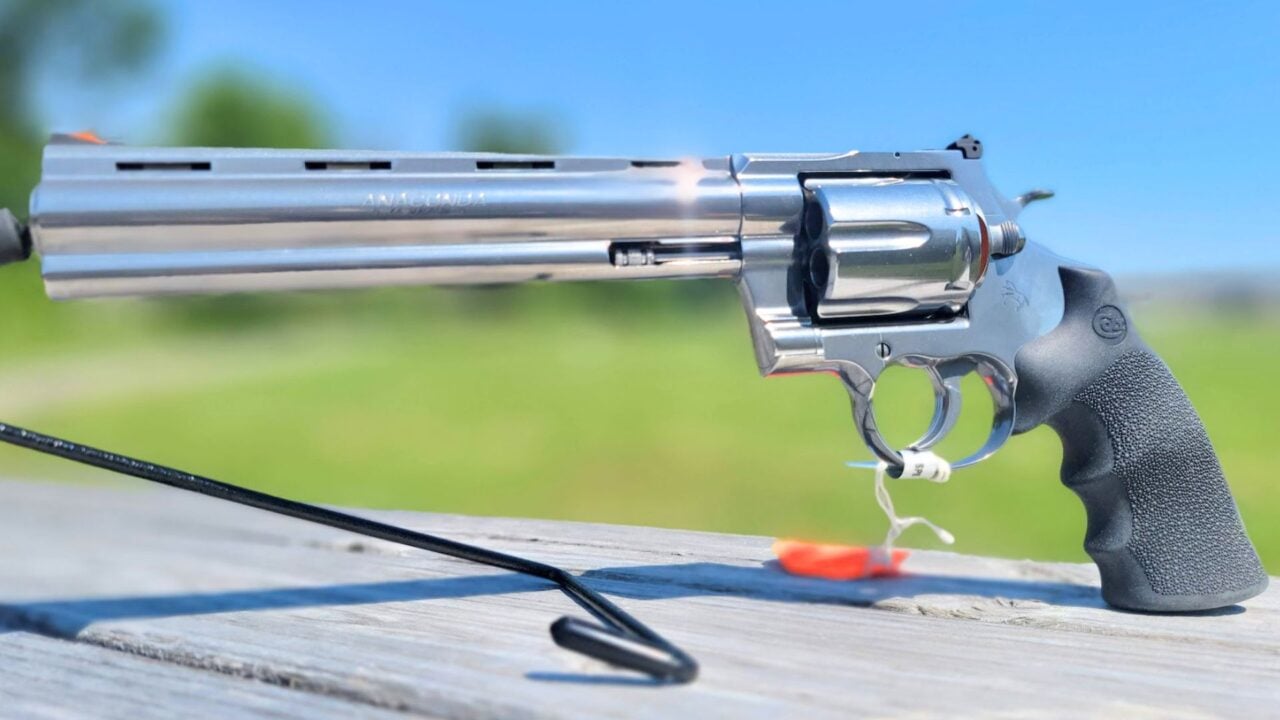
The newer Anacondas shoot well and scratch the itch for folks who missed the original boat. But the early runs of anything tend to develop their own following, and the reintroduction brought attention back to the name. That pulls the whole Anaconda world upward.
As a collector, you’re looking for clean examples and desirable barrel lengths. As a shooter, you’re looking for a good trigger and consistency. Either way, they aren’t getting cheaper just because the catalog has them again.
12. Dan Wesson Model 44 (interchangeable barrel system)
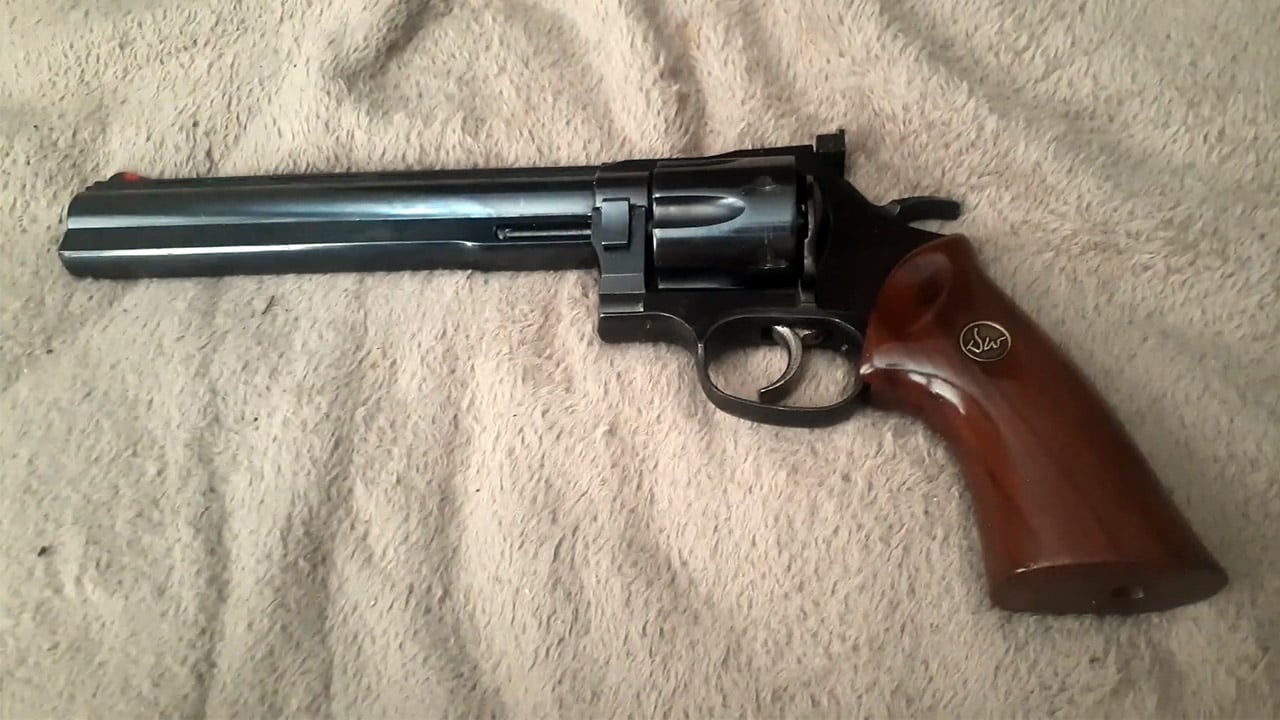
Dan Wesson .44s are one of those “if you know, you know” revolvers. The interchangeable barrel system is both the appeal and the trap. When the gun is complete—with the right shroud, barrel, tool, and case—it’s a collector magnet. When it’s missing parts, it turns into a scavenger hunt.
They tend to shoot very well, and the heavy setups are soft for the cartridge. Just don’t buy an incomplete one thinking you’ll casually find the missing bits next week. That’s how you end up with a cardboard box of almost-gun.
13. Dan Wesson Model 744VH (.44 Magnum “Vented Heavy”)
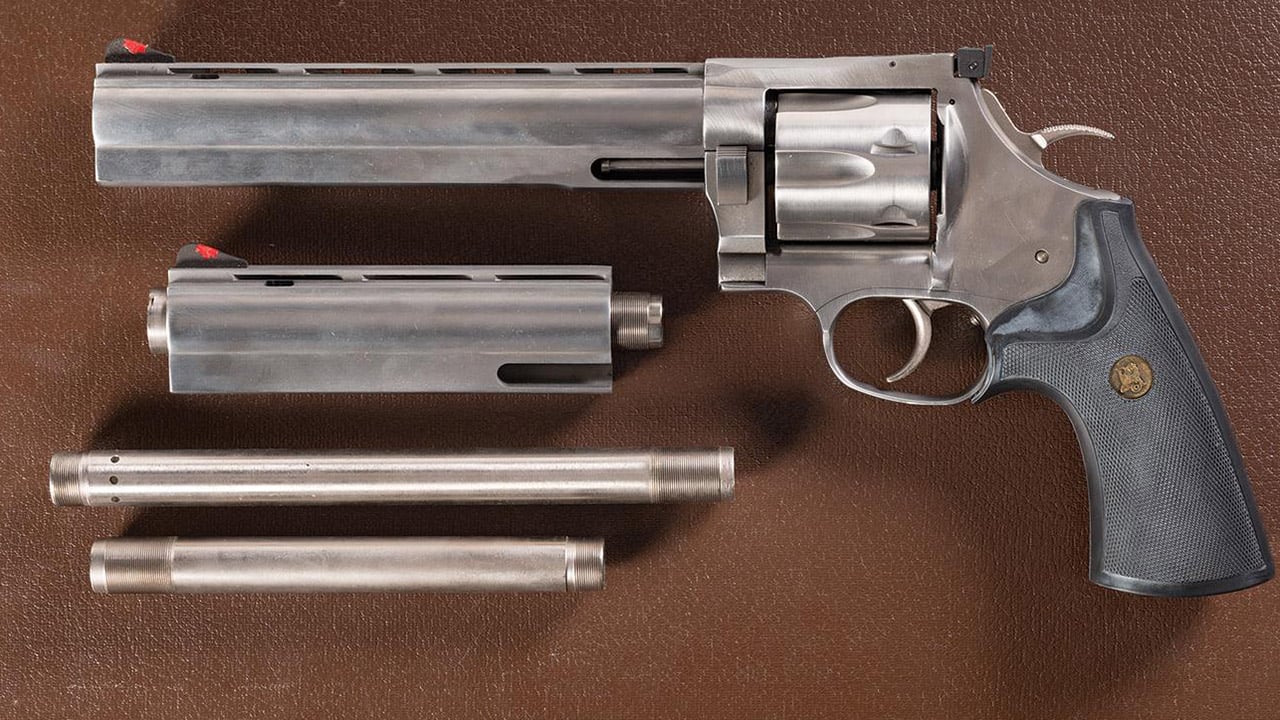
The 744VH is the one a lot of handgun hunters quietly wish they’d bought when they were cheap. Vented heavy shroud, long barrel options, and a steady sight picture that makes longer shots feel less like a gamble. It’s not a dainty packing pistol. It’s a purpose-built rig.
Complete kits bring the money. Even stand-alone revolvers do fine if they’re clean and the barrel system hasn’t been abused. Check the muzzle area and the fit. A cared-for Dan Wesson is a joy. A neglected one is a parts bill.
14. Freedom Arms Model 83 (.44 Magnum)

This is the “serious” single-action. Tight, precise, and built like a bank vault. Freedom Arms revolvers have always been expensive, but they also have a reputation for accuracy that makes you work harder as a shooter. You don’t blame the gun; you blame yourself.
Collectors chase them because the quality is obvious the moment you handle one. If you ever sell a Model 83, there’s a decent chance you’ll miss it later. Not because it was fun and lighthearted, but because it was correct.
15. Magnum Research BFR (.44 Magnum)
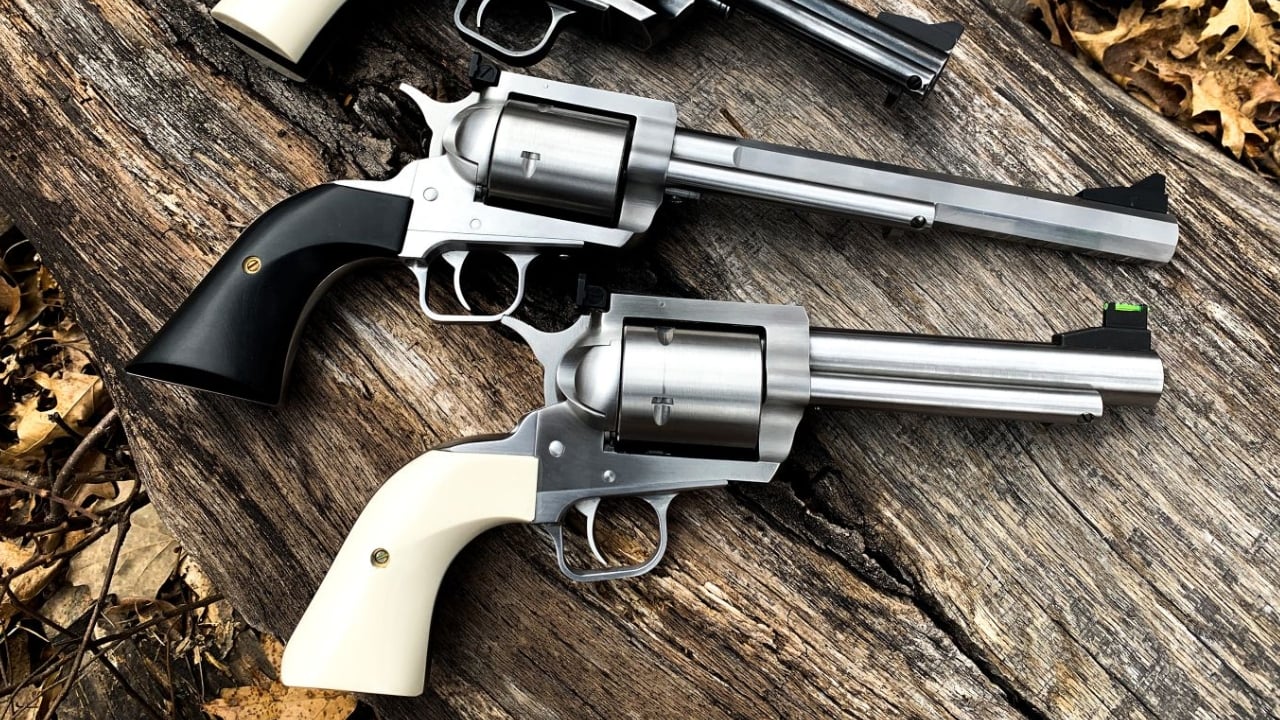
The BFR is big, bold, and not shy about it. It’s a hunting revolver that looks like it could hammer fence posts if you ran out of tools. They shoot, they last, and they have their own crowd that doesn’t care what’s “too much.”
Where collectors get picky is configuration. Certain barrel lengths and finishes are just more desirable, and clean examples don’t always show up locally. It’s also one of those guns that gets bought, fired twice, and traded because it’s heavier than the buyer expected. Their loss.
16. Smith & Wesson Model 629 Classic (full underlug)

The full underlug Classic guns have a different feel than the older profiles. More muzzle weight, steadier hold, and they tend to behave better with stout loads for most shooters. If you’re trying to shoot a .44 well, a little extra weight out front isn’t a bad thing.
Not everybody likes the look, but the market does. A clean 629 Classic is a “do it all” revolver that appeals to both shooters and collectors. That overlap is what pushes prices.
17. Smith & Wesson Model 29 Classic (modern take, old name)
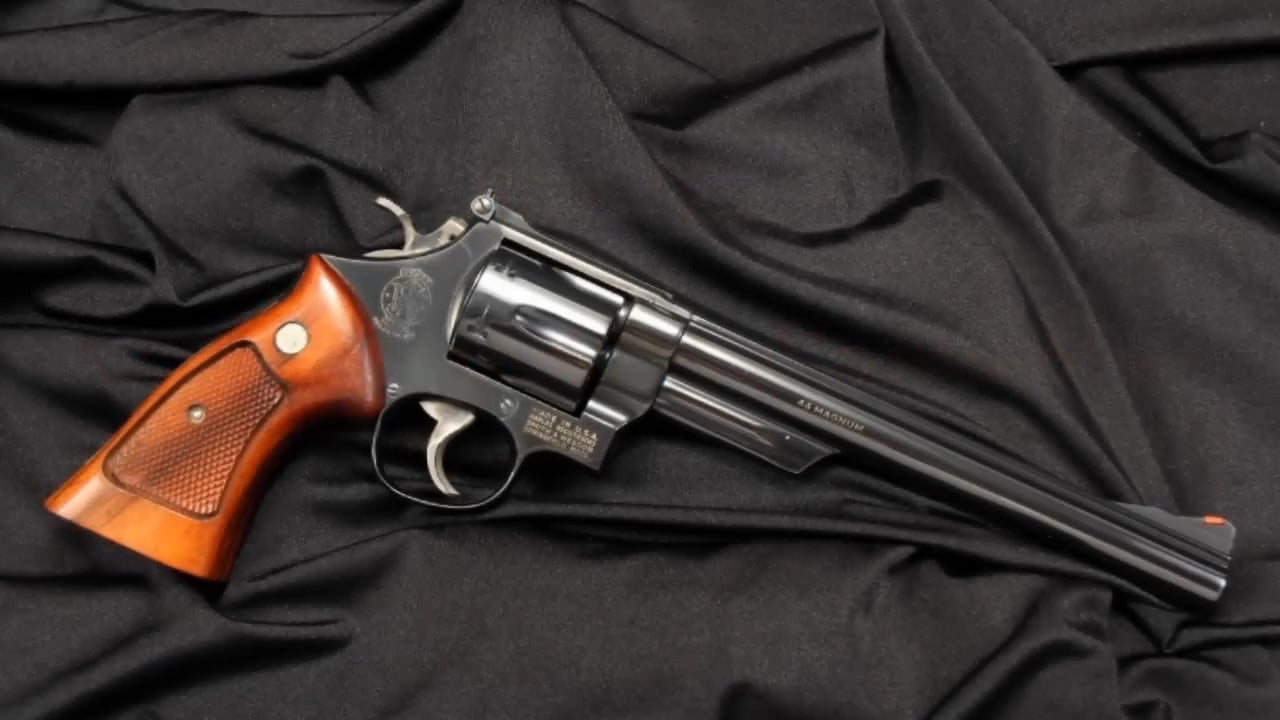
These bring the famous look into a more modern production era, and they’ve got plenty of fans. The appeal is simple: you get the Model 29 vibe without paying top dollar for a vintage pinned-and-recessed gun that you’re afraid to scratch.
Collector interest here is more about limited runs, clean condition, and desirable barrel lengths than it is about old manufacturing details. They’re still the kind of revolver you can hunt with, wipe down, and not feel guilty about.
18. Taurus Raging Bull Model 444
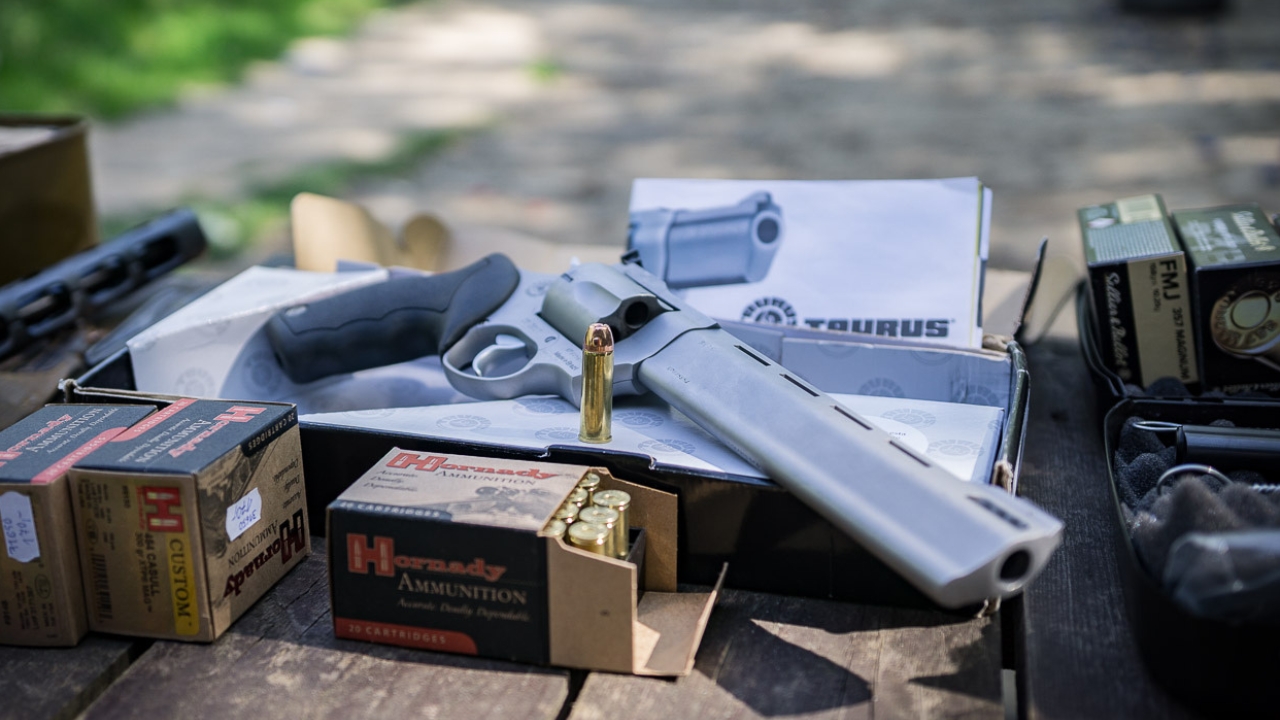
I’m not putting this here to pretend it’s refined. It’s not. But the Raging Bull series has a following, and the .44 version is a real working gun for a lot of folks who wanted power without paying premium-brand prices. The porting, the weight, and that grip design make them manageable for shooters who struggle with lighter .44s.
Collectors chase certain variations and clean early examples, and the funny part is that a lot of these got run hard. Finding one that hasn’t been banged around in a truck console is tougher than it should be.
19. Charter Arms Bulldog (.44 Special, the sleeper)
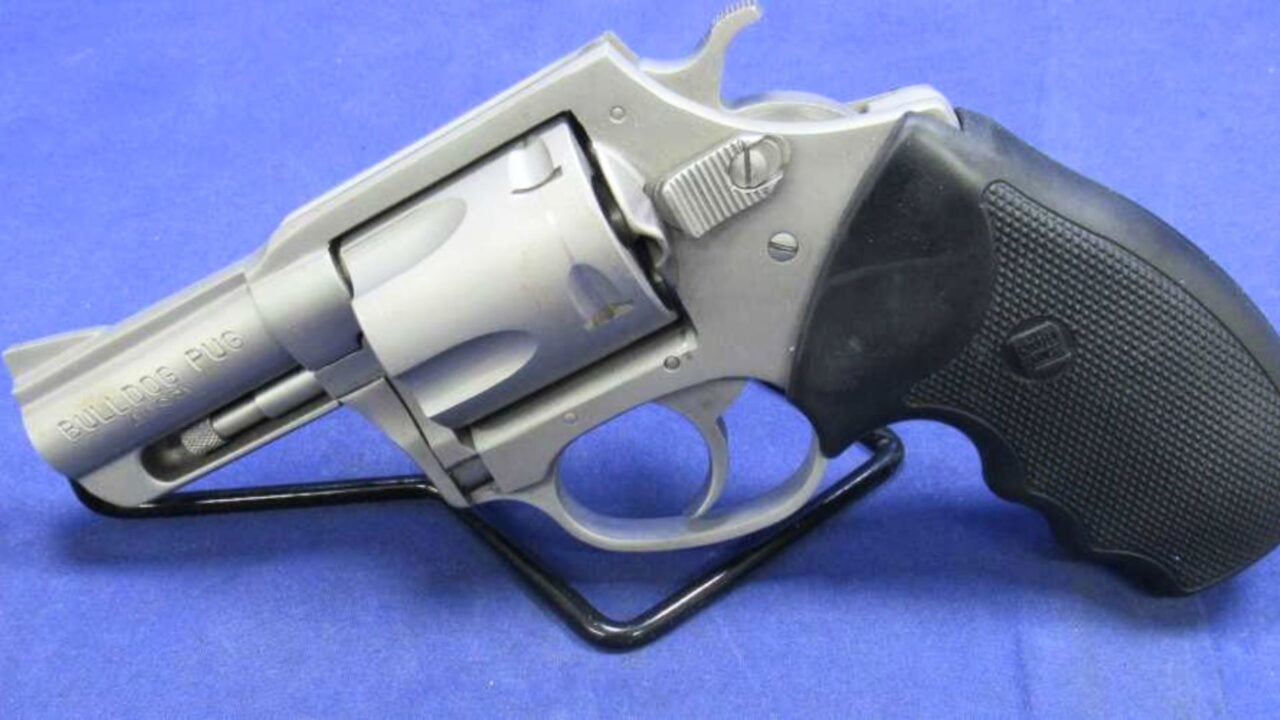
Another .44 Special, but it belongs in this conversation because it’s one of the most carried big-bore revolvers ever made. The Bulldog is not a range toy. It’s a simple, compact revolver that rides light and points fast, and plenty of outdoorsmen kept one around for “close work.”
The collector angle is that older, clean Bulldogs are drying up. New ones exist, but the older guns have a following. And when folks start hunting down the “good old” versions, prices do what they do.
20. Smith & Wesson Model 329PD (Scandium N-frame .44 Magnum)
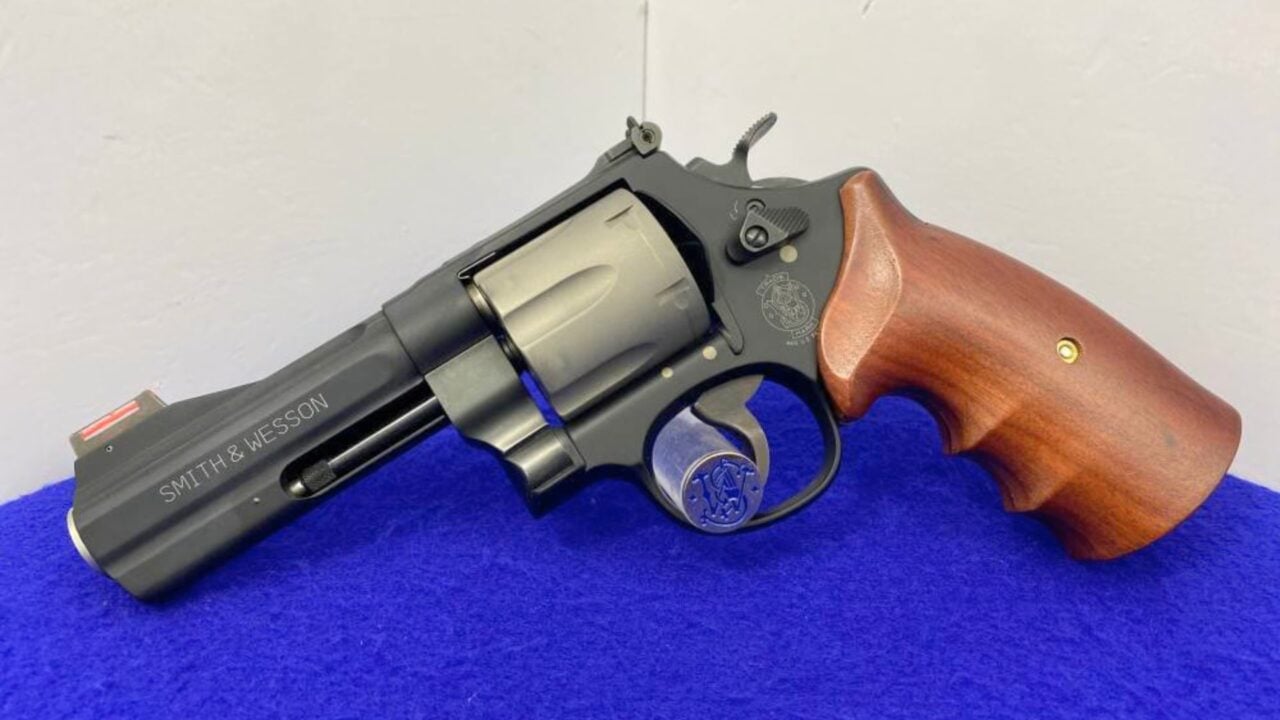
The 329PD is the revolver that makes you grin until you touch one off. It carries like a dream for an N-frame .44, and it’s a real option for guys who will actually pack a .44 every day in rough country. It’s also not pleasant with full-house loads for most people. That’s the trade.
Because it’s so packable, demand stays strong. A lot of them get bought, carried, and barely shot—then sold when the owner realizes recoil isn’t a theory. Clean ones disappear fast, especially with the factory bits intact and not swapped into some oddball setup.
If you’re hunting one of these down, don’t get tunnel vision on “collector grade” unless that’s truly your goal. For most outdoorsmen, the smart play is finding a correct, mechanically solid revolver that hasn’t been tinkered with, then leaving it alone and taking care of it. The .44 Magnum world is full of legends, but the real reason these keep climbing is simpler: good wheelguns don’t multiply, and regret is expensive.
Like The Avid Outdoorsman’s content? Be sure to follow us.
Here’s more from us: