Photo credit: lifesizepotato – CC0/Wiki Commons
Most buyers assume “mint” always means “most valuable.” With a lot of collector guns, that’s still true. But there’s a whole slice of the market where a little honest wear actually helps, because it proves the gun is original, wasn’t messed with, and hasn’t been “restored” into something it never was. The key is the difference between honest wear and abuse. Holster shine, softened edges, light finish thinning, and normal handling marks can add credibility. Deep pitting, rust, mismatched parts, buffed markings, and amateur refinishes usually do the opposite. If you’re looking at old guns where the story matters as much as the shooting, these are the types that often bring stronger money with the right kind of wear.
1) U.S. military 1911 and 1911A1 pistols with original finish

A true service pistol that shows real carry wear can be more desirable than a “too perfect” example, because perfect often raises questions. Was it refinished? Were markings polished? Were parts swapped? Military collectors are picky, and they’d rather see honest holster wear on an original finish than a glossy refinish that wipes away history.
Light wear also lines up with how these guns were actually carried and used. If the slide flats look correct, the stamps are crisp, and the wear matches contact points from a duty holster, collectors often trust it more than something that looks like it lived in a velvet box for 80 years.
2) U.S. military M1 Carbine and “bring-back” style provenance guns
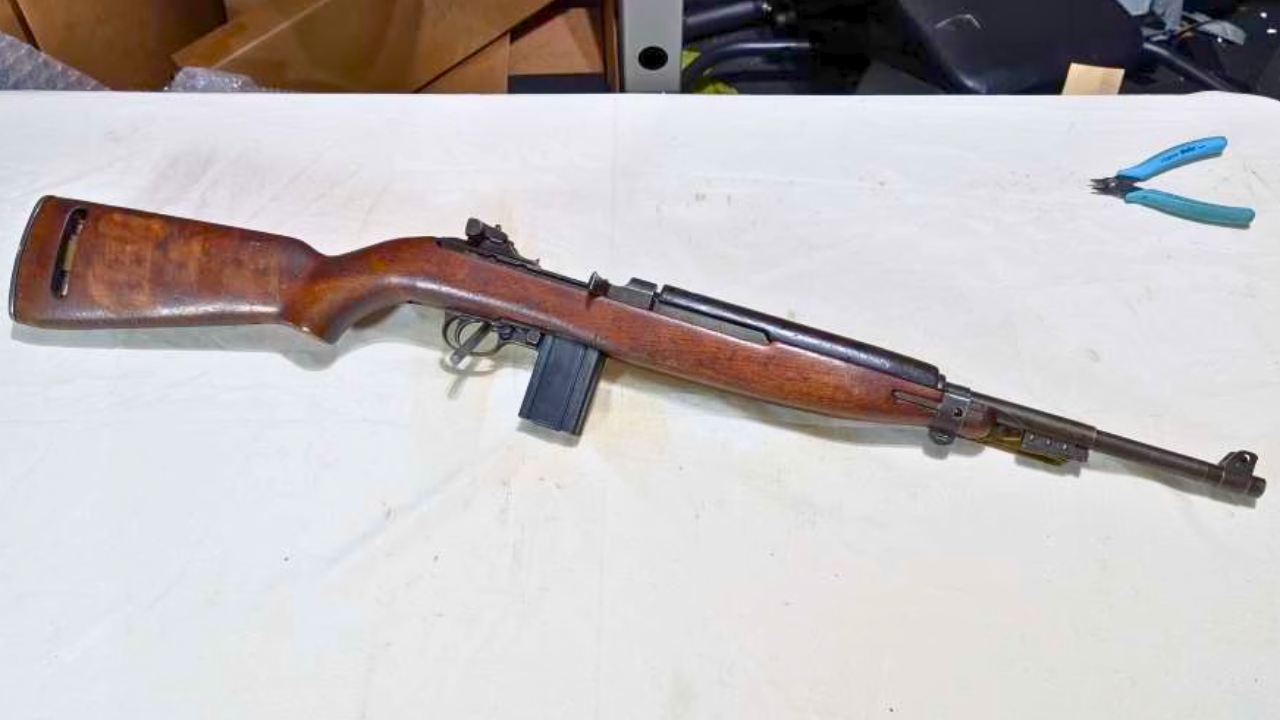
With carbines, the market punishes “mixmasters” and fake rebuild stories. A carbine that’s a little worn but clearly original in its configuration can command more than one that’s “clean” but has questionable parts, odd refinishing, or modern replacement pieces. The slight wear can be the tell that it’s been left alone.
The value jump happens when the wear supports the narrative: correct barrel markings, correct finish type, correct sight/stake details, and a consistent look across components. A too-clean carbine can look like a parts build. A lightly worn, consistent one often looks like the real thing.
3) WWII-era Walther P38s with matching numbers and honest finish

A P38 with matching numbers and correct wartime finish is the whole game. Collectors would rather see some edge wear and finish thinning than a refinished gun with soft markings. Wartime German pistols get “improved” all the time, and those improvements usually hurt value.
When the gun has that correct patina and carry wear, it signals originality. As long as markings are sharp and the wear pattern makes sense, that honest look can make it more attractive to a serious buyer than something shiny that looks suspicious.
4) Luger P08 pistols with original straw parts and proper wear

Lugers are one of the biggest “don’t refinish it” categories out there. Original finish Lugers often show thinning on high spots, handling marks, and holster wear. That’s normal. A refinish can make the gun look “nicer,” but it usually wrecks collector value because it’s easy to spot and it erases originality clues.
The market tends to reward Lugers that look correct for their era: sharp stamps, correct color on small parts, and wear that matches decades of careful storage and occasional handling. A little wear can scream “real.” An overly glossy gun can scream “worked on.”
5) Colt Single Action Army revolvers with honest carry wear

With old Colts, originality rules. A slightly worn SAA with a correct, unmolested finish and crisp markings can outpace a prettier gun that’s been refinished. Colt collectors care about correct edges, correct roll marks, correct screw slots, and correct “look.” Refinishing often rounds edges, blurs markings, and changes the gun’s character.
Holster wear, cylinder turn lines, and thinning on the grip frame can actually help because it fits the revolver’s natural life. The revolver looks like it was carried, not “restored,” and that can be the difference between strong money and “nice, but…”
6) Colt Detective Special and original-production Colt Cobra revolvers

Same Colt logic, just in the carry-gun world. A Detective Special or Cobra that shows real pocket or holster wear but still has sharp markings and correct parts often sells faster than a “too perfect” example that looks refinished. Colt collectors are suspicious of anything that looks freshly redone.
The right wear also suggests it was carried, which is part of the appeal. People like buying an old Colt that looks like it actually lived a life, as long as it wasn’t beat to death or turned into a parts gun.
7) Pre-64 Winchester Model 70 rifles with hunting wear

Pre-64 Model 70s are a great example of “honest hunting wear” being a positive. A rifle that shows light stock dings, worn bluing on the floorplate, and normal field use can be more appealing than a spotless rifle that looks like it’s been reblued or refinished. Original finish and correct configuration matter more than shine.
Collectors also like seeing rifles that were actually used the way they were intended. The wear can signal it’s been in the field, not modified, and not “improved” by someone with a buffer wheel and a dream.
8) Vintage Winchester lever guns with correct patina

Old Winchesters—especially desirable configurations—often bring better money with correct patina than with a fresh refinish. A refinish can erase proof marks, soften edges, and remove the natural look that collectors use to judge originality. That’s why a lever gun that looks “honestly old” can sell higher than a lever gun that looks “newer than it should.”
Collectors pay for the correct look: even wear, consistent finish, sharp stamps, correct screws, and no buffing. It’s not that they love damage. They love evidence the rifle wasn’t messed with.
9) Garands and other U.S. surplus rifles in original, non-sanded stocks

With surplus rifles, a worn stock with dents and handling marks can be a value add if it’s original and not sanded to death. Sanding often rounds cartouches, changes dimensions, and removes the exact things collectors want. A stock with honest wear but crisp markings is usually more desirable than a “pretty” stock that was refinished and stripped of history.
Light finish wear, rack marks, and normal handling can be proof the rifle hasn’t been heavily altered. That’s why some collectors will pay more for ugly-correct over pretty-wrong.
10) Early Browning Hi-Powers with original finish and handling wear
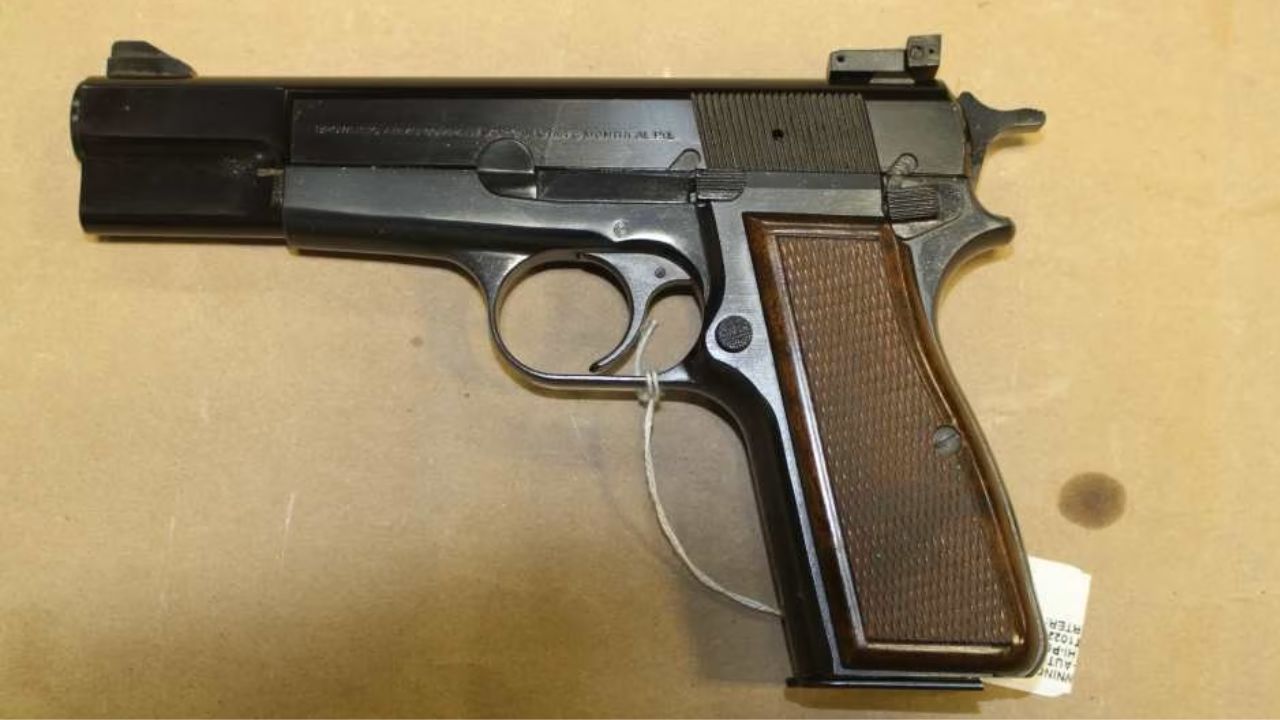
Hi-Power collectors tend to prefer originality over cosmetics. A little edge wear and finish thinning is expected. A refinish often makes the pistol look “better” to a casual buyer but worse to a collector. Original markings, original finish type, and correct small parts matter more than clean paint.
When you see a Hi-Power that’s slightly worn but has sharp roll marks and the right overall look, it feels trustworthy. That trust is worth money in the collector world.
11) Colt Python (older, original bluing)

With Pythons, originality is king, and a little edge wear is often safer than a gun that looks “too perfect” because refinished Pythons can get hammered on value. The Python market is full of collectors who know what Colt’s bluing should look like, how the roll marks should appear, and what correct edges and polishing lines look like. When you see a Python with normal carry wear—light thinning on the muzzle, slight fading on the cylinder high spots, small handling marks—but still sharp markings and the right deep Colt blue, it can command strong money.
A reblue might look pretty to the average buyer, but collectors often see it as lost history and lost originality. The wear also suggests it wasn’t buffed smooth, which preserves crisp lines and lettering. As long as timing, lockup, and mechanical condition are solid, “worn but original” often beats “shiny but refinished.”
Like The Avid Outdoorsman’s content? Be sure to follow us.
Here’s more from us: