Photo credit: Mt McCoy Auctions/GunBroker
The used-gun market does this thing where a perfectly ordinary, out-of-production pistol turns into “a classic” overnight. Not because it suddenly shoots better, or because it’s made of unicorn steel, but because the supply dried up and the internet decided it was cool again. Toss in a few YouTube videos, a forum thread calling it “the one to grab,” and a couple panic-buy waves, and now you’re staring at a price tag that makes zero sense for what the gun actually is. Here are the discontinued handguns that seem to jump the fastest, plus why buyers keep paying it anyway.
1) HK P7M8
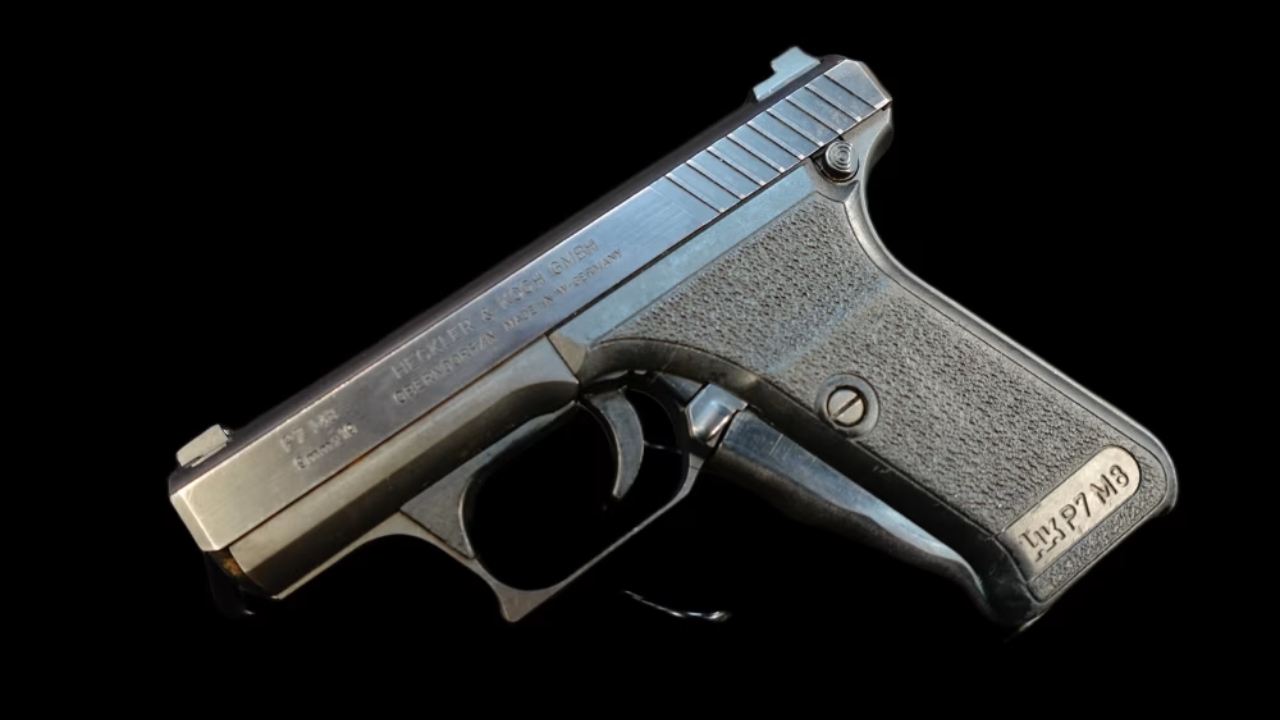
The P7 is a neat pistol with a unique squeeze-cocker system, but the prices people pay now can feel detached from reality. A lot of buyers aren’t chasing practical carry performance. They’re chasing “icon status,” German-made mystique, and the fact that you don’t see them in gun shops every weekend anymore. Once the pool of clean examples shrank, the “I better buy it now” mentality took over.
The truth is the P7 is cool, but it’s also heavy for its size, gets hot with extended shooting, and has a manual of arms that’s different from what most shooters train with today. None of that stops prices from climbing because the demand is driven by collector energy, not real-world utility.
2) HK P7M13
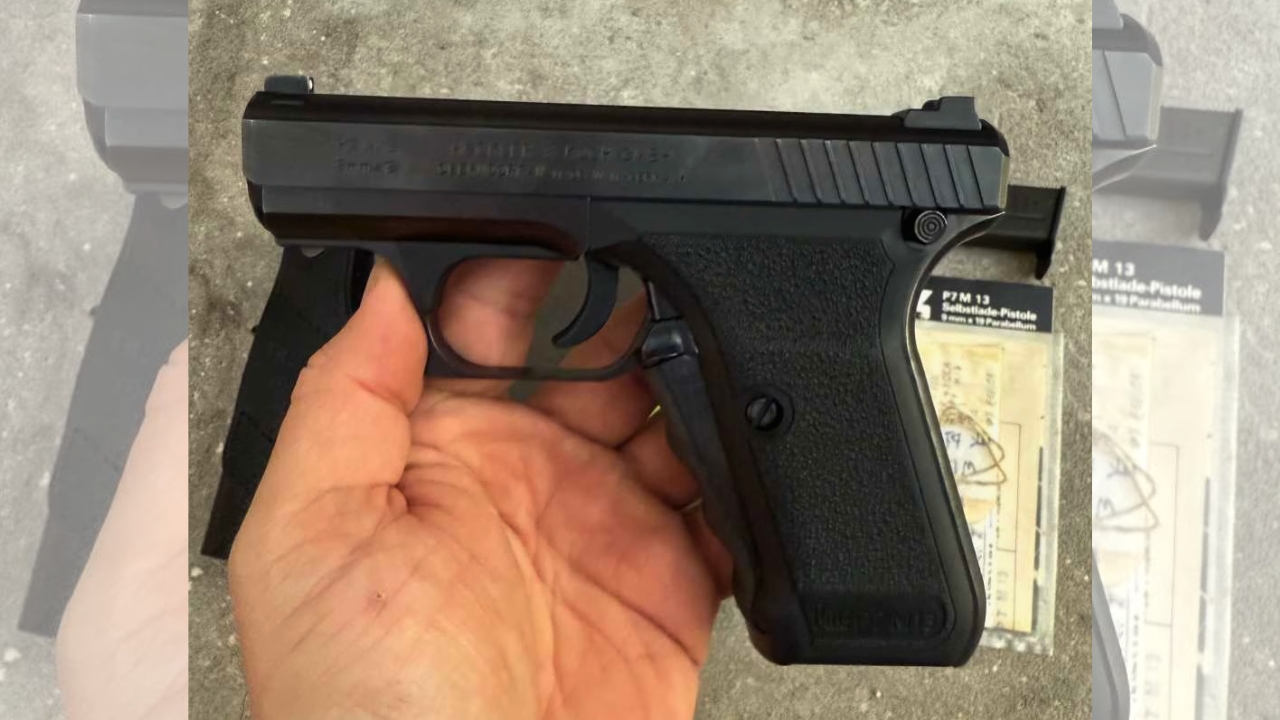
The M13 adds capacity, and that makes the “rare and desirable” problem even worse. People see the double-stack version and treat it like it’s automatically the best one. In reality, it’s still a P7 with the same strengths and tradeoffs, but it’s less common, so it gets priced like it’s a museum piece.
A lot of the price jump comes from the same collector loop: fewer for sale leads to higher asking prices, which leads to buyers thinking they have to pay that to get one, which convinces the next seller to ask even more. It’s not “better,” it’s simply harder to find.
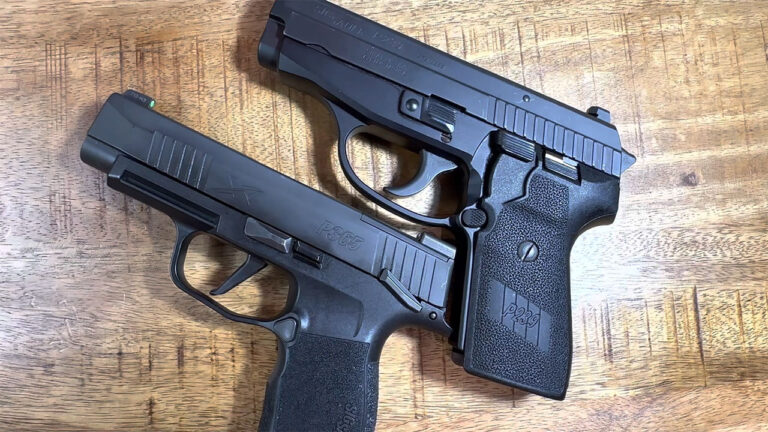
3) SIG Sauer P239

The P239 was a legit single-stack carry gun in its era, and it’s still a solid shooter. The weird part is how often it’s priced like it’s in a different class than modern single-stacks that are lighter, hold more, and have better factory support. The P239’s jump is mostly nostalgia plus SIG’s older reputation doing heavy lifting.
It also benefits from the “metal gun” market trend. A lot of shooters got tired of tiny, snappy micro-compacts and started romanticizing heavier pistols again. The P239 gets pulled into that wave, even though it’s not rare in the way people act like it is.
4) SIG Sauer P225 / P6
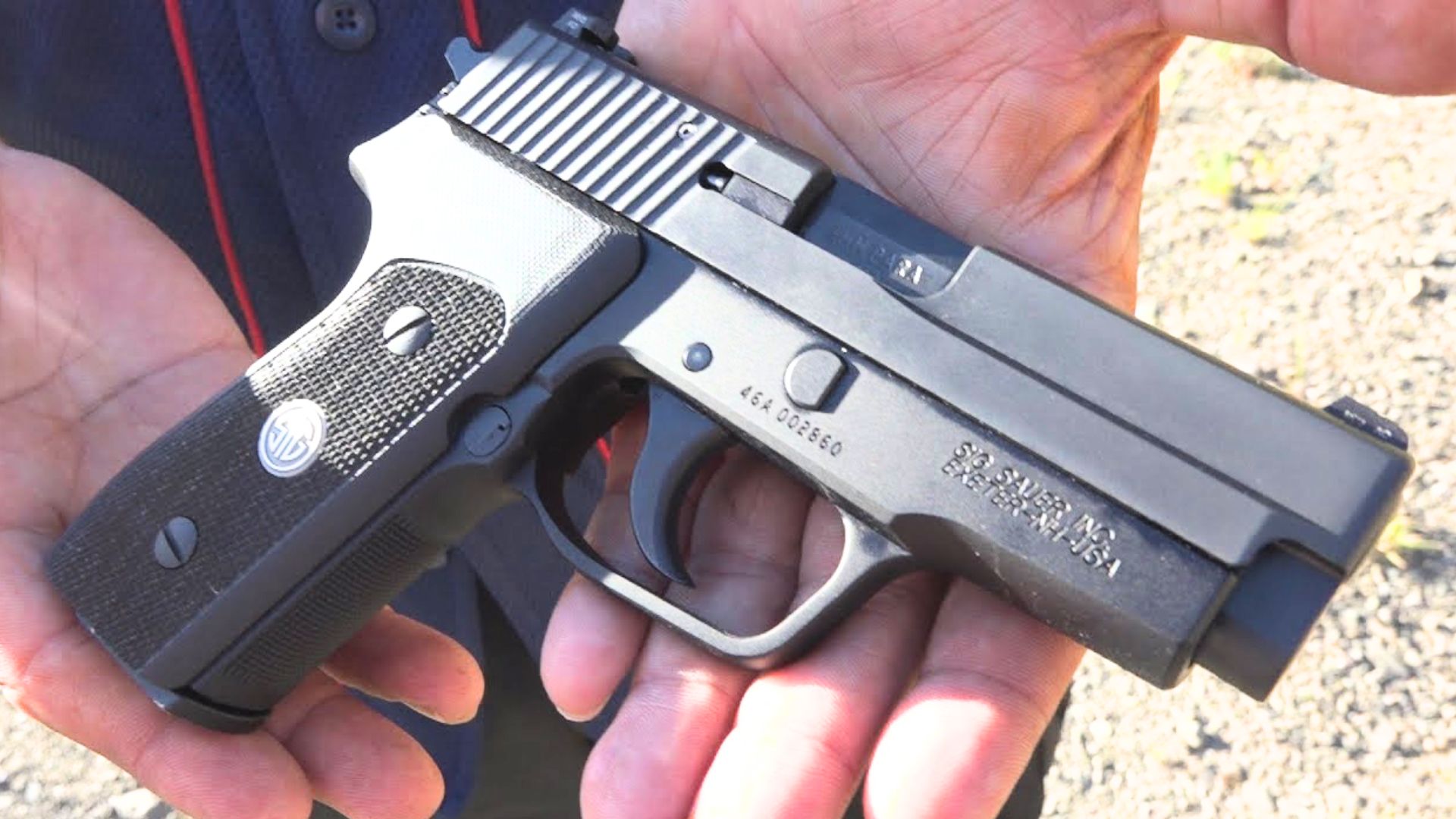
Police trade-ins used to keep these affordable, and then the stream slowed down. Once the easy supply dried up, prices started acting like the P225 is some holy grail carry pistol. It’s a great-handling gun, but the market jump is mostly about the story: German police history, classic SIG feel, and “they don’t make them like this anymore.”
Here’s what gets missed: condition varies wildly, parts support isn’t what it was, and some examples have heavy use baked into them. People still pay because they want the vibe and the legacy, not because it beats modern options on performance.
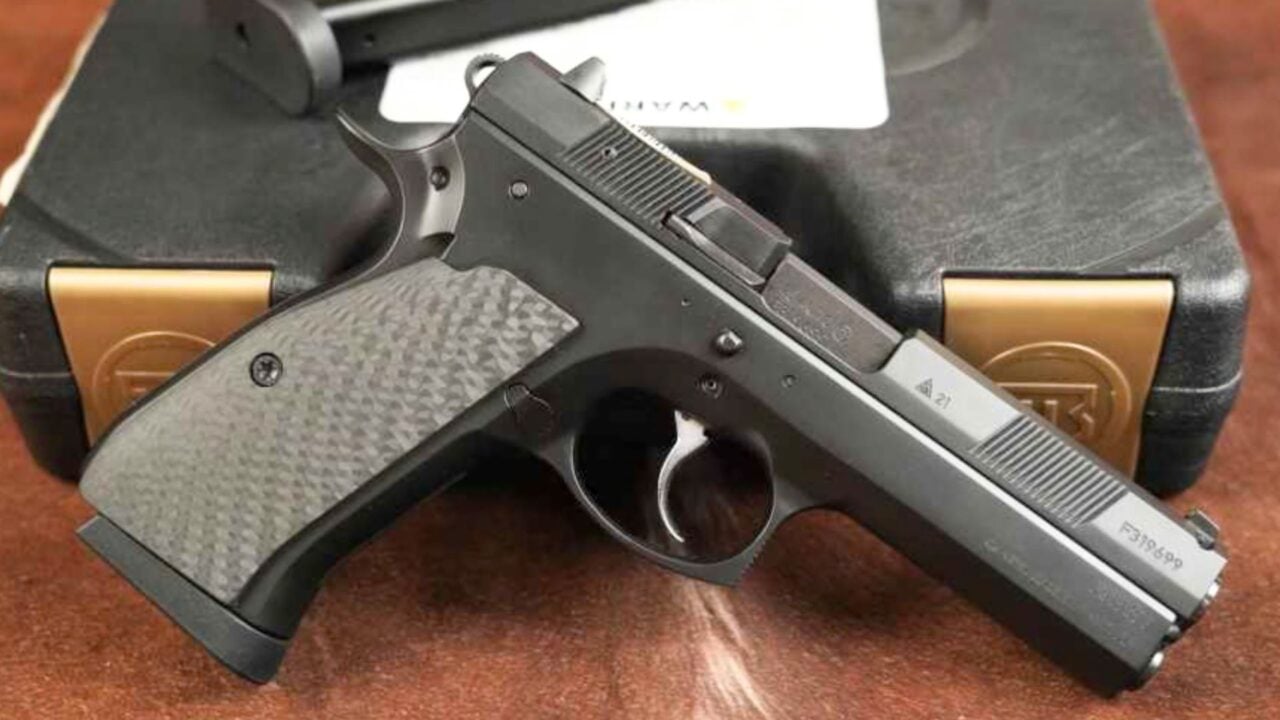
5) CZ 97B
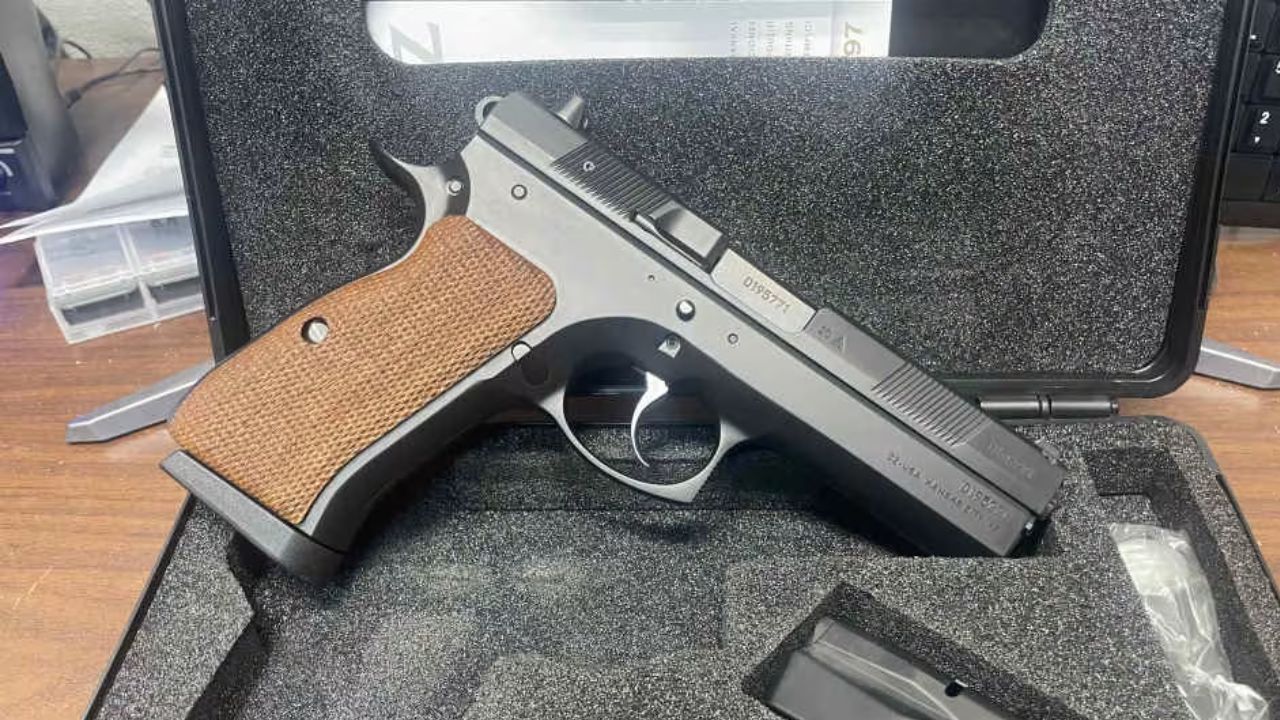
The CZ 97B is a big .45 that a lot of folks ignored until it got discontinued. Then it turned into “the one you should’ve bought.” It’s accurate, soft-shooting for a .45, and has that CZ ergonomics fans love, but the price spikes are mostly the discontinuation effect paired with CZ’s cult-following.
The “no good reason” part shows up when you remember what it is: a large, heavy pistol with limited carry practicality for most people. It’s a range gun and a collector’s piece more than anything, and that’s fine, but the market often prices it like it’s a once-in-a-lifetime opportunity.
6) CZ RAMI
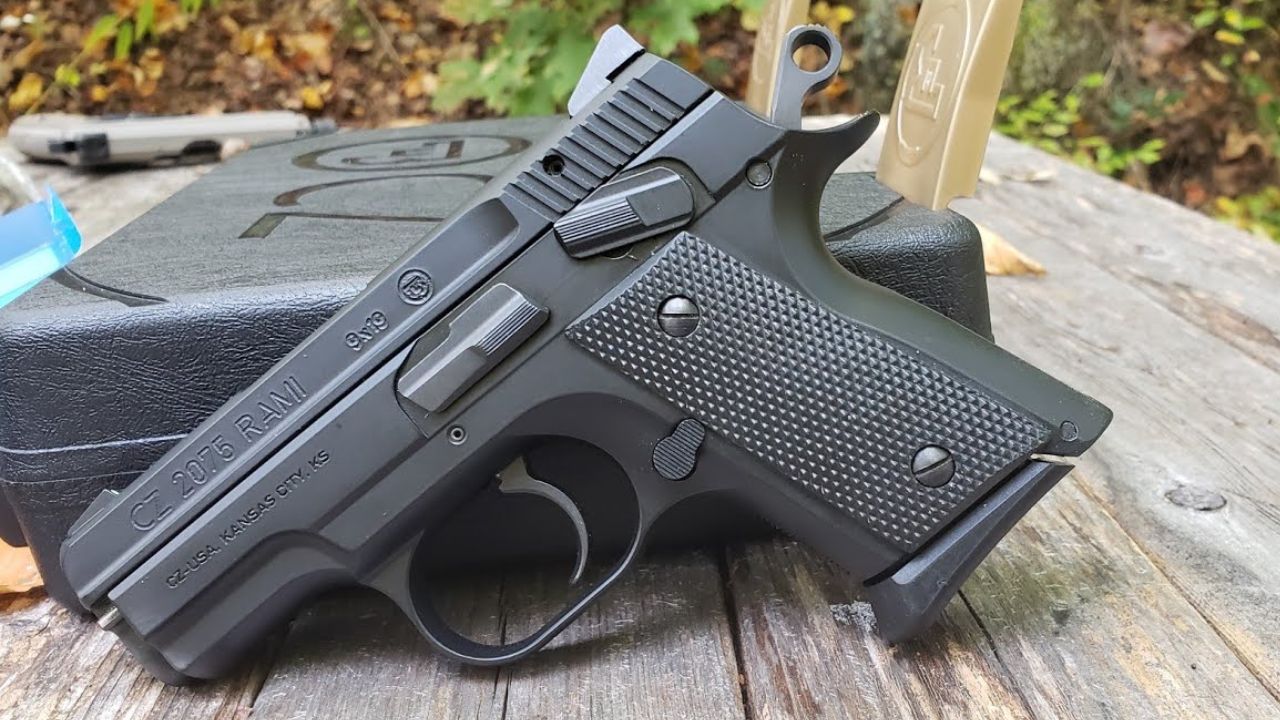
The RAMI is a great example of scarcity beating logic. It’s a compact pistol with a loyal following, and the moment it went away, people started treating it like it’s the only compact CZ worth owning. The reality is modern compacts give you better capacity-to-size ratios and easier accessory support.
But the RAMI has “character,” and that sells. People pay up because they like the feel, the look, and the idea of owning the discontinued oddball that CZ fans keep bringing up in every comment section.
7) Browning Hi-Power (classic production)
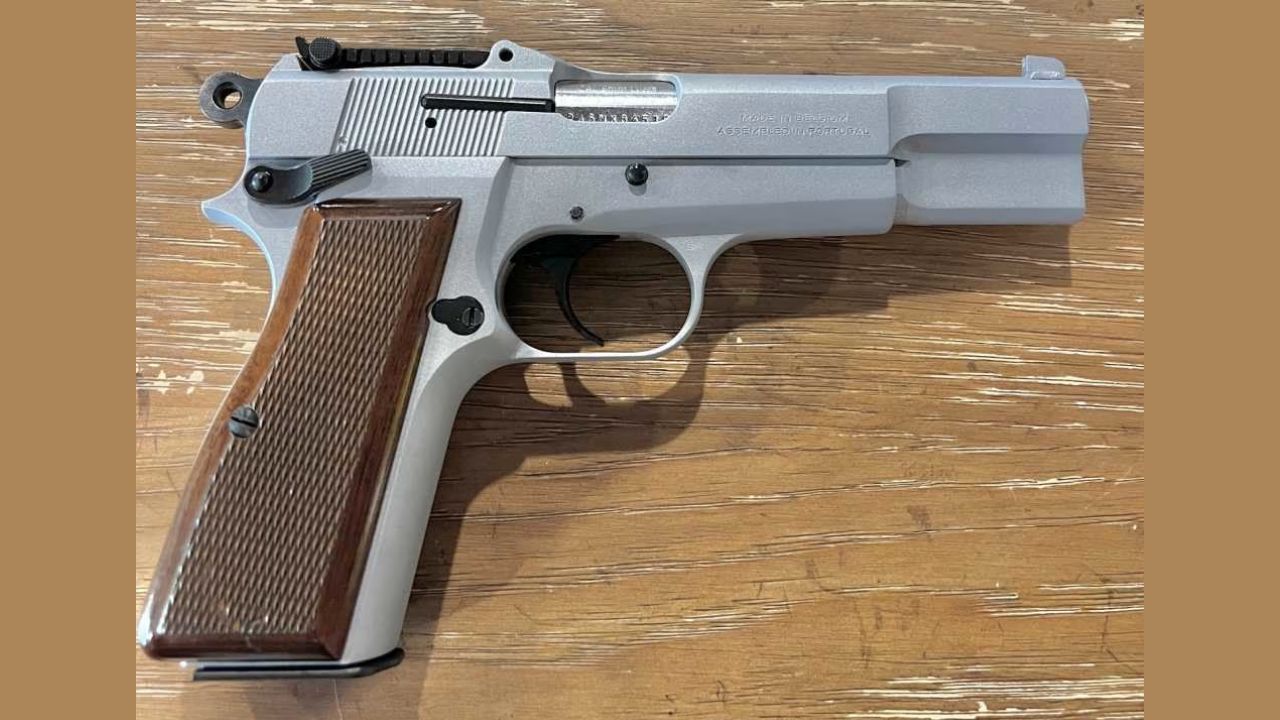
Hi-Powers have always had collector pull, but discontinuation poured fuel on it. Some of the pricing makes sense for Belgian-made, clean-condition guns, but the market got weird fast and started inflating beaters too, like every worn Hi-Power is automatically a grail. A lot of buyers are paying for the name and the history more than the gun itself.
Hi-Powers shoot well, but they’re not magic, and they’re not always the easiest pistol to keep running hard if you treat them like a modern duty gun. Prices still climb because collectors want originals, and “original” means you’re competing with people who aren’t even planning to shoot it much.
8) S&W 3913
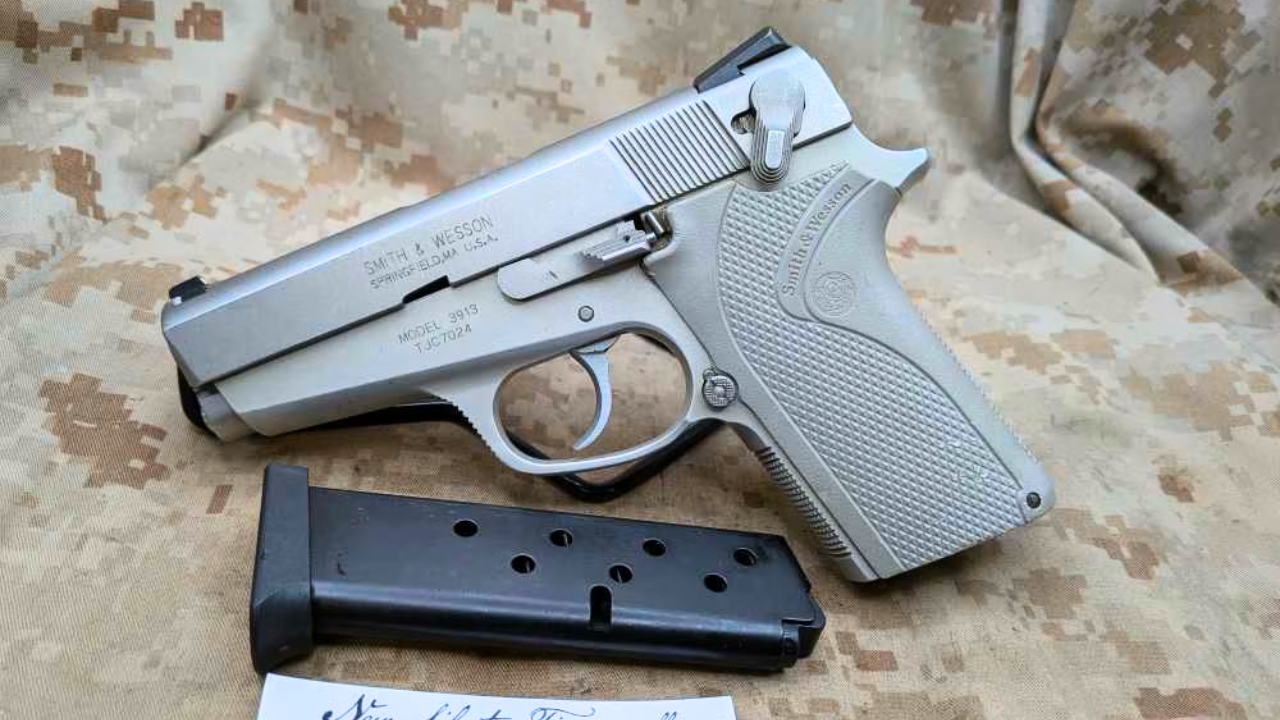
The 3913 is one of those pistols that was underappreciated for years and then suddenly became “the perfect carry gun” in hindsight. It’s slim, reliable, and has that old-school S&W third-gen feel people miss. Once the market decided it was special, the price jumped, even though plenty of people didn’t want them when they were easier to find.
What drives it now is the combination of metal-gun nostalgia and the fact that S&W isn’t making third-gen pistols anymore. The demand isn’t based on objective superiority. It’s based on “they don’t build them like this now,” which is the collector sentence that empties wallets.
9) S&W 5906 (and other 59-series third-gens)
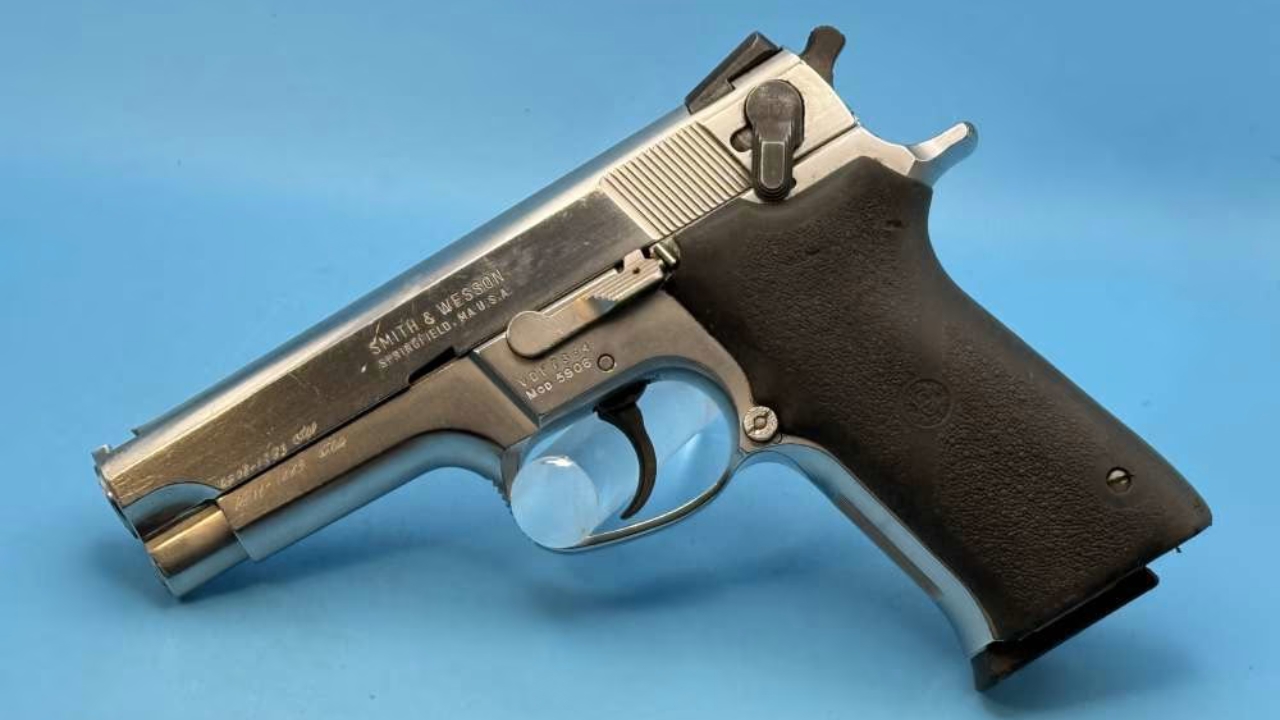
Police trade-ins made these common, and common guns stay cheap… until they don’t. As supplies dried up, prices climbed, and now you’ll see 5906s tagged like they’re premium collectibles. They’re tough pistols, but they’re also heavy, dated in ergonomics, and not exactly cutting-edge.
A lot of buyers are chasing durability myths: “all stainless, built like a tank,” and they assume that means it’s automatically worth premium money. It’s a good gun, but the price hikes mostly reflect dwindling inventory and the third-gen fanbase getting louder.
10) Beretta 84 / 85 “Cheetah” classics

The classic .380 Cheetahs have a strong following because they look good, feel good, and shoot soft for the caliber. Once Beretta moved away from the old pattern and the market started treating them as collectibles, prices jumped hard. You’ll see people paying a premium just because it says “Made in Italy” and the finish is pretty.
The irony is you can often buy a modern .380 that’s more practical to carry for less money, and it will have better support. But practical isn’t what sells here. The Cheetah sells because it scratches the “old-school Beretta” itch.
11) Walther P5
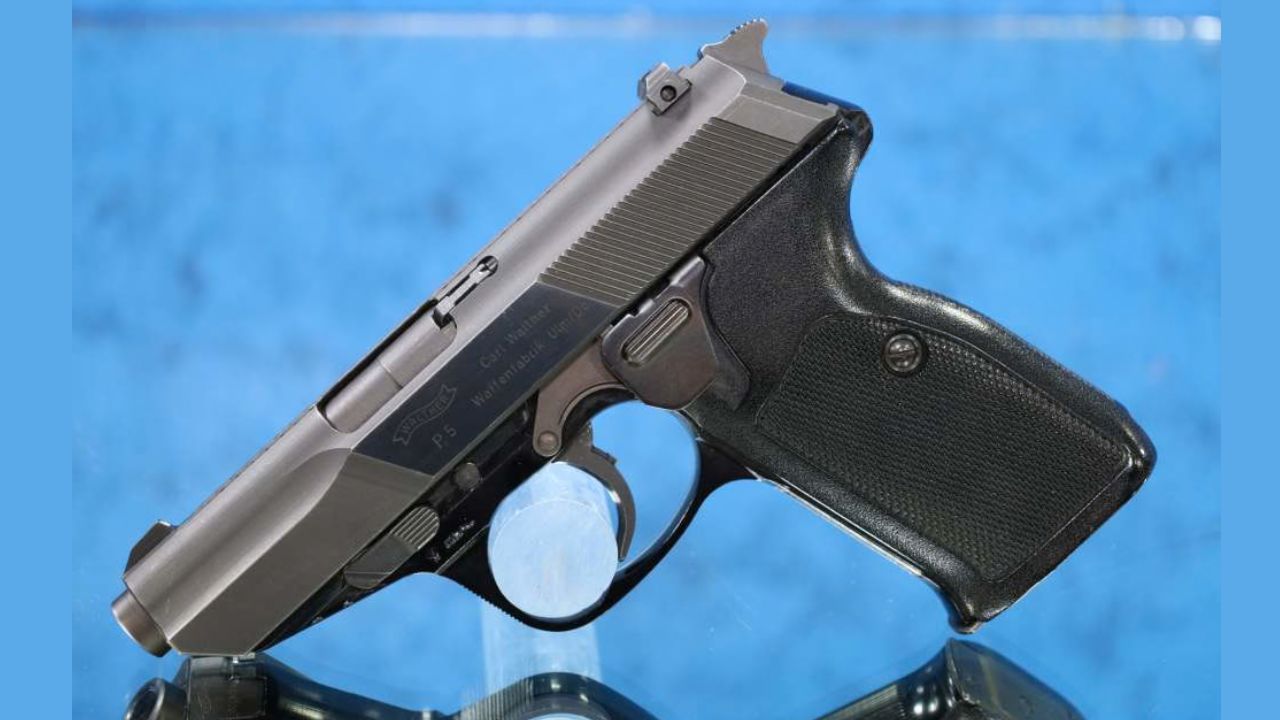
The P5 is a slick pistol with real collector appeal, but it’s another example of “rare equals expensive” even when the practical value doesn’t justify the premium. A lot of the demand is driven by Walther history and the fact that it isn’t something you stumble across casually.
When something is uncommon, sellers can anchor the price wherever they want, and buyers talk themselves into it because they assume they’ll never see another one. The P5’s price behavior has more to do with psychology than performance.
12) Walther P88
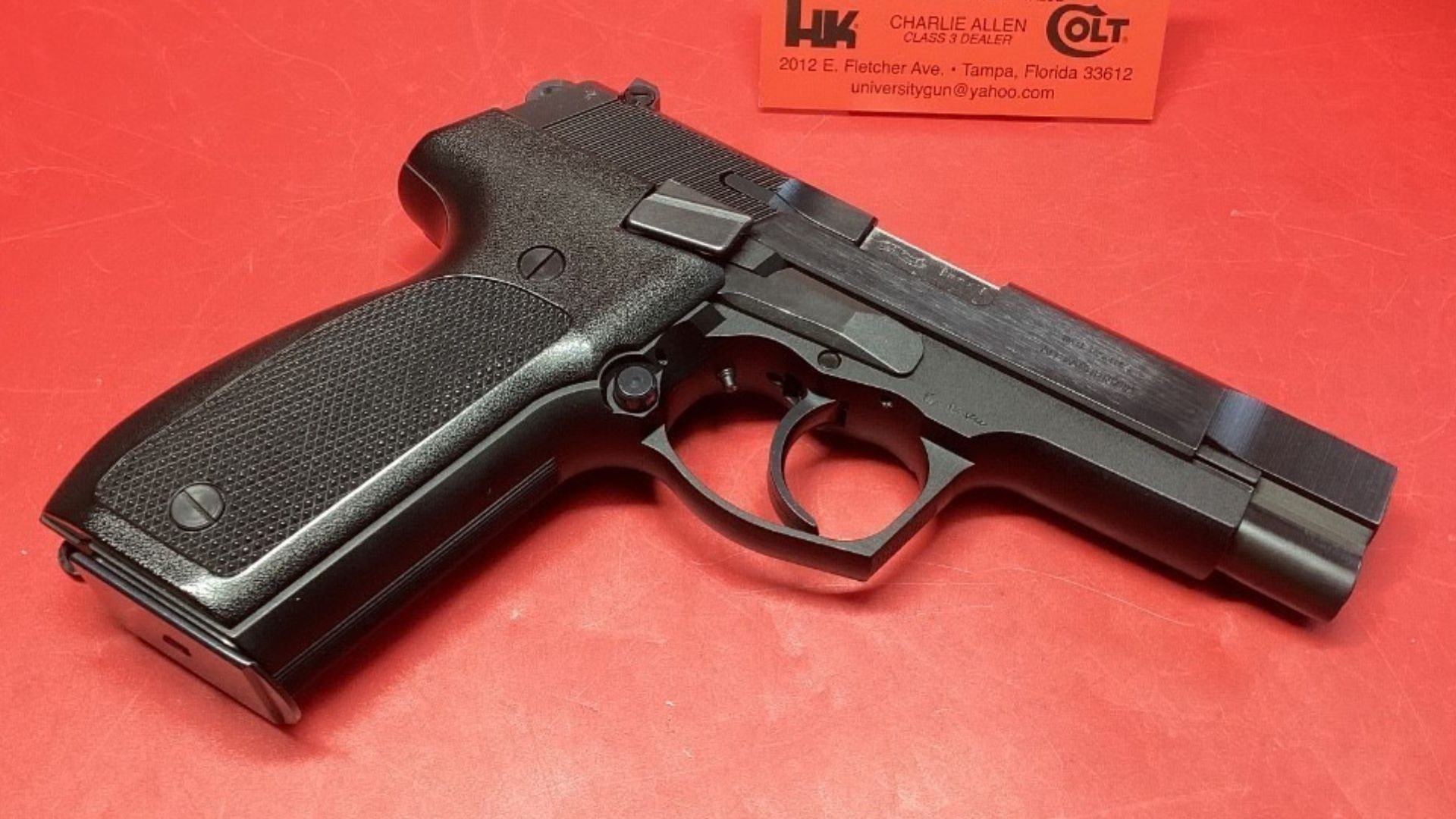
The P88 has a reputation for quality and smooth shooting, and it’s genuinely a high-end pistol from its time. The “no good reason” jump shows up when the market treats every P88 like it’s a collector-grade example, even if it’s worn, modified, or missing original accessories.
Collectors chase them because of the Walther name and the “they don’t make this anymore” factor, and that’s enough to inflate prices across the board. It’s a great gun, but scarcity hype makes it look more “unobtainable” than it really is.
13) Colt Detective Special

Old Colts carry a brand tax, and the Detective Special is a classic that gets hit hard by it. Revolver collectors love them, and once you add in Colt’s on-and-off production history, prices can jump fast even for guns that are just average condition. The market treats “Colt snake and classic revolvers” like a separate economy.
The funny part is that people will pay huge money for one that’s clearly been carried and used, then convince themselves it’s “better” because it’s worn. Sometimes it’s just worn. It can still be a fine revolver, but the price jumps are often driven by Colt fever.
14) Colt Cobra (original production)

Same story as the Detective Special, but lighter and sometimes even more aggressively priced because people want “classic Colt carry” without the weight. Once the collector market decides a certain Colt is hot, it stays hot, and prices move like the gun got re-rated overnight.
A lot of these guns are bought because they look good in a collection and feel like a piece of history. That’s valid, but it’s not a performance-based reason, and it’s why the prices can feel disconnected from what the gun actually does.
15) Ruger P95 (and other older Ruger P-series)

This one surprises people because Ruger P-series pistols were “cheap and ugly” for years, and now you’ll see them priced like they’re desirable. The jump usually isn’t because anyone thinks they’re refined. It’s because they’re known to be durable, they’re discontinued, and people love a “tough old beater” story.
When the market gets nervous or ammo and gun prices go wild, these older workhorse pistols get pulled into the surge. Some sellers also list them at inflated prices hoping someone pays for the “runs forever” reputation. They’re dependable guns, but a big chunk of the price jump is pure market mood.
Like The Avid Outdoorsman’s content? Subscribe to our newsletter so you never miss an article.
Here’s more from us: