Photo credit: Golden Webb/YouTube
A hunting rifle does not have to fail completely to lose your trust. Sometimes it only takes one rough bolt lift, one bad magazine feed, one wandering zero, or one cold morning where the rifle suddenly feels cheaper than it looked in the store.
A good hunting rifle should make you feel settled when the shot matters. It should carry right, cycle cleanly, hold zero, and stay predictable when the weather turns ugly. These rifles can work, and some owners get good service from them, but they are also the kind of guns that make hunters start looking for a replacement faster than they expected.
Remington 770

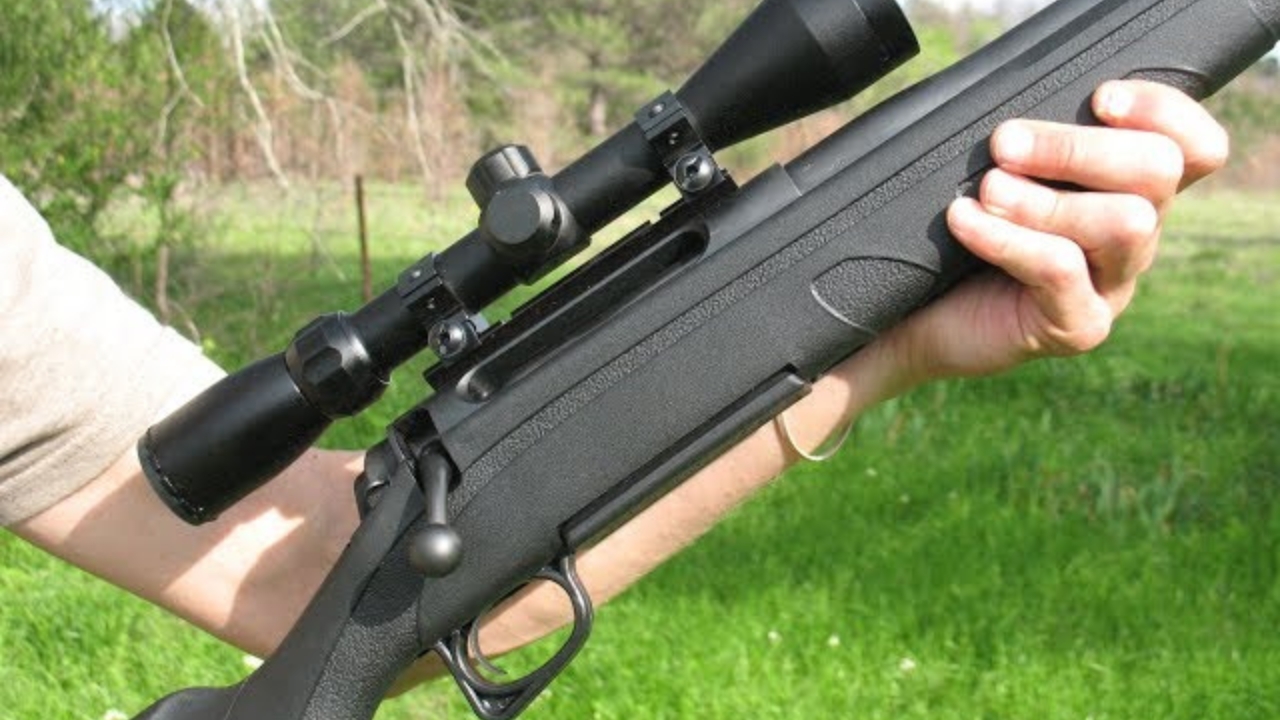
The Remington 770 loses trust fast because it feels like a shortcut the longer you use it. On the shelf, the scoped package and low price make sense, especially for a new hunter trying to get into the woods without spending much.
In the field, the rough bolt, cheap-feeling stock, and awkward magazine setup start wearing on you. It may shoot well enough for basic deer hunting, but it rarely feels like a rifle you want to depend on season after season. Once you handle better budget rifles, the 770 feels hard to defend.
Mossberg ATR

The Mossberg ATR can look like a decent deal at first. It is a basic bolt gun in useful hunting chamberings, and some examples shoot better than people expect from a lower-priced rifle.
The problem is that confidence is about more than groups on paper. The action can feel rough, the stock feels plain, and the rifle does not always give you that locked-in feeling when conditions get cold, wet, or rushed. It can kill deer, no question, but it is not the kind of rifle many hunters keep bragging about after a few hard seasons.
Savage Axis

The Savage Axis has put plenty of meat in freezers, so it is not fair to call it useless. It is affordable, commonly accurate, and easy to find in almost any deer cartridge you want.
Still, trust can fade once you spend real time with it. The stock feels flexible, the bolt lift is not especially smooth, and the detachable magazine can feel flimsy compared with sturdier hunting rifles. It is one of those guns that may shoot fine from a bench but still feel cheap when you are cold, wearing gloves, and trying to make one clean shot.
Remington 783
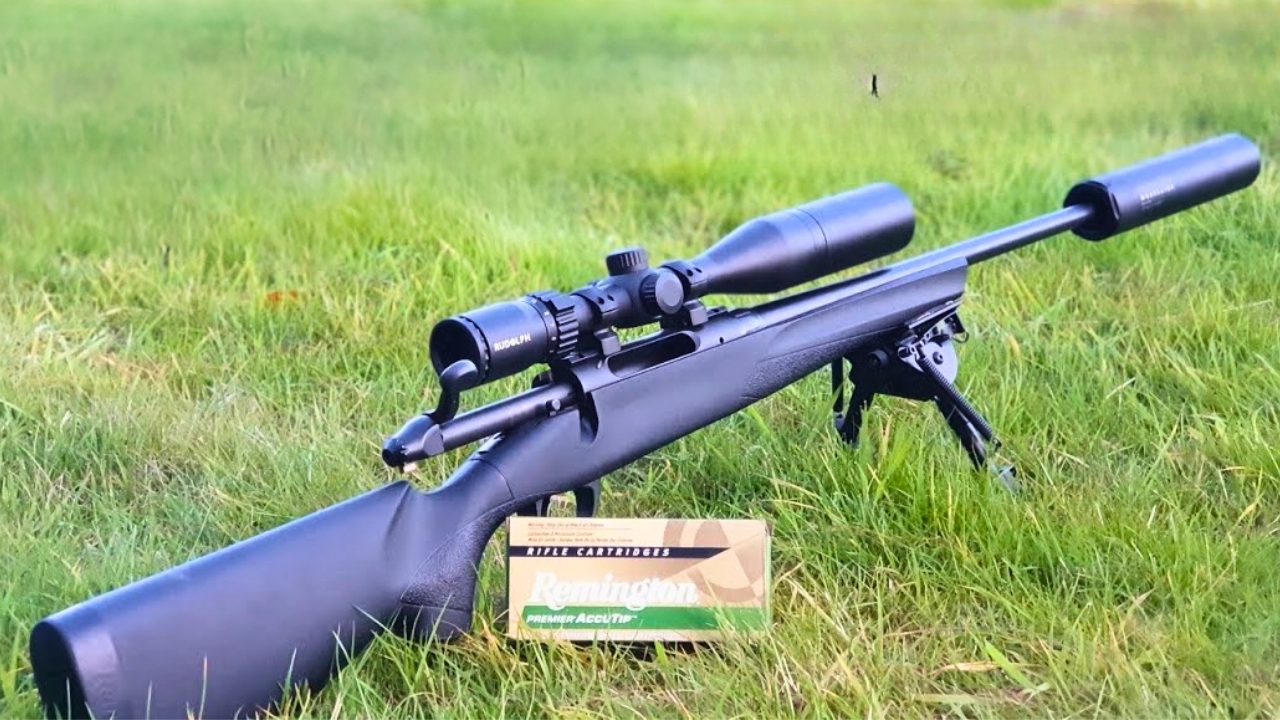
The Remington 783 was supposed to be a better entry-level answer than the rifles that hurt Remington’s budget reputation. It can be accurate, and plenty of hunters have used them without trouble.
But the 783 still struggles to feel like a rifle you fully trust. The action can feel gritty, the stock is uninspiring, and the overall package lacks the confidence of better budget rifles from Ruger, Tikka, or Howa. It may work fine, but it does not always make you want to stop shopping after you own it.
Winchester XPR

The Winchester XPR is a practical rifle, and that is part of the issue. It checks boxes, shoots acceptably, and carries the Winchester name, but it does not always feel like the name carries much weight once you start using it hard.
The bolt can feel less slick than you want, and the stock and magazine system remind you that this is a price-point rifle. It is not a disaster, but some hunters expect more soul and confidence from Winchester. When a rifle feels more disposable than dependable, trust fades quicker than it should.
Ruger American Predator

The Ruger American Predator is easy to like at first because it often shoots very well for the money. The threaded barrel, useful chamberings, and light weight make it feel like a smart modern hunting rifle.
The trust issues usually come from everything around the barrel. The stock can feel hollow and flexible, and some magazine setups have annoyed enough hunters to hurt confidence. Accuracy is great, but a hunting rifle has to feel solid when you are actually carrying, loading, and shooting it in rough positions. The Predator can shoot, but it does not always feel tough.
Thompson/Center Compass

The Thompson/Center Compass came along with a strong value pitch. It offered accuracy potential, threaded barrels on many versions, and a price that made hunters take a second look.
Where it loses trust is in refinement. The bolt, stock, and magazine feel do not always match the rifle’s accuracy promise. Some hunters get good ones and are happy. Others find the rifle feels clunky once the new wears off. It is a reminder that a rifle can group well and still leave you wanting something smoother, sturdier, and easier to trust.
CVA Cascade

The CVA Cascade sounds great when you look at the feature list. Threaded barrel, practical stock design, good accuracy reports, and a reasonable price make it tempting for hunters who want a modern rifle without spending premium money.
But not every hunter warms up to how it feels in hard use. The action can feel less polished than the spec sheet suggests, and the detachable magazine setup is not everyone’s favorite in cold or muddy conditions. It can be a capable rifle, but it may not feel as rugged as buyers hoped once it leaves the bench.
Marlin X7

The Marlin X7 rifles had a lot going for them as affordable hunting guns. They were simple, light, and often accurate enough to make owners feel like they beat the system.
The trouble is that the overall build never felt especially confidence-building. The stock, finish, and bolt feel are all reminders that this was a budget rifle. When you are hunting in poor weather or trying to make a rushed shot, that matters. The X7 can perform, but it does not always feel like a rifle built for long-term trust.
Mossberg Patriot

The Mossberg Patriot is attractive because it gives hunters a traditional-looking rifle at a fair price. The walnut versions especially can look more expensive than they are, which makes the first impression pretty strong.
Spend time with one, though, and the trust can start to wobble. Some rifles shoot well, but others are more inconsistent than owners expect. The action and magazine feel are not always confidence-inspiring, and the fit can feel more “affordable” than rugged. It is a rifle people often want to like more than they actually do.
Savage 110 Lightweight Storm

The Savage 110 Lightweight Storm sounds like a smart bad-weather hunting rifle. Stainless parts, lighter carry weight, and Savage accuracy all seem like the right ingredients for mountain hunts or wet deer seasons.
The problem is that lightweight rifles expose every rough edge. Recoil can get sharp in bigger chamberings, and the balance may not feel as steady as heavier hunters expect. The AccuStock and AccuFit systems help, but not everyone loves the feel. It may shoot well, but some hunters lose confidence when a light rifle becomes hard to settle under pressure.
Browning AB3
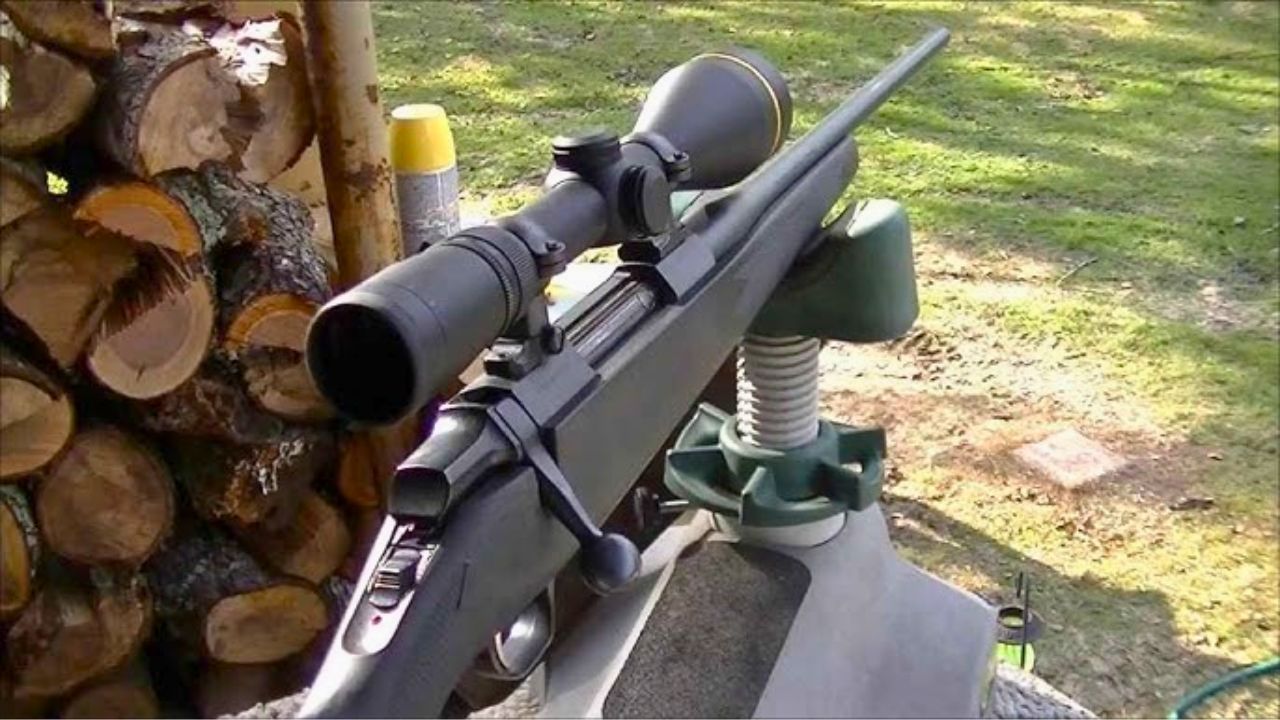
The Browning AB3 sits in a tough spot because buyers see the Browning name and expect a certain feel. On paper, it offers a more affordable path into a Browning hunting rifle.
In hand, it can feel like the budget model it is. The stock, bolt feel, and magazine system do not always carry the same confidence as an X-Bolt or older A-Bolt. It can shoot fine, but the name sets expectations high. When the rifle feels cheaper than the brand image in your head, trust starts slipping early.
Weatherby Vanguard Synthetic

The Weatherby Vanguard Synthetic is not a bad rifle. In fact, many of them are accurate, strong, and dependable. The issue is that some hunters buy one expecting Weatherby magic and then find a fairly heavy, plain, workmanlike rifle.
That can matter in the field. The basic synthetic stock does not always feel special, and the weight can become annoying on long walks. It may keep working, but it does not always build affection. A rifle can be reliable and still lose a hunter’s trust if it feels clunky every time the hunt gets harder.
Kimber Hunter

The Kimber Hunter sounds like an easy win if you want a light rifle with a premium name. It promises mountain-rifle handling without the full custom-rifle price, which is exactly what many hunters want.
But light rifles need consistency, and Kimber’s reputation has been mixed enough that some hunters stay cautious. If a rifle is picky about ammo, bedding, or technique, confidence disappears fast. When you are paying more than entry-level money, you expect fewer questions. The Hunter can be a good rifle, but it has disappointed enough owners to belong in this conversation.
Henry Long Ranger

The Henry Long Ranger has a strong pitch. It gives lever-action fans modern cartridge performance, detachable box magazines, and better reach than classic tube-fed deer rifles.
The issue is that it can feel too nice and too specific for rough hunting. It is not as simple as an old Marlin or Winchester lever gun, and it is not as weatherproof or easy to abuse as a synthetic bolt gun. The rifle may shoot well, but some hunters realize they trust the idea more than the actual field package once conditions get ugly.
Like The Avid Outdoorsman’s content? Subscribe to our newsletter so you never miss an article.
Here’s more from us: