Photo credit: Savage Arms
A lot of hunters treat recoil like a rite of passage. They miss a couple animals or watch one run farther than they expected, and the next thought is, “I need more gun.” Sometimes you do need a better bullet, better velocity, or a cartridge that fits the animal and the terrain. But plenty of the time, the real issue is simple: the shot went in the wrong place, at the wrong angle, or at the wrong time. No cartridge fixes that.
Moving up can even make it worse. More recoil can make you flinch. More blast can rush your trigger press. More confidence can push you into longer shots you haven’t earned. These are the cartridges hunters often “upgrade” to thinking they’ll solve the problem, when the problem is still fundamentals, patience, and putting the bullet where it belongs.
.300 Winchester Magnum

A .300 Win Mag is a serious round, and it absolutely hits hard. The problem is how often people buy it to compensate for rushed shots and shaky confidence. If you’re already yanking triggers or shooting from bad positions, the extra recoil and blast usually make your shooting worse, not better.
It’s also easy to overestimate what “more energy” does on game. A poor hit with a .300 is still a poor hit. You might get more tissue damage, but you’re not guaranteed a quick recovery. If you don’t practice, you end up with a rifle you don’t enjoy shooting, and that means fewer reps. If you truly need a .300 for the hunting you do, great. If you’re using it as a band-aid for shot placement, it’s a loud, expensive band-aid.
.300 PRC

The .300 PRC is a modern long-range workhorse, but it’s also one of those rounds people jump to because they want the idea of “distance” without paying the practice bill. If your wind calls and range estimation are shaky, a bigger .30 doesn’t fix that. It simply makes your misses more expensive.
It can also give a false sense of capability. The cartridge carries energy and flies well with heavy bullets, but you still have to read conditions and break a clean shot. If you haven’t built the skill, you’re relying on horsepower to cover mistakes. That’s how you end up stretching shots you shouldn’t take. The PRC is excellent in trained hands. It’s not a shortcut. If your fundamentals aren’t there, it’s still you behind the trigger.
7mm Remington Magnum

7mm Rem Mag has been the “move up” answer for decades. It shoots flat, hits hard, and it’s killed a lot of elk. But when hunters buy it to fix bad hits, they often trade one problem for another. The recoil and muzzle blast are enough to create flinches in shooters who were already on the edge.
A bad hit with a 7mm mag still leads to long tracks and lost animals. And if you don’t practice because the rifle beats you up, your confidence becomes imaginary. The right use case is real: longer shots in open country with a shooter who knows their dope. The wrong use case is buying one after a rough season and thinking it will cover rushed trigger pulls and poor angles.
7mm PRC

7mm PRC is a great cartridge when you’re launching long, efficient bullets and you can actually call your shots. But it’s also the new flavor of “upgrade” for hunters who think ballistic charts equal skill. If you can’t read wind, manage recoil, and shoot from field positions, the PRC doesn’t fix anything.
It can even amplify bad habits. More reach tempts you into longer shots, and the recoil impulse can still punish sloppy fundamentals. People also get obsessed with dialing and forget that the animal is moving, the angle matters, and the best shot is often closer than your ego wants. The PRC is a tool, not a solution. You still have to earn your distances, and you still have to put the bullet in the right place.
.338 Winchester Magnum

The .338 Win Mag gets bought after tough elk seasons more than almost anything. It’s seen as a hammer, and it can be. But it’s not a hammer for bad placement. If you hit guts, you still hit guts. If you clip a shoulder wrong, you still clip it wrong. The difference is you’ll get more recoil and more punishment for your mistake.
That recoil matters. A lot of hunters don’t shoot .338 well, and they don’t shoot it often. That means fewer practice rounds, more flinches, and more rushed shots because you want the bang to be over with. If you truly need .338 power for the game and terrain, it’s a serious option. But if you’re moving up because you’re not confident in your shot, you’re usually moving in the wrong direction.
.375 H&H Magnum

The .375 H&H has legendary credibility, and it’s one of the most capable big-game cartridges ever made. The issue is when it’s used as a “make up for it” rifle in North America. Most hunters don’t need it for the animals they’re shooting, and the recoil is enough to wreck confidence if you don’t have time behind it.
A bad hit doesn’t become a good hit because the caliber is bigger. It becomes a bigger problem with more recoil and more meat damage when you do connect. If you’re moving up to .375 after a season of poor shot placement, you’re likely trying to buy certainty. Certainty comes from practice, not cartridge size. The .375 is great when you actually need it. It’s a terrible choice as a confidence crutch.
.45-70 Government

A lot of hunters “move up” to .45-70 thinking it’s a close-range sledgehammer that will end tracking jobs. At realistic distances, it can hit hard. But it also comes with heavy drop, slower speed, and a need for discipline on range and shot angles. If you’re already guessing distance or rushing shots, .45-70 doesn’t forgive that.
It also doesn’t magically punch through bad decisions. Quartering-to shots, rushed offhand shots, and “hope and pray” trigger pulls still lead to bad outcomes. The .45-70 is at its best when you keep distances sane and place the bullet with purpose. If you treat it like a cure for sloppy fundamentals, you’ll learn fast that big holes don’t replace good hits. They just make recoil and range errors louder.
6.5 PRC
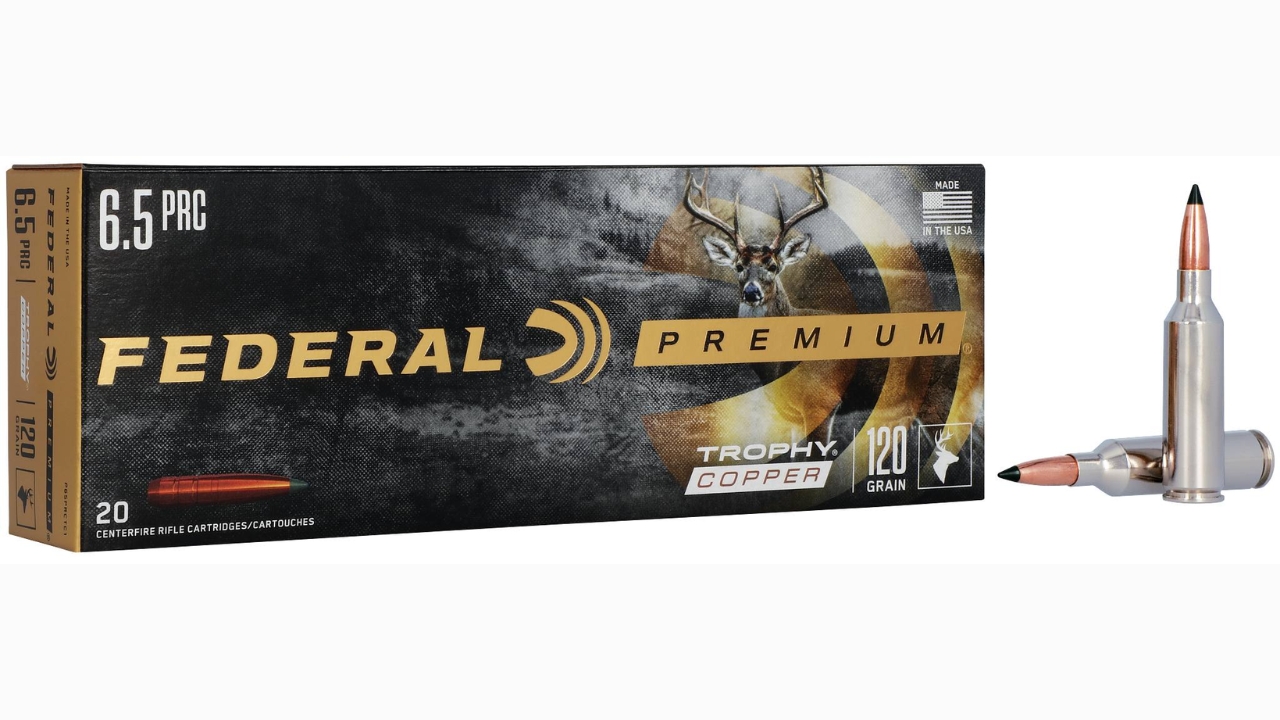
6.5 PRC often attracts the hunter who wants “Creedmoor plus.” It does give you more speed and more reach, but it doesn’t fix poor placement. If you’re missing because you’re yanking the trigger, misreading wind, or taking shots from bad positions, the PRC doesn’t solve it. It only expands the distances you can get in trouble.
The other issue is confidence inflation. A flatter trajectory can make you feel like you don’t need to practice holds or verify drops, and that’s when misses happen. The PRC is a great cartridge for someone who already shoots well and wants more margin. If you’re moving up because you’re struggling to put bullets where they belong, the move you need is more reps, better positions, and better decisions—not a faster 6.5.
.270 WSM

The .270 WSM gets treated like a “flatter .270,” which is true, but flatness doesn’t fix a bad hit. If you’re flinching, rushing, or guessing range, the WSM won’t rescue you. It might even add enough recoil and muzzle blast to push you into worse shooting, especially in lightweight mountain rifles.
There’s also the temptation to stretch shots because you feel like the cartridge “buys” you distance. That’s where animals get wounded. The WSM is a good tool for open country, but it still requires you to know your rifle, confirm your dope, and break a clean shot. The cartridge can help you when you’re already doing things right. It cannot fix the wrong things that caused the problem in the first place.
.28 Nosler

The .28 Nosler is a fast, flat round that can make long shots more manageable when everything is done correctly. That’s the part people forget. When you’re not doing things correctly, the Nosler becomes a confidence trap. It encourages long shots because it prints impressive numbers, and it punishes bad fundamentals with recoil that’s enough to make you flinch.
If you can’t read wind well, the speed doesn’t save you. If you can’t build a steady position, the speed doesn’t save you. If you’re rushing the shot, the speed doesn’t save you. It’s a cartridge that rewards skilled shooters and exposes everyone else. If you’re moving up to it to avoid working on marksmanship, you’re buying a bigger blast, not better placement.
.30-378 Weatherby Magnum

This is the kind of cartridge people buy when they want a statement. It’s fast, it’s loud, and it carries a lot of energy. It can also be a terrible teacher. Recoil and blast are severe enough that many shooters never truly get comfortable, which means they never shoot it enough to master it.
The irony is that if you can’t shoot it well, you won’t place shots well. A high-powered magnum doesn’t erase bad holds, bad wind calls, or panic trigger pulls. It can actually make you anticipate recoil and start jerking the rifle. If you truly need extreme reach and you’re willing to practice like it’s a job, fine. But as a solution for bad placement, it’s a very expensive way to stay stuck.
.450 Bushmaster
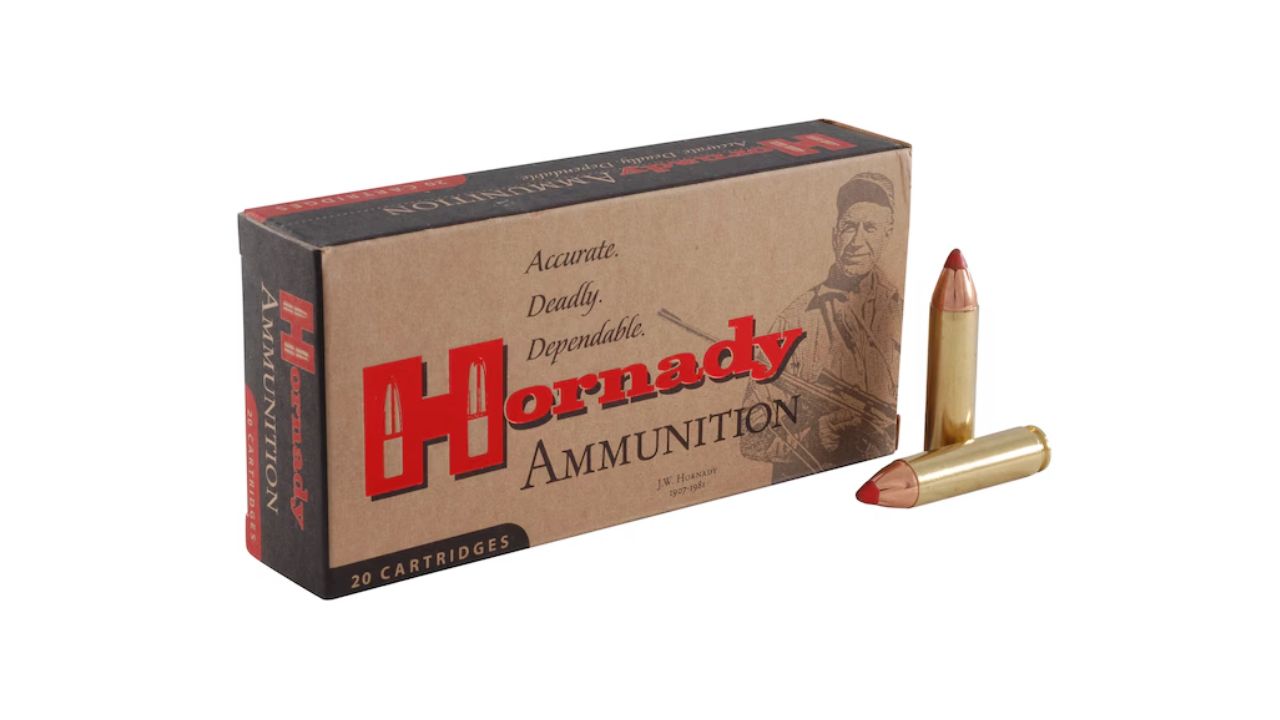
.450 Bushmaster is popular in straight-wall states, and it can be effective within its lane. The problem comes when hunters “move up” to it thinking it will flatten deer even with sloppy hits. It won’t. At typical ranges, shot placement still decides the outcome. A poor hit is still a poor hit, and the tracking job doesn’t care what the headstamp says.
It also demands discipline on distance. Trajectory drops quickly compared to many centerfire bottlenecks, and guessing yardage becomes a real problem beyond common woods ranges. If you’re already stretching shots you shouldn’t take, the .450 can make that worse because it feels like a big hammer. Treat it like a tool for controlled distances and good angles, and it shines. Treat it like a cure, and you’ll be disappointed.
.350 Legend

The .350 Legend is often marketed as an easy, mild option that still hits hard. It’s a good round in its lane, but it’s not a magic fix for people who keep placing shots badly. If you’re hitting too far back or taking bad angles, .350 doesn’t rewrite anatomy. It’s still on you to pick the right shot.
The Legend also gets people into trouble when they assume “straight-wall” means “simple.” Trajectory still matters, especially as distance stretches, and a lot of rifles and loads vary in real-world drop. If you don’t verify where your rifle hits at different ranges, you’re still guessing. The Legend can be effective and pleasant to shoot, which is great for practice. But practice is the solution—not the cartridge itself.
10mm Auto for hunting

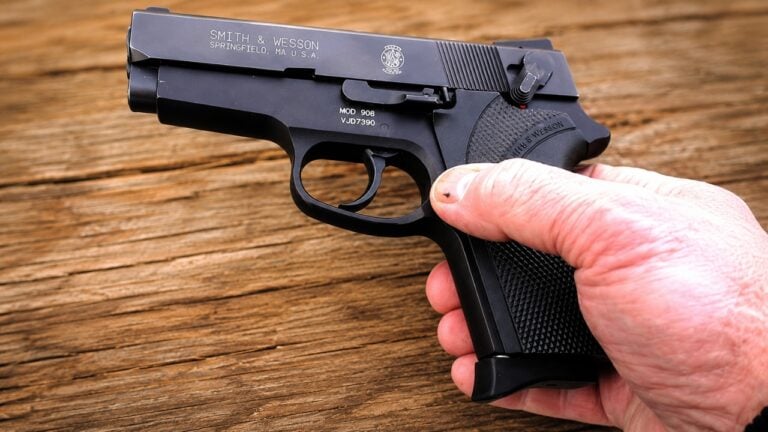
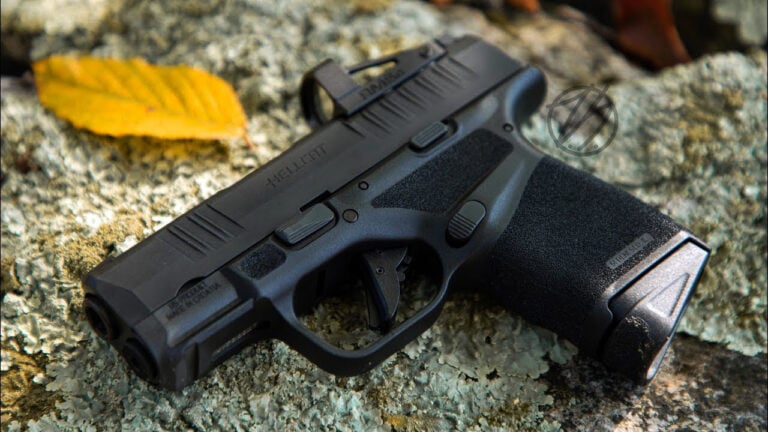
Some hunters move up to 10mm thinking it turns a pistol into a rifle. It doesn’t. It can be an effective handgun cartridge within realistic distances, but it still demands careful shot placement because you’re dealing with handgun velocity and handgun trajectory.
The biggest issue is confidence. A hotter cartridge can make people attempt shots that are too far or too difficult for a handgun, especially in field conditions where stability is limited. If you can’t consistently hit small targets under stress, “more power” doesn’t help. It can also increase recoil and slow down follow-up shots. The right approach is to keep distances close, pick angles carefully, and practice like you mean it. The cartridge can’t save a rushed trigger press.
.44 Magnum

.44 Magnum is another classic “move up” cartridge that people assume will end the debate. It can be effective on game at close ranges, but it doesn’t replace good placement. If you’re hitting liver or guts, you’re still tracking. The only difference is more recoil and often more meat damage when you do connect.
A lot of hunters also don’t practice enough with .44 because full-power loads aren’t pleasant for extended sessions. That lack of practice shows up as flinching, poor hits, and a tendency to rush shots. If you load it sensibly and train with it, it can be a solid tool. If you move up to it after a rough season and expect it to cover shaky fundamentals, you’re setting yourself up to repeat the same problem with a louder bang.
.500 S&W Magnum
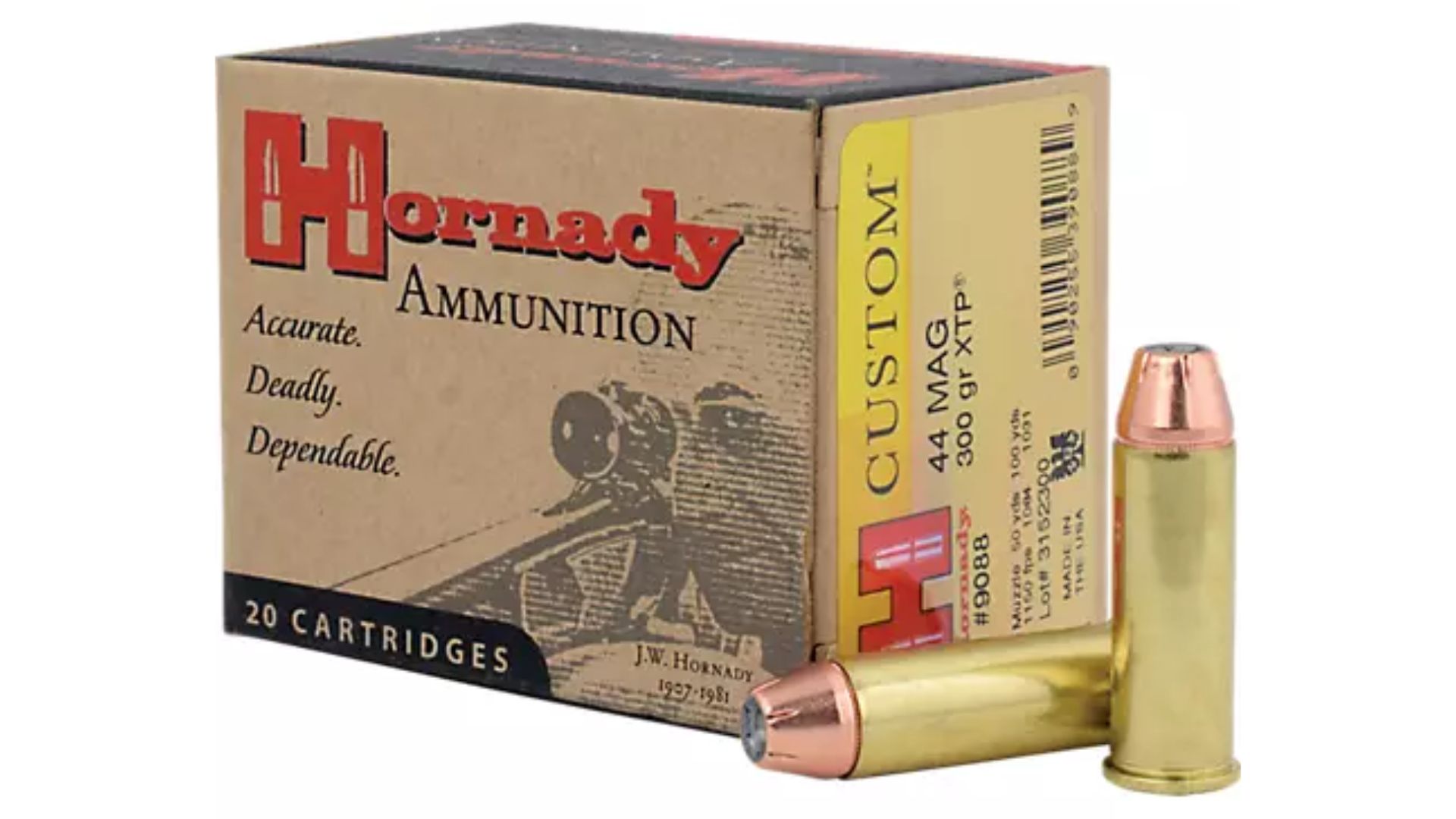
The .500 S&W gets bought as an answer to fear and frustration. It’s a monster, and it will absolutely punish you if you aren’t ready for it. The idea is that it “has to work,” because it’s so powerful. In reality, it can make shot placement worse for most shooters because recoil and blast are extreme.
If you can’t shoot it accurately under pressure, the power doesn’t matter. Most people don’t practice enough with it to be consistent, and consistency is the whole game. It also tempts hunters into thinking they can take tougher angles or longer handgun shots. That’s where bad outcomes happen. The .500 is a specialized tool for specialized shooters. It is not a shortcut around fundamentals, and it won’t fix the underlying problem if the bullet isn’t going where it needs to go.
Like The Avid Outdoorsman’s content? Subscribe to our newsletter so you never miss an article.
Here’s more from us: