Photo credit: Chedko/Shutterstock.com
Out in the wild, “dangerous” doesn’t always look dangerous. A lot of animals that kill quickly do it with surprise and speed—venom that shuts down breathing, a bite that causes massive blood loss, or a crushing hit that turns into shock in seconds. The scary part is how fast things can go sideways when you’re far from help and your body is already stressed from cold, heat, altitude, or fatigue.
If you spend time outdoors, the goal isn’t fear. It’s awareness. Most bad outcomes happen when you’re too close, too casual, or you misread what an animal is capable of. These are the animals that can end you faster than most people expect, and why you treat them with real respect when you’re in their country.
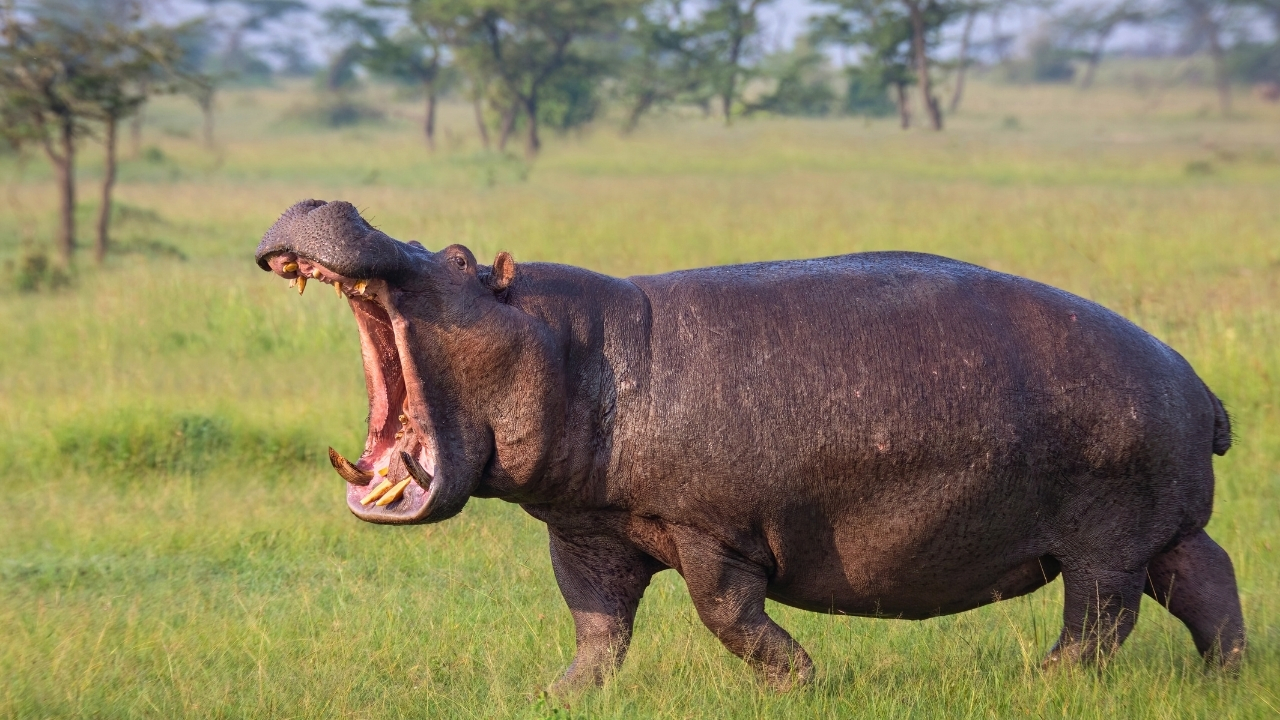
Hippopotamus

A hippo looks like a big, lazy river cow until you realize it’s basically a living bulldozer with teeth. In the water it can move fast, and on land it can still cover ground in a hurry. When a hippo commits, it isn’t “warning you off.” It’s trying to remove the problem.
The kill speed comes from pure trauma. A bite can crush bones and tear you open, and a charge can knock you down and keep going. People underestimate hippos because they don’t look like classic predators, but they’re wildly territorial around water, especially if you’re between them and safety. In hippo country, you give shorelines space, avoid surprising them in channels, and treat any close encounter like it’s already gone bad.
Saltwater Crocodile

A big saltwater croc doesn’t need a long fight. It needs one clean grab. Once it clamps down, the damage is immediate—puncture wounds, crushed bone, and blood loss that starts fast. Then comes the part people forget: drowning can happen in moments when you’re being dragged and rolled.
Croc attacks are quick because they’re built for ambush. You won’t get a warning, and you won’t “wrestle it off” once it has a solid bite. The danger is highest at water edges—exactly where you want to wash hands, fill bottles, or cool off. If you’re anywhere crocs live, you keep distance from the bank, avoid kneeling at the edge, and never assume shallow water means safe water. Crocs can explode out of a few inches and make the whole encounter last seconds.
Nile Crocodile

Nile crocs are smaller than the biggest salties, but they’re every bit as serious. They’re responsible for a lot of fatalities because they live near people, use the same ambush style, and don’t need a huge body size to kill fast.
The speed comes from the combination of crushing force and water control. If you’re grabbed at the shoreline, you’re suddenly off balance, bleeding, and getting pulled into deeper water. Even a “short” drag can put you under, and panic steals strength fast. Nile crocs also hunt in places that feel familiar—rivers, lakes, and crossings that look calm. If you’re traveling in regions where they exist, you treat every water edge as a potential strike zone. You choose safer access points, keep kids close, and never wade without knowing what shares that water.
African Cape Buffalo

Cape buffalo don’t need venom or claws. They can kill you with blunt force in a heartbeat. A buffalo can hit like a truck, knock you down, and then keep working you over with hooves and horns. That’s where “faster than you’d expect” becomes real.
People hear “buffalo” and picture a big cow. Cape buffalo are not that. They’re wired for survival, and they don’t always run away when pressured. Wounded animals can turn into an ambush, and herd animals can pin you in bad terrain fast. The kill mechanism is trauma and shock—crushed ribs, internal bleeding, and injuries that are difficult to treat in the field. If you’re in buffalo country, you keep distance, avoid thick cover where visibility is poor, and take the animal’s attitude seriously.
Asian Elephant

Elephants are often calm, even gentle, which is exactly why people get careless around them. When an elephant decides you’re a threat, the outcome can be immediate. A charge closes distance fast, and the animal’s weight turns a shove into a lethal event.
The kill speed is from crushing and shock. A stomp can end things instantly, and even being knocked down in the wrong spot can be fatal. Bulls in musth and protective mothers are especially unpredictable, and habituated elephants around tourist areas can be more dangerous because they’re comfortable near people. If you’re on foot, you respect personal space, never block their route, and avoid getting between adults and calves. You also stay alert around thick brush where an elephant can appear at close range. With elephants, the margin disappears fast.
Brown Bear

A brown bear can kill quickly, not because it’s hunting you, but because a defensive encounter can turn violent in a blink. If you surprise one at close range, especially a sow with cubs or a bear on a carcass, you may not get time to think.
The speed comes from raw strength and tearing power. A swipe can break bones, a bite can crush and puncture, and once you’re on the ground, the injuries stack up fast. Blood loss and shock don’t take long when you’ve got deep trauma. Most people also underestimate how quickly a big bear can move over short distance. In bear country, you manage the odds: make noise in thick cover, keep a clean camp, and avoid walking into blind corners near streams and berry patches. A bear encounter can be over in seconds, for better or worse.
Polar Bear

Polar bears are one of the few large predators that may treat you as prey. That changes everything. A predatory animal doesn’t bluff the way a defensive animal might. It closes distance, tests you, and commits if it sees an opening.
The kill speed comes from size, endurance, and intent. If a polar bear makes contact, the bite and claw damage is severe, and you don’t have much time to correct the situation. You’re also dealing with cold, wind, and remoteness, which makes injuries more lethal even if you survive the initial attack. In polar bear country, you take serious precautions: secure camps, keep a watch, and avoid traveling casually. People picture a bear as slow and lumbering. A polar bear at close range is fast, focused, and hard to stop.
Mountain Lion

Mountain lions don’t look like killers when you see them in photos, but they’re built to ambush and finish quickly. If a lion attacks, it often comes from behind and aims for the neck. That’s a fast, brutal way to end a fight.
The danger is the surprise. You may not realize you’re being stalked until the moment it hits. The injury mechanism is puncture wounds and asphyxiation, and that can happen quickly if the lion gets a clean hold. Lions rarely target groups of adults, but lone hikers, runners, and kids are higher risk because they look manageable. In lion country, you stay alert in dawn and dusk, keep kids close, and avoid crouching alone in brushy areas. If you encounter one, you make yourself big and aggressive. The “fast” part is that you might only get one chance to change the animal’s decision.
Black Mamba
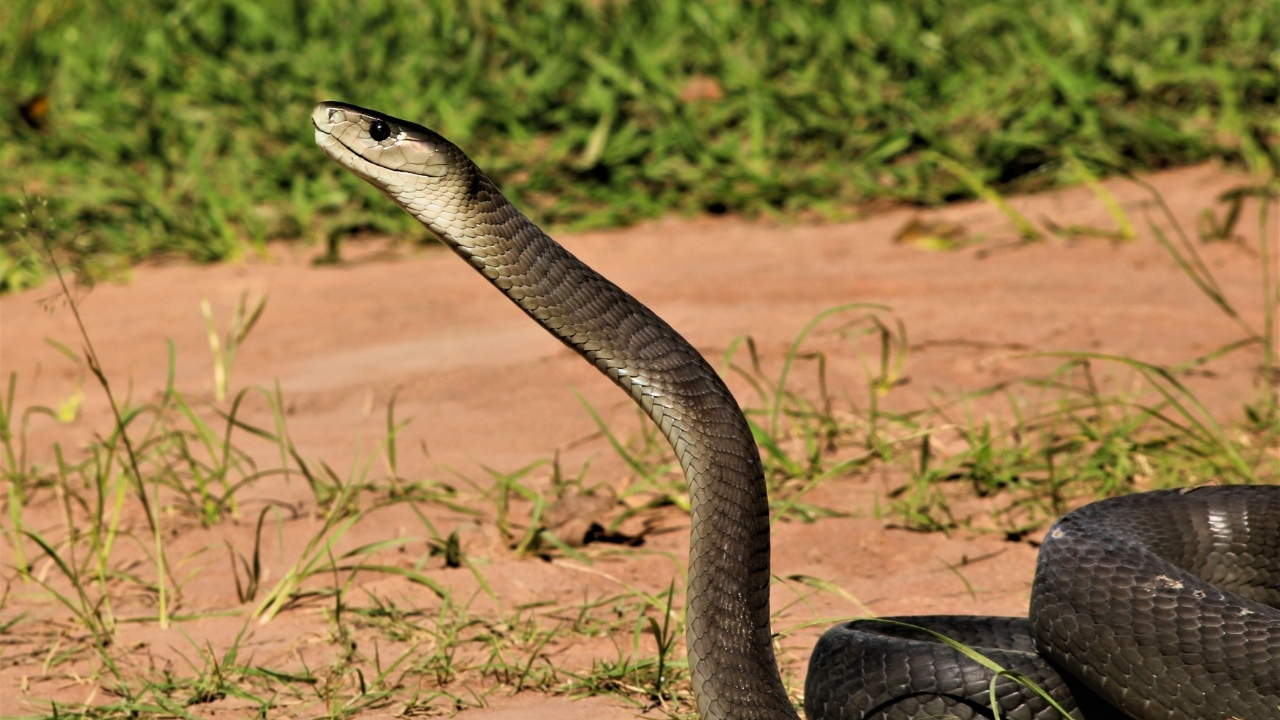
The black mamba has the reputation, and for good reason. It’s fast, it can be defensive, and its venom can be life-threatening quickly without treatment. People imagine a dramatic chase, but the real risk is stepping too close and triggering a bite before you even register what you’re looking at.
The speed comes from neurotoxic venom that can lead to paralysis and respiratory failure. Time-to-severe symptoms can be short, and in remote places that’s the whole problem. Even when antivenom exists, distance and delay turn a survivable bite into a fatal one. You reduce risk by watching where you place hands and feet, avoiding tall grass and rocky crevices without visibility, and giving snakes space to escape. Most snakes want out, not a fight. The mamba is dangerous because when it does bite, the clock starts fast.
Coastal Taipan

The coastal taipan is another snake that can kill quickly because its venom is extremely potent. It isn’t an animal you “deal with” through toughness. You deal with it by not getting bitten, because once venom is in, you’re in a medical race.
The danger is that it can live near human activity in parts of its range, and you can stumble into one in brush or around sheds and debris. The venom can cause rapid systemic effects and serious clotting problems, and untreated bites can become fatal. In the field, your best move is prevention: boots, attention, and avoiding blind hand placement around logs and rocks. If a bite happens, you treat it like a serious emergency immediately. The reason it’s on this list is speed—this is not a “wait and see” situation. Distance from care is what turns it deadly.
Inland Taipan

The inland taipan is often called the most venomous snake by venom yield and toxicity, and while you’re unlikely to meet one unless you’re in the right country and habitat, it belongs on a list about how fast venom can end you.
The kill mechanism is powerful venom that can lead to paralysis, internal bleeding issues, and organ damage without treatment. In modern settings with rapid medical care, outcomes can improve. In remote areas, delay is the enemy. The reason people underestimate it is because it isn’t an aggressive snake by nature and it’s not constantly crossing roads. That creates false confidence. If you’re operating in areas where medically significant snakes exist, you keep your behavior consistent: watch footing, avoid reaching into unseen spaces, and don’t try to handle snakes. The most dangerous bite is the one you invited.
Box Jellyfish

The box jellyfish is the definition of “faster than you’d expect.” It doesn’t look like a threat in the water. It can be nearly invisible, and the sting can hit like fire. The danger isn’t only pain—it’s what the venom can do to your heart and nervous system.
Severe stings can lead to rapid collapse, and in some cases death can occur very quickly, especially with large exposures. Even when fatality doesn’t happen, the pain and shock can cause drowning, which is its own fast killer. People underestimate jellyfish because they aren’t “animals with teeth.” In regions where box jellies exist, you treat stinger season seriously, use protective suits when appropriate, and avoid swimming where warnings are posted. The ocean can feel calm until it isn’t, and the box jellyfish doesn’t give you a chance to rethink your decision.
Blue-Ringed Octopus
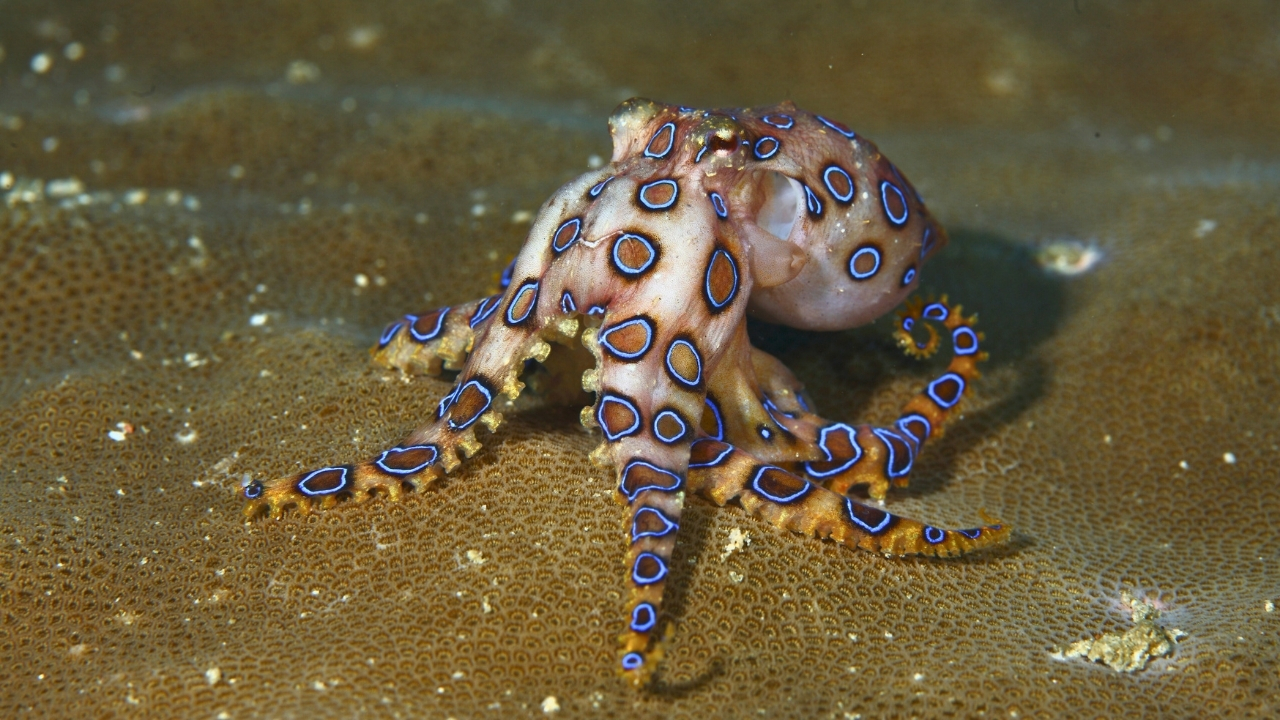
The blue-ringed octopus is tiny, beautiful, and one of the most dangerous animals you can casually pick up. People don’t expect something that small to carry venom that can shut your body down. That’s the trap.
Its venom can cause paralysis and respiratory failure. The bite may be painless or barely noticeable, which means you can lose time before you realize what’s happening. Without proper medical support, the outcome can be fatal. This is a classic “handled it for a photo” animal, and that’s how people get bitten. In tide pools and shallow reefs, you keep your hands to yourself. You admire, you don’t touch. If you’re the kind of person who likes flipping rocks and exploring crevices, this is one of the reasons you don’t do it bare-handed. Small doesn’t mean safe.
Cone Snail

Cone snails look harmless, like something you’d toss in a pocket as a souvenir. Some species can deliver venom through a harpoon-like tooth, and that venom can be life-threatening. It’s one of the most underestimated dangerous animals in the ocean.
The danger is the combination of stealth and potency. You might not feel much at first, and then symptoms can escalate into paralysis and breathing problems. Treatment is medical, and the risk grows fast when you’re far from care. People get into trouble by picking them up, handling shells, or collecting them without knowing what they’re holding. If you’re beachcombing or snorkeling, you keep unknown shells in the “look only” category. The ocean is full of animals that defend themselves with chemistry, and cone snails are a reminder that danger doesn’t always come with teeth or speed.
Stonefish
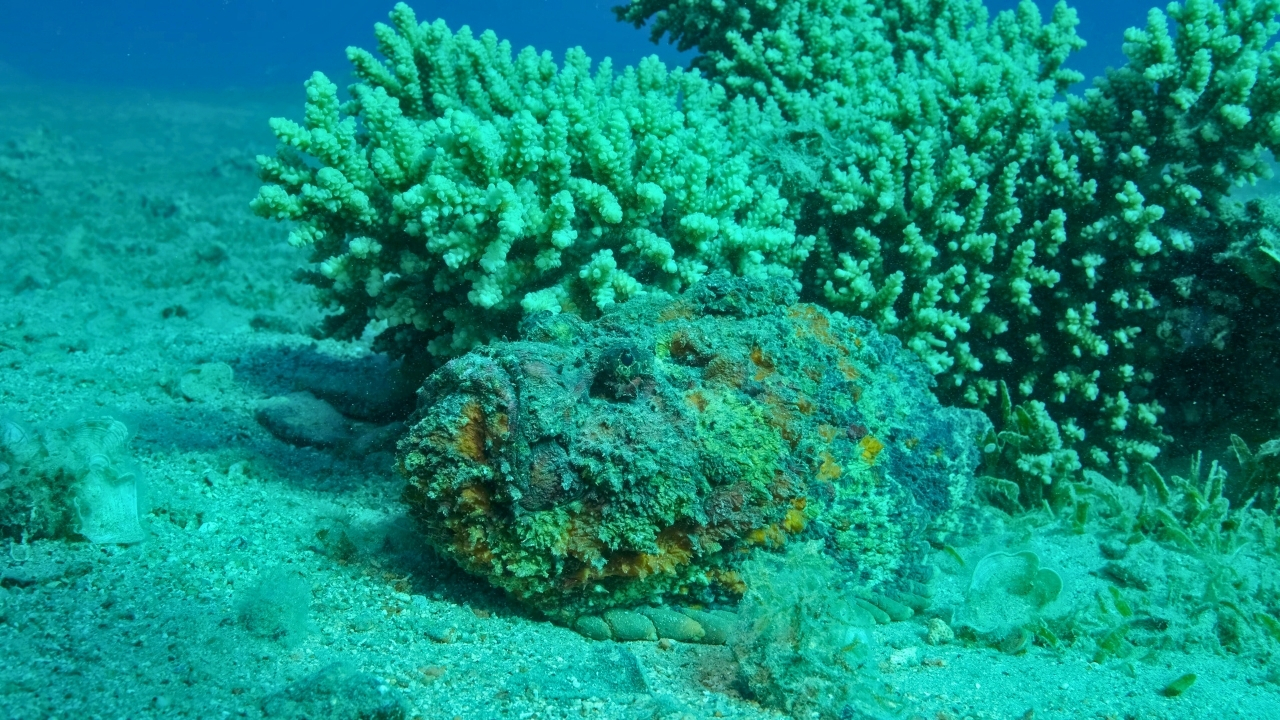
Stonefish are masters of camouflage, which is why they hurt people. They blend into rocks and reef bottoms, and then someone steps down barefoot or in thin water shoes. The spines inject venom that can cause extreme pain and serious systemic reactions.
The kill speed comes from the chain reaction: crushing pain, shock, and sometimes dangerous complications if treatment is delayed. Even when a sting isn’t fatal, it can incapacitate you quickly, which becomes deadly around water because you can drown. People often underestimate stonefish because they think of fish as a mild hazard. This one is not mild. If you’re wading in tropical shallows, you shuffle your feet, wear proper protection, and avoid stepping on coral or rocky bottoms where you can’t see. The stonefish wins by being invisible and being in the exact place your foot wants to land.
Africanized Honey Bee

A single bee sting usually isn’t fatal. The problem with Africanized honey bees is the defensive behavior—large numbers, persistent pursuit, and a willingness to keep stinging. That can turn a normal outdoor moment into a serious emergency fast.
The kill mechanism is either overwhelming venom load from many stings or anaphylaxis in someone who’s allergic. Both can escalate quickly, especially if you’re far from help or you panic and run into worse terrain. People underestimate bees because they think “I’ve been stung before.” Mass stings are a different event. If you stumble into a defensive swarm, you get away fast, cover your face, and keep moving to shelter. Water is not a reliable refuge. The reason this makes the list is speed and surprise—one wrong step near a hive, and your timeline changes in seconds.
Like The Avid Outdoorsman’s content? Subscribe to our newsletter so you never miss an article.
Here’s more from us: