Photo credit: Creation Media/Shutterstock.com
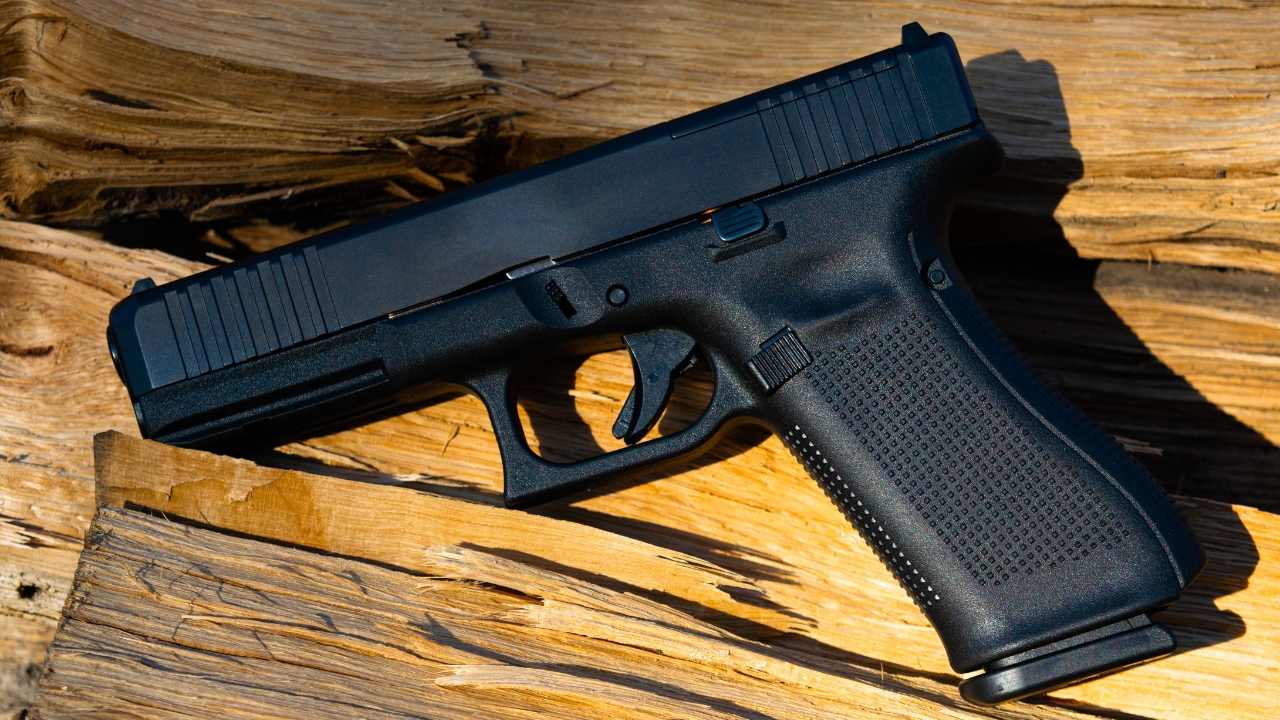
Glocks are known for being reliable workhorses, which is why the used market is full of them. But just because it’s a Glock doesn’t mean it’s automatically a good buy. Some folks run them hard, make sketchy modifications, or skip basic maintenance. If you’re thinking about picking one up secondhand, there are a few things you need to look out for so you don’t end up with someone else’s headache.
Check for Frame Damage

Start with the frame. Look closely at the rails, locking block area, and around the trigger guard. Any deep gouges, cracks, or warping are a big red flag. Even though Glock frames are tough, they’re still polymer—abuse and heat can take a toll over time.
Don’t just give it a quick glance. Field strip the pistol and inspect it like you’re buying a car. If the frame looks chewed up or feels loose, that’s your cue to walk away.
Look at the Slide Wear

Slide wear is normal, especially on rental guns or older models. But there’s a difference between honest wear and beat-up. Look for peening on the barrel hood, worn slide rails, or deep scratches around the ejection port.
Excessive wear could mean thousands of rounds without proper cleaning or lubrication. A little holster wear is no big deal, but if it looks like it got dragged behind a truck, you might want to pass.
Inspect the Barrel Condition

Take the barrel out and shine a light down it. You want to see clean, sharp rifling. Rust, heavy fouling, or pitting can seriously affect accuracy—even on a Glock. Don’t forget to check the feed ramp for chips or strange polishing.
Also, check for a bulge in the barrel. That could mean a squib round was fired, and someone pulled the trigger again. That’s not a Glock problem—that’s a “don’t trust this gun” problem.
Ask About the Trigger Mods

Plenty of Glock owners like to tinker, especially with the trigger. Aftermarket trigger kits, connectors, or springs might feel great—or they might create reliability issues. If the trigger feels weird or too light, ask what’s in it.
Some homemade trigger jobs can be sketchy. If it’s got aftermarket parts and the seller can’t explain what was done, that’s your sign to move on or plan to replace the parts yourself.
Watch for Home-Stipple Jobs

Stippling can improve grip, but a lot of people go crazy with a soldering iron and ruin a perfectly good frame. Sloppy stippling not only looks bad—it can affect comfort and even resale value.
If you’re okay with it, no problem. But if it looks like it was done blindfolded, you’ll probably regret it later. Ask yourself if you’d be happy looking at that every time you shoot.
Check the Serial Numbers

Always check that the serial numbers match between the slide, barrel, and frame. Glocks typically have the same number on all three. If one doesn’t match, it could mean it was pieced together or replaced after damage.
A mismatched gun isn’t necessarily unsafe, but you’ll want to know why it’s like that. It could affect resale or point to a rough history you’re not being told about.
Ask How Many Rounds It’s Seen

Most sellers won’t have an exact round count, but a ballpark number helps. Some guys baby their Glocks and others run them like rental guns. Ask how often it was shot and cleaned, and whether it’s had any parts replaced.
If the seller says “not many” but the recoil spring looks like it’s seen a few lifetimes, that’s a clue. Trust your gut and look for signs of wear that don’t match the story.
Look for DIY Slide Cuts or Cerakote

Custom slides are everywhere now. Some are done professionally. Others? Not so much. Slide cuts that look uneven or home-done can affect function or even crack under stress. Same with cheap Cerakote jobs that start flaking.
If the Glock’s been customized, find out who did the work. Reputable gunsmith? Cool. A buddy in his garage? Maybe not.
Test the Magazine Fit

Magazines should insert cleanly and drop free. If you feel resistance or the mag doesn’t lock in right, it could be a worn catch or frame issue. Try a few different mags if possible to rule out a bad mag.
If you have to slam a mag to seat it or yank it to get it out, that’s not normal. Small issues here can turn into big frustrations at the range or in a self-defense situation.
Be Wary of “Parts Bin Builds”

Some sellers Frankenstein guns together using leftover parts from different builds. It might function fine—or it might not. If it feels off or parts seem like they don’t quite fit, ask questions.
If you’re not experienced with Glock internals, a pieced-together gun could leave you troubleshooting problems you didn’t sign up for. Better to pay a little more for a factory setup you can trust.
*This article was developed with AI-powered tools and has been carefully reviewed by our editors.