

Photo credit: GunBroker
Some rifles get bought with a very specific purpose in mind. Maybe it is supposed to be a starter deer rifle, a budget backup, a rough-weather gun, or something you plan to use for a season or two before moving on to something better. Then a funny thing happens. The rifle keeps doing its job. It carries well, shoots where it should, and slowly becomes one of those guns you stop thinking about replacing because it never gives you much reason to.
That is how certain rifles end up staying around much longer than expected. They are not always the flashiest rifles in camp, and they do not always start out as the one a hunter is most excited about owning. What they do is earn trust over time. A rifle that handles naturally, prints dependable groups, and behaves the same way every season has a way of sticking with people. Hunters may buy them with temporary plans in mind, but a rifle that keeps making life easy tends to become permanent before they realize it.
Ruger American
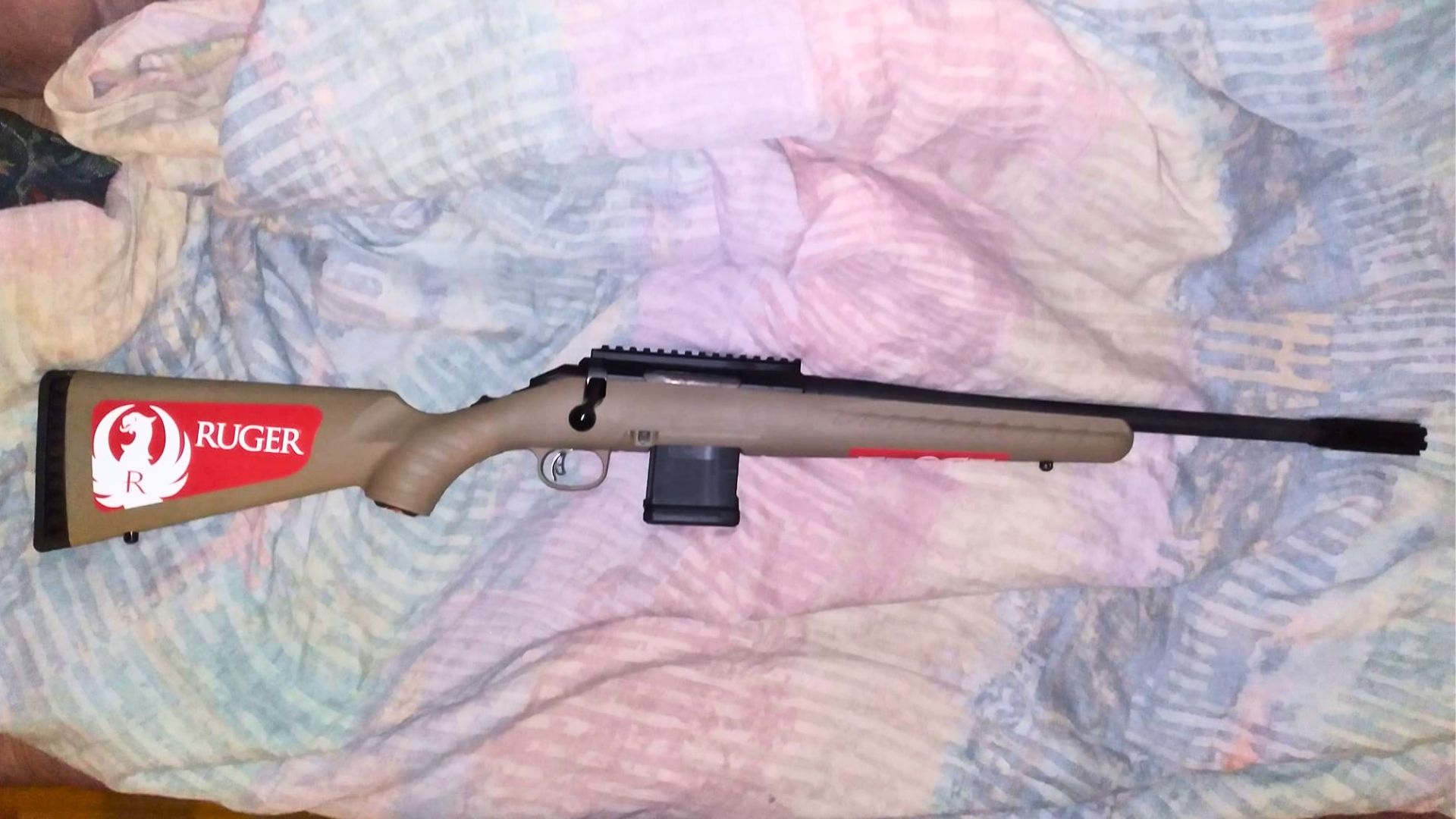
The Ruger American is one of those rifles many hunters buy as a practical choice and then end up keeping because it never really stops making sense. It usually enters the safe as the affordable option, the backup rifle, or the one that is “good enough for now.” Then it starts shooting better than expected, handling rough use without complaint, and proving that price does not always tell you how long a rifle will stay useful.
That is where it starts to stick. A hunter may still notice the stock feels plain or that the action is not especially polished, but those things lose importance when the rifle keeps printing honest groups and taking game cleanly. Once a rifle proves dependable season after season, it becomes harder to justify replacing it. The Ruger American stays because it quietly turns itself from a temporary answer into a rifle that simply keeps earning another year.
Tikka T3x Lite

The Tikka T3x Lite often gets bought because a hunter wants something light, accurate, and straightforward. The idea is usually practical. It is not always purchased as a forever rifle. Sometimes it is meant to be a simple mountain rifle, a dedicated deer rifle, or the one you carry when you are tired of heavier setups. Then the rifle starts doing everything well enough that it becomes harder to imagine letting it go.
A big reason for that is how easy it is to trust. The action is smooth, the trigger is clean, and the rifle tends to shoot the way people hope a hunting rifle will shoot. Hunters may tell themselves they will eventually move on to something more expensive or more specialized, but the Tikka keeps making that feel unnecessary. Rifles that remove excuses and stay easy to live with have a habit of lingering in camp for a very long time.
Winchester Model 70

The Winchester Model 70 tends to stay because it gives hunters something that many modern rifles do not always offer in quite the same way: a feeling that the rifle was built to be carried in the field, not only compared on paper. A lot of people buy one because they want a classic controlled-round-feed rifle, a trusted hunting name, or a rifle with a little more personality than the latest plastic-stock option. Then it starts becoming the rifle they keep reaching for every fall.
Part of that comes from handling, and part of it comes from trust. The Model 70 often feels like a rifle you settle into rather than a rifle you outgrow. It balances well, carries itself honestly, and has enough long-term credibility behind it that owners stop seeing it as something temporary. A rifle that feels right in the hands and keeps doing its job rarely leaves quickly, and the Model 70 has been proving that for a long time.
Remington 700

The Remington 700 tends to stay longer than expected because it enters people’s lives in so many different ways. Sometimes it is a first centerfire rifle. Sometimes it is a hunting hand-me-down. Sometimes it is the common, practical bolt gun a hunter buys because it seems like the easiest choice at the time. What often keeps it around is that it becomes familiar enough to make replacing it feel less urgent than the buyer once assumed.
That familiarity matters more than shooters admit. A hunter learns the safety, the trigger, the balance, and the exact way the rifle feels when a shot is coming together. Even if newer rifles offer nicer features or lighter weight, a well-sorted Model 700 still does enough things right to keep its place. Hunters often plan to upgrade eventually, but a rifle that already fits their habits tends to keep winning one more season.
Savage 110
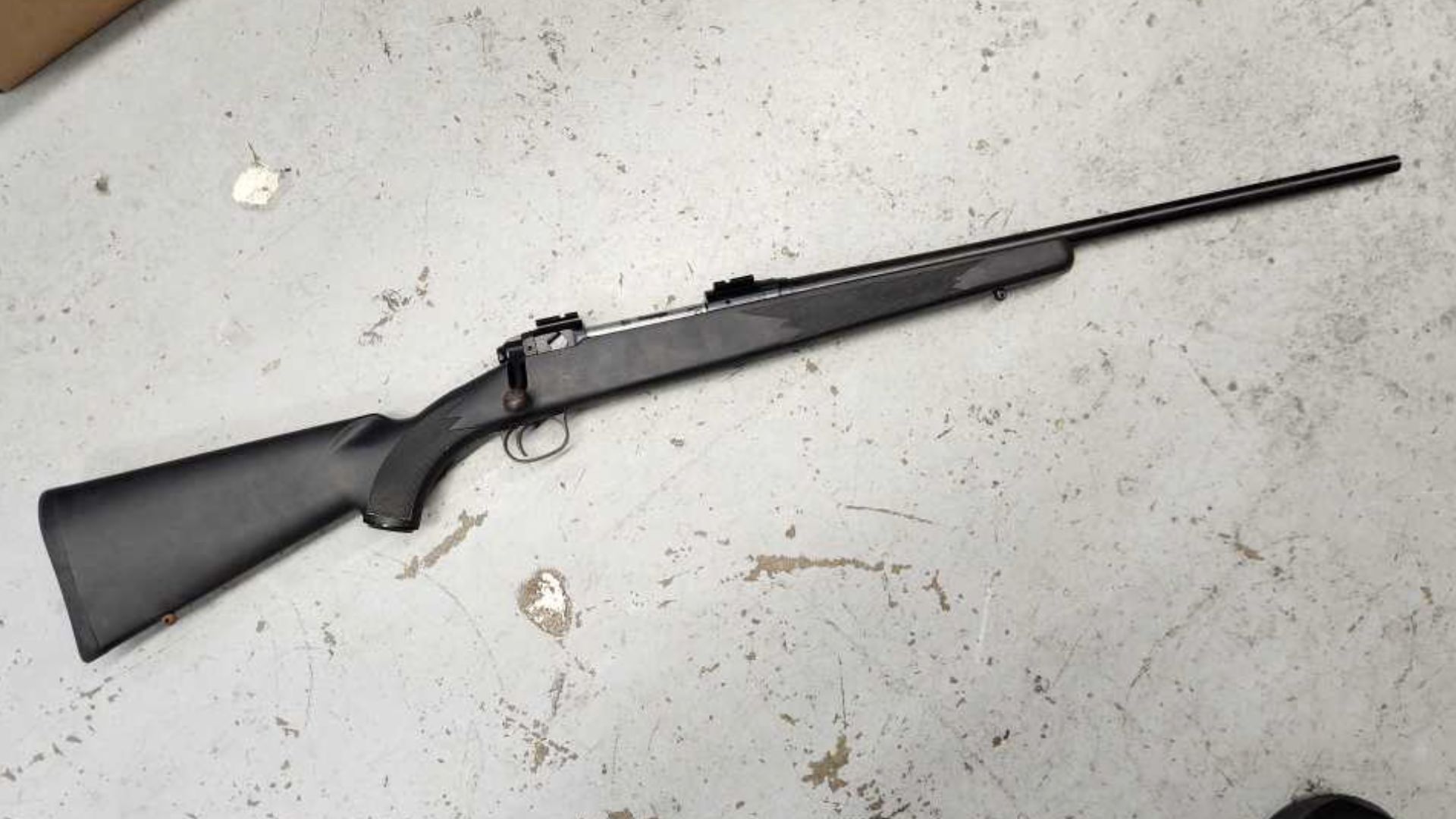
The Savage 110 often hangs around because it wins people over with results before it wins them over with charm. A lot of hunters buy one expecting accuracy and value, but not necessarily expecting a deep attachment. Then the rifle starts shooting well, the trigger works in their favor, and the whole package proves more dependable than the plain appearance might have suggested. That kind of practical performance is hard to walk away from.
The longer it stays in use, the more the rifle’s strengths start overshadowing any cosmetic complaints. Hunters stop caring that it may not be the sleekest rifle in camp because it is the one that keeps putting bullets where they want them. A rifle does not need to be glamorous to earn a permanent place. It only needs to keep making hard hunts simpler, and the Savage 110 has been doing that for a lot of hunters over many seasons.
Browning X-Bolt
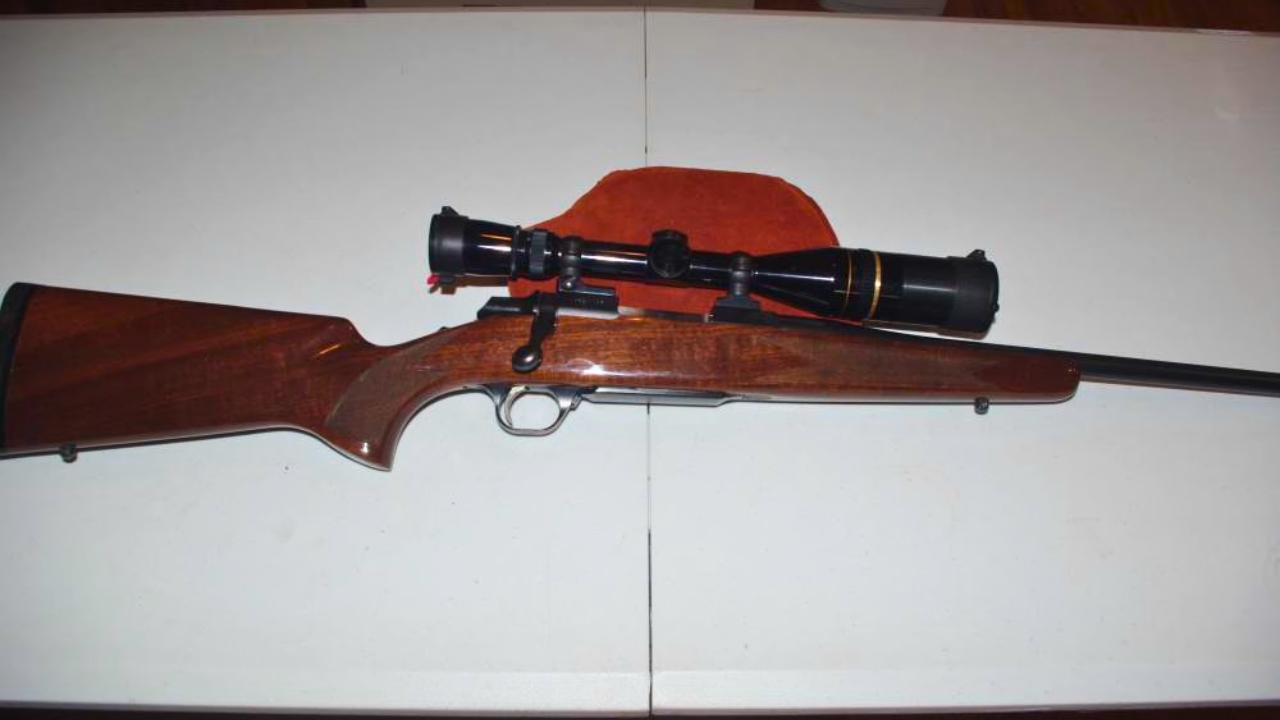
The Browning X-Bolt tends to stay because it often arrives as a rifle someone bought hoping for a nice blend of modern features and field usability, then ends up feeling like a rifle they do not need to improve on very much. It usually shoots well, carries well enough, and comes with a level of finish that makes ownership feel satisfying without becoming overly delicate. That balance can keep a rifle around for much longer than its owner first planned.
Hunters also tend to keep rifles that feel complete from the start. The X-Bolt often lands in that category. It does not usually leave owners feeling like they need to change much or chase another setup immediately. Once a rifle earns the label of dependable and comfortable, it starts surviving the temptation that sends other guns down the road. A lot of rifles get bought out of curiosity. The X-Bolt often gets kept out of contentment.
Marlin 336

The Marlin 336 stays longer than expected because lever guns have a way of becoming personal once a hunter spends enough time carrying one. Many people buy a 336 thinking of it as a woods rifle, a brush gun, or maybe a fun nod to traditional deer hunting. Then they discover how naturally it carries, how quickly it comes up, and how much confidence it builds in thick country where shots happen fast and close.
That kind of handling creates loyalty fast. A rifle like the 336 often becomes tied to the rhythm of real hunts in a way that more technical rifles do not always manage. It may not be the answer for every piece of country, but inside its lane it feels so natural that hunters stop seeing it as optional. A rifle that carries easy and feels right when deer appear suddenly tends to stay in camp a whole lot longer than expected.
Ruger M77 Hawkeye

The Ruger M77 Hawkeye often sticks around because it feels like a serious hunting rifle from the start. It is not usually bought as a throwaway rifle or a cheap experiment. Even so, some hunters still expect it to be one step in a longer ownership path. What changes that is how well the rifle settles into actual use. It has enough substance, durability, and familiar field handling to become the kind of rifle people stop questioning after a few seasons.
That kind of quiet confidence keeps rifles in the safe. The M77 Hawkeye does not always dominate flashy conversations, but it gives hunters a controlled-feed action, practical stock design, and a sense of mechanical honesty that ages well. Once a rifle proves it can take rough weather, hard travel, and repeated hunts without drama, selling it starts feeling like giving up something solid for no real reason.
Weatherby Vanguard
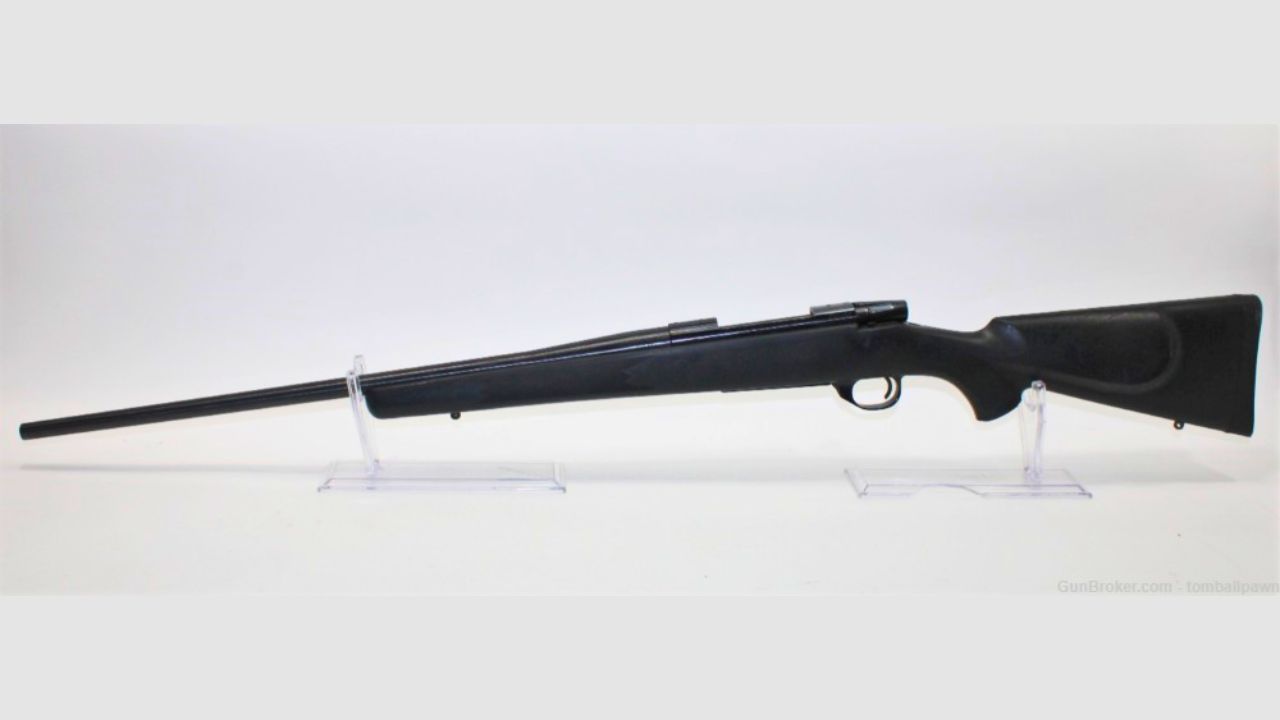
The Weatherby Vanguard tends to stay because it often begins as the smart, sensible buy and then turns into the rifle the owner keeps trusting. It usually offers enough accuracy, enough quality, and enough substance that hunters quickly stop thinking of it as a compromise. Even if they originally bought it as the middle-ground option, a lot of them find that it already covers the role they thought some future rifle would fill.
That is usually what keeps a hunting rifle in the safe. It makes the next purchase feel unnecessary. The Vanguard may not always have the mystique of more expensive rifles, but it often has the practical steadiness hunters learn to appreciate more over time. A rifle that consistently does what it is supposed to do, without needing excuses or constant tweaking, has a very good chance of sticking around longer than anyone first expected.
Remington Model 7600

The Remington 7600 stays because pump rifles fill a role that some hunters only fully appreciate after carrying one for a while. At first, it may look like a regional rifle, a brush-country tool, or a practical compromise for hunters who want fast follow-ups. Then the owner learns how natural the rifle feels in certain country, how quickly it cycles, and how confidently it handles ordinary deer season demands.
That kind of usefulness tends to keep a rifle from leaving. The 7600 is not always the first rifle people brag about, but it is often one of the rifles people quietly refuse to sell. Once a hunter has enough success with a rifle that points well and works well in the kind of country he actually hunts, there is less incentive to chase something newer. Practical rifles build loyalty faster than flashy ones, and the 7600 proves that.
CZ 557

The CZ 557 tends to stay because it often surprises people by feeling more refined and more satisfying in the field than they expected when they first bought it. Maybe the purchase was driven by curiosity, value, or simply the desire to try something a little different from the usual American choices. Then the rifle starts showing off a smooth action, good trigger, and a field feel that makes it harder to part with than a spec sheet might suggest.
Hunters often hold onto rifles that feel a little more alive in the hands than the average option. The CZ 557 frequently lands there. It may not have been bought with decades of ownership in mind, but once it becomes the rifle that carries well and shoots with very little drama, plans tend to change. Rifles that combine performance with a little personality usually linger, and this one often does exactly that.
Pre-64 Winchester Model 94

The pre-64 Winchester Model 94 tends to stay longer than expected because it often starts as a rifle bought for appreciation and ends up becoming one the owner cannot quite bear to part with. Maybe it came in as a collector piece, a family-style woods gun, or an old lever rifle someone simply wanted to experience for themselves. Then it starts feeling exactly like what a deer rifle in the woods ought to feel like, and selling it becomes much harder.
Older rifles like this stay because they do more than function. They carry memory, handling, and character in one package. The Model 94 is quick, familiar, and tied to the kind of hunting many people still imagine when they think of deer season. Once a rifle gives you that while still doing honest work in the field, it stops being easy to replace. That is usually when it becomes permanent without ever being announced as such.
Like The Avid Outdoorsman’s content? Subscribe to our newsletter so you never miss an article.
Here’s more from us:


