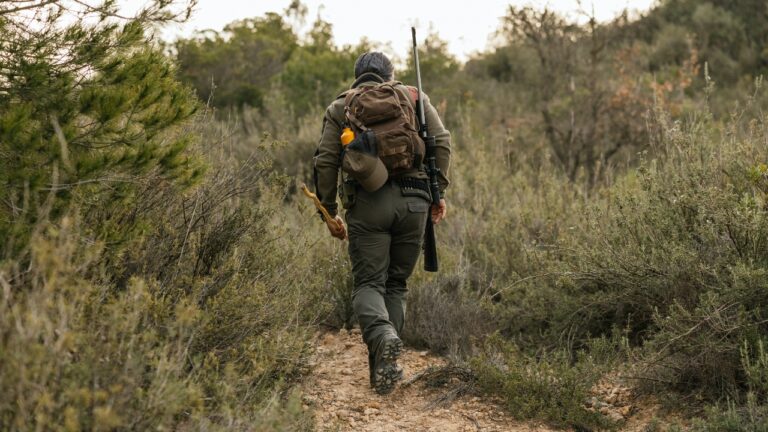
Photo credit: Rich Waite/Shutterstock.com
There’s always some new gadget or tactic floating around, but certain deer hunting strategies have worked for generations—and they still get it done today. When your goal is to bring home venison, you don’t need to overcomplicate things. These simple, proven tactics continue to put meat in freezers season after season. If you focus on the basics, hunt smart, and pay attention to conditions, you’ll see more deer and take more clean shots. Here are eight timeless tactics that still work just fine.
Hunt the First and Last Hour
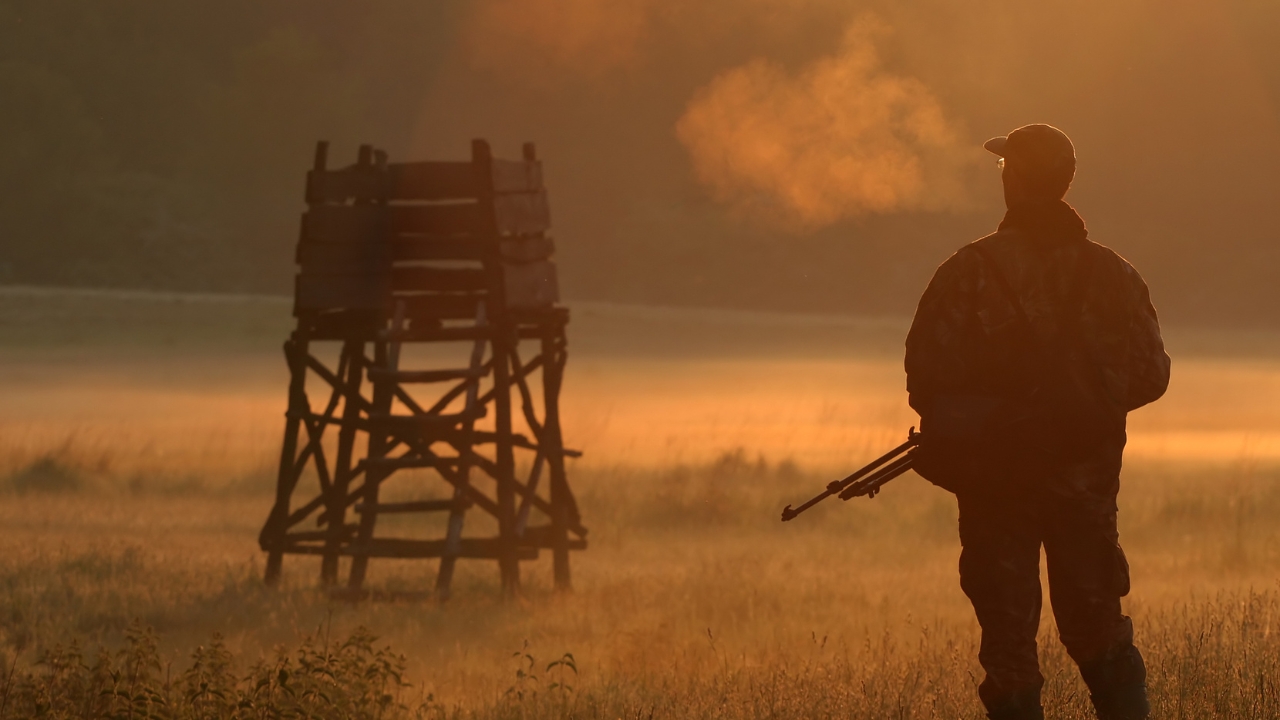
Deer move most during low light, and it’s still the easiest way to fill a tag. Morning and evening sits catch them moving between bedding and food. If you’re tight on time, focus on these windows for your best odds. Setting up near known feeding areas for evening or slipping toward bedding areas in the morning keeps you in productive spots when deer feel safest moving.
Watch the Wind Like a Hawk

No gadget can save a hunt if you ignore the wind. Deer rely on their noses, and bad wind direction ruins setups fast. Always know which way your scent’s blowing and adjust accordingly. Use a wind checker before every sit and hunt crosswinds when you can. This simple habit keeps you from educating deer and helps you see more relaxed animals moving naturally.
Focus on Fresh Sign

Tracks, fresh droppings, and rub lines don’t lie. If you’re seeing fresh sign, deer are using the area. Spend more time scouting and less time guessing. Even a short walk before season can reveal overlooked hotspots. Look for active trails between bedding and feeding, or areas with fresh scrapes. When you hunt where deer already are, you don’t have to rely on luck.
Hunt Food Sources During Early Season

In the early season, deer are slaves to their stomachs. Target food plots, oak flats, or cut cornfields in the evenings. They’re easier to pattern before hunting pressure shifts them to nocturnal habits. Set up on the downwind edge and be patient. Food-focused sits are one of the simplest ways to get a clean shot early in the year before things get complicated.
Still-Hunt on Windy Days

When the wind is howling, deer don’t bed in open spots—they hunker down in thick cover. Slow still-hunting along edges of thick bedding or in logged areas can produce close-range shot opportunities. The wind helps mask your movement and sound. Go slow, glass often, and stop frequently. You’ll get into shooting range before they know you’re there.
Use Funnels and Pinch Points

Deer are creatures of habit, and terrain funnels their travel. Saddles, creek crossings, and narrow strips of woods between fields naturally concentrate deer movement. Even during the rut, these pinch points are reliable. Setting up along a natural funnel increases your odds of seeing more deer without needing bait or complex setups. It’s simple, but it works.
Rattle and Grunt During the Rut
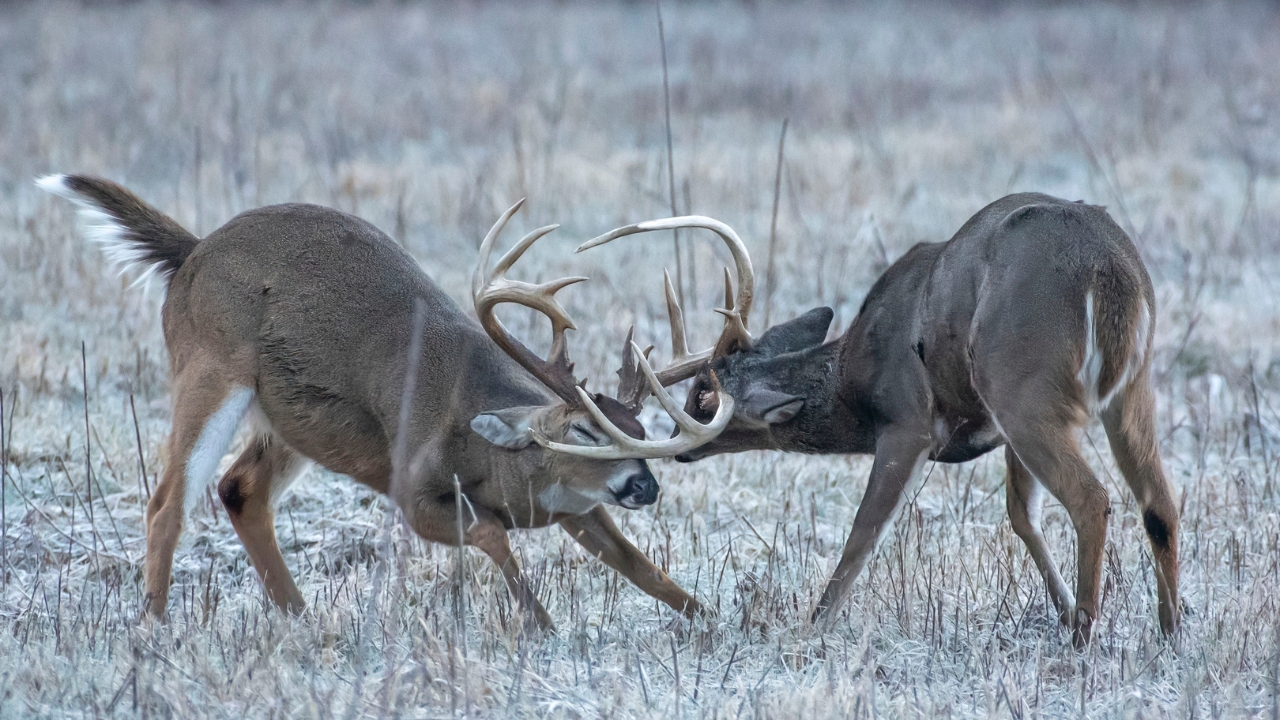
The rut is unpredictable, but basic calling still pulls in bucks. A few rattling sequences and light grunts can catch the attention of cruising bucks. You don’t need to overdo it—less is usually more. Set up where bucks already travel, call occasionally, and stay ready. It’s a fun and effective way to fill a tag, especially when hunting from the ground or along travel corridors.
Stay Put for Midday Movement

Many hunters head out by mid-morning, but deer don’t always bed all day. Especially during the rut or late season, midday movement picks up. Bucks check bedding areas, and deer shift between cover and food sources. Pack a lunch, settle in, and hunt all day when you can. Staying put longer keeps you in the game while everyone else heads for the truck.
*This article was developed with AI-powered tools and has been carefully reviewed by our editors.