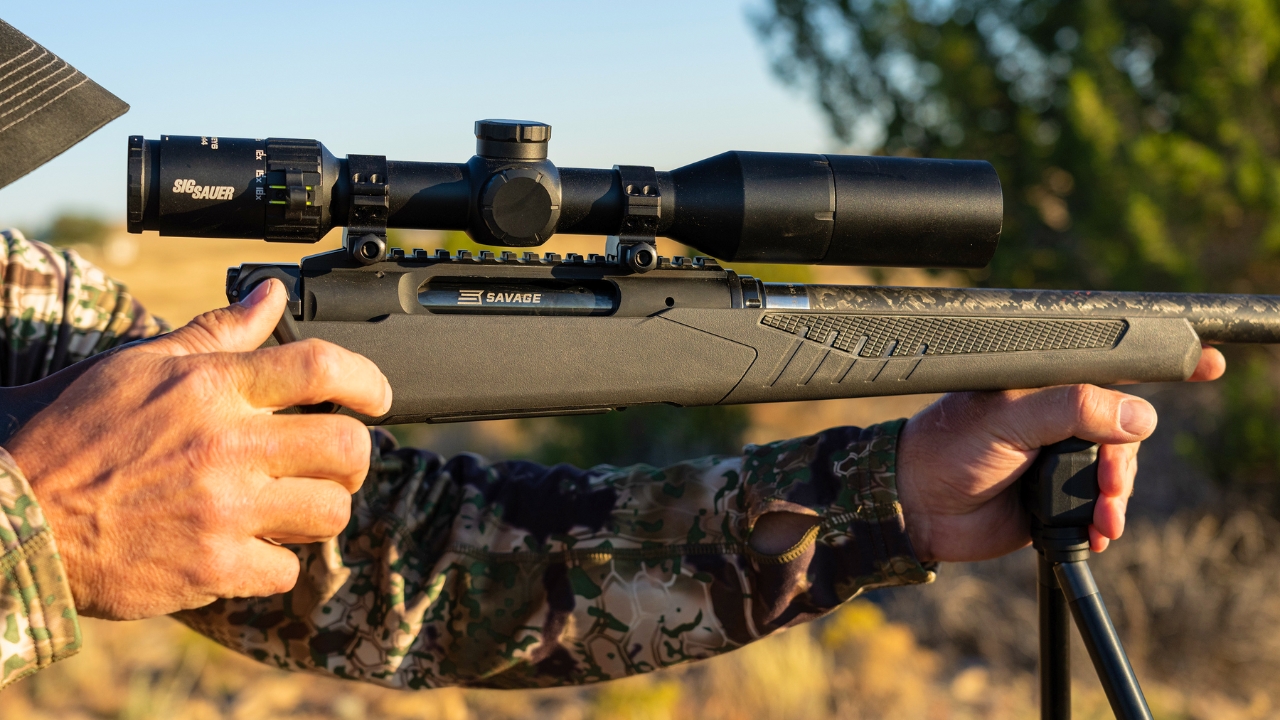
Photo credit: Savage Arms
Some calibers sound great during the off-season when you’re reading ballistics charts or listening to a buddy brag about the rifle he loves. But once you take them into the field, you quickly uncover the limitations that never show up on paper. Maybe the recoil is worse than expected, or the ammo is nearly impossible to find when you need a quick resupply. Sometimes the cartridge performs well on a perfect broadside shot and falls apart the second conditions shift.
Plenty of rounds get bought with excitement and sold quietly after the first season of real use. These are the cartridges hunters typically give up on once the truth shows up in the field.
.22-250 Remington
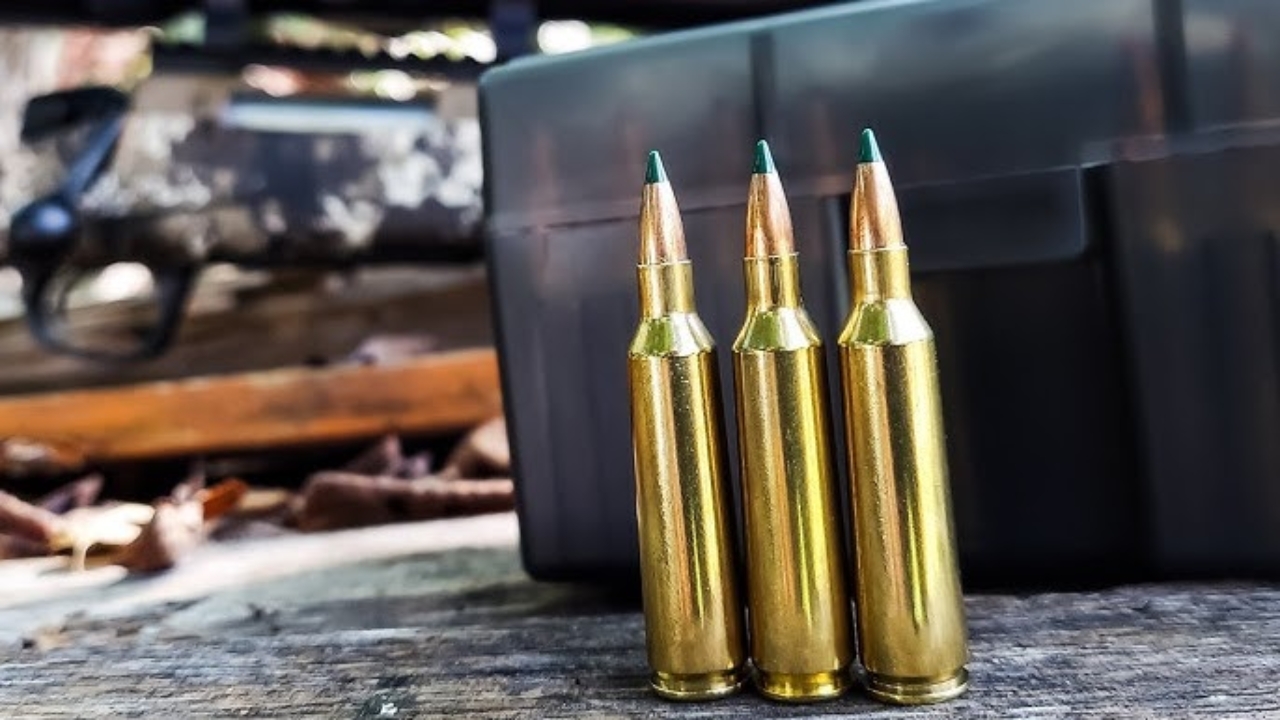
You’ll hear people talk up the .22-250 for deer every fall, but its limitations show up fast once you start stretching the distance or dealing with tough angles. The high-velocity light bullets work fine on smaller game, but penetration becomes inconsistent on deer-sized animals unless you pick the heaviest premium loads.
Wind drift also becomes a real factor once you leave the truck. Many hunters who try it for deer eventually move on to something with more margin for error. It’s a fantastic varmint round, but for big game, most people bail after a season.
.243 Winchester (Used Outside Its Lane)

The .243 handles whitetails well when you keep shots broadside and within moderate distances, but many hunters push it further than they should. Once you step into quartering angles or push past typical yardage, energy drops off quickly.
You’ll also find that heavier game exposes the cartridge’s limits fast. Plenty of new hunters buy one thinking it covers everything, only to learn it performs best when used with discipline. Most stick with it for a season, then trade up to something offering more punch and flexibility.
7mm-08 Remington (For Larger Game)

The 7mm-08 is a great deer round, but some hunters treat it like a lighter 7mm Magnum, and that’s where problems begin. It lacks the velocity and energy to perform consistently at longer distances on bigger-bodied game like elk.
Hunters who try using it beyond its intended envelope often experience disappointing results, especially with less-than-perfect shot placement. Most wind up keeping the rifle but switching calibers the next year once the shortcomings become impossible to ignore.
.257 Roberts

The .257 Roberts has a devoted following, but its biggest issue today is ammunition availability. Many hunters buy into the romance of a classic cartridge, only to realize finding quality loads can be a chore.
Its performance is fine on deer and antelope, but it doesn’t offer anything dramatically better than more available modern options. After a season of hunting and struggling to stock up, shooters often shelf the .257 and go back to calibers they can find anywhere.
.30 Carbine

The .30 Carbine still gets used by a handful of hunters, but its limitations show immediately in the field. Penetration is inconsistent on deer-sized animals, and drop becomes an issue far sooner than most expect.
While it’s fun and nostalgic, it’s not ideal for real hunting conditions unless shots are extremely close and controlled. Many hunters try it for the novelty but abandon it quickly once they see how unpredictable terminal performance can be.
.300 Blackout (For Deer Hunting)

The .300 Blackout works within narrow parameters—short range, good bullets, and precise shot placement. Once you leave that comfort zone, performance falls off fast. Subsonic loads have limited penetration, and even supersonic loads drop quickly as distance increases.
Hunters who expected it to replace their deer rifle often learn otherwise during their first season. After a few marginal hits or missed opportunities, most move on to something with more retained energy and reach.
.25-06 Remington (For Anything Bigger Than Deer)
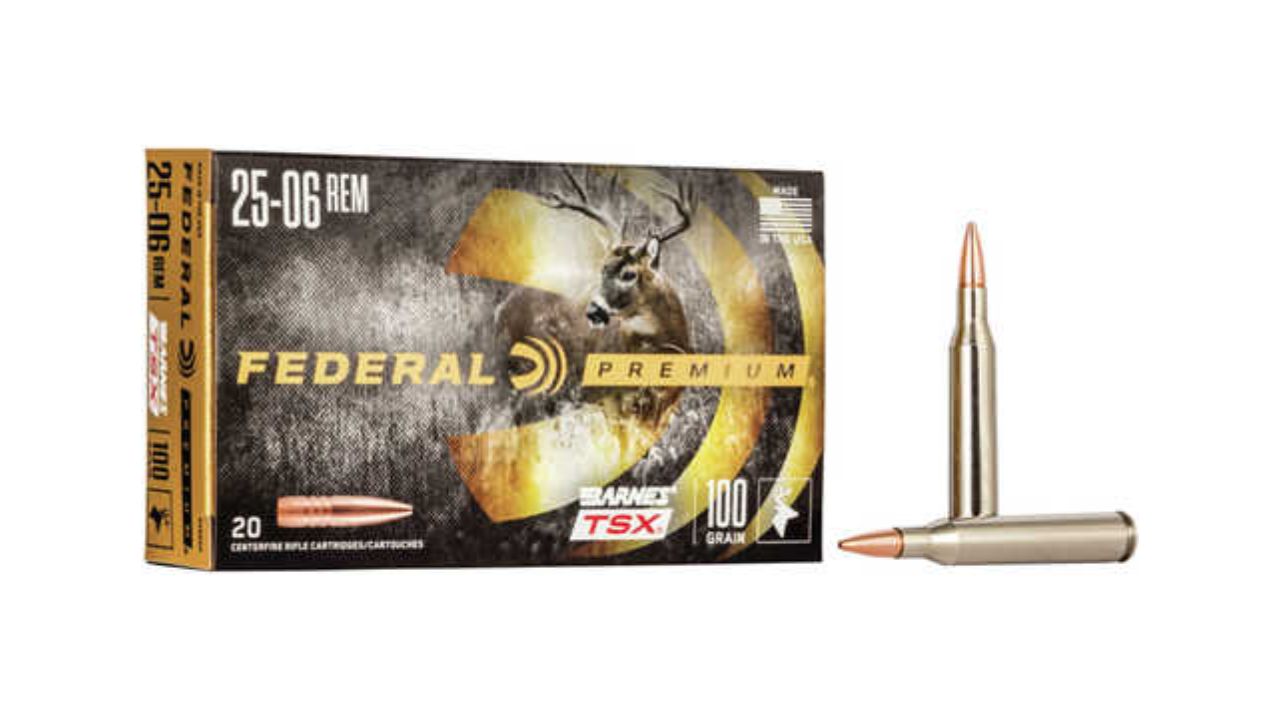
The .25-06 is a flat shooter, but many hunters discover that high velocity doesn’t compensate for limited bullet weight when they start targeting larger game. Penetration becomes inconsistent, and wind drift can be surprising.
While it’s excellent for antelope and whitetails, it loses appeal for anyone trying to stretch it into “all-around” duty. After one season of marginal results on bigger animals, most hunters go back to a more versatile mid-caliber option.
.257 Weatherby Magnum
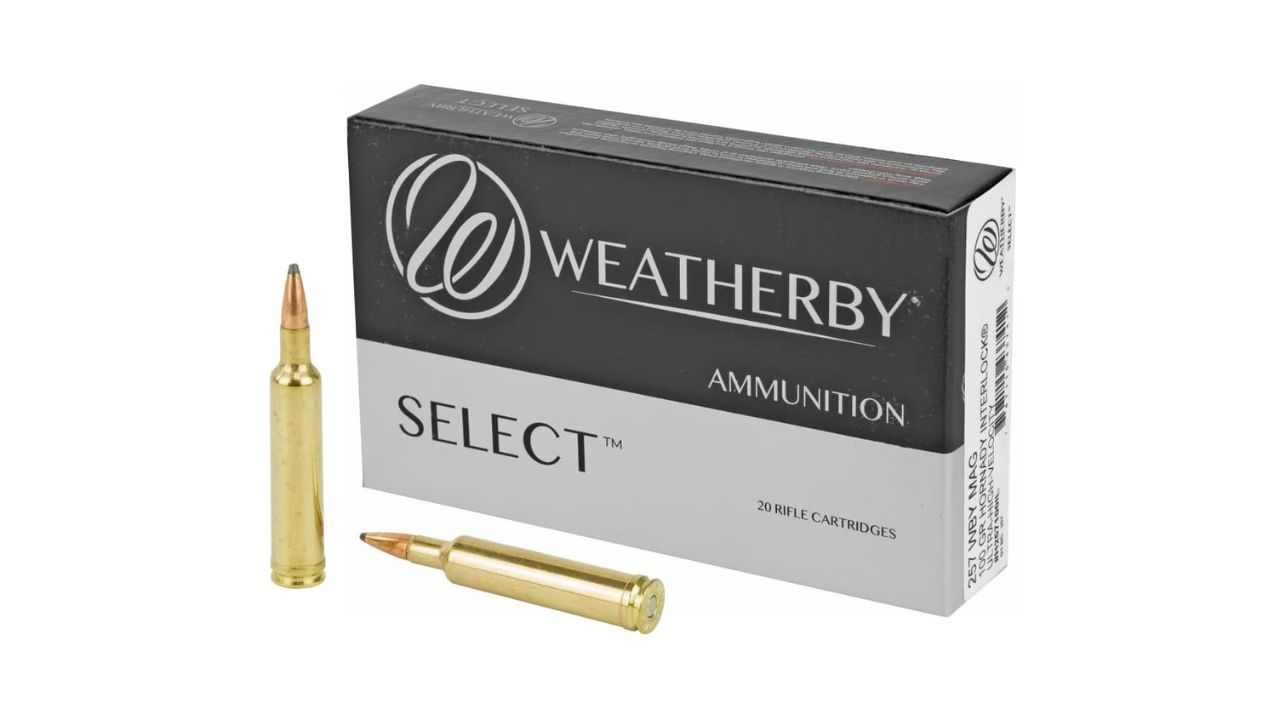
The .257 Weatherby Magnum is blazing fast, but that speed comes with drawbacks. Lightweight bullets can fragment on tough angles, and recoil is sharper than many expect from a .25-caliber rifle.
Ammo is expensive and harder to find than mainstream cartridges. Many hunters love the idea of a flat-shooting long-range deer rifle but end up giving it up after a season when the cost and barrel wear outweigh the benefits.
6.5 Grendel

The 6.5 Grendel performs well inside moderate range, but many hunters buy it expecting long-range capability from an AR platform. Once they push it past 300 yards, energy drops fast and wind drift becomes noticeable.
Its sweet spot is narrow, and shot placement has to be precise. After a season of mixed results—especially on tougher game—many hunters realize they need something with more horsepower for consistent kills.
.30-30 Winchester (When Used Beyond Its Strengths)

The .30-30 works beautifully in thick timber, but many new hunters try stretching it into open-country conditions and quickly run into drop and limited energy. Flat-nosed bullets simply don’t carry well at longer distances.
While the round is time-tested, its versatility is overstated by those who grew up with it. When hunters realize they’re passing up shots they could comfortably take with a more modern cartridge, the .30-30 often gets benched after one season of real testing.
6.8 SPC

The 6.8 SPC was designed to improve performance from the AR-15 platform, but its hunting reputation is mixed. Ballistics fall between .223 and .308 but don’t quite match either in their respective strengths.
Ammo selection varies in quality, and long-range performance isn’t impressive. Many hunters who bought into it early switch to 6.5 Creedmoor or .350 Legend after spending a season seeing its limits in the field.
.350 Legend (For Anything Past Close Range)

The .350 Legend does well inside 150 yards, but hunters who try stretching it farther run into rapid energy loss and poor bullet expansion. It’s a short-range tool, and that’s where it should stay.
Many shooters who bought one expecting a versatile straight-wall deer rifle end up moving on after a season of missed opportunities thanks to its limited reach. It remains popular, but only for very specific hunting situations.
.280 Remington

The .280 Remington is capable, but its biggest enemy is availability. Many hunters fall in love with the ballistics on paper but spend their entire season hunting for ammo rather than hunting animals.
While the cartridge performs well, most shooters don’t want to depend on something that’s hard to feed. After one season of supply struggles, the rifle often gets traded for something more common.
.444 Marlin
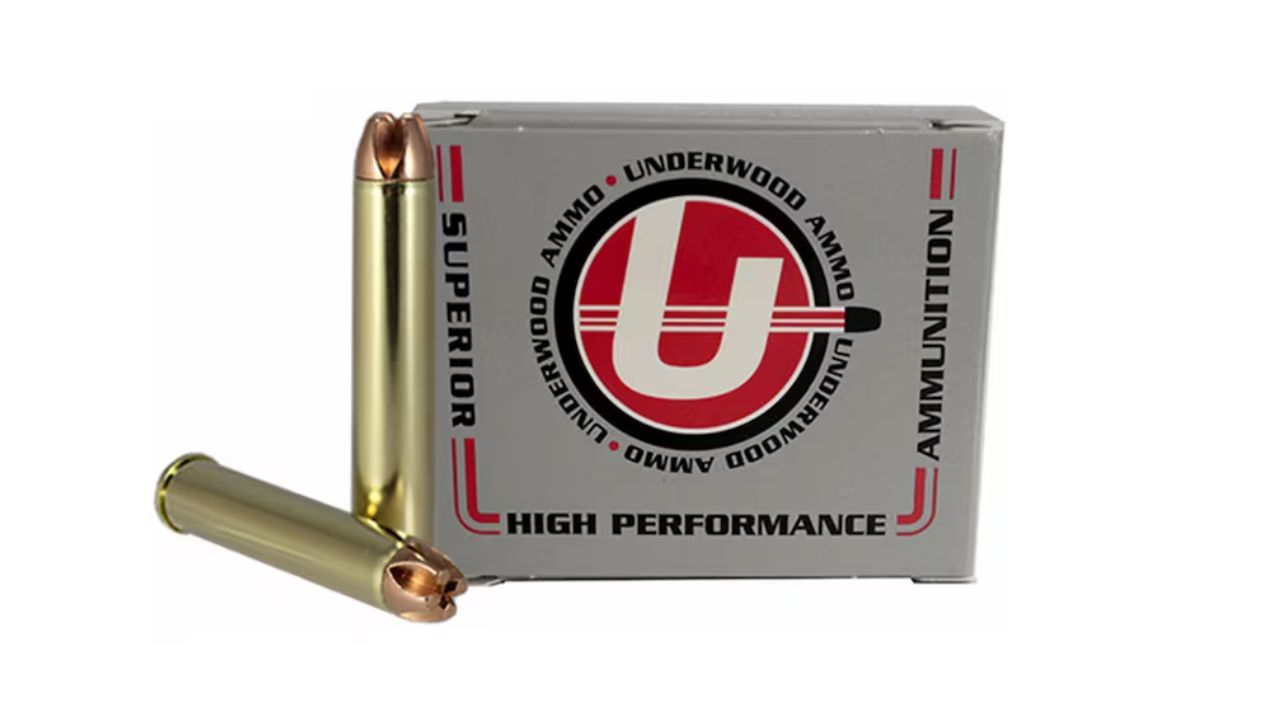
The .444 Marlin hits hard but suffers from limited bullet options and pronounced drop past moderate ranges. Many hunters buy one thinking it’ll replace their .45-70, only to find it’s less versatile and harder to pair with modern bullets.
Heavier recoil and tough trajectories make it challenging in open country. After a season of dealing with these tradeoffs, many hunters move to more flexible big-bore options.
7.62x39mm

Budget rifles chambered in 7.62×39 attract new hunters every season, but accuracy varies widely, especially with imported ammunition. Drop and drift become issues quickly once you move past short-range shooting.
While it works fine for close shots on whitetails, many hunters discover it lacks the consistency they want for regular big-game applications. After one season, most upgrade to something with better ballistics and more dependable bullet options.
.30-06 Springfield (For Long-Range Hunters)

The .30-06 has history behind it, but many new hunters buy one expecting long-range performance. Once they start pushing past 300 yards, they quickly notice the drop and drift compared to modern cartridges like the 6.5 PRC or .300 Win. Mag.
It remains a solid deer cartridge, but long-range hunters often replace it after a single season of seeing how much correction it requires. The .30-06 works well with proper expectations—many hunters simply bring unrealistic ones to the table.
Like The Avid Outdoorsman’s content? Subscribe to our newsletter so you never miss an article.
Here’s more from us: