Photo credit: TGS Outdoors/Youtube
Browning is one of the few gun brands where the name almost carries its own weight before you even get to the model. A Browning shotgun, Browning rifle, Browning pistol, or Browning-designed firearm does not all mean the same thing, and that is part of what makes the brand so interesting. The company’s identity is tied to John Moses Browning, but it also stretches into modern hunting rifles, over-under shotguns, autoloaders, rimfire pistols, and even ammunition.
That is why Browning still feels like a brand worth respecting. It is not only selling nostalgia. The name sits on top of one of the deepest design legacies in firearms history, and the company has kept enough real products in hunters’ and shooters’ hands to make the brand more than a museum label. Browning’s own history points back through Jonathan Browning, John Moses Browning, and the Ogden, Utah roots that shaped the family’s firearm legacy.
1. The Browning Name Starts With a Real Gunmaking Family
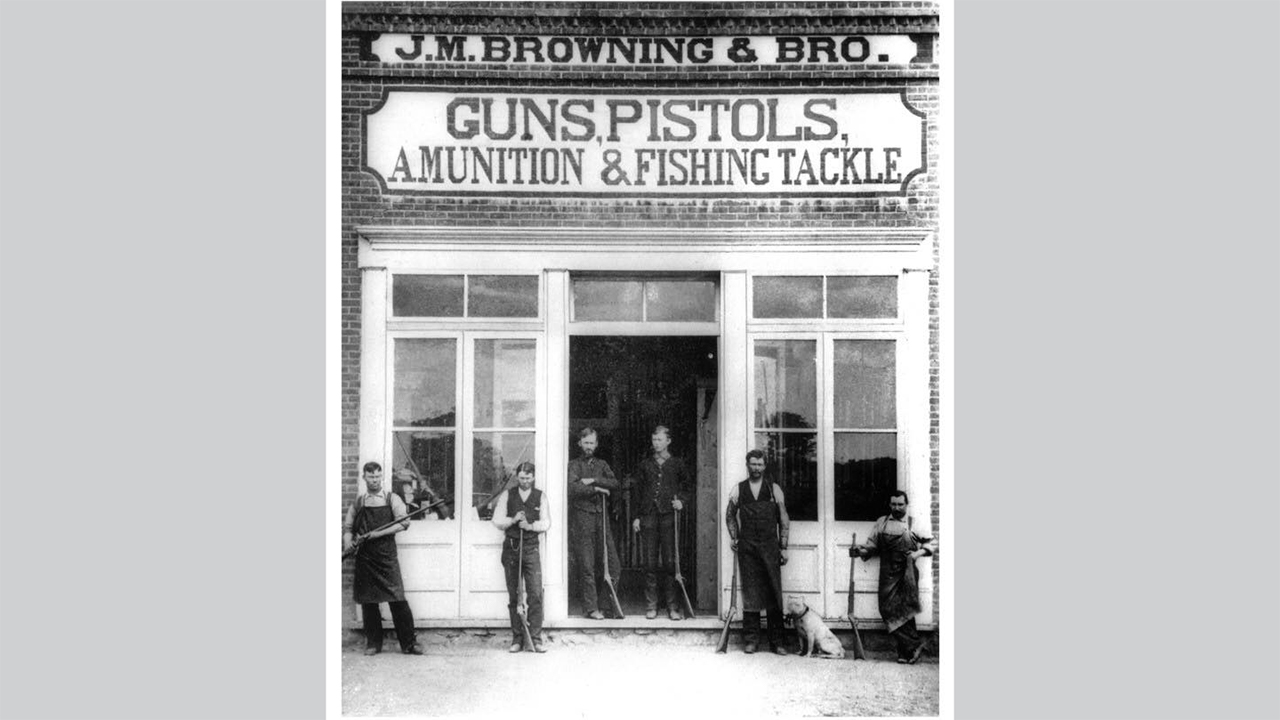
Browning’s story does not begin with a marketing department. It begins with a family of gunmakers. Jonathan Browning, John Moses Browning’s father, was a gunsmith who worked in places like Nauvoo, Illinois, before moving west with Mormon pioneers and eventually tying the family story to Ogden, Utah.
That foundation matters because Browning’s reputation was built from actual shop work, not image alone. John Moses Browning grew up around gun parts, tools, and mechanical problem-solving. The brand’s identity feels different because it is tied to a family that lived and breathed firearm design before “Browning” became a logo on the side of a shotgun.
2. John Moses Browning Was One of the Greatest Firearm Designers Ever
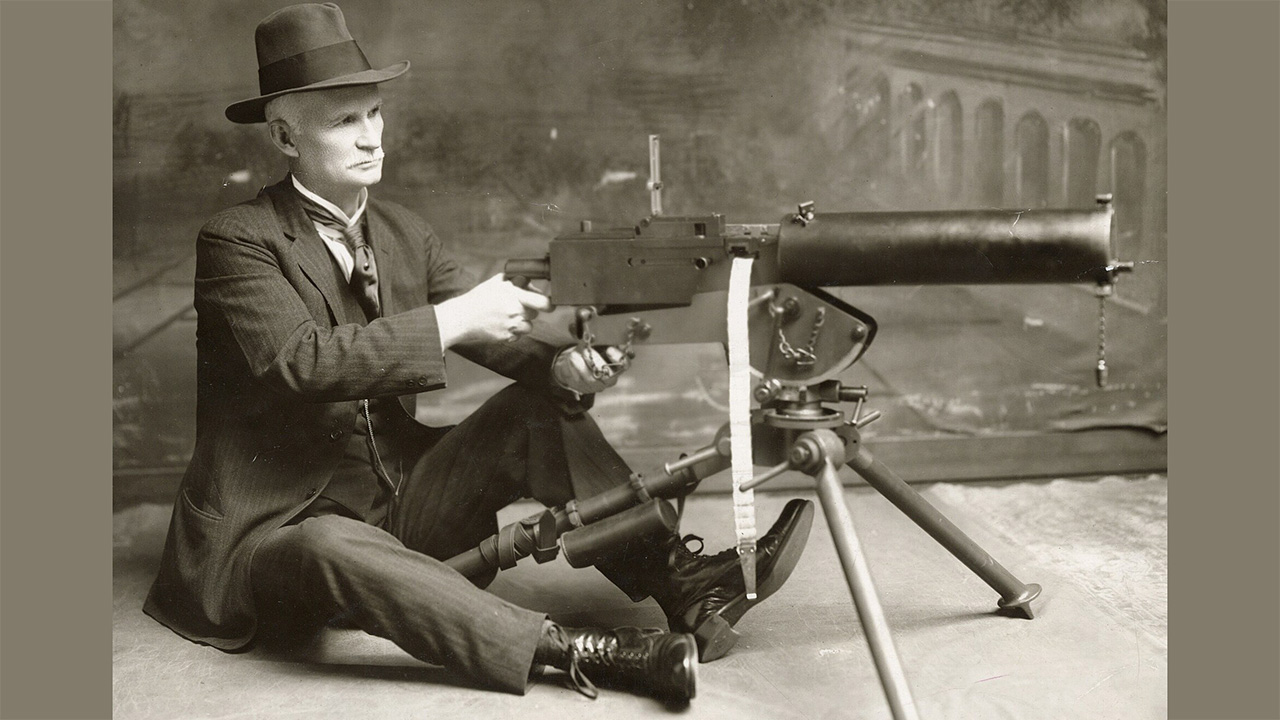
It is hard to overstate John Moses Browning’s influence. Browning’s European history page says he was born January 23, 1855, in Ogden, Utah, and grew up in his father’s gun shop, where he knew the names of gun parts before he could read.
That kind of background produced a designer who changed rifles, shotguns, pistols, and machine guns. Most brands would be proud to have one legendary design in their history. Browning’s name is tied to several categories. That is why the brand still carries respect even among shooters who prefer other companies’ current guns.
3. Browning’s First Patent Came Young

John Browning received his first firearm patent for the Model 1885 Single Shot rifle design when he was still a young man. Browning’s Citori history page notes that he received his first patent for the Model 1885 Single Shot rifle at age 23, and for the next 40 years he was considered the world’s foremost firearms inventor.
That early success set the tone. Browning was not a one-hit inventor who got lucky late in life. He started young and kept producing designs that mattered. The Model 1885 itself still has a following among single-shot rifle fans, and it helped start the long chain of Browning designs that shaped firearm history.
4. Browning Designs Built Other Companies’ Legends Too

One of the wildest things about Browning is that many famous Browning designs were produced by other companies. Winchester, Colt, FN, Remington, and others all benefited from John Browning’s work. Browning’s own product-history page notes that understanding Browning history can be confusing because many John Browning designs were manufactured before the Browning brand itself became the name on the gun.
That is a huge point. Browning’s influence is bigger than Browning-branded firearms. A shooter may own a Colt 1911, Winchester lever gun, or FN-linked design and still be connected to Browning’s work. Very few names in firearms have that kind of reach across multiple companies and categories.
5. The Auto-5 Changed Shotguns Forever
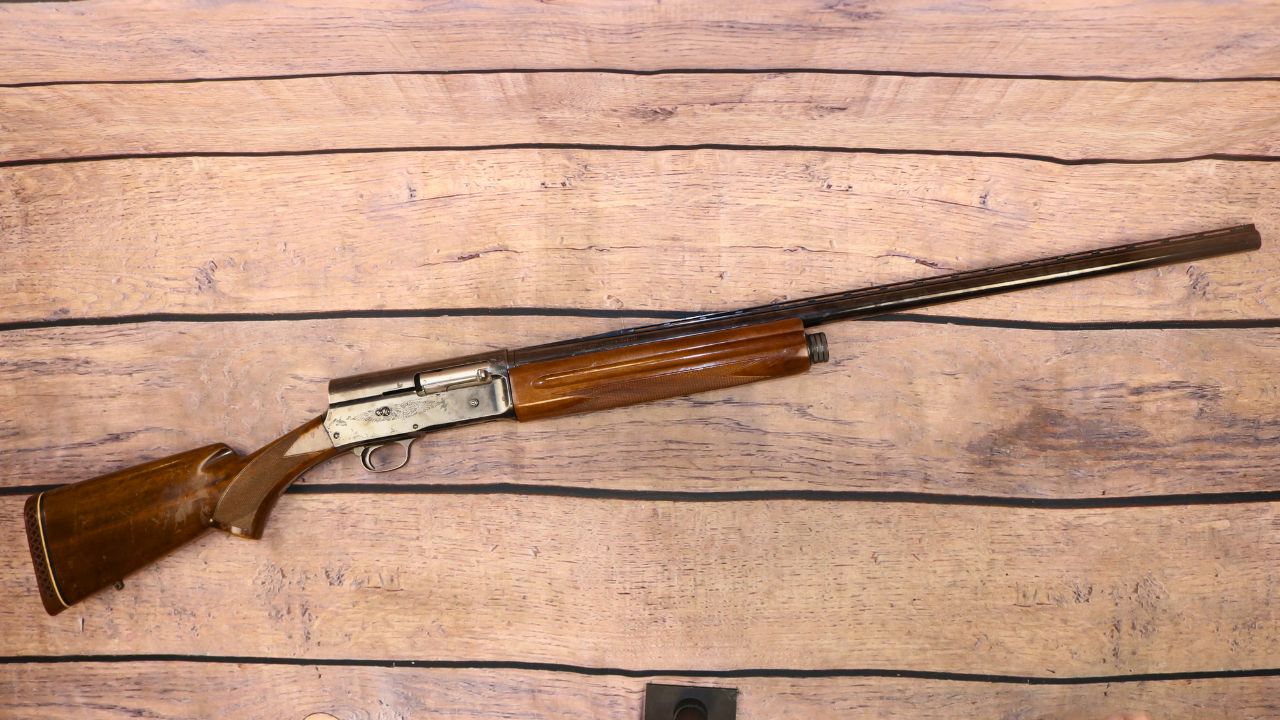
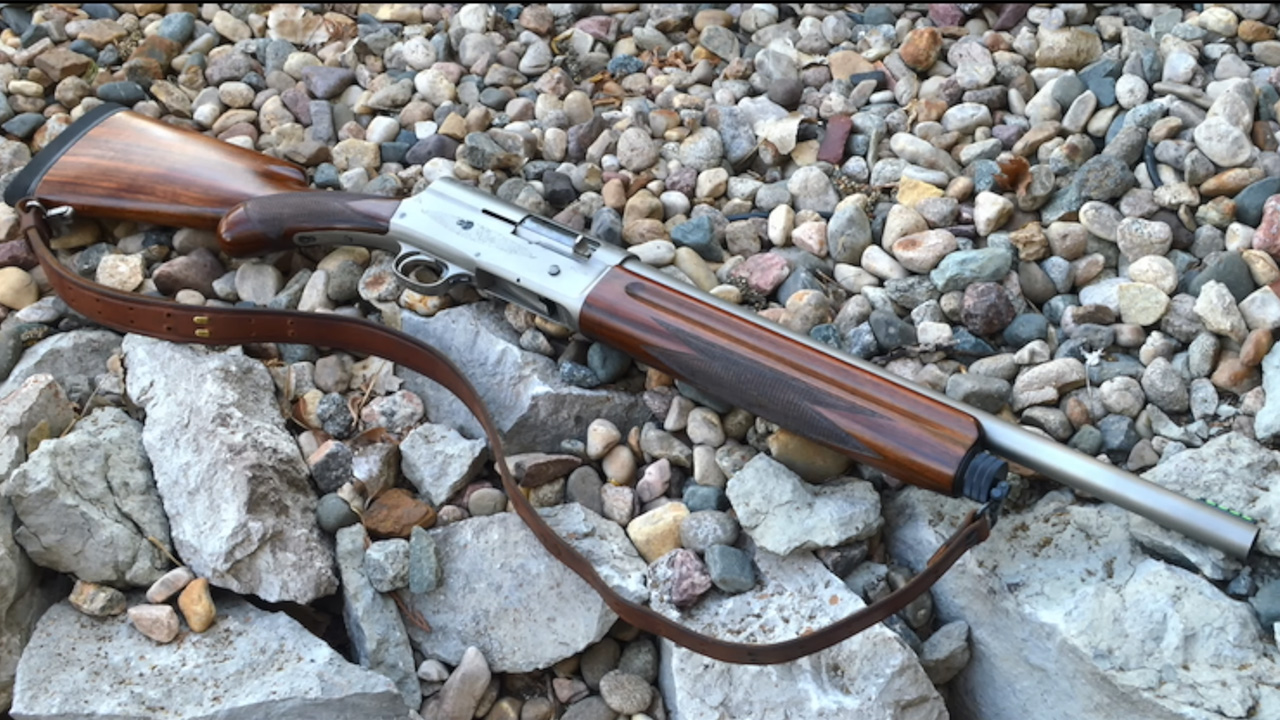
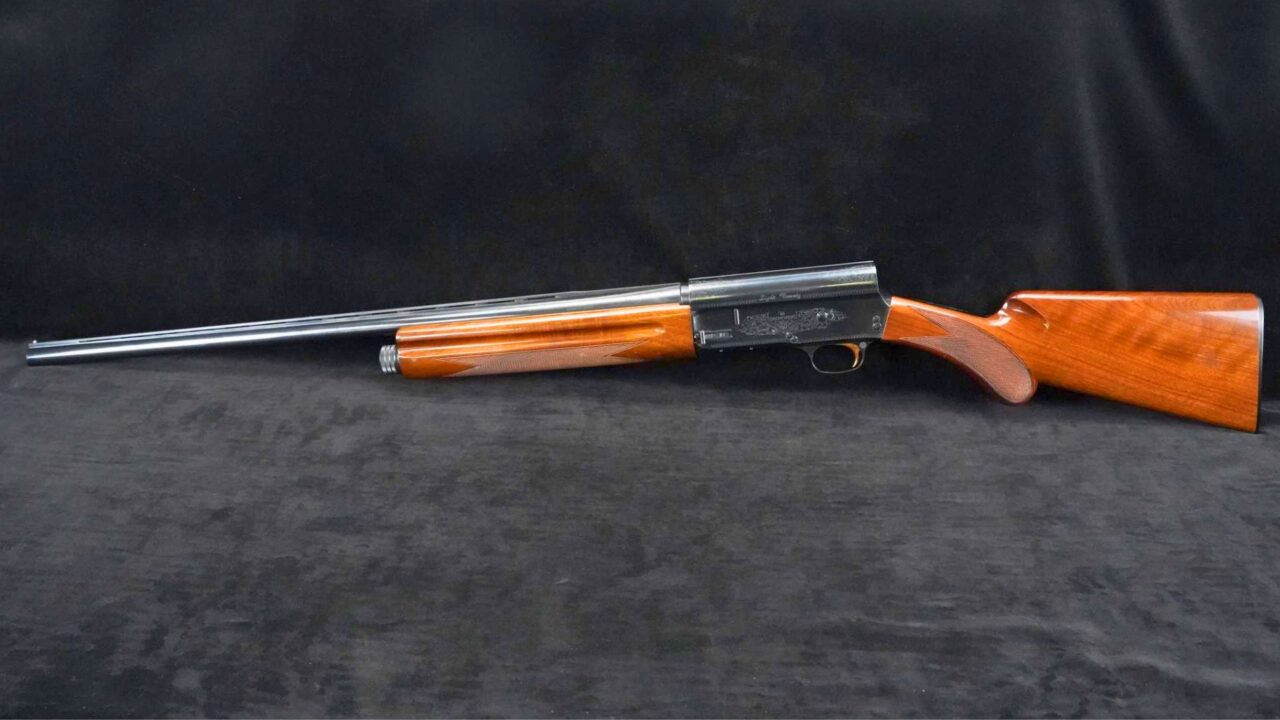
The Browning Auto-5 is one of the most important shotguns ever built. It was a John Browning design and became famous as the first mass-produced semi-automatic shotgun. Browning’s own timeline says the famous Auto-5 was invented in 1903 and eventually discontinued after a long run.
That shotgun helped prove hunters and shooters would trust a semi-auto shotgun. It also gave the Browning name one of its most recognizable shapes: the humpback receiver. Plenty of modern shotguns are lighter, softer, and cleaner-running, but the Auto-5’s importance is hard to beat. It changed the shotgun market instead of just joining it.
6. The Superposed Gave Over-Unders Serious American Prestige
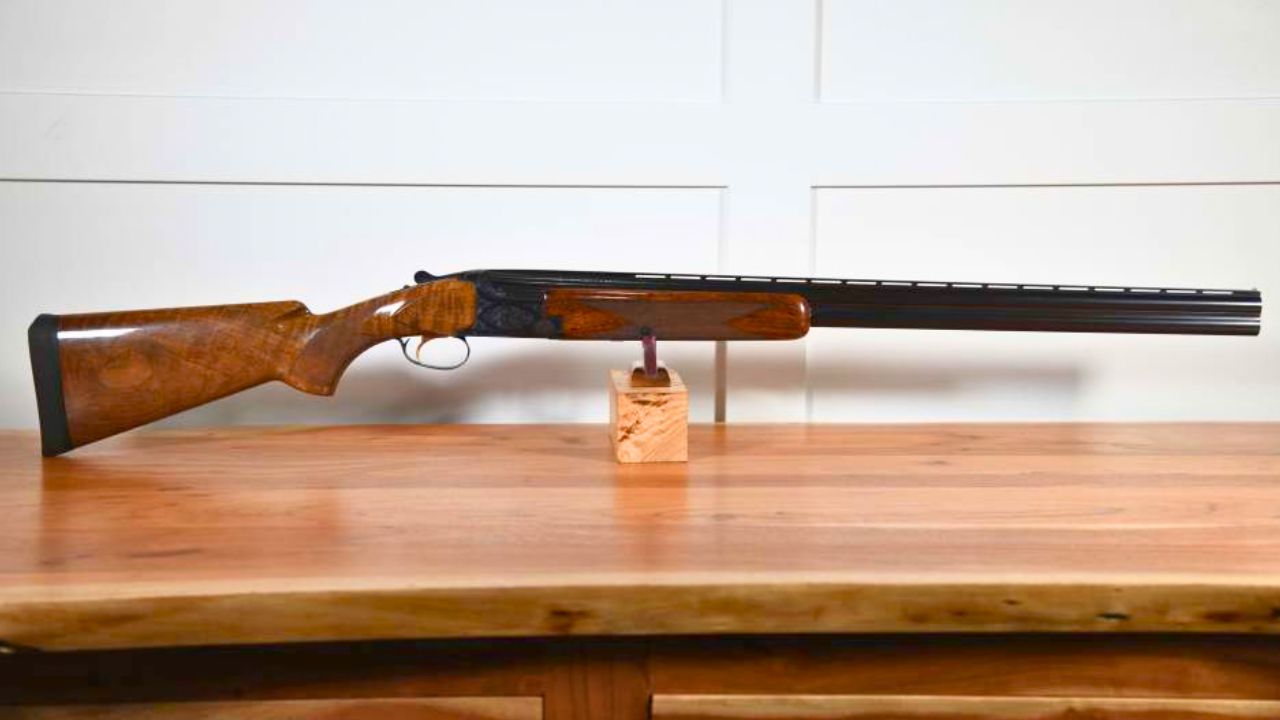
The Browning Superposed is another shotgun that helped build the brand’s respect. It was John Browning’s last firearm design, and it gave shooters a high-quality over-under shotgun that became deeply respected by hunters and clay shooters. Browning’s Citori history connects the Superposed directly to John Browning’s legacy alongside the Auto-5.
That matters because Browning’s shotgun reputation is not built on one action type. The brand has credibility with semi-autos, over-unders, pump guns, and hunting shotguns. The Superposed helped make Browning feel refined, not only mechanical. It proved the name could stand for elegance and field performance at the same time.
7. The Citori Kept the Over-Under Legacy Alive
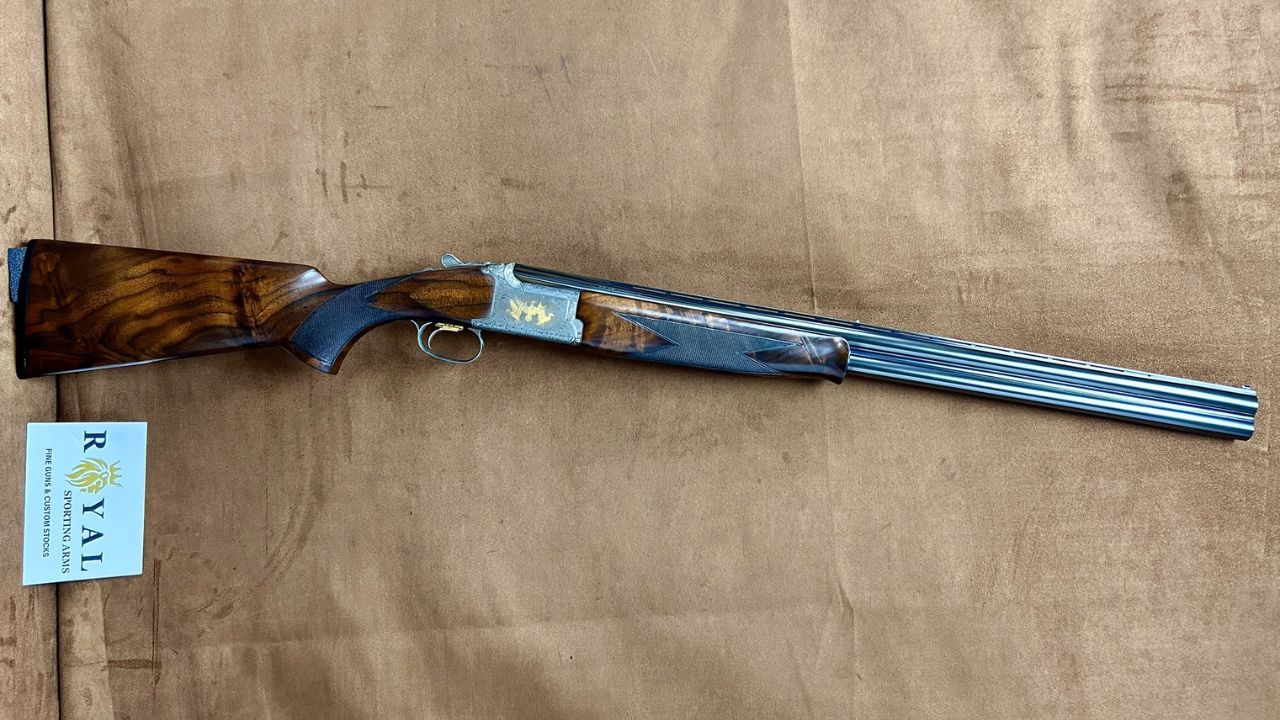
The Citori is one of Browning’s smartest long-term moves. It carried forward the over-under shotgun tradition in a way regular shooters could actually buy, use, and keep for decades. Browning’s Citori history page says the Citori followed the Superposed legacy and became one of the company’s major shotgun lines.
That is why so many hunters and clay shooters still respect the Citori. It is not cheap, but it has a reputation as the kind of shotgun people buy for the long haul. A good over-under can become a lifetime gun, and Browning kept itself relevant in that space by giving shooters a serious option that did not feel like a temporary purchase.
8. Browning Shotguns Have Real Field Identity
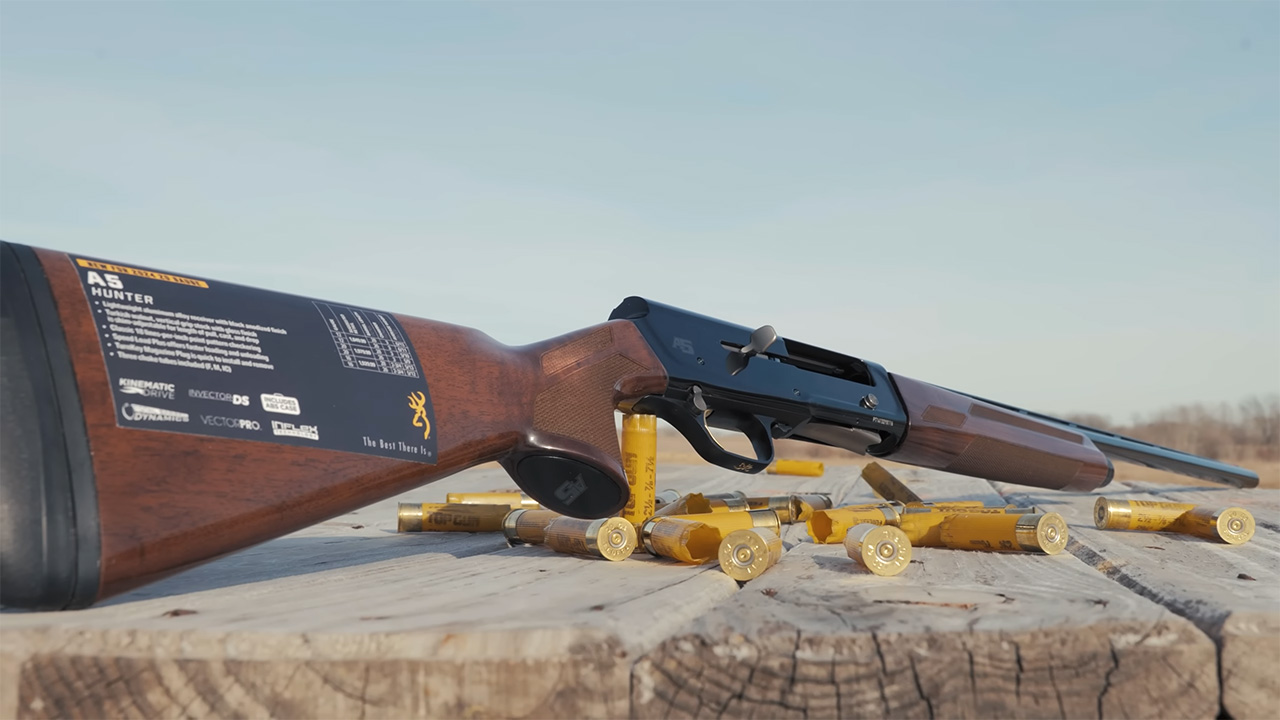
Browning shotguns feel strongly tied to bird hunting, waterfowl, clays, upland fields, and family gun cabinets. The Auto-5, Citori, Maxus, Silver, BPS, A5, and other models all give the brand a broad shotgun identity. That matters because shotgun buyers often care about feel, fit, and tradition as much as specs.
A shotgun brand does not earn loyalty by accident. Hunters remember the gun they carried through flooded timber, cut corn, CRP grass, or a cold dove field. Browning has put enough good shotguns into those places that the name still feels at home there. That kind of field credibility is hard to manufacture.
9. Browning Rifles Earn Respect Without Needing Flash

Browning rifles do not always get the loudest internet praise, but they have a serious following. The X-Bolt, BAR, BLR, SA-22, A-Bolt, and other rifles have given hunters useful options across bolt actions, semi-autos, lever actions, and rimfires.
That range matters. Browning is not a one-rifle brand. The BAR gives semi-auto hunting fans a serious option. The X-Bolt gives bolt-action hunters a modern rifle with a strong trigger and accuracy reputation. The BLR gives lever-gun buyers something different by handling pointed bullets in a box magazine. Browning rifles may not always be trendy, but they keep showing up in real hunting use.
10. The Browning BAR Gave Hunters a Serious Semi-Auto Rifle

The sporting Browning BAR is one of those rifles that helped Browning keep a place in deer camps and hog country. It is not the military BAR. It is a gas-operated semi-auto hunting rifle built for hunters who want faster follow-up shots and manageable recoil in real rifle cartridges.
That gave Browning another practical lane. Plenty of hunters stick with bolt guns, and that makes sense. But the BAR gave a different kind of buyer a serious sporting autoloader in chamberings that mattered for deer, elk, hogs, and other game. A brand with that kind of rifle in its lineup is not living only on shotgun nostalgia.
11. The Buck Mark Made Browning Matter in Rimfire Pistols

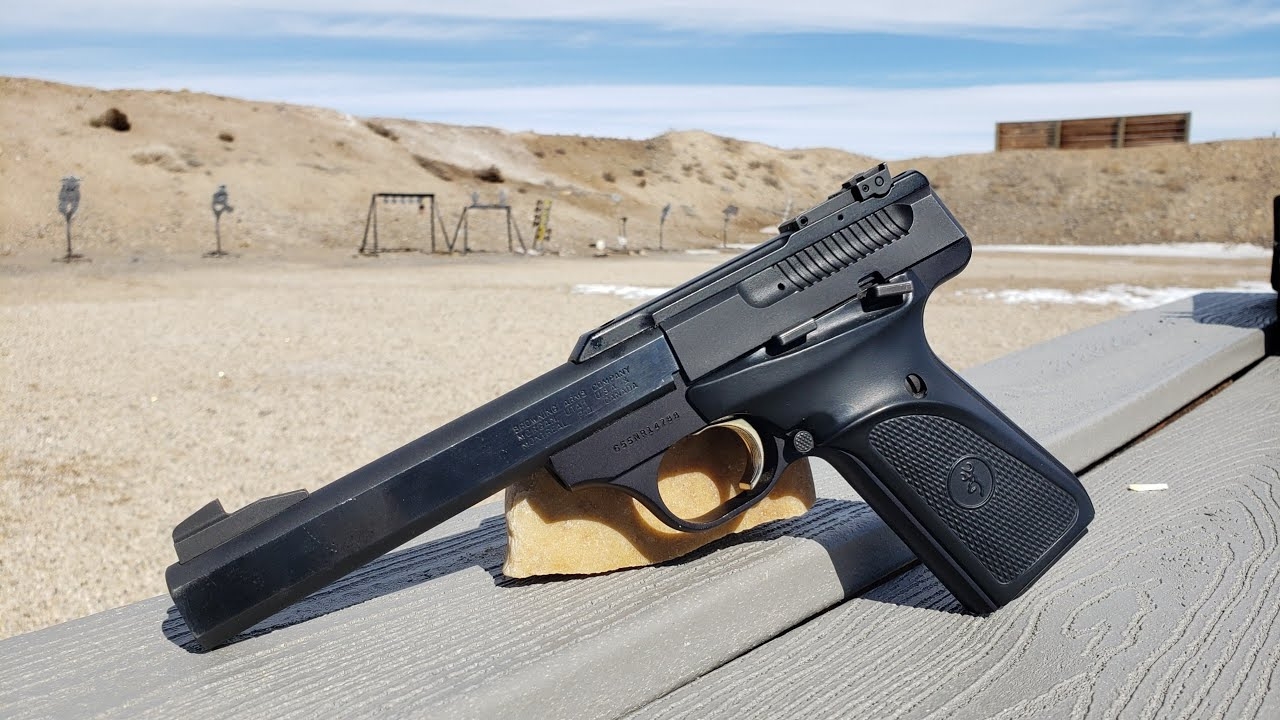
The Browning Buck Mark is one of the rimfire pistols that keeps the brand relevant with casual shooters and serious practice-minded owners. It competes in the same broad world as the Ruger Mark series, Smith & Wesson Victory, and other .22 pistols, but it has its own loyal following.
That matters because a good .22 pistol gets used often. It teaches new shooters, keeps practice cheap, and gives experienced shooters a way to sharpen fundamentals. Browning’s reputation is usually tied to shotguns and rifles, but the Buck Mark gives the brand a strong rimfire pistol lane too.
12. Browning Has a Strong Ammunition Story Now Too

Browning Ammunition is newer than the firearm brand’s old history, but it still matters in the modern market. Browning Ammunition says the line launched in 2015 and brought the Browning name into rifle, shotshell, pistol, and rimfire ammunition products.
That keeps the Buckmark logo in more places than gun racks. Ammo boxes, hunting loads, shotgun shells, and rimfire products all keep the name visible. Browning’s ammunition is produced through a partnership with Winchester Ammunition, with Winchester handling product development, manufacturing, marketing, and sales for Browning Ammunition.
13. Browning Knows How to Sell Tradition Without Feeling Stuck

Some heritage brands get trapped by their own past. Browning has mostly avoided that by keeping traditional guns alive while also selling modern hunting firearms. The A5 keeps the humpback look with a modern recoil-operated system. The X-Bolt updates the bolt-action hunting rifle idea. The Citori keeps over-under tradition alive. The BAR still serves semi-auto hunters.
That balance is hard. A brand can lose old customers by modernizing too much or lose new customers by refusing to change. Browning’s better products tend to sit right in the middle: enough heritage to feel meaningful, enough modern function to stay useful.
14. The Buckmark Logo Actually Means Something to Shooters
A logo only matters if people connect it with something real. Browning’s Buckmark is one of the most recognizable logos in the outdoor world. It shows up on guns, ammo, clothing, decals, hats, and gear. For a lot of hunters, it signals a certain kind of field identity.
That branding works because the products behind it have enough credibility. A logo cannot carry a weak brand forever. Browning’s shotguns, rifles, and legacy designs give the Buckmark something to stand on. That is why it still feels less like a random outdoor sticker and more like a sign of a brand with real history.
15. Browning Still Deserves Respect Because the Name Has Depth
Browning still feels like a brand worth respecting because the name has depth. It is tied to John Moses Browning, but not trapped there. It is tied to the Auto-5, but not limited to that. It is tied to over-unders, rimfires, hunting rifles, ammunition, and real field use.
That is the difference between a brand with history and a brand living only on nostalgia. Browning’s legacy is enormous, but the company has also kept making guns that hunters and shooters actually use. Not every Browning product is perfect, and not every buyer needs to spend Browning money. But the name still deserves respect because it has influenced more corners of the firearm world than almost any brand on the rack.
Like The Avid Outdoorsman’s content? Subscribe to our newsletter so you never miss an article.
Here’s more from us: