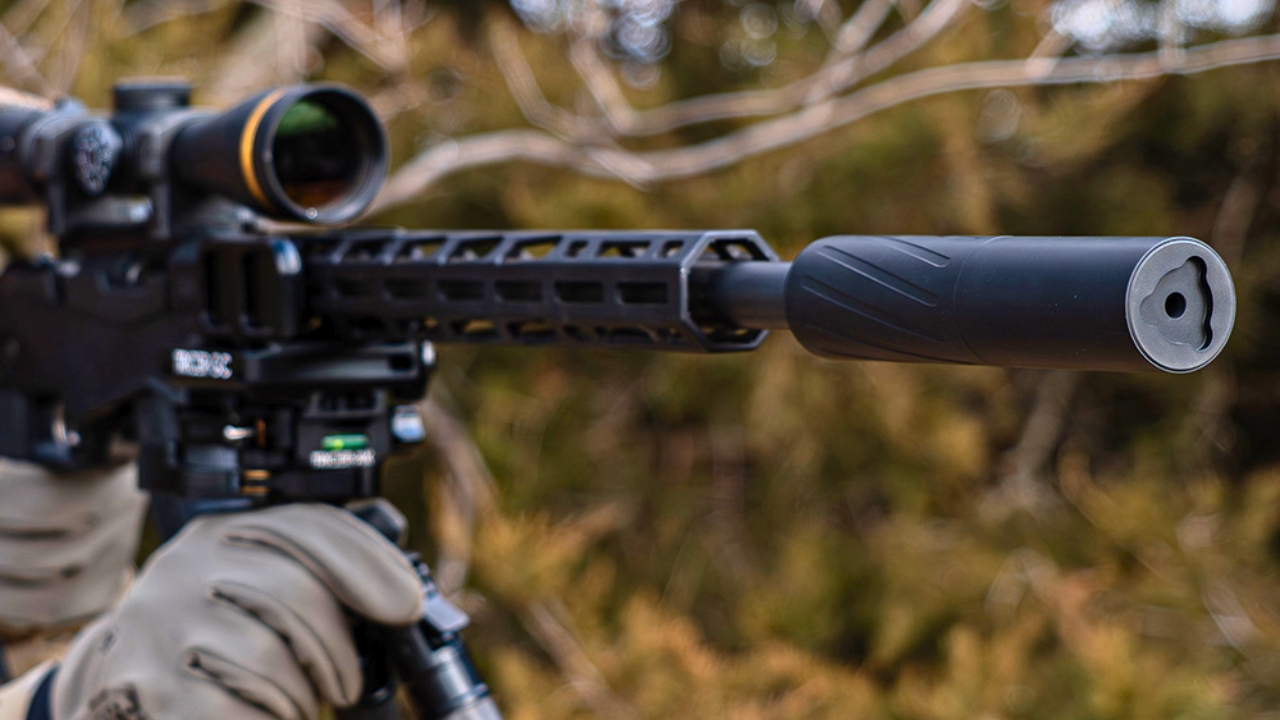
Photo credit: BANISH Suppressors
For years, suppressors sat in a strange spot in the hunting world. Plenty of hunters liked the idea of less blast, better hearing protection and a more comfortable rifle, but many never bothered because the wait felt too long, the paperwork felt annoying and the price stacked another serious cost on top of an already expensive setup. That equation looks very different in 2026. The ATF’s current posted processing times show eForm 4 approvals averaging 11 days for trusts, and industry coverage around the opening months of the year has pointed to an even broader demand spike after the federal tax stamp cost dropped to $0 on Jan. 1. NSSF said suppressor purchases “skyrocketed” as the new year began, while American Hunter reported that ATF was hit with an estimated 150,000 eForm submissions on the first day alone and more than a quarter million by the end of January. When hunters can get a suppressor faster and without the old $200 tax hurdle, the suppressor stops feeling like a someday accessory and starts feeling like part of the rifle build from the beginning.
The suppressor is moving from add-on to starting point
That shift matters because it changes how hunters think about the whole rifle, not just the muzzle. A hunter who assumes a suppressor will live on the rifle most of the season usually does not want the same setup he might have chosen a few years ago. Barrel length becomes a bigger deal because adding a suppressor to a long-barreled rifle can create an awkward package in a blind, truck cab or patch of timber, which is why shorter hunting barrels and compact suppressor designs are getting more attention. Weight matters more too, especially for mountain rifles or for anybody covering distance on foot, and manufacturers are clearly responding to that pressure with lighter hunting-focused cans. SilencerCo’s own 2026 hunting suppressor guidance says hunters are now weighing sound reduction, recoil reduction, weight, length and versatility together, not chasing one feature by itself. That sounds simple, but it reflects a bigger mindset change: hunters are no longer asking, “Can I put a suppressor on this rifle?” They are increasingly asking, “How do I build this rifle around one?” That means thread patterns, stock balance, barrel contour and optic mounting all matter more than they did when suppressors were treated like occasional range gear.
Faster approvals are also changing what feels practical in the field
The shorter approval window changes buying behavior because it lines up with real hunting timelines in a way the old system often did not. Under the older reputation of NFA buying, a hunter might order a suppressor and assume it would arrive too late to matter for the upcoming season, which made it easier to postpone the purchase or build the rifle without one in mind. The current timeline is not instant and it is not identical for everyone, but official ATF numbers now make the category feel much more season-relevant. If a hunter is tuning a deer rifle in spring or summer, there is a realistic chance that suppressor will be in hand soon enough to zero with it, test ammunition with it and decide whether the rifle needs adjustments before fall. That changes setup decisions in practical ways. It pushes more hunters toward suppressor-ready rifles, makes factory-threaded barrels more valuable and gives stronger incentives to choose optics with eye relief and mounting flexibility that still feel right after the rifle’s balance changes. It also opens the door for more people to experiment with recoil-sensitive family builds, youth rifles and hunting setups meant to be shot without punishing blast. What used to feel like a bureaucratic delay has become short enough that it is now influencing actual pre-season planning.
The industry is building around the change, not waiting to see if it lasts
One reason this trend looks durable is that manufacturers and trade groups are not acting like they expect it to fade by next quarter. NSSF declared in early January that all signs pointed to 2026 becoming “the Year of the Suppressor,” and product coverage from SHOT Show backed that up with a visible wave of ultralight models, purpose-built hunting cans and suppressor-ready firearms aimed squarely at mainstream buyers rather than only hard-core NFA hobbyists. The message coming out of the industry is not subtle: companies believe hunters are going to keep buying rifles, barrels, mounts and ammunition with suppressed shooting in mind. Even ammunition makers are leaning into that shift. SHOT Show coverage on new 2026 ammo highlighted products meant to reduce suppressor fouling, which may sound like a niche detail but is actually a sign of market maturity. Once ammo brands, rifle brands and suppressor brands all start designing around the same use case, the category has moved beyond novelty. That does not mean every hunter will switch. Some still do not want the extra length, some do not care enough about blast to justify the expense and some prefer a lighter bare-muzzle rifle. But the center of the market is clearly moving. Faster approvals helped remove the feeling that suppressors were too slow and too inconvenient to matter, and once that barrier weakened, hunters started making rifle decisions differently from the ground up.
Why this matters beyond one accessory category
The bigger story is that faster suppressor approvals are not only selling more suppressors. They are quietly reshaping what a “normal” modern hunting rifle looks like. A rifle built with a suppressor in mind often favors a different barrel length, different handling balance and a different tolerance for recoil and blast than a traditional bare-muzzle setup, and those differences ripple through the rest of the purchase. Hunters who get used to less concussion on the range are more likely to keep practicing, more likely to bring newer shooters into the sport and more likely to expect their next rifle to be threaded from the factory. Retailers notice that. Manufacturers notice that. Trade shows definitely notice that. The faster the process feels, the more this becomes part of ordinary buying behavior instead of a specialized corner of the gun world. That is why the current suppressor story matters to hunting even for people who have not bought one yet. It is changing what gets designed, what gets stocked, what gets marketed and what hunters now expect from a serious rifle setup heading into the 2026 season.
Like The Avid Outdoorsman’s content? Subscribe to our newsletter so you never miss an article.
Here’s more from us: