Image Credit: Mud Lake Ranch/YouTube.
When it comes to hunting, your choice of caliber can make or break the trip. Some rounds just don’t have the punch, range, or performance you need once you’re out in the woods. A bad choice can mean wounded game, missed opportunities, or a long hike home with nothing to show for it. Here’s a list of calibers that more than a few hunters wish they’d left at home.
.223 Remington

The .223 Remington might be great for varmints and target shooting, but it struggles when you’re chasing bigger game like deer. Plenty of hunters have learned the hard way that it just doesn’t deliver enough knockdown power. Sure, shot placement is everything — but in the woods, where things aren’t always perfect, you want more margin for error.
Many states even ban the .223 for deer hunting because of concerns over humane kills. Even when it’s legal, it’s not ideal. A light bullet and modest energy aren’t what you want when an animal’s adrenaline is pumping and brush is thick.
.22 Long Rifle

Everyone loves a .22 for plinking and small game, but it’s a terrible idea for serious hunting. The .22 LR simply doesn’t have enough power to take down anything larger than a rabbit without causing suffering. Using it on deer or bigger game is not only irresponsible — it’s usually illegal.
Even when you hit your target, the lack of energy means animals can run off wounded, making for a frustrating and sad end to your hunt. Save the .22 for squirrels and practice days, not your big trip.
.17 HMR

The .17 HMR is an absolute blast on the range and devastating on small varmints. But taking it into the woods after anything larger is asking for disappointment. It’s too light and too fast, meaning it tends to fragment instead of penetrating deep where it counts.
Plenty of hunters get lured in by its accuracy, but in real hunting conditions — wind, brush, moving targets — it’s just not reliable for anything but tiny critters. If you’re after anything bigger than a crow, leave the .17 HMR at home.
.30 Carbine

The .30 Carbine round was built for WWII troops, not deer hunters. It’s closer to a hot pistol round than a true rifle cartridge. Hunters who bring one into the woods often find themselves frustrated with poor performance on anything tough-skinned or heavily muscled.
It’s also limited when it comes to range. Shots much beyond 100 yards lose a lot of power fast. In today’s world of highly capable deer calibers, there’s just no good reason to handicap yourself with a .30 Carbine.
5.7x28mm

The 5.7x28mm is another round that sounds great on paper but falls short in the woods. Originally built for personal defense in compact guns, it fires light bullets at high speed — fine for small targets, but not for big game.
Most hunters who’ve tried it out quickly realize it lacks the energy to consistently anchor deer or hogs. It might poke holes, but it doesn’t do the critical tissue damage you need for a quick, ethical kill. It’s better left for the range or self-defense, not the deer stand.
.25 ACP

You shouldn’t even be thinking about the .25 ACP for the woods unless you’re talking about dispatching snakes at your boots. This tiny pistol caliber is underpowered for just about anything you’d want to hunt.
Hunters who have tried it — yes, there are stories — usually come back with nothing but frustration and a story about the one that got away. It’s unreliable, inaccurate at range, and simply not suited to outdoor hunting work.
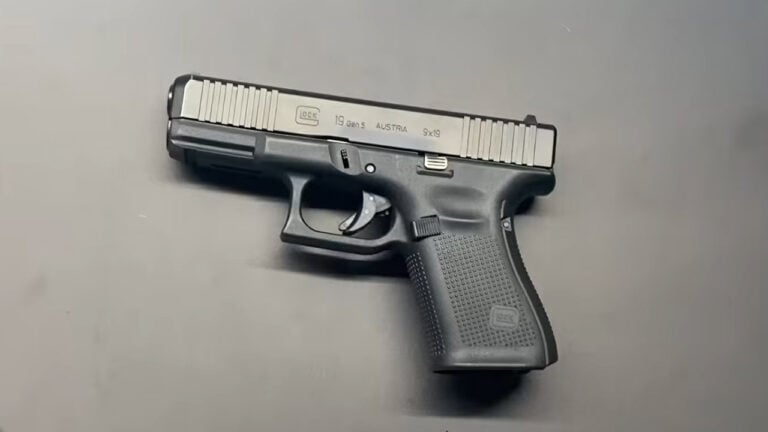
9mm Luger

While 9mm has earned its place in self-defense circles, it’s no substitute for a proper hunting round. Some folks try to use it in carbines thinking they’ll get more range and power, but it’s still a handgun bullet at the end of the day.
Plenty of hunters regret trying to stretch it too far, finding that it just doesn’t have the stopping power or reach needed to cleanly drop game. It’s fine to carry as a backup pistol, but it’s a poor choice for your primary hunting setup.
.32 ACP

The .32 ACP is another pistol round that simply doesn’t belong in the hunting world. It’s soft-shooting and fun for the range, but it has nowhere near the power needed to handle even modest game.
Those who’ve tried using it in the woods often find themselves tracking wounded animals far longer than they’d like — if they ever find them at all. It’s better to stick with centerfire rifle calibers built for hunting instead of gambling with something this underpowered.
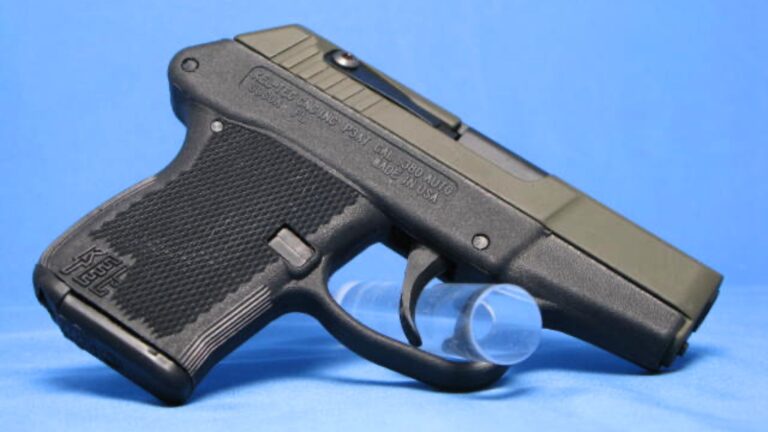
.380 ACP

Much like its pistol-caliber cousins, the .380 ACP leaves a lot to be desired for hunting. It’s often used for personal defense, and even then, many consider it the bare minimum. Out in the woods, it falls short in both accuracy and power.
Trying to take deer, hogs, or even large varmints with a .380 usually ends in a lost animal and a lot of frustration. It’s just not made for that role. If you’re serious about hunting, you’ll want something with a lot more punch.
7.62x39mm (in Some Cases)

This one might surprise people, but it’s worth mentioning. While the 7.62x39mm can absolutely be used for hunting, a lot depends on the ammo and the rifle. Cheap surplus rounds with full metal jackets are terrible for ethical hunting.
Hunters who go out with poor ammo choices often experience poor terminal performance — lots of pass-through wounds and animals running off. If you’re going to hunt with a 7.62×39, make sure you’re using quality soft points and a rifle capable of decent accuracy.
*This article was developed with AI-powered tools and has been carefully reviewed by our editors.