Image Credit: Alexandr Grant/Shutterstock.com
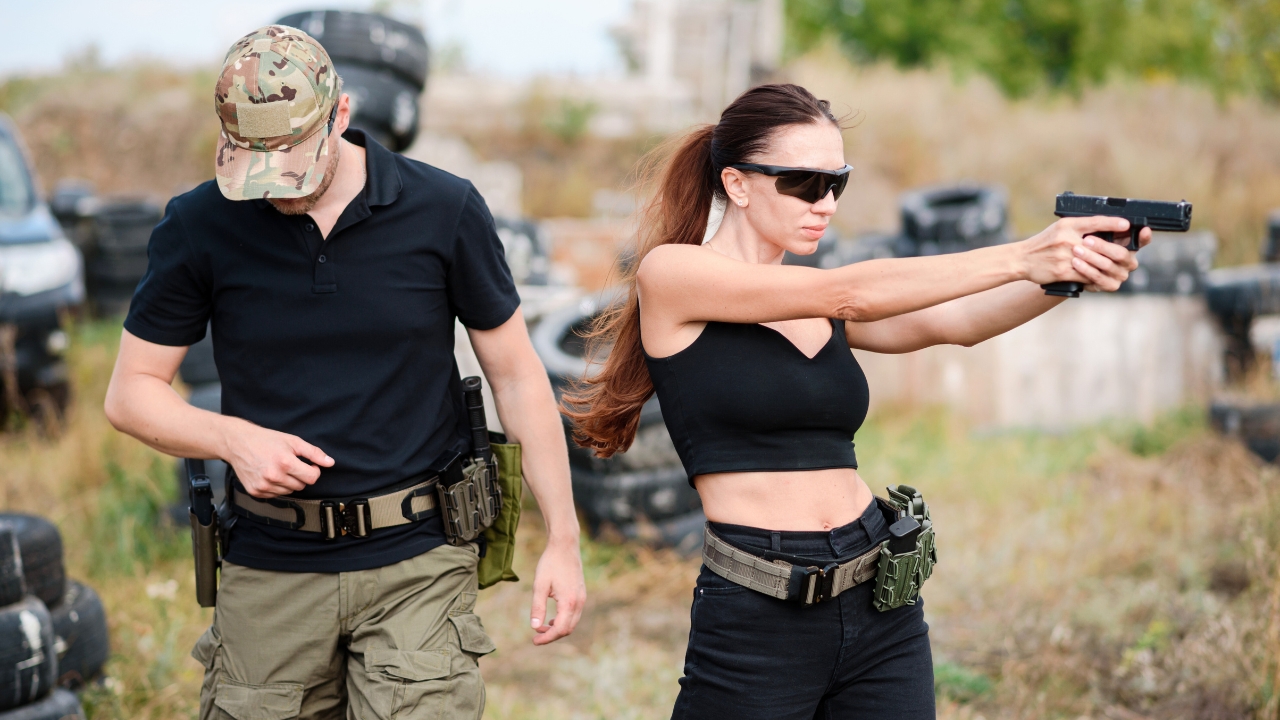
Not all gun instructors are created equal. Some know their stuff and care about teaching it right, while others are just cashing checks or, worse, teaching dangerous habits. If you’re serious about becoming a safe and confident shooter, you need an instructor who knows what they’re doing. Here’s how you can spot a bad one before you waste your time—or put yourself at risk.
They Talk More About Themselves Than About Safety

If the instructor spends most of the time telling stories about how great they are, that’s a huge red flag. A good class should focus on safety, fundamentals, and helping you get better—not on their personal war stories. It’s fine to hear a quick example now and then, but if the whole lesson sounds like a brag session, you’re not getting what you paid for.
Some instructors get wrapped up in trying to impress the students instead of teaching. You’re there to learn, not to be part of someone else’s ego trip. If you leave without learning anything practical, that’s a problem.
They Can’t Explain Things Clearly
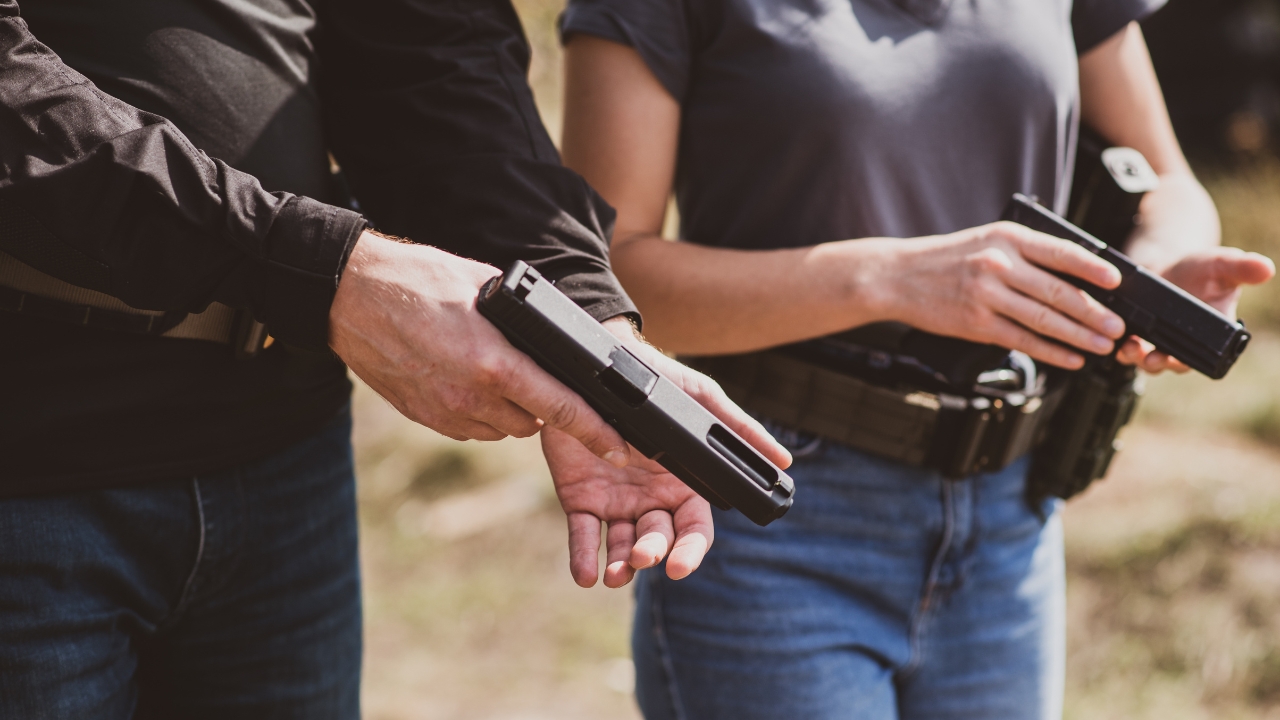
You shouldn’t need a dictionary to understand your instructor. Good teachers break things down in ways that make sense, no matter your experience level. If you ask a question and get a confusing or condescending answer, that’s a sign they either don’t know the material well or don’t care enough to help.
Being a good shooter doesn’t always mean being a good teacher. If an instructor can’t teach without leaving you more confused than when you started, it’s time to find someone else.
They Push Gear Over Skills
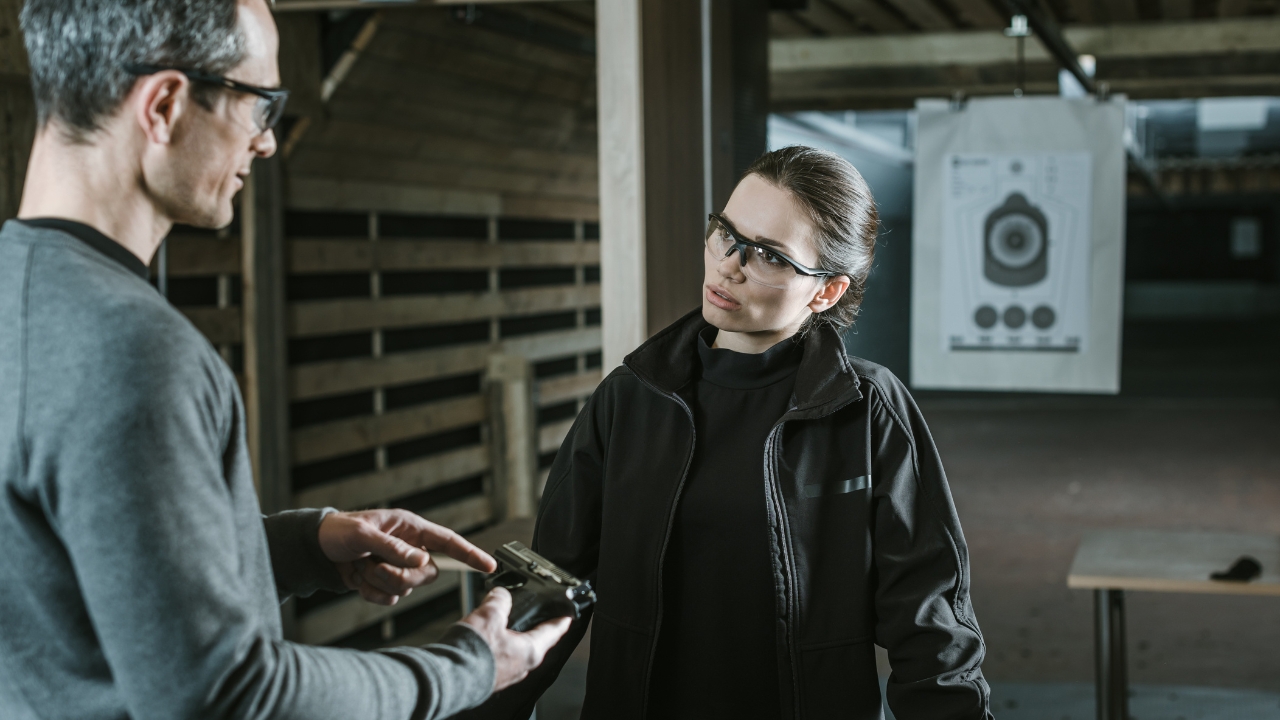
If an instructor keeps trying to sell you on fancy gear during class, that’s a bad sign. The right instructor focuses on skills first—things like grip, stance, sight alignment—not trying to convince you to buy the latest $300 holster or overpriced optic.
Good gear matters eventually, but it won’t fix bad fundamentals. You want someone who’s more interested in how you shoot than what’s hanging off your gun.
They Downplay Basic Safety Rules

If they brush off or skip the basic safety rules—like muzzle awareness or trigger discipline—run, don’t walk, away. These rules aren’t suggestions; they’re what keep you and everyone else alive. Any serious instructor treats them like the foundation of everything else.
Someone who treats safety like an afterthought probably cuts corners in other areas too. That’s not the kind of habit you want to pick up.
They Show Off Dangerous Behavior
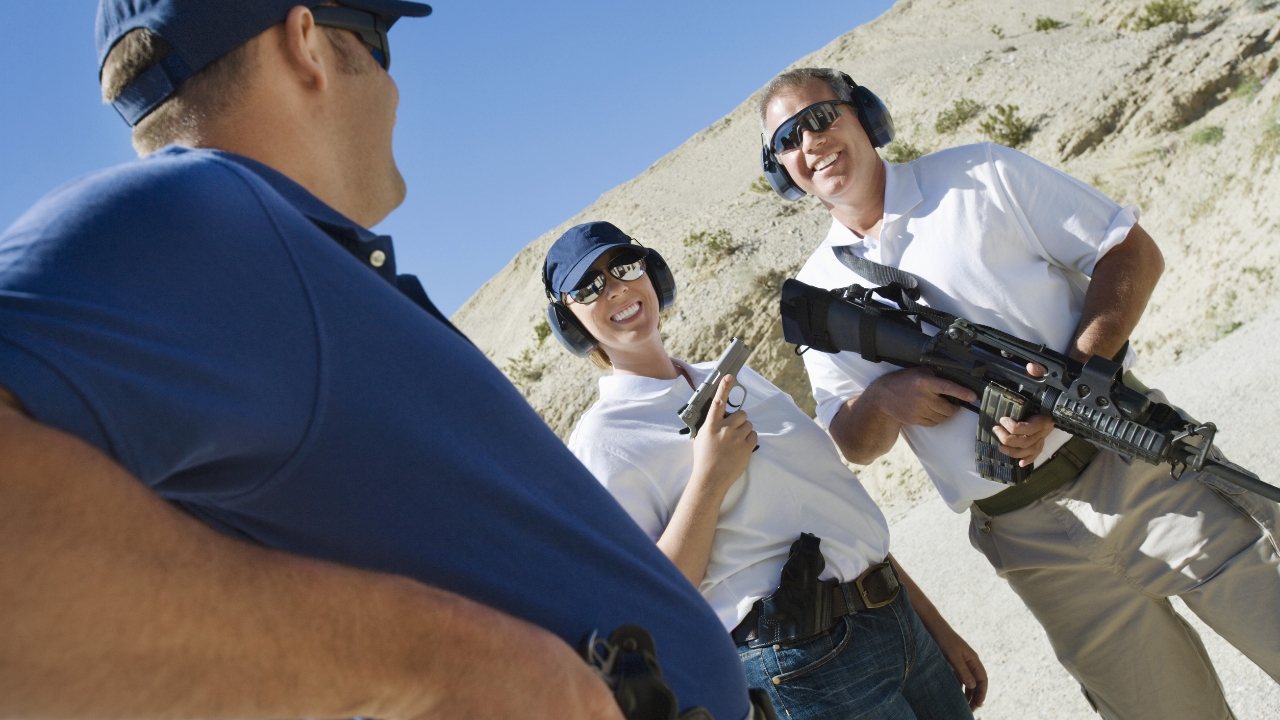
If your instructor sweeps people with a loaded gun, shoots without warning, or ignores basic range etiquette, that’s a huge red flag. No amount of “experience” excuses reckless behavior. An instructor who’s careless with a firearm is setting a terrible example.
You’re paying them to model safe, smart habits. If they’re making you nervous with how they handle guns, trust your gut and get out.
They Get Defensive When Corrected
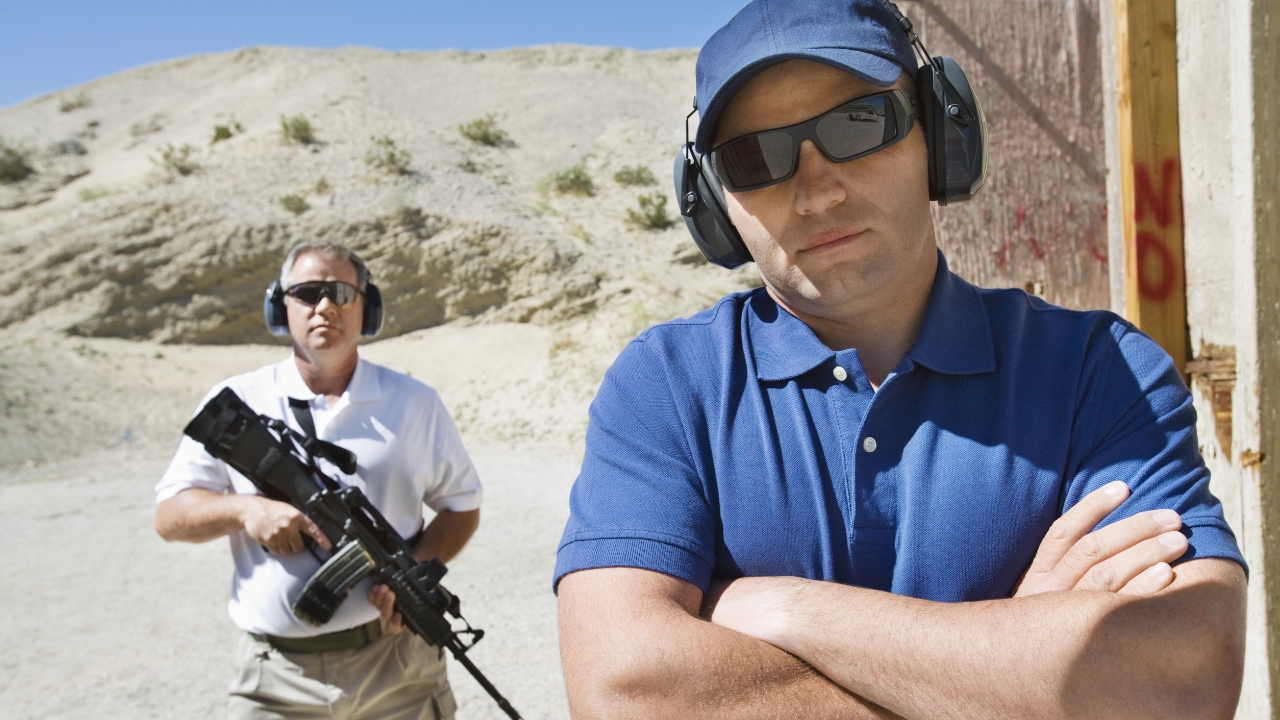
Nobody knows everything. If a student or fellow instructor points something out and your instructor gets defensive, that’s a bad sign. Good teachers are open to feedback and willing to admit when they’re wrong.
The best instructors are always learning themselves. If your instructor acts like they’re above criticism, you’re probably not getting the best information—or the safest training.
They Ignore Different Skill Levels
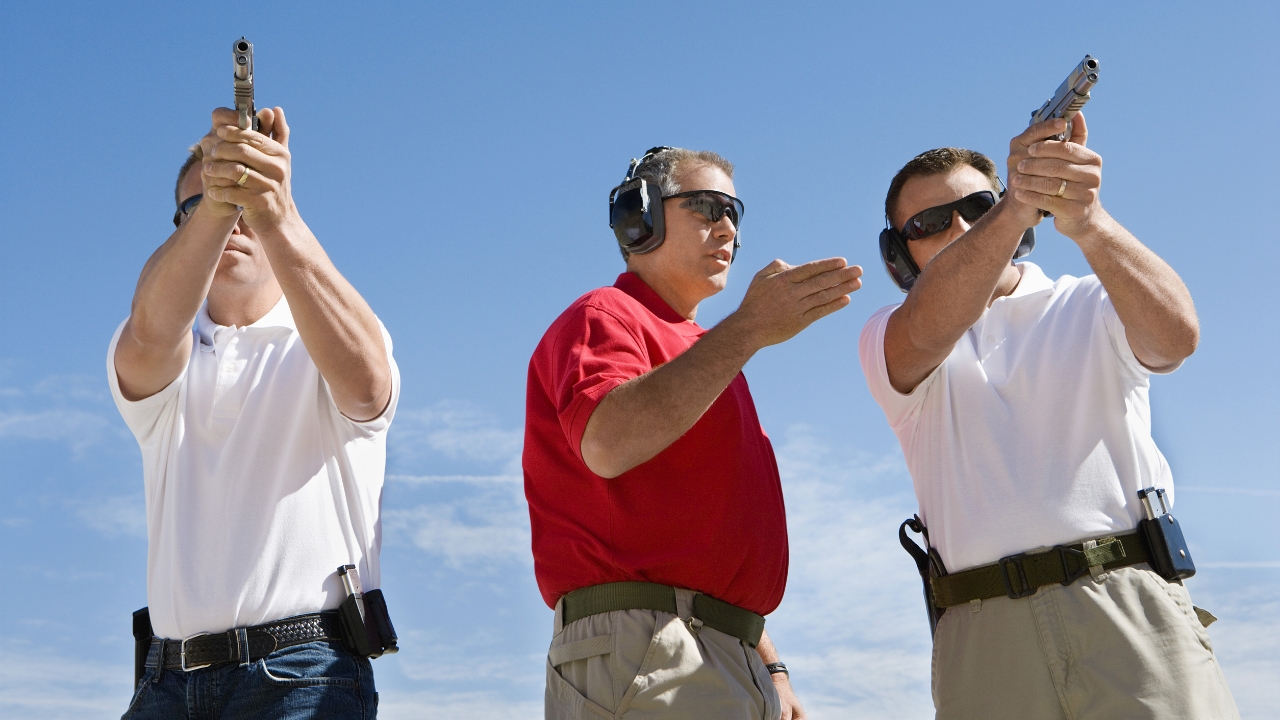
A good instructor adjusts their teaching based on who’s in the class. If they steamroll beginners or bore experienced shooters with basics without checking in, they’re not doing their job. One-size-fits-all doesn’t work for gun training.
You deserve someone who meets you where you are and helps you move forward, not someone who treats every student like they’re the same.
They Rush Through Everything

You shouldn’t feel like you’re on a clock, especially during something as important as firearms training. A bad instructor rushes through material, doesn’t give you time to practice, and seems more worried about finishing the session than making sure you actually understand.
You want someone who’s patient enough to answer your questions and let you build good habits. Rushing just leads to frustration and mistakes later.
They Push Weird Theories As Fact
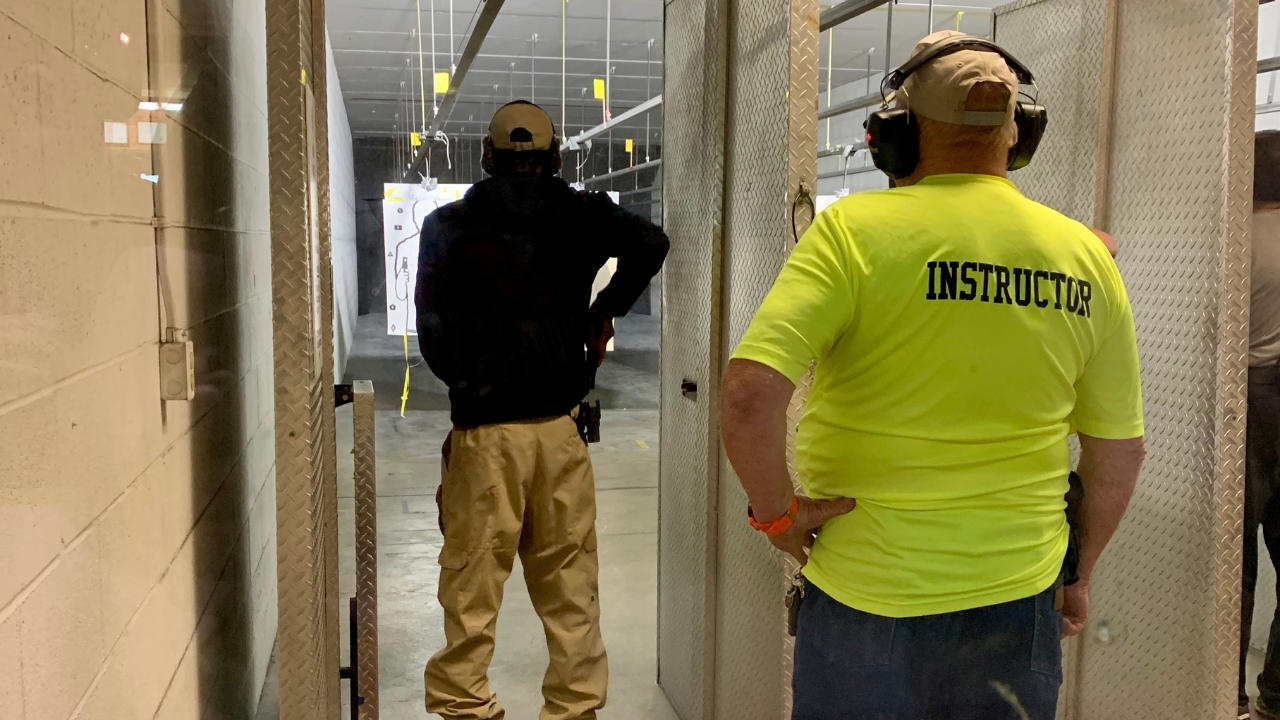
Be wary of anyone teaching stuff that sounds bizarre or goes against basic gun safety. Things like “you don’t need to aim in a real gunfight” or “finger on the trigger is fine as long as you’re fast enough” are dangerous nonsense.
Solid instruction is based on widely accepted, proven practices. If what they’re teaching sounds off, it probably is.
They Make You Feel Stupid
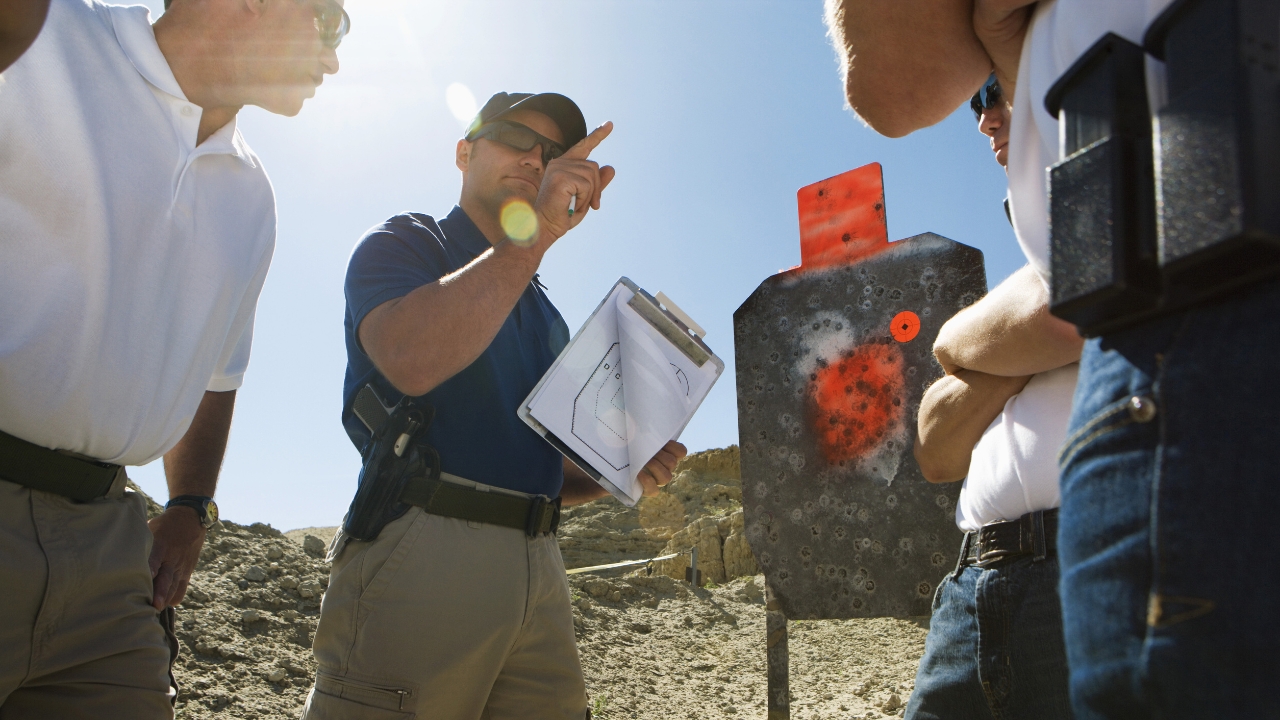
Finally, if an instructor talks down to you, mocks questions, or acts like you’re wasting their time, that’s a huge no-go. You should never feel embarrassed for asking a question or trying to learn.
A good instructor builds people up, not tears them down. Confidence is a huge part of shooting well, and you’ll never build it around someone who makes you feel small.
*This article was developed with AI-powered tools and has been carefully reviewed by our editors.