Photo credit: Group Coalition/YouTube
There is a special kind of regret that comes with selling the right gun at the wrong time. It usually starts out feeling like a practical decision. Maybe you needed the money. Maybe you wanted to fund another purchase. Maybe the gun had been sitting long enough that you convinced yourself it was replaceable. That is the lie a lot of owners told themselves right before the market decided otherwise.
Then prices jump, supply dries up, and the same gun you let go for what felt like decent money suddenly starts showing up with tags that make your stomach turn. That is when the memory gets louder. You remember how it felt in the hand, how clean it was, or how easy it would have been to just keep it tucked in the safe. These are the guns owners quietly regret selling the second prices took off.
Colt Woodsman Match Target

The Woodsman Match Target was easy to underestimate when nice older rimfires still felt available. Plenty of shooters respected it, but a lot of owners still saw it as a classy .22 they could always come back to later. That was the mistake. Once more buyers started chasing older Colt rimfires with real polish and real target pedigree, the easy days disappeared fast.
What makes this one sting is that it was never just a plinker. It had finish, balance, and the kind of old-school quality people do not forget once they have lived with one. Selling it may have felt practical at the time, but replacing a clean example now usually means stepping into a market that values those old Colts a whole lot more aggressively than many owners expected.
Browning BAR Grade II Safari

There was a time when selling a Grade II Safari did not feel like the sort of move that would haunt you. It was a handsome hunting rifle, sure, but a lot of owners still treated it like a premium sporting arm they could revisit later if the urge came back. Once older BARs with nicer wood and stronger Browning appeal started pulling more attention, that confidence got expensive in a hurry.
A rifle like this hits differently because it was both useful and refined. It was not some delicate collectible pretending to be a field gun. It was a serious hunting rifle with real style, and that combination usually ages well. Owners who let them go often realized too late that buying back into that level of Browning rifle was no longer the casual decision it once seemed.
HK P7M13
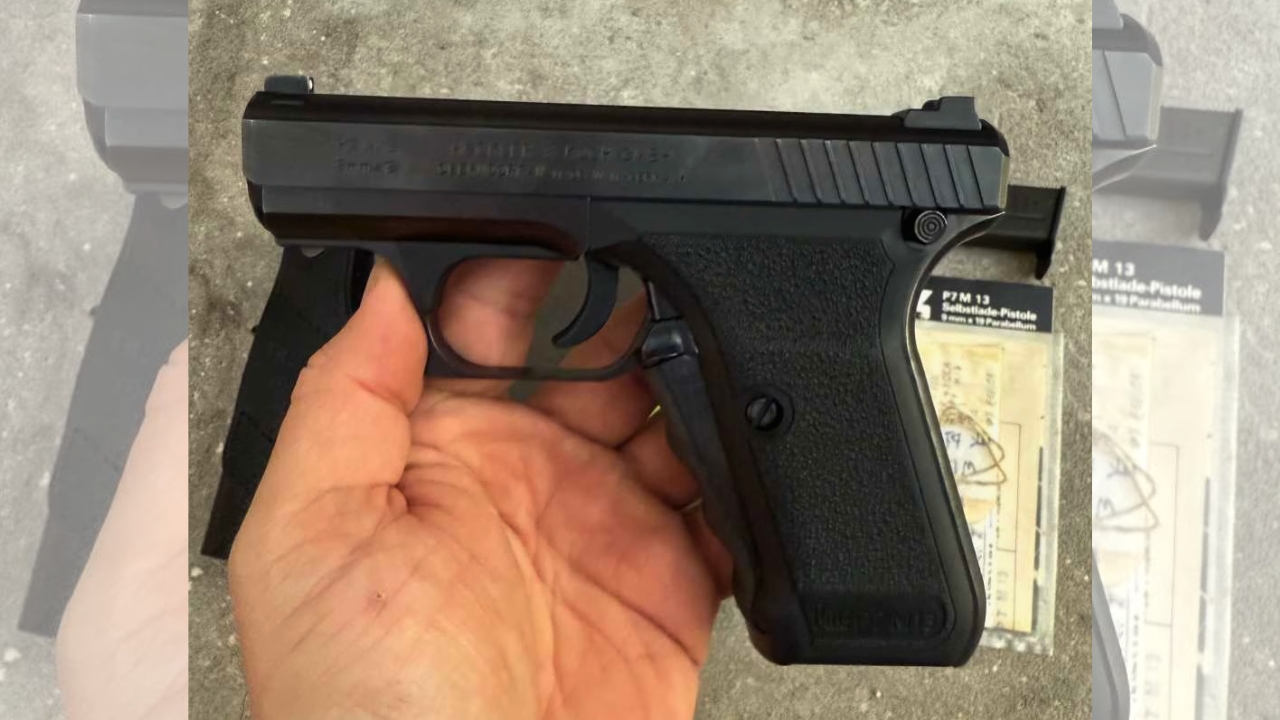
The P7M13 was one of those pistols people sold thinking they were cashing out at the right time. It was already respected, already uncommon, and already clearly not a bargain gun. That made it easy for owners to believe they were being smart by moving it while values looked strong. The problem was that values did not stop there.
Once the market leaned even harder into classic HK pistols, the P7M13 became one of those handguns former owners started checking on with a sick feeling. It had the weird engineering, the quality, the scarcity, and the kind of mystique that only gets more powerful once fewer clean examples stay on the market. A lot of people sold them at what felt like a high point and then learned the high point had not even started yet.
Winchester 1895
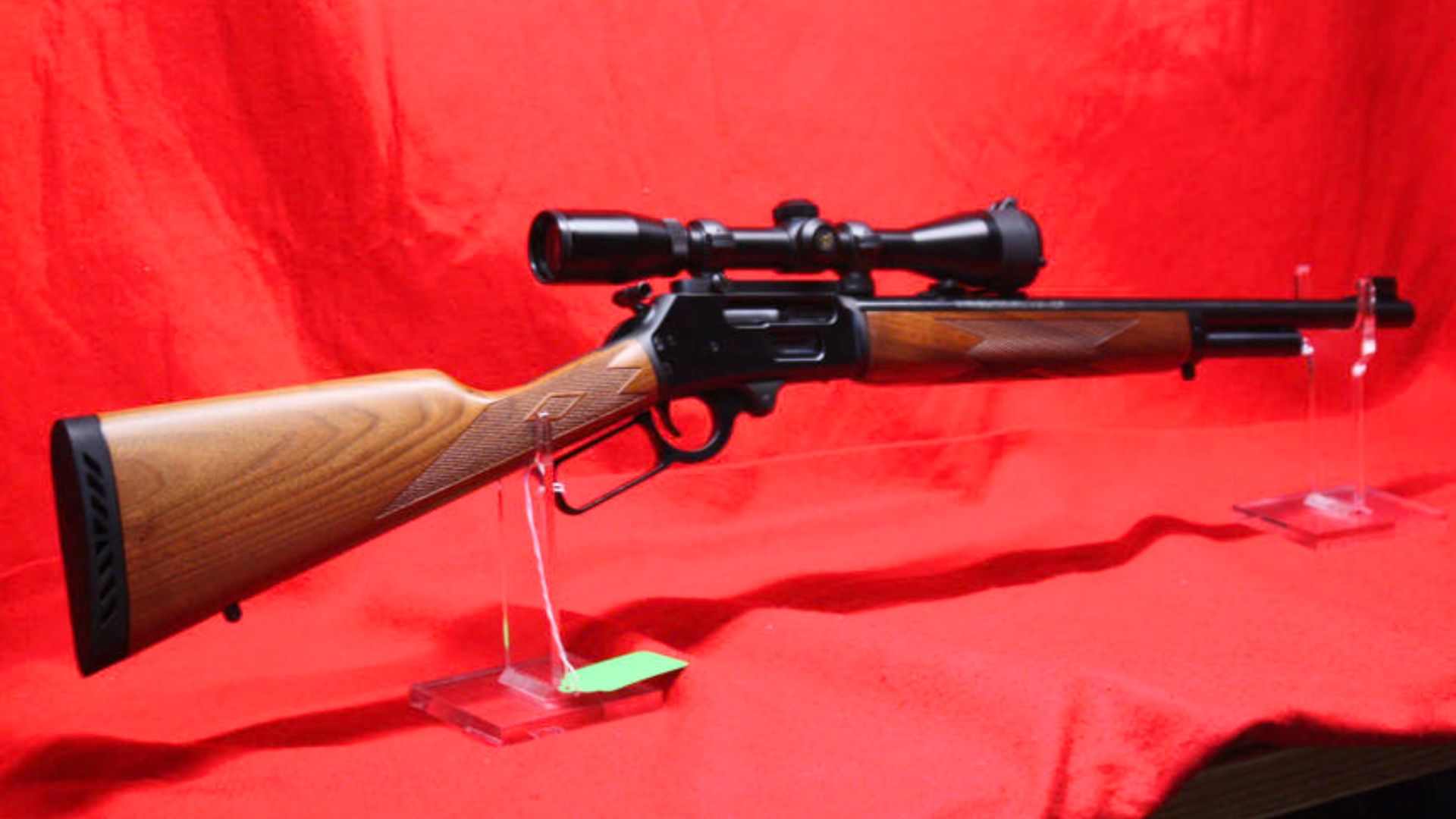
The Winchester 1895 used to sit in that dangerous category of guns people admired without always feeling urgency to own forever. It had history, unique lines, and a strong identity, but it also felt a little outside the usual lever-gun lane. That made it easier for some owners to part with, especially if they thought they could always find another later in similar shape.
That later got more painful than expected. The 1895 has too much history and too much personality to stay affordable once collectors and serious lever-gun buyers turn their attention toward it. Owners who let one go often remember the exact rifle they sold, because a gun like that does not get replaced by “another lever gun.” It gets replaced by another 1895, and that is where the regret starts getting expensive.
Smith & Wesson 745
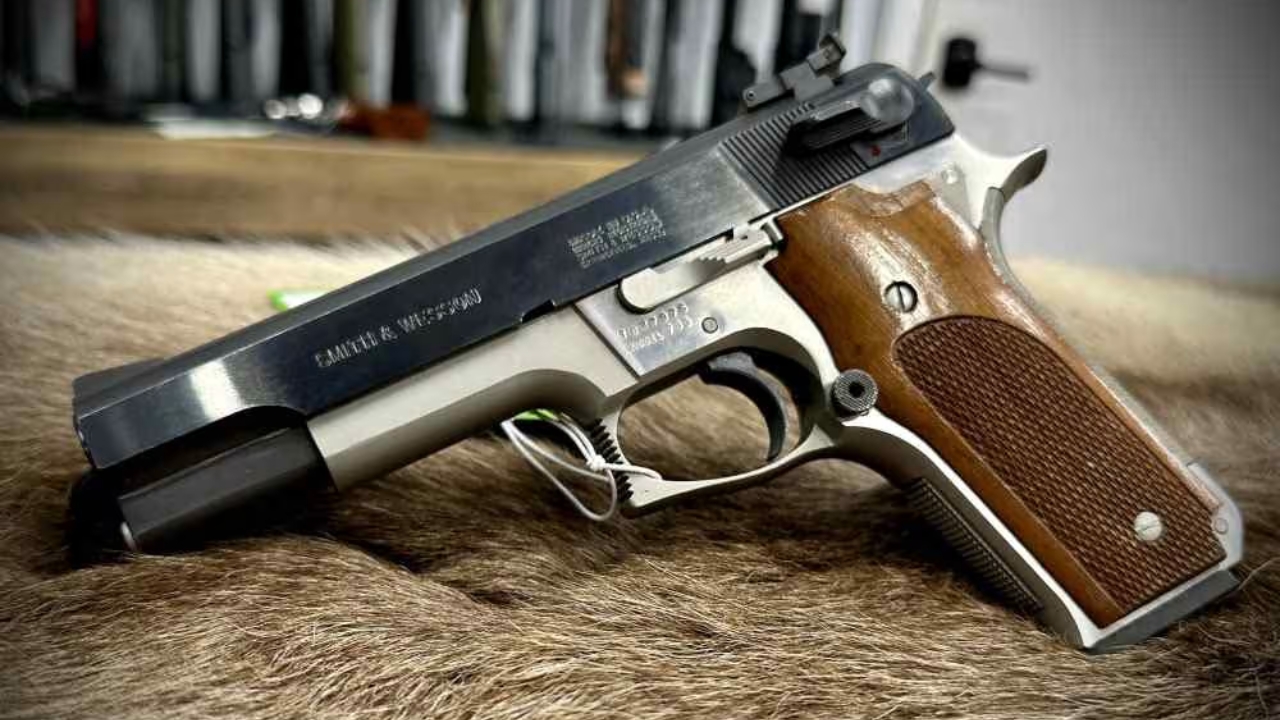
The 745 was never the most famous Smith & Wesson auto, which is exactly why some owners underestimated it. It had fans, but it was easy to treat it as one more interesting older Smith that could be sold off if something else grabbed your attention. That casual attitude worked fine until collectors and serious Smith auto buyers started treating the pistol with much more respect.
Now it looks like the sort of target-oriented, limited-production gun people should have held onto. The combination of rarity, quality, and old-school competition-gun appeal made the 745 much harder to replace once prices started moving. Former owners know the problem well. They did not sell a generic range pistol. They sold a gun from a category that only gets more desirable once the wider market finally notices how uncommon it really is.
Marlin 39A Mountie
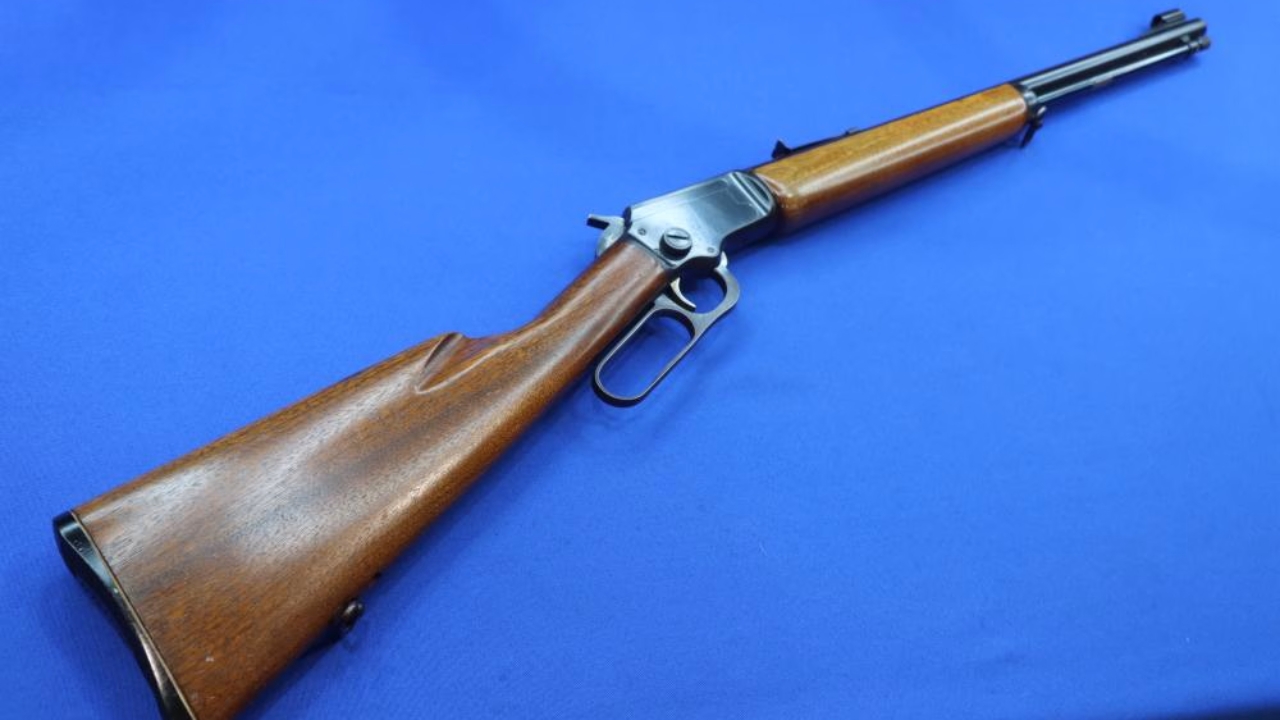
A Mountie could once be sold with the easy assumption that another good lever-action .22 would eventually cross your path. That kind of thinking ignored what the rifle really was. The 39A Mountie carried all the appeal of the full-size line in a handier package, and older Marlin rimfires have a way of looking much more valuable once they stop being common at gun shows and shop counters.
This one hits owners hard because it was the kind of rifle that got used, loved, and then taken for granted. It was not flashy. It was simply right. Once the better older Marlins started drying up, the Mountie moved out of the easy-replacement category for good. Plenty of people sold them as if they were moving one nice rimfire. What they really did was let go of a rifle market that was about to get a lot tougher.
SIG Sauer P210-6
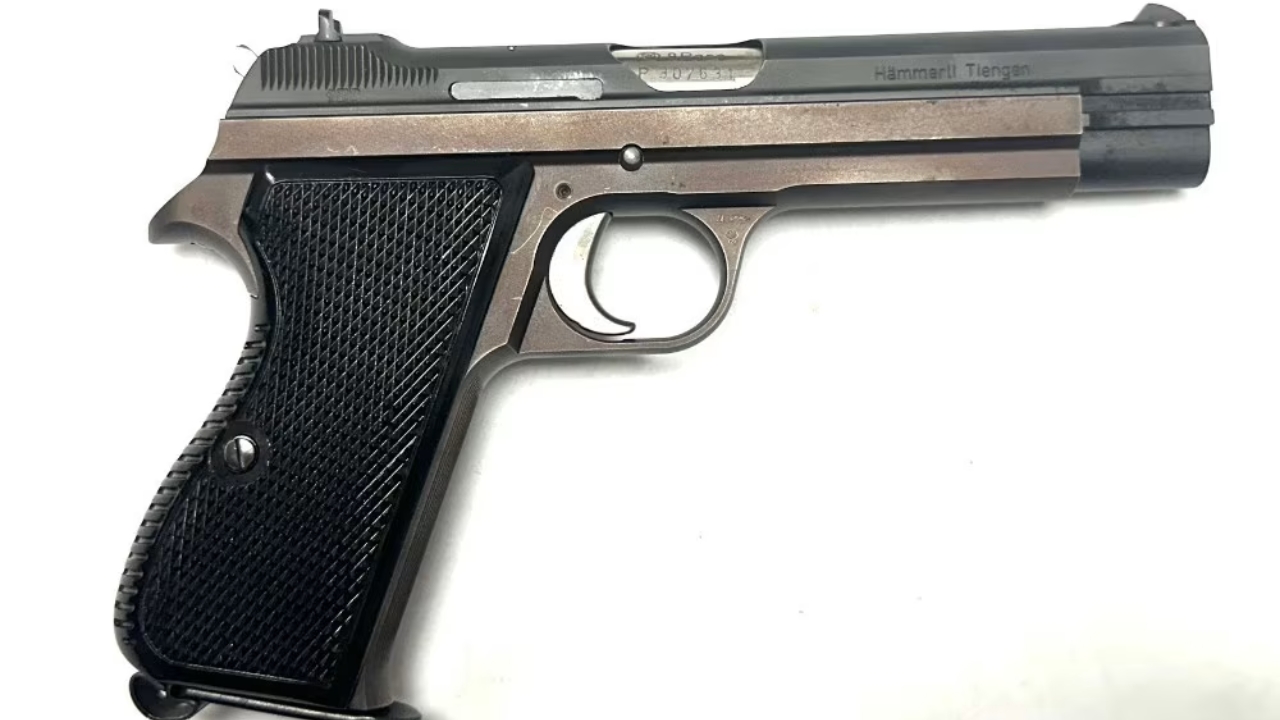
The P210-6 was always a serious pistol, but that did not stop people from selling them when the money looked tempting. For years, the logic seemed simple enough: it was an elite old target and service-style handgun, but it was also expensive, specialized, and maybe not something you needed to keep if another project or bill showed up. That reasoning did not age well.
Once high-end steel pistols and classic SIGs started drawing even more heat, the P210-6 became one of those guns former owners talk about with a little too much detail. They remember the trigger, the precision, and the way the gun felt like it had been built in a different era by people who did not cut corners. Selling one may have helped in the short term, but replacing that exact experience got a lot more painful once the market caught up.
Remington Nylon 77
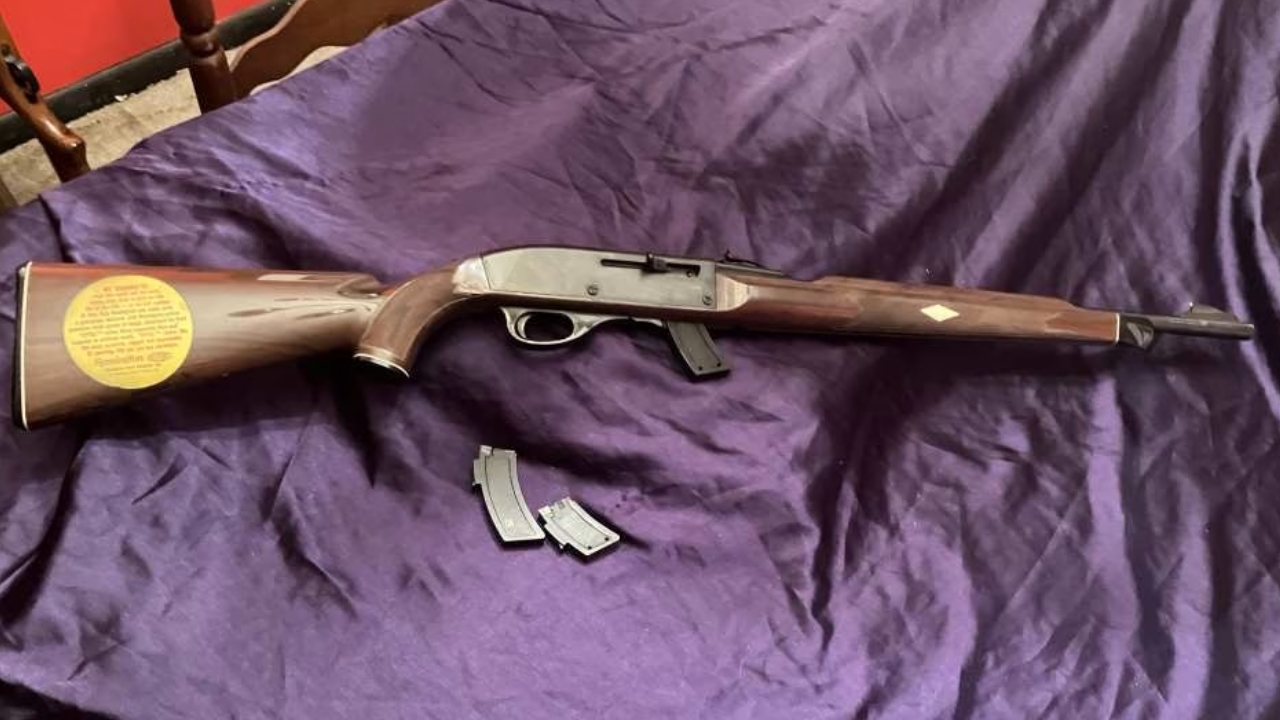
The Nylon 77 was easy to let go because it never carried the same built-in prestige as some other older Remingtons. To a lot of owners, it was just a neat, lightweight magazine-fed .22 from a weird chapter of rifle design. That made it easier to sell when space got tight or when somebody assumed the market would never get especially serious about them.
Then collectors and older rimfire fans started seeing those rifles in a different light. The Nylon family had already built a reputation, and the 77’s distinct place in that line only made it more interesting once supply tightened. Owners who sold one off as a quirky extra found out later that quirky extras get expensive when enough buyers decide they matter. Now it is the kind of rifle that makes former owners say they never should have let it go.
Colt 1903 Pocket Hammerless

The 1903 Pocket Hammerless is one of those pistols that people sold thinking they were moving a nice old Colt, not a piece that would become much harder to buy back. It had class, yes, but it also felt like the type of gun there would always be another example of somewhere. That is the trap with older Colts. They seem available until the day you go looking with money in hand and realize the good ones have gotten very selective.
The regret on this one is about more than price. It is about how elegant the gun feels compared with so many later pocket pistols. Owners remember the slim lines, the old-world quality, and the sense that the pistol came from a time when manufacturers built even small handguns with real pride. Once prices took off, former owners realized they had sold something much more special than a simple old pocket auto.
Ruger Deerfield Carbine

The Deerfield Carbine was the sort of rifle owners often sold because it felt niche enough to replace later. It was handy, useful, and different, but a lot of shooters still viewed it as a specialty gun rather than something they had to hold onto. That made it a prime candidate for getting traded away when a newer rifle or a different caliber started calling.
Then the Deerfield became harder to find, and the people who had shrugged and sold theirs started paying much closer attention. Compact semi-auto carbines with real Ruger identity do not stay underappreciated forever. Once the rifle left production and more shooters started missing what it offered, the old sale price began looking a whole lot less satisfying. This is one of those rifles that owners often do not miss until they try and fail to replace one cleanly.
Browning Hi-Power Practical

The Hi-Power Practical sat in a weird spot for years. It was respected, but it was also easy to treat as one more variant in a long Browning family that would always be around somewhere. Owners sold them off for all kinds of ordinary reasons, often convinced that another nice Hi-Power could always be found when the mood came back. That was true until it suddenly was not.
Once Hi-Power prices started moving harder across the board, variants like the Practical got a lot more painful to revisit. The gun had the familiar handling, the Browning appeal, and enough specific character to make clean examples stand out. Former owners know exactly what they gave up, because buying another Hi-Power is one thing. Buying back the same kind of Hi-Power after the market wakes up is something else entirely.
Sako Finnbear

The Finnbear was always a quality rifle, but it was also one of those sporting arms owners sometimes treated as too nice to use hard and not quite sentimental enough to keep forever. That made it easier to sell than it should have been. A lot of hunters figured another solid Sako could always be found later if they ever wanted back into one.
That assumption got punished. Older Sakos with real polish, strong chamberings, and classic styling have a way of looking much more attractive once the market starts rewarding quality again. The Finnbear especially carries the kind of traditional hunting-rifle appeal that does not get easier to replace with time. People who sold them off often realized later that they had let go of a rifle from a category that only gets more expensive once buyers start missing how well they were made.
Beretta 86 Cheetah
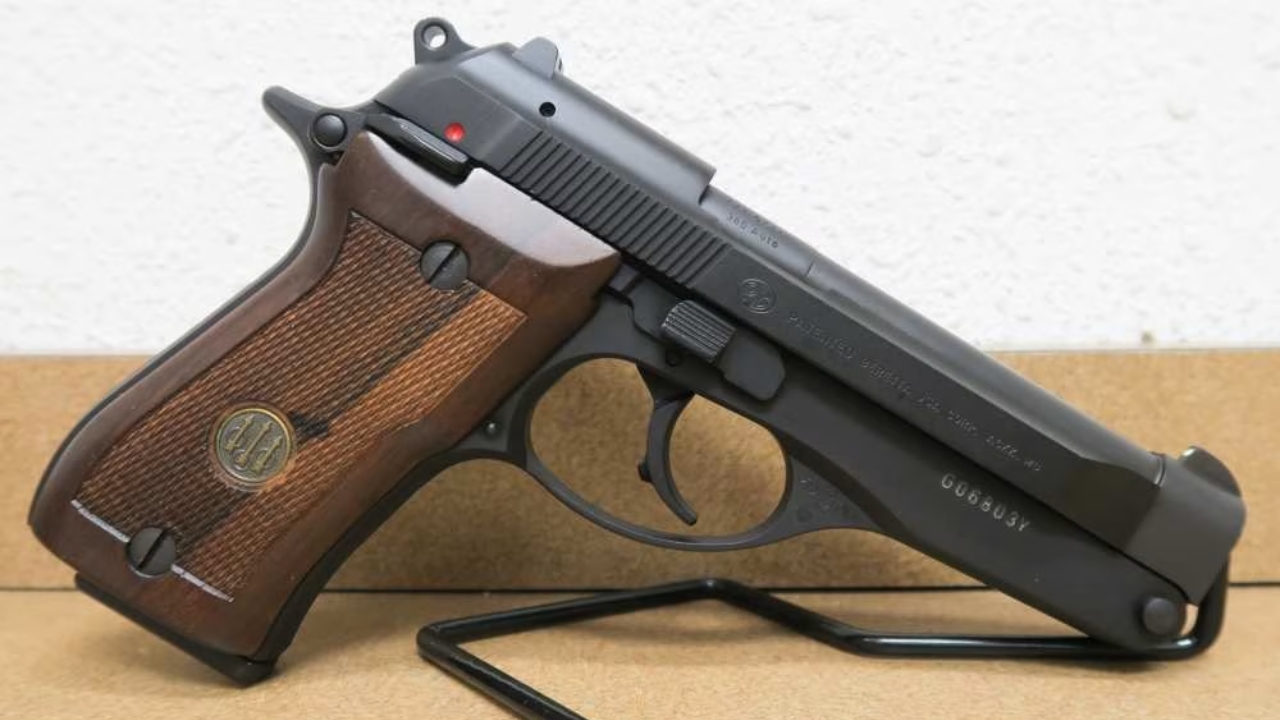
The 86 Cheetah seemed like exactly the kind of pistol you could sell without much long-term damage. It was unusual, yes, but it was also a .380 from a family many shooters did not fully appreciate until much later. Some owners saw it as a neat range gun or a stylish oddball that could be traded away without much regret if something more urgent came along.
That turned out to be a bad read on the market. The tip-up barrel design, the Beretta quality, and the gun’s uncommon status gave it much stronger legs than many owners realized. Once more people started chasing older Cheetah-series pistols, the 86 became one of those pieces that felt a lot more special in hindsight. Owners who sold one often discovered that the exact thing that made it easy to part with at the time is what makes it expensive now: not many clean ones are sitting around waiting.
Winchester 71
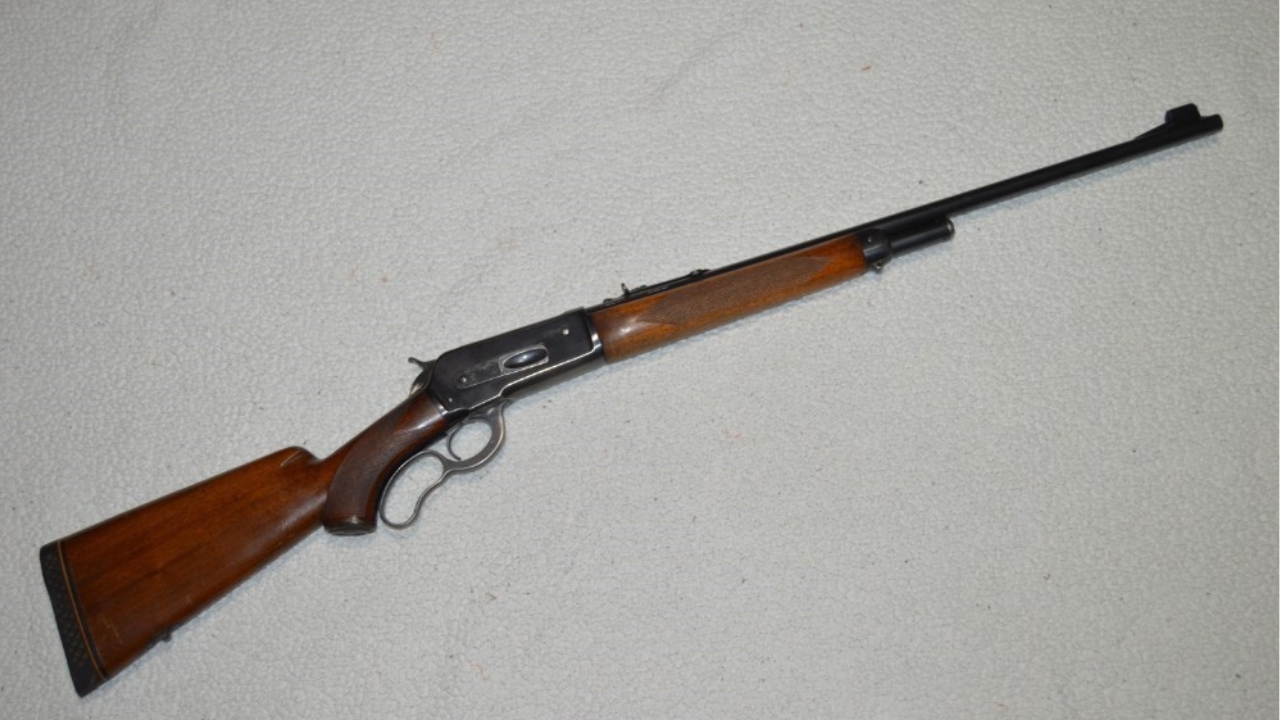
The Winchester 71 was never a throwaway rifle, but some owners still sold them with the belief that strong old lever guns were always out there if you were willing to look. That sounds reasonable until you start looking for one in the same kind of shape, with the same honest condition, and the same feel as the rifle you once had. Then the numbers start climbing and the regret shows up.
The 71 carries too much lever-gun credibility to stay affordable once buyers get serious. It was built in a lane that already had strong appeal, and time only sharpened that appeal. Former owners know the pain here. They sold a rifle that felt substantial, distinctive, and deeply tied to a certain kind of hunting tradition. Buying back into that same experience now often means paying a lot more than they ever imagined when they let theirs go.
CZ 452 Ultra Lux
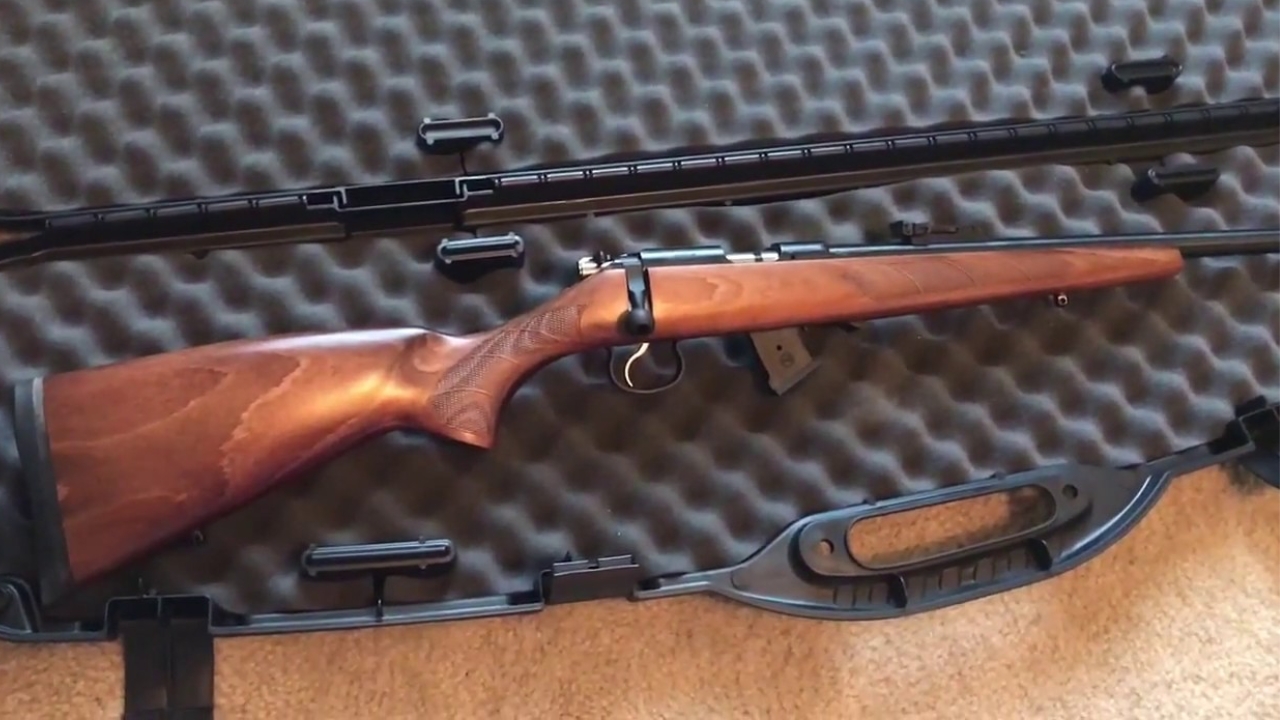
The 452 Ultra Lux was the kind of rimfire people sometimes sold because it seemed like a charming extra rather than a must-keep rifle. It had fans, but it also had that dangerous “I can always get another good .22 later” energy around it. Plenty of owners liked them and still parted with them, assuming the market for quality rimfires would remain forgiving.
It did not. The Ultra Lux had too much character, too much accuracy potential, and too distinct a place in the older CZ rimfire lineup to stay casually replaceable. Once more buyers started valuing classic wood-and-steel .22 rifles with real feel, the older 452 line got much hotter. Owners who let one go now often realize they sold off a rifle that represented a lot more than a basic rimfire. They sold one of the good ones before the rest of the market fully caught on.
Like The Avid Outdoorsman’s content? Subscribe to our newsletter so you never miss an article.
Here’s more from us: