

Photo credit: Brian Hite Photography/Shutterstock.com
It’s easy to mess up an elk hunt without even realizing it. These animals don’t play by the same rules as whitetail, and what works back home might burn your whole trip. If you’re putting in the miles and still coming up empty, chances are you’re slipping up in one of these common ways. Fixing just one or two of these mistakes can mean the difference between a long hike and a full freezer.
Trusting Midday as a Break Time

A lot of hunters pack it in by mid-morning, thinking elk bed down and disappear until evening. While they do slow down, bulls often make subtle moves to reposition or check for cows. Staying out there longer, especially during the rut, can give you a chance at a quiet bull sneaking through. Midday is when a lot of hunters nap—and when smarter hunters tag out.
Ignoring the Wind on the Hike In

It’s one thing to play the wind during a stalk. It’s another to forget about it entirely when hiking in or out. Elk have incredible noses and will blow out of the area if they catch even a whiff of human scent hours before you’re ready. Always know where your wind is going—especially when you’re still half a mile out.
Overcalling Once You Hear a Bugle

The temptation is strong—elk bugles, you fire right back. But hammering on calls can send a pressured bull the other direction. A lot of these bulls have been called to death and know the difference between a real cow and an over-eager hunter. One or two soft calls followed by silence often works better than trying to out-bugle him.
Hunting Too Low When It’s Hot

Early season elk often head higher than folks expect, especially when it’s warm. If you’re hanging out at 7,000 feet and not seeing sign, the elk might be 1,000 feet above you lounging in the shade. It’s easy to get caught glassing open meadows while the bulls are staying cool in dark timber up high.
Moving Too Fast After Finding Fresh Sign

Fresh rubs and steaming scat are exciting—but blowing through the area too fast can ruin your chance. A lot of new hunters charge ahead, assuming the elk are still on the move. In reality, they might be 80 yards away, watching you blunder past. Slow down, glass hard, and treat fresh sign like you’re already in shooting range.
Setting Up in the Wrong Spot to Call
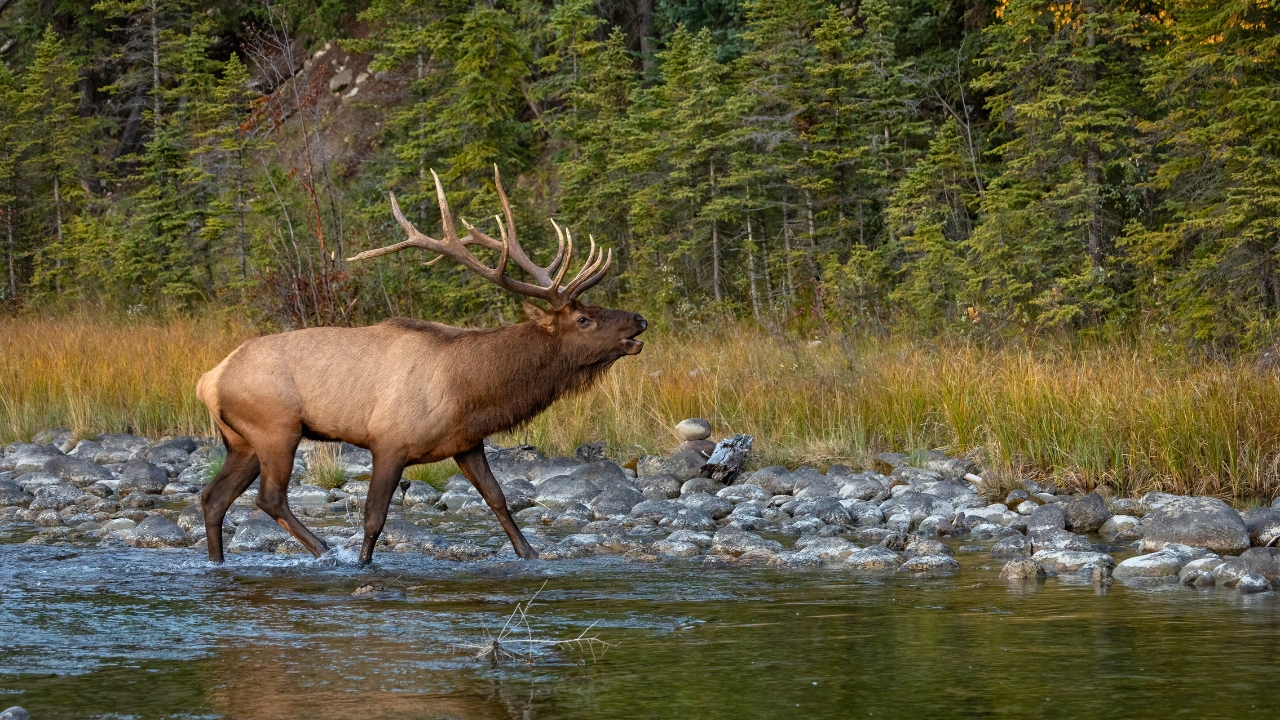
Calling from the wrong terrain can make even a responsive bull hold up out of sight. Thick cover behind you helps keep your location hidden, but if there’s no clear shooting lane ahead, you’re just talking to trees. Make sure you can draw and shoot where the elk is most likely to appear—and never call from the middle of a wide-open trail.
Not Being Ready When It Finally Happens

After hours of nothing, some folks drop their guard. They lean against trees, unclip their release, or pull off a layer—and that’s exactly when the bull steps out. Elk don’t give you much time. If you’re not ready to shoot the second they appear, you might not get another chance. Stay ready, especially when things feel dead quiet.
*This article was developed with AI-powered tools and has been carefully reviewed by our editors.


