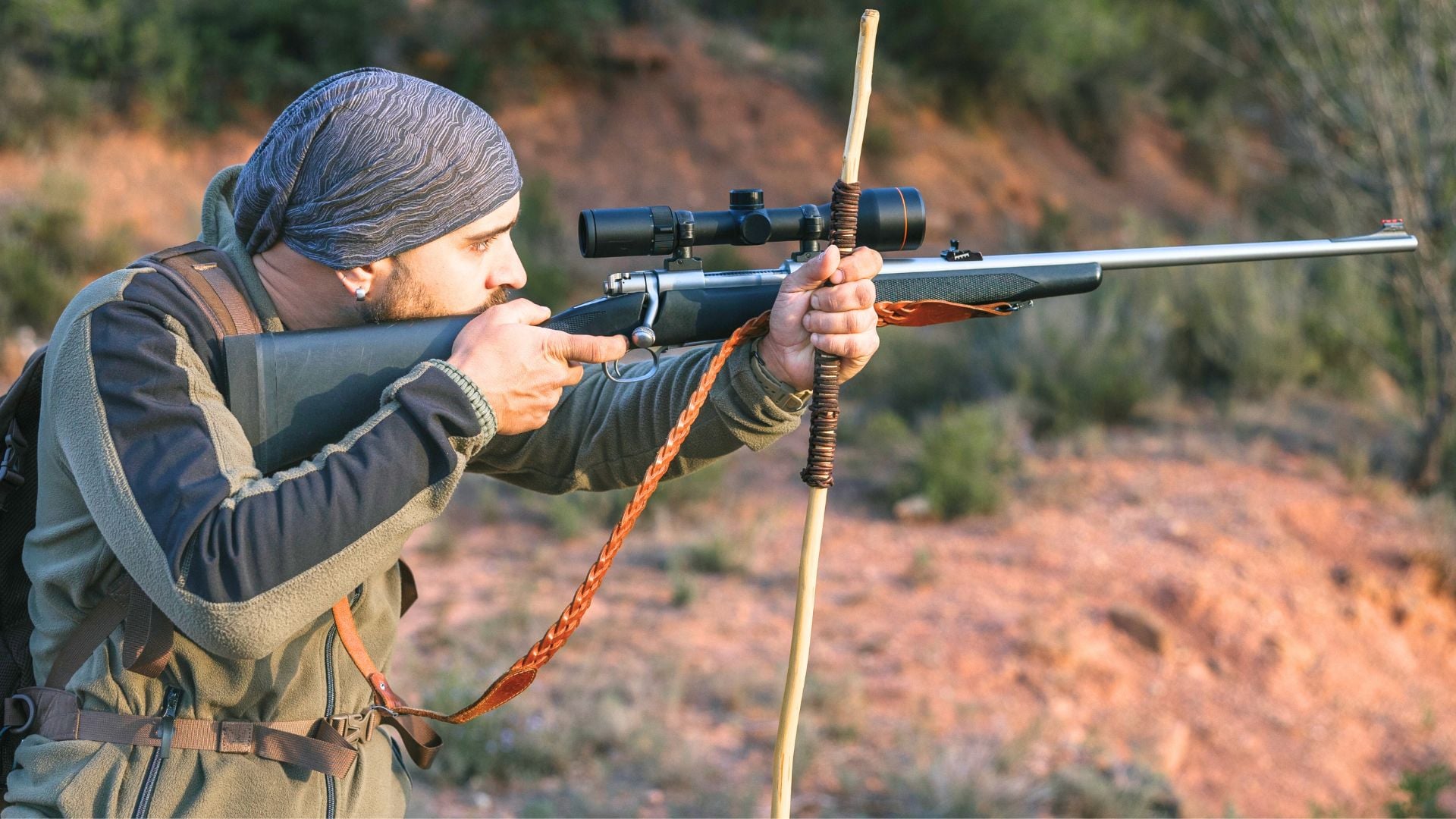
Photo credit: Jordi Mora/Shutterstock.com
A lot of calibers look like heroes from a bench. You’ve got bags, a steady rear support, and all the time in the world to press the trigger like you’re defusing a bomb. Then hunting season shows up and you’re on sticks—standing, half twisted around a tree, breathing hard, trying to settle a floating reticle on hair.
That’s where some rounds start to disappoint. It’s not because they’re inaccurate. It’s because recoil, muzzle blast, and rifle balance punish imperfect technique. Off sticks, you need a cartridge that lets you stay in the scope, call the shot, and run a follow-up without rebuilding your whole position. These calibers can absolutely work, but they’re the ones most likely to turn “bench gun” confidence into wobbly, rushed field shooting if you don’t have your system dialed.
7mm Remington Magnum

A 7mm Rem Mag can stack bullets off a bench, but off sticks it’s easy to get knocked out of your scope and lose the exact moment the shot breaks. That’s when you start guessing. Guessing turns into bad follow-through, and bad follow-through turns into misses that feel “mysterious.”
The recoil isn’t brutal, but it’s quick enough that it punishes a loose shoulder and a floating cheek weld. On sticks, the rifle often wants to hop, and that hop makes you snatch the trigger trying to beat your wobble. If you run a light rifle or a hard buttpad, it gets worse. The cartridge isn’t the problem—your ability to stay glued to the gun is.
.300 Winchester Magnum

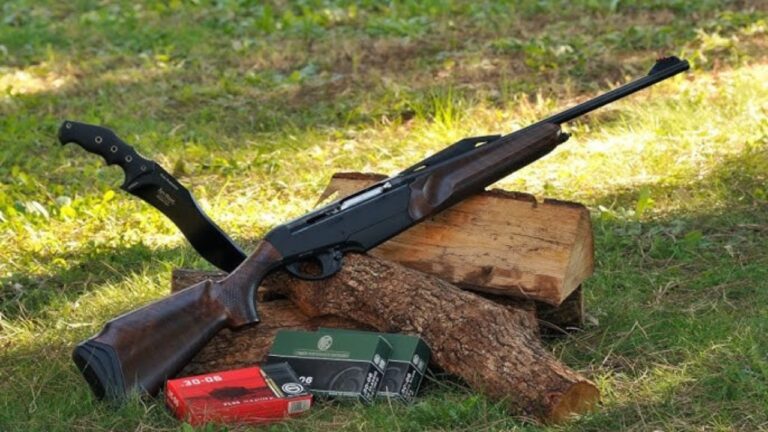
The .300 Win Mag is famous for making people feel capable at distance, right up until they leave the bench. Off sticks, that same power can make you tense up and start steering the rifle instead of letting it settle. The recoil impulse tends to drive the muzzle up and back, and you’ll often lose sight of the animal in the scope.
On a bench, bags soak up your slop. Off sticks, they don’t. If your grip pressure changes shot to shot, point of impact can drift. And if you’re running a brake, the blast can make you blink or flinch when you’re not braced perfectly. It’ll still shoot great, but it demands a calmer, more consistent hold than most hunters give it in real positions.
.300 WSM

The .300 WSM is accurate and efficient, but it’s also commonly chambered in lighter, handier rifles. That’s the trap. Off a bench, you can tolerate a light rifle. Off sticks, that lighter weight lets recoil move the gun more, and your wobble feels bigger because the rifle doesn’t have much inertia.
The result is a cartridge that can feel “snappy” when you’re standing, especially if the stock fit isn’t right. You’ll see good groups on paper and then struggle to break clean shots on an animal because the gun won’t settle. The WSM can be great in a well-balanced rifle, but in ultralight setups it often turns field shooting into a timing game.
6.5 PRC
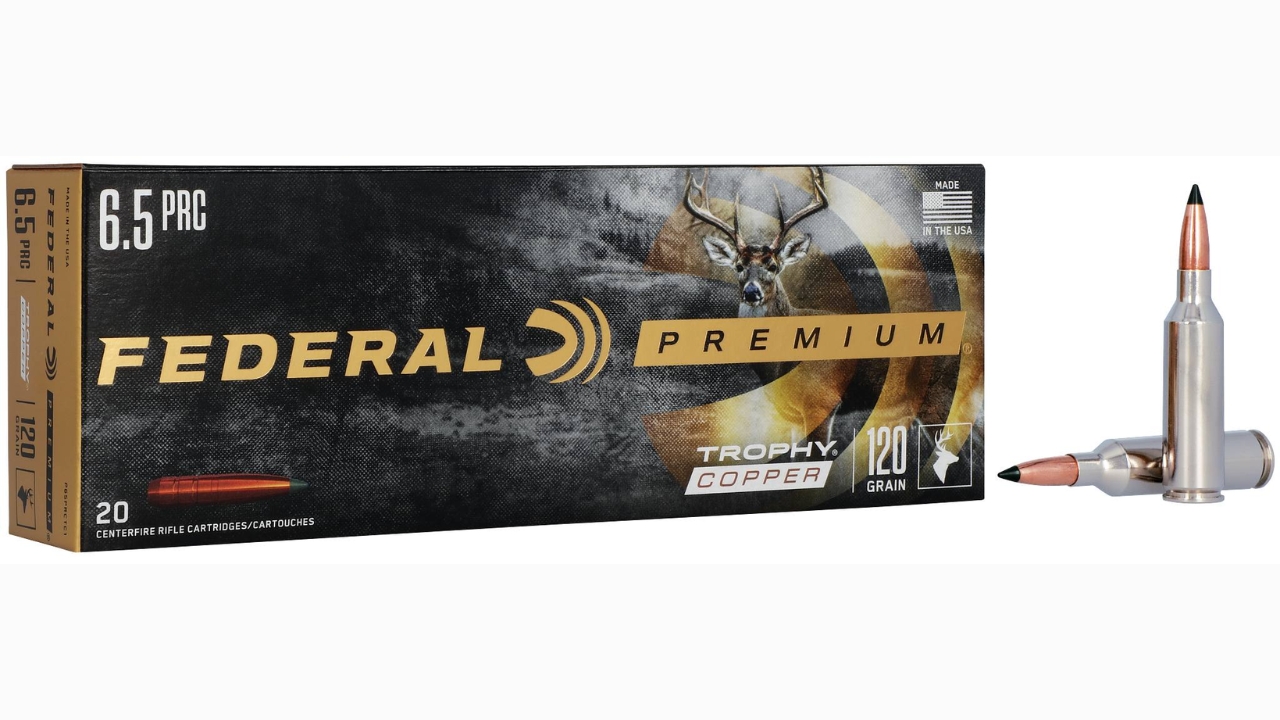
The 6.5 PRC often prints tiny groups off a bench, which makes people think it’s as easygoing as a 6.5 Creedmoor. Off sticks, it’s a different animal. The PRC has more recoil and a sharper impulse, and that can be enough to pull you off target when you’re standing.
It’s still very shootable, but the cartridge rewards a steady position and solid follow-through. If you’re loose behind the rifle, the muzzle jumps and you lose your sight picture right when you need it most. And because people tend to run it in mountain rifles, the same “light rifle” problem shows up. Great accuracy doesn’t help if you can’t stay in the scope and confirm the hit.
.300 PRC

The .300 PRC has a reputation for long-range performance, and a lot of rifles chambered for it are built to shoot well off a bench. Off sticks, that long-range mindset can backfire. The recoil is significant, and if you’re not locked into the gun, it will move you—fast.
The other issue is how people set these rifles up: big scopes, tall rings, heavy barrels, sometimes a brake. From a bench, that’s fine. Off sticks, that extra height and weight can make the rifle feel top-heavy and slow to steady. You can absolutely shoot it well standing, but it takes practice. Without that practice, the PRC can feel like it “changed” when really the position changed.
.28 Nosler

The .28 Nosler is a hammer, and hammers aren’t known for being gentle off sticks. On a bench, you can take your time and let the bags manage the movement. In the field, the recoil and blast make it hard to stay relaxed, and tension is what opens groups and causes pulled shots.
Even if you’re not scared of recoil, the cartridge can knock you out of your sight picture enough that you lose feedback. You don’t see the hit. You don’t see the reaction. Then you’re trying to chamber a follow-up while your brain is still catching up. If you’re shooting it from a light rifle, you’ll feel it even more. It’s effective, but it demands discipline and a solid stance.
.270 WSM

The .270 WSM is another round that can look unbelievably good on paper and then feel less cooperative off sticks. It’s not that recoil is massive—it’s that it’s quick, and quick recoil punishes inconsistent shoulder pressure. On sticks, little changes in how you lean into the rifle can show up downrange.
A lot of .270 WSM rifles are built as lightweight “all-day carry” guns. That’s great until you try to shoot fast and clean while standing. The gun moves more, the reticle bounces more, and you start breaking shots as it swings through instead of when it’s settled. It’s a great cartridge when you’re locked in, but it doesn’t hide sloppy field technique the way milder rounds do.
.338 Winchester Magnum
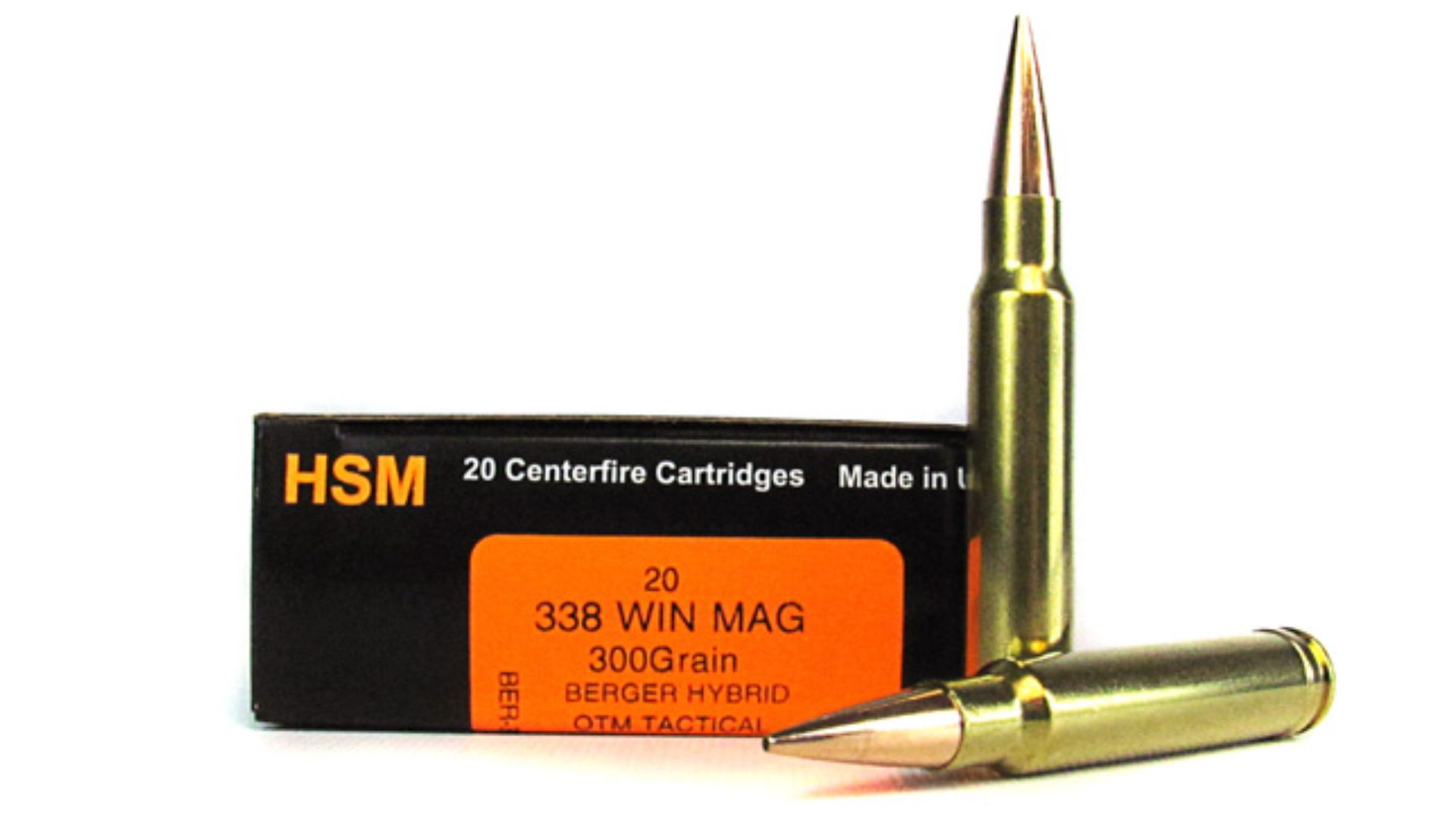
The .338 Win Mag can shoot beautifully off a bench, especially if you’ve got a rifle that fits and good bags. Off sticks, it’s a different deal. The recoil is enough that many hunters start bracing for it, and bracing ruins your trigger press and follow-through.
When you’re standing, recoil also tends to push you out of position. You’ll see the reticle jump, you’ll lose the animal, and you’ll come off the gun early. That’s how you end up thinking you “missed” when you actually hit, or thinking you “hit perfect” when you didn’t. The .338 is a serious tool for big game, but it wants a serious shooter behind it when you’re not supported.
.375 H&H Magnum

The .375 H&H has a smooth push compared to some modern magnums, but it’s still a lot of cartridge to manage off sticks. From a bench, you can settle in and let the rifle recoil the same way every time. Standing, that big push can rock you back if you’re not leaned in properly.
The other issue is anticipation. Even experienced hunters can start timing the shot with a .375, and timing leads to jerking. Off sticks, you also tend to run the gun slower, which is fine, but it makes any wobble feel more urgent. The cartridge is outstanding for dangerous game and big animals, but it’s not forgiving when your position is half-built and your heart rate is up.
.45-70 Government

A .45-70 can be easy off a bench with the right support, because the recoil is a shove you can manage when everything is steady. Off sticks, especially standing, that shove can roll you and the rifle together. If your grip and shoulder pressure aren’t consistent, the muzzle can climb differently shot to shot.
It also tends to highlight sight wobble because many .45-70 setups wear lower-magnification optics or irons. That’s not bad, but it can make you feel rushed when the front sight or reticle is floating. And if you’re shooting heavier loads, the recoil can make you come off the gun early. The cartridge is deadly at its ranges, but it rewards a locked-in stance more than people expect.
.444 Marlin
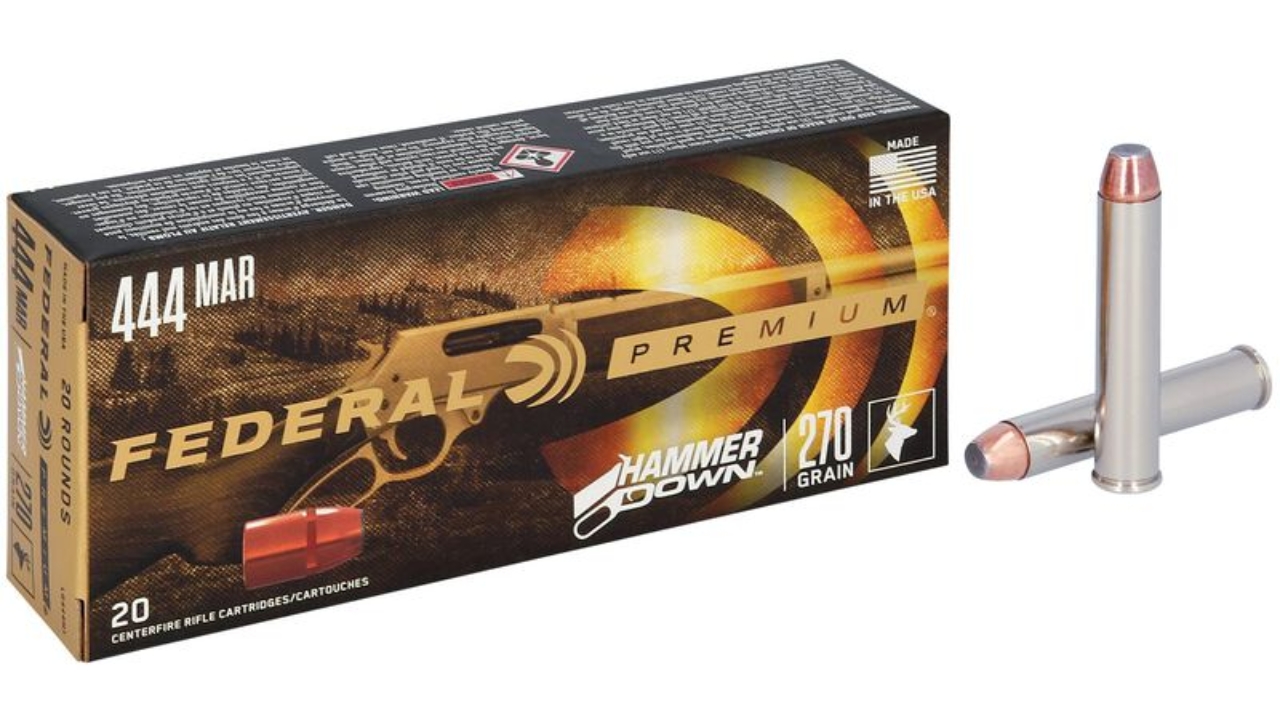
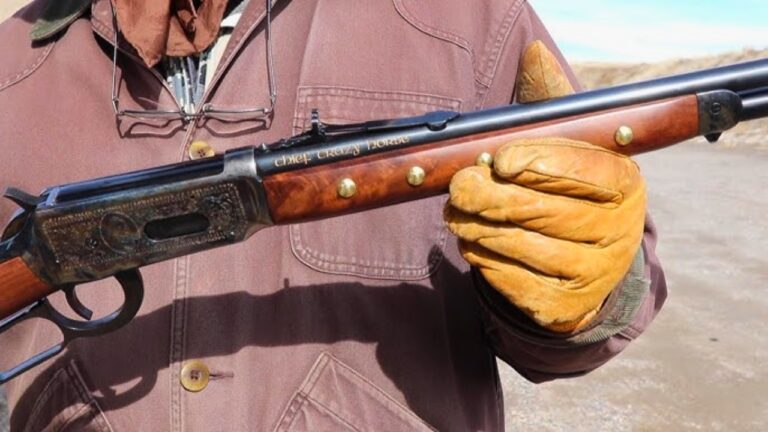
The .444 Marlin hits hard and works great in the woods, but it can disappoint off sticks for the same reason other thumpers do: it moves the rifle enough to break your rhythm. Off a bench, you can keep it consistent. Standing, the recoil can make you slap the trigger and lift your head at the shot.
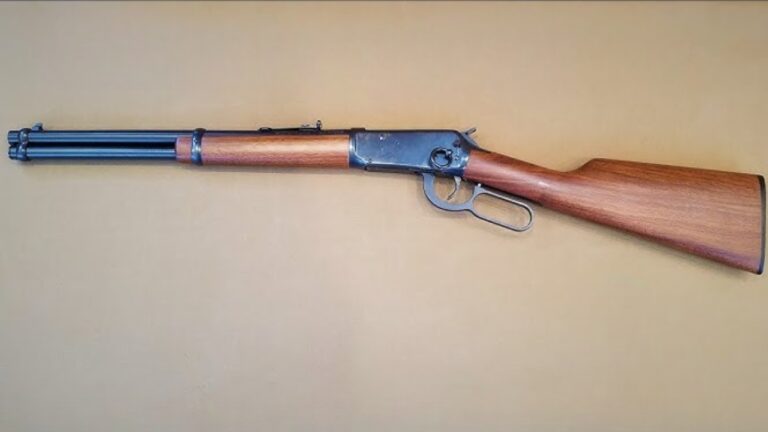
Lever guns also tend to be lighter and faster-handling, which is great for quick shots, but that lightness can amplify movement when you’re trying to hold steady on sticks. The .444 doesn’t have to be hard to shoot, but it’s not a cartridge that lets you be lazy. If you don’t lean into it and stay on the gun, your field accuracy can look a lot worse than your bench groups.
.17 HMR (for small game)
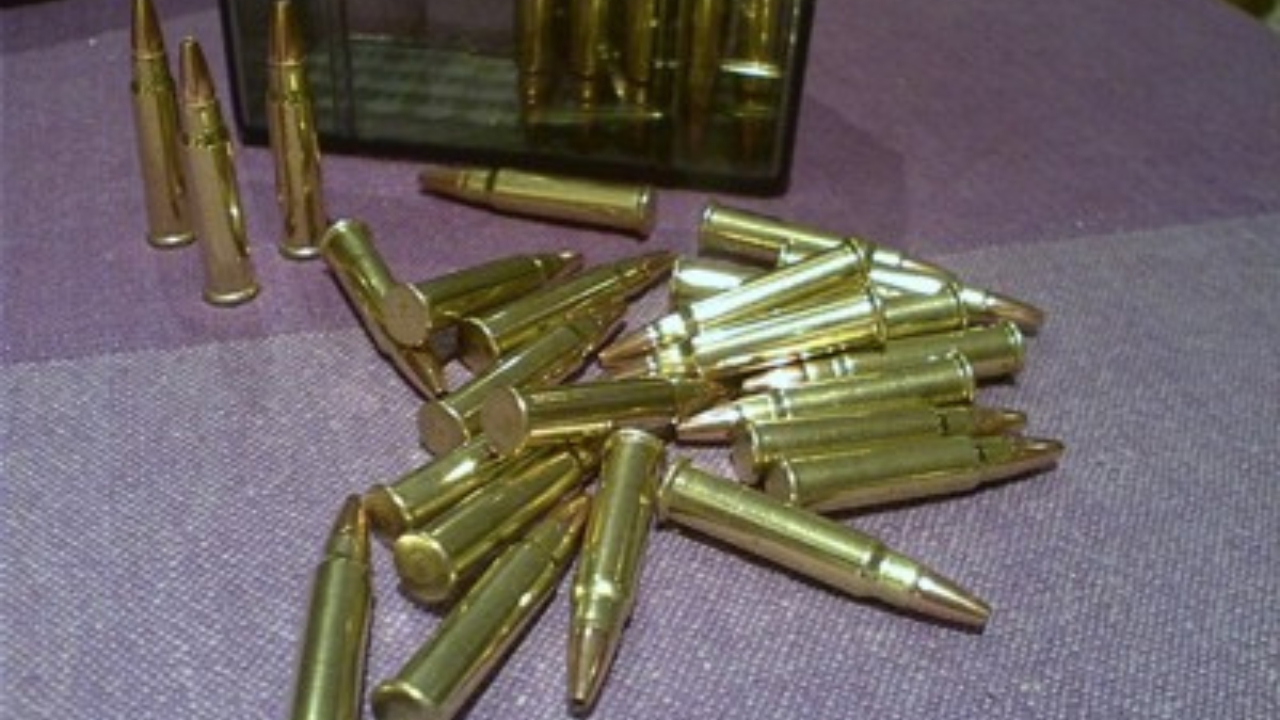
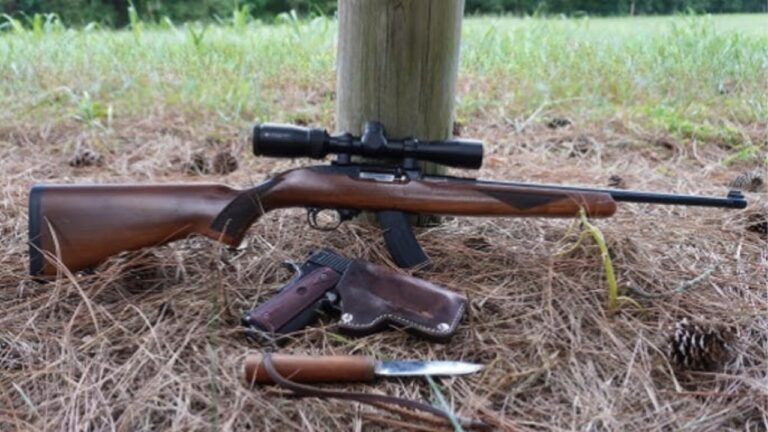
This one surprises people because recoil isn’t the issue. Off a bench, .17 HMR can look like a laser. Off sticks, it can disappoint because it’s extremely sensitive to wobble, wind, and trigger timing. Your sight picture floats, and the tiny bullet doesn’t give you much margin when you’re not perfectly settled.
On a bench, you can pick tiny targets apart. In the field, that same “tiny target” reality shows up on rabbits, squirrels, and small steel. If there’s any breeze or your sticks aren’t planted well, you’ll see misses that feel unfair. The cartridge is accurate, but field shooting exposes how much your position matters when the bullet is light and the target is small.
.22-250 Remington

The .22-250 is another low-recoil round that can disappoint off sticks, mostly because it tricks you into thinking it’s automatic. Off a bench, it prints little groups and makes long shots feel easy. Off sticks, the reticle bounce and wind sensitivity show up fast, especially on smaller predators at longer distances.
Because recoil is mild, the misses usually come from rushing the shot—breaking it as the crosshairs sweep through instead of waiting for a steady moment. Add a little wind, and you can be “close” and still miss clean. The cartridge isn’t inaccurate. It’s just honest about field fundamentals. If your sticks and your position aren’t solid, the .22-250 will make you prove it.
6.5-300 Weatherby Magnum

The 6.5-300 Weatherby is built for speed, and speed usually comes with blast and recoil that are easy to handle off a bench and harder to manage off sticks. From a bench, you can focus on the trigger and let the rifle do its thing. Standing, the cartridge can make you tense up before you even break the shot.
That tension turns into poor follow-through and a lost sight picture. You fire, the scope jumps, and you’re not sure what happened. If you’re trying to shoot quickly in real hunting conditions, that lack of feedback is a problem. It’s a specialized cartridge that shines when you’re set up well. Off sticks, it can feel like it’s working against you unless you’ve practiced that exact scenario.
.257 Weatherby Magnum

The .257 Weatherby is flat and effective, but it can be another “bench superstar” that exposes you off sticks. The recoil isn’t huge, but the impulse and blast are sharp enough that you can start blinking or tightening your grip right before the shot. That’s all it takes to throw a field shot you would never miss from bags.
It’s also commonly carried in lighter rifles, which makes the recoil feel snappier than the numbers suggest. Off sticks, you’ll often see hunters lift their head and lose the sight picture at the shot, then struggle to confirm impact. When you stay on the gun and keep your position tight, it shoots great. When you don’t, it can make you wonder why your bench groups didn’t follow you into the woods.
12-gauge slug

From a bench, a slug gun can be surprisingly accurate. Off sticks, it can disappoint because recoil is heavy and abrupt, and the sight picture often isn’t as forgiving as a rifle scope on a centerfire. You can shoot great groups seated at a range, then get into the field and start flinching the moment a deer steps out.
The other issue is how slug guns are used: awkward angles, thick clothing, and rushed shots inside short windows. Heavy recoil plus imperfect positions is a bad mix. If you don’t have a locked-in stance, the gun jumps and your head comes up. Slug guns work, but they demand practice from the same positions you’ll actually hunt from, not just a comfortable bench.
Like The Avid Outdoorsman’s content? Be sure to follow us.
Here’s more from us: