Photo credit: Aaron/Pexels.com
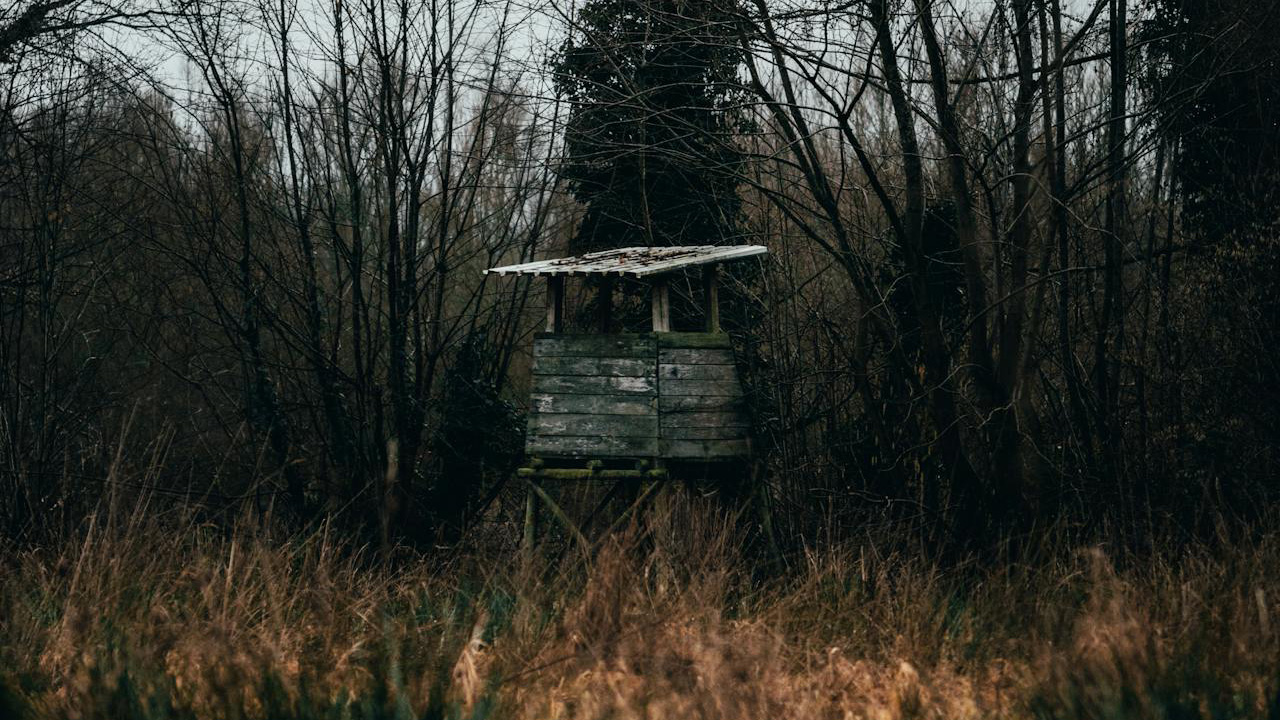
The family had only owned the place for a year when they found the stand.
It was not tucked right on the edge of the property where someone might claim confusion. It was not sitting on the neighbor’s side of the fence. It was on their 40 acres, already in place when they bought the land, and nobody in the family knew who it belonged to.
In a Reddit post, the landowner said he and his wife had bought the property the year before. When they discovered the stranger’s stand, they decided to leave it alone. That was probably the calmer choice. Maybe the previous owner had let someone hunt there. Maybe whoever owned the stand did not know the land had sold. Maybe it had simply been abandoned.
The poster even said he was willing to let the owner keep using it if he just reached out and asked permission. That is the part that makes the whole thing more frustrating. The family did not come across like they were looking for a fight. They were not saying nobody could ever hunt there. They wanted one simple thing: ask first.
But nobody asked.
The family left a note on the stand about a month before the post, letting whoever owned it know the land had been sold and giving a phone number. That should have been the easy way to handle it. If it belonged to someone who had hunted there for years under the old owner, all he had to do was call, explain the situation, and ask about the new arrangement.
Instead, the stand moved.
According to the poster, about a month after leaving the note, he noticed the stand had been moved to another tree. Not removed from the property. Not brought back to whoever owned it. Just moved. It was still on the family’s land.
That changed the whole tone of the situation. Before, it could have been an old setup nobody had touched since the property changed hands. Once it moved, the family knew somebody had come back. Someone had seen the note or at least returned to the stand area. And rather than contact the new owners, that person simply strapped the stand to a different tree and kept going.
The poster said he could not tell whether someone was actively hunting it, but the movement was enough to raise the question. Was the person trying to stay hidden? Did he think moving it made the note go away? Did he know the land had new owners and decide to ignore them anyway?
For a landowner, that is the kind of thing that makes generosity dry up fast.
Permission matters because it sets the rules before anyone climbs into a stand with a weapon. It lets the owner know who is on the property, where they plan to hunt, what days they will be there, and how to reach them if something goes wrong. It also helps prevent dangerous overlap if the owner or family members are hunting the same area.
A stranger’s stand on the property creates the opposite situation. The landowner does not know who is coming in, when they are coming, where they are aiming, or whether they even know the property has changed hands. If the family uses the property, walks it, hunts it, runs dogs, works fence, or brings kids out there, that unknown setup becomes a real concern.
The poster’s question was not dramatic. He wanted to know if people would hunt from a stranger’s stand on their own property, whether they would take it down, or how they would handle it. But underneath that question was the bigger issue: how much patience do you give someone who has had a chance to do the right thing and still did not call?
The family had tried the polite route. They did not tear the stand down. They did not immediately call the game warden. They left a note with contact information, opening the door for a simple conversation.
The person on the other end apparently chose silence.
That silence is what made the stand feel less like forgotten gear and more like a boundary problem. A leftover stand from a previous owner is one thing. A stand that gets moved after a note has been left is something else entirely.
Now the new owners had to decide whether to keep being patient or treat it like trespassing equipment on private land. They had bought 40 acres. They had every right to know who was hunting it. And if somebody wanted access, the easiest move was the one they had already offered: call and ask.
Commenters were pretty clear that the stand needed to come down or the owner needed to be identified fast.
Several people said the family had already been more than fair. Leaving the stand alone for a year and then leaving a note with a phone number was, in their view, the neighborly way to handle it. Once the stand moved and nobody called, commenters said the situation no longer looked like a misunderstanding.
A lot of hunters told the poster not to use the stand. Their reasoning was partly practical and partly safety-related. If the stand belonged to someone else, the landowner would not know whether it was damaged, installed correctly, or safe to climb. A stranger’s hang-on stand or ladder stand could have worn straps, loose steps, bad hardware, or weather damage. Several said they would not trust their weight to equipment they did not inspect or install themselves.
Others said the stand should be removed and stored somewhere safe. Not destroyed. Not tossed in a ditch. Just taken down and held until the owner came forward. That way, if it really was someone who had old permission under the previous owner, there was still a chance to return it after a conversation. But the person would not be able to keep hunting without talking to the landowner.
Some commenters recommended another note, but with a harder deadline. Something along the lines of: “This property has changed ownership. You do not have permission to hunt here. Contact this number by this date to retrieve your stand.” After that, they said, the stand comes down.
A few pushed for trail cameras. If someone was coming back to move the stand, there was a good chance he would return again. A camera could show who was using it, what direction they were entering from, and whether they were carrying a weapon onto the property. That would matter if the situation needed to go to a game warden.
The game warden came up more than once. Commenters said that if someone was hunting the land without permission, it was not just a property issue. It was a hunting trespass issue. A warden could explain the local rules and, if needed, help document what was happening.
There were also a few people who said old land-sale situations can be messy. Sometimes previous owners give loose permission for years, and nobody tells the hunter when the property changes hands. But even those commenters generally agreed that once the note was left, the person had a responsibility to call. Moving the stand without calling made him look bad.
The strongest advice was to stop giving the mystery hunter access by default. The family did not have to be mean. They did not have to start a war. But they also did not need to let someone keep using their land just because a stand had been there before they bought it.
For the poster, the choice was becoming clearer. The stand was not the main problem anymore. The problem was the person who kept coming onto the property without permission and would not pick up the phone.