Photo credit: 1978vikinghunter/GunBroker
Pistol-caliber carbines are easy to like and easy to misunderstand. They look practical, they are usually softer and cheaper to shoot than centerfire rifles, and many of them share magazines or ammo with handguns people already own. That makes them tempting for home defense, range work, training, competition, truck-gun conversations, and general property use.
But a PCC is not automatically the best answer just because it is handy. A 9mm carbine is not an AR-15 replacement. A blowback gun may recoil more sharply than buyers expect. Magazine compatibility can be more complicated than the box makes it sound. And some PCCs make a lot more sense for range fun than serious defensive use. Before buying one, it helps to know what these guns actually do well and where the tradeoffs show up.
1. A PCC Is Not a Rifle-Caliber Rifle

The first thing to understand is that a pistol-caliber carbine is still firing a pistol cartridge. A 9mm, .40 S&W, .45 ACP, 10mm, or .357 Magnum carbine may pick up velocity from a longer barrel, but it does not turn into a .223, .308, or 6.5 Creedmoor. It has different range, energy, trajectory, and terminal behavior.
That does not make PCCs useless. It just means buyers need to stop expecting rifle-cartridge performance from handgun ammo. A PCC shines inside reasonable distances, especially for training, defense, plinking, and competition. If your main need is longer-range hunting, barrier performance, or true rifle power, choose a rifle cartridge instead.
2. 9mm Is Usually the Practical Default

Most buyers should probably start by looking at 9mm. It is widely available, relatively affordable, mild in recoil, and supported by the broadest range of PCCs and magazines. A 9mm PCC also makes sense if you already carry or train with a 9mm pistol.
That is why so many popular PCCs are chambered in 9mm, including the Ruger PC Carbine, CZ Scorpion 3+ Carbine, Henry Homesteader, Smith & Wesson Response, and plenty of AR-pattern builds. Other calibers have their place, but 9mm is the easiest to feed, the easiest to practice with, and usually the easiest to support long-term.
3. Magazine Compatibility Can Be a Big Advantage
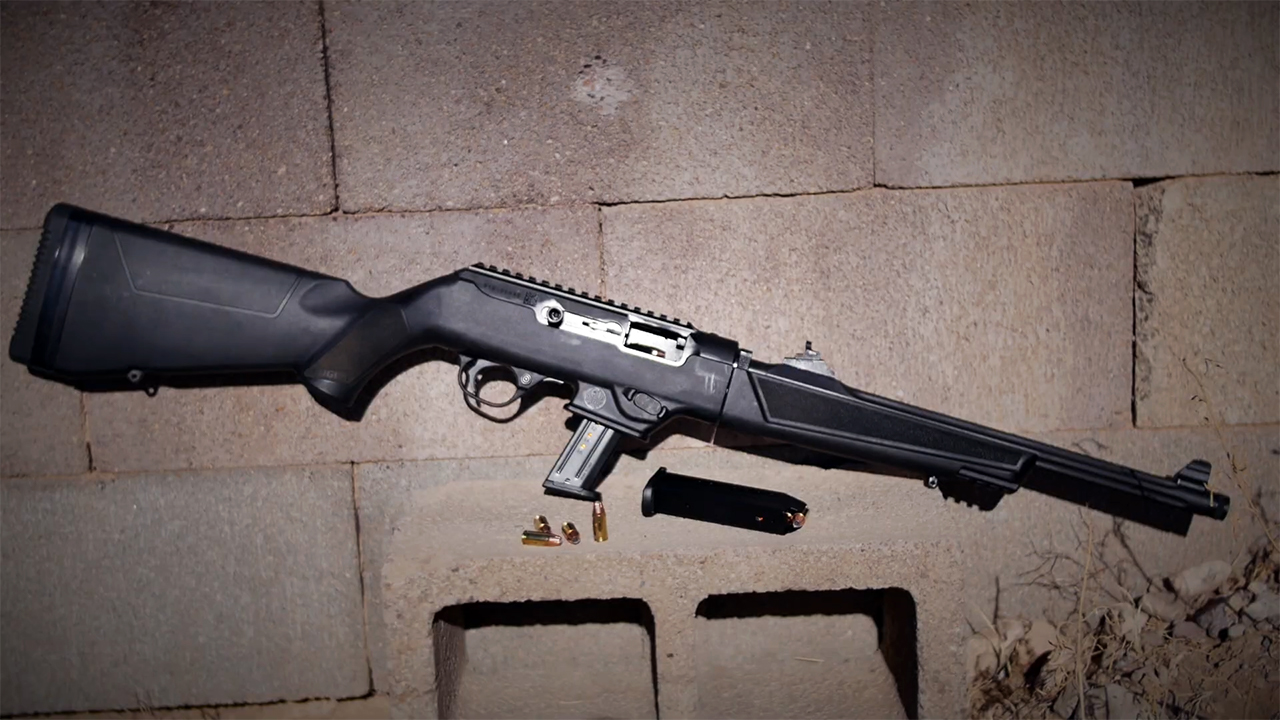
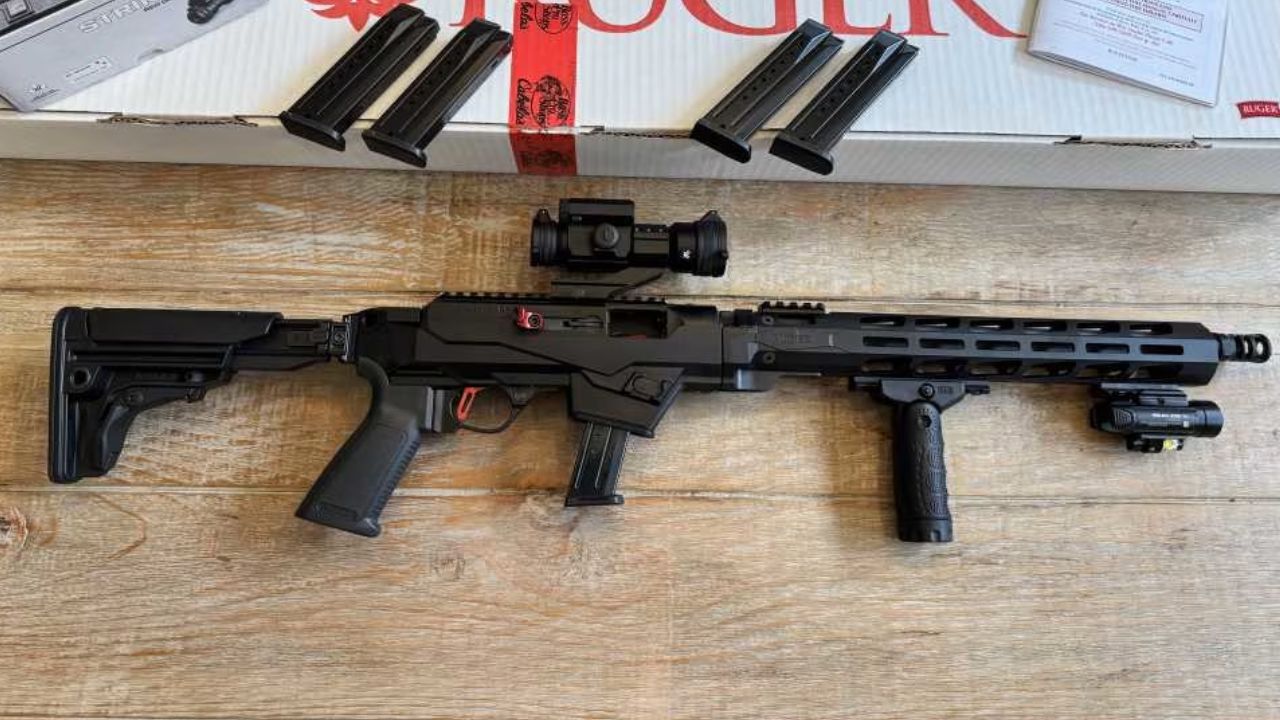
One major appeal of a PCC is sharing magazines with a handgun. Ruger’s PC Carbine, for example, ships with a Ruger magazine well installed and includes an additional magazine well that accepts Glock magazines. Ruger also notes that American Pistol magazine wells are available separately. That kind of flexibility can be a major selling point if you already own compatible magazines.
But buyers need to check the details. “Takes Glock mags” may mean certain generations, certain capacities, or certain magazine patterns. Henry’s Homesteader magazine adapters, for example, are offered for Glock G17/G19 double-stack magazines and for SIG P320/S&W M&P double-stack magazines, with Henry recommending OEM Glock magazines for maximum reliability.
4. Magazine Compatibility Is Not the Same as Reliability
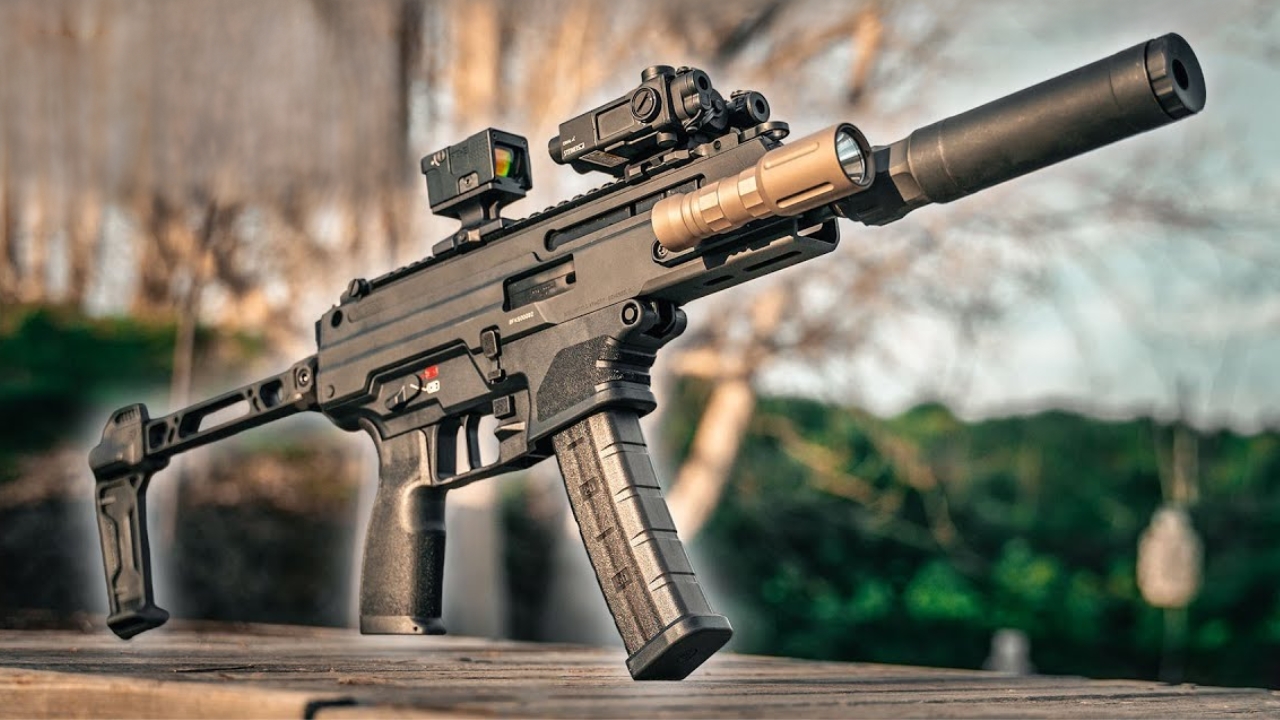
A PCC accepting your pistol magazines is nice, but that does not mean every magazine will run perfectly. PCCs can be pickier than people expect, especially with extended magazines, aftermarket magazines, different followers, weak springs, or hollow-point profiles.
This matters most if the carbine is for home defense or serious use. Range fun is one thing. A defensive gun needs proven magazines. Test the exact magazines you plan to use, with the exact ammo you plan to trust. If the gun runs best with factory magazines, use factory magazines. Saving a little money on questionable mags is not worth it.
5. Straight Blowback Guns Can Feel Snappier Than Expected
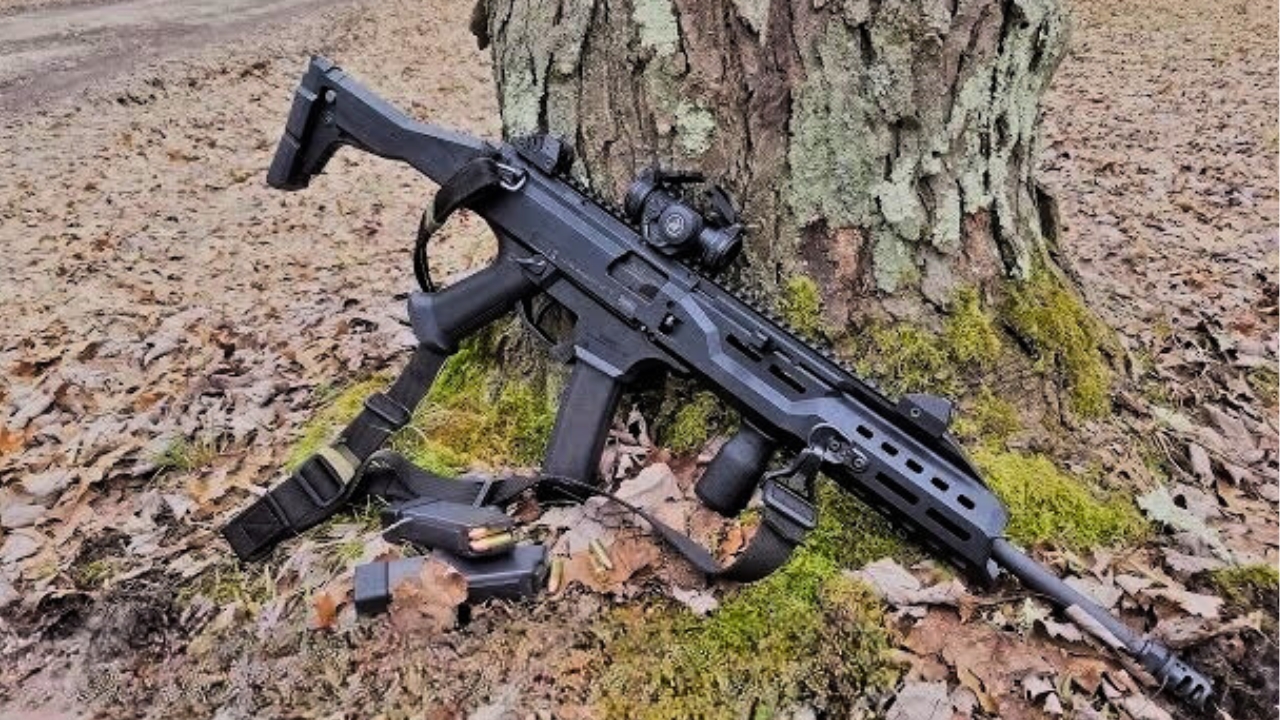
A lot of PCCs use simple blowback operation. That design is reliable and affordable, but it can feel surprisingly sharp because the bolt is heavy and the system does not always soften recoil the way new buyers expect. A 9mm PCC will not kick hard, but some blowback guns have more bolt movement and bounce than people assume.
The CZ Scorpion family is a good example of a simple blowback design. CZ describes the Scorpion EVO 3 S1/S2 system as using a massive dynamic bolt with a single return spring. That kind of simple system is part of the platform’s rugged appeal, but it also explains why some blowback PCCs feel more abrupt than expected.
6. Delayed Systems Usually Shoot Softer
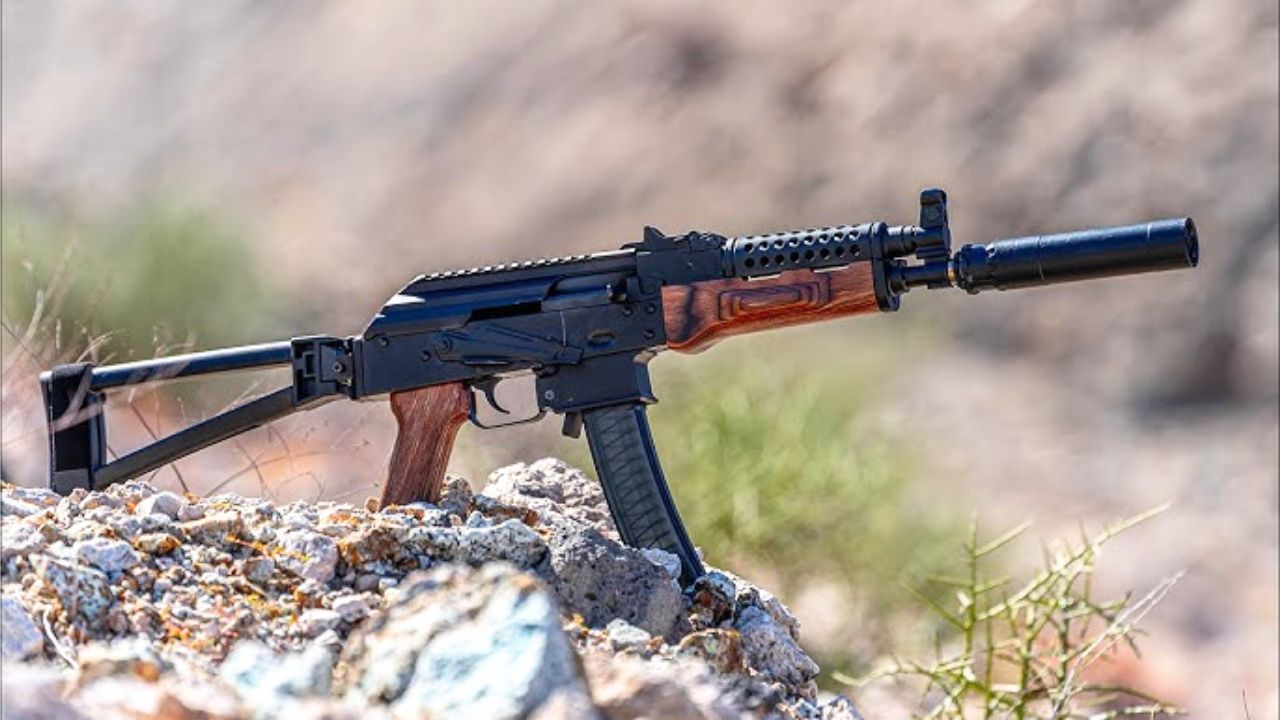
Not every PCC is simple blowback. Some use roller-delayed, radial-delayed, gas-delayed, or other delayed systems. These designs usually cost more, but they can make the gun feel smoother and softer because the action is not relying only on bolt mass and spring weight to control timing.
That matters if you care about fast follow-up shots, competition splits, suppressor use, or general comfort. A cheap blowback PCC can be perfectly useful, but a better operating system may feel noticeably nicer. If you are spending serious money, do not compare only weight, length, and magazine type. Pay attention to how the action works.
7. Barrel Length Changes the Point of the Gun
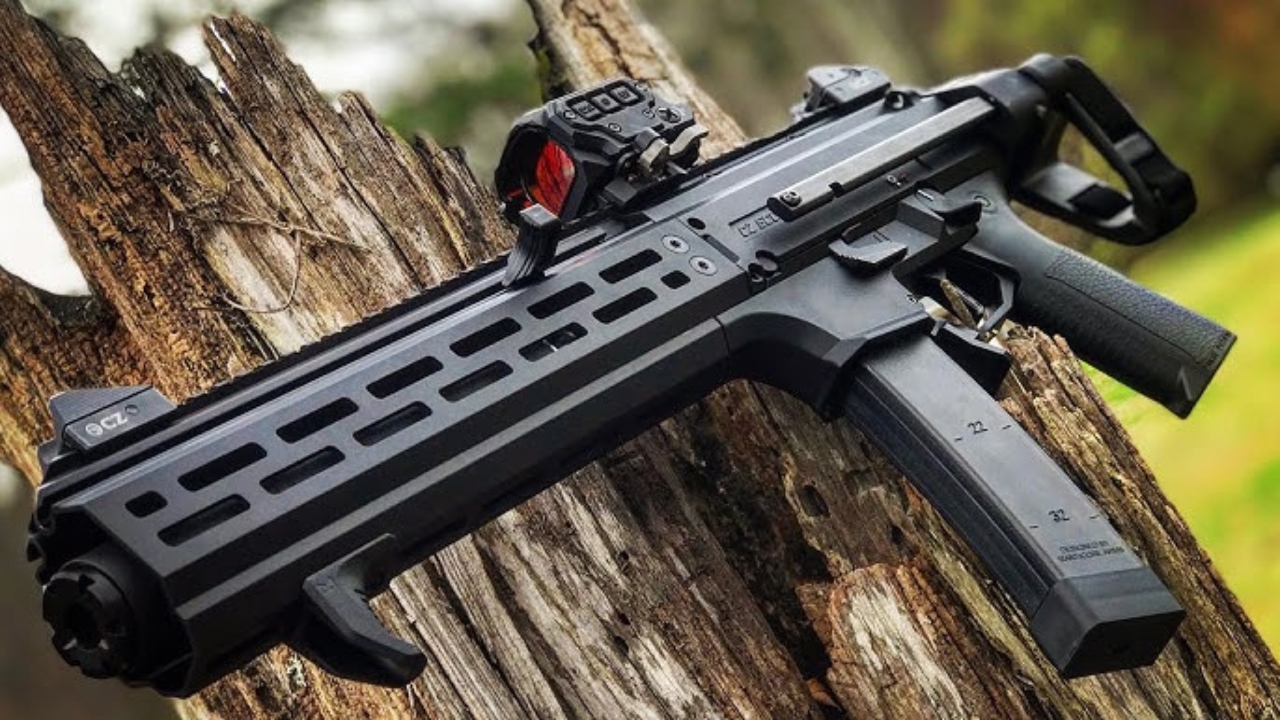
A 16-inch PCC is easy to buy as a rifle and avoids the short-barreled rifle paperwork problem, but it may feel longer than people expect for a pistol cartridge. A shorter PCC-style firearm can be handier, but depending on configuration, it may fall under NFA rules if it has a stock and a barrel under 16 inches.
That matters before you buy accessories or modify anything. Do not casually add stocks, vertical foregrips, or short barrels without understanding federal and state law. A 16-inch carbine is simple from a legal standpoint, but it gives up some compactness. A shorter setup may be handier, but the legal side becomes more serious.
8. Takedown Designs Can Be Very Practical
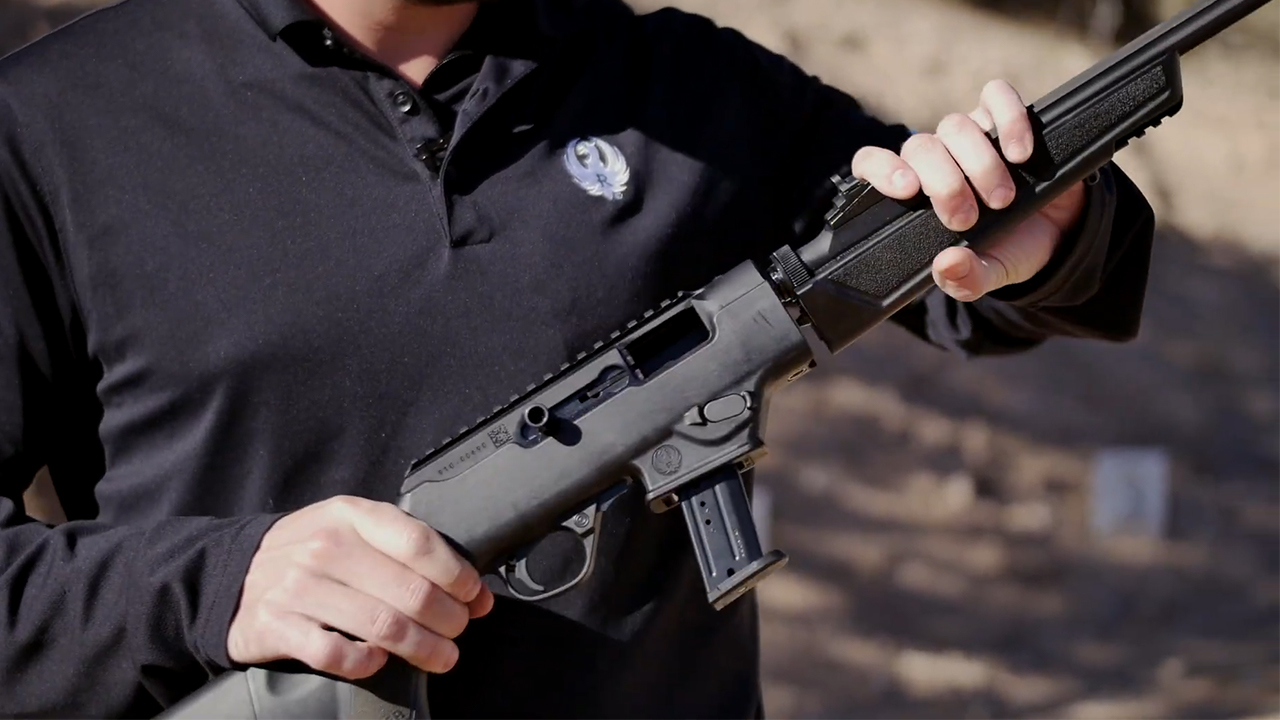
Some PCCs are built for transport and storage. The Ruger PC Carbine is one of the clearest examples. Ruger says its takedown system lets the barrel and forend separate quickly from the action by locking the bolt back, verifying the gun is unloaded, pushing a recessed lever, twisting the subassemblies, and pulling them apart.
That feature can be useful for range bags, camping, truck storage where legal, travel cases, and compact home storage. It does not automatically make the gun better on the range, but it does make ownership easier for some people. If compact storage matters, a takedown PCC deserves a look.
9. Suppressors Make PCCs More Interesting
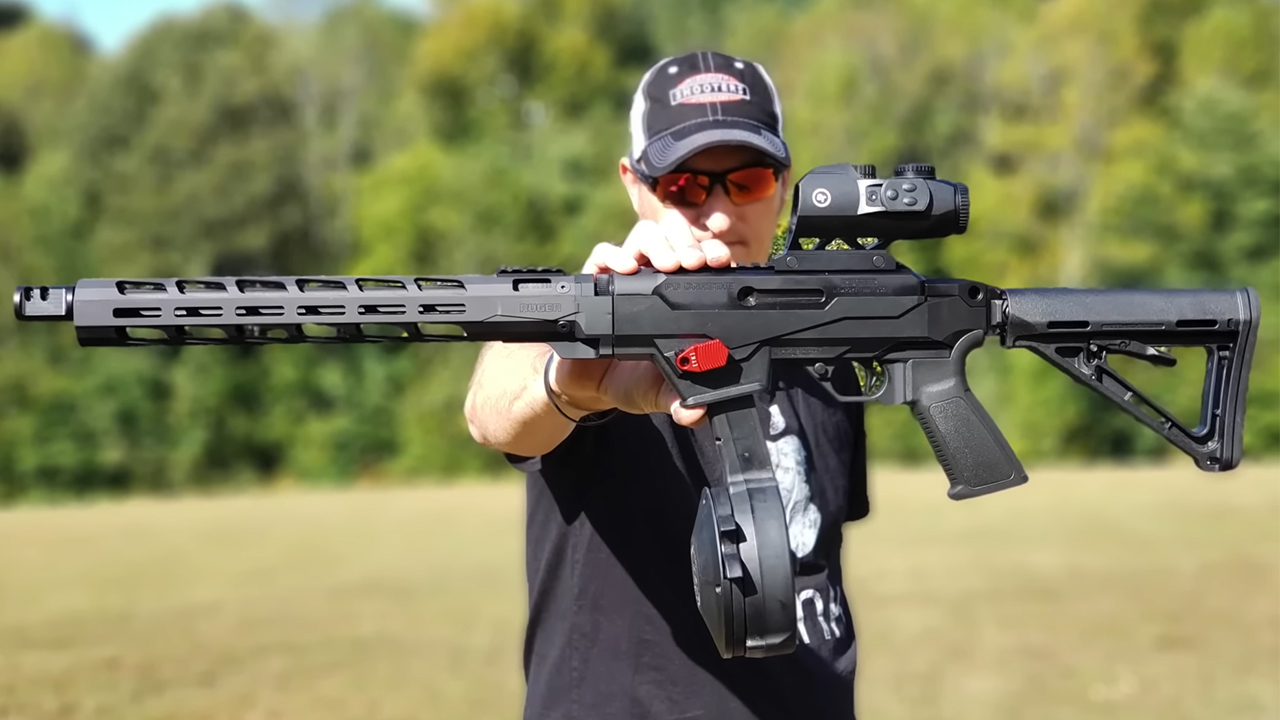
PCCs and suppressors go together well, especially in 9mm and .45 ACP. A threaded-barrel PCC with subsonic ammunition can be very pleasant to shoot where legal. It also makes sense for home-defense discussions because reduced blast and noise are real concerns indoors, though no firearm should be treated as hearing-safe without proper protection.
If suppressor use is in your future, buy a model with a factory threaded barrel and check how it handles backpressure, point-of-impact shift, and your chosen ammo. Some PCCs suppress better than others. A cheap blowback gun may spit more gas and debris back toward the shooter than a delayed system. Test before trusting it.
10. PCCs Are Great for Training, But Not a Shortcut
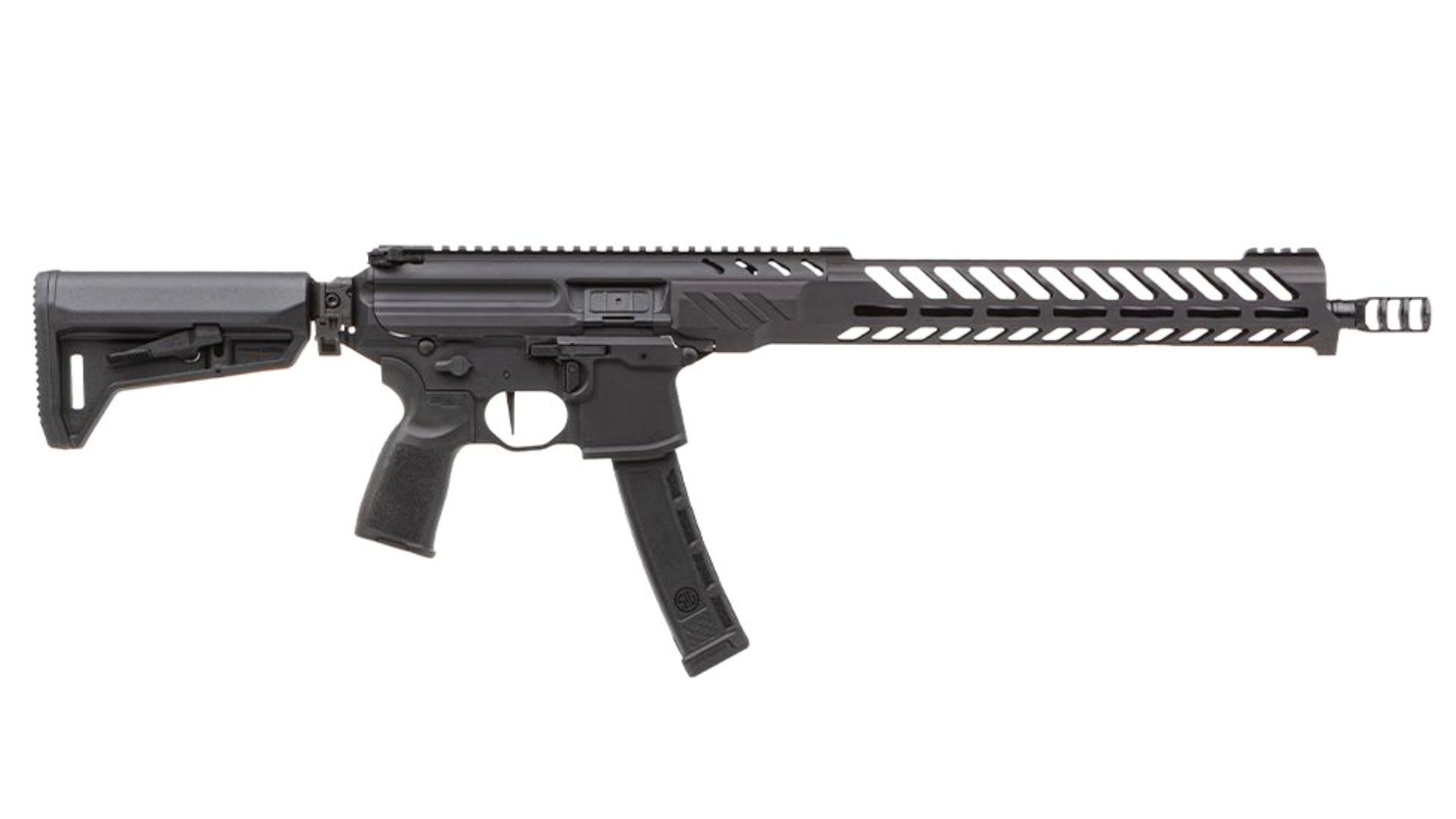
A PCC can be an excellent training tool. Ammo is cheaper than rifle ammo, recoil is low, ranges that restrict rifle calibers may allow pistol calibers, and the controls may mimic an AR or other platform depending on the model. That makes practice easier and more frequent.
But a PCC does not replace training with your actual defensive rifle or handgun. Recoil impulse, terminal performance, magazine changes, manual of arms, and sight tracking can all differ. Use a PCC to build skill, but do not pretend it makes you equally prepared with every other gun you own. It is useful because it gets you shooting more, not because it magically transfers everything.
11. Optics Are Usually the Smart Move
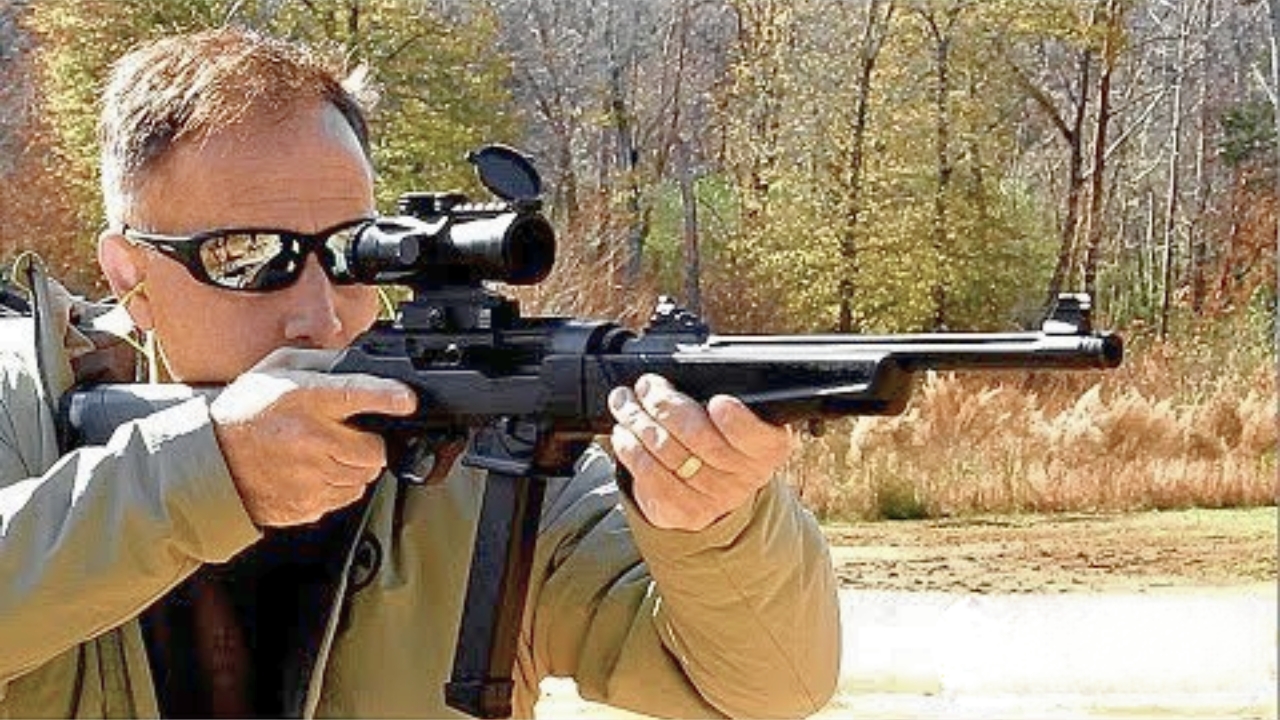
Most PCCs benefit from a red dot. The distances are usually close to moderate, the recoil is mild, and the guns are often used for fast shooting. A simple red dot keeps the carbine quick and easy to aim without overcomplicating the setup.
A magnified optic can make sense for specific uses, but it is usually not necessary on a pistol-caliber carbine. The cartridge is the limiting factor long before the optic is. A dot, backup irons, and a solid zero will cover most PCC work. Spend the rest of the money on ammo, magazines, and a good sling.
12. Home Defense Use Has Pros and Cons
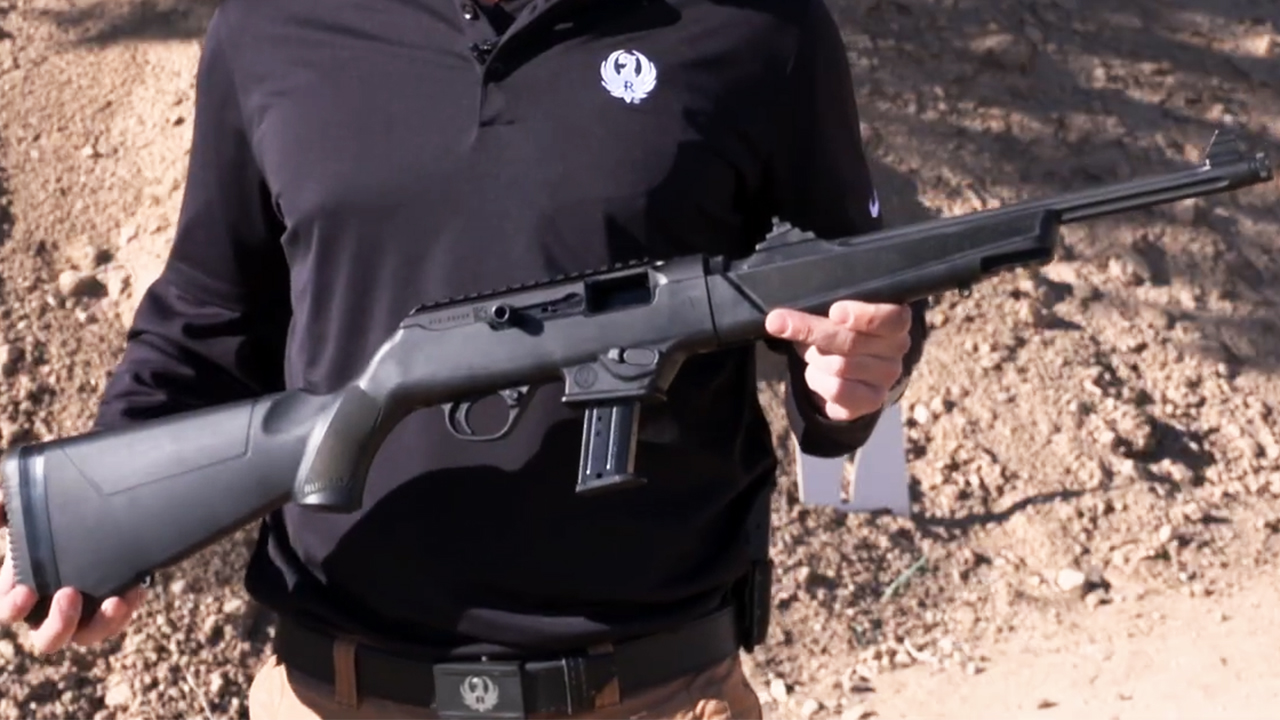
A PCC can make sense for home defense. It is easier to shoulder than a handgun, easier to aim under stress, often softer shooting, and can hold more rounds depending on the model and magazine. A light, red dot, and good sling can make it a very usable setup.
But there are downsides. It is still a firearm firing real ammunition that can penetrate walls. It is longer than a handgun. It may be harder to secure safely in some homes. And some PCCs are less proven than traditional defensive rifles, shotguns, or handguns. If you choose one for defense, test it hard and set it up seriously.
13. Hunting Use Is Limited, But Not Imaginary
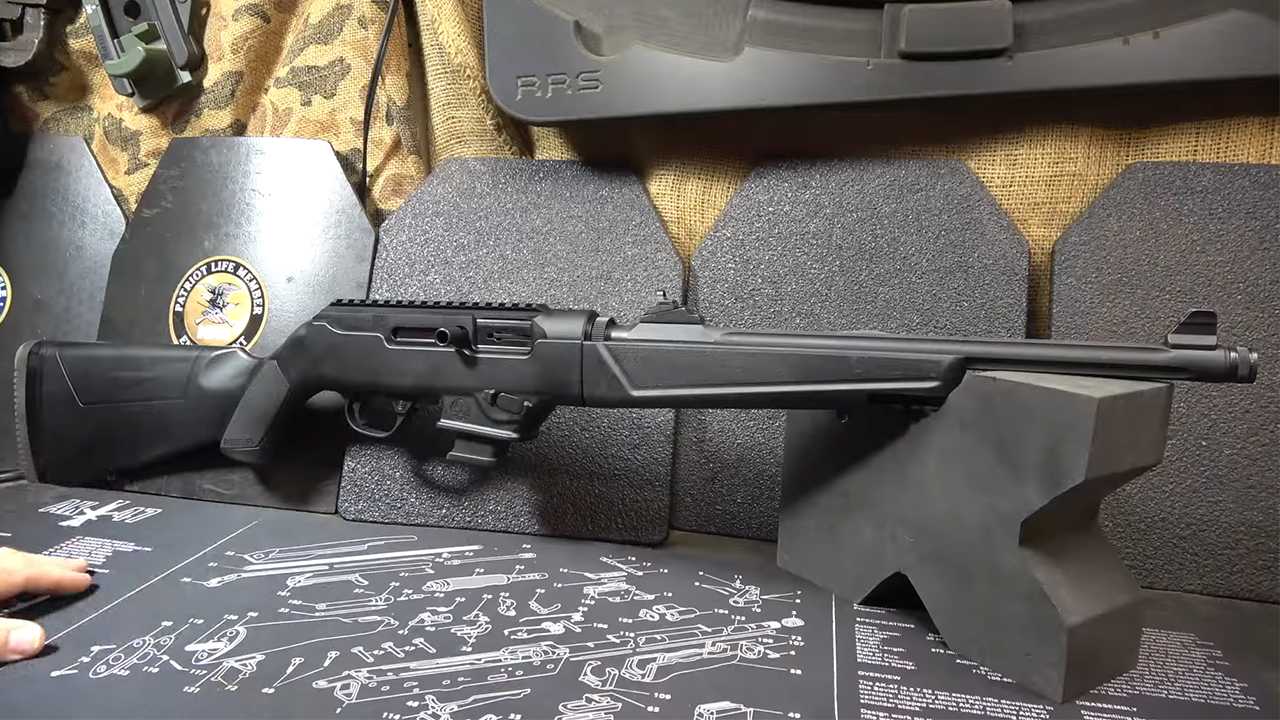
PCCs are not ideal hunting rifles for most big-game situations, but they do have some uses. A 9mm carbine may be useful for pests or small game where legal and appropriate. A .357 Magnum, .44 Magnum, 10mm, or .45 Colt carbine can be more capable at close range, depending on local laws and bullet choice.
The key is knowing the limits. A pistol-caliber carbine is usually a short-range tool. State hunting laws also vary heavily, especially around straight-wall cartridges, magazine capacity, minimum caliber, and allowed firearm types. Check regulations before assuming a PCC can hunt the way you want it to.
14. Weight Can Sneak Up on You
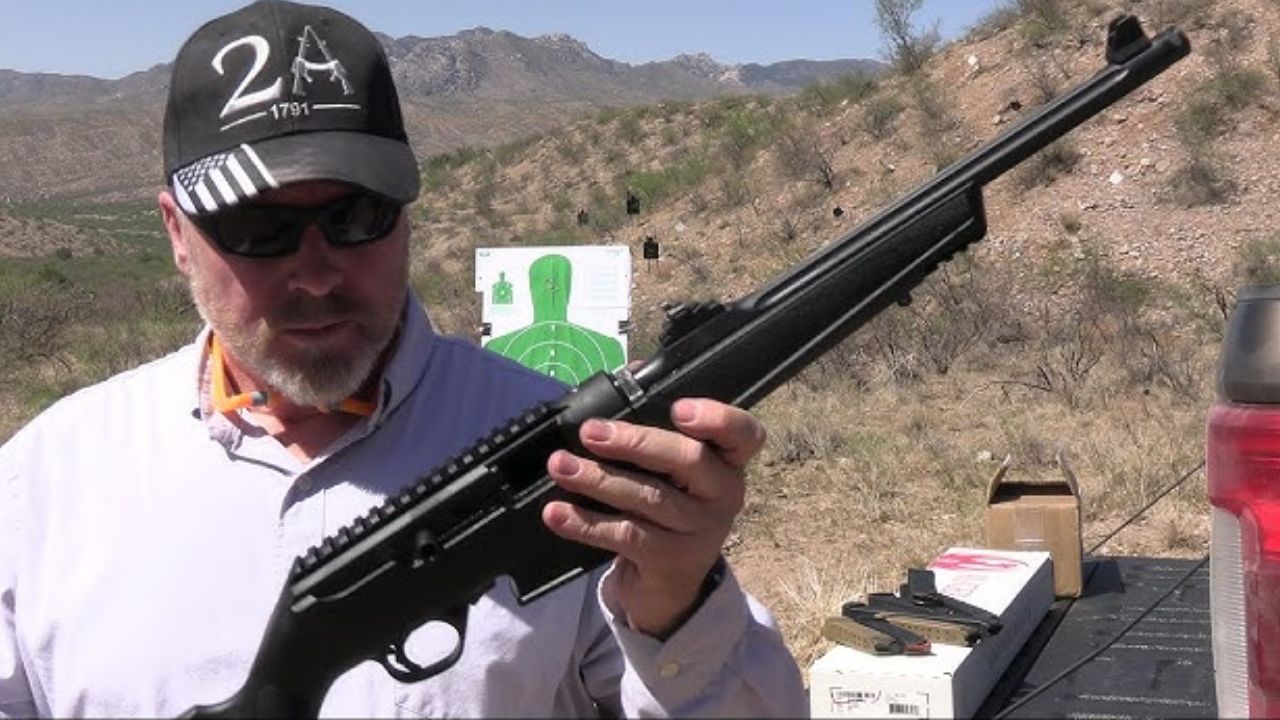
A lot of PCCs are heavier than buyers expect. Simple blowback guns often use heavy bolts, and some carbines have thick barrels, rails, braces or stocks, lights, optics, and large magazines that add weight fast. A PCC may fire pistol ammo, but it can still weigh as much as or more than a lightweight AR.
That matters if you plan to carry it around property, take classes, or use it for competition. Weight helps reduce recoil, but it also slows handling and gets old after a long day. Before buying, handle the gun fully set up if possible. A bare gun on the rack is not the same as one with an optic, light, sling, and loaded magazine.
15. The Best PCC Is the One That Fits Your Actual Use
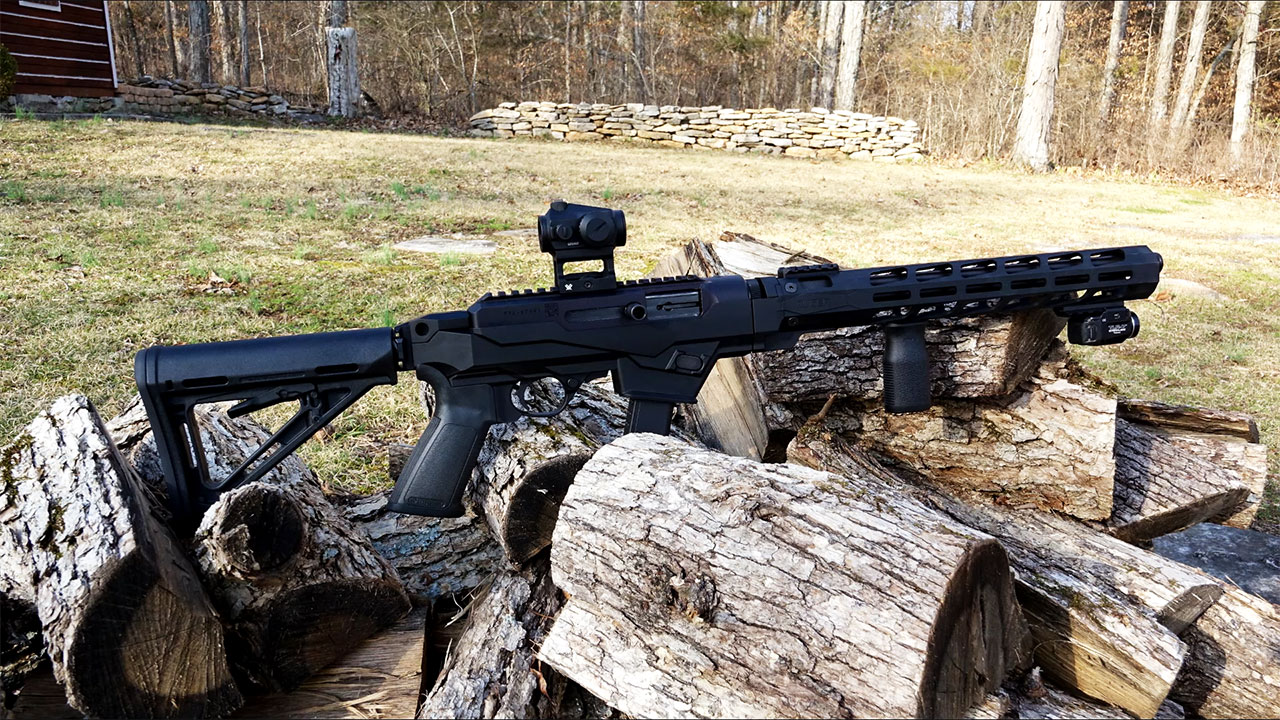
A pistol-caliber carbine can be a great choice if you know what you want from it. A Ruger PC Carbine makes sense for takedown storage and magazine flexibility. A CZ Scorpion-style carbine has strong platform appeal and simple blowback operation. A Henry Homesteader has a more traditional look with magazine adapter options. AR-pattern PCCs make sense for shooters who want familiar controls.
The mistake is buying one because PCCs are fun and figuring out the role later. Decide first. Is this for range use, home defense, competition, suppressor shooting, training, property work, or magazine commonality with your handgun? Once you know the role, the right PCC becomes much easier to choose.
Like The Avid Outdoorsman’s content? Be sure to follow us.
Here’s more from us: