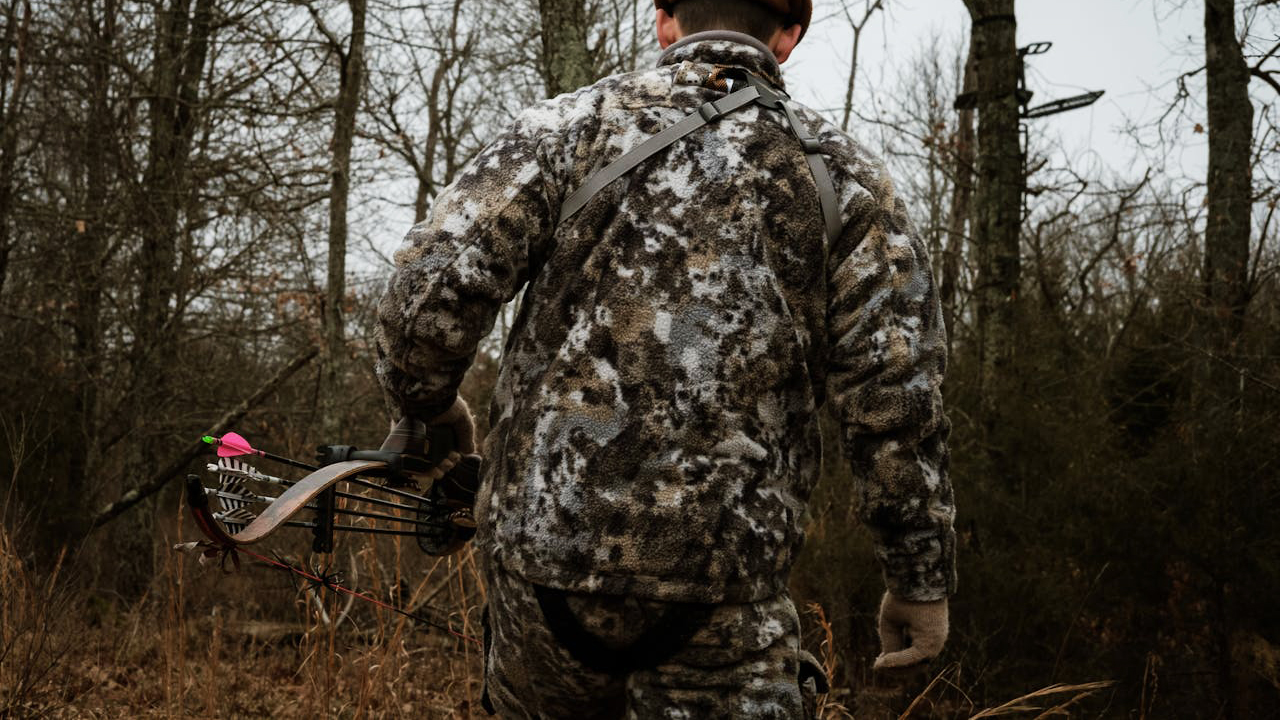
Photo credit: Bailey Cloud/Pexels.com
He already knew the shot from the night before had not been perfect.
That is a miserable feeling for any hunter. You replay it in your head, think about where the animal was standing, where the arrow hit, how she reacted, how far she might have gone, and what you should have done differently. Then you wait, because pushing a wounded deer too soon can make a bad situation worse.
So before sunrise the next morning, he went back in to track her.
The story was shared in a Reddit thread where hunters were swapping the times they got genuinely spooked in the dark. This one had all the ingredients for a rough morning: a questionable hit, last blood to pick up, thick dark cover, and the kind of sound you do not want to hear when you are alone and underarmed.
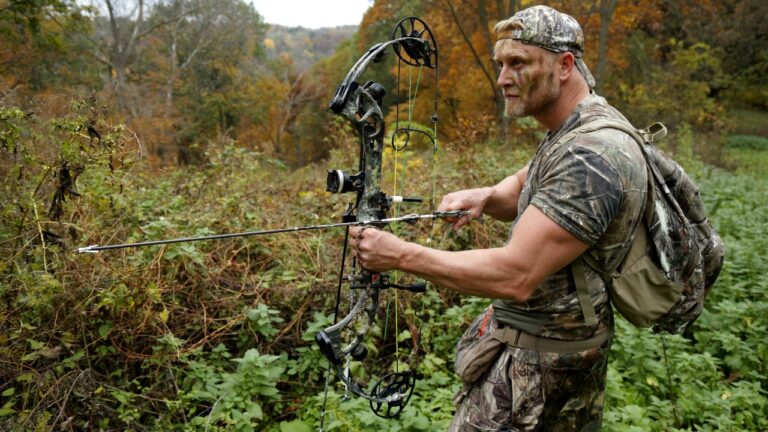
The hunter said he was heading in before sunrise to find the doe he had hit the evening before. He got close to the last blood, probably moving slower than normal, trying not to miss a drop or a broken bit of brush. In that kind of dark, you are not walking like you own the place. You are scanning the ground, checking the edges, watching your light, and listening harder than you want to admit.
Then he heard it.
A bear growled somewhere less than 100 yards away.
Not a twig snap. Not a squirrel making leaves sound like a stampede. Not one of those weird night noises you can explain away after a second. He described it as the kind of growl that made him think the bear had smelled him and was about to defend the carcass.
That is when the whole situation got ugly in his head.
If the doe had died overnight and a bear had already found her, he was no longer just tracking a deer. He was walking into another animal’s meal in the dark. And it was bow season, which meant he did not have a firearm on him.
That detail changes everything.
A bow is plenty of weapon for a deer when you are set up, calm, and making a controlled shot. It is not what most people want in their hands if they think a bear is close, irritated, and standing over a carcass they are trying to recover. He was not looking across an open field in daylight. He was somewhere near last blood before sunrise, hearing a growl and knowing he had very limited options if something came at him fast.
So he froze.
He shut off the red light and switched to white light. That small choice says a lot about where his mind was. Red light is great when you are trying to preserve night vision or avoid blasting the woods. White light is what you turn on when you stop caring about being subtle and start wanting to see what is about to eat you.
Then he sat there.
That had to feel like the longest wait of his life. You can almost picture him crouched or standing still, listening into the dark, trying to decide if the next sound is going to be the bear moving away or coming toward him. Every little noise would feel bigger than it was. Every second would drag. And because it was still dark, his imagination had all the room in the world to make the bear closer, bigger, and madder.
Eventually, daylight started to come up.
Once he could see better, he continued the track, but the blood trail stopped not far from where he had heard the noise. At that point, he figured he had lost the deer. That is another awful feeling. He had gone in early, scared himself half to death near what he thought might be a bear, and still could not finish the recovery.
Then the morning took a turn he never saw coming.
While he was kneeling, a doe popped out from behind some cattails about 40 yards away. She paused. She did not seem to see him, but she smelled something. That detail makes the scene even stranger, because now the hunter was still thinking about the bear, the old blood trail, and this doe standing there in range.
He had tags. The deer was there. So he took the shot.
This time, it was clean. He said it was a double-lung hit, and the doe piled up about 50 yards away. That should have been the end of it, just a new deer taken after losing the one from the night before.
But when he got to her and looked her over, he noticed something.
There was a second entry and exit wound, low and forward.
That is when he realized this was not a different doe. This was the same deer from the night before.
All that worry about losing her, all that fear that she had been taken by coyotes, infection, or maybe a bear, and there she was. Still alive, still moving, and now finally down with a clean second shot.
It is hard to know what was going on with the bear. The hunter said he had no idea what had frustrated it so much. Maybe it had smelled blood. Maybe it was near the area for another reason. Maybe the hunter misread what was happening in the dark, because that is easy to do when you are alone and your brain is already wound tight.
But in the moment, he fully expected that bear to attack.
That is the part that stayed with him. The hunt ended well, but for a while there, it did not feel like a good story in the making. It felt like a man standing in the dark with a bow, a weak blood trail, a wounded deer somewhere nearby, and a bear growling close enough to make him think he had walked into a fight he was not ready for.
He was honest about the bad first shot, too. He said he was sorry he did not make a better one the night before, but he was glad the deer was not left out there to die slowly or get taken down by coyotes or infection. That honesty makes the story feel real. It was not some clean, hero-style hunting tale. It was messy, scary, and full of second-guessing until the very end.
The thread was full of hunters telling their own dark-woods stories, and this one fit right in with the kind of fear that only makes sense if you have walked into the woods before daylight.
One commenter right below the story shared another bear encounter that sounded just as bad. He said he had shot a doe near last light and was loading her up in pitch-black conditions with only a cheap headlamp. Then he saw a pair of eyes about 10 to 15 yards away. At first, he thought it might be a coyote. Then the eyes rose from a couple feet off the ground to what looked like eight feet up, and he realized he was probably looking at a very large black bear.
That is the kind of reply that tells you the original hunter was not being dramatic. Bears around downed deer are a real concern in some places, and darkness makes everything worse. You do not always get a full view. You get eyes, sounds, brush moving, maybe a growl, and your brain has to fill in the rest.
Other hunters in the thread talked about how quickly ordinary woods can turn spooky when you are alone. A skunk, grouse, piglet, deer, squirrel, or falling acorn can sound ridiculous in daylight and terrifying before sunrise. But the bear story was different because there was an actual wounded deer involved. It was not just nerves. There was a reason to believe another animal may have found the trail first.
A few comments in the thread leaned into humor, because hunters tend to do that after a scare. People joked about starting to blast, needing a better light, or almost losing control of their stomach in the dark. But underneath the jokes was the same practical point: good lights, situational awareness, and knowing what predators are in your area matter.
The story also brought out the ethical side of recovery. The hunter went back in because he did not want to leave a wounded animal. That is what you are supposed to do. But doing the right thing can still put you in an uncomfortable spot when the track leads into dark cover and something else may be nearby.
For this hunter, the morning ended about as well as it could have. He recovered the deer, made the second shot count, and walked out with a story he probably will not forget anytime soon. But for a little while before sunrise, he was stuck with the thought every hunter hates: the deer might be down, the bear might be on it, and all he had in his hands was a bow.