Photo credit: Survival Gear/YouTube
Field dressing isn’t complicated, but it punishes anyone who rushes or works without a plan. A few small tricks make the job smoother, cleaner, and much faster, especially when you’re tired, cold, or trying to beat fading daylight. The goal is simple: open the animal efficiently, protect the meat, and keep everything controlled from start to finish. With the right approach, you can take minutes off the process without cutting corners.
Hunters who field dress quickly aren’t working harder—they’re using smart habits that streamline every step. These are the tricks that make the job go faster while keeping the meat as clean as possible.
Keep your knife scary sharp before leaving home

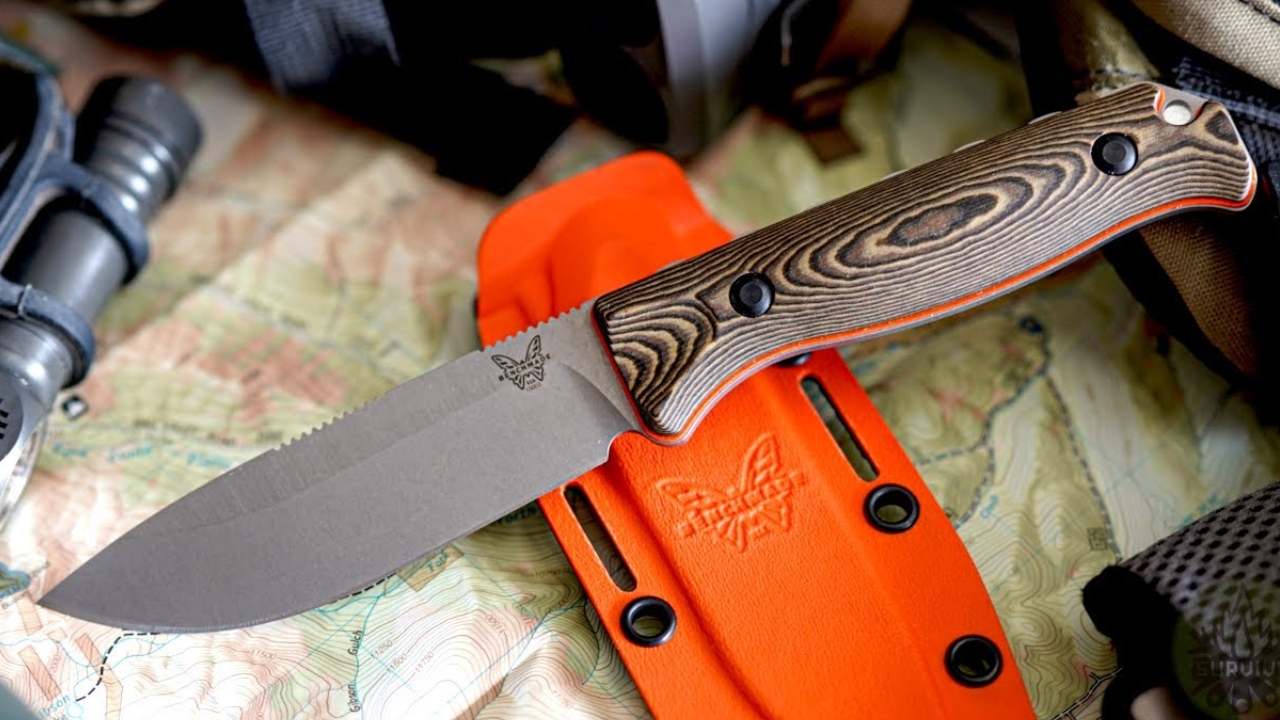
A sharp knife is the single biggest time-saver during field dressing. When your blade slices cleanly, you use less force and make fewer mistakes, which speeds up every step from the first incision to removing the organs. Hunters who struggle through thick hide or muscle waste more time fighting their knife than dressing the deer.
Sharpen before the hunt so you’re not doing it in the field when your hands are cold. A razor edge also gives you more control, letting you make precise cuts without tearing hair into the cavity. The sharper the knife, the faster and cleaner the entire job unfolds.
Make the first incision through the hide only
Many hunters cut too deep on the first pass, and it slows everything down because they immediately risk puncturing the stomach or intestines. When you score the hide only, you control the opening and avoid the mess that stops momentum cold.
A shallow cut lets you pull the hide apart with your fingers before continuing the incision. This small adjustment keeps the cavity clean and buys you speed because you never have to pause to wipe away contamination. Once the hide is opened correctly, the rest of the job moves much quicker.
Use your off-hand to guide and shield the organs
Once you open the abdomen, sliding your off-hand under the knife edge protects the organs and lets you work faster. The back of your hand becomes a barrier so you can cut upward confidently without accidentally puncturing anything. Hunters who learn this technique rarely lose time stopping to clean up spilled contents.
This trick also helps you maintain a straight cut. With your hand guiding the knife, you move smoothly from the pelvis to the sternum. That steady rhythm makes the process faster and reduces the chance of sloppy openings that slow down the rest of the job.
Cut the diaphragm cleanly in one smooth pass
The diaphragm separates the chest cavity from the abdomen, and many hunters struggle with it. When you know where it sits and cut it cleanly in one pass, the process speeds up dramatically. You free the organs faster and don’t waste time hacking blind through muscle.
Feel for the thin sheet and work the blade against the ribs. Once opened, you can access the heart and lungs without resistance. Getting hung up on the diaphragm is one of the biggest slow-downs during field dressing, and learning to clear it efficiently saves several minutes on every deer.
Keep a short section of paracord to tie off the windpipe
Using a short loop of paracord to tie the windpipe before cutting it keeps everything contained and prevents fluids from running into the cavity. It’s a simple trick that makes cleanup faster and keeps you moving without stopping to scrape away contamination.
After tying it off, you can cut above the knot and pull the organs free in one smooth motion. Hunters who use this method often finish the chest cavity much quicker because nothing spills where it shouldn’t. Paracord weighs almost nothing and makes the entire process more efficient.
Roll the deer on its side instead of trying to work from above
Working from above slows you down because everything wants to fall back into the cavity. When you roll the deer on its side, gravity becomes your helper, not your opponent. The organs shift away from your hands and knife, making every cut easier.
This position also gives you better visibility and allows more controlled movements. You spend less time scooping and more time cutting. Many experienced hunters roll the deer instinctively because they know it reduces fumbling and speeds up removal of the guts by a wide margin.
Use your knee or a log to prop the cavity open
Trying to hold the cavity open with one hand slows everything down. Propping it with your knee or a nearby log keeps both hands free, which dramatically speeds your work. A stable opening reduces the need to reposition yourself constantly.
This trick also keeps the ribs spread so you can see what you’re doing, especially in low light. When you’re not fighting the carcass or reaching blindly, everything moves more smoothly. Hunters often underestimate how much faster the job becomes when the cavity is held open securely.
Slice around the anus from the outside before starting the pull
Cutting around the anus from the outside before you begin pulling the organs is a huge time-saver. When done early, it frees the lower tract completely, allowing the entire gut package to come out cleanly in one motion. If you wait too long, this step becomes awkward and messier.
A clean circular cut saves you from wrestling with connective tissue later. It keeps the process fluid and prevents hold-ups during the pull. Hunters who master this step finish much faster and with far fewer delays or contamination issues.
Don’t fully split the sternum unless necessary
Splitting the sternum is useful in some cases, but it slows you down if you don’t need it. When you leave the sternum intact, you reduce the work required and avoid dealing with bone fragments. Many hunters can access the heart and lungs cleanly without opening the ribs completely.
This method speeds the job and keeps the cavity more manageable. If you’re dragging the deer out, the intact chest helps hold everything together. Unless you’re quartering in the field, skipping this step usually saves time without affecting meat care.
Pull with steady pressure instead of yanking
Yanking the organs creates problems. Steady, controlled pressure is faster because it prevents tears that leave pieces behind for you to hunt later. Once everything is free, a smooth pull slides the guts out in one motion, saving several minutes of cleanup.
If something hangs up, identify the connective tissue that’s holding and cut it cleanly. This prevents unnecessary strain and avoids rupturing anything. Hunters who use slow, steady pulls finish faster because they never have to double back and remove leftovers.
Keep a small towel or game wipe clipped to your belt
Stopping to wipe your hands on clothing slows everything down and spreads mess. Keeping a small towel clipped to your belt lets you clean your hands quickly, improving grip and giving you more control over your knife. It’s a simple trick that keeps the process moving.
A clean wipe lets you handle the ribs, organs, and hide more confidently. It also helps you avoid dropping your knife or losing dexterity when things get slick. Hunters who prep a small towel ahead of time almost always work faster and cleaner.
Like The Avid Outdoorsman’s content? Be sure to follow us.
Here’s more from us: