Photo credit: Shooting USA/YouTube
For years, everyone has been locked into the idea that an automatic shotgun is the king of fast shooting. And sure, semis have come a long way—better gas systems, lighter recoil, cleaner cycling. But when you spend enough time in the field, you eventually run into situations where a good pump or break-action simply performs better. These guns don’t depend on gas ports or inertia systems to work. They function cleanly in freezing rain, mud, sleet, and the kind of weather that gums up an automatic fast. When you’re chasing birds, running deer drives, or on a duck marsh that’s half frozen, reliability starts to matter more than trends. These shotguns have been proving themselves quietly for decades, outperforming more complicated automatics when conditions go sideways.
Remington 870 Wingmaster

When you’re dealing with wet cattails, icy boat rides, or the bumps that come with a full season of deer drives, the Remington 870 Wingmaster continues to shine. The action stays reliable in the worst weather because nothing about it depends on pressure or cycling speed. The steel receiver and smooth twin-action bars make pumping second nature even with frozen gloves. Hunters lean on this gun in places where automatics start to feel sluggish, and it continues to deliver clean shots every year.
What’s easy to forget is how well the Wingmaster balances. It mounts quickly, swings smoothly, and patterns consistently across a wide range of loads. Whether you’re running buckshot in the woods or chasing late-season mallards, this shotgun rarely leaves you wishing for something else. It simply works, and that’s why it still outperforms many modern autos when the weather gets rough.
Mossberg 500 Field
The Mossberg 500 Field is one of those shotguns that keeps showing up in blinds, trucks, and deer camps because it handles real-world use better than most autos. The top-tang safety makes it easy to run with gloves, and the dual extractors give strong, consistent ejection even with cold, stiff shells. When your day involves mud, briars, or rain blowing sideways, this gun doesn’t lose a step.
Despite its simple build, the 500 patterns well and handles everything from light upland loads to heavier slugs. It’s a workhorse that’s been doing the job for generations, and it still keeps pace with pricier guns when conditions turn harsh. Plenty of hunters carry semis until they absolutely need reliability—then the 500 comes off the wall.
Browning BPS Hunter

The Browning BPS Hunter is built on a bottom-ejecting, bottom-loading system that stays surprisingly clean in the field. You won’t get leaves, snow, or corn husks falling into the action when you’re moving through brush or hunting in tight blinds. The steel receiver gives it durability that many lightweight autos don’t match, and the pump action cycles smoothly even when temperatures swing dramatically.
The BPS has always been known for handling recoil well, which matters when you’re firing heavier loads. It also shoulders consistently and stays balanced through fast shooting. When you’re working in cold, wet, or dirty conditions that would slow down an automatic, the BPS keeps running like it’s fresh out of the box.
Benelli Nova
The Benelli Nova stands out because it refuses to quit in miserable weather. The one-piece receiver and stock design make it incredibly tough, and the pump action stays smooth even when you’ve dragged it through snow or shoved it into mud. Its reputation comes from reliability in field conditions most shotguns never see.
The Nova patterns well with both field loads and slugs, and the oversized controls make it easy to operate with cold hands. You’ll see plenty of hunters switch to the Nova late in the season when their automatics start to choke on debris and ice. It’s a gun that doesn’t mind being abused, and that gives it a real edge where simplicity beats speed.
Winchester SXP Field
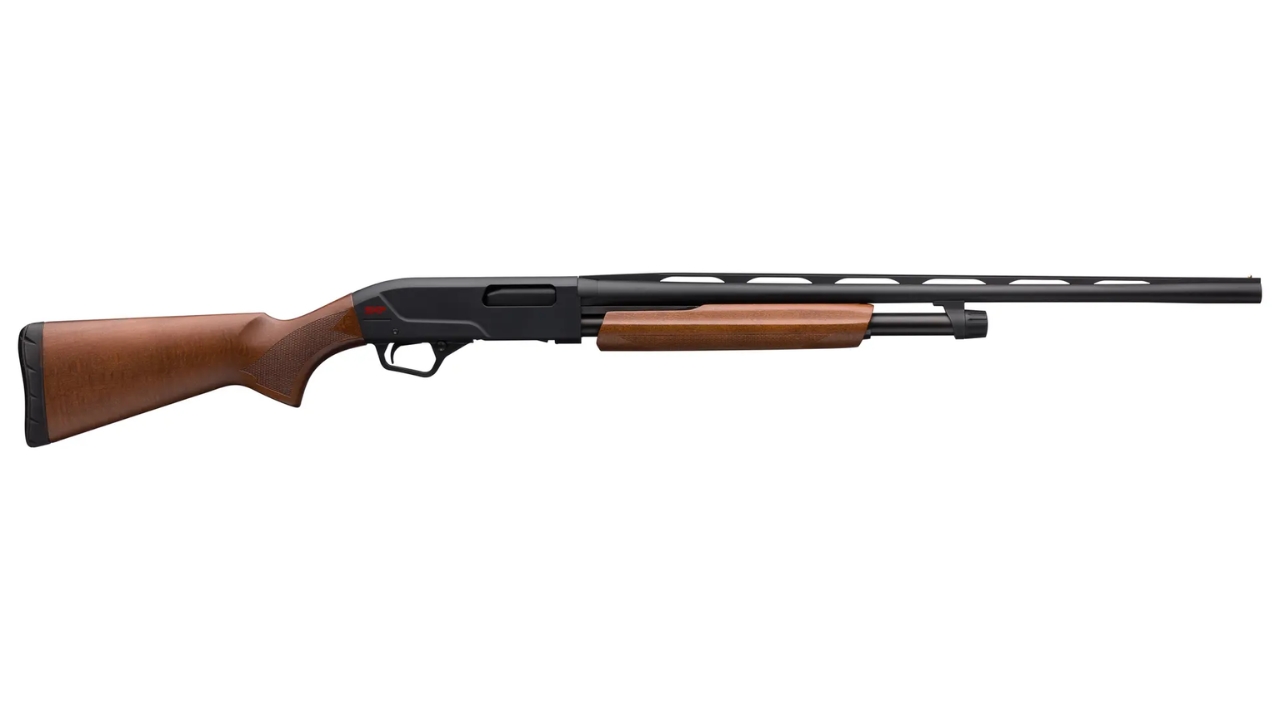
The Winchester SXP Field is often overlooked, but it’s one of the fastest-cycling pump shotguns out there. Its inertia-assisted pump action gives it a snappy feel that rivals the speed of many semis while keeping the reliability of a pump. In wet or dirty conditions, that combination goes a long way.
The SXP also has a great track record with different loads. Light upland shells, waterfowl steel, and rifled slugs all feed and eject reliably. When you’re hunting in a place where mud gets into everything or the cold slows down moving parts, the SXP keeps performing. It’s a modern pump that still beats many autos when weather and terrain start working against you.
Stoeger P3000
The Stoeger P3000 has earned respect because of how well it runs in rugged environments. Its action is simple, durable, and far less sensitive to debris than an automatic. Hunters who chase birds in nasty, late-season weather often turn to this gun because it keeps cycling when everything else stiffens up or gets sluggish.
For the price, the P3000 is also surprisingly accurate and clean-patterning. It handles heavier hunting loads well and doesn’t start to feel loose after a few seasons of hard use. It’s not flashy, but it’s trustworthy, and that’s exactly why it outperforms more complicated semis when conditions deteriorate.
CZ 612 Field
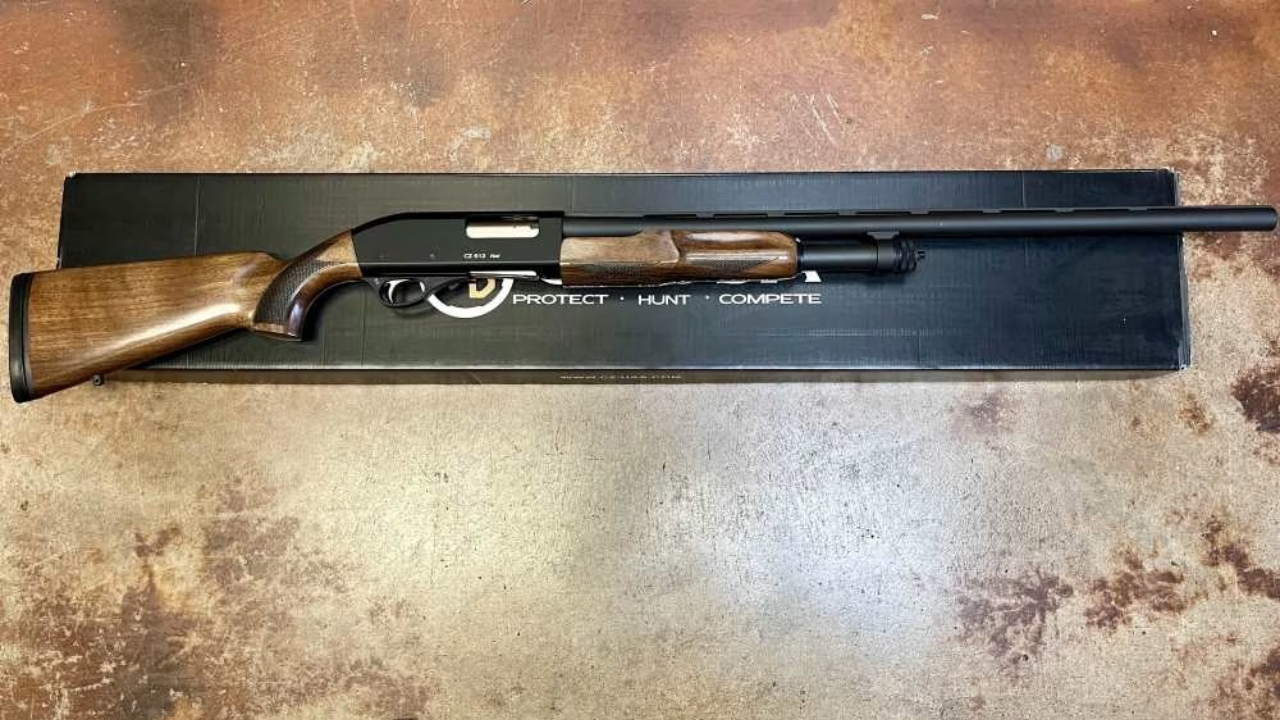
The CZ 612 Field is a straightforward pump that shines in conditions that would overwhelm a gas system. Its strong extractor, chrome-lined barrel, and simple action make it reliable when you’re dealing with moisture or grit. It runs well in blinds, still-hunts, and thick cover where guns take more of a beating.
The 612 also handles recoil better than you’d expect for its price. It balances nicely for quick shots, and the finish holds up well to constant field use. If you hunt places where mud and debris are unavoidable, this shotgun stays operational long after an automatic needs cleaning.
Ithaca 37 Featherlight
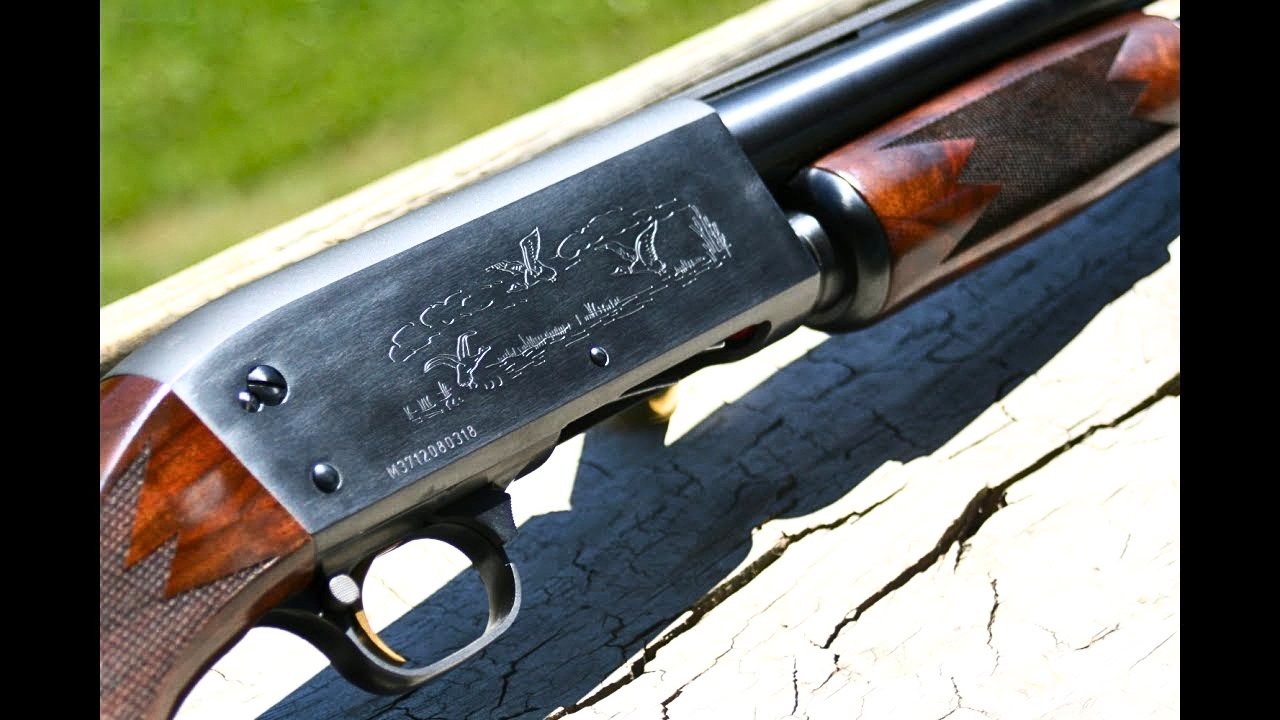
The Ithaca 37 Featherlight has one of the cleanest-feeding actions a pump shotgun can offer. Its bottom-eject design keeps the chamber protected from windblown debris and rain, and the lightweight build makes it easy to carry for long hunts. This gun has been trusted for decades in weather that ruins expensive automatics.
Its smooth action and excellent handling make it a favorite in dense cover. The 37 points naturally and cycles quietly, which helps in tight timber when you need quick follow-up shots. Hunters who know how well it runs in cold late-season hunts understand why it still stands toe-to-toe with modern shotguns.
Henry Single Shot Shotgun

The Henry Single Shot Shotgun is simple in the best possible way. With no action to jam and no moving parts to clog, it performs flawlessly in the kind of weather that brings automatics to a halt. If you’re hunting in deep snow, pouring rain, or freezing drizzle, this gun stays ready.
While it’s a single shot, the Henry is incredibly accurate and reliable with a wide range of loads. It’s a great option for hunters who like minimalism and want absolute mechanical dependability. In the harshest conditions, fewer moving parts mean fewer things that can fail.
Harrington & Richardson Pardner Pump
The H&R Pardner Pump is a heavy, durable pump that has earned a quiet reputation for outworking shotguns that cost much more. Its steel receiver gives it strength that handles constant field abuse, and the action stays reliable even when it’s coated in mud or soaked in rain.
It’s not fancy, but it’s tough, and hunters who own one know exactly why it keeps outperforming automatics. It cycles consistently, patterns reliably, and shrugs off moisture better than many modern designs. When you need a shotgun you can drag through the worst conditions you’ll see all year, the Pardner Pump is one you can trust to keep running.
Like The Avid Outdoorsman’s content? Be sure to follow us.
Here’s more from us:
The worst deer rifles money can buy
Sidearms That Belong in the Safe — Not Your Belt
*This article was developed with AI-powered tools and has been carefully reviewed by our editors.