Photo credit: Martin Poirier/Shutterstock.com
Public-land whitetail hunting has always had pressure, but the pace has changed. More hunters are willing to travel, more guys are learning how to scout from a map, and more people are showing up with a plan instead of wandering around hoping to bump a buck. Add in a few years of viral “DIY public” content, and a lot of states that used to feel roomy now have parking lots that look like a Saturday boat ramp.
Crowding isn’t evenly spread, either. It stacks up around big cities, famous regions, easy-access trailheads, and any public tract that reliably coughs up mature deer. You can still find elbow room, but you’re doing it by hunting weekdays, walking past the first ridge, targeting overlooked cover, and getting comfortable with the idea that somebody else is hunting “your spot,” too.
Pennsylvania

Pennsylvania’s public land whitetail culture is strong, and that means competition is baked in. With high deer harvest density and a huge base of resident hunters, you’re rarely alone on the better-known game lands.
You feel it most on archery weekends and the early parts of rifle, when every pull-off has trucks and every obvious access point has boot tracks. If you hunt PA public, you end up learning micro-access routes—little strips of timber, ugly laurel, steep side hills—because the pretty open woods get covered fast. The deer are still there, but they move like they’re being hunted, because they are.
Wisconsin

Wisconsin has the deer numbers and the tradition, and those two things create pressure on public from day one. When you mix in destination areas—especially parts of the Driftless—crowding becomes part of the plan, not a surprise.
You’ll see it in the parking areas and on the obvious terrain features. Points, field edges, and easy ridge tops get hunted hard, then the deer slide into cover that feels inconvenient to people. If you want space, you hunt overlooked marsh edges, weird corners, and thick stuff that doesn’t look fun to walk through. The guys killing mature bucks on public in Wisconsin aren’t finding secret land. They’re outworking the pressure.
Michigan
Michigan has a ton of public land and a ton of hunters, which means pressure can show up anywhere that’s easy to reach. The best indicator is how close you are to a major population center. When access is easy, company follows.
You’ll also run into “tradition pressure” where the same families and groups return to the same public tracts year after year. That isn’t wrong, it’s simply reality. If you want to keep your sanity, you scout for access routes that don’t involve the first parking lot, and you hunt wind directions most people avoid. Michigan public can still be productive, but you’re rarely hunting in a vacuum.
Minnesota
Minnesota has plenty of whitetails, but the pressure story is about where people can get to quickly and where the reputation is strong. Certain public areas get hammered on weekends because everyone knows they can hold big deer.
You feel it most in bluff country and in any public tract within a reasonable drive of the Twin Cities. The lots fill early, and the first wave of hunters tends to park-and-hike the same predictable routes. If you want room, you hunt the ugly transitions—wet edges, steep cuts, tangles of brush—because that’s where deer end up once the easy woods get stomped. Minnesota public can be great, but it rewards hunters who treat pressure like weather.
Ohio
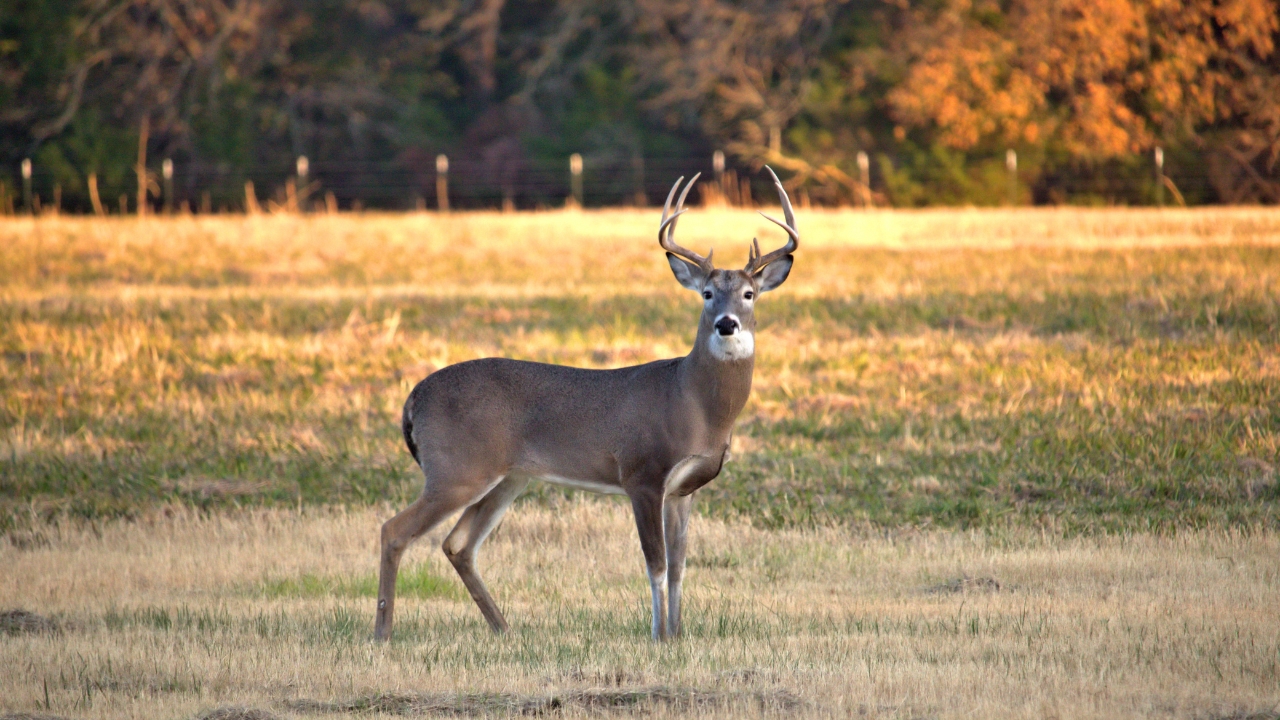
Ohio public-land whitetail hunting isn’t a secret anymore, and the popularity has only grown. You can expect to cross paths with other hunters in more places than you would have a decade ago.
Crowding shows up fast around the better-known wildlife areas and anywhere with easy access and decent habitat. The first sits of the season can feel busy, and gun week can turn some tracts into a parade. The way around it is to hunt small features that don’t show up in a casual plan—little drainages, narrow strips, overlooked bedding pockets. Ohio deer still make mistakes, but they don’t do it where everyone walks.
Iowa

Iowa has a strong reputation for mature bucks, and when a state has that kind of reputation, public land gets attention. The squeeze comes from limited public acreage in many areas and hunters who are willing to travel for a crack at an Iowa deer.
On the ground, that means the best-known public tracts get hunted hard, especially in the rut window. You’ll see more tree stands, more ground setups, and more guys willing to push deep. If you want success without a crowd, you hunt overlooked access points and less “pretty” habitat, and you get comfortable hunting the edges of pressure instead of trying to avoid it completely. In Iowa, pressure creates movement, and movement creates opportunity—if you’re ready for it.
Illinois

Illinois has great deer, but a lot of the state’s whitetail hunting is private-ground focused, which puts extra weight on public opportunities. When public parcels are smaller or easier to learn, more hunters end up on the same handful of spots.
Crowding shows up as soon as conditions line up—cool fronts, rut weekends, opening stretches of gun season. The obvious funnels and field edges get attention first, and deer respond by living in the thickest cover they can find. If you want a clean plan on Illinois public, you pick spots that are hard to sit comfortably and you accept that you might be sharing space. The best public-land hunters in IL aren’t luckier. They’re more deliberate.
Missouri

Missouri has a lot of accessible public land and a lot of resident hunters who use it, which makes pressure feel normal in many places. Add in travel hunters who want a Midwest rut hunt, and some conservation areas get crowded fast.
You’ll notice it in the early-season parking lots and again when the rut hits. The easy ridge tops and field-adjacent timber see the most traffic, then the deer start using the cover that’s a pain to hunt—thick creek bottoms, brushy points, nasty tangles. Missouri public can still produce great hunts, but it rewards hunters who adjust quickly when pressure shifts deer movement by a few hundred yards. That’s often the difference between seeing deer and watching empty woods.
Kentucky

Kentucky is a destination for a lot of whitetail hunters, and the mix of good deer and decent access means public land sees steady pressure. When you hit the best-known areas during prime time, you’re going to notice other trucks and other plans.
Crowding tends to stack up around obvious access and easy-to-hunt terrain. The guys who consistently do well on Kentucky public are hunting the spots other people avoid: steep climbs, thick cuts, awkward wind setups, and places that require a longer walk than most are willing to do. You don’t beat pressure by complaining about it. You beat it by thinking like a deer that has already seen three hunters walk the same trail.
Tennessee

Tennessee has a long season and plenty of public opportunities, and both of those invite participation. On popular WMAs, you’ll run into competition during the same windows everyone targets—cool weather shifts, rut weekends, and the early part of gun season.
The pattern repeats: the first half-mile gets crowded, the easy ridges get hunted, and deer start living in the rougher cover. Tennessee public rewards hunters who know how to hunt close to pressure without stepping into it. That might mean hunting a secondary trail, setting up on the downwind edge of bedding, or waiting out a weekday lull. You can absolutely kill mature bucks on Tennessee public, but you earn it by staying flexible when the woods fill up.
Arkansas

Arkansas can feel wide open until you hunt the public ground that has a reputation. In the right areas, especially where habitat is good and access is straightforward, you’ll see real pressure when the season gets rolling.
The other factor is that Arkansas public hunting often overlaps with multi-use recreation and heavy weekend traffic. That changes deer behavior fast. Deer slide into thick cover and low spots, and they move at times that frustrate hunters who only want a classic morning sit in open timber. If you treat Arkansas public like a chess match, you can still win. You hunt the edges of the commotion, you use water and thick cover to your advantage, and you set up where pressured deer feel safe.
Oklahoma
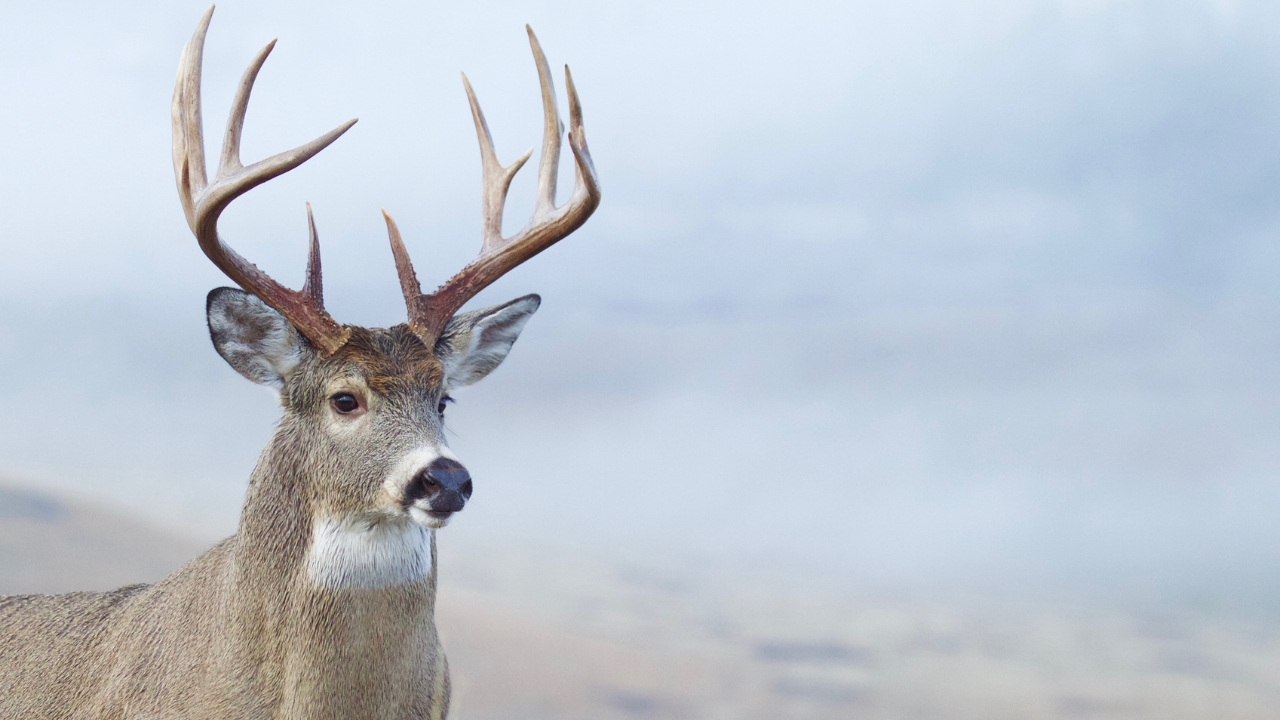
Oklahoma doesn’t have the same whitetail travel reputation as some Midwest states, but its public land matters a lot because WMAs account for a meaningful share of the statewide deer harvest despite covering limited ground. That’s a sign that hunters are using those areas hard.
When public acreage is limited and productive, it gets attention. You’ll notice it on opening stretches and on weekends with good weather. The path to success looks familiar: hunt overlooked access, push into cover that isn’t comfortable, and plan for other hunters moving deer. In Oklahoma, pressure can actually help if you’re set up where deer escape to. You’re not hoping the woods stay empty—you’re using the crowd like a tool.
Georgia

Georgia has a lot of hunters, a lot of deer, and a lot of public ground that sits within reach of big populations. That’s a recipe for crowded parking lots on certain WMAs, especially early in the season and during peak rut timing in your region.
The pressure often isn’t constant everywhere, but it spikes hard when conditions are right. If you keep hunting the first obvious ridge or the first oak flat off the road, you’ll feel like you’re always late to the party. If you hunt thick cover, overlooked drainages, and spots with annoying access, you start seeing deer that have adjusted to being hunted. Georgia public whitetails can be very killable, but you have to hunt them like they’re educated.
North Carolina
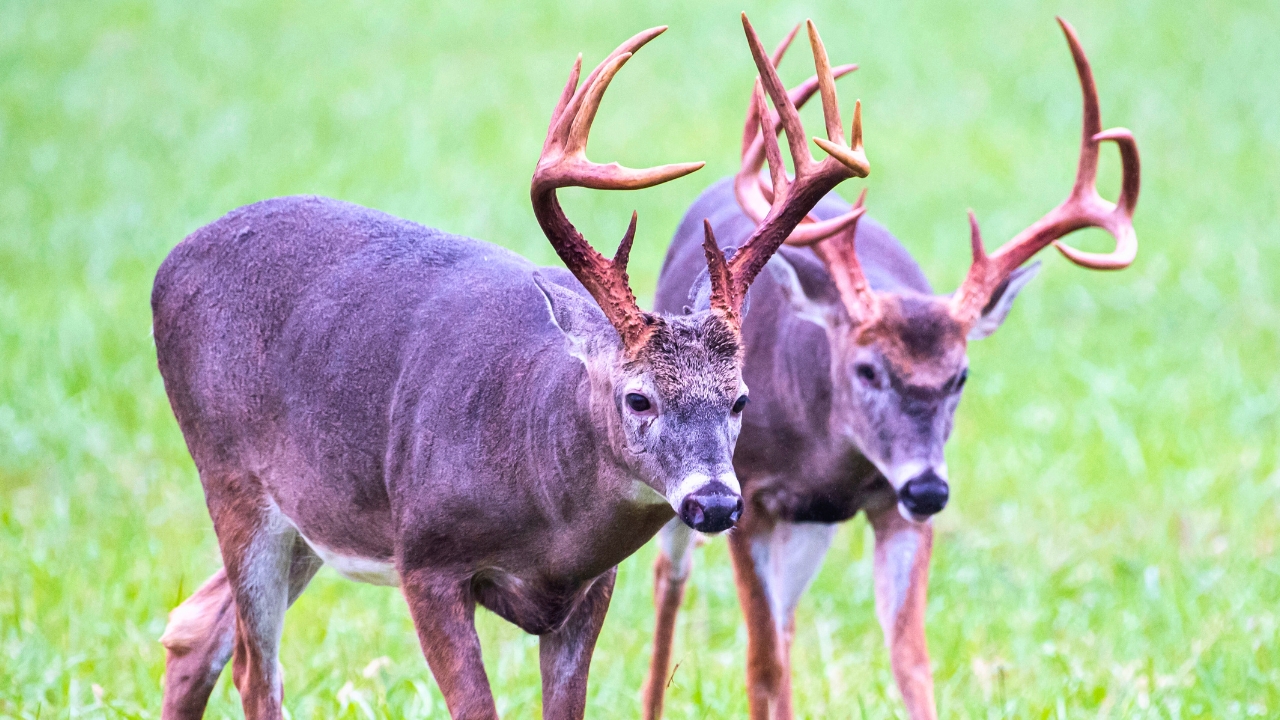
North Carolina has big chunks of public land, but crowding shows up quickly where whitetails and access overlap. Some public tracts are huge on paper but hunt smaller because terrain, roads, and access points funnel people into the same areas.
You’ll see the pattern when the season heats up: lots fill early, hunters walk the same main trails, and deer shift to thick cover and odd corners. If you want consistent success, you hunt where people don’t want to bother—steeper ground, thicker stuff, and the edges of swamps or cutovers. You also pay attention to hunting pressure the same way you watch the wind. The deer respond to it immediately, and you either adjust or you sit over dead sign.
Virginia

Virginia public land can feel crowded fast because a lot of hunters are working with limited time and easy access. That concentrates pressure near trailheads, gated roads, and the most convenient entry points, especially on weekends.
You’re not doomed, but you do have to play smarter. The deer learn where people enter, where they stop, and where they tend to set up. If you hunt a little deeper, or you hunt terrain that forces a slower walk, you start finding pockets that other hunters skip. Virginia public whitetails can be tough because they don’t tolerate repeated intrusion, but they still have patterns. You get ahead by hunting transitions and escape routes instead of the obvious “best looking” stand site.
Like The Avid Outdoorsman’s content? Subscribe to our newsletter so you never miss an article.
Here’s more from us: