Photo credit: Reeds Family Outdoor Outfitters/YouTube
Some guns are fine once they’re sorted out. The problem is how many of them arrive needing to be “sorted out” before you can even trust a full range day, let alone a hunt or a defensive role. This list isn’t about one-off lemons—every brand has those. It’s about models and categories that have a long history of showing up with issues that a cleaning and a different ammo brand won’t fix.
If you own one that runs great, good. But if you’re buying with your own money and you want something that works without a tune-up, these are the ones that make a lot of guys sigh and start pricing gunsmith time.
Kimber Ultra Carry II (3-inch 1911)

Three-inch 1911s are already fighting physics. The timing window gets tight, recoil springs work harder, and little changes in mags or ammo can show up as stoppages fast. The Kimber Ultra Carry II is one of the common “looks perfect on paper” picks that can turn into a picky eater once you actually start putting rounds through it.
A lot of owners end up chasing reliability with extractor tension, recoil spring schedules, and magazine experiments. Some run fine. Plenty don’t, and the short-slide format doesn’t forgive sloppy tolerances. If you want a 1911 that runs without drama, most guys learn the hard way that tiny 1911s are rarely the easy answer.
Springfield Armory 911 (and similar micro-1911s)

The Springfield 911 is another micro-1911 pattern gun that feels like a great idea—1911 style, smaller package, “easy carry.” In practice, these tiny guns can be extremely sensitive to ammo shape, recoil spring health, and magazine consistency. They can also be unforgiving if the gun ships slightly out of spec.
When a pistol only behaves with a narrow slice of loads and needs frequent spring attention to stay happy, it becomes a maintenance project. A lot of people buy these thinking they’re getting classic 1911 confidence in a smaller size, and instead they get a gun that needs more attention than a larger, simpler carry pistol.
Rock Island Armory GI 1911 (budget 1911s in general)

RIA 1911s can be a decent value, and plenty run well. The “gunsmith” issue shows up when you treat a budget 1911 like a plug-and-play Glock. Rough feed ramps, inconsistent extractor tension, and fit that varies gun to gun can turn a range session into diagnosing magazines, ammo, and parts.
Some people don’t mind tinkering. They enjoy the process. But if you’re expecting flawless reliability from a budget 1911 right out of the box, you’re gambling. The 1911 platform can run like a sewing machine—when it’s built right. A cheaper build often means you may pay the difference later in tuning.
Taurus 1911 (older production runs)

Taurus has improved in some areas over the years, but older Taurus 1911s have a reputation for uneven fit and QC. The problems aren’t always catastrophic—sometimes it’s a gritty trigger, a safety that feels off, or a gun that only runs with a certain magazine style. But these are the kinds of issues that start pushing people toward a gunsmith.
The 1911 is not a platform that loves sloppy tolerance stacking. If the extractor is off, the feed geometry is rough, or the small parts aren’t fitted cleanly, you can chase malfunctions forever. A lot of owners eventually decide it’s easier to pay a smith once than to keep burning ammo while guessing.
Remington R51 (Gen 1)

The R51 is one of the clearest examples of a gun that looked great in marketing and then fell apart in real use. The early production guns had a reputation for serious functional issues, inconsistent reliability, and problems that weren’t solved by “break-in.” It became the type of pistol people bought once and then warned their buddies about.
Even if you find a later example that behaves better, the platform’s history makes it hard to recommend without hesitation. When a gun’s reputation includes “this might need factory attention,” that’s basically the definition of needing more than a casual range session to feel confident.
SIG Sauer Mosquito

The SIG Mosquito is famous for being finicky, and that’s a problem for a .22 that many people buy for cheap practice. It’s often ammo-sensitive, can be prone to feeding and ejection issues, and tends to run best only when you find the one load it prefers and keep it clean.
A lot of owners wind up swapping springs, experimenting with different ammo, and still dealing with inconsistent performance. Some Mosquitos run fine after you dial them in. But plenty never become the “grab it and go” .22 people hoped for, and that’s when it starts feeling like a project gun.
Walther P22

The P22 is another popular .22 that often becomes a troubleshooting exercise. It’s small, light, and handy, but it can be picky about ammo and can get sluggish quickly as fouling builds. When a rimfire starts hiccuping, people tend to chase magazines, recoil springs, and feed geometry.
The frustrating part is that buyers often pick the P22 for training or casual shooting—exactly the role where they want low drama. If you have to clean constantly and still get random stoppages, it stops being fun. A lot of guys end up moving on rather than sinking more time into making it behave.
GSG 1911-22

A .22 version of a 1911 sounds like a perfect trainer, and some examples are fine. The problem is that .22 1911 clones can be sensitive to ammo, can foul quickly, and sometimes show reliability quirks that aren’t solved by simple cleaning. The design also tends to demand the right mags and the right rhythm.
Owners often end up treating it like a “needs to be kept happy” gun instead of a trainer that runs on anything. If your goal is cheap, dependable reps, a pistol that constantly asks for tuning defeats the purpose. That’s why these end up on so many “fun when it runs” lists.
Kel-Tec PMR-30

The PMR-30 is a cool concept—lightweight, high capacity, .22 WMR. But it’s also notorious for being sensitive to loading technique, ammo choice, and magazine behavior. Many owners learn quickly that how you load the mags matters, and certain loads will cause more issues than others.
That’s not what most people want from a practical gun. If you have to baby the magazines and hunt for the one ammo it likes, you’re basically managing the gun all the time. Some PMR-30s run well once you learn the “rules,” but a gun with a rulebook is exactly what drives people toward a smith or toward selling it.
Rossi Circuit Judge

The Circuit Judge is one of those guns that’s a neat idea but can bring real-world headaches. Cylinder-to-barrel gap realities, inconsistent accuracy with different loads, and general “this is not a normal rifle” quirks can lead to frustration. When you add in the complexity of a revolving mechanism in a long gun format, things can get weird fast.
A lot of owners end up trying different ammo, chasing accuracy, and wondering why the gun behaves unpredictably from one session to the next. It’s not always a gunsmith issue in the traditional sense, but it’s a “this thing is picky and complicated” gun that often creates more troubleshooting than it’s worth.
Ruger Mini-14 (older 180–197 series, accuracy work)

Modern Mini-14s are generally better than the older ones, but the early Minis built a reputation for “minute-of-coyote” accuracy unless you got lucky. Thin barrels, heat shift, and inconsistent groups pushed a lot of owners into accuracy jobs—barrel struts, bedding work, gas tweaks, and other fixes.
When a rifle can’t hold a consistent group for how you hunt, it becomes a project. Some guys love the Mini and gladly invest in making it shoot. Others realize they could have bought a different rifle that grouped well from day one and saved the tuning money.
Century Arms C39V2 (AK pattern issues)

AKs have a “runs forever” reputation, and that’s exactly why some buyers get burned. Certain U.S.-built AK variants have had reputations for questionable long-term durability and parts quality compared to proven imports. That can turn into headspace worries, wear concerns, and “I need someone who knows AKs” moments.
The problem isn’t that every example fails. It’s that the risk is higher, and the fixes often aren’t simple. When the platform’s charm is supposed to be reliability, any gun that makes you worry about critical wear is one that feels like it needs a specialist more than it needs another case of ammo.
Remington 710

The Remington 710 is a classic “budget rifle that didn’t age well.” Many owners have reported issues with rough actions, extraction problems, and general build quality that can make the rifle feel like it’s fighting you. When a bolt gun doesn’t run smoothly and doesn’t extract cleanly, you lose confidence fast.
Some of the frustrations can be mitigated, but a lot of people end up deciding it’s not worth investing money into fixing a rifle that started life as a cost-cut product. If a rifle makes you think “I should have just bought something else,” that’s usually a sign you’re headed toward a gunsmith bill.
Savage Axis (early production quirks)
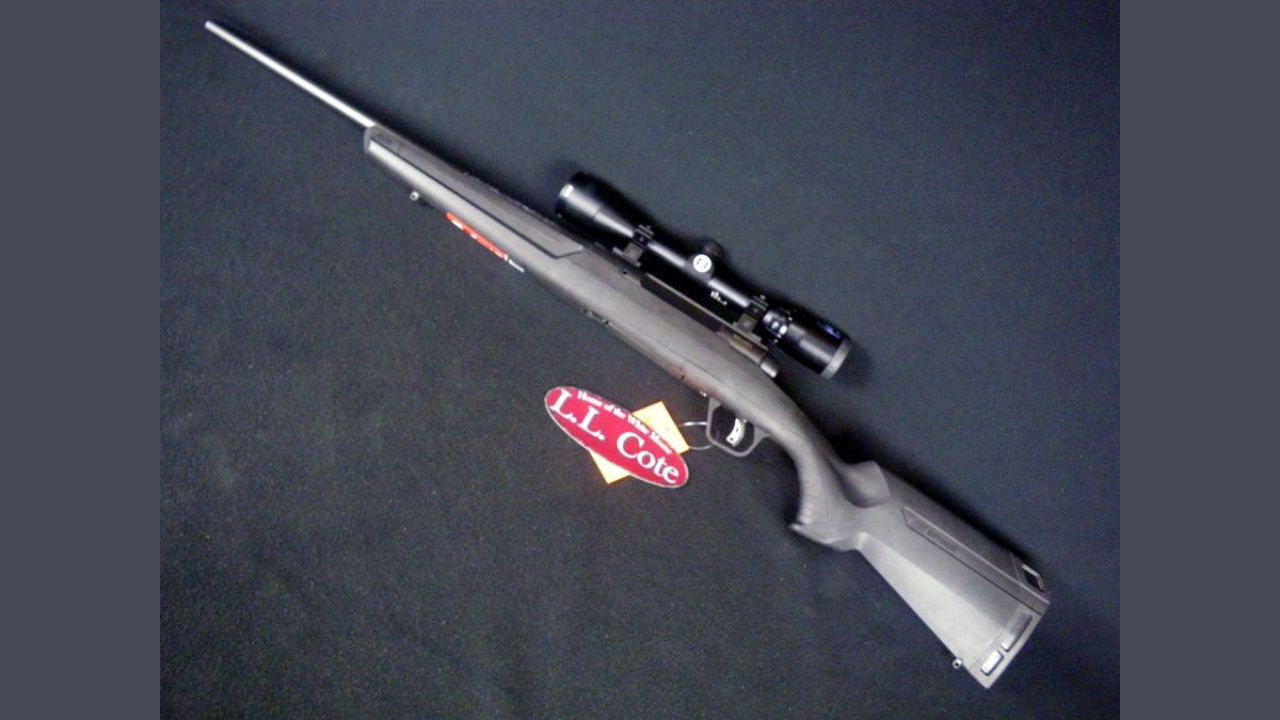
The Axis can be a solid budget rifle, but early examples and some individual rifles can show roughness that frustrates hunters—stiff actions, inconsistent triggers (depending on generation), and occasional feeding quirks with certain mags. Most of the time, you can work around it, but it’s not always a clean out-of-the-box experience.
This is one of those guns that can be fine if you accept it for what it is. But when someone buys it expecting a smooth, hunt-ready rifle with no tuning, it can disappoint. And once you start upgrading triggers, mags, and doing action work, you realize you’ve climbed into the price bracket of better options.
Stoeger P3500 (fit and cycling complaints)
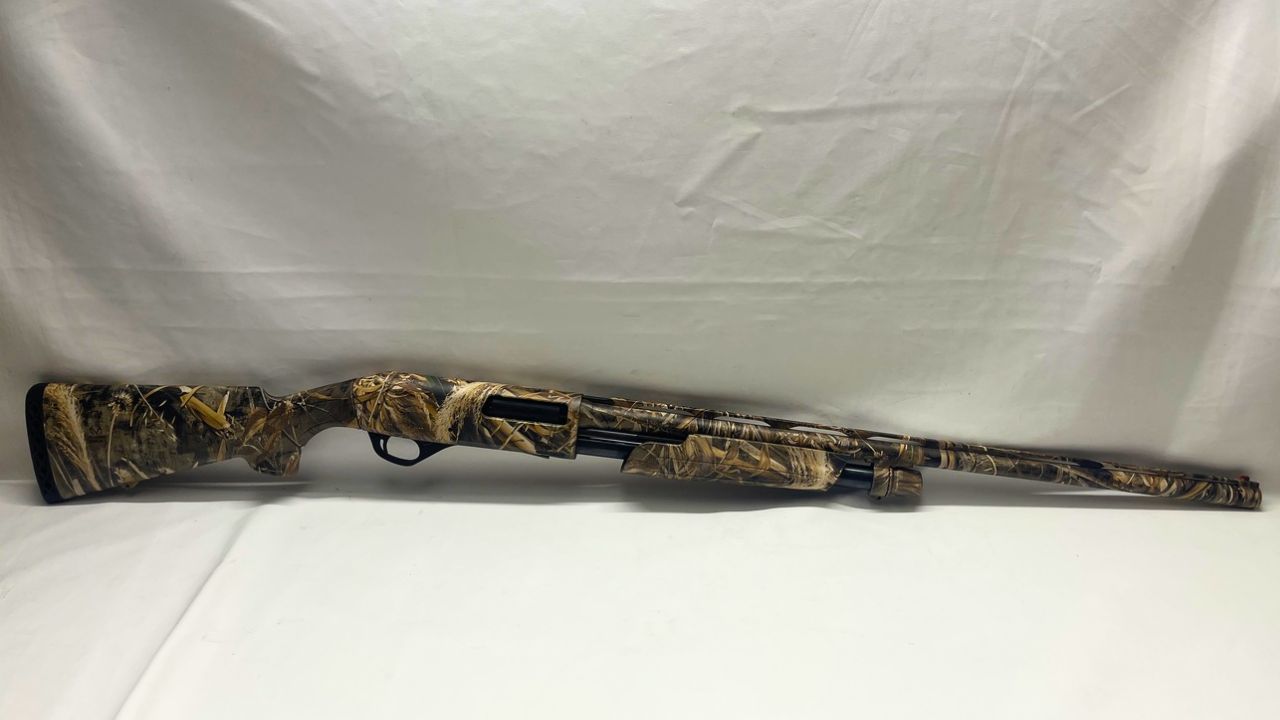
Stoeger pumps can work, but there are enough fit-and-finish and cycling complaints out there that they’ve earned a spot on “might need help” lists. Rough chambers, sticky extraction, and action smoothness can vary. When a pump gun isn’t smooth and extraction isn’t consistent, it becomes a reliability question fast.
A lot of hunters buy a budget pump expecting it to be a simple, dependable tool. If it takes polishing, parts swapping, or repeated troubleshooting to get it to run like a pump should, it stops being a bargain. A shotgun should be boringly dependable, not something you’re diagnosing between outings.
Like The Avid Outdoorsman’s content? Subscribe to our newsletter so you never miss an article.
Here’s more from us: