
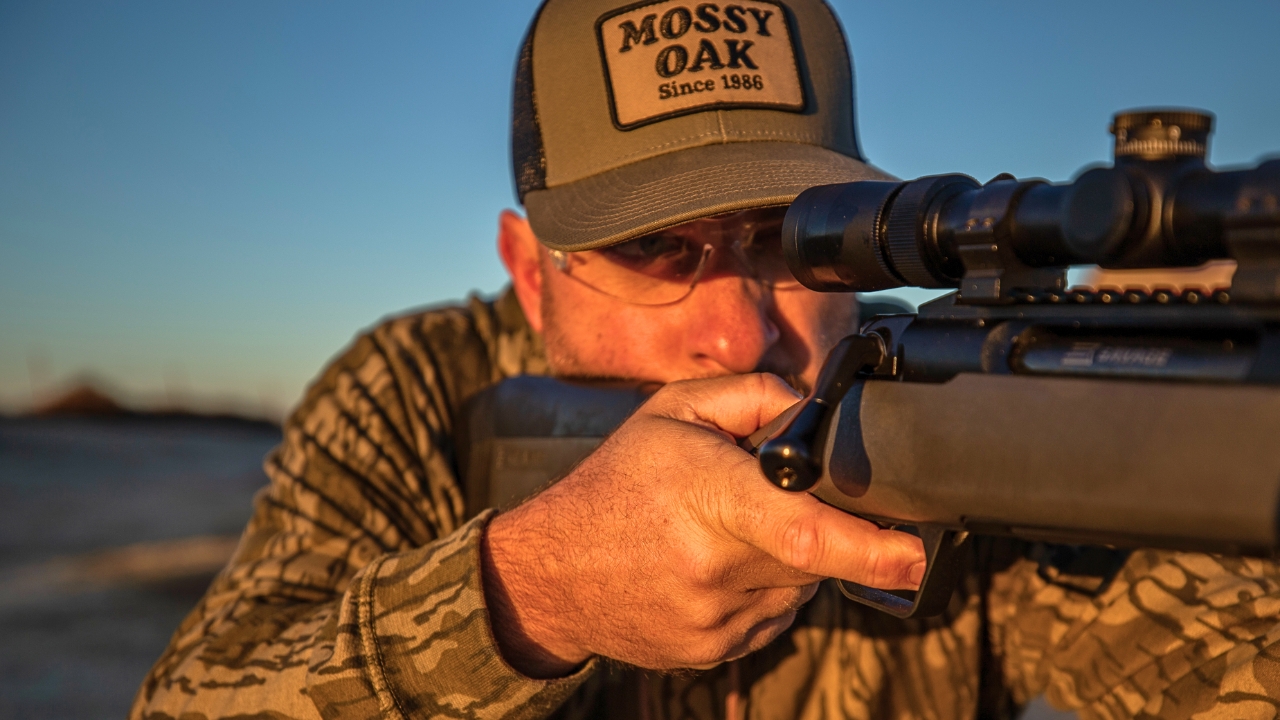
Photo credit: Savage Arms
When you’re hunting live animals, “perfect shot placement” is the goal, but it’s not always the reality. Wind, brush, steep angles, adrenaline, and a half-second of bad timing can turn a clean plan into a slightly back or slightly forward hit. That’s where caliber choice matters. Some cartridges carry enough bullet weight, frontal area, and momentum to keep driving and keep breaking things even when the shot isn’t textbook.
None of this replaces discipline. You still pick your angles, keep your distance honest, and pass shots you can’t make. But if you want a setup that buys you a little margin when the hit is a touch off—without turning the animal into hamburger—these are the hunting calibers that have earned that reputation in the real world.
.30-06 Springfield
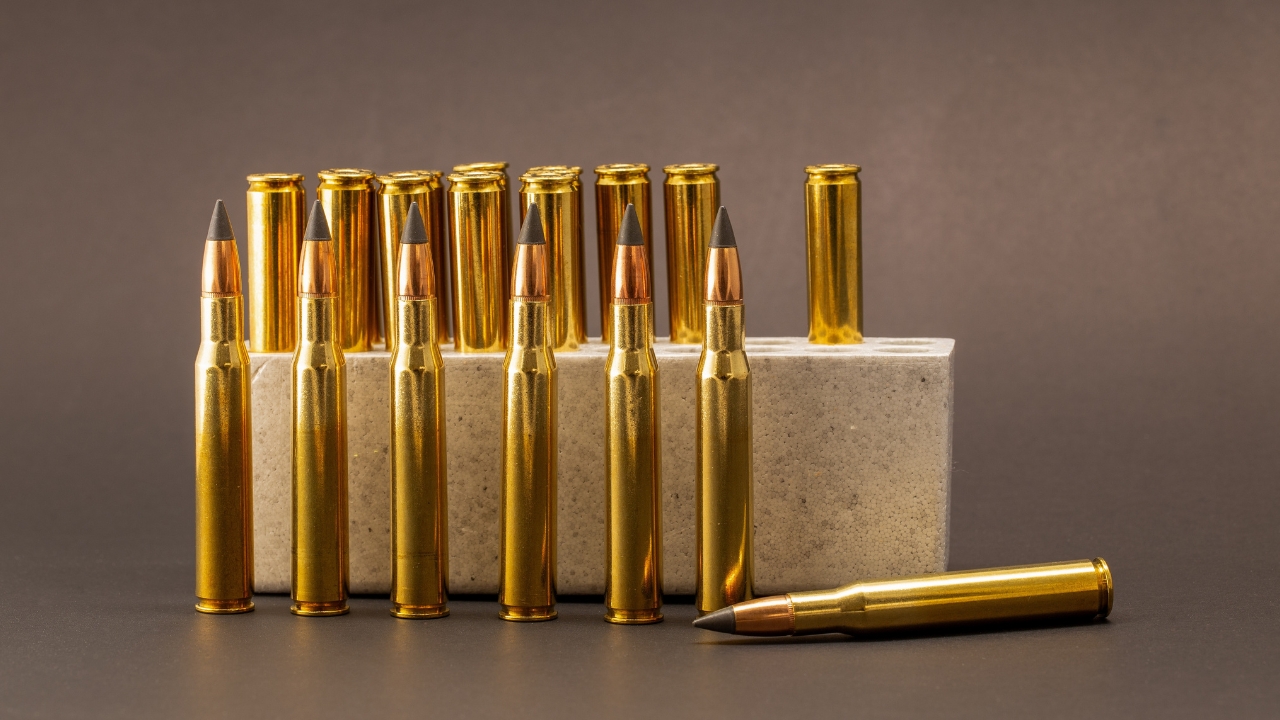
The .30-06 is still the “do-most-things” answer for a reason. It gives you a wide spread of bullet weights that let you tailor the rifle to your game, and it carries enough momentum to keep pushing through when a shot lands a little off center.
With a tough 165- to 180-grain hunting bullet, it tends to hold together, drive straight, and reach the vitals even if you clip a shoulder or hit a rib at a weird angle. It’s not magic, but it’s forgiving. The recoil is manageable for most hunters with a properly fitted rifle, and the ammo options are everywhere, which makes it easy to find a load your gun actually shoots well.
.308 Winchester

The .308 doesn’t need to be flashy to work. Inside normal hunting distances, it hits with authority and does a lot of things right: efficient powder burn, consistent accuracy, and enough bullet weight to keep penetration honest.
Where it shines is with controlled-expansion bullets in the 150- to 180-grain range. A slightly back hit still has a good chance of making it through lungs and leaving a usable blood trail. A slightly forward hit has enough punch to break bone and keep going, especially with bonded or monolithic bullets. It also tends to be easy to shoot well, and that matters more than any chart. A caliber you can place confidently will always beat a bigger one you flinch with.
.270 Winchester

The .270 has been dropping deer and elk for generations because it carries speed, shoots flat, and still drives deeper than people expect when you pair it with the right bullet. It’s not the biggest hole-puncher, but it’s more forgiving than its reputation suggests.
With 130- to 150-grain controlled-expansion bullets, the .270 tends to penetrate well and open reliably. If your shot rides a little high or a little back, you still get plenty of tissue damage and a fast bleed-out. If the hit is slightly forward, it has enough velocity to break ribs and reach the boiler room. The recoil is usually mild enough that you stay honest in the moment, and that alone keeps a lot of marginal shots from becoming bad ones.
7mm Remington Magnum

The 7mm Rem Mag is a classic “reach and hit hard” cartridge, but the real benefit is how it carries energy and velocity downrange. That gives your bullet a better chance of expanding and doing work even when distance stretches or the angle isn’t perfect.
Loaded with sturdy 150- to 175-grain bullets, it has a strong record on elk-size animals. Slightly back hits still get lung penetration and exit wounds more often than you’d expect. Slightly forward hits can break shoulder structure and keep driving, especially with bonded or partition-style designs. The one catch is recoil: if you don’t shoot it well, none of the rest matters. Set it up with a good pad, a sane rifle weight, and practice enough that the magnum part doesn’t own you.
.280 Ackley Improved

The .280 AI lives in the sweet spot for hunters who want 7mm performance without going full magnum. It pushes sleek bullets fast enough to expand reliably, while still carrying the kind of sectional density that helps penetration when a shot lands a little off.
With 150- to 168-grain hunting bullets, it tends to drive straight and reach vitals through ribs and light shoulder. That’s the kind of “forgiveness” that matters in real woods hunting, where angles change and animals don’t pose like targets. Recoil is usually easier to manage than the big 7mms, which helps you stay steady and make the best shot you can. It also tends to be accurate in well-built rifles, and accuracy is the first layer of margin.
.300 Winchester Magnum

If you want raw authority with a track record, the .300 Win Mag has it. It pushes heavier .30-caliber bullets at speeds that still allow controlled expansion, and it keeps enough momentum to punch through when things aren’t perfect.
With 180- to 200-grain bullets built for hunting, it’s known for breaking bone and still reaching lungs. A slightly forward hit often turns into a short tracking job instead of a long lesson. A slightly back hit still produces deep penetration and strong blood trails. The downside is obvious: recoil and muzzle blast can make some hunters sloppy, especially from field positions. If you can shoot it calmly and consistently, it’s one of the most forgiving elk and moose cartridges you can carry.
.338 Winchester Magnum

The .338 Win Mag is not subtle. It’s a big-game tool built around heavier bullets, wider frontal area, and the kind of penetration that stays reliable when the hit is a little off the mark. That’s exactly why it has the reputation it does in timber and mountains.
With 225- to 250-grain bullets, it tends to drive deep and keep straight through shoulder, muscle, and rib. On elk, bear, and moose, that “keep going” quality matters when the animal is quartering or moving and you don’t get the perfect broadside postcard. Recoil is stout, so rifle fit and practice matter, but it’s not a cartridge you carry for comfort anyway. When you want decisive penetration and a bigger wound channel, it’s hard to argue with.
.35 Whelen

The .35 Whelen is old school, and that’s a compliment. It throws a larger-diameter bullet with enough weight to stay driving, especially at woods distances where many real hunts happen. It doesn’t need extreme velocity to be effective.
With 200- to 250-grain bullets, it tends to crush through and leave exits, which is what you want when the shot is slightly back or the animal angles away at the last second. That bigger bore helps create a more noticeable wound channel, and the bullet weights help it keep momentum through resistance. It’s also a cartridge that feels “honest” in the field—less about long-range bragging and more about putting animals down in real cover. If you like practical power without boutique nonsense, it’s a hard hitter.
.45-70 Government

The .45-70 is a reminder that velocity isn’t the only way to get forgiveness. At close to moderate ranges, it delivers heavy bullets and wide frontal area, which can create dramatic tissue disruption and deep penetration when the load is matched to the job.
With modern hunting loads and strong bullets, a .45-70 can punch through shoulder and still reach lungs on big animals, especially in thick cover where shots are fast and angles are messy. It’s particularly forgiving on quartering hits at woods distance because the bullet has mass and doesn’t deflect as easily as lighter projectiles. You do need to respect range and trajectory, but you’re not carrying this for 400-yard games. In the real timber world, it can be a very steady problem-solver.
.44 Magnum

In a carbine, the .44 Magnum becomes more than a handgun round. You gain velocity, you gain practical accuracy, and you still get a big-diameter bullet that tends to hit with authority at the ranges where most brush-country deer and hog hunts actually happen.
Using proper hunting bullets—typically 240 to 300 grains—the .44 can be surprisingly forgiving on less-than-perfect angles. That big meplat or expanding bullet can leave a noticeable wound channel, and the heavier options penetrate well on hogs and black bear. It’s not a long-range cartridge, and it won’t replace a rifle for open country, but inside its lane it’s dependable. The recoil is usually manageable, the rifles are handy, and quick follow-ups are easier than many hunters admit.
.450 Bushmaster
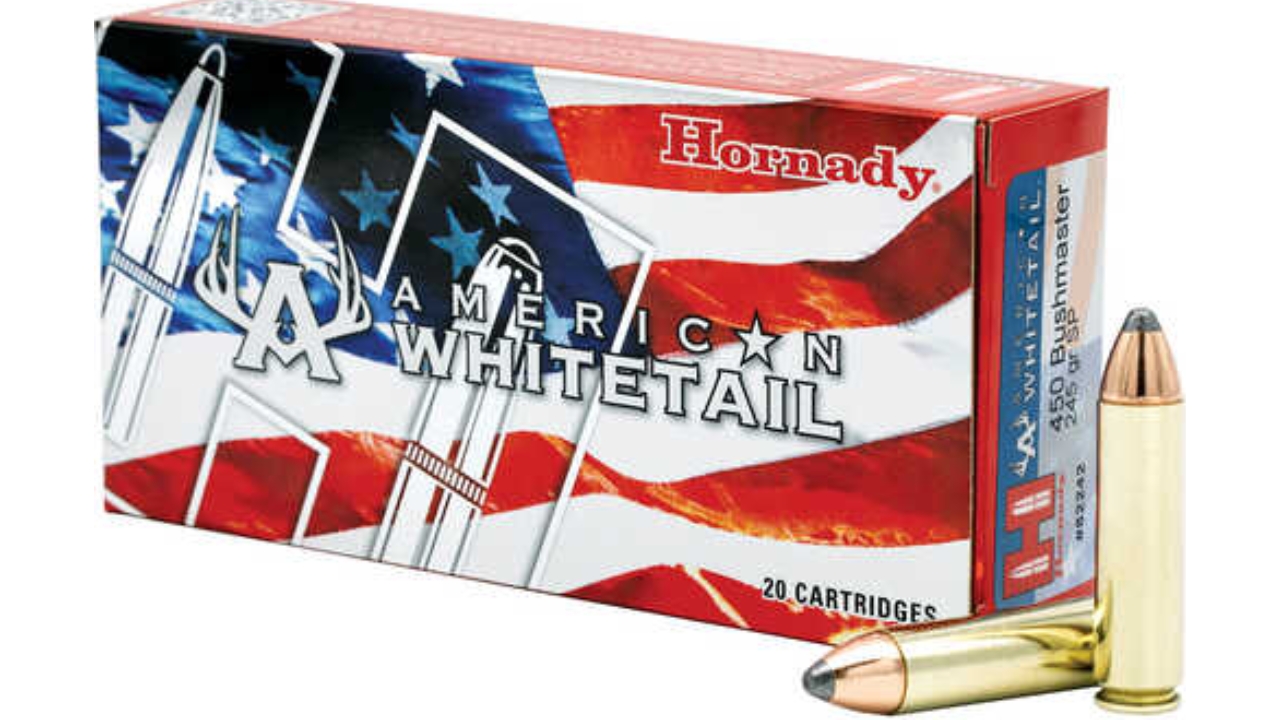
The .450 Bushmaster was built for big-bore performance in modern rifles, and it does exactly what you’d hope at typical deer and hog distances. It throws a large, heavy bullet fast enough to expand reliably and still drive deep when the shot isn’t perfect.
On slightly forward hits, it has the punch to break ribs and shoulder structure and keep moving into the vitals. On slightly back hits, it tends to leave heavy blood trails because the wound channel is hard to ignore. It’s also straightforward to shoot: recoil is real but not punishing in most hunting rifles, and the trajectory is predictable inside its effective range. If you hunt thick timber, fields edges, or brushy hog country and want a cartridge that hits like a hammer, this one belongs on the short list.
.350 Legend

The .350 Legend is often treated as a “straight-wall rule” workaround, but it’s become popular because it’s easy to shoot well and still hits hard enough to be forgiving on deer-size game. Low recoil keeps you steady, and steadiness prevents a lot of marginal hits in the first place.
With 150- to 180-grain hunting loads designed to expand, it tends to make clean lung shots and solid blood trails at sane distances. It’s not a moose cartridge, and it won’t bulldoze through every angle, but for whitetails and hogs it gives you a good balance of penetration and expansion. When a shot lands a touch back, you still have enough tissue damage to get a quick recovery. The biggest advantage is practical: you’ll practice more when it doesn’t beat you up.
6.5 Creedmoor

The 6.5 Creedmoor earns its keep when you feed it the right bullets and keep your expectations grounded. It doesn’t rely on sheer diameter, but it does lean on sectional density and controlled expansion, which can produce deeper penetration than many hunters assume.
With tough 130- to 143-grain hunting bullets, it often drives through ribs and stays straight, even when the animal isn’t perfectly broadside. Slightly back hits still tend to reach lung tissue and create a trackable situation. Slightly forward hits can work well too, but bullet choice matters more here than with bigger bores. The Creedmoor’s real advantage is that many hunters shoot it better under pressure, and that’s the kind of “forgiveness” that pays out every season. When you place it well, it kills clean.
7mm-08 Remington
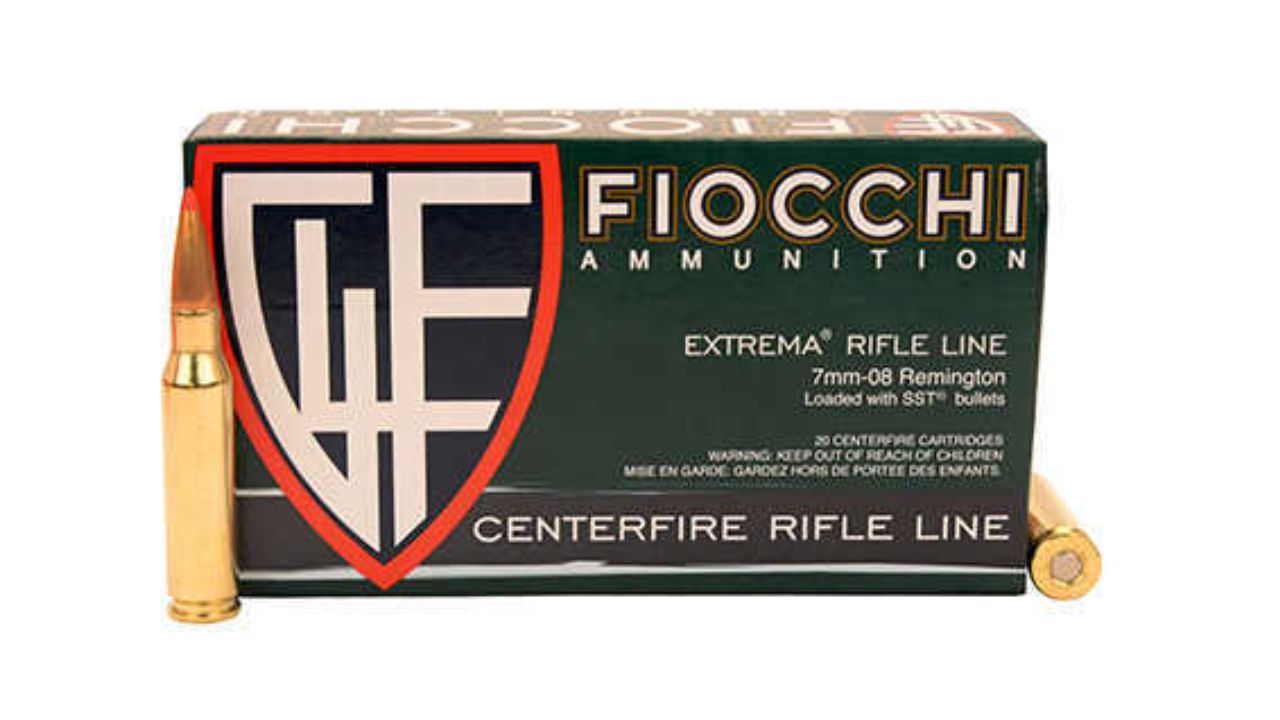
The 7mm-08 is one of those cartridges that quietly stacks animals because it’s easy to shoot and it carries bullets that penetrate well for their size. It’s forgiving in the way most hunters actually need: reliable expansion, good blood trails, and recoil that doesn’t wreck your form.
With 140- to 160-grain hunting bullets, it has enough weight and sectional density to keep driving through ribs and light shoulder. A slightly back shot still tends to find lungs, and a slightly forward shot has a decent chance of reaching vitals if you aren’t trying to punch through a heavy front end on a big bull. It’s especially strong for whitetails, mule deer, and black bear, and plenty of elk have fallen to it in practiced hands. If you want effectiveness without drama, this cartridge delivers.
.30-30 Winchester

The .30-30 is still in the conversation because it works where many real hunts happen: inside 150 yards, in cover, with quick opportunities. It doesn’t need speed to be effective, and it has a long history of punching through ribs, breaking shoulders, and putting deer down without fuss.
With quality 150- to 170-grain hunting bullets, the .30-30 tends to penetrate well and expand reliably at woods ranges. That makes it more forgiving than people think when the shot is slightly back or the angle is quartering. It also comes in handy, fast-handling rifles that encourage good field shooting rather than bench-rest dreams. You still need to respect its limits, but within those limits it’s brutally practical. If you’re honest about distance and angles, it’s one of the best “real hunting” rounds ever made.
Like The Avid Outdoorsman’s content? Subscribe to our newsletter so you never miss an article.
Here’s more from us:


