Photo credit: Azadroga – CC BY-SA 4.0/Wiki Commons
Throughout U.S. history, certain firearms have become so influential—sometimes infamous—that lawmakers eventually restricted or outright banned them. From battlefield icons to street-level game changers, these guns earned reputations for their firepower, cultural impact, or role in shaping pivotal moments. But once technology advanced or their notoriety grew, many became the focus of sweeping regulations. If you handle firearms today, knowing their stories explains why they were banned and how they changed the way America views gun rights, safety, and freedom.
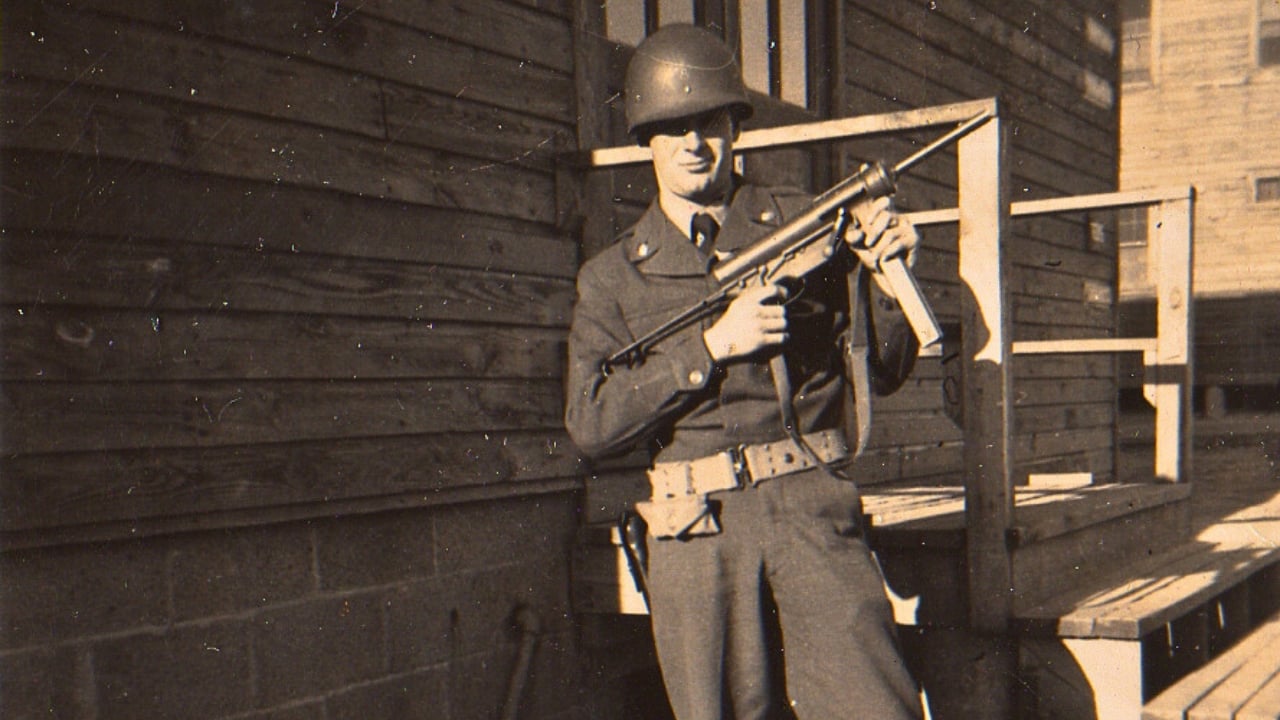
Thompson submachine gun

The Thompson, or “Tommy Gun,” became iconic during the Prohibition era thanks to gangland violence.
Its .45 ACP firepower and high rate of fire made it deadly in close-quarters conflicts, earning a reputation on both sides of the law. After violent incidents like the St. Valentine’s Day Massacre, lawmakers introduced the National Firearms Act of 1934, heavily regulating fully automatic weapons. While some military and law enforcement units continued using the Thompson, its availability to civilians sharply declined after the law passed.
Street Sweeper shotgun
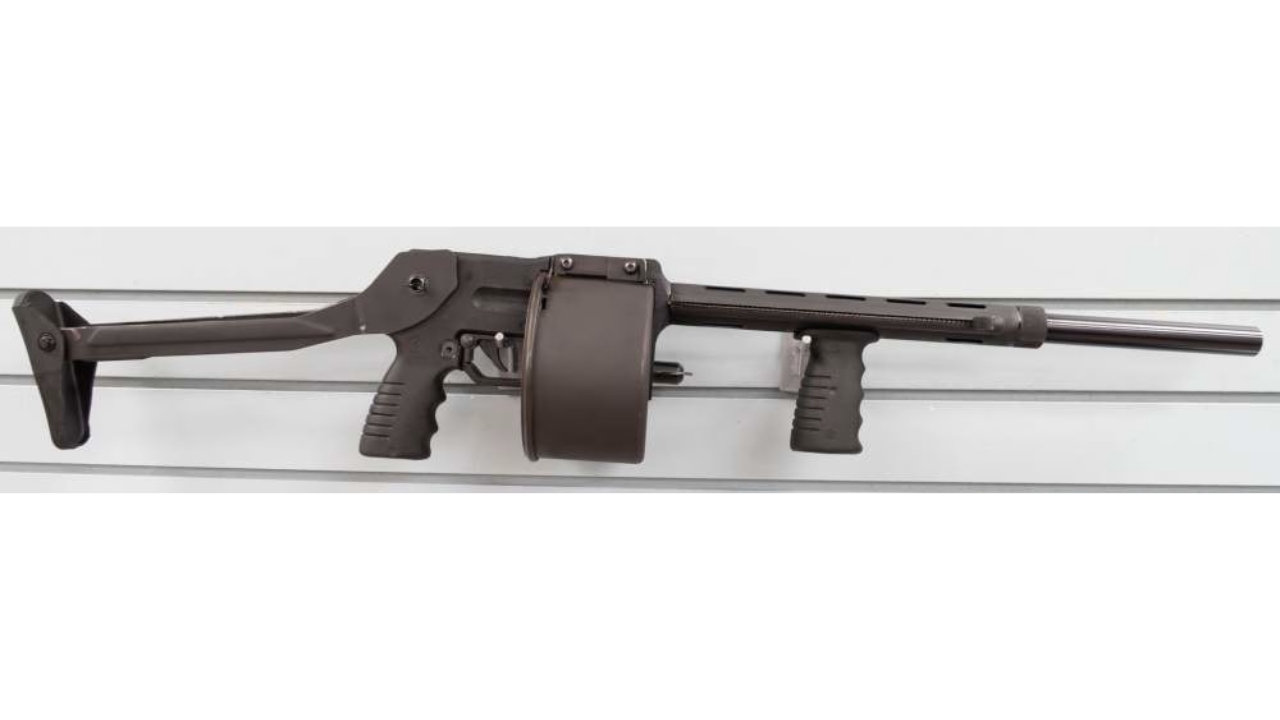
The Street Sweeper, a 12-gauge semi-auto shotgun with a drum magazine, drew national attention in the late 1980s.
Designed for riot control, it could fire rapid bursts of buckshot, making it controversial in civilian hands. In 1994, the ATF classified it as a “destructive device” under the National Firearms Act, restricting ownership and requiring special registration. Its combination of firepower and capacity raised concerns about its potential misuse, leading to its effective removal from the commercial market for everyday shooters.
Colt Walker revolver

The Colt Walker played a massive role in shaping the American frontier and the Mexican-American War.
Chambered in .44 caliber, it was one of the most powerful handguns of its time, giving mounted troops superior firepower. However, its fragile cylinder design made it prone to catastrophic failures under heavy loads. After safer revolvers emerged, the Walker was eventually retired. Today, originals are highly collectible, but their design flaws, power, and historical connection to early open-carry conflicts led to restrictions in certain regions where antique replicas are regulated.
TEC-9 pistol

The TEC-9 became infamous in the 1990s for its use in high-profile crimes and mass shootings.
Its 32-round capacity and semi-automatic design drew heavy scrutiny from lawmakers, who viewed it as having “no legitimate sporting purpose.” The 1994 Federal Assault Weapons Ban restricted its sale, along with other similar pistols. While the ban expired in 2004, several states continue to regulate the TEC-9 due to its history and compact firepower. Despite its notoriety, collectors and range shooters still seek out the few legal models available.
Winchester Model 1897 trench gun

The Winchester Model 1897, nicknamed the “trench broom,” became legendary during World War I.
U.S. troops used it in close-quarters combat, where its 12-gauge buckshot loads devastated enemy positions. Its success caused international controversy, with Germany attempting to have it banned under the Hague Convention. While the U.S. continued using it in multiple wars, later models with slam-fire capability eventually faced state-level restrictions due to their unique firing system. Collectors prize them today, but their close-combat history still shapes conversations about military shotguns.
M3 “Grease Gun”
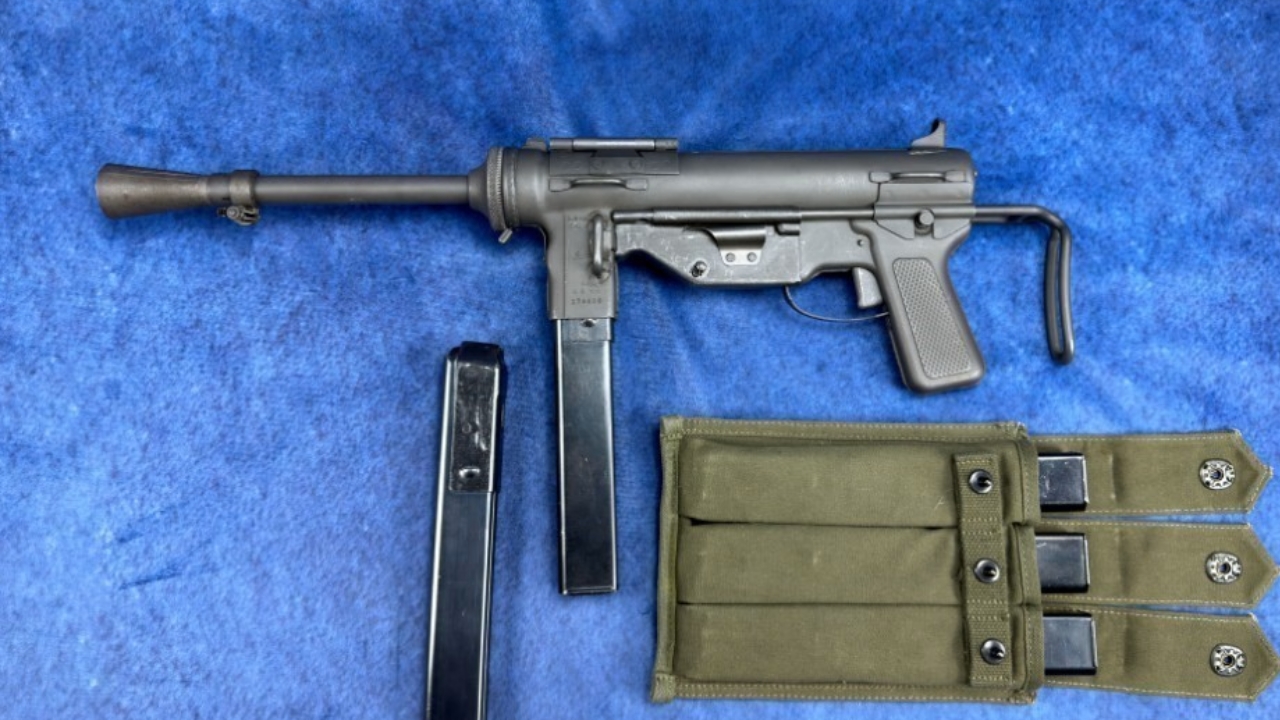
The M3 submachine gun earned its nickname thanks to its resemblance to a mechanic’s grease tool.
Chambered in .45 ACP, it served U.S. troops from World War II through Vietnam and became popular for its simplicity and affordability. After surplus models entered the civilian market, however, automatic variants were heavily restricted under the National Firearms Act. While semi-auto versions exist today, the original full-auto M3 remains tightly controlled and highly collectible among military firearm enthusiasts and historians alike.
Armalite AR-18
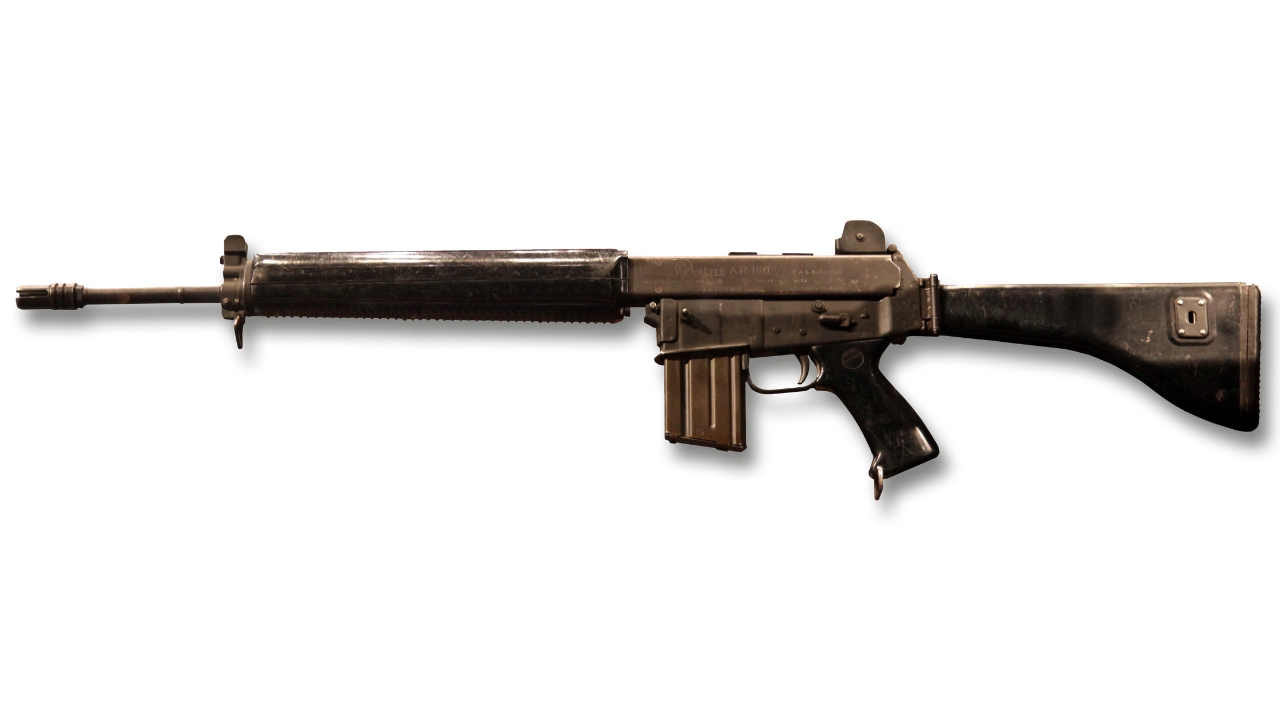
The Armalite AR-18 was developed as a more affordable successor to the AR-15 but quickly gained notoriety.
Its lightweight folding-stock design and ease of production made it popular worldwide, but its use in several high-profile crimes—including attacks in Northern Ireland—brought international attention. Some states imposed restrictions, and later firearm bans specifically targeted models like the AR-18. While it never saw widespread U.S. military adoption, its influence on later rifles, including the HK G36 and FN SCAR, keeps its legacy alive among collectors.
USAS-12 shotgun
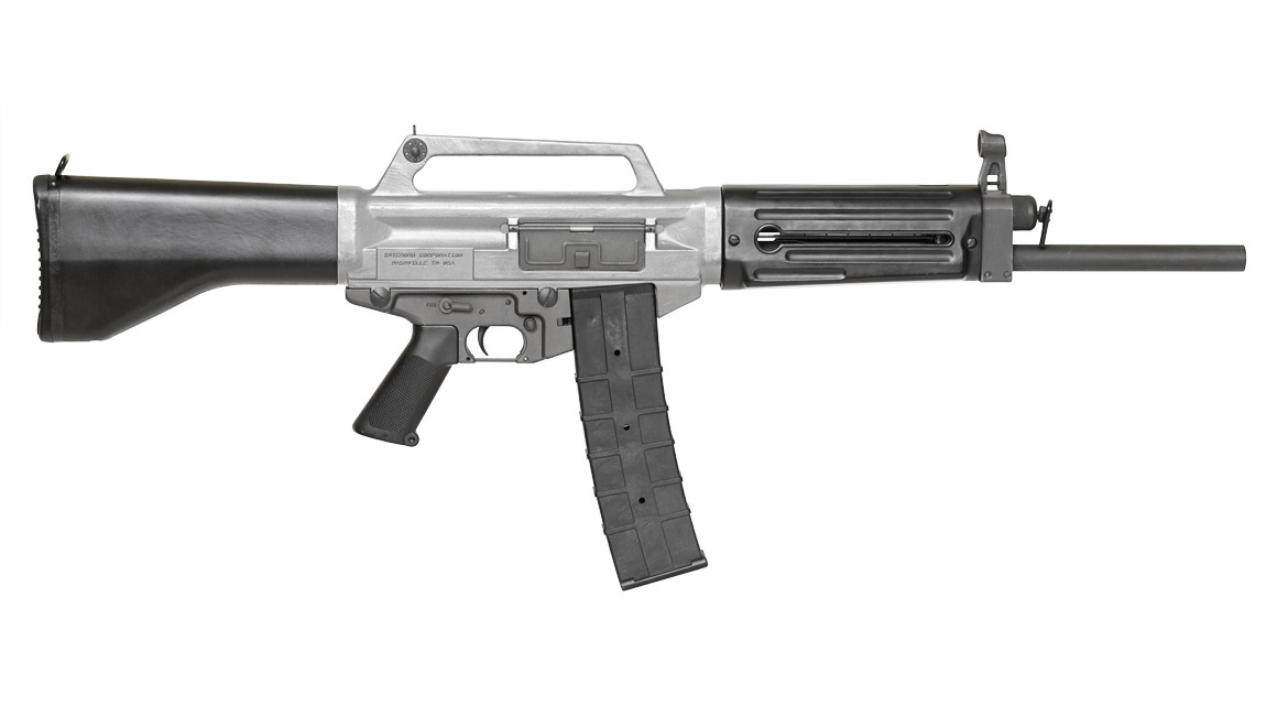
The USAS-12 is a semi-automatic, drum-fed shotgun capable of delivering rapid, sustained fire with heavy 12-gauge shells.
Originally designed for military and law enforcement, its potential for misuse in civilian settings prompted the ATF to classify it as a “destructive device” in 1994. That ruling effectively removed it from the consumer market, with ownership requiring registration and compliance with National Firearms Act regulations. Today, it’s a sought-after collector’s item but remains highly restricted due to its capacity and intended combat role.
Browning Automatic Rifle (BAR)

The Browning Automatic Rifle earned its reputation in World War I as one of the most effective light machine guns of its time.
Chambered in .30-06, it offered soldiers portable suppressive fire. After surplus BARs entered the civilian market, their availability to criminal groups prompted lawmakers to regulate them heavily under the National Firearms Act of 1934. Military and law enforcement used BARs well into the mid-20th century, but for civilians today, original models remain tightly controlled and extremely valuable to collectors.
M14 rifle

The M14 was introduced in the 1950s as the U.S. military’s main battle rifle, chambered in 7.62x51mm NATO.
Its select-fire capability allowed for both semi-auto and full-auto shooting, making it powerful but challenging to control. As civilian versions emerged, certain configurations of the M14 fell under the scope of the National Firearms Act due to their automatic capabilities. While semi-auto variants remain legal in many states, original military-issue rifles are highly regulated and rarely found outside private collections.
*This article was developed with AI-powered tools and has been carefully reviewed by our editors.