Photo credit: Marisa Subannarat/Shutterstock.com
A lot of hunters hesitate with big-bore calibers because they picture excessive meat loss. While that can happen with light, fast bullets, the truth is that heavier, slower-moving calibers often do the opposite. They deliver a deep punch, anchor game quickly, and usually leave you with clean exit wounds and less bloodshot waste than some of the high-velocity small bores. Big bores hit with authority, but the energy transfer is different, and that’s why many seasoned hunters rely on them when they want quick kills without ruining shoulders and ribs. If you’re after a cartridge that carries plenty of stopping power while keeping your venison intact, these are the ones worth paying attention to.
.45-70 Government

Few calibers carry the legacy of the .45-70 Government, and despite being more than a century old, it remains one of the best examples of controlled power. Loaded with heavy, slow-moving bullets, it drives deep without fragmenting, creating clean wound channels and reliable exits. That means minimal meat loss compared to smaller calibers screaming at high velocity.
Modern loads allow you to tailor the .45-70 for everything from whitetail to bear, but the effect on deer-sized game is surprisingly efficient. Instead of explosive damage, you get a straightforward hole that makes tracking short and recovery easy. Hunters who use it often find the shoulders and ribs intact, with very little waste. While recoil is stout, it’s manageable in most lever-actions, and the payoff in clean kills makes it worth it. If you’re looking for big-bore performance without excessive destruction, the .45-70 proves that speed isn’t everything.
.444 Marlin

The .444 Marlin was designed to give hunters a serious step up from the .30-30, and it delivers plenty of authority on impact. What surprises many shooters is how little meat damage it causes compared to its reputation. Heavy .429 caliber bullets push through with controlled expansion, leaving broad but clean wound channels.
In the deer woods, this cartridge is effective without being excessive. The bullet weight ensures penetration, and because velocity is moderate, you don’t see the same explosive fragmentation that ruins shoulders with smaller, faster rounds. For hunters who want a lever-action caliber with reach beyond the .45-70’s traditional loads, the .444 Marlin hits the sweet spot. You’ll anchor deer quickly, but you won’t be throwing away pounds of meat. It’s a caliber that proves size and velocity aren’t the same thing, and when paired with well-constructed bullets, it’s one of the most efficient big-bores in heavy cover.
.450 Bushmaster
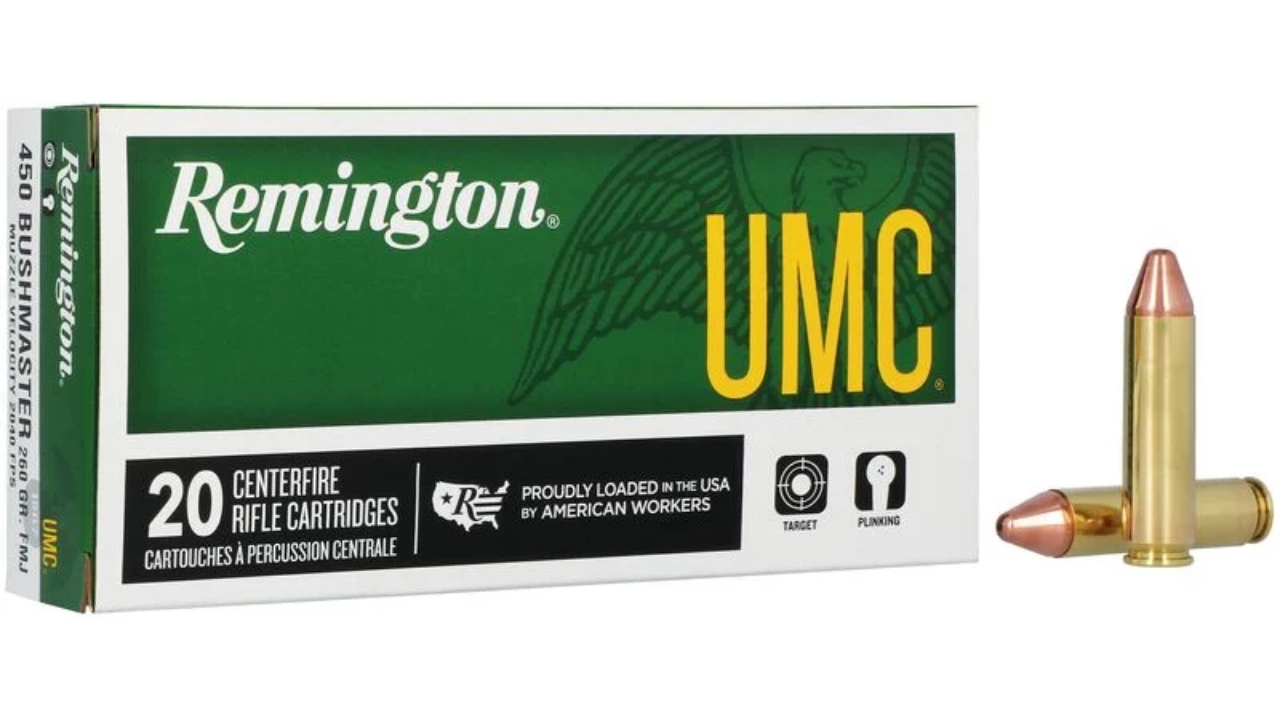
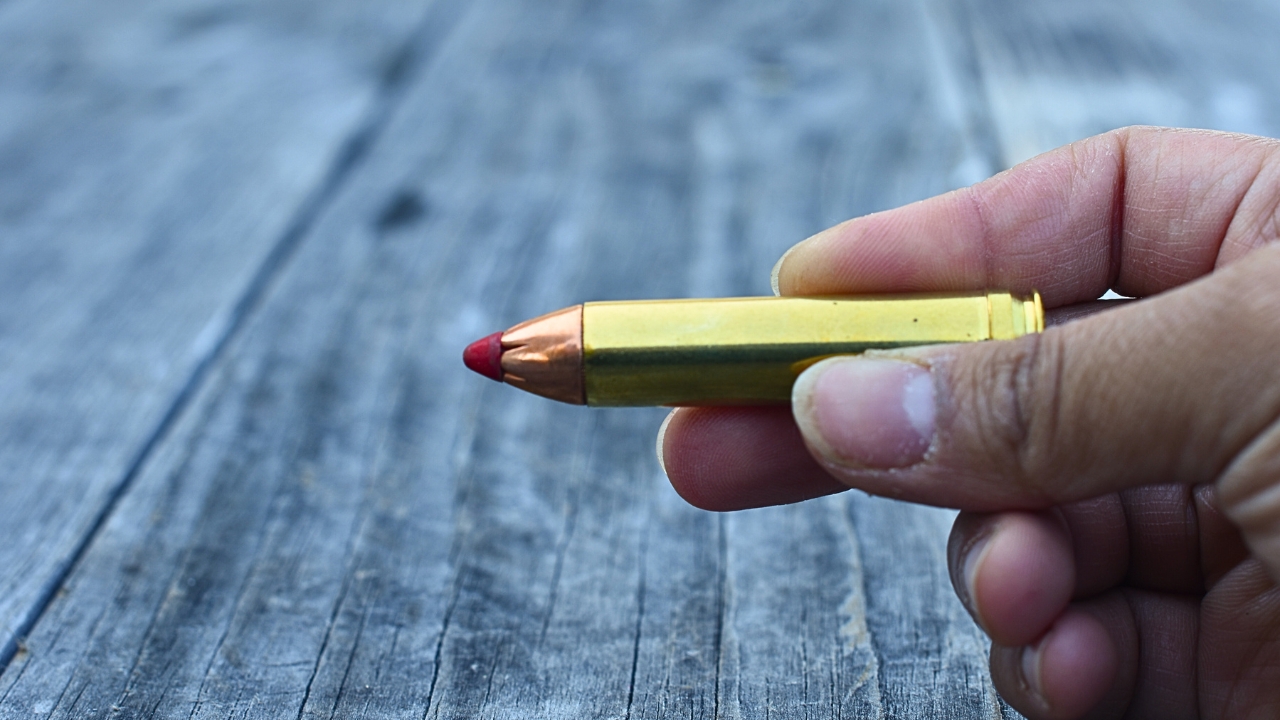
The .450 Bushmaster found a home in states that restrict rifles to straight-wall cartridges, and it’s proven itself as more than just a compliance round. With 250–300 grain bullets traveling at moderate speeds, it drops deer cleanly without blowing up shoulders. The straight-wall design and heavier bullet construction make for reliable exits and less wasted venison.
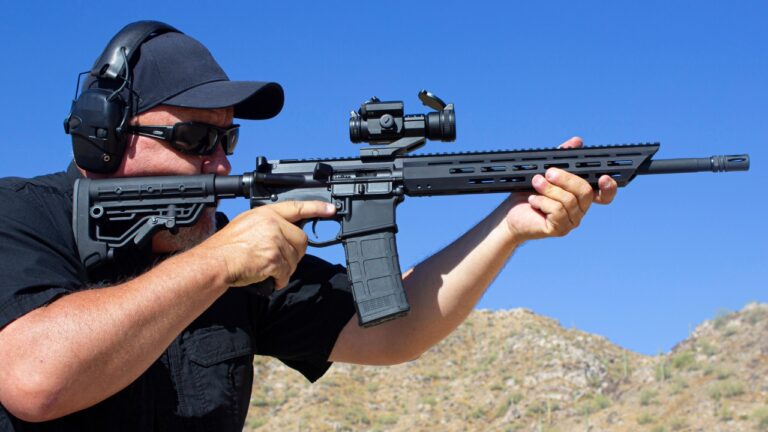
Hunters who use it often point out how it performs better on meat retention than hot 6.5s or .243s. Instead of shockwaves tearing through tissue, you get a simple in-and-out with a clear blood trail. It’s highly effective in AR platforms, giving semi-auto hunters a hard-hitting, controlled option. For whitetail-sized game, it’s arguably one of the most practical straight-wall choices out there. The .450 Bushmaster shows that big-bore doesn’t have to mean destructive—it means efficient, reliable performance where every pound of meat still makes it to the freezer.
.50 Beowulf

The .50 Beowulf was never meant to be subtle, but it’s more controlled than you might expect. Firing massive bullets at modest velocities, it crushes through bone and tissue without the violent fragmentation seen in high-velocity cartridges. That translates to anchored deer and hogs with far less meat loss than its size suggests.
Hunters who’ve carried it in thick brush know the round’s reputation for quick kills. A shoulder hit won’t explode into wasted venison—it will punch through with a clean channel. The slower speed is what saves your meat, and the bullet weight ensures complete penetration. In AR platforms, it gives you serious firepower without the downsides of excessive tissue damage. It’s not a long-range caliber, but in the woods or in close-range setups, the .50 Beowulf is one of the most effective ways to hit hard while still respecting the meat you worked so hard to put on the ground.
.450 Marlin

The .450 Marlin was built to give .45-70 performance without concerns about mixing hot loads in older rifles. Ballistically, it’s in the same league, sending heavy bullets with authority. Because velocity is controlled, expansion is measured, and that’s exactly why it doesn’t tear up venison.
Hunters appreciate how it mirrors the .45-70 in efficiency, with deep penetration and clean exit wounds. It’s not flashy, but it gets the job done with minimal waste. In fact, if you’re shooting modern lever-actions and want guaranteed big-bore performance without worrying about loading compatibility, the .450 Marlin is a straightforward choice. It’s not as common as its parent, but it delivers the same practical benefit: lots of knockdown power and minimal destruction of edible meat. In heavy timber or close quarters, it excels at providing quick, ethical kills without leaving you disappointed at the butcher table.
.458 SOCOM
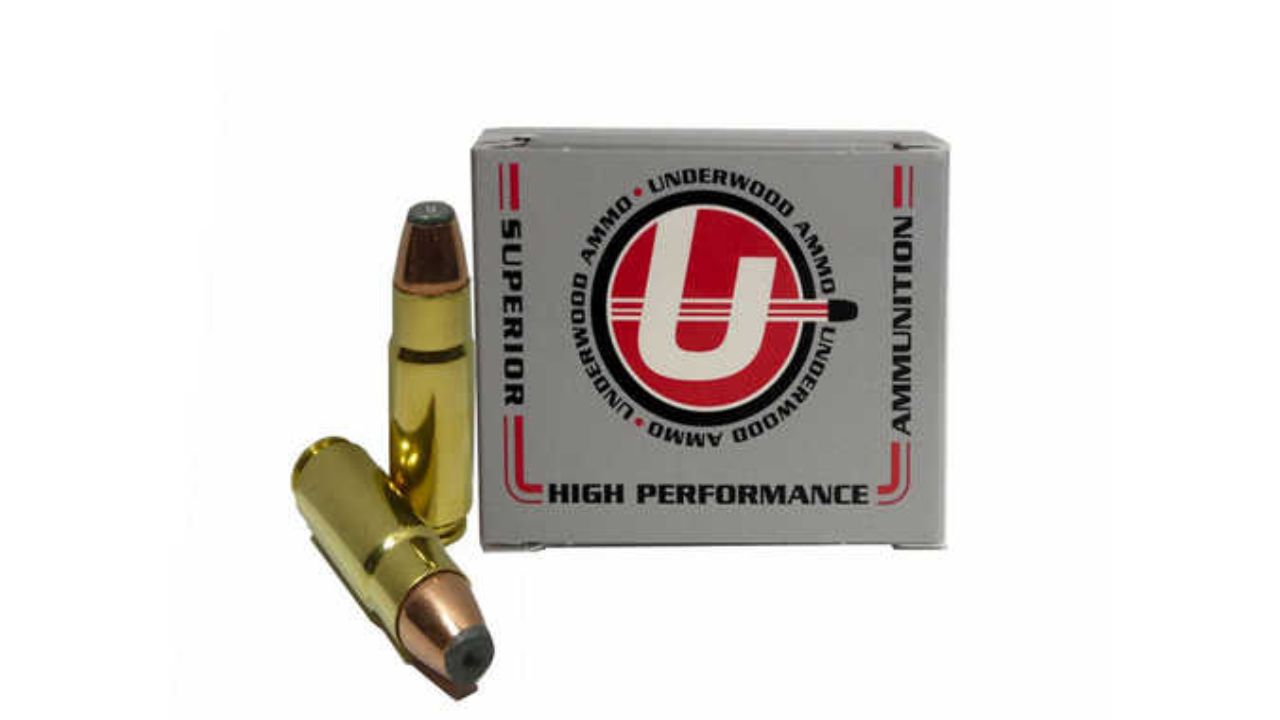
The .458 SOCOM was designed for the AR platform to provide bigger punch at moderate ranges, and it has gained traction among hunters for exactly that reason. Heavy bullets, often between 250 and 500 grains, move at modest speeds, creating reliable wound channels that don’t shred meat the way faster cartridges do.
It’s ideal for deer in thick cover, where shots are inside 200 yards. Expansion is controlled, and penetration is excellent, ensuring quick kills with minimal meat loss. Many hunters are surprised at how much cleaner it performs compared to smaller calibers pushed at extreme speeds. In terms of efficiency, the .458 SOCOM combines the familiarity of the AR with the practicality of a heavy hitter that respects venison. If you want to use your modern sporting rifle but don’t want to deal with bloodshot shoulders, this cartridge offers exactly the balance you’re after.
.375 Winchester
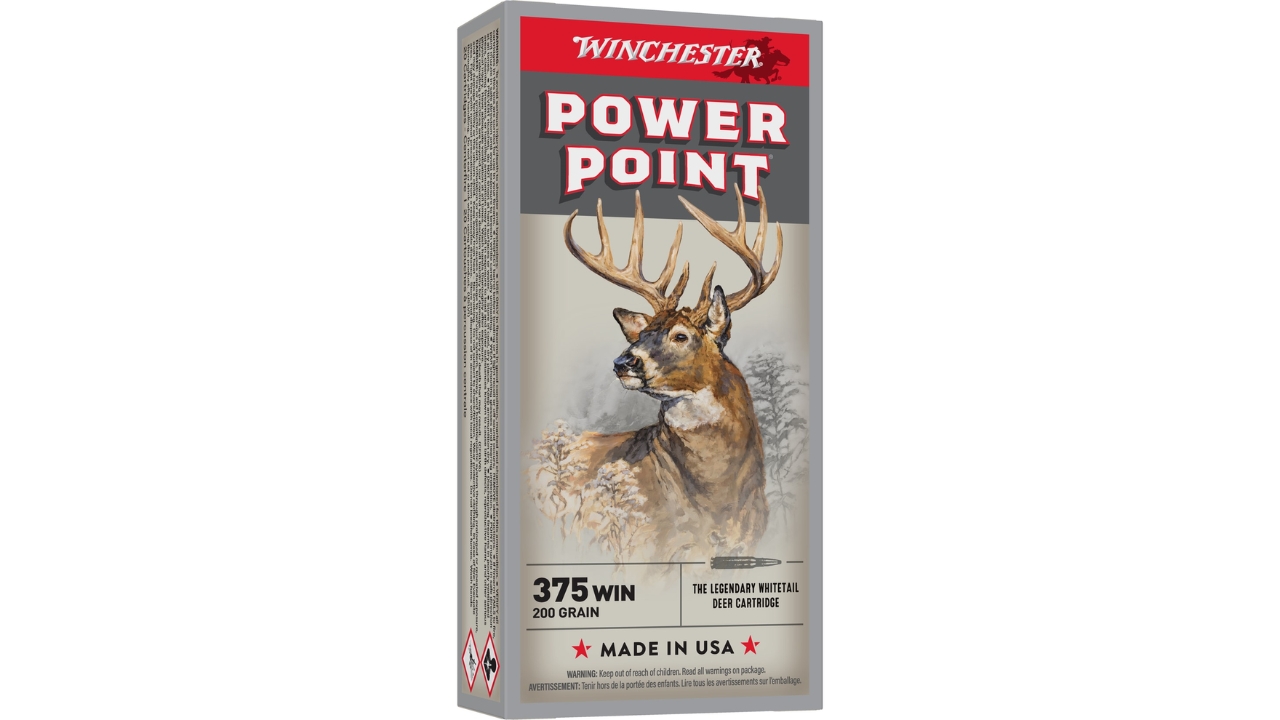
The .375 Winchester brought new life to the old .38-55 concept, and it works exceptionally well in lever-action rifles. With 200–250 grain bullets at moderate speeds, it hits with authority but doesn’t create the kind of hydrostatic shock that wastes meat. Expansion is steady, and exits are clean.
In the deer woods, the .375 Winchester gives you a noticeable step up from the .30-30 without pushing into overkill territory. It handles brush well, and deer rarely run far after being hit. Hunters often comment on how shoulders and ribs stay intact, which is a refreshing change compared to faster calibers that can bloodshot an entire quarter. While it’s not the most common round, it’s one of those big-bores that simply works without causing headaches at the butcher block. If you’re looking for balance in a lever-action platform, the .375 Winchester delivers it.
.405 Winchester
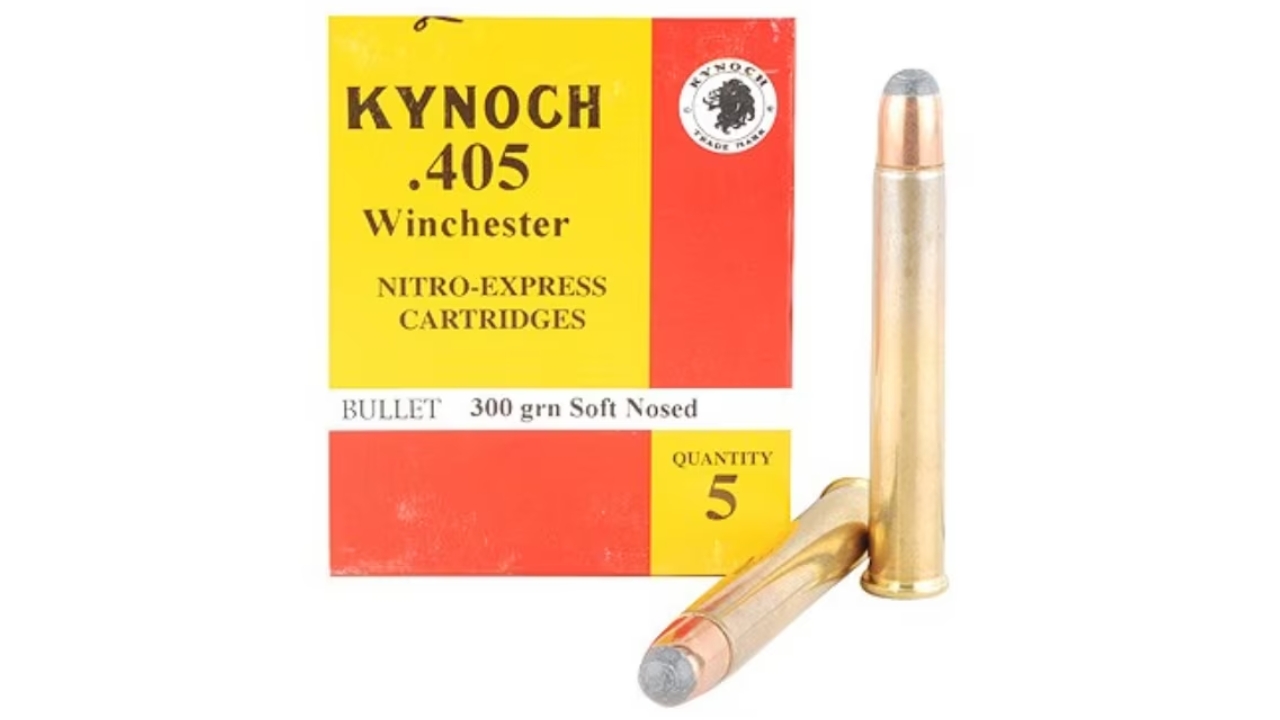
The .405 Winchester has been around since the early 1900s and earned a reputation as one of Teddy Roosevelt’s favorites. It was designed as a heavy hitter for lever-actions, and it still holds up today. With big, slow bullets, it punches through with authority while leaving clean wound channels.
Hunters who use the .405 often notice that despite its size, it doesn’t destroy venison like smaller, faster rounds can. The controlled velocity is what keeps the damage contained. In brush country or timber, it’s a reliable option for anchoring deer quickly and efficiently. While it’s more commonly remembered for larger game, it works remarkably well on whitetails too. If you want a caliber with historical pedigree that still puts meat on the table without waste, the .405 Winchester has the balance you’re after. It’s proof that older designs sometimes offer the cleanest kills.
.50-90 Sharps
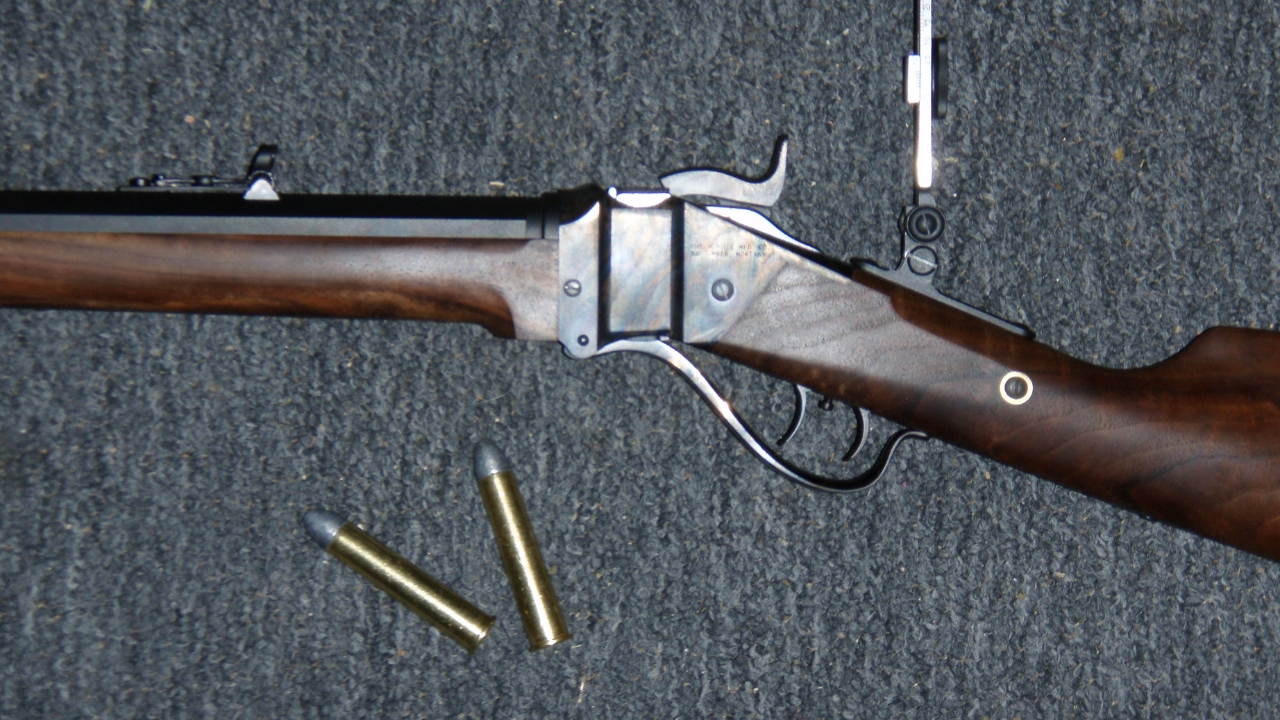
The .50-90 Sharps is an old buffalo cartridge that still has surprising relevance for hunters who like traditional rifles. Sending massive bullets at modest speeds, it offers tremendous penetration without explosive tissue damage. On deer, it’s almost surgical in how it works: big entry, big exit, but everything in between is a clean channel.
While it’s far from common, it’s respected among black powder and single-shot enthusiasts. Meat damage is minimal because velocity never pushes into destructive ranges. The sheer weight of the bullet ensures quick kills, and the large exit hole leaves a clear blood trail. It’s not a round for long-range modern setups, but in closer hunting environments, it hits hard without ruining what you came for. If you’re drawn to historical calibers that still work in practical ways, the .50-90 Sharps remains one of the most effective big-bores for clean, ethical hunting.
.348 Winchester

The .348 Winchester was introduced for the Model 71 lever-action, and while it never became mainstream, it earned a reputation as a dependable big-bore hunting round. With heavy bullets designed for controlled expansion, it drops deer effectively without turning shoulders into soup.
The moderate velocity is key. It doesn’t push bullets fast enough to fragment, and penetration is excellent. Hunters who’ve carried the .348 often talk about how deer rarely travel far, and the meat comes out intact. It’s a round that strikes a balance between power and control, making it highly effective in the woods. While it’s not widely available today, it’s still respected by those who’ve seen what it can do. If you find yourself with a Model 71 or a box of .348 Winchester ammo, you’re holding onto one of the better big-bores for efficiency in both clean kills and clean meat.
.375 H&H Magnum

The .375 H&H Magnum might seem like overkill for deer, but surprisingly, it’s gentler on venison than many smaller calibers. Heavy, controlled-expansion bullets move slower than high-velocity hunting rounds, so they don’t fragment and cause massive bloodshot damage. Instead, they plow through with reliable wound channels.
Hunters who use it for deer often remark how little waste they see compared to .270s or .300 Mags. The .375 is designed for penetration and reliability on thick-skinned animals, and that translates to efficiency on deer. You get a quick kill, an obvious blood trail, and shoulders that remain intact. It’s a caliber you probably wouldn’t buy solely for deer, but if you already own one for bigger game, you’ll be surprised how respectful it is to meat. The .375 H&H proves that bigger can sometimes mean cleaner when it comes to filling the freezer.
.458 Winchester Magnum
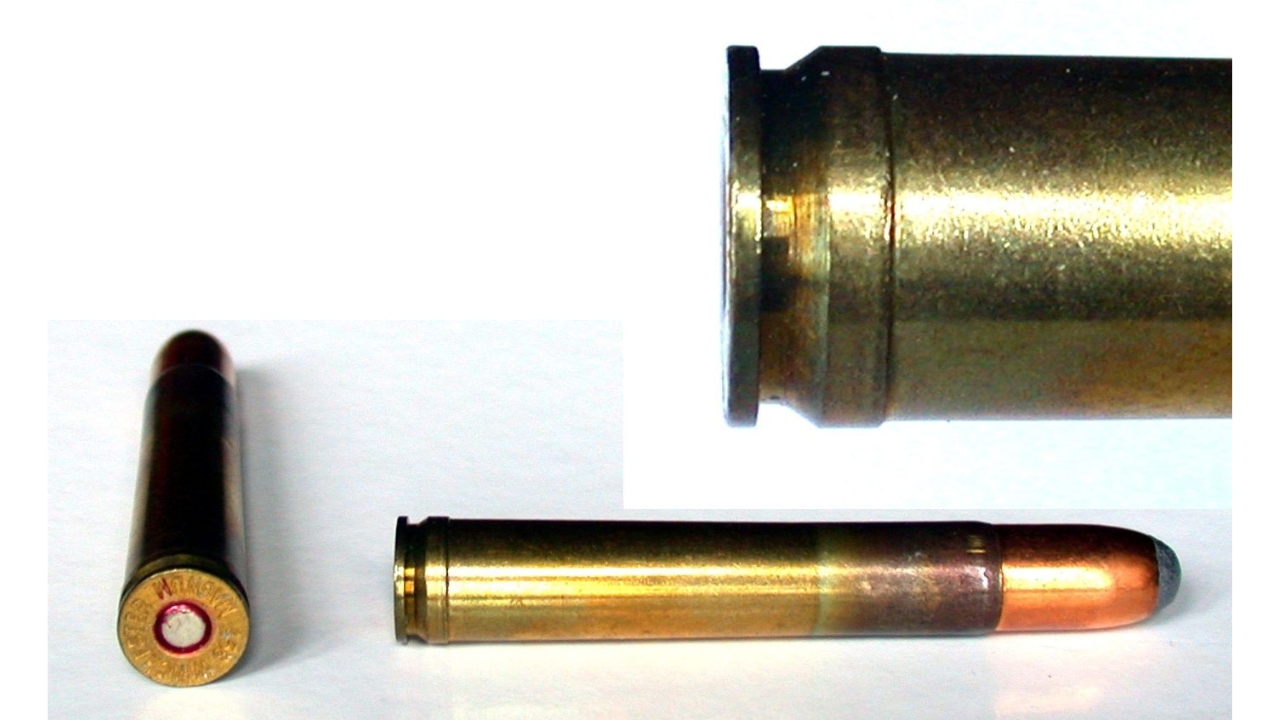
The .458 Winchester Magnum is built for dangerous game, but when loaded with appropriate bullets, it’s surprisingly deer-friendly. Heavy projectiles at modest velocities don’t explode tissue the way smaller, fast rounds do. Expansion is deliberate, and exits are consistent, leaving most of the meat untouched.
In practice, it’s far more efficient than its size suggests. If you’re using soft points designed for expansion at deer velocities, you’ll see quick kills without excessive damage. Many hunters are shocked at how much cleaner the meat looks compared to smaller calibers running at blistering speeds. While you probably wouldn’t choose the .458 as a dedicated deer rifle, it shows how bullet construction and velocity matter more than sheer size. Used properly, it’s one of those big-bore calibers that anchors game with authority and leaves you with more venison than you might expect.
.416 Rigby

The .416 Rigby is another cartridge designed for dangerous game, but it shares the same traits that make other big bores surprisingly gentle on venison. With heavy bullets moving at steady speeds, it doesn’t create hydrostatic shock that bloodshots meat. Instead, it gives deep penetration with clean exits.
Hunters who’ve used it on deer report very little waste, despite the cartridge’s intimidating reputation. It’s more controlled than people assume, and when paired with expanding bullets, it’s incredibly effective. While it’s obviously not a round you’d buy strictly for whitetails, the principle it demonstrates is clear: slow, heavy bullets are more forgiving on meat than lighter, faster ones. The .416 Rigby has its roots in African hunting, but its performance on deer proves the point that sometimes more bore and less speed is the cleaner choice. It’s not common, but it’s undeniably effective.
*This article was developed with AI-powered tools and has been carefully reviewed by our editors.