Photo credit: Taylor Bambico/YouTube
You’ve probably heard someone say it’s outdated, too heavy, too limited in capacity. But the truth is, you can’t seem to get rid of the 1911—nor do you really want to. For over a century, this design has kept its footing in a world flooded with polymer pistols, and it still holds its own in the concealed carry space.
There are faster-shooting guns. Lighter guns. Cheaper guns. But there’s something about the 1911 that keeps it riding on hips and sitting on nightstands. It’s not nostalgia alone. It’s because the platform delivers in ways that matter—especially if you know what you’re doing with it. If you’ve carried one, you already know why it hasn’t gone away.
Here’s what keeps it hanging on in real-world carry setups—whether folks admit it or not.
You trust that trigger more than most things in your life
There’s nothing quite like a crisp 1911 trigger. Once you’ve felt that clean break and short reset, it’s hard to accept the spongey, hinged triggers most modern striker-fired pistols offer. You don’t have to fight it. It lets you shoot like you mean it.
That makes it easier to stay on target shot after shot, especially when things go sideways. Most folks who train with one find they’re simply faster and more accurate with it. You’re not second-guessing the pull. You’re pressing through it with control. And in a high-stress moment, that kind of confidence matters.
It still carries flatter than most double-stacks
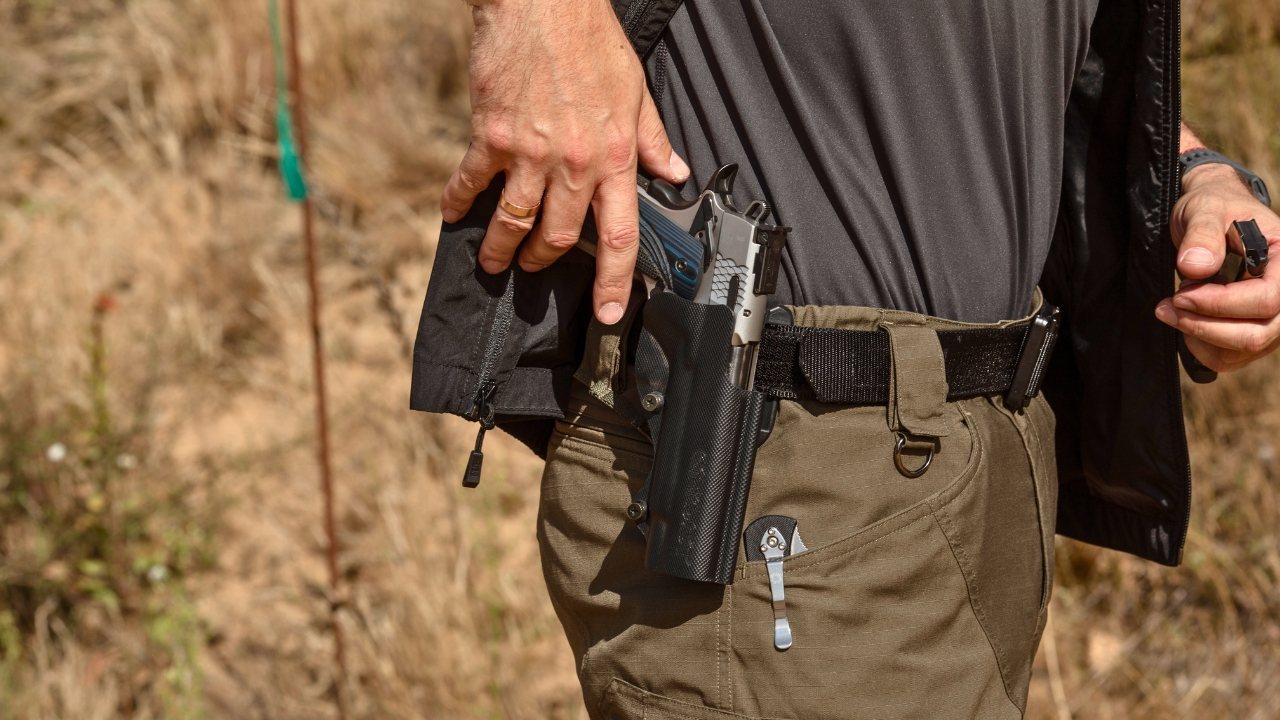
Yes, a full-size steel 1911 is heavy. No argument there. But it’s also slim—really slim—especially across the slide and frame. That makes a big difference under a T-shirt. It hugs close and doesn’t print like some chunky striker-fired pistol with a red dot and flared magwell.
For a lot of folks who carry IWB, especially at 4 o’clock, the thin frame and tall grip angle make it sit more naturally against the body. You don’t need baggy clothes to hide it. That comfort adds up fast if you’re wearing it every day.
You can find parts and holsters anywhere
Go into nearly any gun shop in America and they’ve got 1911 magazines behind the counter. Holsters on the wall. Springs, bushings, you name it. If you’re running a less common platform and something breaks or wears out, you might be waiting on shipping—or stuck improvising.
With a 1911, you’re almost never stranded. It’s been around so long that there’s a mountain of aftermarket support behind it. Whether you’re tuning it or fixing it, there’s someone local who knows how. You can’t say that about every plastic fantastic you see online.
It’s built to be carried cocked and locked
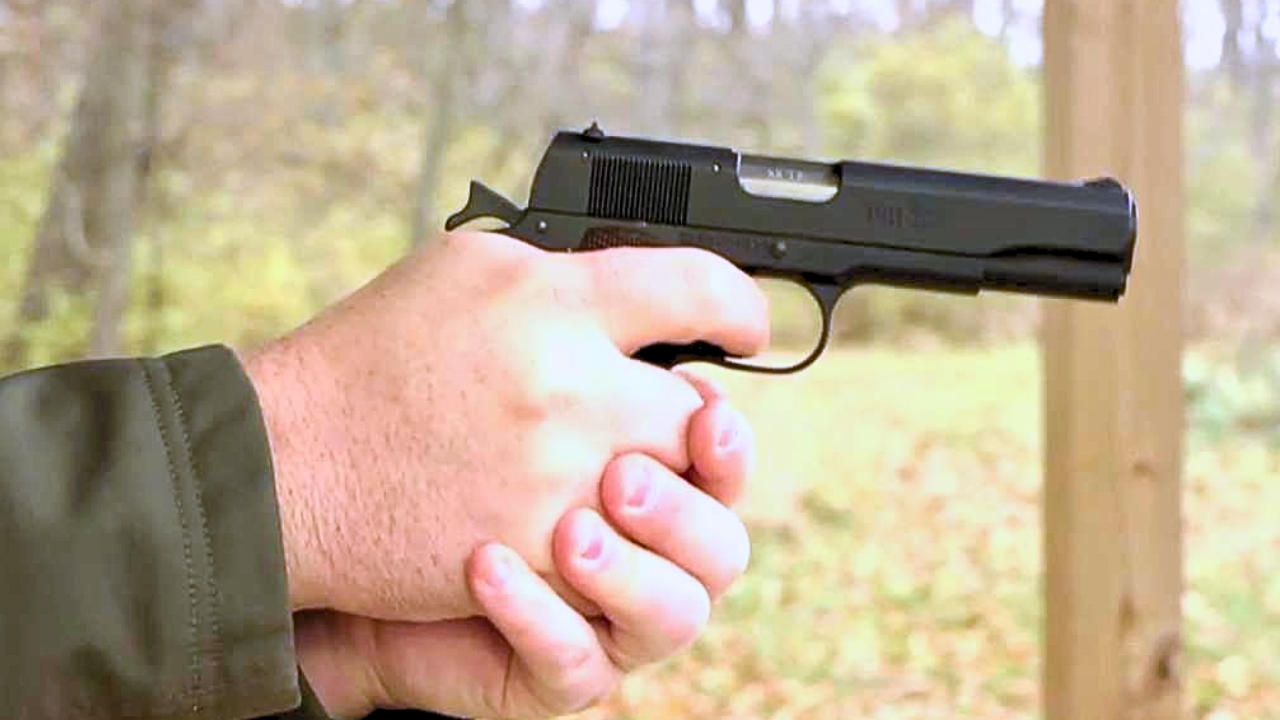
Carrying a gun in Condition One—round in the chamber, hammer back, safety on—can spook folks who don’t understand the platform. But if you’re trained up, you know that’s where the 1911 shines. That thumb safety is fast, intuitive, and built into your draw stroke.
Unlike some other safeties that get in the way, the 1911’s feels like a natural extension of your grip. Once it’s off, that short trigger does the rest. You’re not fumbling. You’re not thinking. You’re just ready. And for experienced carriers, that’s part of the appeal.
It points where you expect it to
There’s a reason the 1911 feels right in the hand—it was designed to. The grip angle, the slide height, the balance, it all comes together in a way that feels intuitive. You bring it up, and it’s already there. That matters more than folks realize.
You don’t have to force it into alignment like some of the newer designs. Even with irons, it gets on target fast. When you’ve got one that fits your hand right, it feels like it’s an extension of you. That kind of pointability isn’t something you can upgrade into another gun.
It holds its own on the range—and keeps teaching lessons
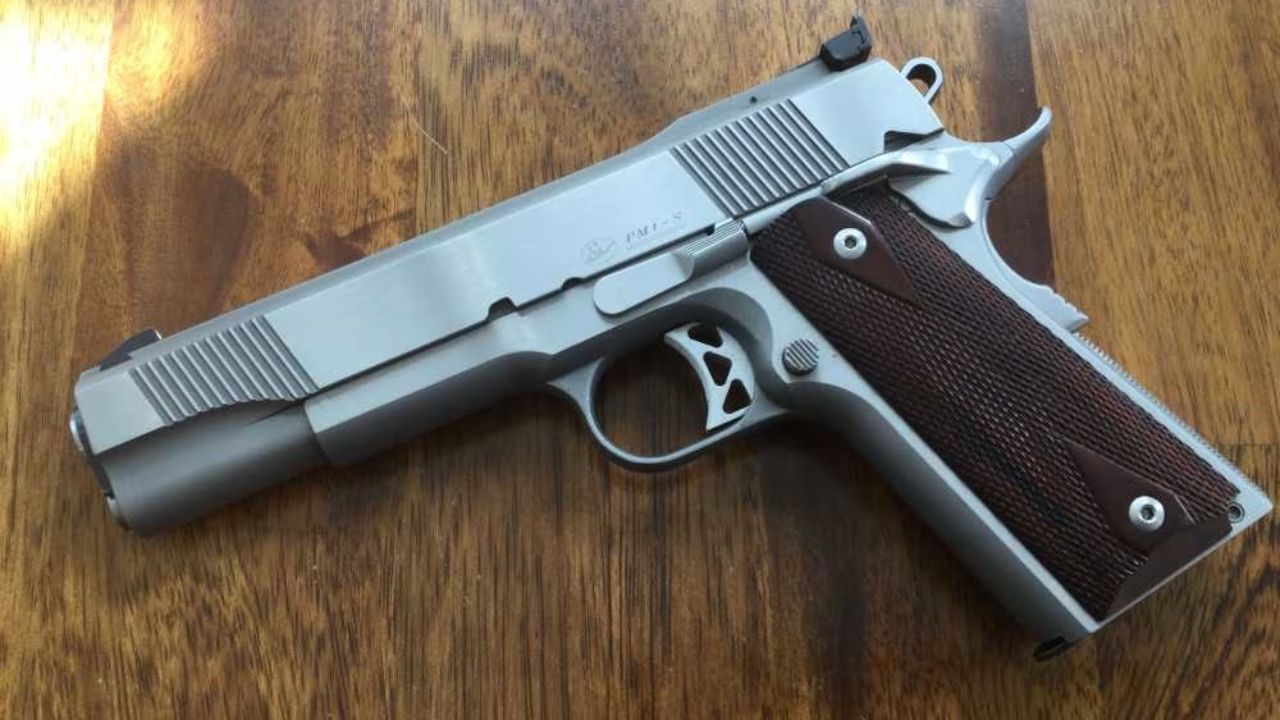
You take a 1911 to the range and it reminds you why fundamentals matter. It’s not going to cover for sloppy grip or bad trigger control. But when you run it right, it rewards you. Clean hits. Tight groups. Controlled pairs that land exactly where you sent them.
And it cycles smoother than you think, especially when it’s broken in. There’s a mechanical honesty to it. You know what it’s doing and why. For folks who really train, it becomes more than a carry gun—it’s a tool that makes you better.
Some of the best ones still cost less than a striker-fired “upgrade”
People talk about price like it’s always a strike against the 1911. But spend five minutes comparing some of the better Glocks, SIGs, or Springfields loaded with red dots and accessories. You’re in the same territory, if not higher.
Meanwhile, you can walk into a shop and pick up a solid 1911 from Springfield Armory, Ruger, or Tisas that’ll run like a champ, shoot flat, and feel right in the hand—all without paying for extras you don’t need. And once you’ve got it tuned to your liking, it’ll last longer than most of the stuff marketed to replace it.
Like The Avid Outdoorsman’s content? Subscribe to our newsletter so you never miss an article.
Here’s more from us:
*This article was developed with AI-powered tools and has been carefully reviewed by our editors.