Photo credit: LeverBoy/YouTube
Trading a gun for something newer always feels logical in the moment. The new one has better capacity, lighter weight, an optics cut, a threaded barrel, a cleaner stock, or a brand name everyone is suddenly talking about. It feels like progress.
Then the new gun settles in and the regret starts. The old one carried better, shot better, felt better, or had a quality that newer guns did not quite replace. These are the firearms people often regret trading once they realize newer did not automatically mean better.
Smith & Wesson Model 3913
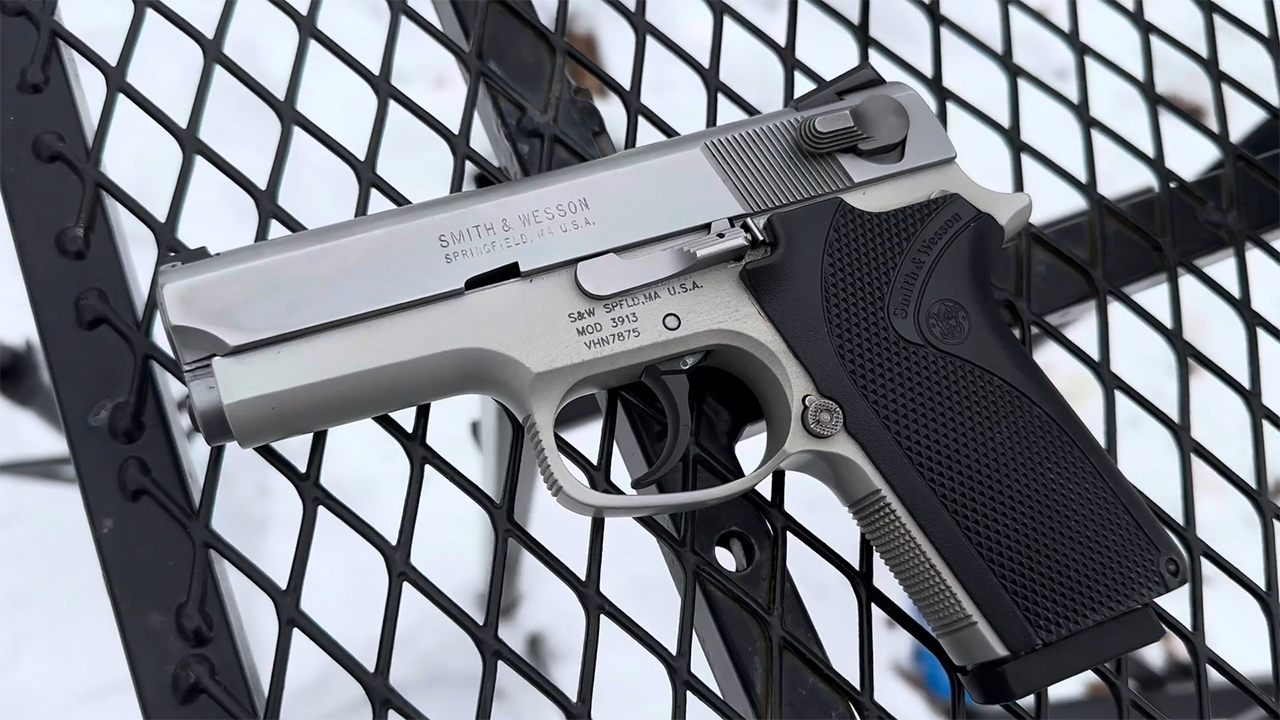
The Smith & Wesson 3913 is one of those pistols people did not appreciate enough until slim carry guns became mostly plastic. It was thin, smooth, reliable, and built with a level of refinement that many newer compact pistols do not have. A lot of owners traded them away because modern micro 9mms offered more rounds in a smaller package.
That made sense on paper, but the 3913 had something newer guns often lack. It carried flat, shot softly for its size, and felt like a real piece of machinery instead of a disposable carry tool. Once someone trades a clean 3913, replacing it is not as easy as walking into a store and grabbing another.
Ruger P89

The Ruger P89 looked clunky next to newer striker-fired pistols, so a lot of owners let them go without much thought. It was big, blocky, and not especially graceful. When lighter polymer pistols became the standard, the P89 suddenly felt old.
Then people remembered what they gave up. The P89 was rugged, reliable, and built like it expected to be used hard. It was not fancy, but it ran. Owners who traded one for a sleeker pistol often miss the old Ruger’s tank-like confidence, especially when they realize how hard it is to find that kind of overbuilt budget pistol now.
Beretta PX4 Storm Compact

The Beretta PX4 Storm Compact is easy to underrate until it is gone. It never looked as clean as a 92FS or as popular as a Glock 19. The rotating barrel system seemed odd to some buyers, and the styling turned off people who wanted something more traditional.
But people who actually shot the PX4 Compact often learned how soft and controllable it was. Many traded them for newer optic-ready pistols or slimmer carry guns, then realized the Beretta shot flatter and felt smoother than expected. It is one of those pistols that looks replaceable until you try to replace the way it shoots.
CZ P-01
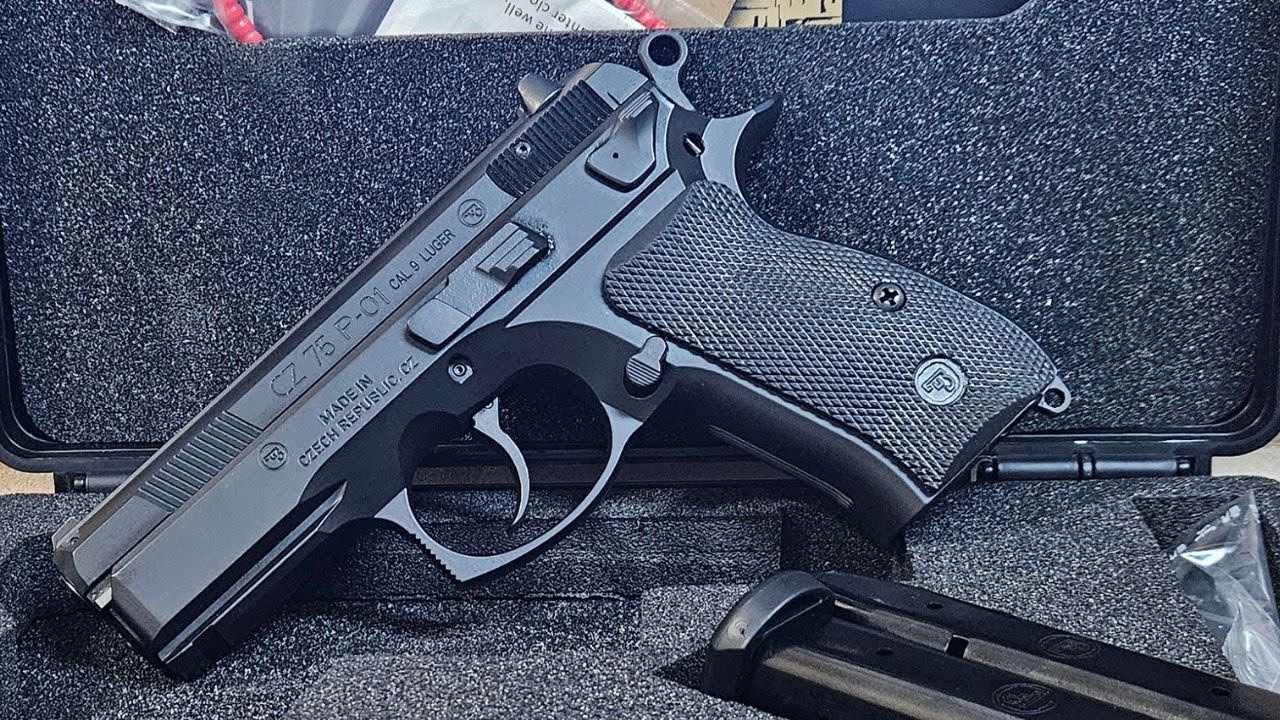
The CZ P-01 gets traded when owners convince themselves they need a lighter polymer carry gun. The P-01 is not the lightest compact pistol, and the DA/SA trigger system takes more learning than a basic striker-fired setup. That makes it an easy target when someone wants to simplify.
Regret comes after they remember how well the P-01 balances. The alloy frame, low bore axis, and excellent grip shape make it shoot like a bigger pistol. A newer gun may carry easier, but few compact pistols feel as planted. Owners who sell one often end up trying to buy another later.
Walther PPS M1
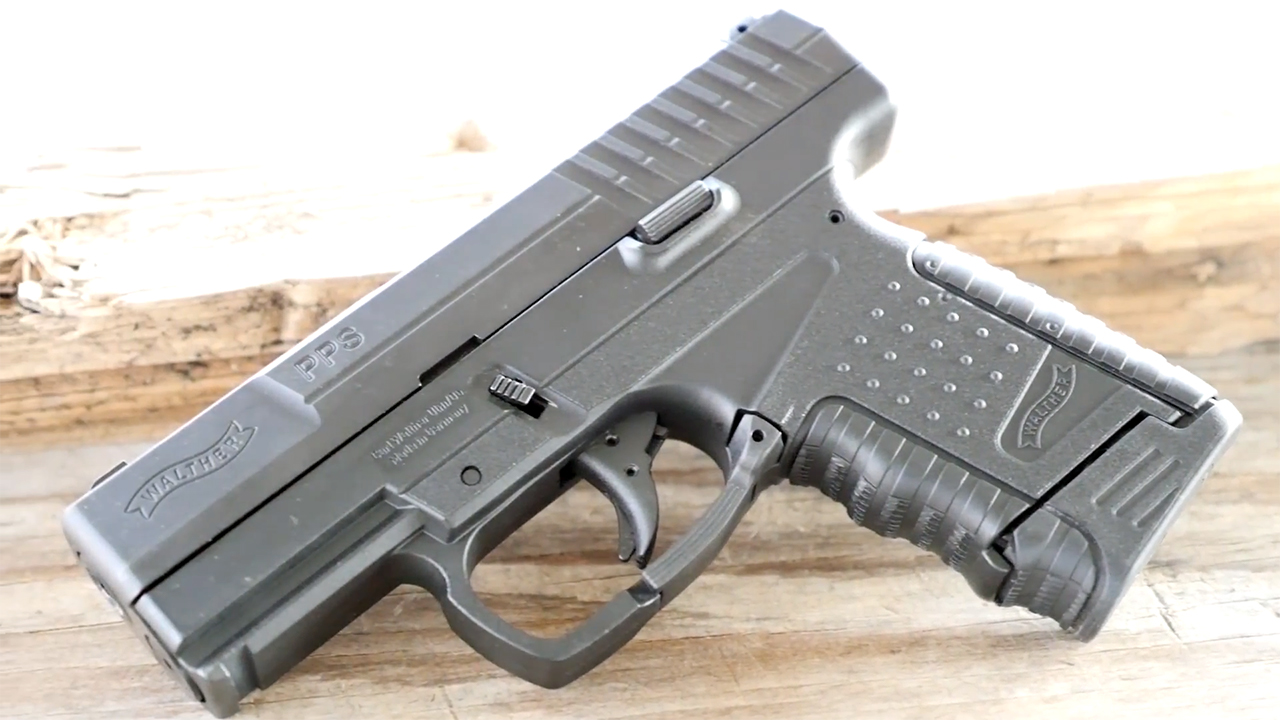
The Walther PPS M1 got pushed aside when higher-capacity micro-compacts took over. That is understandable. A slim single-stack 9mm with paddle-style magazine release does not look as appealing next to a pistol holding twice as many rounds.
Still, plenty of owners regret trading it. The PPS M1 was thin, accurate, and better built than many people expected. It had a clean carry profile and a serious feel. Newer micro-compacts may beat it on capacity, but not always on shootability or confidence. Sometimes the older single-stack just carried better.
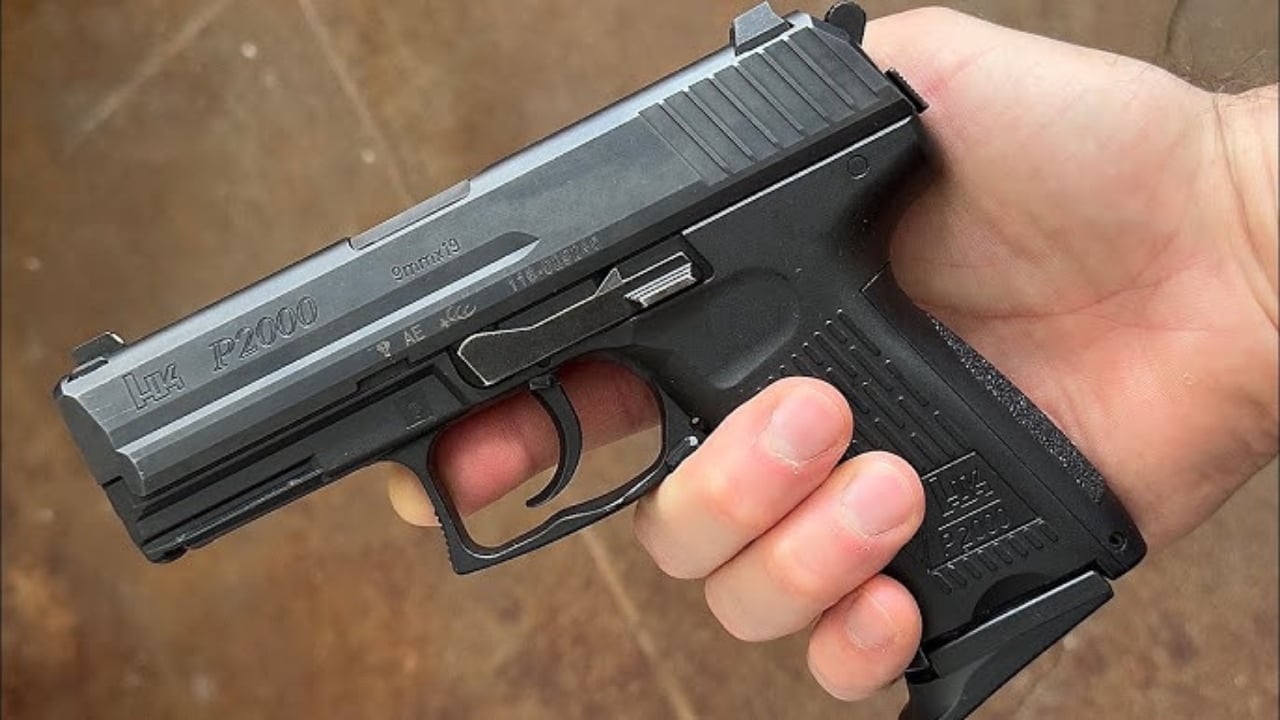
Heckler & Koch P2000
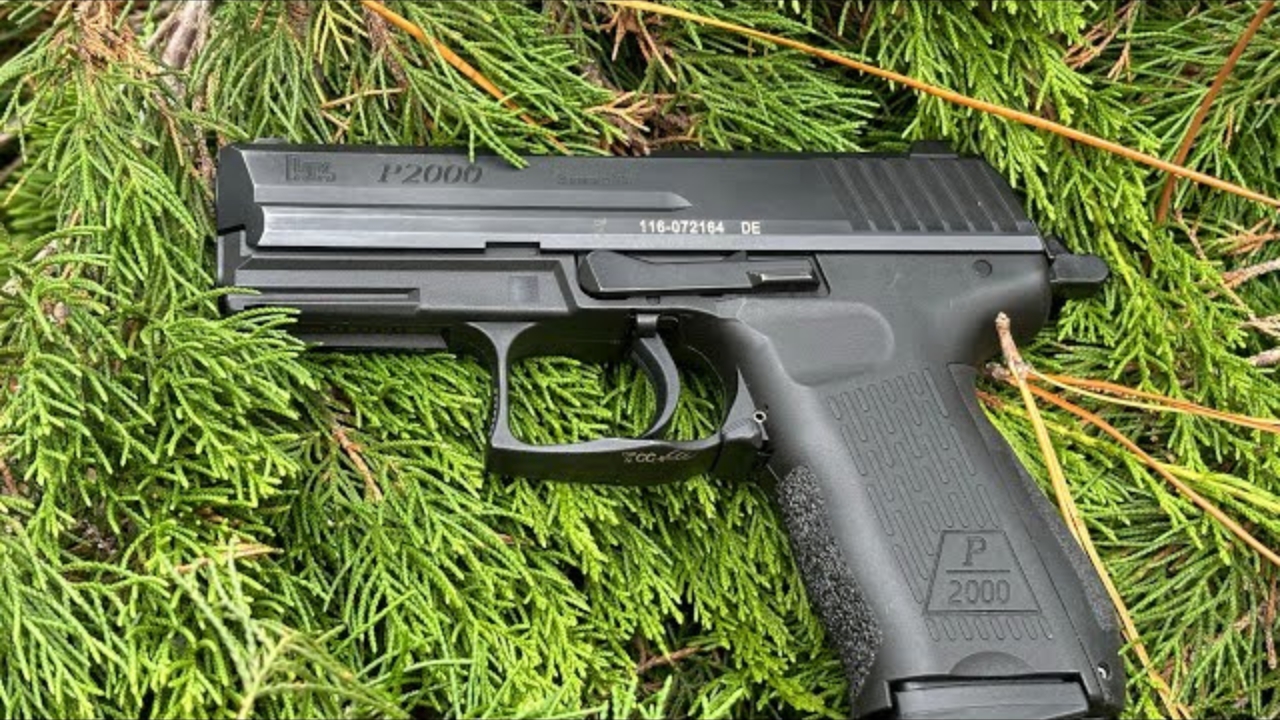
The HK P2000 never had the same attention as the USP, VP9, or P30, which made it easier for owners to trade away. It looked plain, cost more than many competitors, and did not chase trends. When newer optics-ready pistols came along, the P2000 started to feel outdated.
But it was also a tough, compact, reliable pistol with real service-gun roots. The grip was manageable, the build quality was strong, and the gun had the kind of durability people expect from HK. Owners who traded one for something flashier often realized they gave up a pistol that was boring in the best possible way.
Smith & Wesson Model 5906
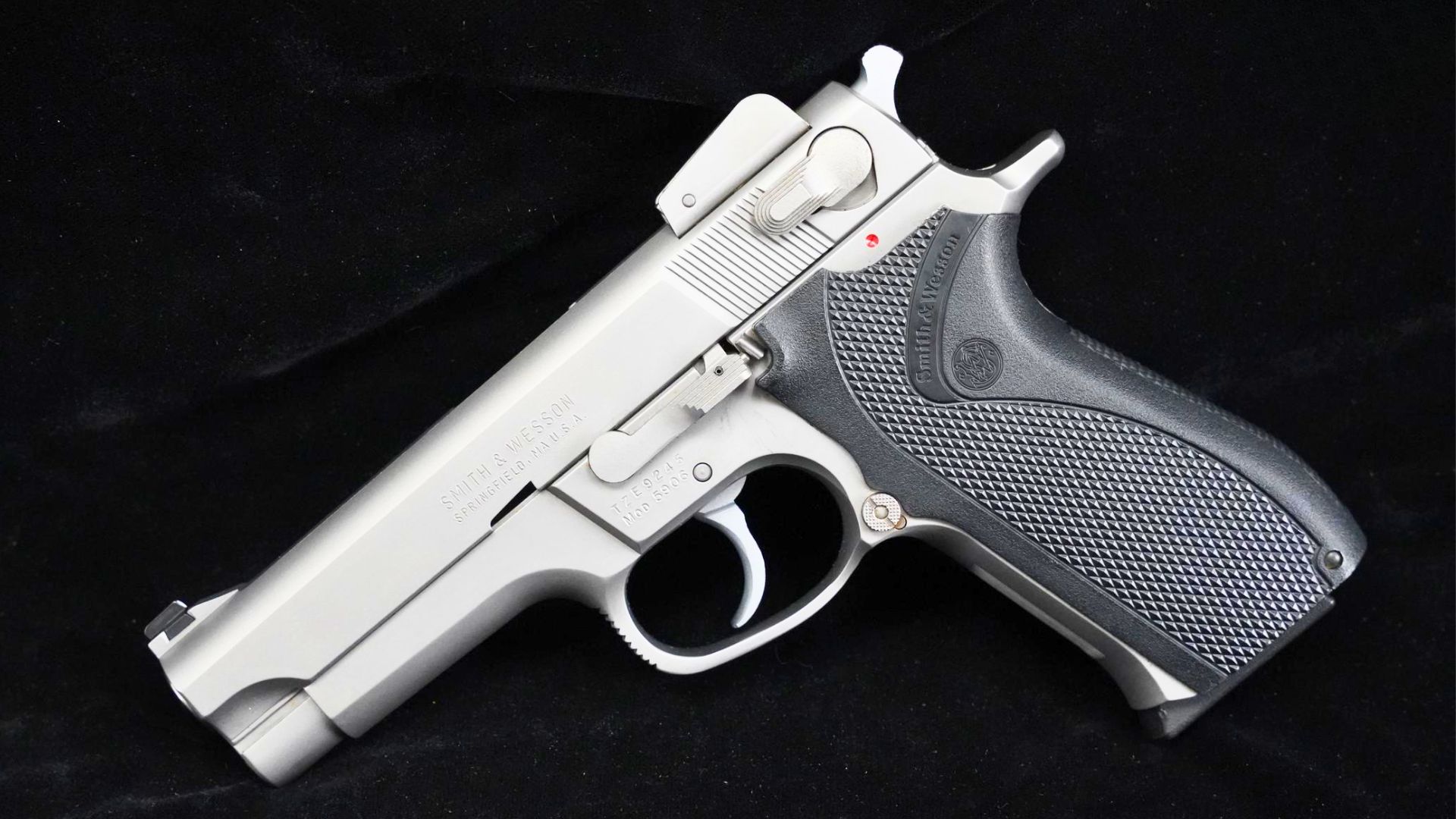
The Smith & Wesson 5906 used to be treated like just another heavy old police gun. A lot of people traded them for polymer pistols because the 5906 was big, stainless, and heavy. It did not fit the modern carry trend at all.
Now those old third-generation Smith autos look a lot smarter. The 5906 is durable, accurate, and built with a kind of all-metal confidence that newer budget pistols cannot fake. It may not be the easiest gun to carry, but as a range, home-defense, or collection pistol, it is one many people wish they had kept.
SIG Sauer SP2022
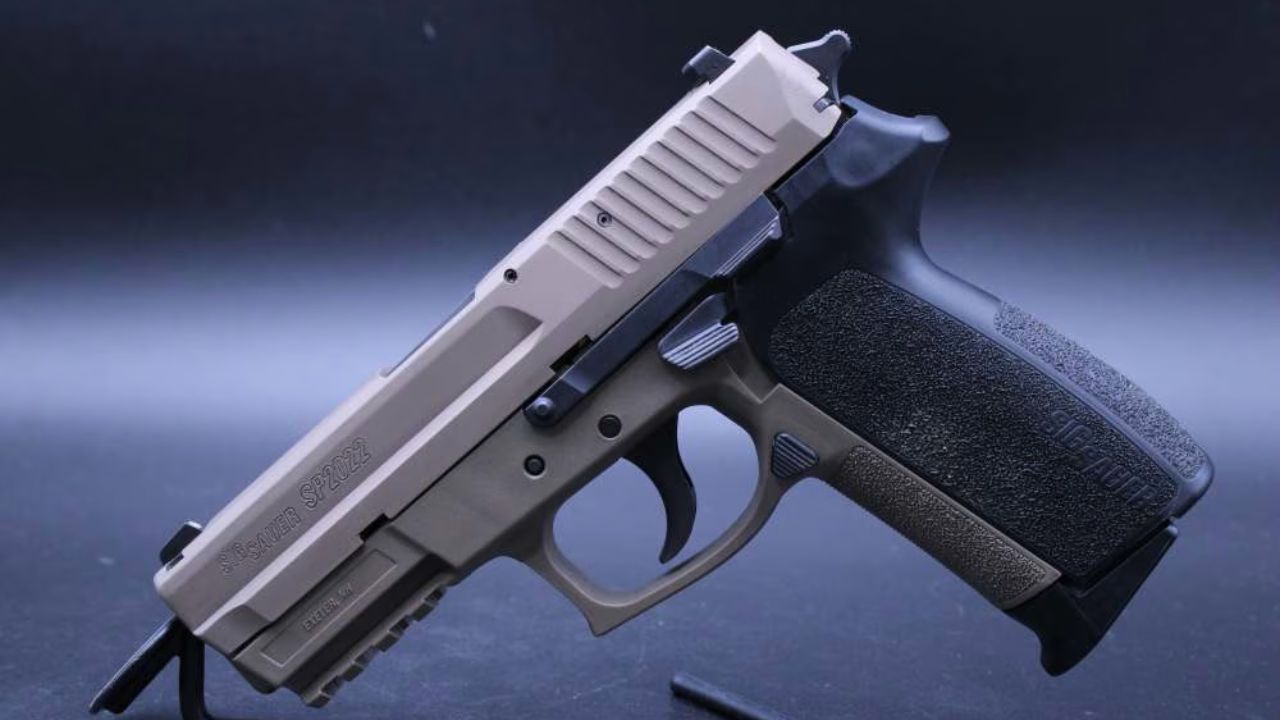
The SIG SP2022 was easy to dismiss because it was the cheaper polymer SIG. Owners sometimes traded them toward P320s, P365s, or metal-frame SIGs because the SP2022 did not feel prestigious. It was affordable and plain, which made people overlook it.
That was a mistake for a lot of shooters. The SP2022 had a good trigger system, solid reliability, and real SIG character at a lower price. It was not glamorous, but it worked. People who traded one often realize later that they gave up one of the best values SIG ever sold.
Ruger SR9c
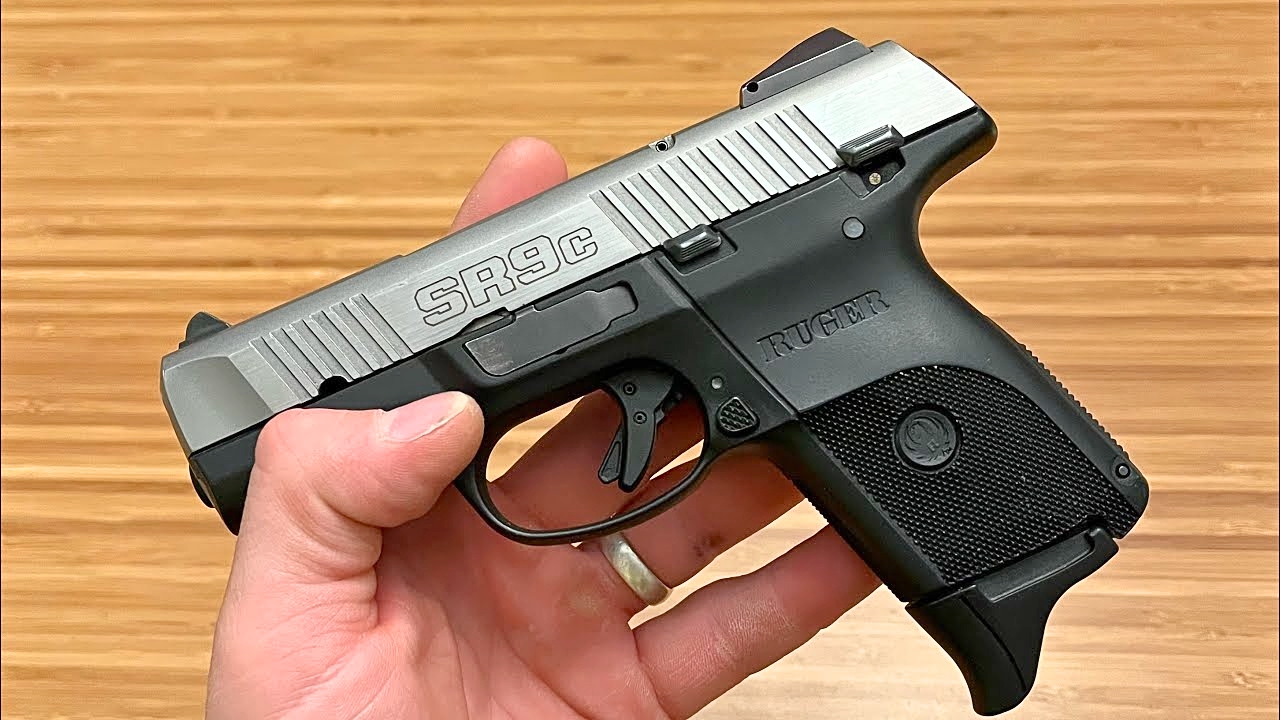
The Ruger SR9c was a strong carry pistol before the current micro-compact wave took over. It gave shooters a slim grip, decent capacity, and Ruger dependability in a compact package. Then newer guns came along with optic cuts, better triggers, and smaller footprints.
A lot of owners moved on, but some ended up missing the SR9c. It had a practical size, good handling, and a feel that was more comfortable than its plain looks suggested. It may not be trendy now, but it was one of those pistols that quietly did the job.
Browning BDM
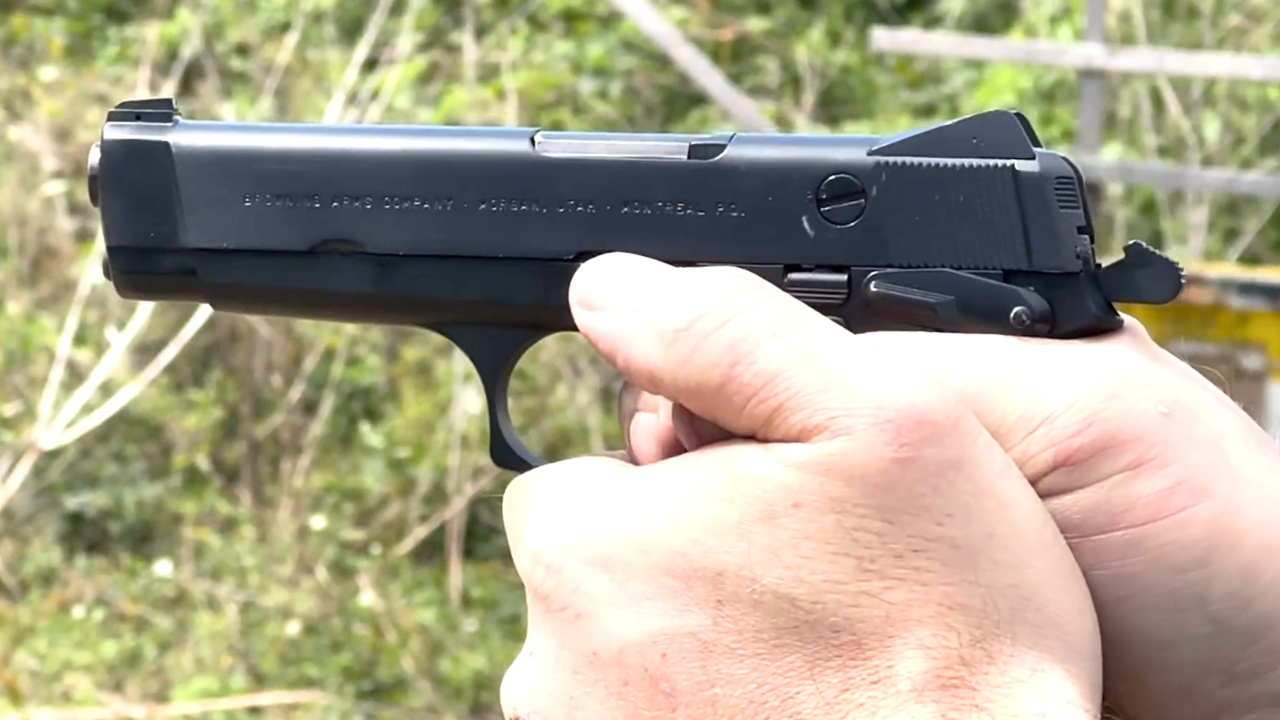
The Browning BDM is exactly the kind of pistol people regret trading because it seemed odd instead of valuable. It had a slim grip for a double-stack 9mm, unusual controls, and a different feel from the more common service pistols of its era. That made it easy to pass along when something newer came out.
Now it is harder to replace, and people who liked it realize how unique it was. The BDM was thin, interesting, and more refined than many remember. It did not become a mainstream legend, but that is part of why trading one away can sting later.
Remington 7600
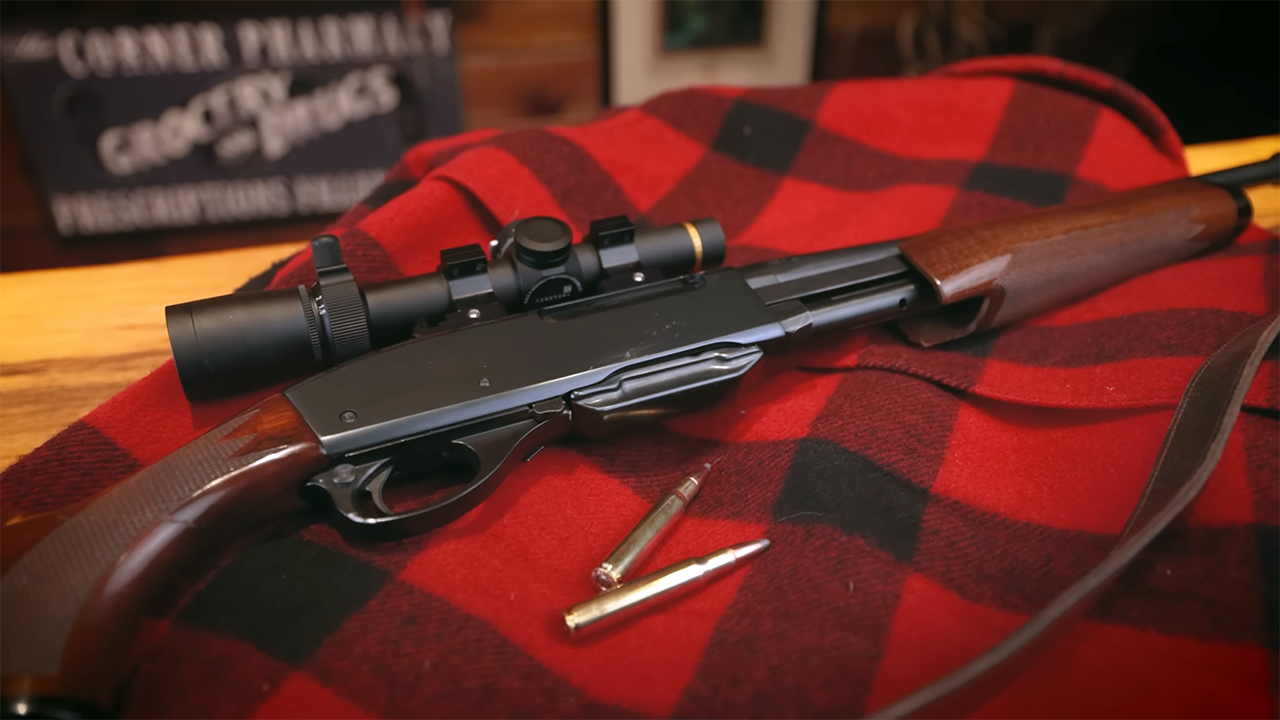
The Remington 7600 pump rifle got overlooked by hunters who wanted bolt-action rifles or semi-autos. It looked old-fashioned, and pump rifles were never as fashionable as lever guns or sleek bolt guns. A lot of owners traded them when they wanted something more modern.
Then they remembered how fast and practical the 7600 was in the deer woods. In chamberings like .30-06, .270, .308, and .35 Whelen, it gave hunters quick follow-up shots with real rifle power. For thick timber and fast-moving whitetails, it still makes sense. Newer rifles do not always replace that.
Winchester Model 88

The Winchester Model 88 is one of those rifles people did not realize they would miss until prices started climbing. It gave hunters lever-action handling with stronger modern chamberings and a box magazine. It was never as common as simpler deer rifles, which made it easier to overlook.
Trading one for a standard bolt gun may have seemed practical at the time. But the Model 88 had its own lane. It was sleek, handy, and chambered for rounds like .308 Winchester and .243 Winchester. Owners who let one go often realize later that the replacement rifle may be newer, but it is not nearly as interesting.
Ruger Model 77 RSI
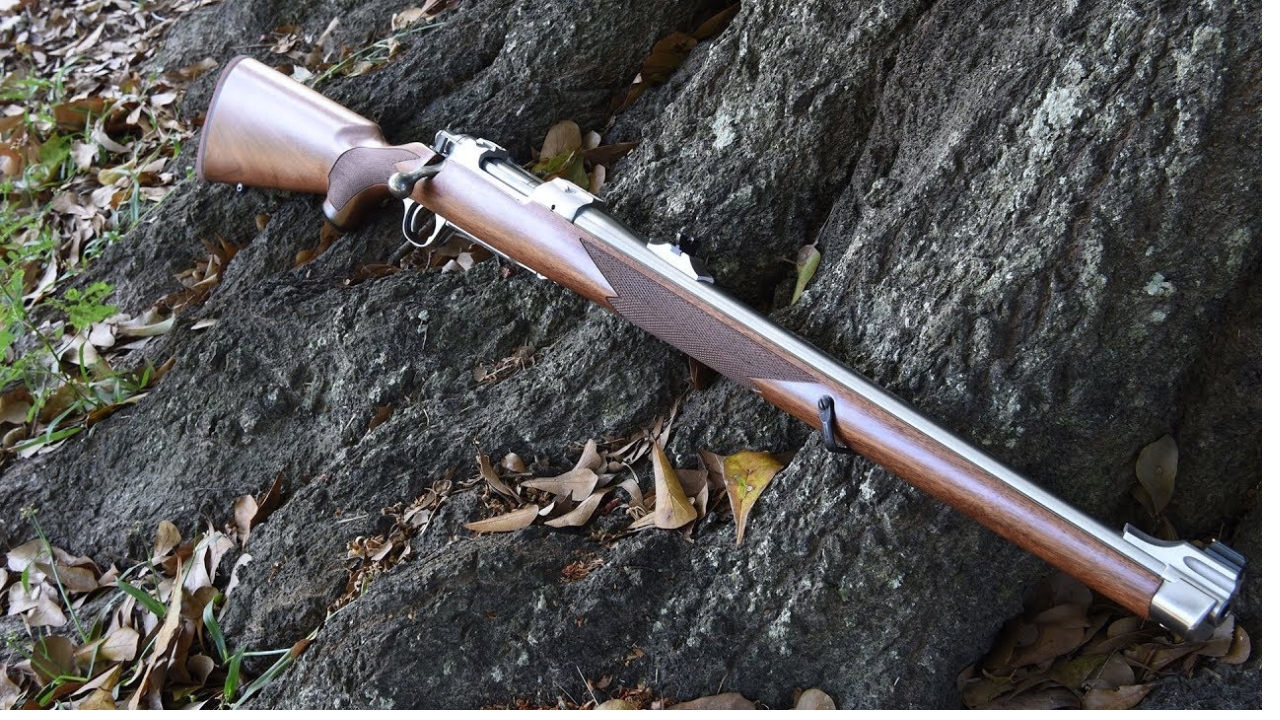
The Ruger Model 77 RSI with the full-length Mannlicher-style stock is the kind of rifle people trade because it seems too specific or old-fashioned. Then they realize rifles with that kind of character are not easy to replace. It carried well, looked distinct, and felt like something different from the average synthetic-stock bolt gun.
A newer lightweight rifle may shoot well and weigh less, but it probably does not have the same personality. The RSI was a hunting rifle with style and usefulness. Once one leaves the safe, finding another clean example in the chambering you want can be frustrating.
Savage Model 24
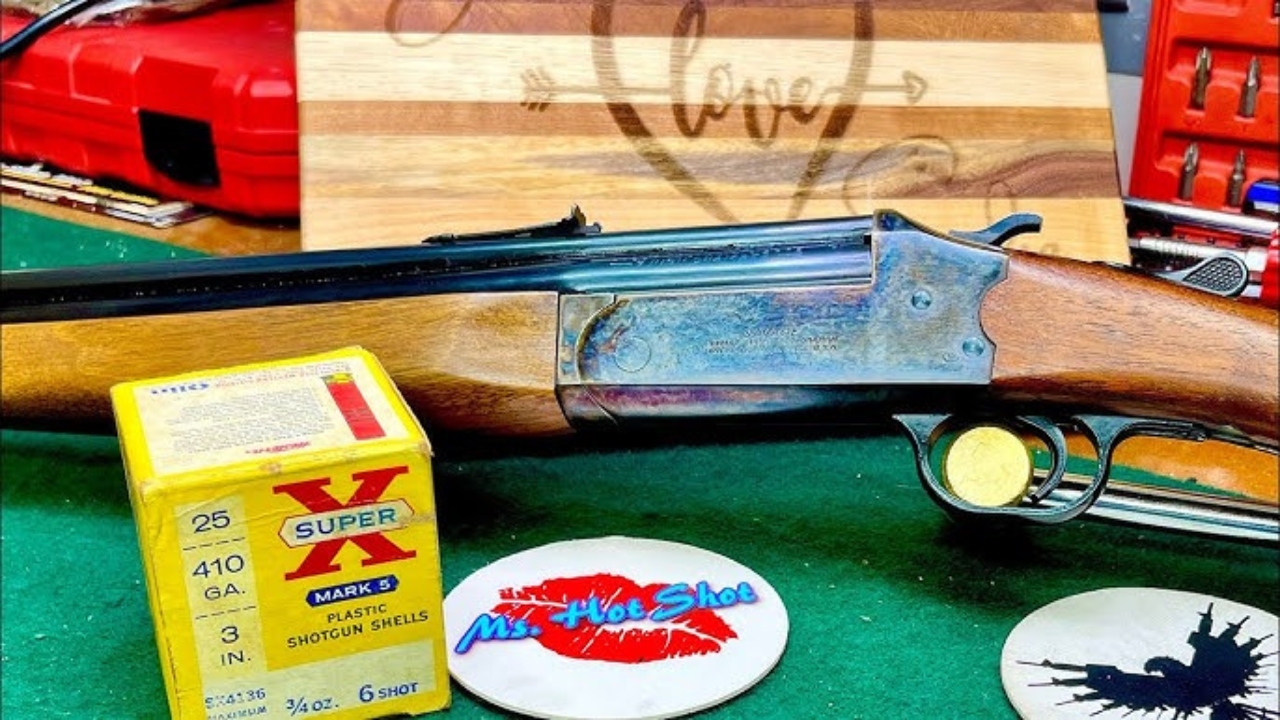
The Savage Model 24 is often regretted because it looked too plain to appreciate at the time. A rifle barrel over a shotgun barrel seemed useful, but not exciting. Some owners traded them toward more modern rimfires, shotguns, or compact rifles.
Then they realized nothing really replaced it. A .22 over .410, .22 Magnum over 20 gauge, or similar combo gun is perfect for small game, pests, camp use, and wandering around property. It was not fancy, but it solved a real problem. That is exactly the kind of gun people miss after it is gone.
Thompson/Center Encore

The Thompson/Center Encore was easy to trade when someone got tired of the single-shot system. New bolt guns, ARs, and modern hunting rifles seemed simpler. But the Encore’s strength was never speed. It was flexibility.
One frame could become a muzzleloader, rifle, pistol, or shotgun-style setup with the right barrels. Hunters who traded one away often miss that modularity later. It was especially useful for people who liked experimenting with calibers or hunting different seasons. Newer rifles may be more conventional, but they do not replace what the Encore system offered.
Browning BAR Safari

The Browning BAR Safari is one hunters often regret trading because modern rifles made it seem heavy and outdated. It was not a featherweight rifle, and it did not have the tactical look of modern semi-autos. Some owners moved on to lighter bolt guns or AR-style hunting rifles.
But the BAR Safari had a smooth, classy hunting feel. It gave hunters semi-auto follow-up shots in real big-game chamberings while still looking like a sporting rifle. For deer, hogs, black bear, and elk in the right chambering, it was a serious tool. Replacing that combination is harder than many expected.
Winchester 9422
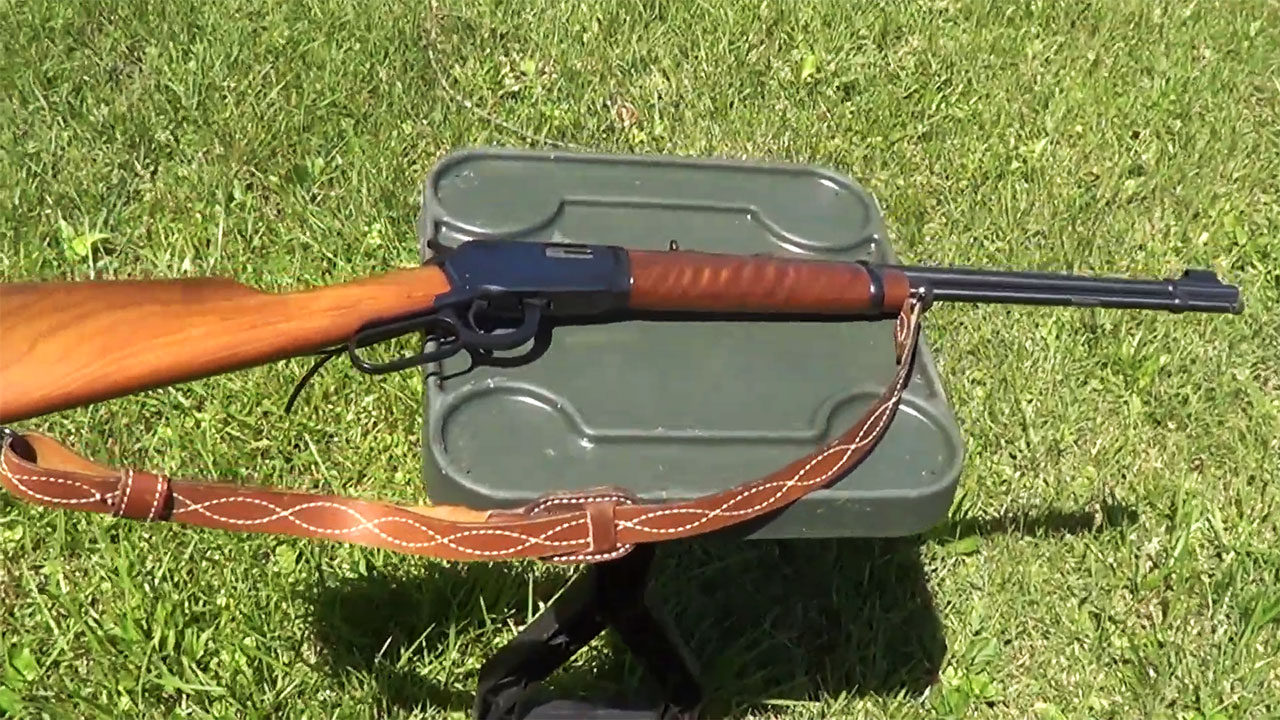
The Winchester 9422 is one of the biggest regret trades in the rimfire world. It was just a .22 lever gun when people owned them, so some traded them casually. Then prices climbed, clean examples dried up, and everyone remembered how well-made they were.
The 9422 had a slick action, classic looks, and real quality. Newer .22 rifles may be cheaper or easier to scope, but they rarely feel as nice. Owners who traded one toward a centerfire or a cheaper rimfire often wish they had found another way to make the deal.
Marlin 1894C
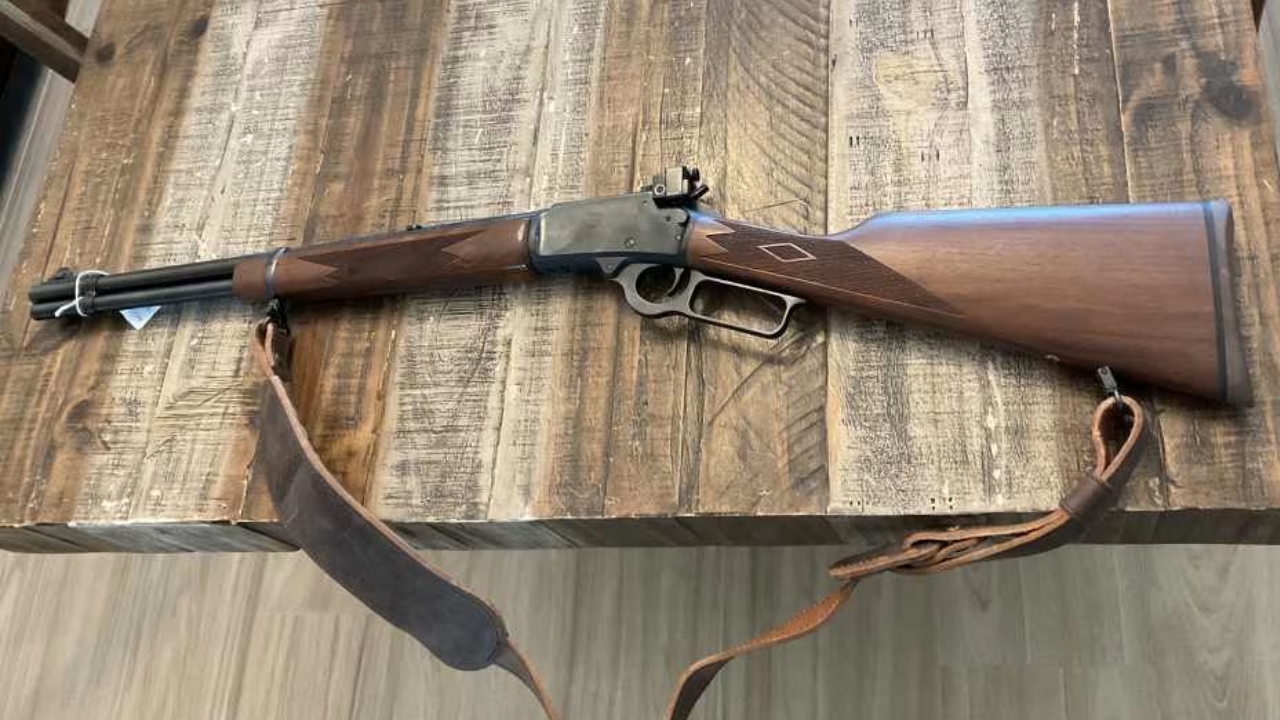
The Marlin 1894C in .357 Magnum is a rifle people regret trading because its usefulness is easy to underestimate. It is not a long-range rifle, and it does not look as serious as bigger deer guns. That makes it tempting to trade toward something with more reach or power.
But a .357 lever gun is one of the most useful firearms a person can own. It shoots .38 Special softly, handles .357 Magnum with authority, and works for plinking, pests, small game, and close-range deer or hogs where legal. Once gone, people realize it filled more roles than they thought.
Ruger Deerfield Carbine

The Ruger Deerfield Carbine is not something everyone talks about, but people who traded one often regret it. It was a semi-auto .44 Magnum carbine built for short-range deer hunting. It was light, handy, and fit a very specific woods role.
The problem is that guns like it are not common anymore. A newer rifle may shoot flatter, but the Deerfield was made for quick shots in timber. It had the kind of practical oddball usefulness that seems replaceable until it is gone. Then the owner realizes nobody is making quite the same thing.
H&R Handi-Rifle

The H&R Handi-Rifle was cheap enough that people traded them without much thought. It was a simple break-action single-shot, and that made it feel disposable compared with repeaters. Plenty of owners moved on to bolt guns or ARs.
Now a lot of them wish they had kept at least one. The Handi-Rifle was simple, accurate enough, and available in all kinds of useful chamberings. It was a great truck, youth, loaner, or bad-weather rifle. New guns may be more advanced, but few are as straightforward and handy.
Ithaca Deerslayer

The Ithaca Deerslayer is one of those slug guns people regret trading after their state allows straight-wall rifles or after they buy a newer deer setup. It may not feel as modern, but the old Deerslayer was purpose-built for a job and did it well.
A good Deerslayer carried history, balance, and real deer-season usefulness. It was not just another shotgun with slugs stuffed in it. It had a following because hunters trusted it. Trading one for something newer can make sense, but that does not mean the replacement will feel as proven.
CZ 452
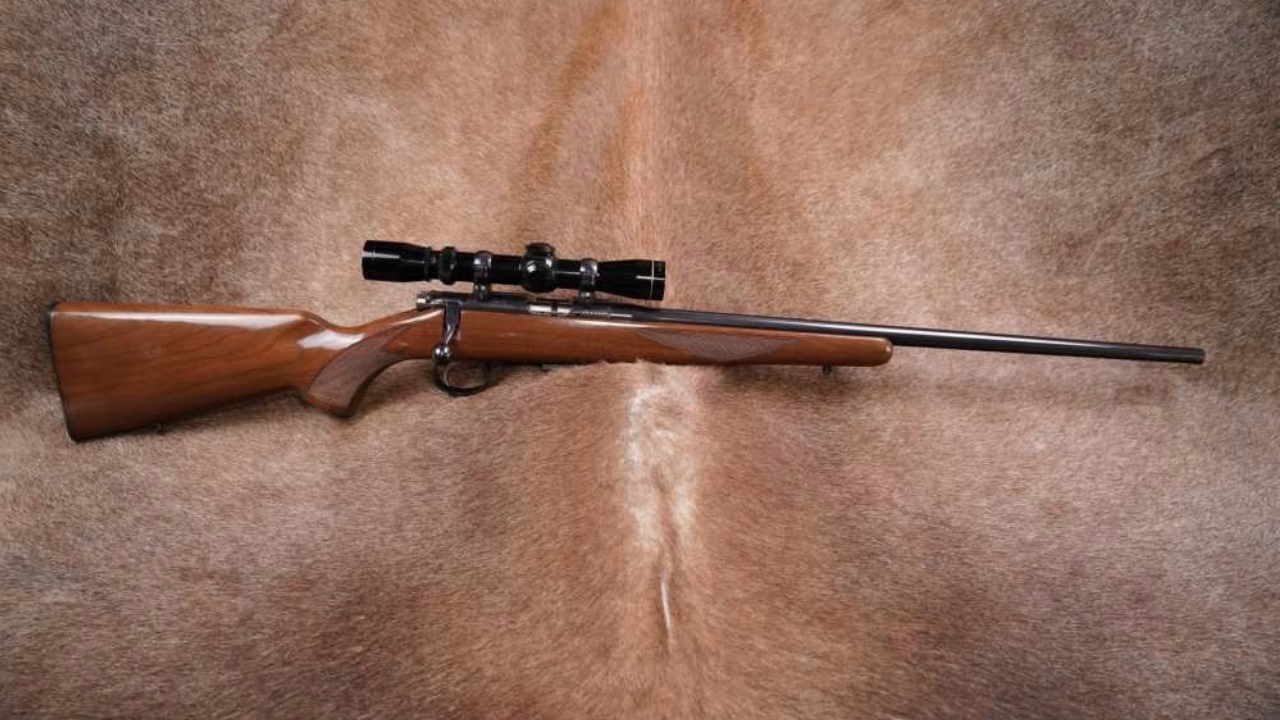
The CZ 452 is one of the rimfire rifles people regret trading because they did not realize how good they had it. It was a bolt-action .22 with real accuracy, nice handling, and a level of quality that made cheap rimfires feel crude.
A lot of owners traded them toward centerfires or newer rimfires with more modern features. Then they tried to replace the old CZ feel and found out it was not so easy. The 452 was not flashy. It was just a very good .22 rifle, which is exactly why people miss it.
Benelli M1 Super 90
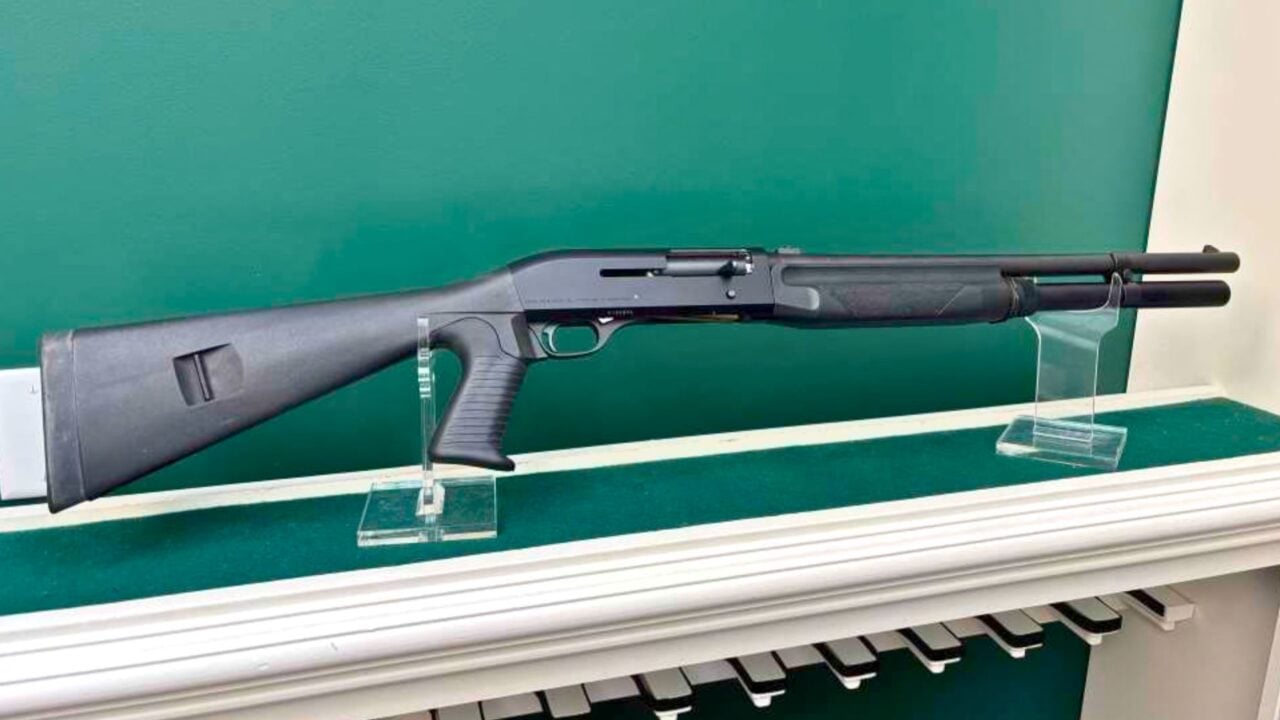
The Benelli M1 Super 90 is a shotgun people often regret trading for newer semi-autos. New models may have better recoil systems, newer furniture, and more refined features, but the M1 had a reputation for running hard and handling rough use.
It was light, fast, and dependable in the way hunters and defensive shotgun users appreciated. Owners who traded one away sometimes realize the newer gun is softer or flashier but not necessarily more trustworthy. The M1 Super 90 had earned confidence the hard way.
Beretta 390
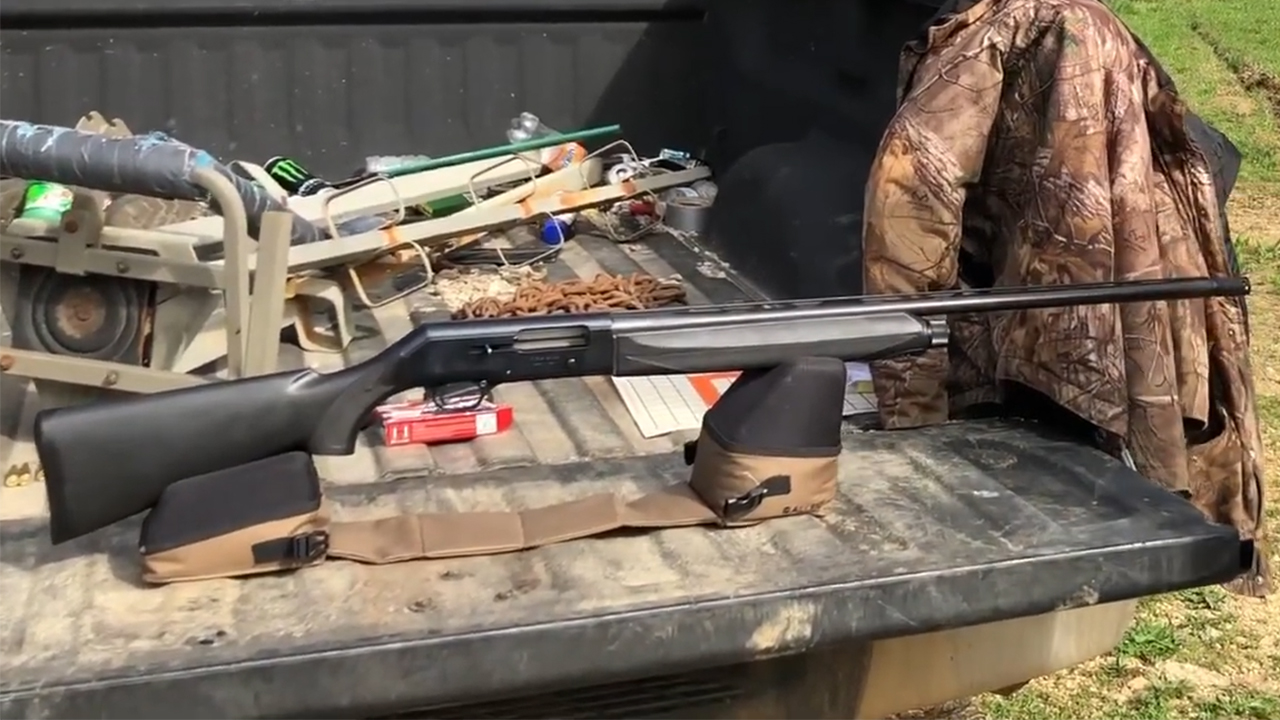
The Beretta 390 is one of those semi-auto shotguns that people did not always know to keep. It was overshadowed by later Beretta models, and some owners traded up thinking newer gas guns would automatically be better.
The 390’s reputation has only gotten stronger with time. It was reliable, soft-shooting, and excellent for hunting or clays. A newer shotgun may have updated features, but a good 390 still feels like one of the better working semi-autos Beretta ever made. Trading one away can turn into real regret.
Franchi 48 AL
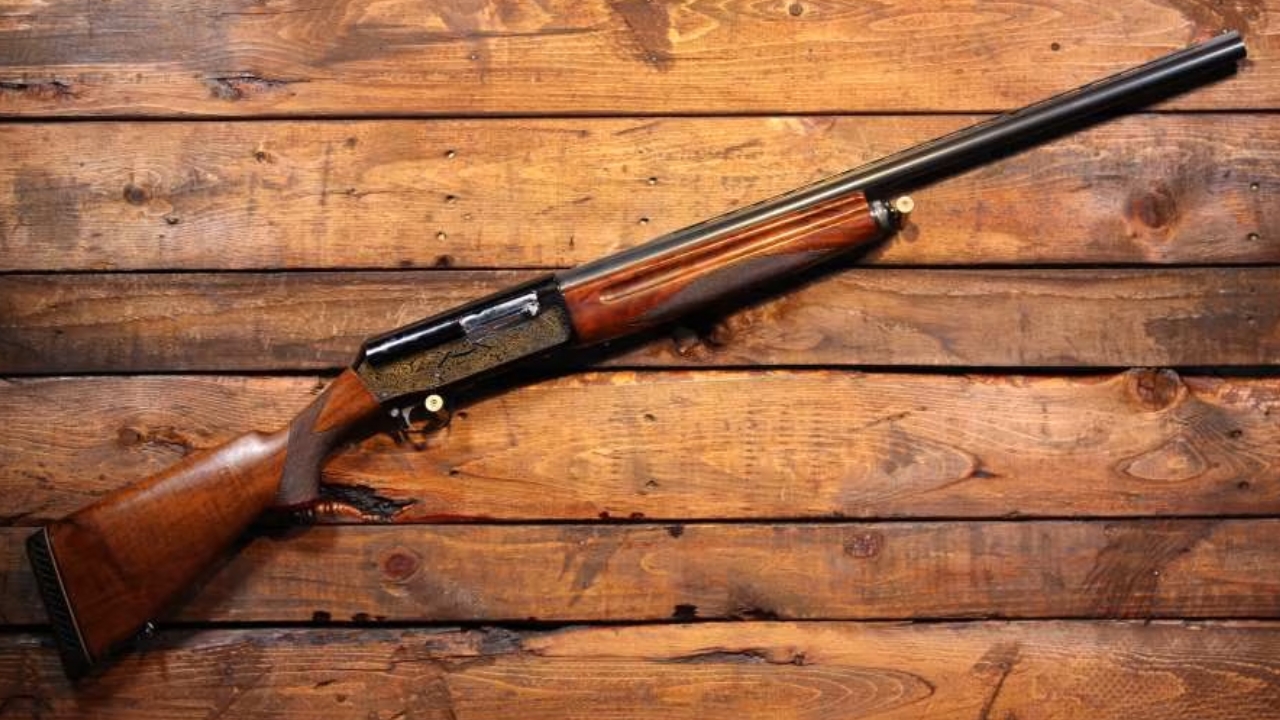
The Franchi 48 AL is a lightweight shotgun people often underestimated. It was not as famous as the Browning Auto-5, and its long-recoil operation felt old-school. But the gun carried beautifully, especially for upland hunting.
Owners who traded one for a newer semi-auto sometimes miss how light and lively the 48 AL felt. Not every shotgun needs to be a heavy waterfowl gun or a high-volume clays machine. For walking fields and carrying all day, the Franchi had a purpose newer guns do not always improve on.
Browning Buck Mark
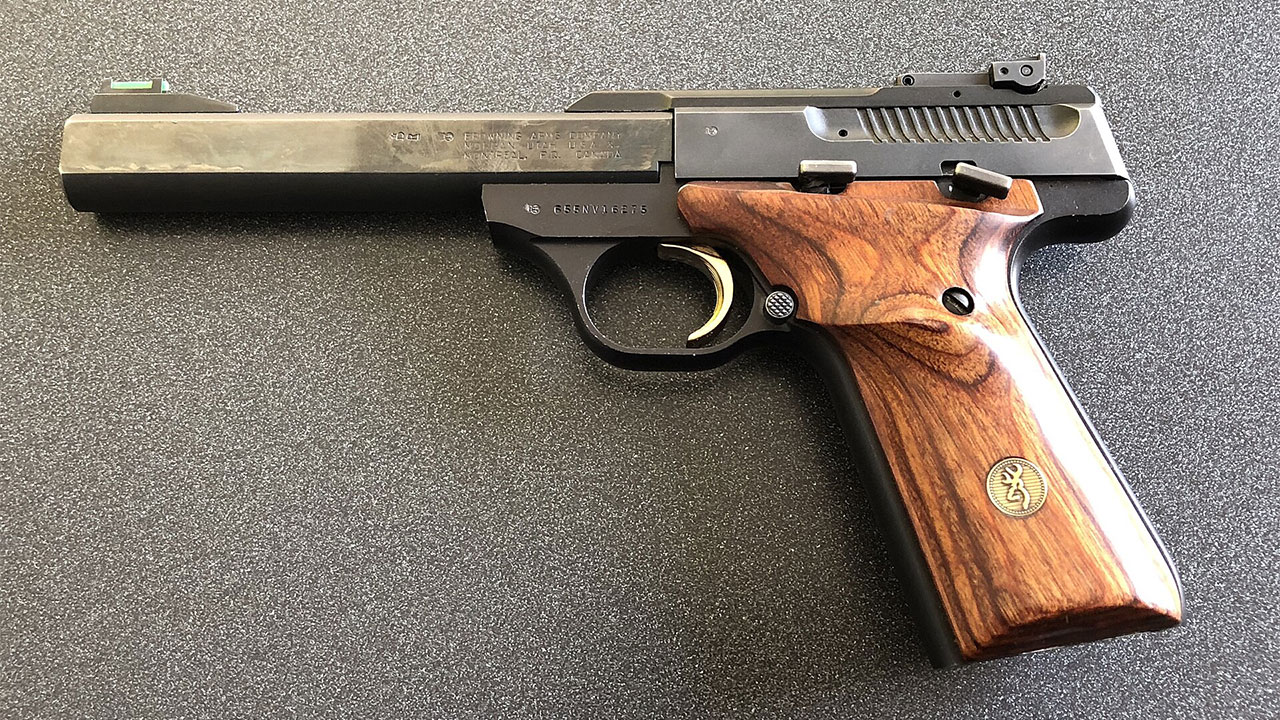
The Browning Buck Mark is often traded casually because .22 pistols feel replaceable. Someone wants a centerfire pistol, an optic-ready carry gun, or a newer rimfire, so the Buck Mark goes into the deal.
Then they remember how much they actually shot it. A good .22 pistol gets used constantly, and the Buck Mark is accurate, comfortable, and enjoyable. New carry guns may be more serious, but they will not replace the cheap practice and fun that a Buck Mark brings. That is why people often wish they had kept it.
Ruger Mark II

The Ruger Mark II is another rimfire pistol people regret trading because it seemed ordinary at the time. It was accurate, reliable, and built well, but takedown frustration and newer Mark pistols made some owners move on.
The regret usually comes later. The Mark II has a classic feel, strong build quality, and excellent shooting manners. The newer Mark IV is easier to take apart, but that does not make the Mark II obsolete. A good one is still a lifetime .22 pistol.
Smith & Wesson Model 41

The Smith & Wesson Model 41 is not a gun people should have traded casually, but it happened. Some owners moved one toward a defensive pistol, a hunting rifle, or a newer optic-ready rimfire. At the time, maybe it made sense.
Later, the regret hits hard. The Model 41 is one of the finest American rimfire target pistols ever made. It is accurate, refined, and not something that gets easily replaced by a cheaper .22. Trading one for a newer practical gun may solve a short-term need, but long-term, it is the kind of trade people remember.
Like The Avid Outdoorsman’s content? Subscribe to our newsletter so you never miss an article.
Here’s more from us: