Photo credit: Chris Parkin Shooting Sports/YouTube
When you’ve spent enough time shooting high-velocity rifles, you learn quickly that barrel life isn’t some abstract concept—it’s the price you pay for speed. A hot cartridge pushed through a thin or lightly finished bore will start showing wear far sooner than most folks want to admit. Accuracy fades gradually at first, then all at once, and by the time you’re chasing groups at the range, the damage is already done.
Some rifles are wonderful to shoot but hard on barrels by nature. Whether it’s velocity, heat, or throat erosion, these are the rifles that chew through barrels faster than most shooters expect.
Remington 700 in .243 Winchester

A .243 Winchester running light, fast bullets is a formula for throat wear. The Remington 700 shoots them well, but the narrow bore and high powder charge mean the throat takes a beating early. If you push hot loads or fire long strings, you’ll notice accuracy shift sooner than you’d like.
For hunters, it may not show up for a few seasons, but range shooters feel the decline fast. The rifle is accurate, comfortable, and familiar, but the cartridge’s nature means barrel life isn’t its strongest trait. Regular cleaning and cooldowns help—but they don’t erase the physics.
Savage 12FV in .22-250 Remington

The 22-250 is legendary for its speed, but that velocity comes at a cost. The 12FV handles the cartridge well, but extended shooting wears down the throat quickly. If you’re pushing 50-grain bullets past 3,800 fps, erosion happens faster than many new shooters expect.
As accuracy starts opening up, it’s usually the throat giving up, not the shooter. Prairie dog hunters know this all too well. A good barrel can still give you solid life, but the combination of heat and speed means the clock starts ticking the moment you start running those fast loads.
Browning X-Bolt in 6.5 PRC

The 6.5 PRC delivers impressive performance, but it’s tougher on barrels than its little brother, the 6.5 Creedmoor. In an X-Bolt, the round’s higher pressures and hotter loads accelerate erosion in the first few inches of the bore. Long-range shooters see it earlier because they fire more rounds in tighter strings.
You still get fantastic accuracy, but you pay for it with shorter barrel life. If you treat it like a training rifle instead of a hunting tool, expect to burn a barrel faster than anticipated. Good velocity always comes with a trade-off.
Tikka T3x in .300 Win Mag

The .300 Win Mag generates tremendous heat and pressure, and when you run it hard—especially with modern high-BC bullets—the throat takes the punishment. The Tikka action is smooth and dependable, but barrel erosion comes from the cartridge, not the rifle.
Shooters who enjoy extended range sessions notice point-of-impact shifts sooner than expected. If you don’t allow cooldowns, accuracy starts fading. It’s still a fantastic hunting rifle, but if you put high round counts through it, barrel life will be shorter than most of today’s mid-caliber options.
Ruger American in 6mm Creedmoor

The 6mm Creedmoor brings exceptional accuracy, but the narrow bore and high velocities mean erosion builds quickly. In lightweight rifles like the Ruger American, the barrel heats faster, which speeds the wear even more. Precision shooters see groups open up much earlier than with the 6.5 variant.
It’s a fun rifle to run because it shoots flat and soft, but practice sessions add up fast. If you pick one up for competition or long-range training, be ready to replace the barrel sooner than you might want.
Christensen Arms Ridgeline in .300 PRC
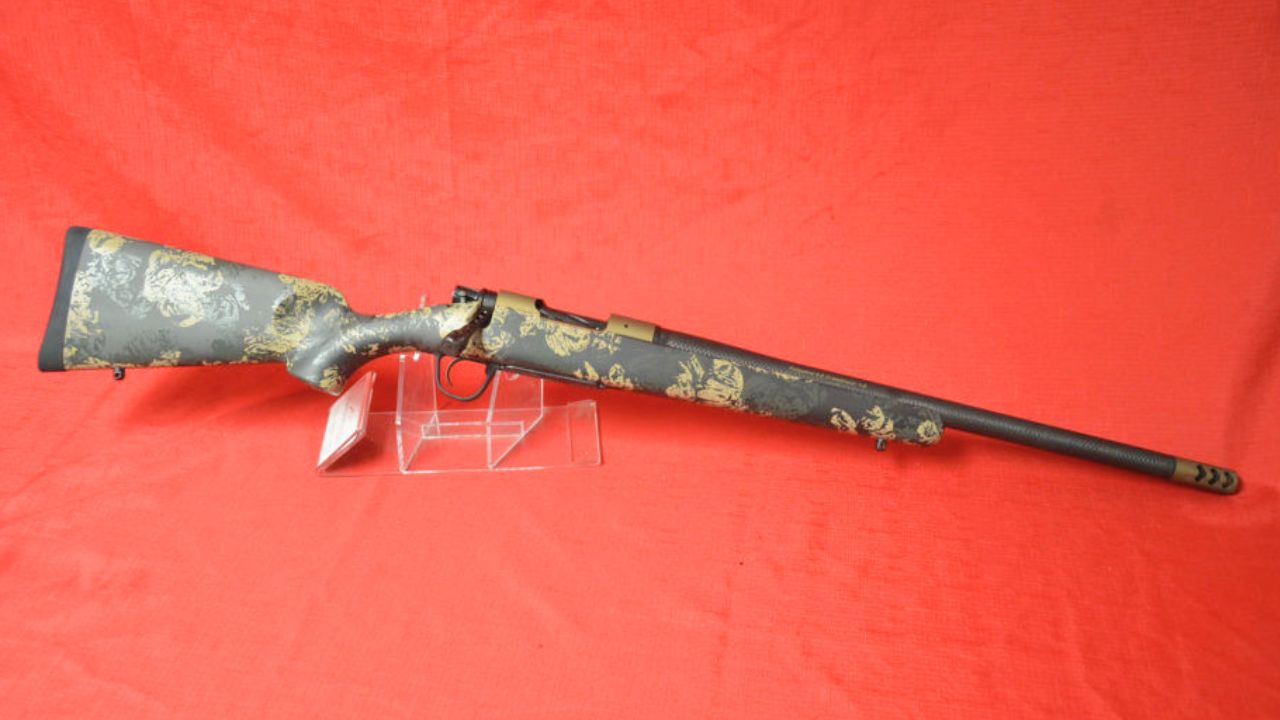
The .300 PRC moves heavy bullets fast, and carbon-wrapped barrels still get hot beneath the exterior. In the Ridgeline, repeated firing pushes throat temperatures high enough that erosion becomes noticeable in fewer rounds than people expect.
Accuracy starts out excellent, but heavy use accelerates decline. Hunters don’t usually see the problem, but range shooters pushing high-round-count practice sessions do. The cartridge performs incredibly well—it just burns barrels as the price for that performance.
Bergara B14 HMR in .26 Nosler
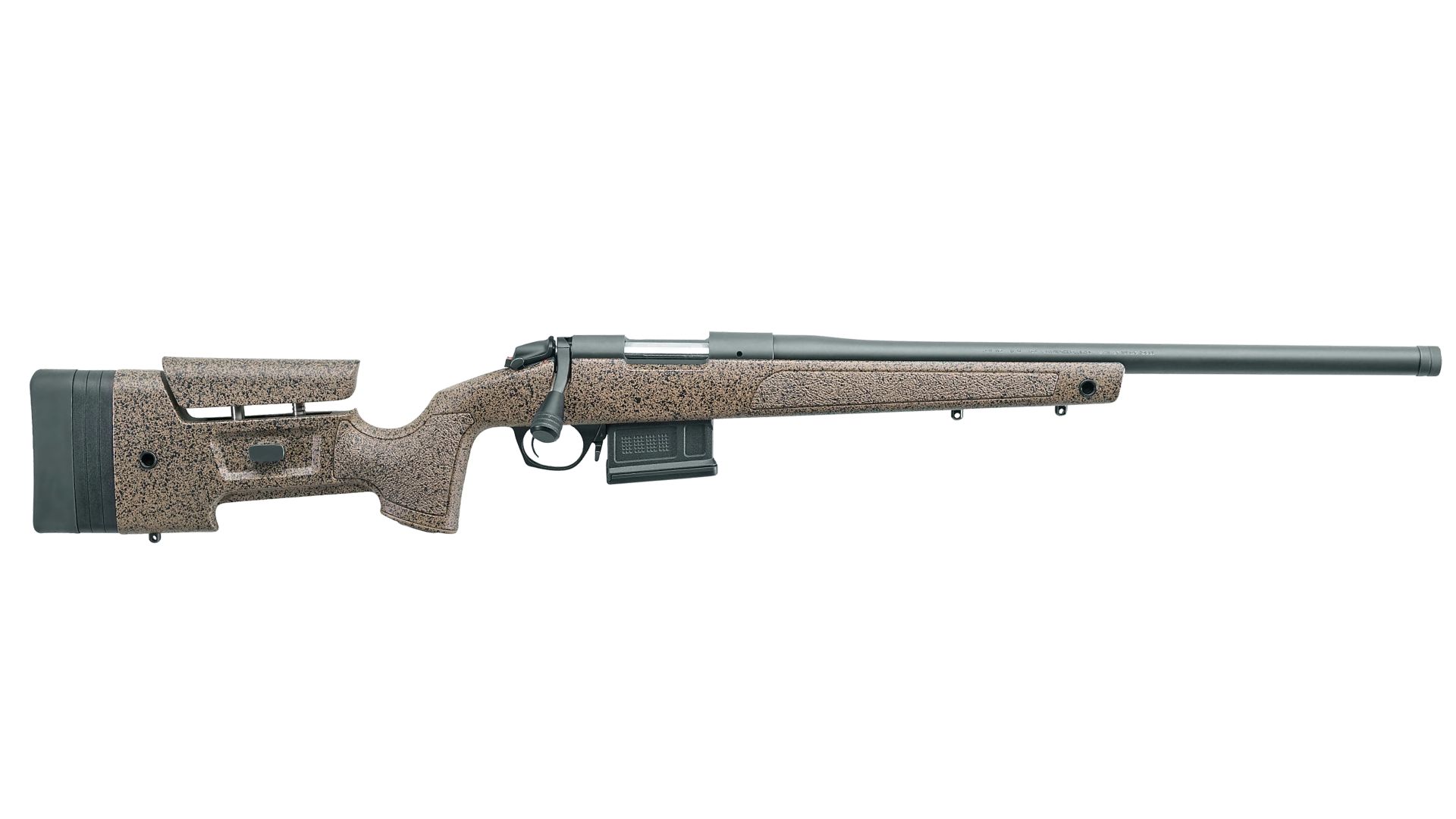
The .26 Nosler is famous for speed and infamous for barrel life. In a B14 HMR, the cartridge’s extreme velocities produce noticeable throat wear early, especially if you shoot long strings. It’s one of the hottest factory offerings out there.
Many shooters report declining accuracy well before the barrel reaches 1,000 rounds. For hunting, it’s fine, but for frequent range use, you’ll see the drawbacks quickly. It’s simply a high-performance round that asks a lot from any barrel.
Weatherby Mark V in .257 Weatherby Magnum
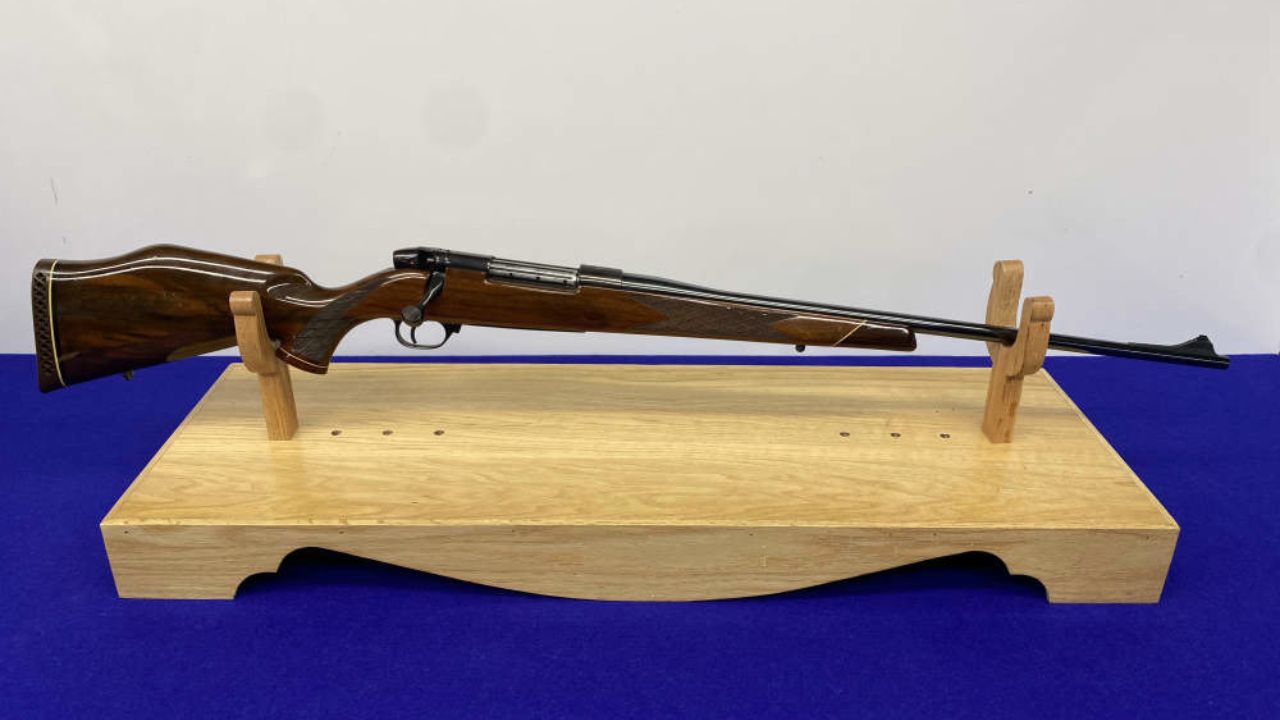
The .257 Weatherby Magnum is blisteringly fast and incredibly effective—but it also eats barrels. In the Mark V, the round produces tremendous heat with every shot. Extended sessions make erosion show up sooner than most shooters expect.
The rifle shoots beautifully when new, with laser-flat trajectories. But pushing those velocities means paying attention to cooldowns. Ignore that, and you’ll see accuracy fade surprisingly soon. It’s a classic Weatherby experience with a predictable cost.
Savage 110 in .204 Ruger

The .204 Ruger runs cooler than some hot .22 calibers, but not by much. In a Savage 110, repeated high-volume shooting—common for varmint hunters—still wears down barrels quickly. The narrow bore and fast bullets accelerate erosion.
When groups start widening, it’s usually throat wear, not a scope issue. The cartridge is efficient and a blast to shoot, but heat builds faster than most people think. Used sparingly, it’s great. On high-round-count days, barrel life drops fast.
Remington 783 in 7mm Rem Mag

The 7mm Rem Mag delivers outstanding long-range performance, but like other magnums, it’s hard on barrels. In the Remington 783, heat builds quickly during extended shooting, and erosion follows. The cartridge’s pressures simply shorten barrel lifespan.
For hunting, it performs reliably and won’t show much decline for years. But if you use it for steel practice or high-volume range time, the throat will give out earlier than expected. This is a classic case of magnum performance coming with magnum wear.
Browning Hell’s Canyon Speed in .28 Nosler
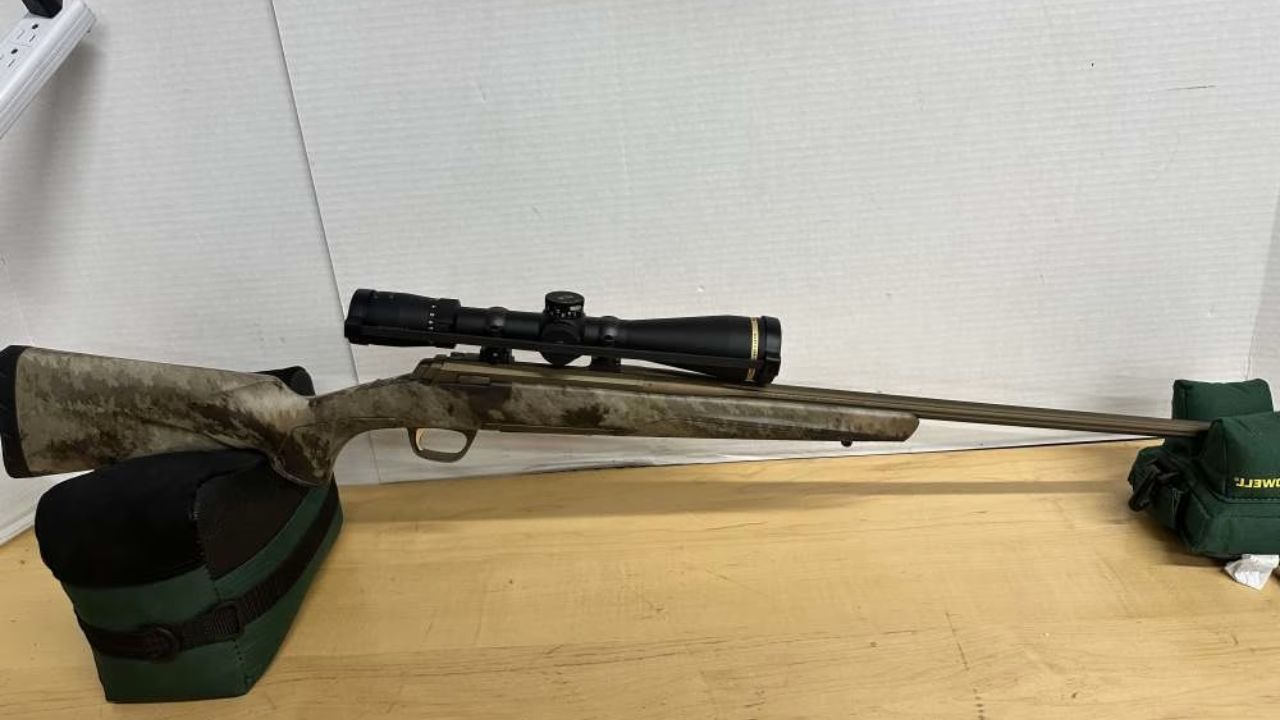
The .28 Nosler is famously fast and notoriously harsh on barrels. In the Hell’s Canyon Speed, shooters love the performance but eventually discover their barrel life isn’t long by modern standards. The combination of speed and overbore design accelerates erosion.
If you push handloads or run long sessions, accuracy starts dropping sooner than most expect. It’s a terrific hunting setup—but not a rifle for casual high-round-count weekends.
Ruger Precision Rifle in 6mm ARC (hot loads)

While the 6mm ARC can have respectable barrel life with moderate loads, many shooters push it hard to stretch performance. In the Ruger Precision Rifle, these hotter loads raise pressures enough to noticeably shorten barrel lifespan.
The rifle handles heat well, but physics wins. High velocities through a narrow bore create wear that competitive shooters see quickly. When pushed, the ARC becomes a “barrel burner lite”—still effective, but not gentle.
Kimber Montana in .300 WSM
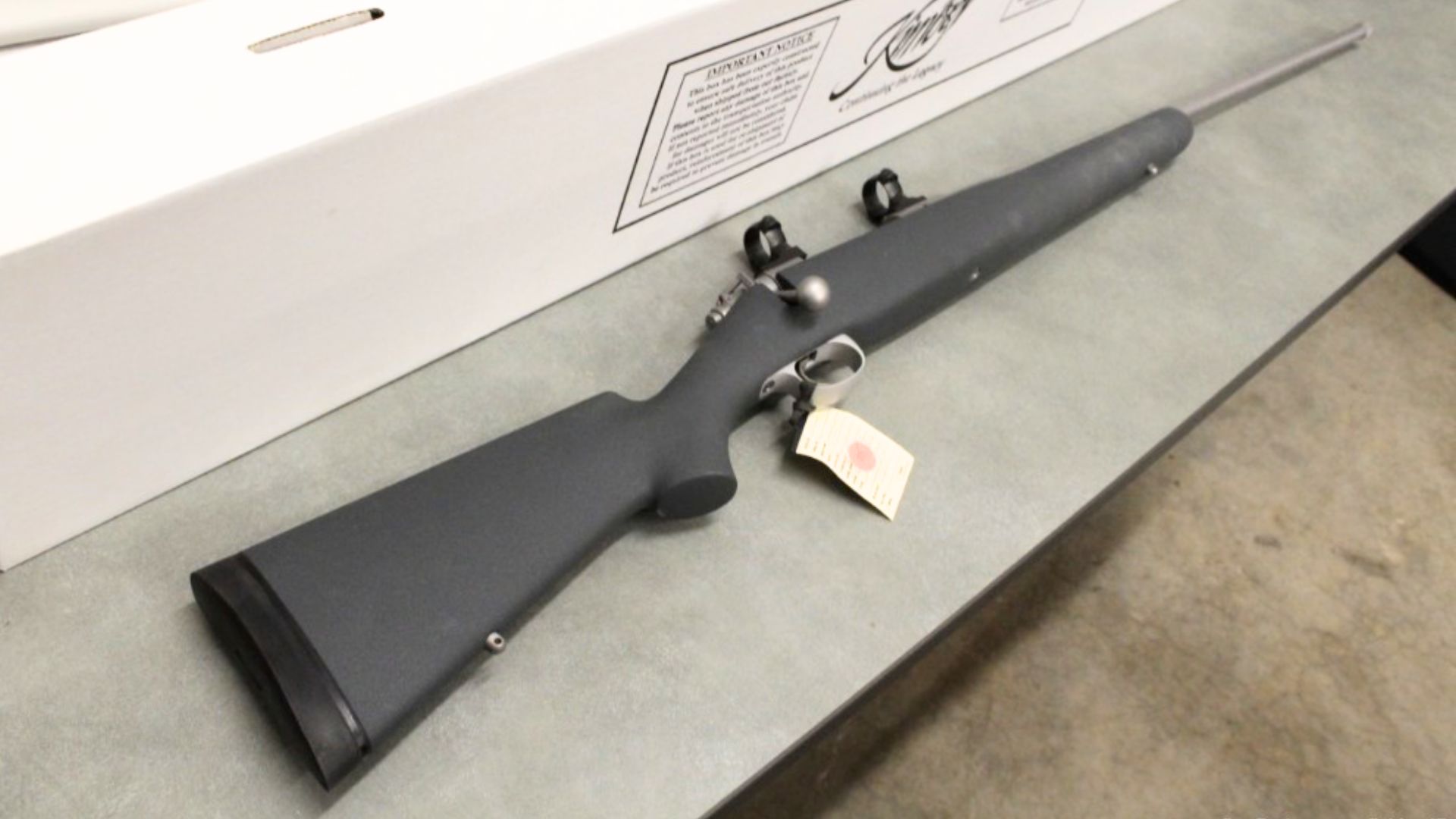
The .300 WSM produces similar performance to the .300 Win Mag in a shorter case, and that efficiency comes with heat. In a lightweight rifle like the Montana, barrels heat extremely fast, which hastens throat erosion.
Shooters often underestimate how quickly accuracy starts shifting. It’s still a fantastic mountain rifle, but if you shoot it frequently on the range, you’ll be replacing the barrel sooner than you think.
Thompson/Center Compass in .204 Ruger

Like other .204 Ruger setups, the Compass suffers from speed-induced wear. The barrel heats rapidly, and extended varmint sessions take a toll on the throat. It’s a fun, flat shooter, but it burns barrels fast if you run it hard.
Many users eventually see accuracy fall off around the same round count. The rifle is budget-friendly, but the cartridge still obeys the rules of heat and erosion.
Howa 1500 in .270 WSM

The .270 WSM sends bullets screaming, and the Howa 1500 handles them well, but overbore cartridges always chew barrels faster. High-volume practice accelerates throat wear, even though the rifle is mechanically solid.
Hunters rarely notice, but shooters who spend long days dialing do. It’s a powerful, effective setup—but also one that reminds you speed always comes with a cost.
Like The Avid Outdoorsman’s content? Subscribe to our newsletter so you never miss an article.
Here’s more from us: