Photo credit: Shooting USA/Youtube
When something bumps in the night, your brain is running on half a tank. Your hands are clumsy, your eyes are still adjusting, and you do not have time to remember which gun is “the fun one” and which one is the dependable one. This is where a lot of gun safes tell the truth. Some firearms are great for the range, great for collecting, or great for a very specific job. They are not great at 2:00 a.m. when you need simple, predictable, and safe.
This is not a list of “bad guns” in general. It is a list of guns that are easy to mess up with in the dark, hard to run under stress, or just flat-out the wrong tool when you are groggy and trying to keep your family safe. If you own any of these, it does not mean you made a terrible purchase. It just means they do not belong at the top of the nightstand rotation.
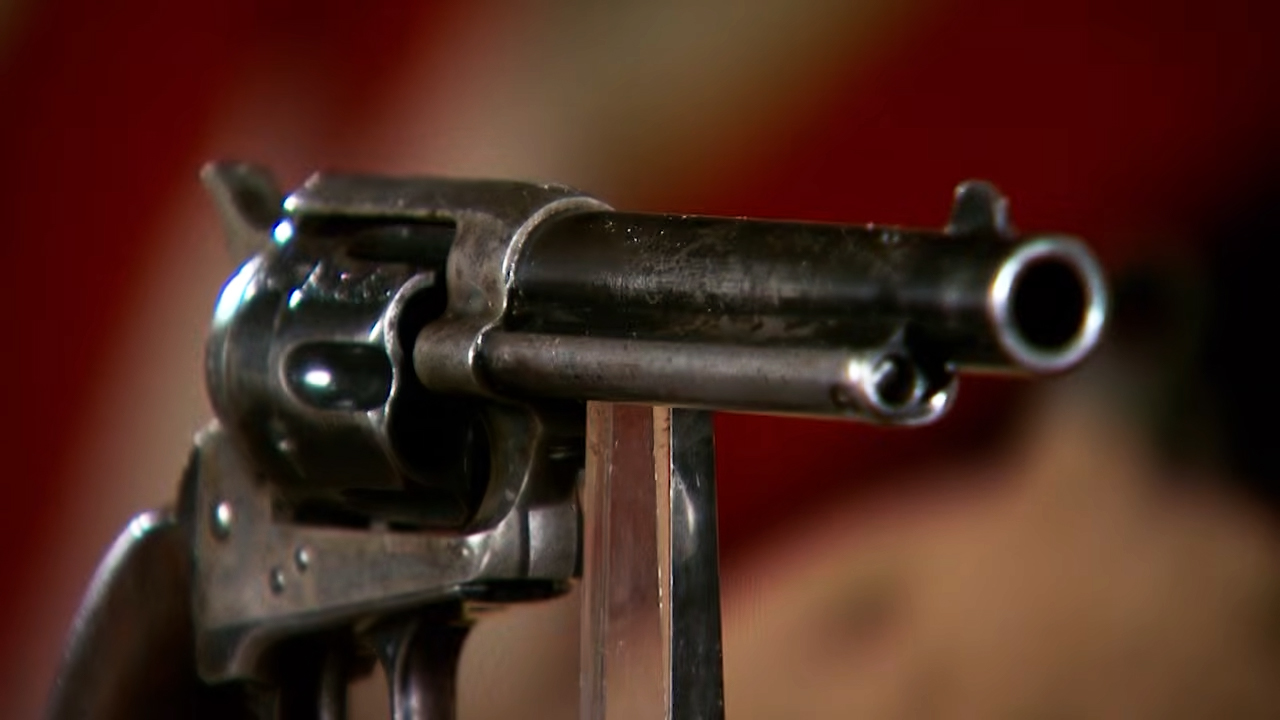
1. Single-action revolver (Colt SAA-style)
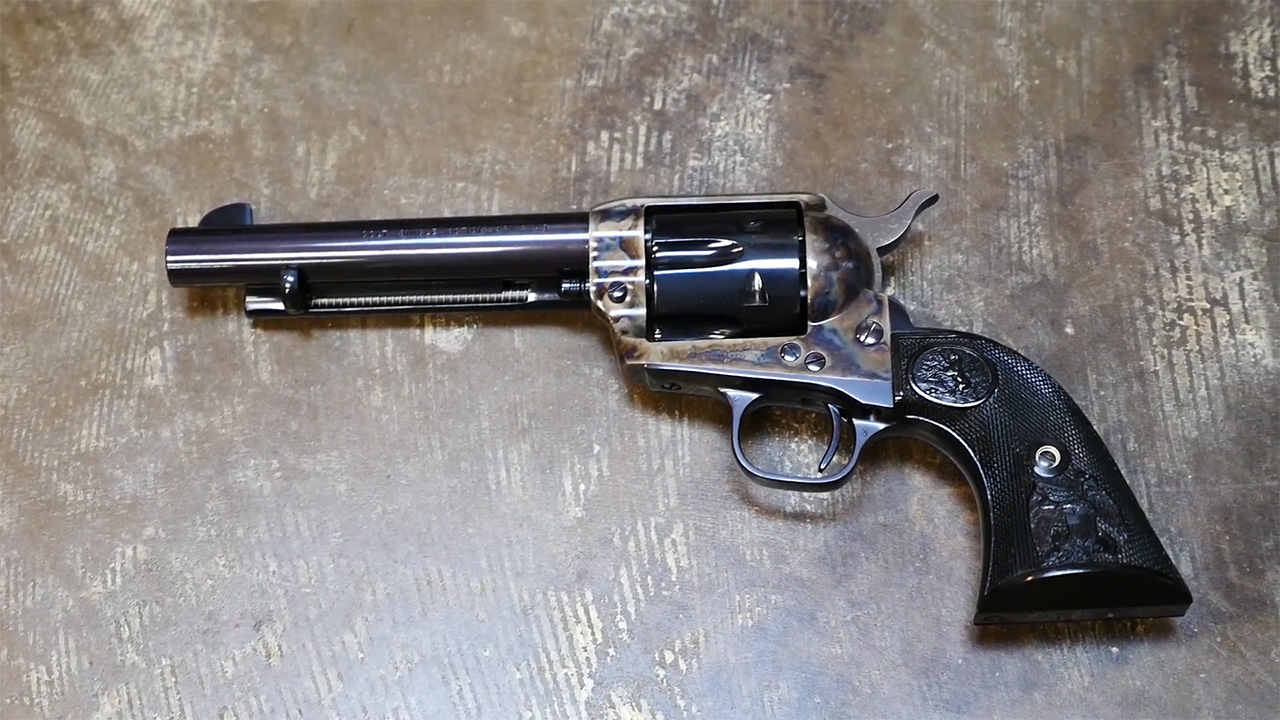
I love them. They point nice, they carry a ton of history, and they make you grin on a calm range day. In the dark, half asleep, they are a handful in the worst way.
Between the manual hammer cocking, the loading gate routine, and the old-school safeties (or lack of them), it is too easy to fumble. Under stress, “simple” needs to be modern-simple, not 1873-simple.
2. Ultra-light .357 Magnum snub-nose (12–14 oz class)
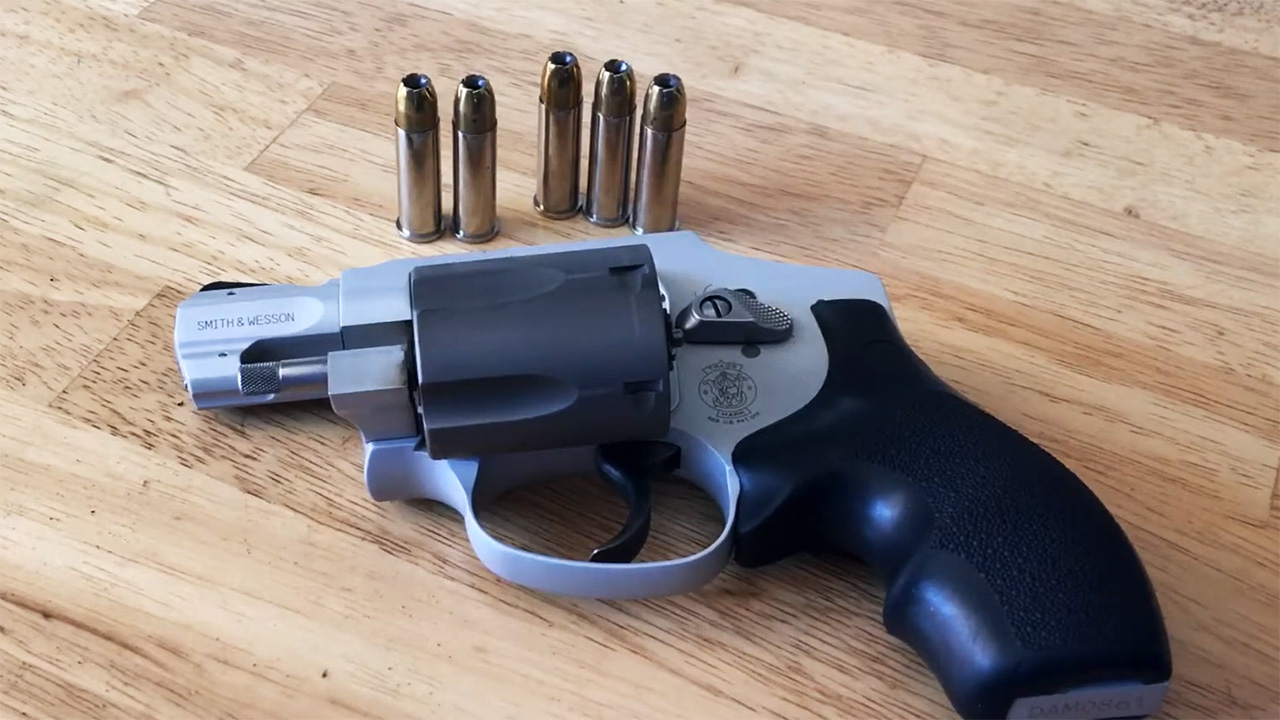
These sell because they disappear in a pocket and feel like nothing on the belt. Then you touch off full-power magnums and remember pain is real. Ask me how I know.
At night, recoil management matters because you are not squared up with hearing protection and a perfect grip. A featherweight snub can turn a quick follow-up into a slow, sloppy wrestling match.
3. Derringer (any brand, two-shot)
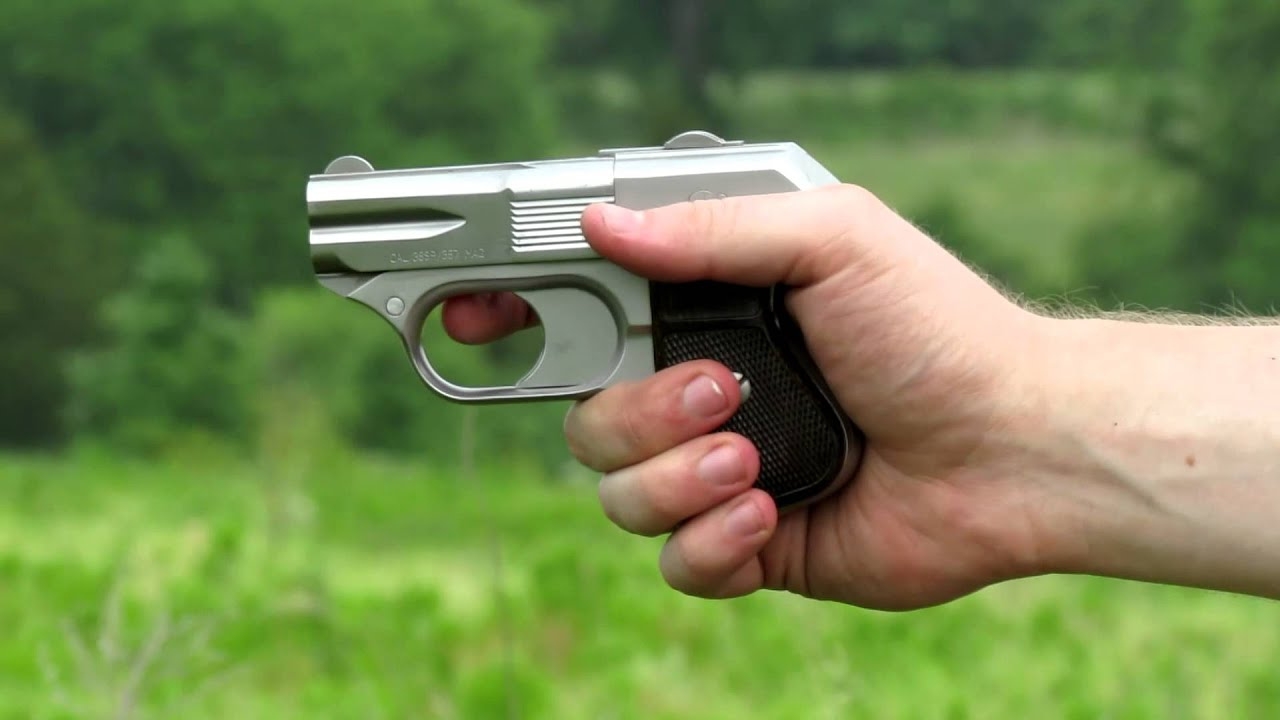
They look tough in the display case and feel like a “just in case” gun. Two shots, heavy trigger, tiny grip, tiny sights, and a tendency to be unpleasant with anything but mild loads.
If you are waking up to a problem, you want something you can run without thinking. A derringer is basically the opposite of that.
4. Single-shot shotgun (break-action)

There are good reasons to own one. They are cheap, rugged, and they teach fundamentals. None of that helps when you are barefoot in a hallway and your first shot did not end the situation.
Reloading a single-shot in the dark, under pressure, with shaking hands is a bad plan. Capacity is not everything, but one is a hard number to live with.
5. Short-barreled 12 gauge “tactical” pump with a pistol grip only

This one gets folks because it looks mean and stores easy. The problem is control. Without a stock, a 12 gauge recoils like it is angry at you personally.
In low light, you need repeatable indexing and the ability to keep the gun anchored. Pistol-grip-only shotguns are famous for turning into awkward, high-recoil noise makers when you actually need hits.
6. Turkish budget semi-auto shotgun (no common parts support)

Some of these run fine. Some do not. The issue is you usually do not know which one you bought until it is dirty, cold, or fed something it does not like.
At night, you want boring reliability and easy-to-find magazines, springs, and extractors. If your shotgun is a mystery brand with spotty support, it is not the grab-and-go answer.
7. The “race gun” 1911 with a 2.5-pound trigger
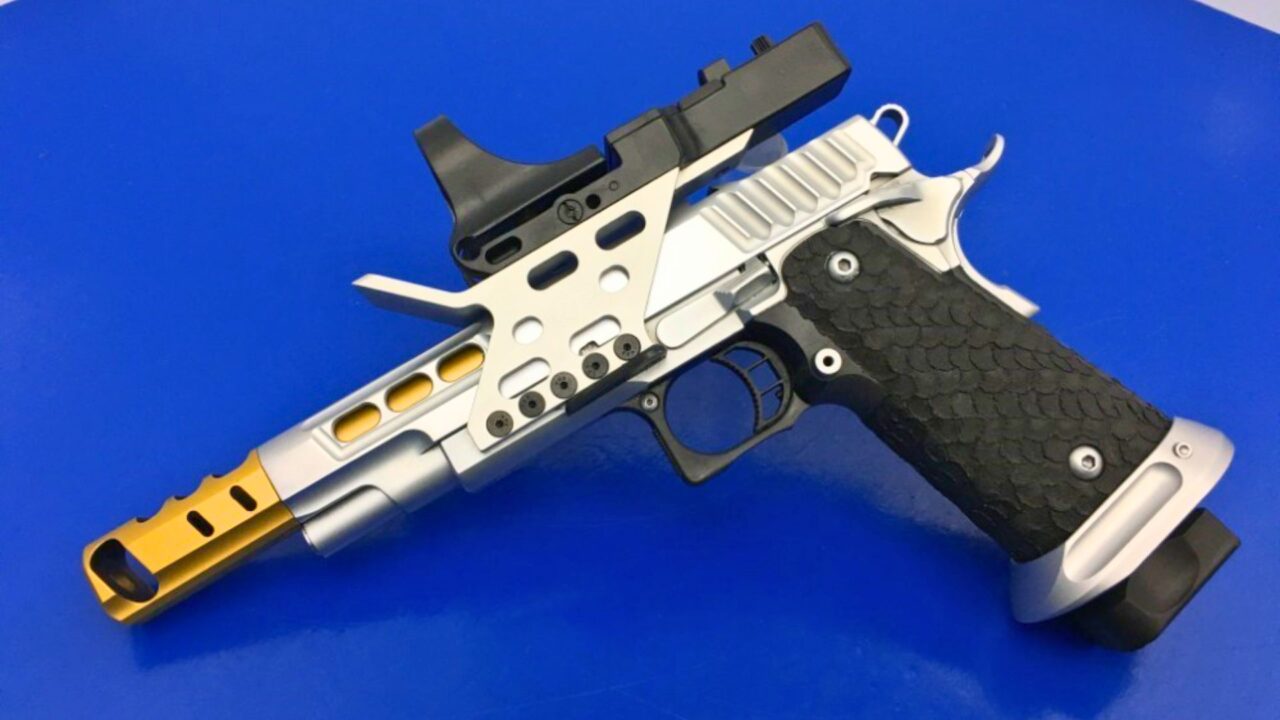
A tuned 1911 can feel like a glass rod breaking. It is sweet on a bright range with a calm heart rate. In the dark, with adrenaline, that light trigger can turn into a liability fast.
Add in thumb safety manipulation and the chance of a picky magazine, and you are stacking small requirements on top of a big moment. A defensive pistol should be forgiving, not temperamental.
8. Any handgun with a manual safety you do not train with

This is the classic nightstand trap. You buy something with a safety, tell yourself you will build the habit, and then you do not. Months go by.
At 2:00 a.m., you will not rise to the occasion. You will default to your training. If the safety is not automatic to you, it can become the one extra step you blow right past.
9. Micro-compact 9mm with a tiny grip (P365-size class, for new shooters)
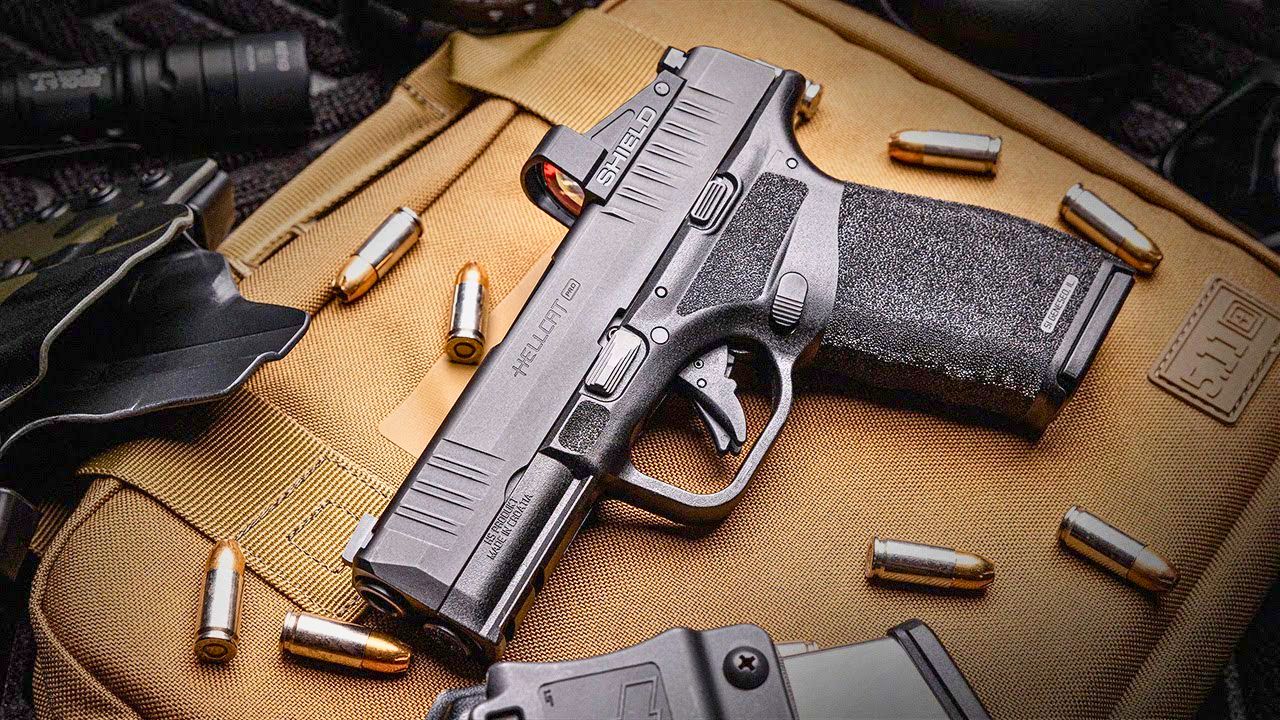
Great guns, but they are not magic. The smaller the pistol, the less margin you get for a sloppy grip, weak support hand, or a half-awake press.
If you shoot it a lot and it fits your hand, fine. If it is the gun you bought because it was trendy, and you barely practice with it, it is not the best middle-of-the-night choice.
10. “Pocket .380” with a stiff trigger and tiny sights (LCP-style)

These exist for deep concealment, not for fighting in your underwear at the end of the hall. The sights are an afterthought, the grip is minimal, and many of them are not fun enough to practice with much.
In low light, a small gun that is hard to control becomes harder still. If your only plan is a pocket .380, it is better than harsh language, but it is far from ideal.
11. Revolver with mixed ammo you “meant to sort later”

I have seen cylinders loaded with a couple shot shells, a couple hollow points, and whatever else was in the drawer. That might feel clever sitting at the kitchen table.
In real life, mixed recoil and mixed point of impact is asking for confusion. Nighttime is when you want consistent behavior every time the trigger moves.
12. .44 Magnum hunting revolver
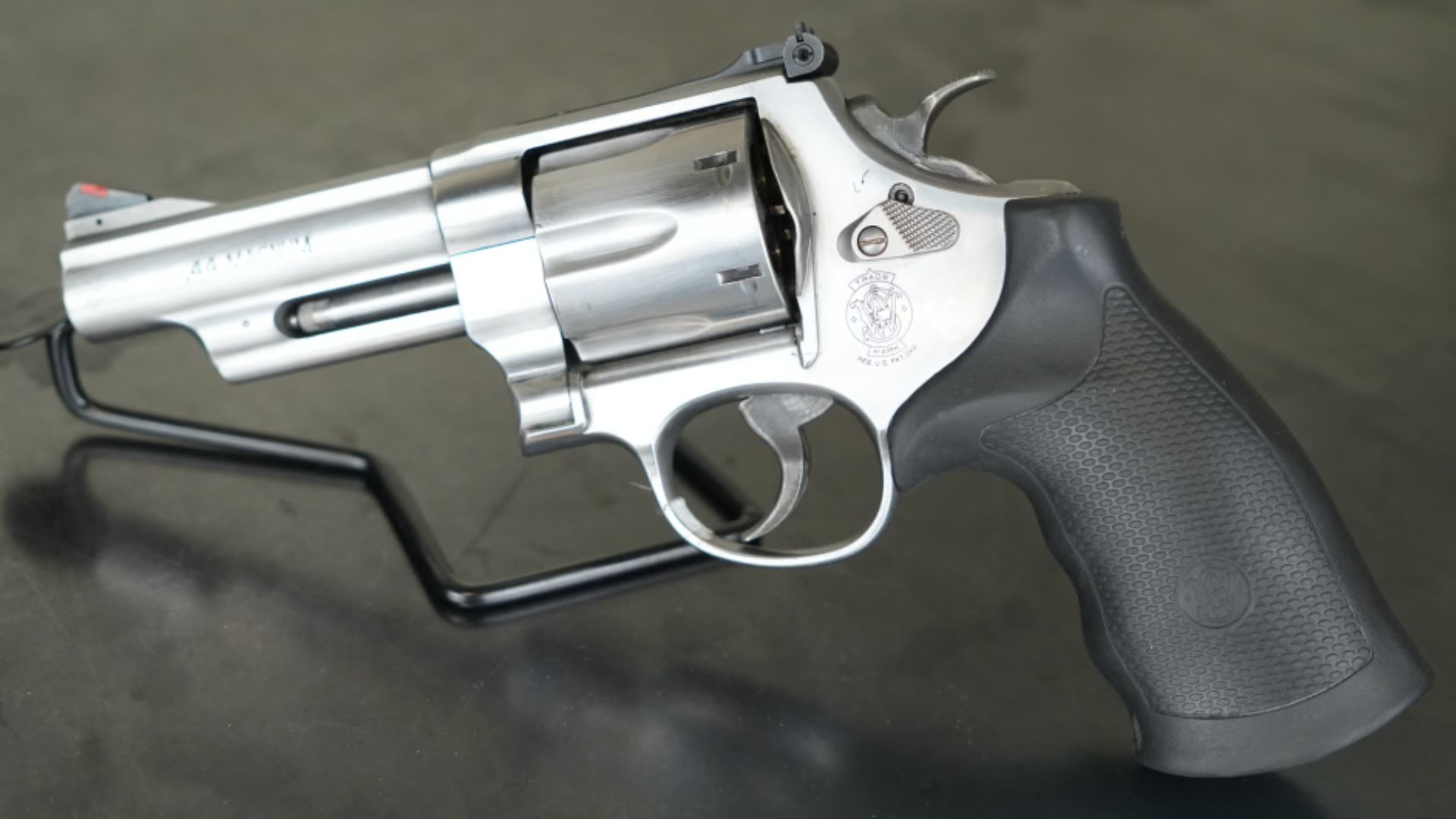
They are honest guns for the woods. They drop deer, hogs, and make you respect recoil. In a hallway, they are loud, bright, and hard to run fast.
Folks keep them by the bed because they assume “more power” equals “more better.” The downside is blast and slow follow-up shots, especially when you are not braced like you are on a range line.
13. .22 LR pistol as the primary option

I am not here to pretend a .22 is useless. It is easy to shoot, cheap to practice with, and it can absolutely be dangerous. But rimfire ignition is less consistent than centerfire, and that matters when you cannot afford a click.
If it is all you can handle, I get it. If you are choosing it because it is “quiet” or “easy,” you are trading away reliability and performance when you need both.
14. AR pistol with a loud muzzle brake

Brakes do what they are supposed to do: reduce recoil and keep the muzzle flat. The problem is they do it by making blast and concussion worse for everyone around you.
Inside a house, a braked AR can be punishing. It is not just about comfort; it is about keeping your senses working so you can think and communicate.
15. Side-folding rifle or pistol that stores folded and won’t fire folded
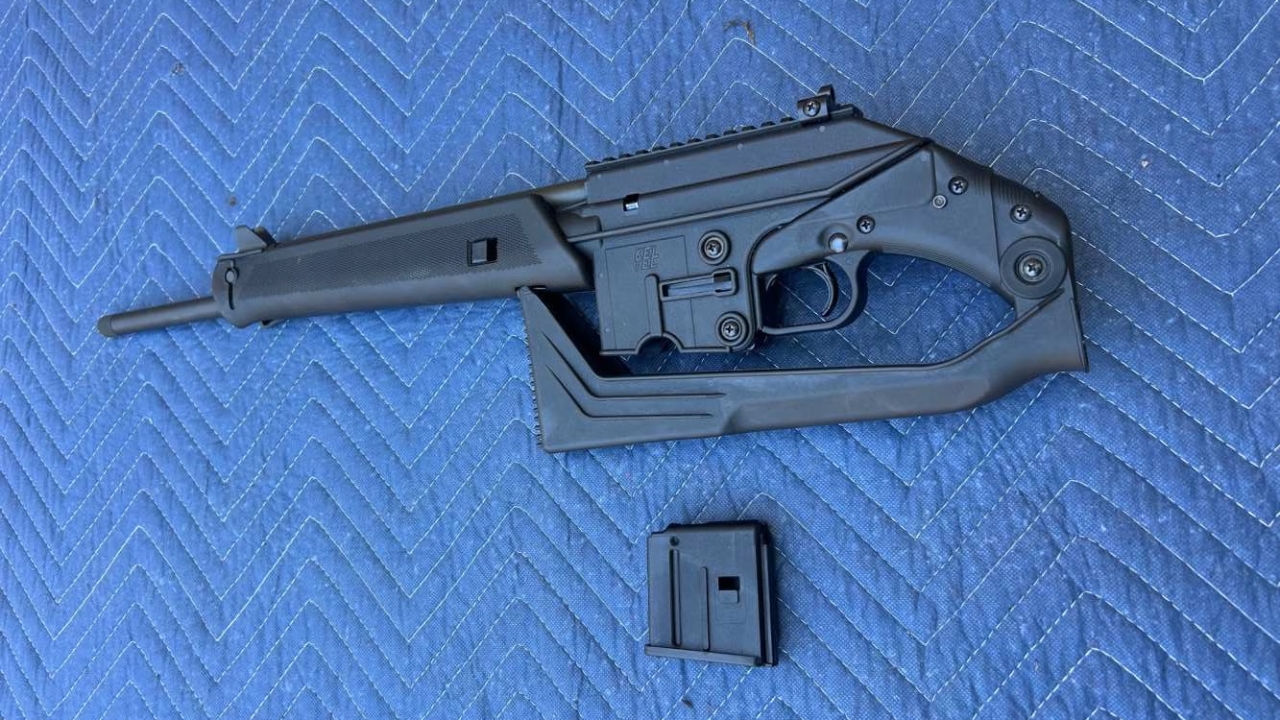
Folding setups are handy for a pack or truck. But some designs require the stock to be unfolded to function properly, or they become awkward to aim and cycle.
If your “ready gun” is usually stored in a configuration that adds a step before it works, that is a step you will forget when you are jarred awake.
16. AK-pattern rifle with random surplus magazines and mystery ammo
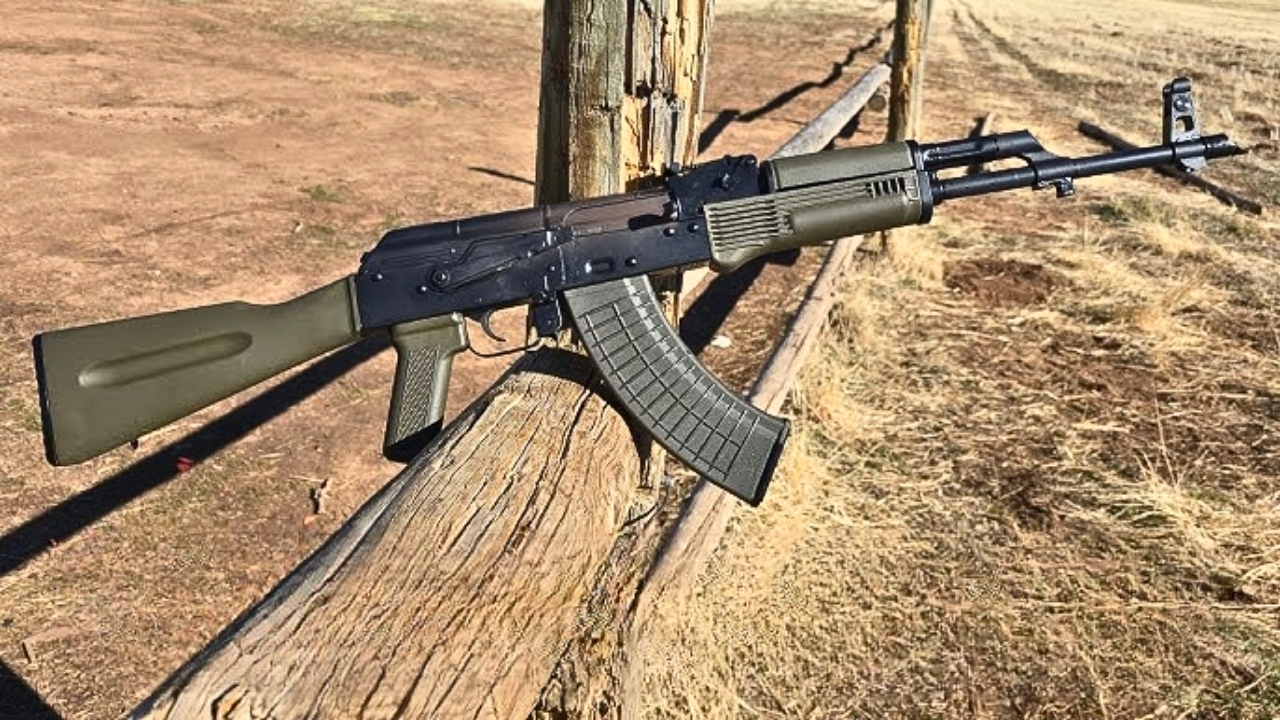
AKs can be very reliable, but the platform is a mix-and-match world. Not all mags lock up the same, not all ammo is consistent, and not all aftermarket parts are fitted right.
If your AK setup is a box of assorted mags and whatever steel-case was on sale, it is not the one to reach for when you need predictable feeding and a known zero.
17. Lever-action rifle with a short stroke and a lot of “character”
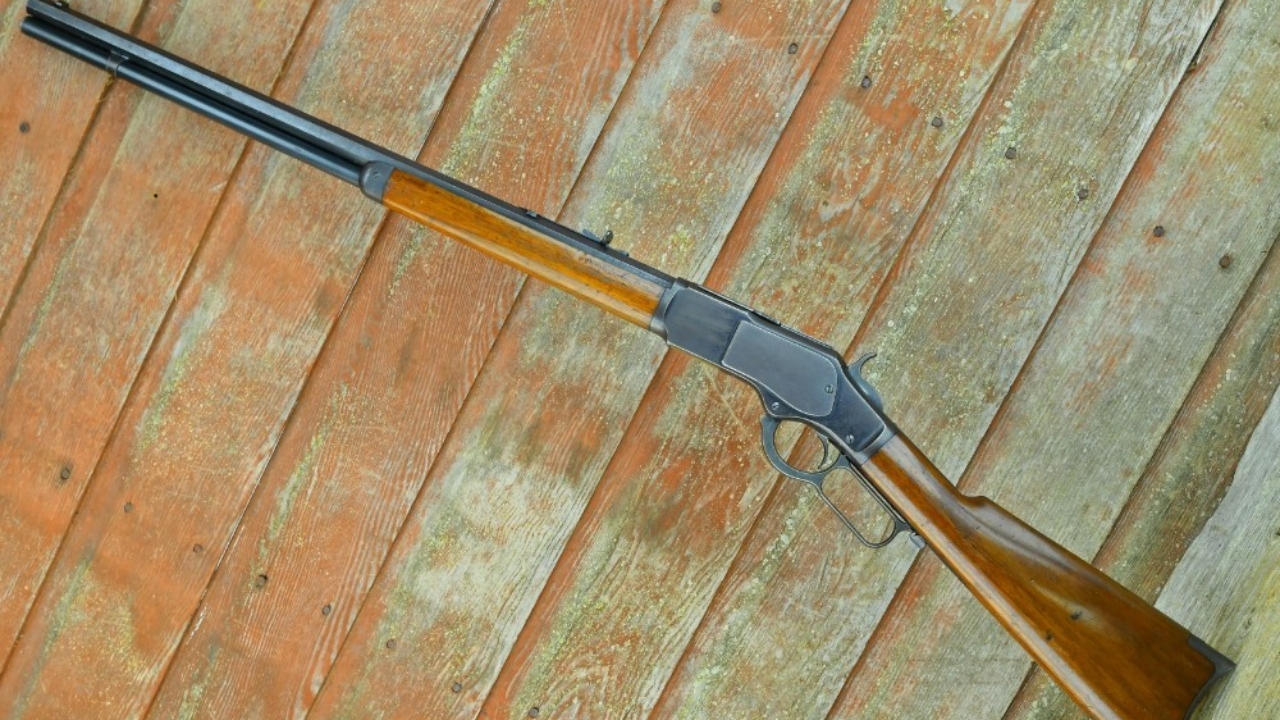
I like lever guns. They carry well, they look right in a saddle scabbard, and they still work. But in the dark, under stress, short-stroking is real, especially if the action is stiff or you do not run it hard.
A lever gun you practice with can be fast. A lever gun you only shoot once a year can turn into a jam you caused yourself.
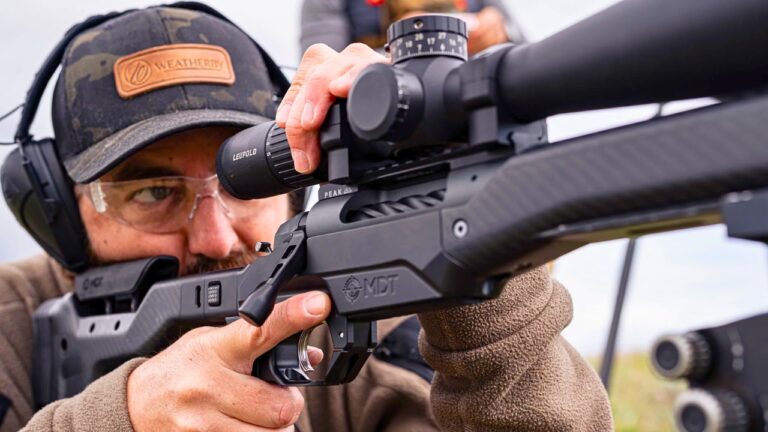
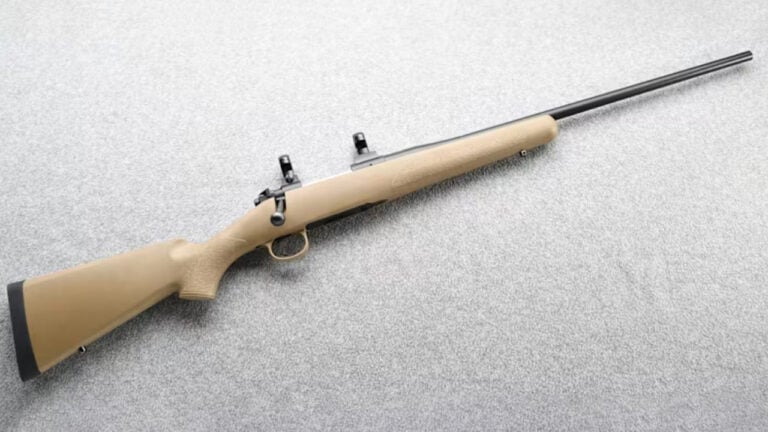
18. Scoped bolt-action hunting rifle (especially with a high-magnification scope)
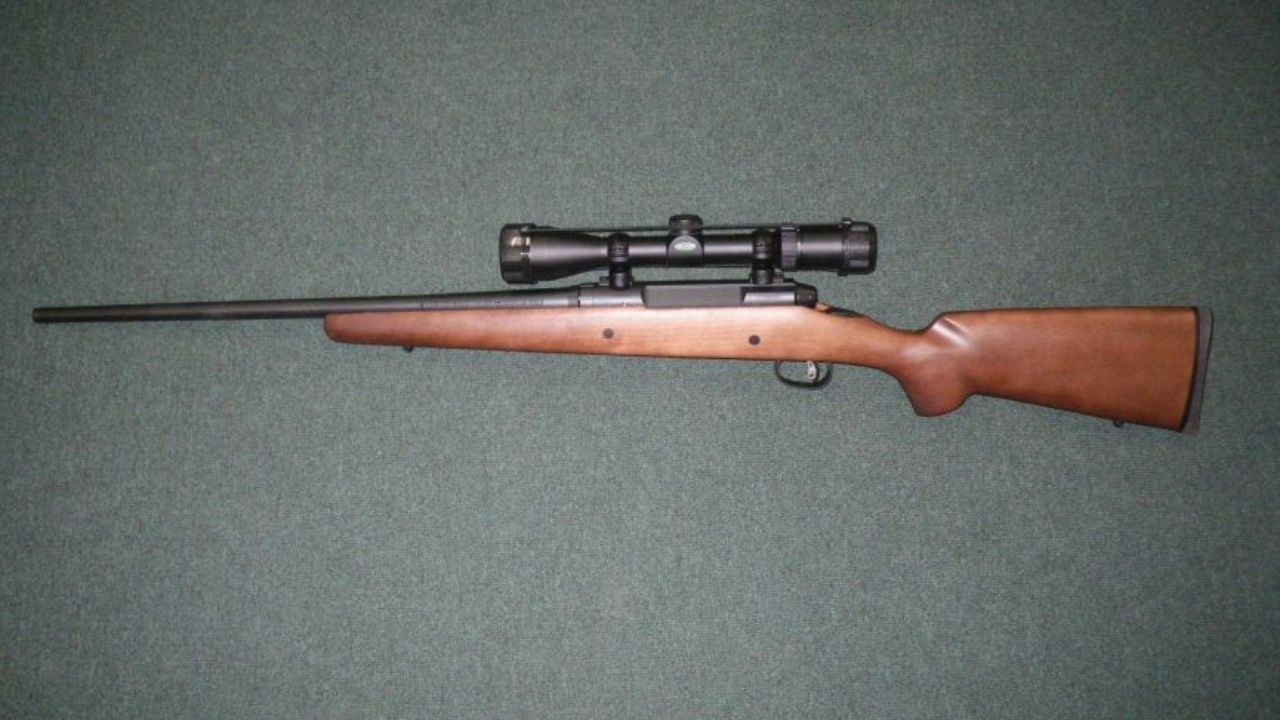
Most deer rifles are set up for daylight and distance, not indoor angles and close work. A big scope at high power gives you a narrow field of view, and in low light it can be disorienting.
Then there is the bolt itself. Cycling a bolt quickly and correctly while half awake is not impossible, but it is not the smoothest answer either.
19. Antique or heirloom firearm you would hate to lose to an evidence locker

This one is not about function. It is about reality. After a defensive incident, guns can get taken as part of the investigation, sometimes for a long while.
If grandpa’s old revolver is your bedside gun, you might be signing up for a heartache you did not need. Keep the sentimental pieces treasured, not tasked.
20. Anything stored unloaded with the ammo “nearby”
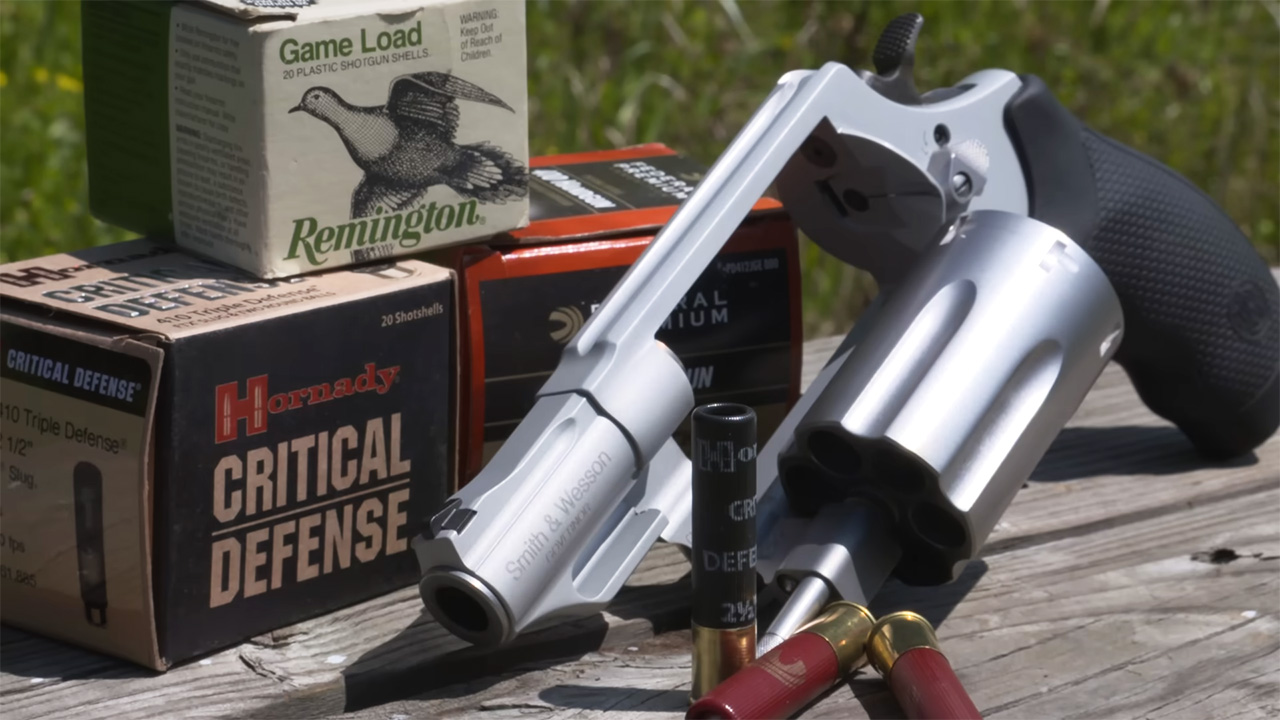
I am not telling anyone how to store firearms in their home. Folks have kids, different layouts, and different comfort levels. But I will say this: a gun that requires you to find ammo, load it, and make it ready while your brain is still booting up is a rough plan.
If you choose staged storage, it needs to be a system you can do safely, consistently, and under pressure. Otherwise, you are just adding steps when you can least afford them.
Middle-of-the-night problems are exactly when boring, proven setups shine. The best option is the one you can run safely in the dark, that you have actually shot enough to trust, and that does not demand extra steps or special finesse. Fun guns are fine. Collector guns are fine. Just do not confuse “cool” with “ready.”
Like The Avid Outdoorsman’s content? Subscribe to our newsletter so you never miss an article.
Here’s more from us: