Photo credit: SPN Firearms/YouTube
There is nothing wrong with buying a budget gun. Plenty of affordable firearms shoot well, run reliably, and give regular people a way to hunt, train, or defend themselves without spending premium money. A low price is not the problem.
The problem is when a gun is cheap in all the wrong places. A bad budget gun saves money at the register, then charges you later through rough triggers, poor reliability, weak parts support, bad magazines, harsh recoil, or resale value that disappears overnight. These are the budget guns that often are not worth the savings.
Taurus GX4

The Taurus GX4 looked like a major step forward for Taurus. It gave buyers a small, modern 9mm carry pistol with good capacity, aggressive texture, and a price that undercut many of the big-name micro-compacts. On paper, it made a lot of sense.
The problem is that budget carry guns have to earn trust harder than almost anything else. The GX4’s drop-safety recall made a lot of buyers pause, even though not every pistol was affected. A cheap carry gun stops feeling cheap when the owner has to check serial numbers, worry about safety notices, and prove the gun harder than they would a more established option.
Canik Mete MC9

The Canik Mete MC9 should have been an easy winner. Canik already had a strong reputation for good triggers and strong value, and a smaller carry gun from the brand sounded like exactly what buyers wanted. It looked like a budget-friendly answer to the P365 and Hellcat crowd.
The issue is that the MC9 has had enough owner complaints about reliability, return-to-battery problems, and feeding issues that it feels riskier than Canik’s larger pistols. Some examples run great, but a defensive carry gun should not feel like a coin toss. Saving money does not help much if the gun makes you nervous every time you chamber a round.
Springfield Armory 1911 DS Prodigy
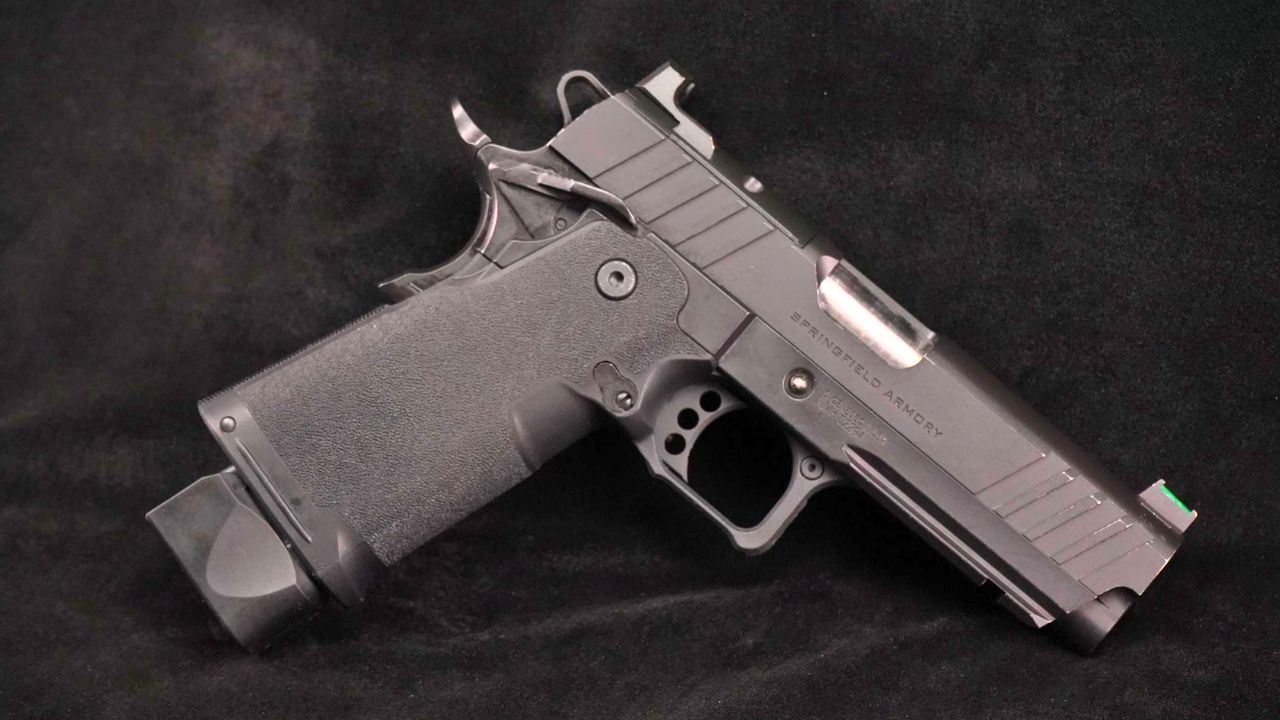
The Springfield Armory Prodigy is not cheap in the normal sense, but it is a budget gun in the double-stack 1911 world. That is why it belongs here. It promised shooters a 2011-style experience without full custom-gun money, which made a lot of people pay attention fast.
The problem is that the early reputation was rough. Reliability complaints, magazine tuning talk, and break-in debates made some buyers feel like they had paid a lot for a pistol that still needed sorting out. A cheaper 2011-style gun is only a bargain if it runs like a serious pistol. If it needs troubleshooting, the savings start disappearing quickly.
Kimber R7 Mako
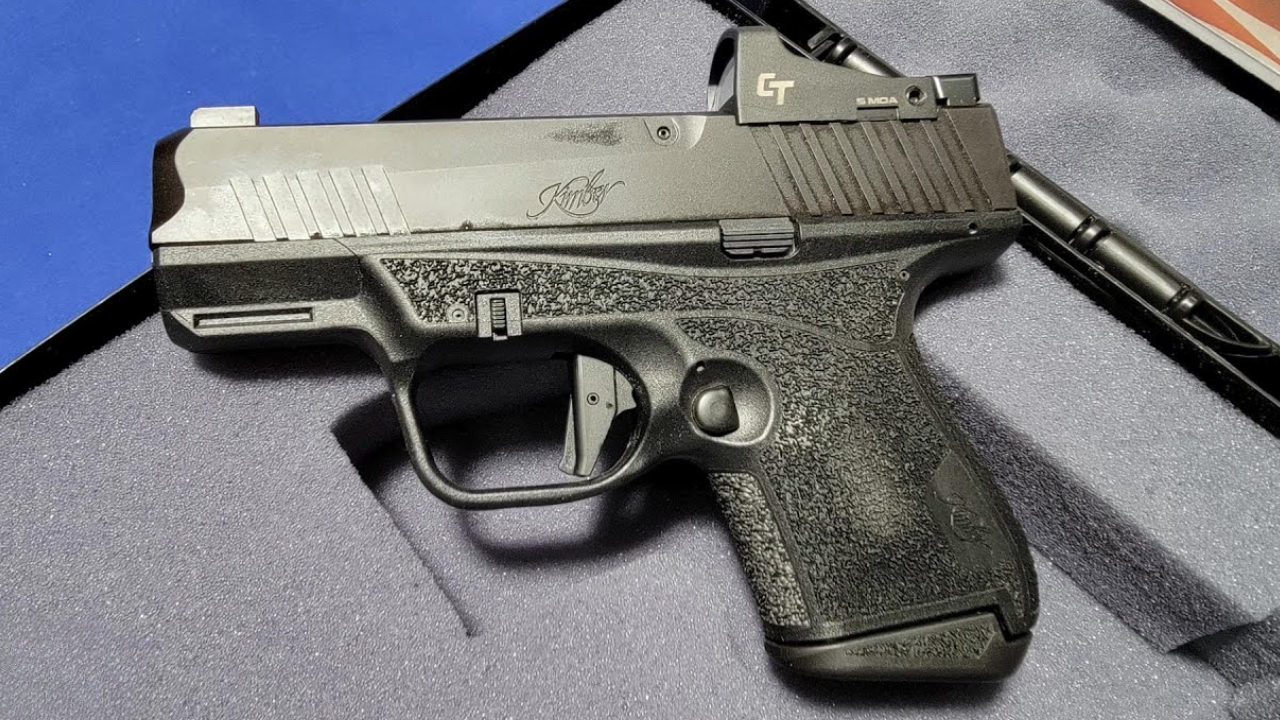
The Kimber R7 Mako was a modern move from a company better known for 1911s and small metal-frame pistols. It brought an enclosed-emitter optic setup, decent capacity, and a different look from the usual micro-compact crowd. It sounded like Kimber was finally taking the striker-fired carry market seriously.
But it never really became a default recommendation. That matters because carry pistols need more than specs. They need holsters, magazines, parts, long-term support, and buyer confidence. The R7 Mako may work fine, but for budget-minded shooters, it can feel like money tied up in a pistol the market already passed by.
Mossberg MC1sc

The Mossberg MC1sc was Mossberg’s attempt to get back into handguns, and it was not a bad idea. It was slim, simple, and aimed at concealed carry buyers who wanted something different from the usual Glock, SIG, and Smith & Wesson choices.
The problem is that the carry market moved quickly. The MC1sc felt dated almost as soon as higher-capacity micro-compacts became normal. A budget pistol with limited market momentum can be hard to support long term. If magazines, holsters, and parts are harder to find than they should be, the savings start looking thin.
Beretta APX Carry
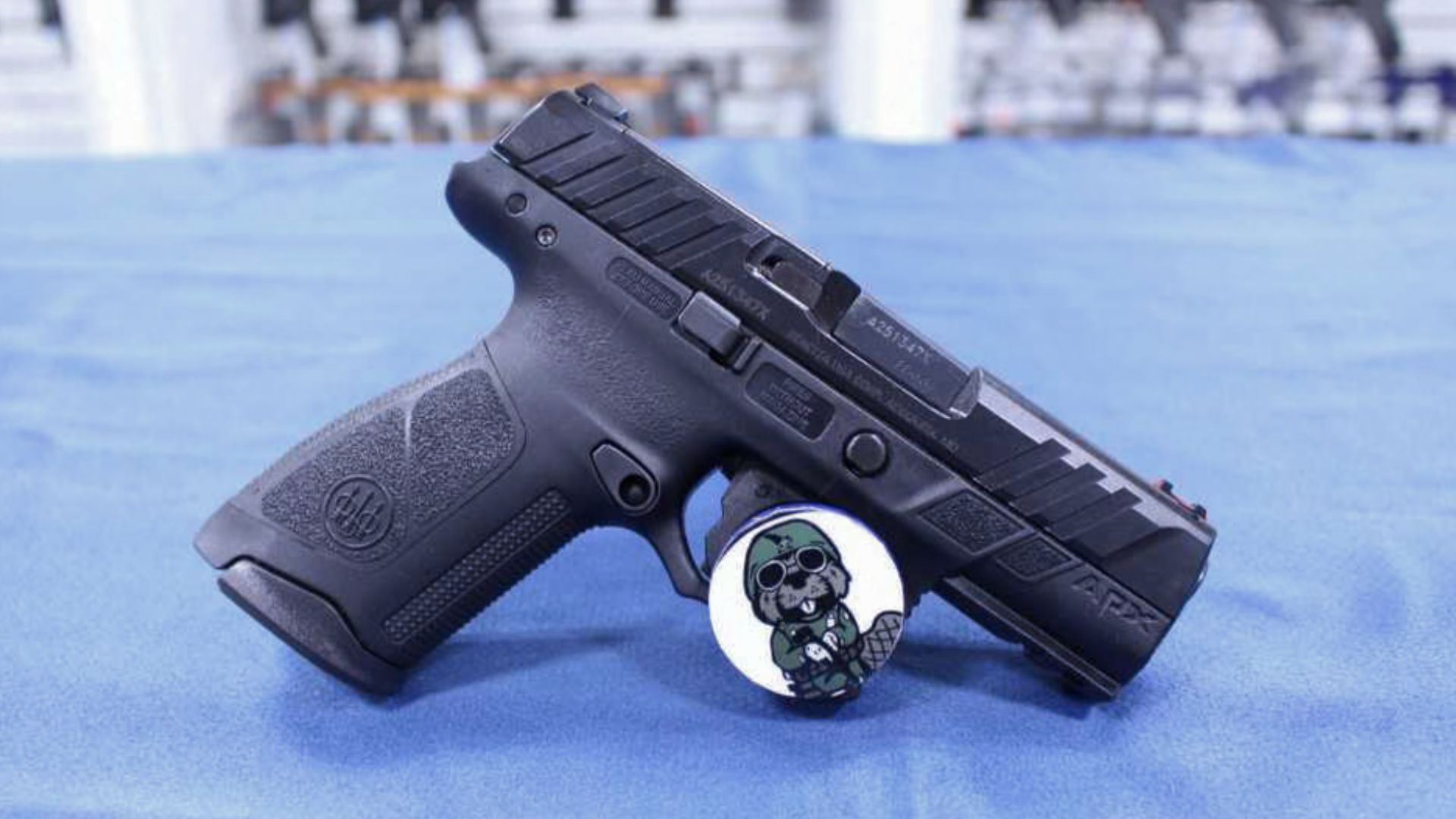
The Beretta APX Carry wears a trusted name, and that gives it an advantage at the gun counter. Beretta knows how to make serious pistols, so buyers naturally assume the small APX Carry must be a safe bargain when it shows up at a low price.
The issue is that the pistol itself never stood out enough. Capacity is limited compared with newer micro-compacts, the trigger is not a major selling point, and the overall feel does not match Beretta’s better pistols. It may be affordable, but it often feels like a budget carry gun people buy because of the logo more than the performance.
SCCY DVG-1

The SCCY DVG-1 was supposed to move SCCY into a more modern lane with a striker-fired trigger instead of the long double-action pull that defined the CPX pistols. That sounded like a smart update. A cheap, compact 9mm with a better trigger could have made sense.
The problem is that SCCY still has to fight its reputation for rough budget guns. A carry pistol needs trust, and trust is hard to build when the brand is known more for low prices than durability. The DVG-1 may appeal to buyers shopping strictly by cost, but most people are better off saving a little longer for a more proven compact 9mm.
SCCY CPX-2

The SCCY CPX-2 has sold well because it gives buyers a compact 9mm for very little money. For someone who just wants an affordable pistol in a serious defensive caliber, it is easy to understand the appeal. The price tag does a lot of work.
The problem is that the heavy trigger, cheap feel, and mixed reliability reputation make it hard to recommend as a real carry gun. It is the kind of pistol people buy to save money, then replace once they shoot better options. A budget gun is not a good deal if it becomes the gun you immediately want to upgrade from.
Taurus G2C

The Taurus G2C helped Taurus rebuild some credibility because it offered a lot of pistol for very little money. It had useful capacity, a compact size, and a price that made defensive handgun ownership easier for people on tight budgets.
But it still feels like an older budget compromise now. The trigger, finish, and overall refinement are not in the same league as better modern options. Some run fine, but the G2C is often the kind of gun owners defend because it was cheap, not because it truly feels as good as the pistols they skipped.
Taurus Curve

The Taurus Curve was an attempt to rethink concealed carry, but it ended up proving that different is not always better. The curved frame, unusual sighting setup, and body-contoured design made it stand out immediately. It looked clever in a display case.
In real use, it asked buyers to accept too many compromises. The handling was strange, the aiming system was awkward, and the whole pistol felt more like a concept than a serious defensive tool. Cheap guns should be simple and dependable. The Curve tried to be smart and ended up being easy to regret.
Remington RM380
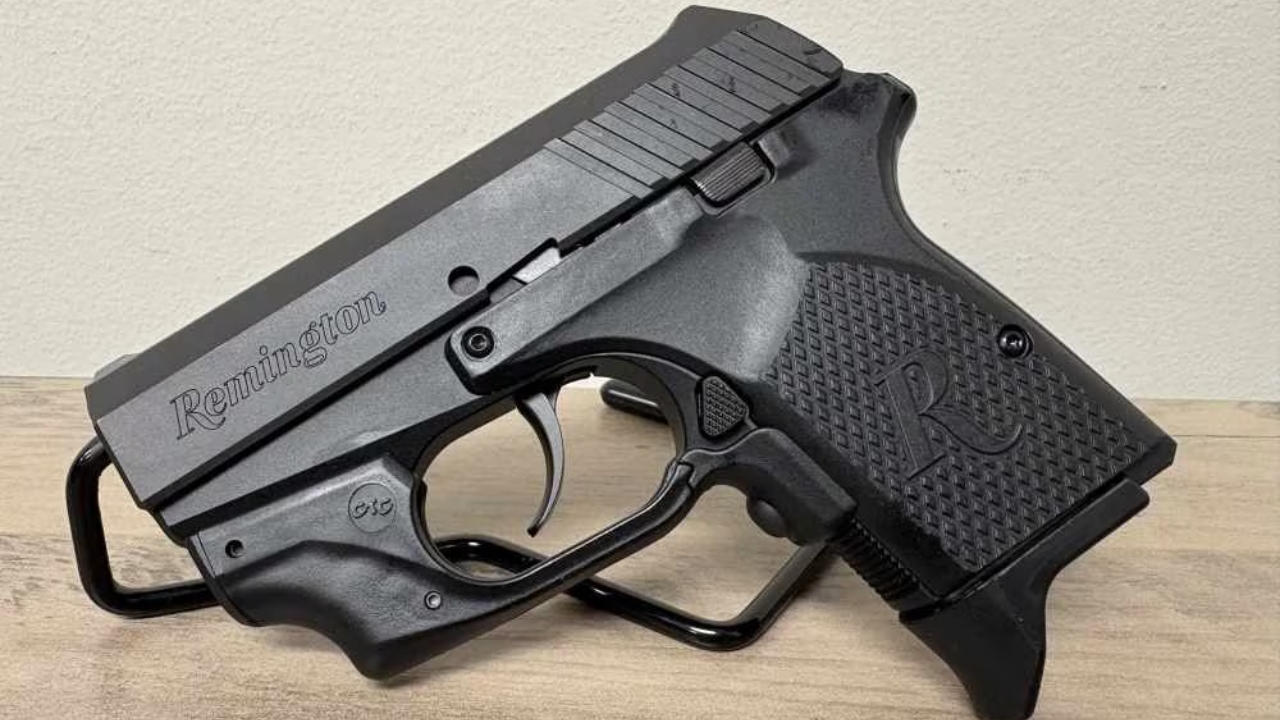
The Remington RM380 looked like a plain, affordable pocket .380 from a major American name. For buyers who wanted something small and metal-framed, it had some appeal. It was not as crude-looking as the cheapest pocket pistols, and it carried easily.
The issue is that Remington’s modern handgun reputation was already shaky. The RM380 never built the kind of confidence or market support that makes a carry pistol feel like a long-term buy. A low price does not help much if the gun feels like it belongs to a product line that never fully mattered.
Remington R51

The Remington R51 was not a budget pistol in the cheapest sense, but it became a bargain-bin regret for a lot of shooters. It had an interesting design, a sleek profile, and the promise of a soft-shooting compact 9mm. The idea had real appeal.
The execution did not. Reliability problems and a messy launch damaged the gun’s reputation badly. Once a pistol becomes known for problems, discounted prices do not fix the trust issue. The R51 is a reminder that a cheap used price can still be too high if the gun never earned confidence.
Stoeger STR-9 Compact

The Stoeger STR-9 Compact is not a terrible pistol, but it lives in a tough spot. It is affordable, simple, and backed by a brand connected to the Beretta family. That helps it look like a smarter budget buy than some no-name pistols.
The problem is that the market is packed with better-supported options. Holsters, magazines, sights, and aftermarket parts matter when a pistol is supposed to be used regularly. The STR-9 Compact may shoot fine, but if support is thin and resale is weak, the lower price becomes less impressive.
SAR9 Compact
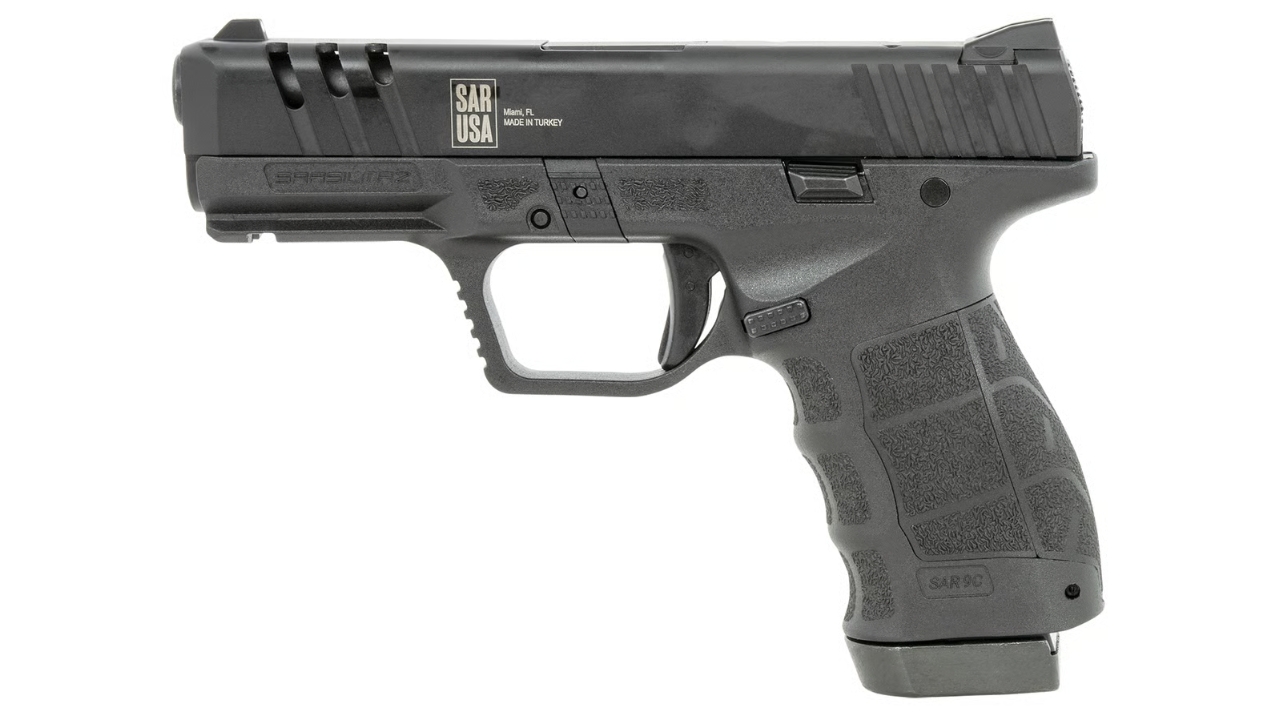
The SAR9 Compact is another budget pistol that can feel better than expected at first. SAR has a reputation for building tough service-style pistols, and the compact version gives buyers a lower-cost 9mm that seems ready for carry or home defense.
But it is still fighting an uphill battle in the U.S. market. Magazine availability, holster support, and long-term parts access are not on the same level as Glock, M&P, CZ, or SIG. A pistol can be mechanically decent and still be a poor budget buy if the ecosystem around it is weak.
Honor Defense Honor Guard
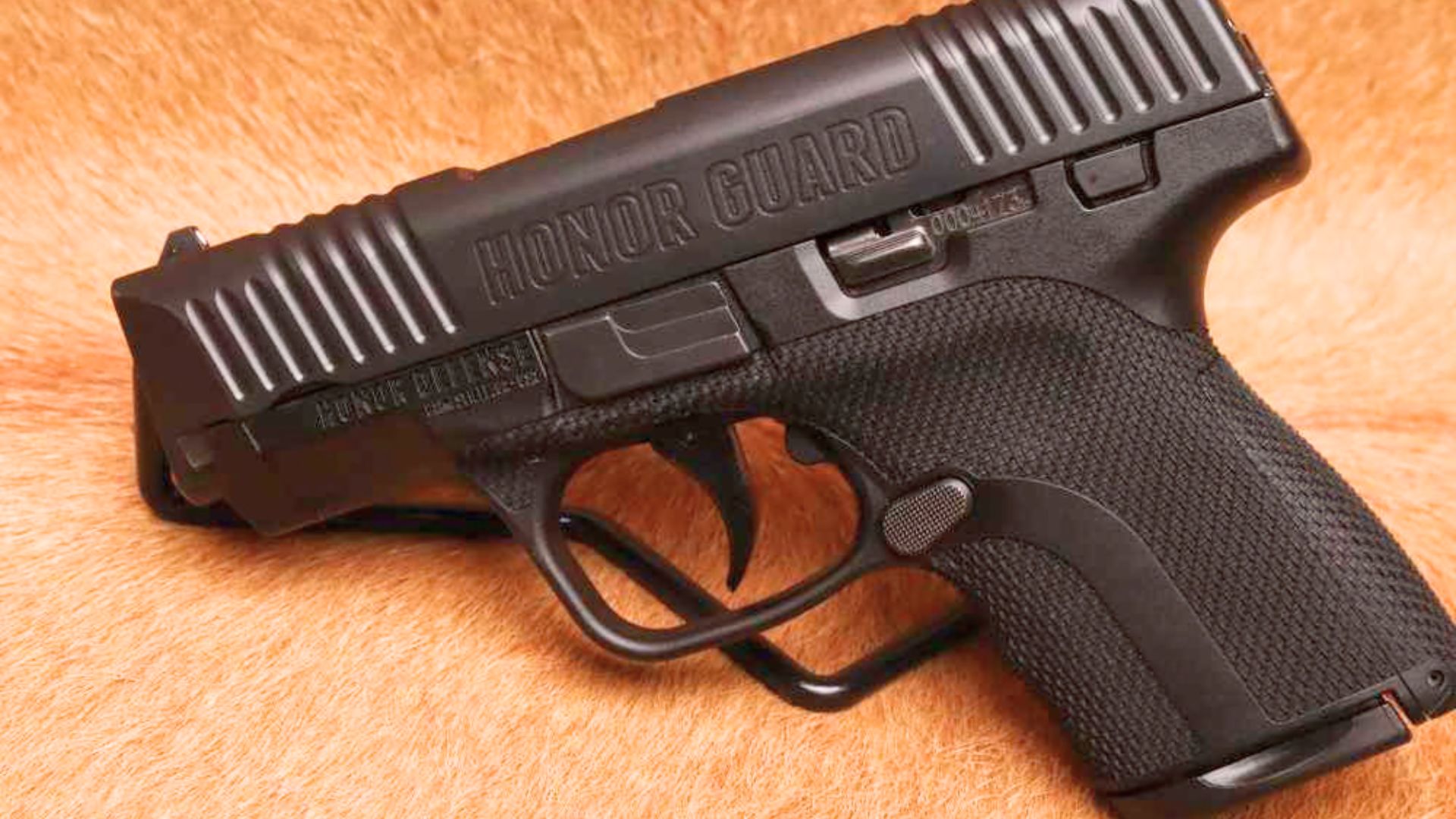
The Honor Guard had some interesting features and looked like it might become another serious single-stack carry pistol. It offered aggressive texture, a compact size, and enough modern touches to catch attention from budget carry buyers.
The problem is that small-brand carry pistols need support to survive. Once the market moves on, owners can be left wondering about parts, magazines, service, and long-term confidence. A defensive handgun should not feel like an orphaned project. That makes the savings hard to justify.
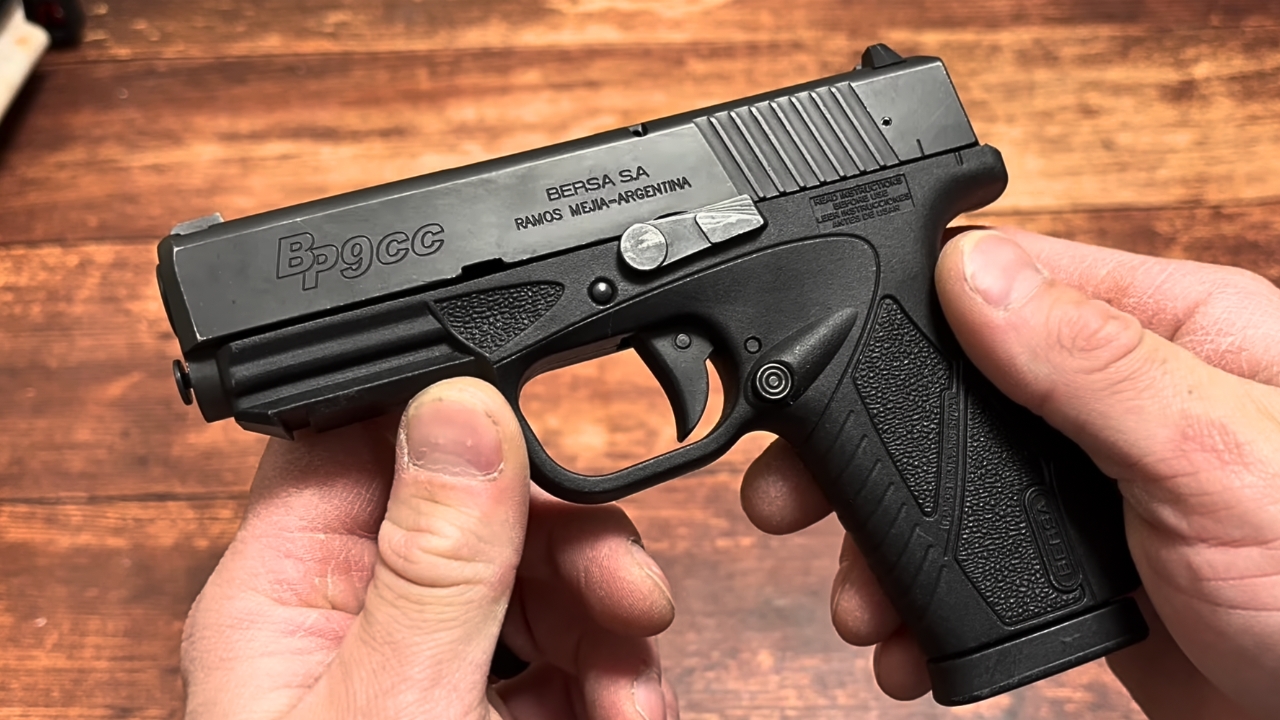
Bersa BP9CC
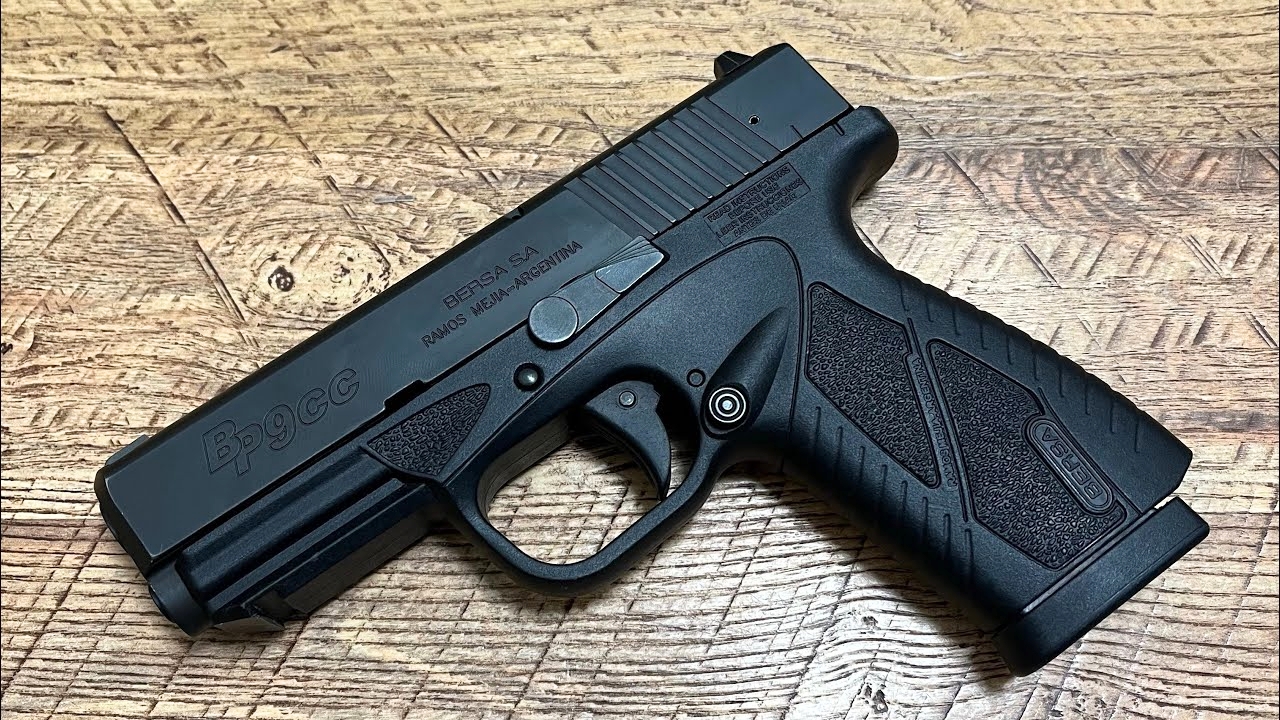
The Bersa BP9CC made more sense when slim single-stack 9mms were the main carry trend. It was thin, affordable, and had a lighter trigger than many expected. For a while, it looked like a decent budget alternative to more expensive carry pistols.
Today, it feels behind the curve. Capacity is limited, support is not especially strong, and newer micro-compacts offer more rounds in similar footprints. The BP9CC is not worthless, but it is the kind of budget gun that saves money while giving up too much compared with current options.
Diamondback DB9

The Diamondback DB9 tried to give shooters an extremely small 9mm in a pocketable package. That sounds great because everyone wants serious power in a tiny gun. The problem is that physics does not care about the sales pitch.
Tiny 9mm pistols are hard on shooters and hard on parts. Recoil is sharp, grip space is limited, and reliability can be sensitive. The DB9 is easy to carry, but not especially easy to shoot well or trust blindly. A gun that small has to be exceptional to be worth the compromise, and this one often feels too marginal.
Kimber Micro 9
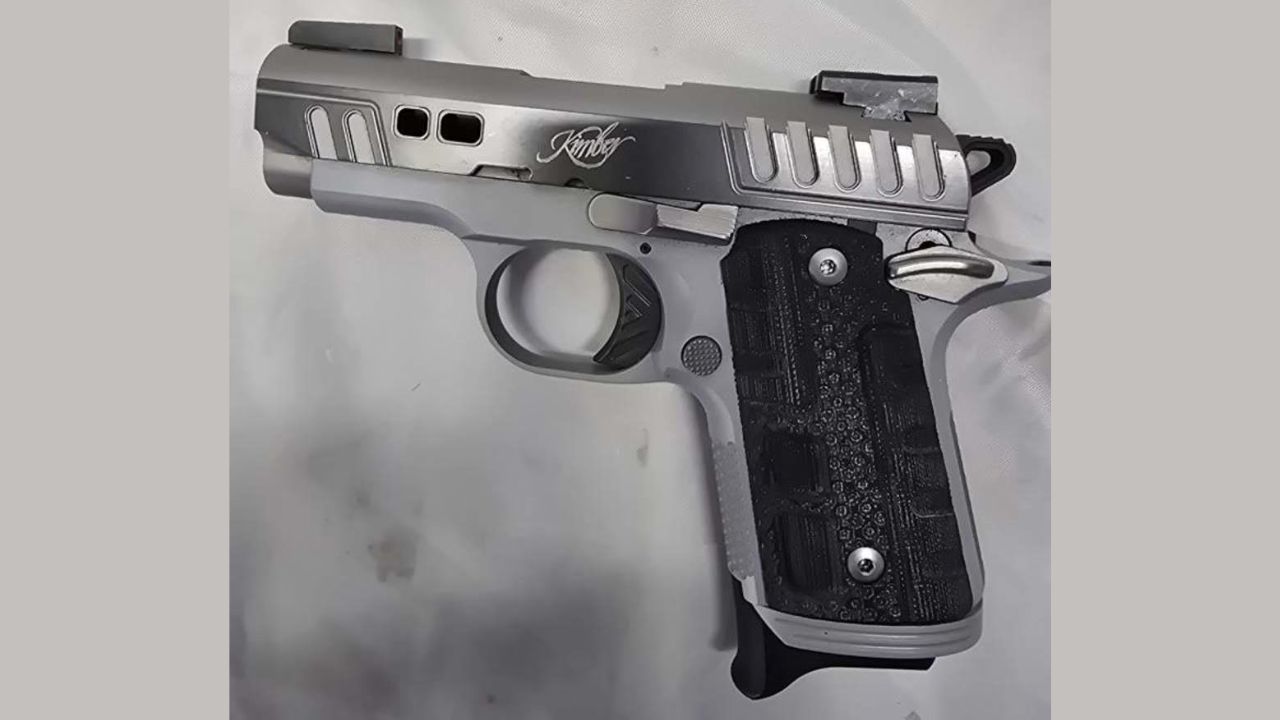
The Kimber Micro 9 looks much nicer than most budget carry pistols, but used prices and basic versions can tempt buyers who want a “better” small gun without paying for a modern premium carry pistol. It has metal construction, good looks, and 1911-style controls.
The problem is that it is still a tiny single-action 9mm that asks a lot from the owner. Recoil can be snappy, capacity is limited, and the safety demands real practice. It may feel classy, but it is not always the easiest gun to shoot, maintain, or recommend. A cheaper price does not erase the drawbacks.
Ruger LCP II .22 LR
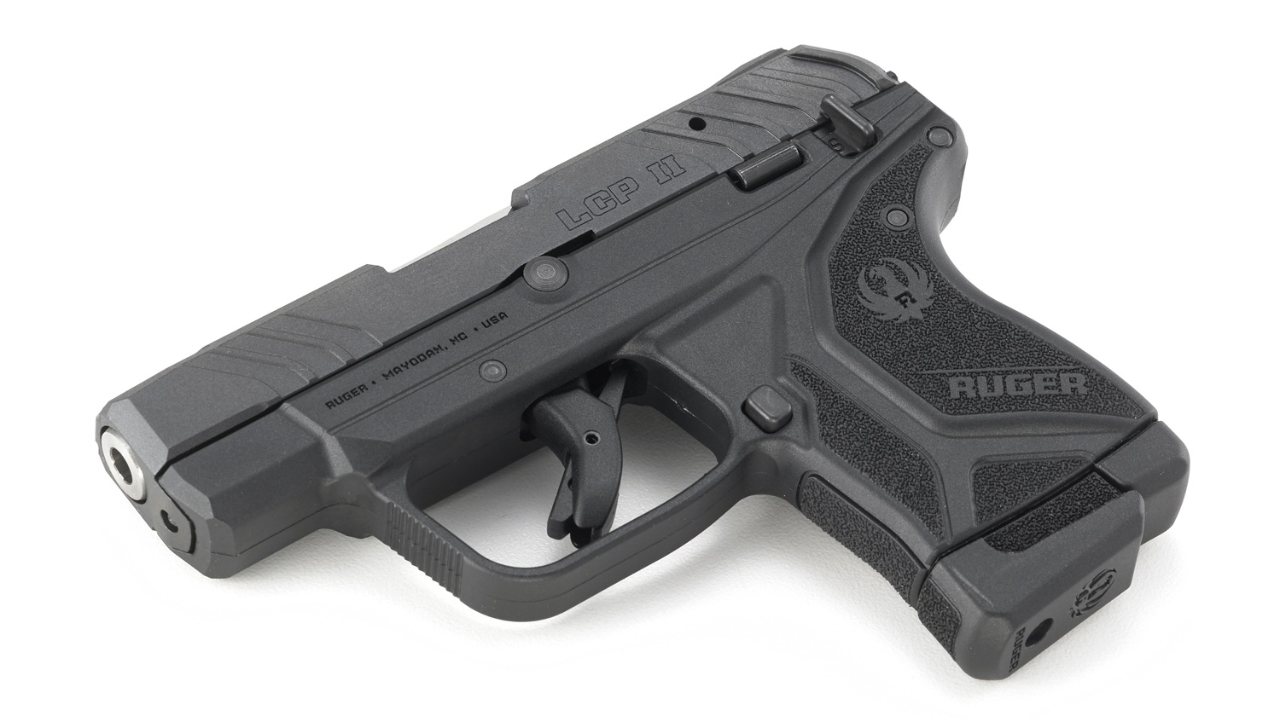
The Ruger LCP II in .22 LR is fun, light, and easy to shoot. As a trainer or casual plinker, it makes sense. It lets owners practice with a pistol shaped like a pocket gun without dealing with .380 recoil.
As a defensive budget buy, it is hard to defend. Rimfire ignition is not as reassuring as centerfire ignition, and a tiny pocket .22 is not something most people should trust unless physical limitations leave few options. It saves money on ammo and recoil, but it gives up too much as a serious carry choice.
NAA Guardian .380

The NAA Guardian .380 feels solid because it is a little stainless-steel brick. That gives buyers confidence when they handle it. It is small, sturdy, and simple enough to seem like a good deep-concealment option.
But the weight, low capacity, stiff recoil, and unpleasant shooting experience make the savings questionable. A gun that is easy to carry but miserable to practice with often becomes a pocket charm instead of a serious tool. For most buyers, a more modern pocket .380 or micro 9mm gives better value.
Hi-Point C9

The Hi-Point C9 has defenders because it often works and costs very little. The warranty is good, and for someone with almost no money, it may be the only centerfire pistol they can afford. That deserves some honesty.
But the C9 is still bulky, awkward, heavy, and crude compared with better budget pistols. It is a hard gun to carry, not especially refined, and not something most owners would choose if they could spend a little more. When affordable options like the PSA Dagger, Ruger Security-9, CZ P-10 C, and Taurus G3C exist, the savings are harder to defend.
Heritage Rough Rider 16-inch barrel
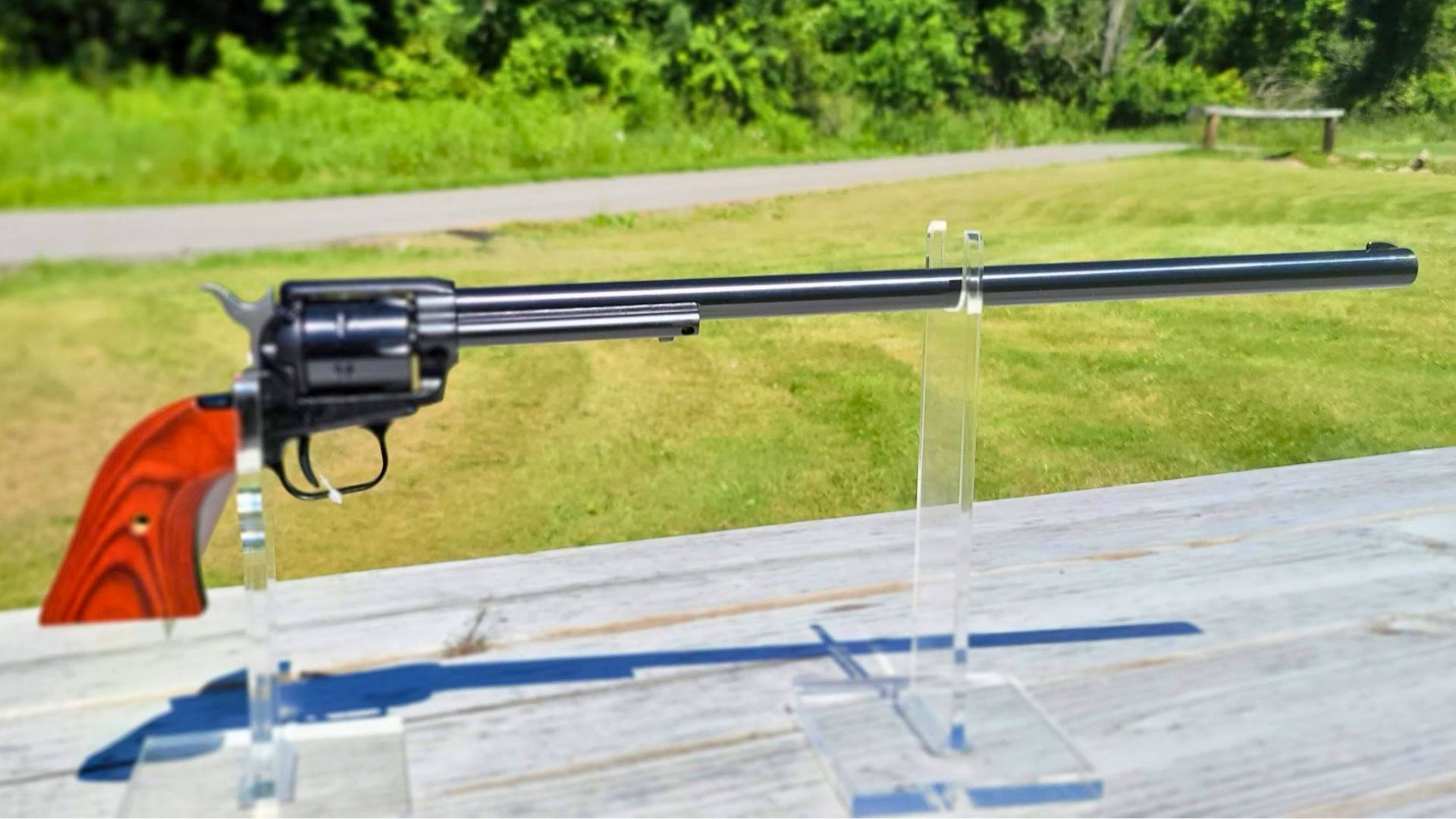
The Heritage Rough Rider is usually a fun little budget revolver, but the long-barreled versions can cross into novelty territory fast. A 16-inch .22 revolver looks funny, gets attention, and costs less than most handguns. That can be enough to make someone buy it on impulse.
The problem is that novelty wears off. It is awkward, slow, and not nearly as useful as a regular .22 pistol or a proper .22 rifle. As a conversation piece, fine. As a smart budget firearm, it is not the best use of money. Sometimes the cheapest fun gun is still money that could have gone toward something better.
Savage 64
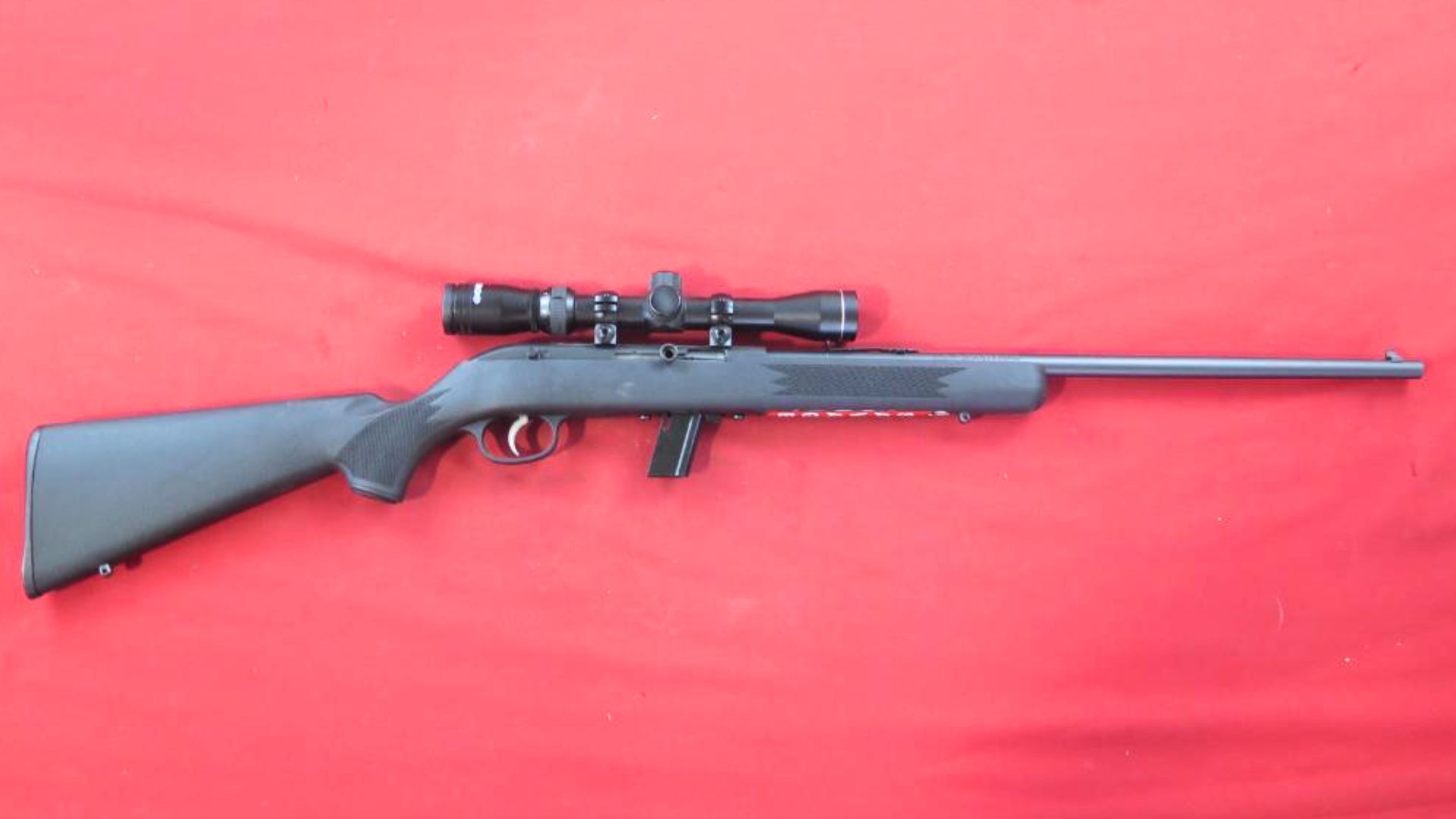
The Savage 64 is cheap and has introduced plenty of people to semi-auto .22 rifles. It can be fun when it runs, and the price makes it tempting for anyone wanting a basic rimfire without spending Ruger 10/22 money.
The issue is that cheap rimfires can become frustrating fast if magazines, feeding, or reliability are inconsistent. The 64 does not have the same aftermarket, magazine support, or long-term flexibility as the 10/22. It may save money up front, but many owners eventually wish they had spent more on a rimfire that was easier to upgrade and support.
Rossi RS22

The Rossi RS22 is another cheap semi-auto .22 that looks like a simple bargain. It is light, affordable, and good enough for casual plinking when everything is working. For a first rifle, it can seem like a harmless savings move.
The downside is that it does not feel like a lifetime rimfire. The stock, parts support, and overall refinement are very basic. If someone only wants the cheapest plinker, it may be fine. But for a rifle that will be kept, customized, taught with, and used for years, spending more on a better-supported .22 often makes more sense.
Like The Avid Outdoorsman’s content? Subscribe to our newsletter so you never miss an article.
Here’s more from us: